


Ceramic Sanitary Ware Market Size 2026-2030
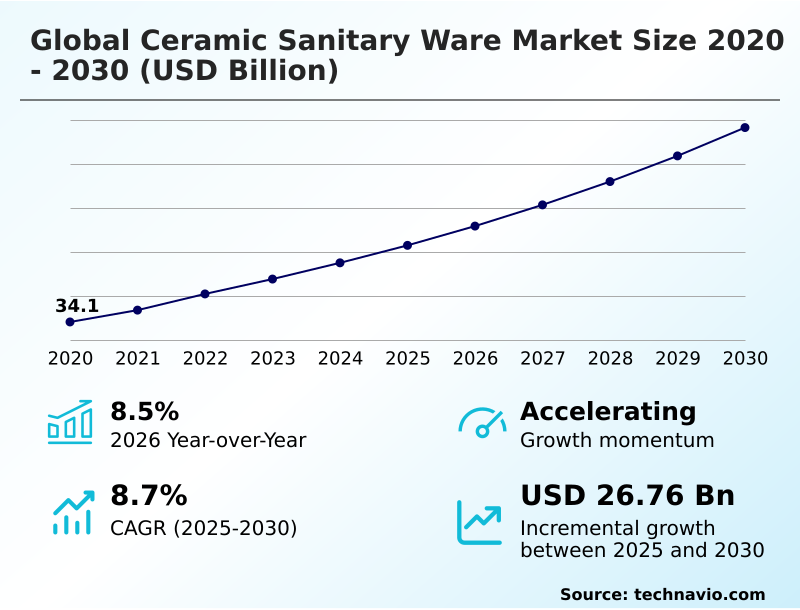
The ceramic sanitary ware market size is valued to increase by USD 26.76 billion, at a CAGR of 8.7% from 2025 to 2030. Increasing awareness of hygiene and sanitation will drive the ceramic sanitary ware market.
Major Market Trends & Insights
- APAC dominated the market and accounted for a 41.6% growth during the forecast period.
- By Application - Residential segment was valued at USD 32.48 billion in 2024
- By Product - Ceramic wash basins segment accounted for the largest market revenue share in 2024
Market Size & Forecast
- Market Opportunities: USD 44.17 billion
- Market Future Opportunities: USD 26.76 billion
- CAGR from 2025 to 2030 : 8.7%
Market Summary
- The ceramic sanitary ware market has evolved significantly, moving beyond basic utility to become an integral part of modern wellness and interior design. Key drivers such as rapid urbanization and a heightened global focus on hygiene are fueling demand for advanced, high-performance products.
- This is reflected in the growing adoption of hygienic bathroom fixtures that incorporate features like anti-microbial glazes and rimless toilet bowl designs. In response, manufacturers are innovating across the entire value chain, from raw porcelain materials to final product aesthetics. However, the industry faces challenges from volatile raw material costs and the high energy consumption of ceramic kilns.
- To navigate this, a mid-sized firm might implement a dual strategy of investing in energy-efficient sanitary ware production technologies while optimizing its supply chain for critical glazing materials. This approach allows the company to maintain profitability and compete effectively by offering cutting-edge, water-efficient fixtures.
- The integration of sustainable sanitary ware principles and smart bathroom technology continues to shape the competitive landscape, pushing companies toward more sophisticated and eco-conscious manufacturing techniques like pressure casting and automated casting.
What will be the Size of the Ceramic Sanitary Ware Market during the forecast period?
Get Key Insights on Market Forecast (PDF) Get Free Sample
How is the Ceramic Sanitary Ware Market Segmented?
The ceramic sanitary ware industry research report provides comprehensive data (region-wise segment analysis), with forecasts and estimates in "USD million" for the period 2026-2030, as well as historical data from 2020-2024 for the following segments.
- Application
- Residential
- Commercial
- Product
- Ceramic wash basins
- Ceramic wash closets
- Ceramic cisterns
- Others
- Technique
- Slip casting
- Pressure casting
- Drain casting
- Others
- Geography
- APAC
- China
- India
- Japan
- Europe
- Germany
- France
- UK
- North America
- US
- Canada
- Mexico
- Middle East and Africa
- Saudi Arabia
- UAE
- Turkey
- South America
- Brazil
- Argentina
- Colombia
- Rest of World (ROW)
- APAC
By Application Insights
The residential segment is estimated to witness significant growth during the forecast period.
The residential segment is expanding due to rapid urbanization and rising consumer focus on home improvement. This has led to a significant increase in residential bathroom renovation projects, where demand is shifting toward aesthetic bathroom designs and hygienic bathroom fixtures.
Modern homeowners prioritize premium plumbing fixtures, including smart toilets and touchless basins, which offer enhanced convenience and cleanliness.
This trend directly influences sanitary ware production, with manufacturers refining vitreous china manufacturing processes to create high-quality ceramic wash basins and ceramic wash closets.
To meet evolving consumer tastes for water-efficient fixtures and advanced features, product development lifecycles for key product lines have been reduced by over 15%, ensuring a faster route to market for innovative and sustainable solutions.
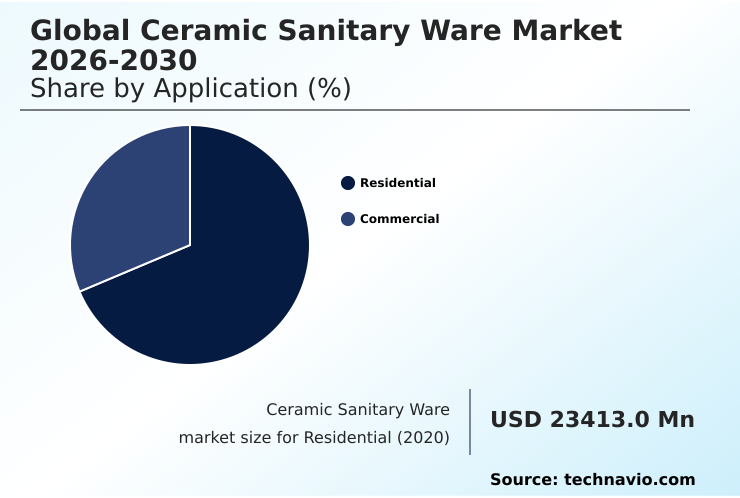
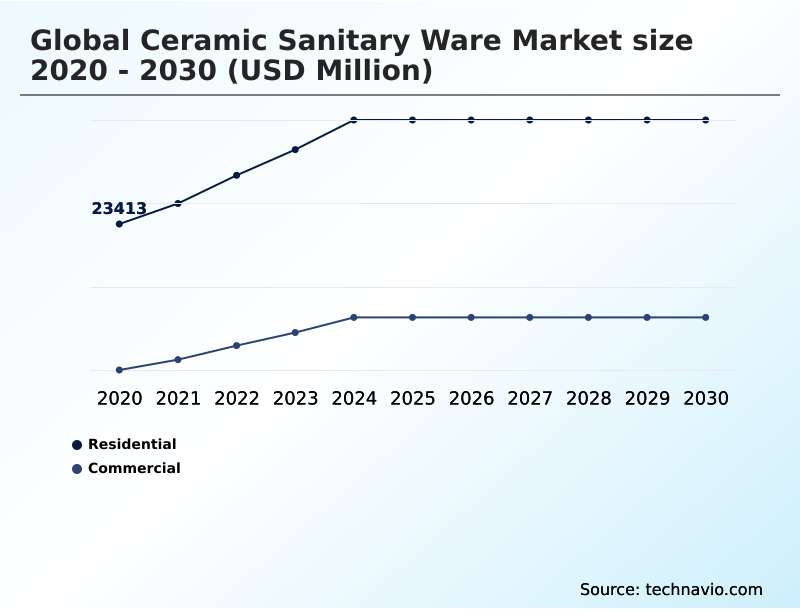
The Residential segment was valued at USD 32.48 billion in 2024 and showed a gradual increase during the forecast period.
Regional Analysis
APAC is estimated to contribute 41.6% to the growth of the global market during the forecast period.Technavio’s analysts have elaborately explained the regional trends and drivers that shape the market during the forecast period.
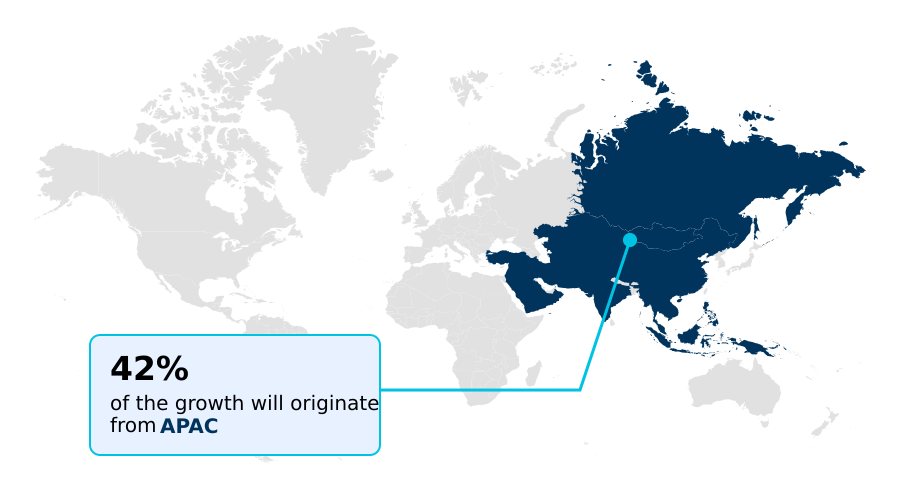
See How Ceramic Sanitary Ware Market Demand is Rising in APAC Get Free Sample
The market's geographic distribution is led by the APAC region, which is projected to contribute 41.6% of the incremental growth, driven by extensive sanitation infrastructure development in countries like China and India.
This contrasts with North America, where the market is set to expand at 9.7%, fueled primarily by residential bathroom renovation trends and the adoption of smart toilets.
In Europe, stringent green building certifications are pushing demand for eco-friendly bathroom products and advanced water-efficient fixtures.
Across all regions, manufacturers are adapting production, with some facilities achieving a 20% reduction in energy consumption through the use of modern automated casting methods.
The Middle East and Africa show strong potential in commercial restroom solutions for the hospitality sector, focusing on durable and aesthetically pleasing installations.
Market Dynamics
Our researchers analyzed the data with 2025 as the base year, along with the key drivers, trends, and challenges. A holistic analysis of drivers will help companies refine their marketing strategies to gain a competitive advantage.
- Strategic decisions in the ceramic sanitary ware market are increasingly centered on both manufacturing efficiency and product innovation. The debate over slip casting vs pressure casting sanitary ware continues, with the latter method enabling production cycle reductions of over 25% for complex designs, directly impacting time-to-market.
- On the product side, the benefits of rimless toilet bowl designs are now a key selling point for hygiene-conscious consumers, complemented by the superior water efficiency of dual-flush systems.
- In urban design, the trend of installing concealed cisterns in small bathrooms is driven by space optimization needs, while the demand for elegant ceramic wash basins for modern interiors reflects a broader shift toward aesthetic-driven purchasing. Application-specific requirements are also critical, such as the need for durable anti-microbial glazes for commercial restrooms, which significantly reduces long-term maintenance costs.
- For homeowners, the array of smart toilet features for residential use is a major differentiator. Underlying these trends is the rising cost of sustainable sanitary ware manufacturing, which is becoming a central factor in corporate budgeting and strategic planning for long-term competitiveness.
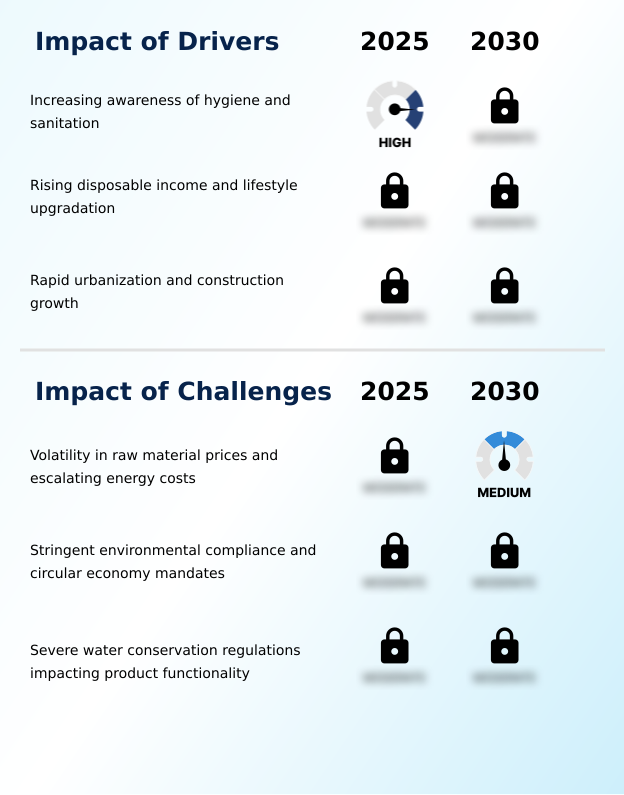
What are the key market drivers leading to the rise in the adoption of Ceramic Sanitary Ware Industry?
- Heightened global awareness surrounding hygiene and sanitation is a key market driver, fueling demand for modern and technologically advanced ceramic sanitary ware solutions.
- Rapid urbanization and a heightened focus on public health are key drivers fueling market expansion. Large-scale sanitation infrastructure development and affordable housing sanitation projects are creating substantial volume demand.
- Concurrently, stringent water conservation regulations and the growing influence of green building certifications are accelerating the adoption of sustainable sanitary ware.
- For instance, dual-flush systems, now a standard feature, can reduce household water consumption by up to 50% compared to legacy models.
- The demand for preventive healthcare fixtures with anti-microbial glazes is also rising, aligning with the trend toward wellness bathroom design.
- To meet these requirements, manufacturers are utilizing advanced production methods like high-pressure molding and isostatic casting to produce durable, high-performance fixtures, including concealed cisterns that support modern, space-saving aesthetics.
What are the market trends shaping the Ceramic Sanitary Ware Industry?
- The adoption of smart and touchless sanitary solutions is emerging as a significant market trend, fundamentally reshaping product development and consumer expectations across the industry.
- The market is witnessing a convergence of smart bathroom technology and luxury bathroom design, driving demand for innovative and customized ceramic products. Adoption rates for bidet toilet seats have grown significantly, while the trend toward aesthetic bathroom designs has popularized wall-mounted toilets, which can increase usable floor space by up to 15% in compact urban dwellings.
- Manufacturing techniques are evolving to meet these demands, with pressure casting enabling the creation of intricate, minimalist sanitary ware. At the same time, advancements in flushing mechanisms are enhancing performance, with technologies like duraflush rotational flush and vortex flushing technology improving the hygiene of rimless toilet bowl designs.
- The development of advanced ceramic cisterns supports these water-efficient systems, aligning with both consumer preferences and regulatory standards.
What challenges does the Ceramic Sanitary Ware Industry face during its growth?
- Volatility in raw material prices, coupled with escalating energy costs, presents a key challenge for manufacturers, affecting production costs and overall market growth.
- The primary challenge confronting the market is the significant volatility in operational costs. Energy expenses for firing ceramic kilns have fluctuated by as much as 40% in recent periods, directly impacting the profitability of vitreous china manufacturing.
- Unstable prices for essential glazing materials further complicate financial planning and pricing strategies for eco-friendly bathroom products and premium items like sculptural concrete basins. Although demand for minimalist sanitary ware and compact bathroom fixtures remains strong, particularly for commercial restroom solutions, manufacturers relying on traditional methods such as slip casting and drain casting face considerable margin pressure.
- This cost instability has contributed to an average 5-7% increase in production expenses, which cannot always be absorbed or passed on to the end consumer.
Exclusive Technavio Analysis on Customer Landscape
The ceramic sanitary ware market forecasting report includes the adoption lifecycle of the market, covering from the innovator’s stage to the laggard’s stage. It focuses on adoption rates in different regions based on penetration. Furthermore, the ceramic sanitary ware market report also includes key purchase criteria and drivers of price sensitivity to help companies evaluate and develop their market growth analysis strategies.
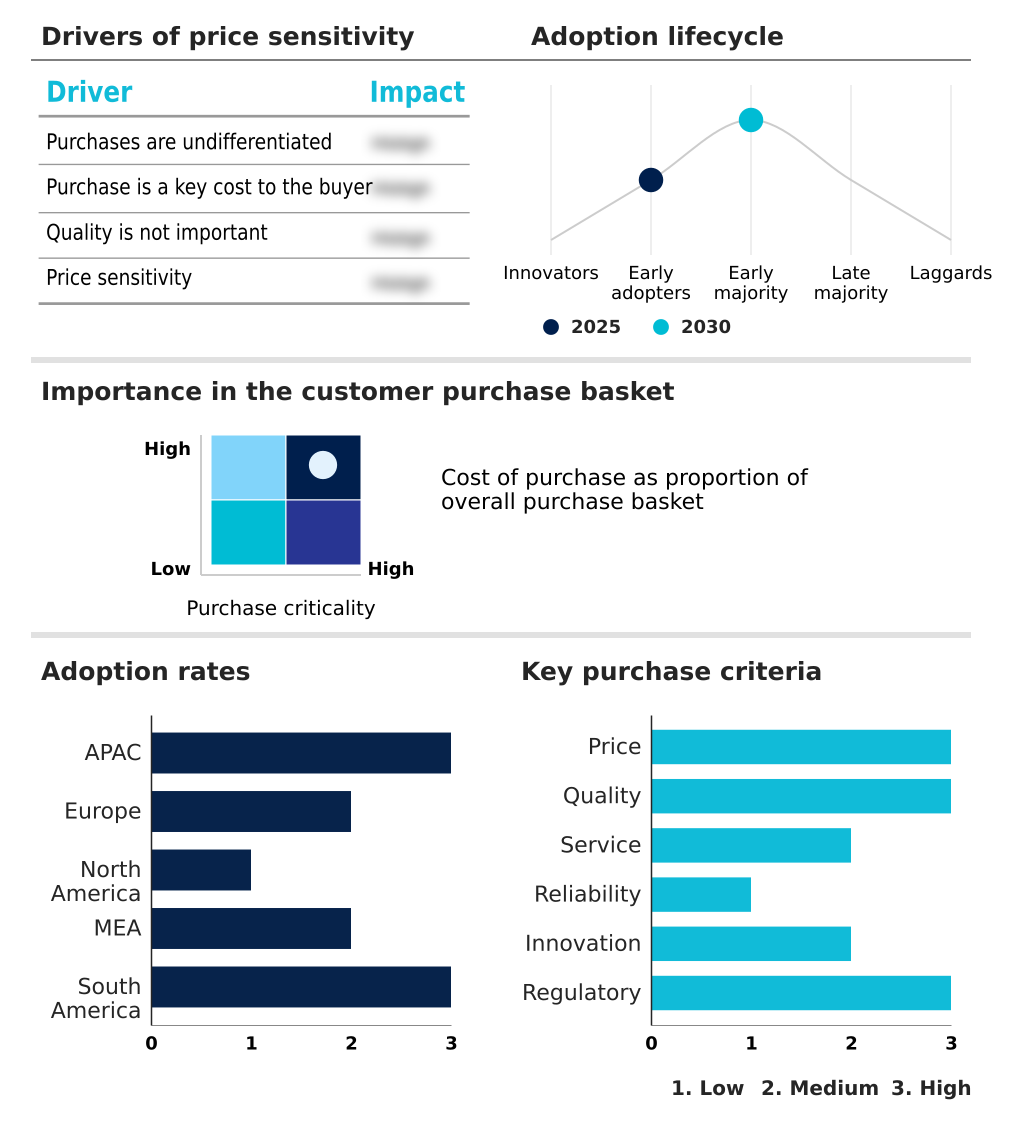
Customer Landscape of Ceramic Sanitary Ware Industry
Competitive Landscape
Companies are implementing various strategies, such as strategic alliances, ceramic sanitary ware market forecast, partnerships, mergers and acquisitions, geographical expansion, and product/service launches, to enhance their presence in the industry.
Cera Sanitaryware Ltd. - A comprehensive portfolio of ceramic sanitary ware is offered, including toilets and washbasins, alongside integrated wellness products that support diverse bathroom and sanitation needs.
The industry research and growth report includes detailed analyses of the competitive landscape of the market and information about key companies, including:
- Cera Sanitaryware Ltd.
- Duravit AG
- Geberit International AG
- Grohe AG
- Hindware Home Innovation Ltd.
- Huida Sanitary Ware Co. Ltd.
- Ideal Standard International NV
- Jaquar Group
- JOMOO Kitchen and Bath Co.
- Kohler Co.
- Laufen Bathrooms AG
- LIXIL Corp.
- Porcelanosa Grupo A.I.E.
- RAK Ceramics PJSC
- Roca Sanitario S.A.
- Somany Ceramics Ltd.
- Splendid Sanitary Ware World
- Toto Ltd.
- Villeroy and Boch AG
- VitrA
Qualitative and quantitative analysis of companies has been conducted to help clients understand the wider business environment as well as the strengths and weaknesses of key industry players. Data is qualitatively analyzed to categorize companies as pure play, category-focused, industry-focused, and diversified; it is quantitatively analyzed to categorize companies as dominant, leading, strong, tentative, and weak.
Recent Development and News in Ceramic sanitary ware market
- In October 2024, Toto Ltd. established a major regional distribution and service center in Vietnam to enhance its logistics and better serve the expanding Southeast Asian market.
- In February 2025, Kast, a brand under Kohler Co., launched the Orme collection of sculptural concrete basins, targeting the luxury residential market with customizable, design-forward bathroom solutions.
- In March 2025, Roca Sanitario S.A. presented the operational results of the world's first net-zero sanitary ceramics production facility at the ISH Frankfurt trade fair, highlighting its use of electric kilns.
- In May 2025, Hansgrohe launched its LavaPura Element S series of smart electronic toilets in the Indian market, featuring advanced eSanitize ion sterilization technology and integrated UV lights.
Dive into Technavio’s robust research methodology, blending expert interviews, extensive data synthesis, and validated models for unparalleled Ceramic Sanitary Ware Market insights. See full methodology.
| Market Scope | |
|---|---|
| Page number | 304 |
| Base year | 2025 |
| Historic period | 2020-2024 |
| Forecast period | 2026-2030 |
| Growth momentum & CAGR | Accelerate at a CAGR of 8.7% |
| Market growth 2026-2030 | USD 26763.2 million |
| Market structure | Fragmented |
| YoY growth 2025-2026(%) | 8.5% |
| Key countries | China, India, Japan, South Korea, Australia, Indonesia, Germany, France, UK, Italy, Spain, The Netherlands, US, Canada, Mexico, Saudi Arabia, UAE, Turkey, South Africa, Israel, Brazil, Argentina and Colombia |
| Competitive landscape | Leading Companies, Market Positioning of Companies, Competitive Strategies, and Industry Risks |
Research Analyst Overview
- The operational landscape of the ceramic sanitary ware market is undergoing a significant technological transformation, fundamentally altering sanitary ware production. Boardroom-level decisions now center on investments in advanced manufacturing techniques, moving beyond traditional slip casting and drain casting to embrace high-pressure molding, pressure casting, and automated casting.
- The adoption of specialized methods like isostatic casting, gel casting, and solid casting for complex components is also rising. This evolution is driven by the need for enhanced product features in core offerings such as ceramic wash basins, ceramic wash closets, and ceramic cisterns.
- Innovations like anti-microbial glazes and rimless toilet bowl designs are becoming standard, while the push for sustainability popularizes dual-flush systems and concealed cisterns. Modernizing facilities with energy-efficient ceramic kilns has become a strategic imperative, as it can reduce energy costs by up to 20%.
- This directly impacts the profitability of vitreous china manufacturing and the sourcing of porcelain materials and glazing materials, enabling companies to integrate advanced flushing technologies like duraflush rotational flush and vortex flushing technology more competitively.
What are the Key Data Covered in this Ceramic Sanitary Ware Market Research and Growth Report?
-
What is the expected growth of the Ceramic Sanitary Ware Market between 2026 and 2030?
-
USD 26.76 billion, at a CAGR of 8.7%
-
-
What segmentation does the market report cover?
-
The report is segmented by Application (Residential, and Commercial), Product (Ceramic wash basins, Ceramic wash closets, Ceramic cisterns, and Others), Technique (Slip casting, Pressure casting, Drain casting, and Others) and Geography (APAC, Europe, North America, Middle East and Africa, South America)
-
-
Which regions are analyzed in the report?
-
APAC, Europe, North America, Middle East and Africa and South America
-
-
What are the key growth drivers and market challenges?
-
Increasing awareness of hygiene and sanitation, Volatility in raw material prices and escalating energy costs
-
-
Who are the major players in the Ceramic Sanitary Ware Market?
-
Cera Sanitaryware Ltd., Duravit AG, Geberit International AG, Grohe AG, Hindware Home Innovation Ltd., Huida Sanitary Ware Co. Ltd., Ideal Standard International NV, Jaquar Group, JOMOO Kitchen and Bath Co., Kohler Co., Laufen Bathrooms AG, LIXIL Corp., Porcelanosa Grupo A.I.E., RAK Ceramics PJSC, Roca Sanitario S.A., Somany Ceramics Ltd., Splendid Sanitary Ware World, Toto Ltd., Villeroy and Boch AG and VitrA
-
Market Research Insights
- The market is increasingly influenced by consumer demand for luxury bathroom design and integrated smart bathroom technology. This shift is evident in both residential bathroom renovation projects and new commercial restroom solutions.
- For instance, properties incorporating sustainable sanitary ware and water-efficient fixtures command higher valuations, while commercial facilities with touchless basins and other hygienic bathroom fixtures report significant reductions in cross-contamination points. Adoption rates for bidet integrations and other wellness bathroom design elements are rising, compelling manufacturers to innovate beyond standard offerings.
- The popularity of modular bathroom solutions and customized ceramic products is also growing, as consumers seek personalized and space-saving sanitary solutions to fit modern living environments, reflecting a deeper trend toward combining aesthetics with advanced functionality.
We can help! Our analysts can customize this ceramic sanitary ware market research report to meet your requirements.
 RIA -
RIA - 
