



Clinical Alarm Management Market Size 2024-2028
The clinical alarm management market size is forecast to increase by USD 3.51 billion, at a CAGR of 18.69% between 2023 and 2028.
- The market is experiencing significant growth, driven by the increasing demand for high productivity and reduced turnaround time among healthcare end-users. The implementation of advanced clinical alarm systems is enabling healthcare providers to streamline workflows, improve patient safety, and enhance overall operational efficiency. Furthermore, these systems contribute to increased customer satisfaction and delivery outcomes by ensuring timely and accurate responses to patient needs. However, concerns associated with clinical alarm management remain a notable challenge. The proliferation of false alarms and alarm overload can lead to alarm fatigue, potentially resulting in missed critical alarms and compromised patient care. Addressing these challenges requires a balanced approach, incorporating technologies such as machine learning algorithms and artificial intelligence to reduce false alarms, as well as effective communication strategies and user training to minimize alarm fatigue.
- By focusing on these areas, market participants can capitalize on the growing demand for clinical alarm management solutions and navigate the challenges effectively, ultimately driving innovation and growth within the market.
What will be the Size of the Clinical Alarm Management Market during the forecast period?

Explore in-depth regional segment analysis with market size data - historical 2018-2022 and forecasts 2024-2028 - in the full report.
Request Free Sample
The market is characterized by its continuous evolution, as healthcare providers seek to optimize patient care and improve safety through effective alarm management. Clinical alarm prioritization plays a crucial role in this process, ensuring that critical alarms are identified and addressed promptly. Alarm management systems employ various methods to achieve this, including alarm silencing techniques, compliance measures, and alert escalation protocols. Alarm volume control and integration platforms facilitate seamless communication between different systems, enabling real-time filtering and optimization of workflows. Alarm data visualization tools help healthcare professionals make informed decisions by providing clear insights into alarm trends and patterns.
Advancements in technology, such as smart alarm systems and machine learning algorithms, enable more accurate and efficient alarm detection and response. Alarm management training and data analytics further enhance the effectiveness of these systems, reducing alarm fatigue and improving overall patient outcomes. Moreover, the integration of alarm management systems with other technologies, such as nurse call systems and physiological monitoring devices, enhances the overall efficiency and effectiveness of healthcare operations. The ongoing development of hemodynamic alarm limits, ECG alarm parameters, and ventilator alarm settings underscores the dynamic nature of this market and its applications across various sectors. In summary, the market is a constantly evolving landscape, with ongoing efforts to improve alarm prioritization, reduce alarm fatigue, and optimize workflows.
The integration of various technologies and techniques, such as alarm silencing methods, alert escalation protocols, and data analytics, is key to achieving these goals and improving patient care.
How is this Clinical Alarm Management Industry segmented?
The clinical alarm management industry research report provides comprehensive data (region-wise segment analysis), with forecasts and estimates in "USD million" for the period 2024-2028, as well as historical data from 2018-2022 for the following segments.
- Component
- Software
- Services
- End-user
- Hospitals and clinics
- Long term care centers
- Others
- Geography
- North America
- US
- Europe
- Germany
- UK
- APAC
- China
- Japan
- Rest of World (ROW)
- North America
By Component Insights
The software segment is estimated to witness significant growth during the forecast period.
The market is witnessing significant growth, with software solutions dominating the landscape due to their essential role in managing and distributing alarms in healthcare facilities. These solutions improve workflow efficiency, reduce noise levels, and enhance patient care by providing end-to-end monitoring from electrodes to reporting and analysis. The emphasis on patient safety is driving market growth, as software offers secure access to patient data and ensures data security. Moreover, alarm response time is a critical factor, and remote monitoring enables quicker response to potential patient issues. Physiological monitoring alarms are integral to patient safety, and real-time alarm filtering helps prioritize alarms based on severity.
Alarm system integration with nurse call systems and ECG alarm parameters is crucial for seamless communication and efficient care delivery. Alarm fatigue reduction techniques, such as sound differentiation and configuration software, help prevent alarm overload and improve clinician focus. Alarm suppression criteria and alert escalation protocols ensure that critical alarms receive immediate attention, while alarm volume control and clinical alarm reporting facilitate effective communication and documentation. Smart alarm technology and alarm management training are essential for optimizing workflows and ensuring compliance with regulations. Alarm data analytics provide valuable insights for improving patient care and reducing false alarms. Ventilator alarm settings and threshold adjustment are essential components of comprehensive clinical alarm management systems.
Overall, the market is evolving to meet the increasing demand for advanced alarm management solutions that prioritize patient safety and streamline healthcare operations.

The Software segment was valued at USD 550.60 billion in 2018 and showed a gradual increase during the forecast period.
Regional Analysis
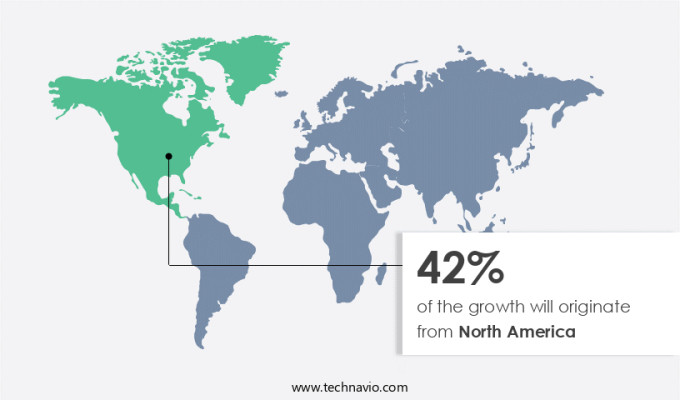
North America is estimated to contribute 42% to the growth of the global market during the forecast period. Technavio's analysts have elaborately explained the regional trends and drivers that shape the market during the forecast period.
In the dynamic market, various entities play essential roles in enhancing patient care and safety. These include alarm documentation tools, which facilitate accurate recording and analysis of alarms, and alarm response time, ensuring timely intervention for critical situations. Physiological monitoring alarms provide real-time data on patients' vital signs, while alarm data visualization offers intuitive representations of complex information. Alarm system integration and remote monitoring enable seamless communication between different healthcare systems and locations. Alarm fatigue reduction strategies, such as ECG alarm parameters and nurse call integration, help mitigate the risk of alarm overload. Alarm sound differentiation, alarm configuration software, and real-time alarm filtering contribute to minimizing false alarms and improving overall efficiency.
Patient monitoring alarms, hemodynamic alarm limits, and critical alarm detection ensure timely identification and response to critical conditions. Alarm system validation, clinical alarm prioritization, and alarm management system form the backbone of effective alarm management. Alarm silencing methods, alarm management compliance, alert escalation protocols, alarm volume control, and alarm integration platform optimize workflows and reduce response times. Alarm workflow optimization, clinical alarm reporting, alarm rule customization, and alarm suppression criteria further enhance the capabilities of alarm management systems. Smart alarm technology, alarm management training, alarm data analytics, and ventilator alarm settings provide advanced capabilities for proactive care and improved patient outcomes.
As the market evolves, these entities will continue to shape the clinical alarm management landscape, ensuring optimal patient care and safety.
Market Dynamics
Our researchers analyzed the data with 2023 as the base year, along with the key drivers, trends, and challenges. A holistic analysis of drivers will help companies refine their marketing strategies to gain a competitive advantage.
What are the key market drivers leading to the rise in the adoption of Clinical Alarm Management Industry?
- The escalating need for enhanced productivity and expedited turnaround times among end-users serves as the primary market catalyst.
- Clinical alarm management systems have gained significant importance in healthcare settings due to their ability to enhance productivity and reduce response time. The increasing disease burden worldwide has led to an increased workload for hospitals and clinics, necessitating the adoption of advanced technologies to meet the demand for timely diagnosis and efficient patient care. One such technology is alarm management, which employs holistic monitoring systems and sophisticated algorithms for rapid and accurate analysis. Companies in this market continue to expand their offerings, introducing advanced features such as alarm documentation tools, alarm data visualization, and remote alarm monitoring to address the challenges of alarm fatigue and improve patient safety.
- Physiological monitoring alarms, including ECG alarm parameters, are integral to these systems, ensuring early detection and intervention for potential health risks. By automating the monitoring and analysis of patient data, clinical alarm management systems enable healthcare professionals to focus on delivering high-quality patient care, ultimately improving patient outcomes.
What are the market trends shaping the Clinical Alarm Management Industry?
- Enhancing customer satisfaction and delivery outcomes is currently a significant focus in the market. This trend prioritizes ensuring high levels of customer satisfaction concurrently with efficient and successful deliveries.
- Clinical alarm management systems have become essential tools for hospitals to enhance patient care and staff efficiency. These systems enable effective communication between patients and healthcare professionals by managing and prioritizing patient monitoring alarms. The integration of nurse call systems with clinical alarm management solutions allows for alarm sound differentiation, facilitating quick response to critical alarms. Alarm configuration software and real-time filtering help reduce false alarms and ensure that only critical alerts reach the appropriate healthcare personnel. The implementation of these systems has led to improved patient safety, reduced operational time, and increased patient satisfaction. The ability to set hemodynamic alarm limits for critical patient conditions and detect critical alarms in real-time has been instrumental in delivering better patient outcomes.
- The market growth is driven by the increasing demand for advanced clinical alarm management systems, which emphasize harmonious communication and immersive user experiences. The adoption of these systems is on the rise, as hospitals recognize the importance of effective alarm management in delivering high-quality patient care and improving operational efficiency. The market is expected to continue growing during the forecast period due to the increasing focus on patient safety and satisfaction, as well as the continuous advancements in technology.
What challenges does the Clinical Alarm Management Industry face during its growth?
- The management of clinical alarms, which raises significant concerns due to its impact on patient safety and industry growth, poses a major challenge for the healthcare sector.
- Clinical alarm management is a critical aspect of healthcare delivery in hospitals, yet it poses significant challenges due to the high volume of false and non-actionable alarms. Studies suggest that up to 80-99% of alarms in hospital units are false or clinically insignificant, leading to alarm fatigue or indifference towards alarms. The sheer number of alarms can desensitize nurses and hinder their ability to respond effectively to critical alarms. Moreover, most alarms in hospital settings are non-actionable, contributing to caregiver desensitization and alarm fatigue. These issues are expected to hinder the growth of the market during the forecast period.
- To mitigate these challenges, hospitals are adopting advanced alarm management systems with features such as alarm prioritization, alert escalation protocols, alarm volume control, and alarm integration platforms. These solutions enable optimized alarm workflows, ensuring that clinically significant alarms are not missed while reducing the burden of false alarms. Effective alarm management compliance is essential to improve patient safety and clinical outcomes while reducing healthcare costs.
Exclusive Customer Landscape
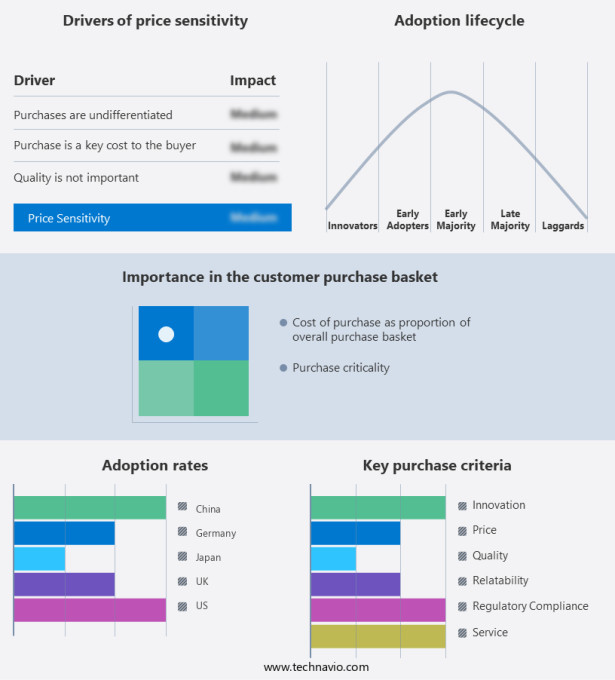
The clinical alarm management market forecasting report includes the adoption lifecycle of the market, covering from the innovator's stage to the laggard's stage. It focuses on adoption rates in different regions based on penetration. Furthermore, the clinical alarm management market report also includes key purchase criteria and drivers of price sensitivity to help companies evaluate and develop their market growth analysis strategies.
Customer Landscape
Key Companies & Market Insights
Companies are implementing various strategies, such as strategic alliances, clinical alarm management market forecast, partnerships, mergers and acquisitions, geographical expansion, and product/service launches, to enhance their presence in the industry.
Alpha Communications - The company specializes in clinical alarm management solutions, notably the Ascom Healthcare Platform.
The industry research and growth report includes detailed analyses of the competitive landscape of the market and information about key companies, including:
- Alpha Communications
- Amplion Clinical Communications Inc.
- Ascom Holding AG
- Baxter International Inc.
- Critical Alert
- CSINC
- Dragerwerk AG and Co. KGaA
- General Electric Co.
- GlobeStar Systems Inc.
- Intercall Systems Inc.
- Johnson Controls International Plc.
- Koninklijke Philips N.V.
- Masimo Corp.
- Medtronic Plc
- Mobile Heartbeat LLC
- Oracle Corp.
- Shenzhen Mindray BioMedical Electronics Co. Ltd
- Spok Holdings Inc.
- Vocera Communications Inc.
- West Com Nurse Call Systems Inc.
Qualitative and quantitative analysis of companies has been conducted to help clients understand the wider business environment as well as the strengths and weaknesses of key industry players. Data is qualitatively analyzed to categorize companies as pure play, category-focused, industry-focused, and diversified; it is quantitatively analyzed to categorize companies as dominant, leading, strong, tentative, and weak.
Recent Development and News in Clinical Alarm Management Market
- In January 2024, Medtronic, a leading medical technology company, announced the launch of its new patient monitoring system, Guardian Alarm Management, designed to reduce false alarms and improve clinical efficiency in intensive care units (ICUs) (Medtronic Press Release, 2024).
- In March 2024, Philips and Cerner, two major healthcare technology providers, entered into a strategic partnership to integrate Philips' clinical alarm management solutions into Cerner's electronic health record platform, aiming to improve patient safety and clinical workflows (Cerner Press Release, 2024).
- In May 2024, Masimo, a global leader in noninvasive monitoring technologies, secured a significant investment of USD 150 million from TPG Growth to expand its clinical alarm management offerings and enhance its product development capabilities (Masimo Press Release, 2024).
- In April 2025, the U.S. Food and Drug Administration (FDA) issued a final rule mandating the implementation of alarm systems in hospital devices that comply with specific safety standards, marking a significant regulatory push for improved clinical alarm management systems (FDA Press Release, 2025).
Research Analyst Overview
- The market encompasses a range of solutions designed to streamline and optimize the handling of alarms generated by medical devices. This market is marked by a focus on customization options, enabling healthcare providers to tailor alarm settings to their specific needs. Scalability is another key consideration, as alarm systems must be able to accommodate growing numbers of devices and data points. Usability design is paramount, with an emphasis on intuitive interfaces and clear, prioritized alarm displays. Alarm system architecture, testing, and maintenance are crucial elements, ensuring reliable performance and data security. Parameter adjustment and rule management facilitate fine-tuning of alarm thresholds and responses.
- Data aggregation and storage enable comprehensive analysis and trend identification. Interoperability between different systems and notification strategies are essential for seamless communication and efficient workflows. Security measures safeguard sensitive alarm data, while response protocols and pattern recognition technologies enable swift, informed responses to critical situations. Upgrades and severity classification help maintain the relevance and effectiveness of alarm management systems. Alarm management software, data transmission, event correlation, display optimization, context awareness, filter development, and system reliability are integral components of this dynamic market.
Dive into Technavio's robust research methodology, blending expert interviews, extensive data synthesis, and validated models for unparalleled Clinical Alarm Management Market insights. See full methodology.
|
Market Scope |
|
|
Report Coverage |
Details |
|
Page number |
162 |
|
Base year |
2023 |
|
Historic period |
2018-2022 |
|
Forecast period |
2024-2028 |
|
Growth momentum & CAGR |
Accelerate at a CAGR of 18.69% |
|
Market growth 2024-2028 |
USD 3512.1 million |
|
Market structure |
Fragmented |
|
YoY growth 2023-2024(%) |
16.01 |
|
Key countries |
US, China, UK, Germany, and Japan |
|
Competitive landscape |
Leading Companies, Market Positioning of Companies, Competitive Strategies, and Industry Risks |
What are the Key Data Covered in this Clinical Alarm Management Market Research and Growth Report?
- CAGR of the Clinical Alarm Management industry during the forecast period
- Detailed information on factors that will drive the growth and forecasting between 2024 and 2028
- Precise estimation of the size of the market and its contribution of the industry in focus to the parent market
- Accurate predictions about upcoming growth and trends and changes in consumer behaviour
- Growth of the market across North America, Europe, Asia, and Rest of World (ROW)
- Thorough analysis of the market's competitive landscape and detailed information about companies
- Comprehensive analysis of factors that will challenge the clinical alarm management market growth of industry companies
We can help! Our analysts can customize this clinical alarm management market research report to meet your requirements.