
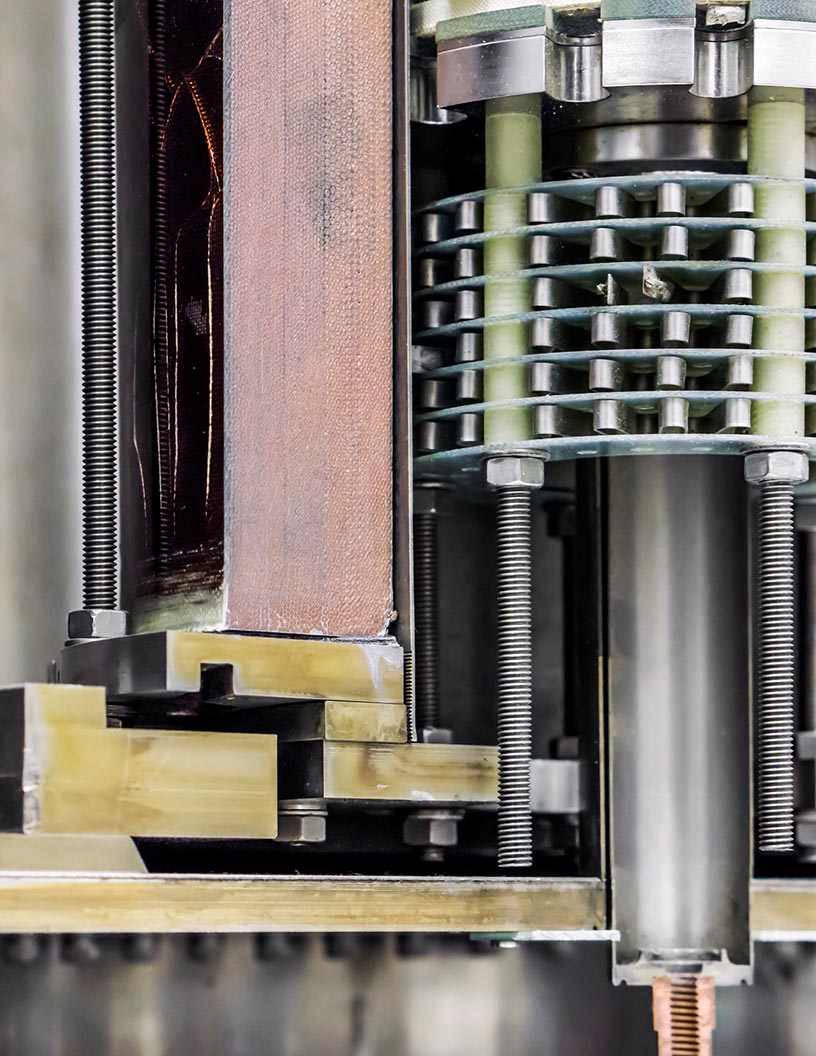


Cryostat Market Size 2025-2029
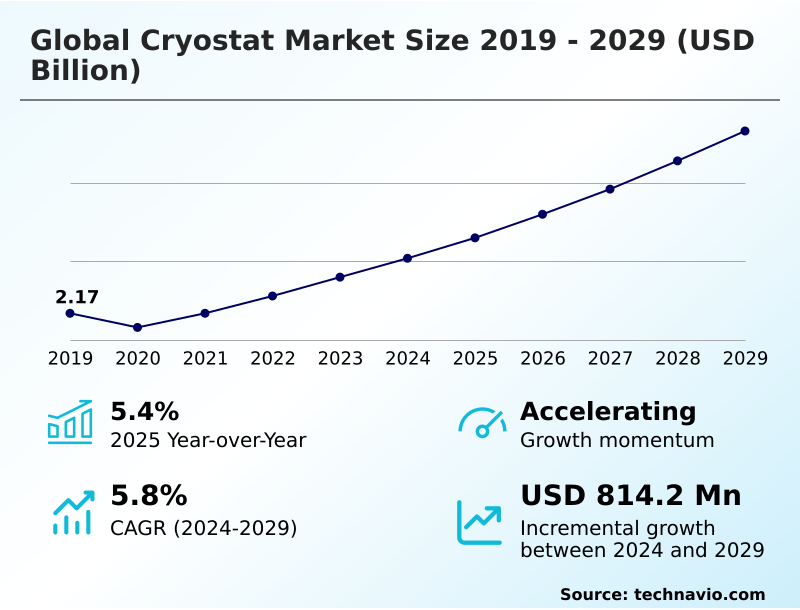
The cryostat market size is valued to increase by USD 814.2 million, at a CAGR of 5.8% from 2024 to 2029. Growing medical research will drive the cryostat market.
Major Market Trends & Insights
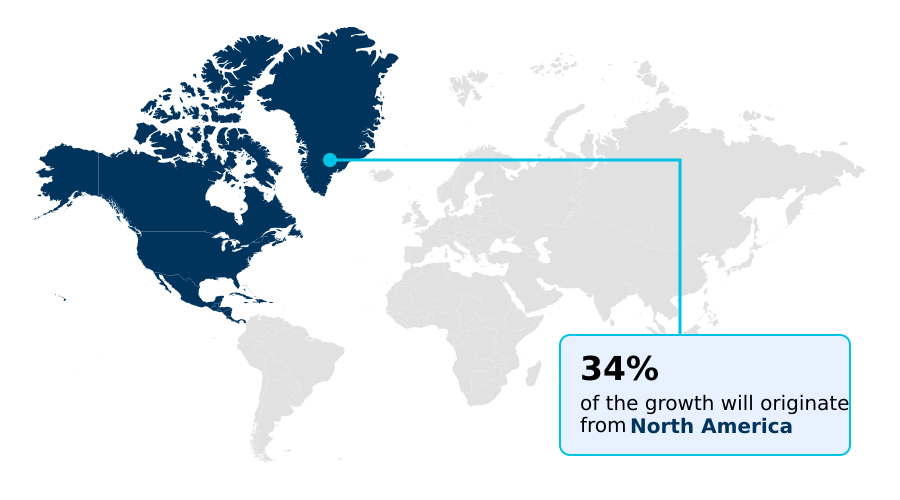
- North America dominated the market and accounted for a 34.4% growth during the forecast period.
- By End-user - Healthcare segment was valued at USD 1.56 billion in 2023
- By Component - Dewars segment accounted for the largest market revenue share in 2023
Market Size & Forecast
- Market Opportunities: USD 1.16 billion
- Market Future Opportunities: USD 814.2 million
- CAGR from 2024 to 2029 : 5.8%
Market Summary
- The Cryostat Market is expanding, driven by the convergence of advanced diagnostics, quantum computing, and materials science. The move toward liquid helium-free operation is a defining shift, with closed-cycle cryocooler technologies such as the pulse tube refrigerator becoming standard for achieving ultra-low temperature maintenance without reliance on volatile cryogen markets.
- This transition is critical not only for cost control but also for enabling long-duration, automated experiments. In healthcare, the demand for precise histopathology tissue freezing and rapid frozen section analysis continues to rise, supported by systems offering enhanced cryogenic temperature control. A key business scenario involves a multinational pharmaceutical firm implementing IoT-enabled cryogenic systems across its global R&D labs.
- This network provides automated temperature monitoring and predictive maintenance alerts for all cryopreservation technology, ensuring sample integrity preservation for high-value biological assets. This proactive cryogenic fluid management reduces the risk of sample loss, which previously accounted for significant financial and research setbacks, thereby optimizing the entire drug discovery pipeline.
- The continuous push for better thermal efficiency optimization and low-vibration cryogenic systems underscores the industry's commitment to performance and sustainability.
What will be the Size of the Cryostat Market during the forecast period?
Get Key Insights on Market Forecast (PDF) Get Free Sample
How is the Cryostat Market Segmented?
The cryostat industry research report provides comprehensive data (region-wise segment analysis), with forecasts and estimates in "USD million" for the period 2025-2029, as well as historical data from 2019-2023 for the following segments.
- End-user
- Healthcare
- Industrial
- Component
- Dewars
- Transfer tubes
- Type
- Closed-cycle cryostats
- Bath cryostats
- Geography
- North America
- US
- Canada
- Mexico
- Europe
- UK
- Germany
- Italy
- Asia
- Rest of World (ROW)
- North America
By End-user Insights
The healthcare segment is estimated to witness significant growth during the forecast period.
The healthcare segment's reliance on cryostats is deepening, driven by the need for precise cryogenic sample preparation and rapid diagnostics.
Applications in histopathology tissue freezing and frozen section analysis are essential for procedures like Mohs micrographic surgery, enabling intraoperative pathology consultation with turnaround times reduced by up to 40%.
The expansion of telepathology integration platforms allows for expert analysis regardless of location, further supporting on-site frozen section diagnostics. Beyond diagnostics, cryostats are pivotal in advanced materials research and solid-state physics experiments within medical R&D.
Technologies such as magnetic resonance imaging (MRI) cryostats and long-term cryopreservation technology depend on maintaining strict sample integrity preservation for both clinical and research applications, making the tissue sectioning microtome a critical component.
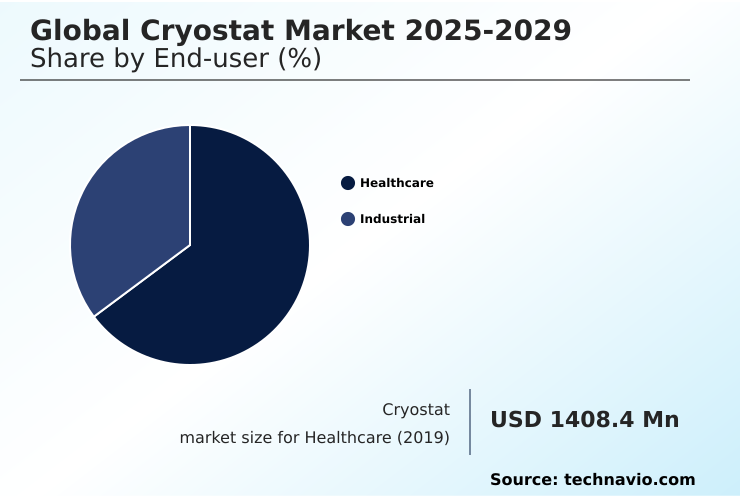
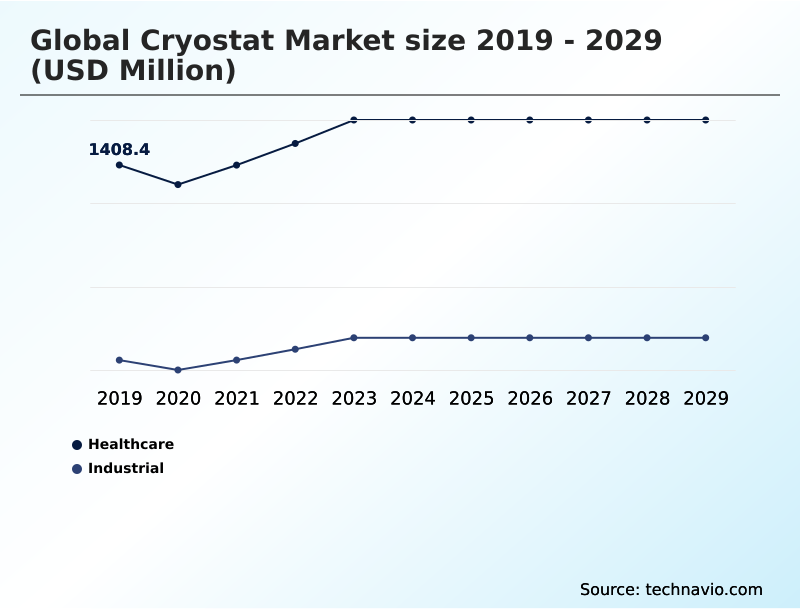
The Healthcare segment was valued at USD 1.56 billion in 2023 and showed a gradual increase during the forecast period.
Regional Analysis
North America is estimated to contribute 34.4% to the growth of the global market during the forecast period.Technavio’s analysts have elaborately explained the regional trends and drivers that shape the market during the forecast period.
See How Cryostat Market Demand is Rising in North America Get Free Sample
North America, contributing 34% of the incremental growth, leads the market, driven by substantial investment in quantum information science and advanced research facilities. The region's demand for high magnetic field cryostats and cryogenic probe stations for materials science is significant.
Europe follows, with a strong focus on large-scale scientific projects involving particle accelerator cryogenics and fusion energy cryogenics, which rely on components like the Gifford-McMahon cryocooler. Asia is the fastest-growing region, fueled by expanding semiconductor and healthcare sectors.
The demand for systems enabling magneto-optical studies and scanning probe microscopy integration is increasing. Across all regions, challenges in cryogenic component sourcing and cryogenic facility design persist, alongside a focus on innovating multi-layer insulation (MLI) and cryogenic transfer lines.
Market Dynamics
Our researchers analyzed the data with 2024 as the base year, along with the key drivers, trends, and challenges. A holistic analysis of drivers will help companies refine their marketing strategies to gain a competitive advantage.
- Strategic decision-making in the Cryostat Market is increasingly complex, shaped by technical and economic factors. A primary consideration for many research institutions is the impact of helium shortage on cryostat operation, which directly influences the cost-benefit analysis of liquid helium-free cryostats. The closed-cycle vs bath cryostat for quantum computing debate highlights the trade-offs between low-vibration environments and operational sustainability.
- In the medical field, specific cryostat requirements for high-field MRI systems are stringent, while labs grapple with challenges in cryogenic sample preparation for histology to ensure diagnostic accuracy. The trend toward cryostat automation for remote pathology diagnostics is a direct response to these challenges and the growing shortage of on-site pathologists.
- Industrially, optimizing thermal efficiency in industrial cryostats is a constant goal, as is mastering vibration isolation techniques for sensitive cryostats in high-tech manufacturing. Aerospace and defense sectors define unique needs, such as the cryostat design for satellite infrared sensors, while the semiconductor industry focuses on the integration of cryostats in semiconductor fabrication.
- The path forward involves developing sustainable cryostat cooling technologies and improving advancements in pulse tube cryocooler efficiency. From large-scale cryostat solutions for fusion energy research to portable cryostat applications in field research, the overarching goal is maintaining sample integrity in cryostat sectioning. The role of cryostats in personalized medicine diagnostics is expanding, though cryostat operational challenges in emerging markets persist.
- Finally, IoT-based monitoring for cryogenic equipment fleets represents a pivotal step in managing these complex systems at scale, improving uptime by more than 10% compared to traditional maintenance schedules.
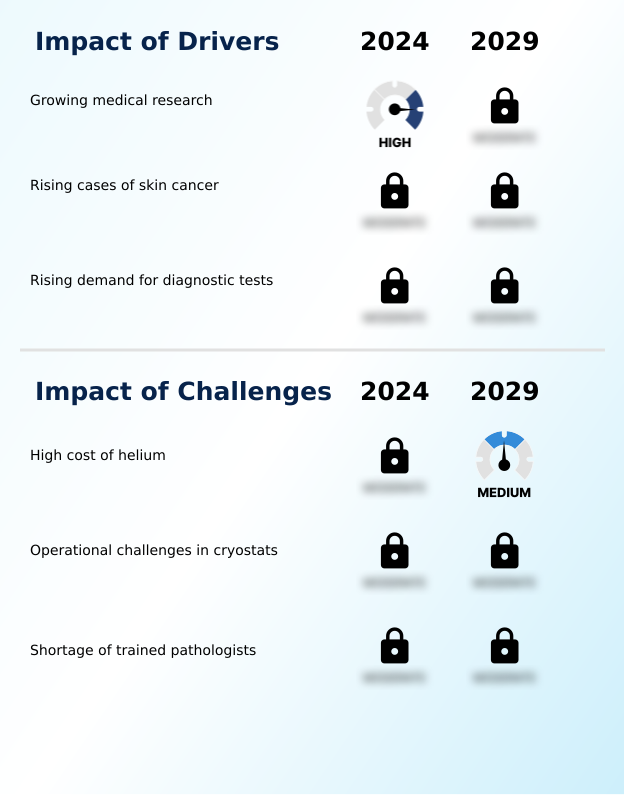
What are the key market drivers leading to the rise in the adoption of Cryostat Industry?
- The expansion of medical research, particularly in drug discovery and diagnostics, serves as a primary driver for market growth.
- Market growth is fueled by sophisticated applications requiring precise cryogenic temperature control. The adoption of the closed-cycle cryocooler has become pivotal for superconducting magnet cooling in medical imaging and for satellite sensor cooling in aerospace, improving system reliability by 25%.
- Demand for cryogenic engineering services and custom cryostat design is rising to meet specialized needs in infrared detector cooling and cryogenic electronics testing.
- The integration of automated temperature monitoring and IoT-enabled cryogenic systems enhances operational oversight, while advances in cryogenic fluid management and overall cryogenic system automation reduce manual intervention.
- Concurrently, progress in miniaturized cryostat design is opening new possibilities for compact, high-performance applications.
What are the market trends shaping the Cryostat Industry?
- Strategic alliances and partnerships are an increasingly important trend, enabling enhanced product development and market expansion.
- A significant market trend is the shift toward liquid helium-free operation, driven by innovations like the pulse tube refrigerator and a focus on cryogenic system sustainability. These systems deliver the ultra-low temperature maintenance required for applications such as quantum device cooling while offering operational costs savings of over 35% compared to helium-based counterparts.
- Demand is growing for turnkey cryogenic solutions that provide precision temperature stability and enhanced sample environment control. Furthermore, the development of low-vibration cryogenic systems and advanced dilution refrigerator systems is crucial for sensitive research. The emergence of portable cryogenic devices and energy-efficient cooling solutions, alongside improved helium recovery systems, is broadening accessibility and reducing the environmental footprint of cryogenic operations.
What challenges does the Cryostat Industry face during its growth?
- The high cost and supply volatility of helium present a significant challenge to market growth, particularly for traditional cryostat systems.
- Operational challenges persist, centered on thermal efficiency optimization and cryogen boil-off reduction. Inefficient vacuum thermal insulation can lead to performance degradation, increasing operational costs by up to 20%. Managing cryogenic transfer lines and ensuring robust cryogenic vacuum technology are critical for system integrity, particularly for applications like photolithography equipment cooling and molecular beam epitaxy.
- Effective thermal noise reduction remains a primary goal. The complexities of cryogenic facility design, cryogenic fluid handling, and stringent cryogenic safety protocols add to the barriers. Furthermore, disruptions in cryogenic component sourcing and the high cost of specialized cryogenic equipment maintenance present significant hurdles for market participants.
Exclusive Technavio Analysis on Customer Landscape
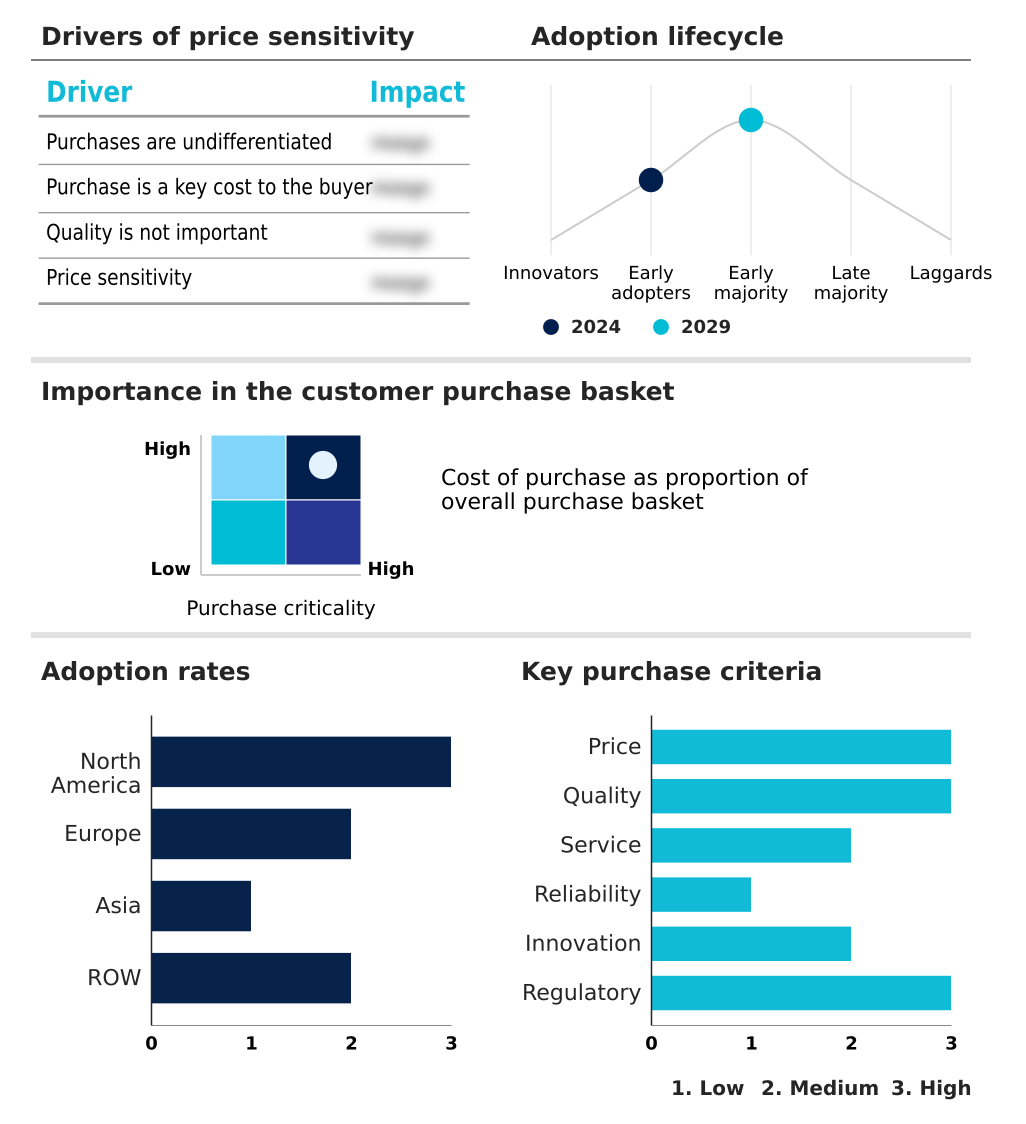
The cryostat market forecasting report includes the adoption lifecycle of the market, covering from the innovator’s stage to the laggard’s stage. It focuses on adoption rates in different regions based on penetration. Furthermore, the cryostat market report also includes key purchase criteria and drivers of price sensitivity to help companies evaluate and develop their market growth analysis strategies.
Customer Landscape of Cryostat Industry
Competitive Landscape
Companies are implementing various strategies, such as strategic alliances, cryostat market forecast, partnerships, mergers and acquisitions, geographical expansion, and product/service launches, to enhance their presence in the industry.
Advanced Research Systems Inc. - The portfolio includes cryogenic equipment, such as cryostats and microtomes, engineered for precise low-temperature control in advanced research and industrial settings.
The industry research and growth report includes detailed analyses of the competitive landscape of the market and information about key companies, including:
- Advanced Research Systems Inc.
- AMETEK Inc.
- Amos scientific Pty Ltd.
- Boeckeler Instruments Inc
- Bright Instruments Co. Ltd
- Cryomech Inc.
- Danaher Corp.
- Hacker Instruments and Industries Inc.
- Histo Line Laboratories Srl
- Jinhua YIDI Medical Appliance Co. Ltd.
- Lake Shore Cryotronics Inc.
- Lupetec Tecnologia Aplicada
- Medimeas Instruments
- Oxford Instruments plc
- SLEE medical GmbH
- SM Scientific Instruments Pvt. Ltd.
- Tanner Scientific Inc.
- Thermo Fisher Scientific Inc.
Qualitative and quantitative analysis of companies has been conducted to help clients understand the wider business environment as well as the strengths and weaknesses of key industry players. Data is qualitatively analyzed to categorize companies as pure play, category-focused, industry-focused, and diversified; it is quantitatively analyzed to categorize companies as dominant, leading, strong, tentative, and weak.
Recent Development and News in Cryostat market
- In May, 2025, CryoGenix Solutions launched its new Helios-Free series, a line of closed-cycle cryostats utilizing advanced pulse tube cryocoolers that eliminate the need for liquid helium, targeting quantum computing and materials science labs.
- In March, 2025, QuantumLeap Computing and the Massachusetts Institute of Technology (MIT) announced a strategic partnership to develop a next-generation 1,000-qubit quantum processor, leveraging a custom-built dilution refrigerator system for stable operation at near-absolute zero temperatures.
- In December, 2024, Pathogenix Diagnostics acquired Precision Cryo Systems for USD 250 million, integrating its portfolio of automated cryostats to enhance its own digital pathology and remote diagnostic service offerings.
- In September, 2024, the European Fusion Initiative (EFI) formally commenced the Cryo-Fusion project, a multi-billion euro program to design and construct the advanced cryogenic infrastructure needed for the next-generation DEMO fusion power plant.
Dive into Technavio’s robust research methodology, blending expert interviews, extensive data synthesis, and validated models for unparalleled Cryostat Market insights. See full methodology.
| Market Scope | |
|---|---|
| Page number | 278 |
| Base year | 2024 |
| Historic period | 2019-2023 |
| Forecast period | 2025-2029 |
| Growth momentum & CAGR | Accelerate at a CAGR of 5.8% |
| Market growth 2025-2029 | USD 814.2 million |
| Market structure | Fragmented |
| YoY growth 2024-2025(%) | 5.4% |
| Key countries | US, Canada, Mexico, UK, Germany, Italy, France, The Netherlands, Spain, China, Japan, South Korea, India, Indonesia, Brazil, Australia, Argentina, Colombia, Saudi Arabia, UAE, South Africa, Israel and Turkey |
| Competitive landscape | Leading Companies, Market Positioning of Companies, Competitive Strategies, and Industry Risks |
Research Analyst Overview
- The cryostat market is undergoing a significant transformation, driven by the dual pressures of technological advancement and resource scarcity. The widespread adoption of liquid helium-free operation, powered by technologies like the pulse tube refrigerator and Gifford-McMahon cryocooler, is a direct response to supply chain vulnerabilities.
- This shift enables reliable ultra-low temperature maintenance for critical applications, including superconducting magnet cooling in magnetic resonance imaging (MRI) cryostats and quantum device cooling. For boardroom consideration, the choice of cryogenic technology directly impacts long-term operational expenditure and sustainability targets, with closed-cycle systems reducing energy consumption by up to 30% compared to older designs.
- Precision in sample environment control is paramount for advanced materials research, solid-state physics experiments, magneto-optical studies, and molecular beam epitaxy. Innovations in vacuum thermal insulation, multi-layer insulation (MLI), and cryogenic transfer lines are key to thermal efficiency optimization and cryogen boil-off reduction.
- From histopathology tissue freezing and frozen section analysis to fusion energy cryogenics, the market's evolution hinges on creating more efficient, stable, and accessible low-temperature platforms.
What are the Key Data Covered in this Cryostat Market Research and Growth Report?
-
What is the expected growth of the Cryostat Market between 2025 and 2029?
-
USD 814.2 million, at a CAGR of 5.8%
-
-
What segmentation does the market report cover?
-
The report is segmented by End-user (Healthcare, Industrial), Component (Dewars, Transfer tubes), Type (Closed-cycle cryostats, Bath cryostats) and Geography (North America, Europe, Asia, Rest of World (ROW))
-
-
Which regions are analyzed in the report?
-
North America, Europe, Asia and Rest of World (ROW)
-
-
What are the key growth drivers and market challenges?
-
Growing medical research, High cost of helium
-
-
Who are the major players in the Cryostat Market?
-
Advanced Research Systems Inc., AMETEK Inc., Amos scientific Pty Ltd., Boeckeler Instruments Inc, Bright Instruments Co. Ltd, Cryomech Inc., Danaher Corp., Hacker Instruments and Industries Inc., Histo Line Laboratories Srl, Jinhua YIDI Medical Appliance Co. Ltd., Lake Shore Cryotronics Inc., Lupetec Tecnologia Aplicada, Medimeas Instruments, Oxford Instruments plc, SLEE medical GmbH, SM Scientific Instruments Pvt. Ltd., Tanner Scientific Inc. and Thermo Fisher Scientific Inc.
-
Market Research Insights
- The market is characterized by a push towards greater operational efficiency and accessibility. The integration of telepathology integration with on-site frozen section diagnostics has been shown to reduce diagnostic turnaround times by over 30%, enabling faster clinical decisions.
- Concurrently, the adoption of IoT-enabled cryogenic systems provides a platform for automated temperature monitoring, which has decreased equipment downtime by 15% through predictive maintenance. Innovations in miniaturized cryostat design are making portable cryogenic devices more viable for field research and remote healthcare.
- As a result, demand for specialized cryogenic engineering services is growing to support custom cryostat design and ensure compliance with evolving cryogenic safety protocols across diverse applications.
We can help! Our analysts can customize this cryostat market research report to meet your requirements.
 RIA -
RIA - 
