


Digital Health For Musculoskeletal Care Market Analysis, Size, and Forecast 2026-2030: North America (US, Canada, and Mexico), Europe (Germany, UK, and France), APAC (China, Japan, and India), South America (Brazil), Middle East and Africa (South Africa, Saudi Arabia, and UAE), Asia, Rest of World (ROW)

Digital Health For Musculoskeletal Care Market Analysis, Size, and Forecast 2026-2030:
North America (US, Canada, and Mexico), Europe (Germany, UK, and France), APAC (China, Japan, and India), South America (Brazil), Middle East and Africa (South Africa, Saudi Arabia, and UAE), Asia, Rest of World (ROW)

Published: Jan 2026 293 Pages SKU: IRTNTR81223

Market Overview at a Glance

$5.88 B
Market Opportunity
17.9%
CAGR 2025 - 2030
37.4%
North America Growth
$2.80 B
Software and services segment 2024

Digital Health For Musculoskeletal Care Market Size 2026-2030

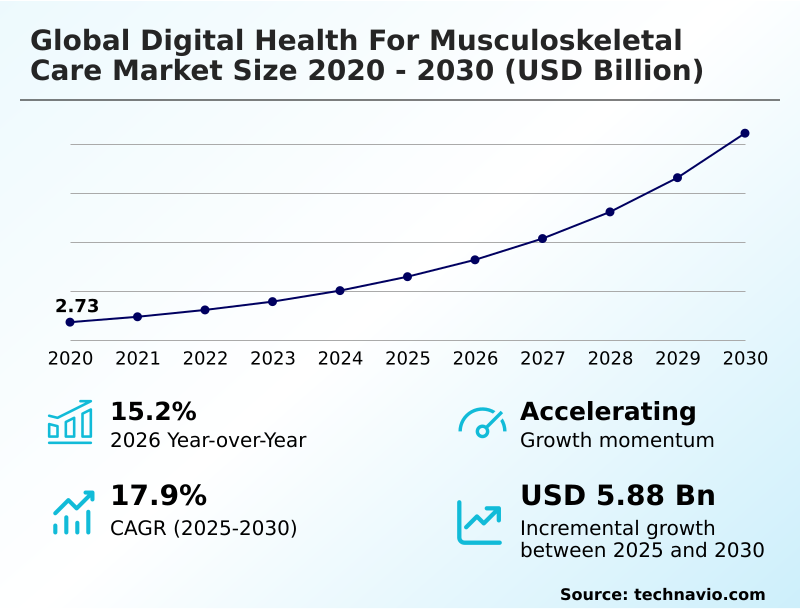
The digital health for musculoskeletal care market size is valued to increase by USD 5.88 billion, at a CAGR of 17.9% from 2025 to 2030. Increasing prevalence of musculoskeletal disorders and aging global population will drive the digital health for musculoskeletal care market.

Major Market Trends & Insights

  • North America dominated the market and accounted for a 37.4% growth during the forecast period.
  • By Component - Software and services segment was valued at USD 2.80 billion in 2024
  • By Solution - Online and virtual consultations segment accounted for the largest market revenue share in 2024

Market Size & Forecast

  • Market Opportunities: USD 7.73 billion
  • Market Future Opportunities: USD 5.88 billion
  • CAGR from 2025 to 2030 : 17.9%

Market Summary

  • The digital health for musculoskeletal care market is undergoing a significant transformation, moving beyond basic tele-rehabilitation to offer integrated and preventative health management. Core to this evolution is the deployment of ai-powered mobile apps that leverage computer vision technology and motion intelligence to deliver personalized virtual physical therapy.
  • These platforms facilitate remote patient monitoring and provide biofeedback mechanisms that guide users through exercises, ensuring both safety and efficacy. A key driver is the push for value-based care, where outcomes like pain reduction and surgery avoidance are paramount. For instance, a self-insured employer can deploy a digital therapeutics program across its workforce to address chronic back pain.
  • By using asynchronous therapy and data-driven online coaching, the platform can reduce the need for expensive imaging and elective surgeries, demonstrating a clear return on investment. This shift addresses challenges like patient access and adherence while navigating the complexities of hipaa compliance and ehr integration to become a crucial component of modern healthcare delivery.
  • Advanced solutions now also incorporate cognitive behavioral therapy to address the psychological aspects of pain, making them a comprehensive tool for managing population health.

What will be the Size of the Digital Health For Musculoskeletal Care Market during the forecast period?
Get Key Insights on Market Forecast (PDF) Request Free Sample

How is the Digital Health For Musculoskeletal Care Market Segmented?

The digital health for musculoskeletal care industry research report provides comprehensive data (region-wise segment analysis), with forecasts and estimates in "USD million" for the period 2026-2030, as well as historical data from 2020-2024 for the following segments.

  • Component
    • Software and services
    • Hardware
  • Solution
    • Online and virtual consultations
    • Pain management therapy programs
    • Remote monitoring
    • Others
  • End-user
    • Patients
    • Providers
    • Payers
    • Others
  • Geography
    • North America
      • US
      • Canada
      • Mexico
    • Europe
      • Germany
      • UK
      • France
    • Asia
    • Rest of World (ROW)

By Component Insights

The software and services segment is estimated to witness significant growth during the forecast period.

The market is primarily defined by its component segments, with software and services at the forefront of innovation. This segment encompasses the ai-driven msk platform, which facilitates virtual physical therapy and remote therapeutic monitoring.

Through sophisticated computer vision technology, these platforms enable sensorless motion tracking and real-time posture correction, achieving a ninety-nine percent accuracy rate in tracking movements compared to clinical equipment.

The services layer includes provider-prescribed digital care from licensed therapists who use a provider-facing care platform to manage digital home exercise programs.

This integrated approach focuses on evidence-based behavior change and holistic chronic disease management, making on-demand pain management a scalable reality for employers seeking to improve their musculoskeletal health network.
Request Free Sample

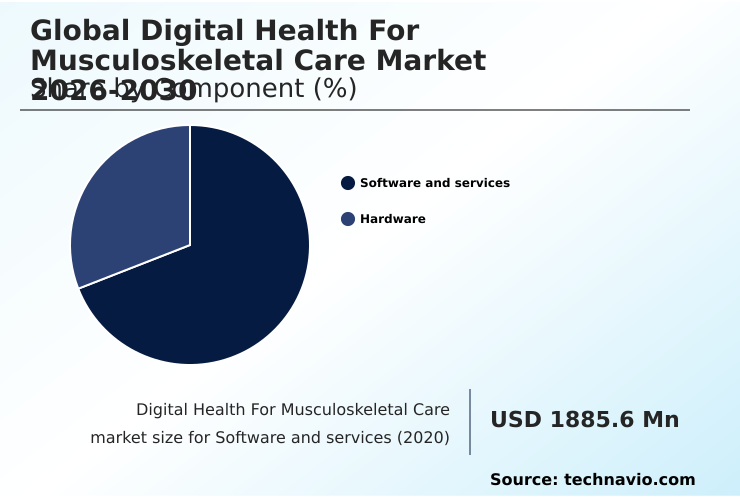
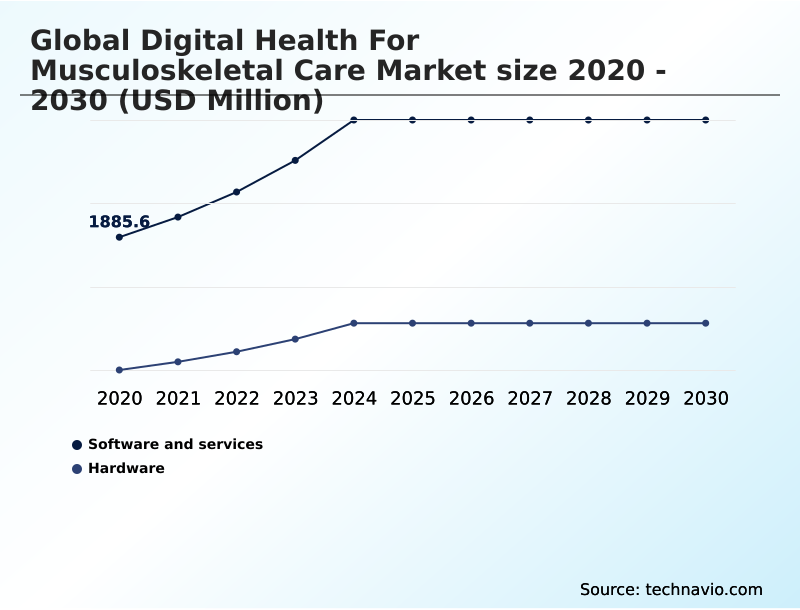
The Software and services segment was valued at USD 2.80 billion in 2024 and showed a gradual increase during the forecast period.
Request Free Sample

Regional Analysis

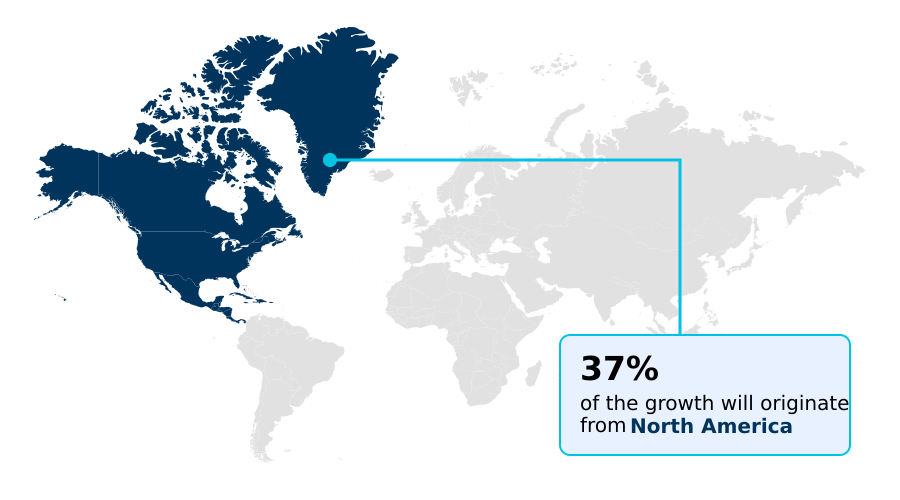
North America is estimated to contribute 37.4% to the growth of the global market during the forecast period.Technavio’s analysts have elaborately explained the regional trends and drivers that shape the market during the forecast period.
See How Digital Health For Musculoskeletal Care Market Demand is Rising in North America Request Free Sample

The geographic landscape of the market is led by North America, which is projected to contribute 37.4% of the incremental growth, driven by high healthcare costs and strong corporate wellness integration.

The region’s advanced infrastructure supports sophisticated digital therapeutics and EHR integration.

In contrast, Asia is set to witness the fastest growth, with a projected CAGR of 19.5%, fueled by rising smartphone penetration and the need to deliver care to vast populations. Here, ai-powered mobile apps and low-bandwidth solutions are critical.

Europe's growth is shaped by government-led initiatives and stringent gdpr compliance requirements, favoring platforms with robust clinical decision support and patient-reported outcome measures.

Across all regions, the demand for effective musculoskeletal cost containment strategies and scalable population health risk assessment tools is universal, pushing the adoption of tele-rehabilitation and asynchronous therapy as global standards.

Market Dynamics

Our researchers analyzed the data with 2025 as the base year, along with the key drivers, trends, and challenges. A holistic analysis of drivers will help companies refine their marketing strategies to gain a competitive advantage.

  • The strategic implementation of digital health is reshaping MSK treatment pathways, with a significant focus on reducing elective surgeries with digital physical therapy. Platforms are increasingly using computer vision for exercise form correction to enhance the efficacy of remote sessions.
  • The roi of digital msk for self-insured employers is a critical selling point, as these solutions offer a lower-cost alternative to invasive procedures, with some digital interventions costing less than half of a traditional surgical pathway. The impact of remote work on msk conditions has further accelerated demand.
  • Data from wearable sensor data for post-surgical rehabilitation and gait analysis metrics for remote monitoring are providing clinicians with unprecedented insights. The market is also addressing specific conditions with tools like digital therapeutics for chronic lower back pain and exploring new modalities such as virtual reality applications in pain management.
  • A key debate is asynchronous therapy vs synchronous tele-rehabilitation, with hybrid models emerging as a popular compromise. The patient adherence strategies in tele-rehabilitation, often involving gamification in physical therapy applications, are crucial for long-term success. On the back end, ehr integration challenges for msk platforms and navigating the privacy concerns of biometric data in healthcare remain significant hurdles.
  • As the market matures, the focus is shifting toward predictive capabilities, using ai for predicting musculoskeletal injury risk and integrating mental health with msk digital care. Understanding the regulatory pathways for digital therapeutics and the technical nuances of comparing sensorless vs sensor-based motion tracking are vital for stakeholders.
  • Ultimately, the successful deployment of these technologies through hybrid care models for orthopedic recovery hinges on their ability to demonstrate clear value-based care impact on msk spending and cater to the needs of digital health solutions for aging populations.
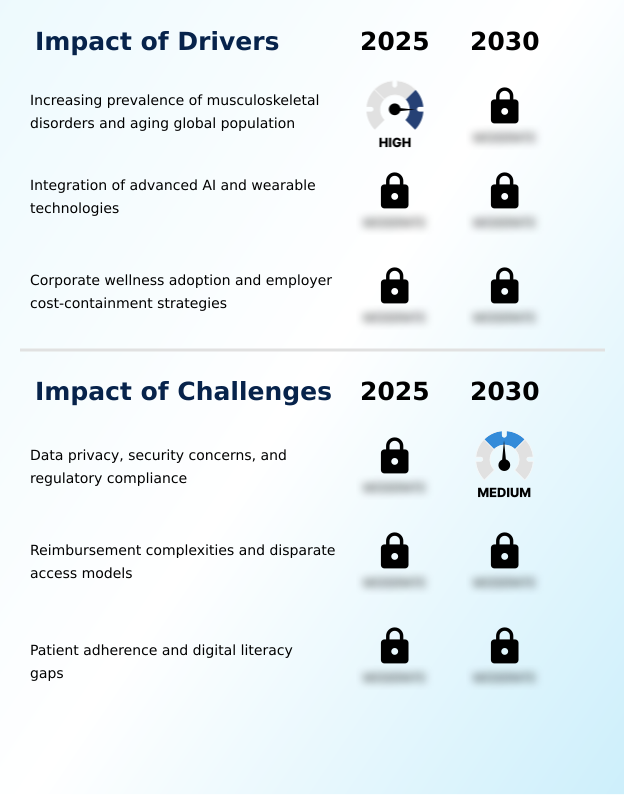
What are the key market drivers leading to the rise in the adoption of Digital Health For Musculoskeletal Care Industry?

  • The rising global prevalence of musculoskeletal disorders, compounded by an aging population, is the primary driver accelerating market demand for scalable digital care solutions.

  • A primary driver is the aggressive adoption of digital MSK solutions by self-insured employers for musculoskeletal cost containment. With MSK issues ranking among the top three cost drivers, corporations are contracting directly with vendors to deploy preventative health management programs.
  • These solutions leverage computer vision technology for sensorless biomechanics analysis, providing a scalable method for repetitive strain injury prevention.
  • The rapid evolution of motion intelligence and ai-driven msk platforms has boosted clinical confidence, with some systems achieving 99% accuracy in exercise technique assessment.
  • This technological validation encourages providers to use these patient engagement tools for post-surgical rehabilitation, extending care beyond the clinic walls and creating a robust ecosystem for data-driven online coaching.

What are the market trends shaping the Digital Health For Musculoskeletal Care Industry?

  • The integration of advanced computer vision and motion intelligence is a defining market trend. This evolution enables precise, hardware-free analysis of biomechanics for remote rehabilitation.

  • A key trend is the maturation of business models toward value-based care, where payment is tied to clinical outcomes. This has led to the rise of hybrid care models that blend virtual physical therapy with in-person visits, addressing the limitations of purely digital interventions.
  • Platforms are also expanding into holistic chronic disease management, integrating cognitive behavioral therapy and mental health support. This is a direct response to buyer demand for an integrated benefits platform that can demonstrate value across multiple conditions. For example, studies show that integrated programs can reduce the likelihood of certain spinal surgeries by 35%.
  • However, maintaining patient motivation remains a focus, as adherence rates can drop by 40% in older demographics after just a few weeks, highlighting the importance of effective patient adherence tracking and digital literacy support.

What challenges does the Digital Health For Musculoskeletal Care Industry face during its growth?

  • Data privacy, security vulnerabilities, and the complexity of regulatory compliance represent significant challenges affecting the industry's growth trajectory and adoption.

  • A paramount challenge is the complex regulatory landscape, including strict hipaa compliance and gdpr compliance for biometric data. The recent EU AI Act, which categorizes certain healthcare AI systems as high-risk, forces providers to re-architect data flows.
  • Securing consistent reimbursement is another hurdle, as demonstrated by the recent CMS decision not to introduce a dedicated code for ai-guided asynchronous therapy, which stalls entry into key market segments. This forces a reliance on the employer market, limiting access for many. Furthermore, ehr integration remains a technical barrier, while the digital engagement cliff challenges long-term efficacy.
  • Without clear remote therapeutic monitoring codes and streamlined workers compensation management pathways, scaling these digital connectivity tools remains difficult.

Exclusive Technavio Analysis on Customer Landscape

The digital health for musculoskeletal care market forecasting report includes the adoption lifecycle of the market, covering from the innovator’s stage to the laggard’s stage. It focuses on adoption rates in different regions based on penetration. Furthermore, the digital health for musculoskeletal care market report also includes key purchase criteria and drivers of price sensitivity to help companies evaluate and develop their market growth analysis strategies.
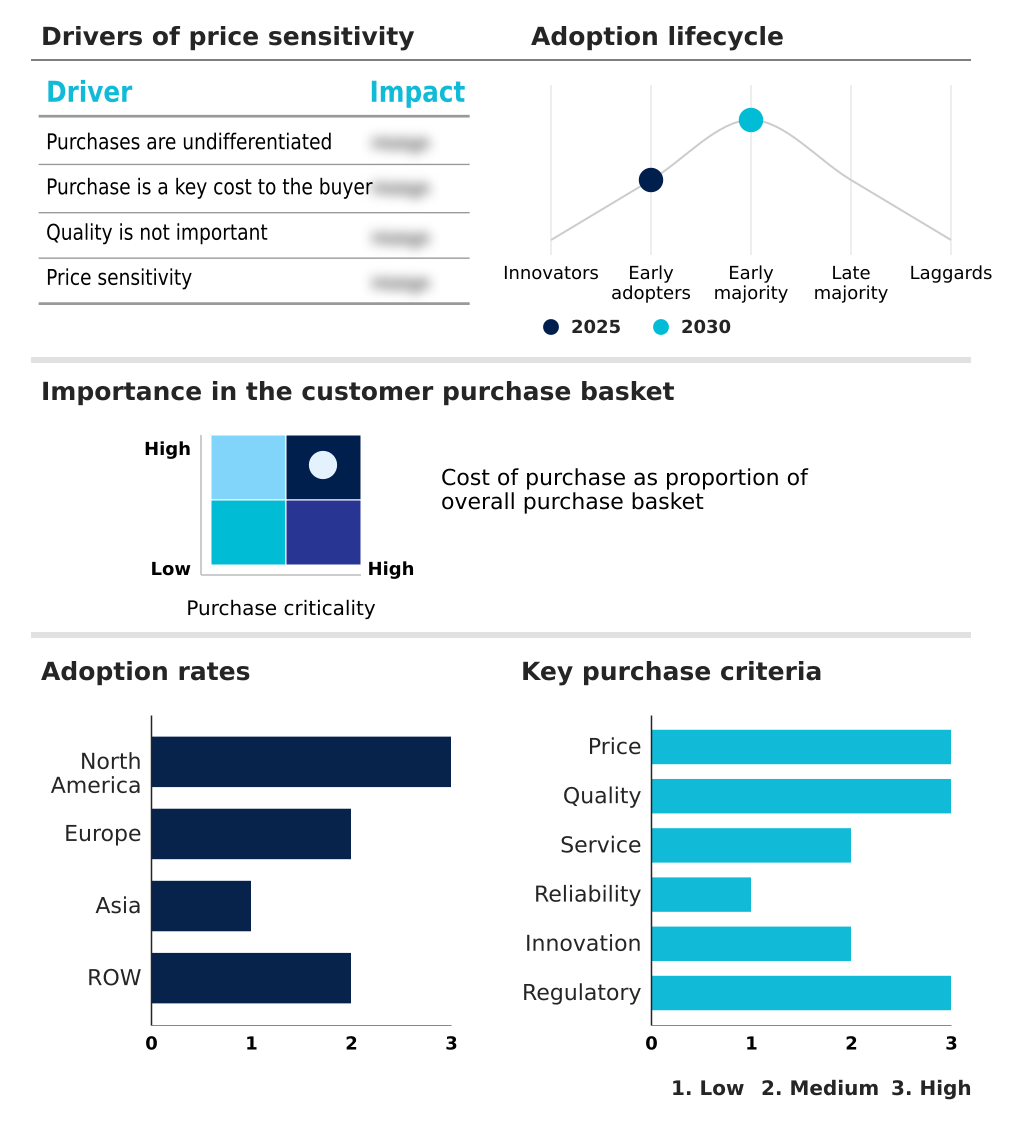
Customer Landscape of Digital Health For Musculoskeletal Care Industry

Competitive Landscape

Companies are implementing various strategies, such as strategic alliances, digital health for musculoskeletal care market forecast, partnerships, mergers and acquisitions, geographical expansion, and product/service launches, to enhance their presence in the industry.

Bardavon - An AI-powered digital physical therapy platform combines licensed clinicians with intelligent technology to predict, prevent, and treat musculoskeletal pain through a hybrid treatment model.

The industry research and growth report includes detailed analyses of the competitive landscape of the market and information about key companies, including:

  • Bardavon
  • DarioHealth Corp.
  • Force Therapeutics
  • Hinge Health Inc.
  • Kaia Health
  • Limber Health Inc
  • Luna
  • Medbridge Inc
  • MoveEasy
  • Omada Health Inc.
  • Physitrack PLC.
  • RecoveryOne
  • SpineZone
  • SWORD Health Technologies Inc.
  • Teladoc Health Inc.
  • TracPatch
  • TurningPoint Healthcare LLC.
  • Valera Health
  • Vori Health.
  • WebPT Inc.

Qualitative and quantitative analysis of companies has been conducted to help clients understand the wider business environment as well as the strengths and weaknesses of key industry players. Data is qualitatively analyzed to categorize companies as pure play, category-focused, industry-focused, and diversified; it is quantitatively analyzed to categorize companies as dominant, leading, strong, tentative, and weak.

Recent Development and News in Digital health for musculoskeletal care market

  • In August 2024, Hinge Health announced a strategic expansion targeting Medicare Advantage populations in the US, aiming to deploy tablet-based motion tracking designed for seniors.
  • In October 2024, Omada Health published a study demonstrating its musculoskeletal program reduced the rate of lumbar fusion surgeries among participating employees by thirty-five percent over a year.
  • In February 2025, SWORD Health updated its clinical platform to integrate with Apple's new motion-sensing APIs, achieving ninety-nine percent accuracy in tracking certain rehabilitation exercises.
  • In May 2025, The Cleveland Clinic announced an enterprise-wide integration of a digital musculoskeletal platform to standardize care pathways for total joint replacement patients.

Dive into Technavio’s robust research methodology, blending expert interviews, extensive data synthesis, and validated models for unparalleled Digital Health For Musculoskeletal Care Market insights. See full methodology.

Market Scope
Page number 293
Base year 2025
Historic period 2020-2024
Forecast period 2026-2030
Growth momentum & CAGR Accelerate at a CAGR of 17.9%
Market growth 2026-2030 USD 5876.4 million
Market structure Fragmented
YoY growth 2025-2026(%) 15.2%
Key countries US, Canada, Mexico, Germany, UK, France, The Netherlands, Italy, Spain, Russia, China, Japan, India, South Korea, Indonesia, Thailand, Singapore, Australia, Brazil, South Africa, Saudi Arabia, UAE and Turkey
Competitive landscape Leading Companies, Market Positioning of Companies, Competitive Strategies, and Industry Risks

Request Free Sample

Research Analyst Overview

  • The market is defined by rapid technological convergence, where ai-driven msk platforms are becoming the standard for delivering virtual physical therapy and on-demand pain management. The integration of computer vision technology allows for precise sensorless motion tracking and real-time posture correction, leading to a new class of digital therapeutics.
  • These ai-powered mobile apps offer sophisticated biofeedback mechanisms and gait analysis metrics for remote patient monitoring. Boardroom decisions are increasingly influenced by the demonstrated ROI of these solutions; investing in preventative health management is proving more cost-effective than covering surgical interventions.
  • The shift toward hybrid care models and value-based care necessitates deep ehr integration and robust clinical decision support tools to manage surgical quality management. As platforms evolve to become multi-chronic condition platforms, they incorporate pain science education and cognitive behavioral therapy to treat the whole patient.
  • Adherence to hipaa compliance and gdpr compliance is non-negotiable, especially when handling sensitive biometric data. The latest motion-sensing apis enable sensorless biomechanics analysis that achieves up to 99% accuracy, making tele-rehabilitation a clinically viable alternative to in-person care. This data-rich environment facilitates patient adherence tracking, improved orthopedic triage algorithms, and effective data-driven online coaching through asynchronous therapy.

What are the Key Data Covered in this Digital Health For Musculoskeletal Care Market Research and Growth Report?

  • What is the expected growth of the Digital Health For Musculoskeletal Care Market between 2026 and 2030?

    • USD 5.88 billion, at a CAGR of 17.9%

  • What segmentation does the market report cover?

    • The report is segmented by Component (Software and services, and Hardware), Solution (Online and virtual consultations, Pain management therapy programs, Remote monitoring, and Others), End-user (Patients, Providers, Payers, and Others) and Geography (North America, Europe, Asia, Rest of World (ROW))

  • Which regions are analyzed in the report?

    • North America, Europe, Asia and Rest of World (ROW)

  • What are the key growth drivers and market challenges?

    • Increasing prevalence of musculoskeletal disorders and aging global population, Data privacy, security concerns, and regulatory compliance

  • Who are the major players in the Digital Health For Musculoskeletal Care Market?

    • Bardavon, DarioHealth Corp., Force Therapeutics, Hinge Health Inc., Kaia Health, Limber Health Inc, Luna, Medbridge Inc, MoveEasy, Omada Health Inc., Physitrack PLC., RecoveryOne, SpineZone, SWORD Health Technologies Inc., Teladoc Health Inc., TracPatch, TurningPoint Healthcare LLC., Valera Health, Vori Health. and WebPT Inc.

Market Research Insights

  • The market's dynamism is fueled by a strategic shift toward holistic chronic disease management and value-based contract models. Instead of siloed solutions, buyers now demand an integrated benefits platform that can address the high comorbidity between MSK conditions and other health issues.
  • This approach is validated by studies showing that comprehensive programs can reduce the rate of certain surgeries by 35%. Providers are leveraging patient engagement tools and digital home exercise programs to manage larger patient panels, though the digital engagement cliff remains a challenge, with adherence rates among some demographics dropping by 40% after just three weeks.
  • To combat this, platforms are incorporating ai-guided asynchronous therapy and better digital literacy support, moving beyond simple exercise technique assessment to create sustained behavioral change and prove long-term value.

We can help! Our analysts can customize this digital health for musculoskeletal care market research report to meet your requirements.

Get in touch

1. Executive Summary

1.1 Market overview

Executive Summary - Chart on Market Overview
Executive Summary - Data Table on Market Overview
Executive Summary - Chart on Global Market Characteristics
Executive Summary - Chart on Market by Geography
Executive Summary - Chart on Market Segmentation by Component
Executive Summary - Chart on Market Segmentation by Solution
Executive Summary - Chart on Market Segmentation by End-user
Executive Summary - Chart on Incremental Growth
Executive Summary - Data Table on Incremental Growth
Executive Summary - Chart on Company Market Positioning

2. Technavio Analysis

2.1 Analysis of price sensitivity, lifecycle, customer purchase basket, adoption rates, and purchase criteria

2.2 Criticality of inputs and Factors of differentiation

Chart on Overview on criticality of inputs and factors of differentiation

2.3 Factors of disruption

Chart on Overview on factors of disruption

2.4 Impact of drivers and challenges

Chart on Impact of drivers and challenges in 2025 and 2030

3. Market Landscape

3.1 Market ecosystem

Chart on Parent Market
Data Table on - Parent Market

3.2 Market characteristics

Chart on Market characteristics analysis

3.3 Value chain analysis

Chart on Value chain analysis

4. Market Sizing

4.1 Market definition

Data Table on Offerings of companies included in the market definition

4.2 Market segment analysis

Market segments

4.3 Market size 2025

4.4 Market outlook: Forecast for 2025-2030

Chart on Global - Market size and forecast 2025-2030 ($ million)
Data Table on Global - Market size and forecast 2025-2030 ($ million)
Chart on Global Market: Year-over-year growth 2025-2030 (%)
Data Table on Global Market: Year-over-year growth 2025-2030 (%)

5. Historic Market Size

5.1 Global Digital Health For Musculoskeletal Care Market 2020 - 2024

Historic Market Size - Data Table on Global Digital Health For Musculoskeletal Care Market 2020 - 2024 ($ million)

5.2 Component segment analysis 2020 - 2024

Historic Market Size - Component Segment 2020 - 2024 ($ million)

5.3 Solution segment analysis 2020 - 2024

Historic Market Size - Solution Segment 2020 - 2024 ($ million)

5.4 End-user segment analysis 2020 - 2024

Historic Market Size - End-user Segment 2020 - 2024 ($ million)

5.5 Geography segment analysis 2020 - 2024

Historic Market Size - Geography Segment 2020 - 2024 ($ million)

5.6 Country segment analysis 2020 - 2024

Historic Market Size - Country Segment 2020 - 2024 ($ million)

6. Qualitative Analysis

6.1 Impact of AI on the Global Digital Health for Musculoskeletal Care Market

7. Five Forces Analysis

7.1 Five forces summary

Five forces analysis - Comparison between 2025 and 2030

7.2 Bargaining power of buyers

Bargaining power of buyers - Impact of key factors 2025 and 2030

7.3 Bargaining power of suppliers

Bargaining power of suppliers - Impact of key factors in 2025 and 2030

7.4 Threat of new entrants

Threat of new entrants - Impact of key factors in 2025 and 2030

7.5 Threat of substitutes

Threat of substitutes - Impact of key factors in 2025 and 2030

7.6 Threat of rivalry

Threat of rivalry - Impact of key factors in 2025 and 2030

7.7 Market condition

Chart on Market condition - Five forces 2025 and 2030

8. Market Segmentation by Component

8.1 Market segments

Chart on Component - Market share 2025-2030 (%)
Data Table on Component - Market share 2025-2030 (%)

8.2 Comparison by Component

Chart on Comparison by Component
Data Table on Comparison by Component

8.3 Software and services - Market size and forecast 2025-2030

Chart on Software and services - Market size and forecast 2025-2030 ($ million)
Data Table on Software and services - Market size and forecast 2025-2030 ($ million)
Chart on Software and services - Year-over-year growth 2025-2030 (%)
Data Table on Software and services - Year-over-year growth 2025-2030 (%)

8.4 Hardware - Market size and forecast 2025-2030

Chart on Hardware - Market size and forecast 2025-2030 ($ million)
Data Table on Hardware - Market size and forecast 2025-2030 ($ million)
Chart on Hardware - Year-over-year growth 2025-2030 (%)
Data Table on Hardware - Year-over-year growth 2025-2030 (%)

8.5 Market opportunity by Component

Market opportunity by Component ($ million)
Data Table on Market opportunity by Component ($ million)

9. Market Segmentation by Solution

9.1 Market segments

Chart on Solution - Market share 2025-2030 (%)
Data Table on Solution - Market share 2025-2030 (%)

9.2 Comparison by Solution

Chart on Comparison by Solution
Data Table on Comparison by Solution

9.3 Online and virtual consultations - Market size and forecast 2025-2030

Chart on Online and virtual consultations - Market size and forecast 2025-2030 ($ million)
Data Table on Online and virtual consultations - Market size and forecast 2025-2030 ($ million)
Chart on Online and virtual consultations - Year-over-year growth 2025-2030 (%)
Data Table on Online and virtual consultations - Year-over-year growth 2025-2030 (%)

9.4 Pain management therapy programs - Market size and forecast 2025-2030

Chart on Pain management therapy programs - Market size and forecast 2025-2030 ($ million)
Data Table on Pain management therapy programs - Market size and forecast 2025-2030 ($ million)
Chart on Pain management therapy programs - Year-over-year growth 2025-2030 (%)
Data Table on Pain management therapy programs - Year-over-year growth 2025-2030 (%)

9.5 Remote monitoring - Market size and forecast 2025-2030

Chart on Remote monitoring - Market size and forecast 2025-2030 ($ million)
Data Table on Remote monitoring - Market size and forecast 2025-2030 ($ million)
Chart on Remote monitoring - Year-over-year growth 2025-2030 (%)
Data Table on Remote monitoring - Year-over-year growth 2025-2030 (%)

9.6 Others - Market size and forecast 2025-2030

Chart on Others - Market size and forecast 2025-2030 ($ million)
Data Table on Others - Market size and forecast 2025-2030 ($ million)
Chart on Others - Year-over-year growth 2025-2030 (%)
Data Table on Others - Year-over-year growth 2025-2030 (%)

9.7 Market opportunity by Solution

Market opportunity by Solution ($ million)
Data Table on Market opportunity by Solution ($ million)

10. Market Segmentation by End-user

10.1 Market segments

Chart on End-user - Market share 2025-2030 (%)
Data Table on End-user - Market share 2025-2030 (%)

10.2 Comparison by End-user

Chart on Comparison by End-user
Data Table on Comparison by End-user

10.3 Patients - Market size and forecast 2025-2030

Chart on Patients - Market size and forecast 2025-2030 ($ million)
Data Table on Patients - Market size and forecast 2025-2030 ($ million)
Chart on Patients - Year-over-year growth 2025-2030 (%)
Data Table on Patients - Year-over-year growth 2025-2030 (%)

10.4 Providers - Market size and forecast 2025-2030

Chart on Providers - Market size and forecast 2025-2030 ($ million)
Data Table on Providers - Market size and forecast 2025-2030 ($ million)
Chart on Providers - Year-over-year growth 2025-2030 (%)
Data Table on Providers - Year-over-year growth 2025-2030 (%)

10.5 Payers - Market size and forecast 2025-2030

Chart on Payers - Market size and forecast 2025-2030 ($ million)
Data Table on Payers - Market size and forecast 2025-2030 ($ million)
Chart on Payers - Year-over-year growth 2025-2030 (%)
Data Table on Payers - Year-over-year growth 2025-2030 (%)

10.6 Others - Market size and forecast 2025-2030

Chart on Others - Market size and forecast 2025-2030 ($ million)
Data Table on Others - Market size and forecast 2025-2030 ($ million)
Chart on Others - Year-over-year growth 2025-2030 (%)
Data Table on Others - Year-over-year growth 2025-2030 (%)

10.7 Market opportunity by End-user

Market opportunity by End-user ($ million)
Data Table on Market opportunity by End-user ($ million)

11. Customer Landscape

11.1 Customer landscape overview

Analysis of price sensitivity, lifecycle, customer purchase basket, adoption rates, and purchase criteria

12. Geographic Landscape

12.1 Geographic segmentation

Chart on Market share by geography 2025-2030 (%)
Data Table on Market share by geography 2025-2030 (%)

12.2 Geographic comparison

Chart on Geographic comparison
Data Table on Geographic comparison

12.3 North America - Market size and forecast 2025-2030

Chart on North America - Market size and forecast 2025-2030 ($ million)
Data Table on North America - Market size and forecast 2025-2030 ($ million)
Chart on North America - Year-over-year growth 2025-2030 (%)
Data Table on North America - Year-over-year growth 2025-2030 (%)
Chart on Regional Comparison - North America
Data Table on Regional Comparison - North America

12.3.1 US - Market size and forecast 2025-2030

Chart on US - Market size and forecast 2025-2030 ($ million)
Data Table on US - Market size and forecast 2025-2030 ($ million)
Chart on US - Year-over-year growth 2025-2030 (%)
Data Table on US - Year-over-year growth 2025-2030 (%)

12.3.2 Canada - Market size and forecast 2025-2030

Chart on Canada - Market size and forecast 2025-2030 ($ million)
Data Table on Canada - Market size and forecast 2025-2030 ($ million)
Chart on Canada - Year-over-year growth 2025-2030 (%)
Data Table on Canada - Year-over-year growth 2025-2030 (%)

12.3.3 Mexico - Market size and forecast 2025-2030

Chart on Mexico - Market size and forecast 2025-2030 ($ million)
Data Table on Mexico - Market size and forecast 2025-2030 ($ million)
Chart on Mexico - Year-over-year growth 2025-2030 (%)
Data Table on Mexico - Year-over-year growth 2025-2030 (%)

12.4 Europe - Market size and forecast 2025-2030

Chart on Europe - Market size and forecast 2025-2030 ($ million)
Data Table on Europe - Market size and forecast 2025-2030 ($ million)
Chart on Europe - Year-over-year growth 2025-2030 (%)
Data Table on Europe - Year-over-year growth 2025-2030 (%)
Chart on Regional Comparison - Europe
Data Table on Regional Comparison - Europe

12.4.1 Germany - Market size and forecast 2025-2030

Chart on Germany - Market size and forecast 2025-2030 ($ million)
Data Table on Germany - Market size and forecast 2025-2030 ($ million)
Chart on Germany - Year-over-year growth 2025-2030 (%)
Data Table on Germany - Year-over-year growth 2025-2030 (%)

12.4.2 UK - Market size and forecast 2025-2030

Chart on UK - Market size and forecast 2025-2030 ($ million)
Data Table on UK - Market size and forecast 2025-2030 ($ million)
Chart on UK - Year-over-year growth 2025-2030 (%)
Data Table on UK - Year-over-year growth 2025-2030 (%)

12.4.3 France - Market size and forecast 2025-2030

Chart on France - Market size and forecast 2025-2030 ($ million)
Data Table on France - Market size and forecast 2025-2030 ($ million)
Chart on France - Year-over-year growth 2025-2030 (%)
Data Table on France - Year-over-year growth 2025-2030 (%)

12.4.4 The Netherlands - Market size and forecast 2025-2030

Chart on The Netherlands - Market size and forecast 2025-2030 ($ million)
Data Table on The Netherlands - Market size and forecast 2025-2030 ($ million)
Chart on The Netherlands - Year-over-year growth 2025-2030 (%)
Data Table on The Netherlands - Year-over-year growth 2025-2030 (%)

12.4.5 Italy - Market size and forecast 2025-2030

Chart on Italy - Market size and forecast 2025-2030 ($ million)
Data Table on Italy - Market size and forecast 2025-2030 ($ million)
Chart on Italy - Year-over-year growth 2025-2030 (%)
Data Table on Italy - Year-over-year growth 2025-2030 (%)

12.4.6 Spain - Market size and forecast 2025-2030

Chart on Spain - Market size and forecast 2025-2030 ($ million)
Data Table on Spain - Market size and forecast 2025-2030 ($ million)
Chart on Spain - Year-over-year growth 2025-2030 (%)
Data Table on Spain - Year-over-year growth 2025-2030 (%)

12.4.7 Russia - Market size and forecast 2025-2030

Chart on Russia - Market size and forecast 2025-2030 ($ million)
Data Table on Russia - Market size and forecast 2025-2030 ($ million)
Chart on Russia - Year-over-year growth 2025-2030 (%)
Data Table on Russia - Year-over-year growth 2025-2030 (%)

12.5 Asia - Market size and forecast 2025-2030

Chart on Asia - Market size and forecast 2025-2030 ($ million)
Data Table on Asia - Market size and forecast 2025-2030 ($ million)
Chart on Asia - Year-over-year growth 2025-2030 (%)
Data Table on Asia - Year-over-year growth 2025-2030 (%)
Chart on Regional Comparison - Asia
Data Table on Regional Comparison - Asia

12.5.1 China - Market size and forecast 2025-2030

Chart on China - Market size and forecast 2025-2030 ($ million)
Data Table on China - Market size and forecast 2025-2030 ($ million)
Chart on China - Year-over-year growth 2025-2030 (%)
Data Table on China - Year-over-year growth 2025-2030 (%)

12.5.2 Japan - Market size and forecast 2025-2030

Chart on Japan - Market size and forecast 2025-2030 ($ million)
Data Table on Japan - Market size and forecast 2025-2030 ($ million)
Chart on Japan - Year-over-year growth 2025-2030 (%)
Data Table on Japan - Year-over-year growth 2025-2030 (%)

12.5.3 India - Market size and forecast 2025-2030

Chart on India - Market size and forecast 2025-2030 ($ million)
Data Table on India - Market size and forecast 2025-2030 ($ million)
Chart on India - Year-over-year growth 2025-2030 (%)
Data Table on India - Year-over-year growth 2025-2030 (%)

12.5.4 South Korea - Market size and forecast 2025-2030

Chart on South Korea - Market size and forecast 2025-2030 ($ million)
Data Table on South Korea - Market size and forecast 2025-2030 ($ million)
Chart on South Korea - Year-over-year growth 2025-2030 (%)
Data Table on South Korea - Year-over-year growth 2025-2030 (%)

12.5.5 Indonesia - Market size and forecast 2025-2030

Chart on Indonesia - Market size and forecast 2025-2030 ($ million)
Data Table on Indonesia - Market size and forecast 2025-2030 ($ million)
Chart on Indonesia - Year-over-year growth 2025-2030 (%)
Data Table on Indonesia - Year-over-year growth 2025-2030 (%)

12.5.6 Thailand - Market size and forecast 2025-2030

Chart on Thailand - Market size and forecast 2025-2030 ($ million)
Data Table on Thailand - Market size and forecast 2025-2030 ($ million)
Chart on Thailand - Year-over-year growth 2025-2030 (%)
Data Table on Thailand - Year-over-year growth 2025-2030 (%)

12.5.7 Singapore - Market size and forecast 2025-2030

Chart on Singapore - Market size and forecast 2025-2030 ($ million)
Data Table on Singapore - Market size and forecast 2025-2030 ($ million)
Chart on Singapore - Year-over-year growth 2025-2030 (%)
Data Table on Singapore - Year-over-year growth 2025-2030 (%)

12.6 Rest of World (ROW) - Market size and forecast 2025-2030

Chart on Rest of World (ROW) - Market size and forecast 2025-2030 ($ million)
Data Table on Rest of World (ROW) - Market size and forecast 2025-2030 ($ million)
Chart on Rest of World (ROW) - Year-over-year growth 2025-2030 (%)
Data Table on Rest of World (ROW) - Year-over-year growth 2025-2030 (%)
Chart on Regional Comparison - Rest of World (ROW)
Data Table on Regional Comparison - Rest of World (ROW)

12.6.1 Australia - Market size and forecast 2025-2030

Chart on Australia - Market size and forecast 2025-2030 ($ million)
Data Table on Australia - Market size and forecast 2025-2030 ($ million)
Chart on Australia - Year-over-year growth 2025-2030 (%)
Data Table on Australia - Year-over-year growth 2025-2030 (%)

12.6.2 Brazil - Market size and forecast 2025-2030

Chart on Brazil - Market size and forecast 2025-2030 ($ million)
Data Table on Brazil - Market size and forecast 2025-2030 ($ million)
Chart on Brazil - Year-over-year growth 2025-2030 (%)
Data Table on Brazil - Year-over-year growth 2025-2030 (%)

12.6.3 South Africa - Market size and forecast 2025-2030

Chart on South Africa - Market size and forecast 2025-2030 ($ million)
Data Table on South Africa - Market size and forecast 2025-2030 ($ million)
Chart on South Africa - Year-over-year growth 2025-2030 (%)
Data Table on South Africa - Year-over-year growth 2025-2030 (%)

12.6.4 Saudi Arabia - Market size and forecast 2025-2030

Chart on Saudi Arabia - Market size and forecast 2025-2030 ($ million)
Data Table on Saudi Arabia - Market size and forecast 2025-2030 ($ million)
Chart on Saudi Arabia - Year-over-year growth 2025-2030 (%)
Data Table on Saudi Arabia - Year-over-year growth 2025-2030 (%)

12.6.5 UAE - Market size and forecast 2025-2030

Chart on UAE - Market size and forecast 2025-2030 ($ million)
Data Table on UAE - Market size and forecast 2025-2030 ($ million)
Chart on UAE - Year-over-year growth 2025-2030 (%)
Data Table on UAE - Year-over-year growth 2025-2030 (%)

12.6.6 Turkey - Market size and forecast 2025-2030

Chart on Turkey - Market size and forecast 2025-2030 ($ million)
Data Table on Turkey - Market size and forecast 2025-2030 ($ million)
Chart on Turkey - Year-over-year growth 2025-2030 (%)
Data Table on Turkey - Year-over-year growth 2025-2030 (%)

12.7 Market opportunity by geography

Market opportunity by geography ($ million)
Data Tables on Market opportunity by geography ($ million)

13. Drivers, Challenges, and Opportunity

13.1 Market drivers

Increasing prevalence of musculoskeletal disorders and aging global population
Integration of advanced AI and wearable technologies
Corporate wellness adoption and employer cost-containment strategies

13.2 Market challenges

Data privacy, security concerns, and regulatory compliance
Reimbursement complexities and disparate access models
Patient adherence and digital literacy gaps

13.3 Impact of drivers and challenges

Impact of drivers and challenges in 2025 and 2030

13.4 Market opportunities

Integration of advanced computer vision and motion intelligence
Convergence of musculoskeletal care with holistic chronic disease management
Strategic shift toward value-based care and hybrid delivery models

14. Competitive Landscape

14.1 Overview

14.2

Overview on criticality of inputs and factors of differentiation

14.3 Landscape disruption

Overview on factors of disruption

14.4 Industry risks

Impact of key risks on business

15. Competitive Analysis

15.1 Companies profiled

Companies covered

15.2 Company ranking index

15.3 Market positioning of companies

Matrix on companies position and classification

15.4 DarioHealth Corp.

DarioHealth Corp. - Overview
DarioHealth Corp. - Product / Service
DarioHealth Corp. - Key offerings
SWOT

15.5 Force Therapeutics

Force Therapeutics - Overview
Force Therapeutics - Product / Service
Force Therapeutics - Key offerings
SWOT

15.6 Hinge Health Inc.

Hinge Health Inc. - Overview
Hinge Health Inc. - Product / Service
Hinge Health Inc. - Key offerings
SWOT

15.7 Kaia Health

Kaia Health - Overview
Kaia Health - Product / Service
Kaia Health - Key offerings
SWOT

15.8 Limber Health Inc

Limber Health Inc - Overview
Limber Health Inc - Product / Service
Limber Health Inc - Key offerings
SWOT

15.9 Luna

Luna - Overview
Luna - Product / Service
Luna - Key offerings
SWOT

15.10 Medbridge Inc

Medbridge Inc - Overview
Medbridge Inc - Product / Service
Medbridge Inc - Key offerings
SWOT

15.11 Omada Health Inc.

Omada Health Inc. - Overview
Omada Health Inc. - Product / Service
Omada Health Inc. - Key offerings
SWOT

15.12 Physitrack PLC.

Physitrack PLC. - Overview
Physitrack PLC. - Product / Service
Physitrack PLC. - Key offerings
SWOT

15.13 RecoveryOne

RecoveryOne - Overview
RecoveryOne - Product / Service
RecoveryOne - Key offerings
SWOT

15.14 SpineZone

SpineZone - Overview
SpineZone - Product / Service
SpineZone - Key offerings
SWOT

15.15 SWORD Health Technologies Inc.

SWORD Health Technologies Inc. - Overview
SWORD Health Technologies Inc. - Product / Service
SWORD Health Technologies Inc. - Key offerings
SWOT

15.16 Teladoc Health Inc.

Teladoc Health Inc. - Overview
Teladoc Health Inc. - Product / Service
Teladoc Health Inc. - Key offerings
SWOT

15.17 TracPatch

TracPatch - Overview
TracPatch - Product / Service
TracPatch - Key offerings
SWOT

15.18 Vori Health.

Vori Health. - Overview
Vori Health. - Product / Service
Vori Health. - Key offerings
SWOT

16. Appendix

16.1 Scope of the report

Market definition
Objectives
Notes and caveats

16.2 Inclusions and exclusions checklist

Inclusions checklist
Exclusions checklist

16.3 Currency conversion rates for US$

16.4 Research methodology

16.5 Data procurement

Information sources

16.6 Data validation

16.7 Validation techniques employed for market sizing

16.8 Data synthesis

16.9 360 degree market analysis

16.10 List of abbreviations

Research Methodology

Technavio presents a detailed picture of the market by way of study, synthesis, and summation of data from multiple sources. The analysts have presented the various facets of the market with a particular focus on identifying the key industry influencers. The data thus presented is comprehensive, reliable, and the result of extensive research, both primary and secondary.

INFORMATION SOURCES

Primary sources

  • Manufacturers and suppliers
  • Channel partners
  • Industry experts
  • Strategic decision makers

Secondary sources

  • Industry journals and periodicals
  • Government data
  • Financial reports of key industry players
  • Historical data
  • Press releases

DATA ANALYSIS

Data Synthesis

  • Collation of data
  • Estimation of key figures
  • Analysis of derived insights

Data Validation

  • Triangulation with data models
  • Reference against proprietary databases
  • Corroboration with industry experts

REPORT WRITING

Qualitative

  • Market drivers
  • Market challenges
  • Market trends
  • Five forces analysis

Quantitative

  • Market size and forecast
  • Market segmentation
  • Geographical insights
  • Competitive landscape

Interested in this report?

Get your sample now to see our research methodology and insights!

Download Now

Frequently Asked Questions

Digital Health For Musculoskeletal Care market growth will increase by USD 5876.4 million during 2026-2030 .

The Digital Health For Musculoskeletal Care market is expected to grow at a CAGR of 17.9% during 2026-2030 .

Digital Health For Musculoskeletal Care market is segmented by Component (Software and services, Hardware) Solution (Online and virtual consultations, Pain management therapy programs, Remote monitoring, Others) End-user (Patients, Providers, Payers, Others)

Bardavon, DarioHealth Corp., Force Therapeutics, Hinge Health Inc., Kaia Health, Limber Health Inc, Luna, Medbridge Inc, MoveEasy, Omada Health Inc., Physitrack PLC., RecoveryOne, SpineZone, SWORD Health Technologies Inc., Teladoc Health Inc., TracPatch, TurningPoint Healthcare LLC., Valera Health, Vori Health., WebPT Inc. are a few of the key vendors in the Digital Health For Musculoskeletal Care market.

North America will register the highest growth rate of 37.4% among the other regions. Therefore, the Digital Health For Musculoskeletal Care market in North America is expected to garner significant business opportunities for the vendors during the forecast period.

US, Canada, Mexico, Germany, UK, France, The Netherlands, Italy, Spain, Russia, China, Japan, India, South Korea, Indonesia, Thailand, Singapore, Australia, Brazil, South Africa, Saudi Arabia, UAE, Turkey

  • Increasing prevalence of musculoskeletal disorders and aging global population is the driving factor this market.

The Digital Health For Musculoskeletal Care market vendors should focus on grabbing business opportunities from the Component segment as it accounted for the largest market share in the base year.
