

Essential Oil Market Analysis, Size, and Forecast 2024-2028: North America (US and Canada), Europe (Germany and The Netherlands), APAC (Japan), and Rest of World (ROW)

Essential Oil Market Analysis, Size, and Forecast 2024-2028:
North America (US and Canada), Europe (Germany and The Netherlands), APAC (Japan), and Rest of World (ROW)

Published: Jan 2024 164 Pages SKU: IRTNTR70593

Market Overview at a Glance

$10.3 B
Market Opportunity
11.43%
CAGR
10.16
YoY growth 2023-2024(%)

Essential Oil Market Size 2024-2028

The essential oil market size is forecast to increase by USD 10.30 billion, at a CAGR of 11.43% between 2023 and 2028.

  • The market is driven by the growing awareness and recognition of the numerous health benefits associated with these natural extracts. Essential oils are increasingly being used in various applications, including aromatherapy, cosmetics, and food industries, due to their therapeutic properties. A key trend in the market is the innovation in diffusion and delivery methods, enabling consumers to experience essential oils in new and convenient ways. The market encompasses a wide range of essential oils, including but not limited to lavender, peppermint, tea tree, eucalyptus, lemon, rosemary, chamomile, bergamot, ylang ylang, frankincense, geranium, clary sage, patchouli, sandalwood, citronella, clove, basil, cinnamon, oregano, lemongrass, juniper berry, grapefruit, orange, jasmine, thyme, rose, neroli, cedarwood, and fennel oils. However, this market faces challenges as well. The rising prevalence of counterfeit essential oils poses a significant threat, as these products may contain impurities or even harmful substances. Companies must ensure the authenticity and quality of their essential oils to maintain consumer trust and loyalty.
  • To capitalize on market opportunities and navigate challenges effectively, businesses should focus on research and development, supply chain transparency, and consumer education. By staying abreast of emerging trends and addressing market challenges proactively, players in the market can position themselves for long-term success.

What will be the Size of the Essential Oil Market during the forecast period?
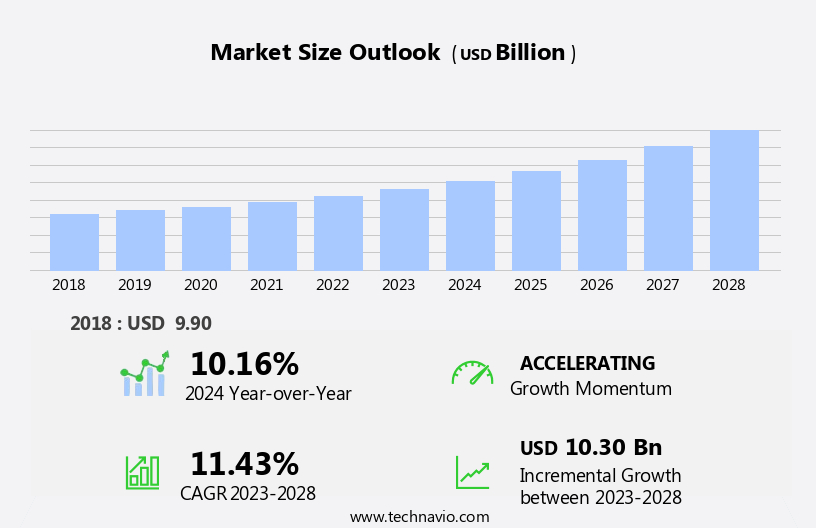
Essential Oil Market Size

Explore in-depth regional segment analysis with market size data - historical 2018-2022 and forecasts 2024-2028 - in the full report.  
Request Free Sample

The market continues to evolve, driven by the expanding applications across various sectors. Botanical ingredients are at the core of this industry, with digestive support and emotional well-being being significant areas of focus. Usage instructions and allergen-free oils are essential for ensuring safety and product differentiation. Natural perfumery, inhalation therapy, and skincare applications are key areas where essential oils find extensive usage. Batch testing and international standards ensure product quality and regulatory compliance. Pregnant women and those experiencing pain relief are among the target audiences for these natural remedies. Plant-based fragrances, vegan oils, and cruelty-free options cater to diverse consumer preferences.

Solvent extraction and steam distillation are common methods for essential oil extraction, while sustainable sourcing and organic certification add to the market's appeal. Product liability, safety precautions, and intellectual property are crucial aspects of the market. Essential oils offer respiratory support, circulatory benefits, and even cognitive function enhancement. Therapeutic grade oils and topical application find extensive use in massage therapy and stress relief. Marketing strategies, pricing, and customer loyalty are essential for businesses in this dynamic market. Essential oils provide antimicrobial, anti-inflammatory, and antioxidant properties, making them valuable in various industries. Brands prioritize quality control, aromatherapy diffusers, and clear labeling for consumer trust.

The market's continuous evolution reflects the ongoing unfolding of market activities and evolving patterns. Essential oils' versatility and potential health benefits make them a popular choice for individuals seeking natural alternatives.

How is this Essential Oil Industry segmented?

The essential oil industry research report provides comprehensive data (region-wise segment analysis), with forecasts and estimates in "USD billion" for the period 2024-2028, as well as historical data from 2018-2022 for the following segments.

  • Application
    • Food and beverages
    • Recreation
    • Perfumes and others
  • Distribution Channel
    • Online
    • Offline
  • Geography
    • North America
      • US
      • Canada
    • Europe
      • Germany
      • The Netherlands
    • APAC
      • Japan
      • India
      • China
      • South Korea
    • South America
      • Brazil
      • Argentina
    • Middle East and Africa
      • UAE
    • Rest of World (ROW)

By Application Insights

The food and beverages segment is estimated to witness significant growth during the forecast period.

Essential oils have gained significant popularity in various industries due to their natural benefits and versatile uses. In the product packaging sector, these oils are utilized for their aromatic properties to enhance consumer experience. For respiratory support, essential oils like eucalyptus and tea tree are incorporated into inhalation therapy products. Labeling of essential oils is crucial for product liability reasons, ensuring accurate information about the botanical ingredients, usage instructions, and potential allergens. Cold pressing and steam distillation are common methods for essential oil extraction, while therapeutic grade oils undergo additional quality control measures. Direct sales channels have emerged as a popular business model, allowing companies to reach customers directly and build customer loyalty.

Safety precautions and regulatory compliance are essential for marketing strategies, with international standards such as FDA regulations guiding the industry. Dark glass bottles are commonly used for essential oil storage to protect them from sunlight and oxidation. Clinical trials and scientific evidence support the therapeutic benefits of essential oils for digestive support, emotional well-being, pain relief, immune system support, and more. Sustainable sourcing practices and organic certification are essential for brand awareness and consumer trust. Essential oil blends offer product differentiation, with natural perfumery being a significant application. Pricing strategies vary based on factors such as sourcing, production, and marketing costs.

Essential oils have various applications in skincare, hair care, and massage therapy. Dilution guidelines ensure safe topical application. Essential oils cater to diverse target audiences, including pregnant women, people seeking pain relief, and those looking for plant-based fragrances. Quality control measures, including batch testing and intellectual property protection, are essential for maintaining product consistency and innovation. In summary, the market is dynamic and evolving, with various applications in food and beverages, product packaging, therapeutic uses, and fragrance industries. Essential oils offer numerous benefits, from health and wellness to consumer experiences, making them a valuable addition to various industries.
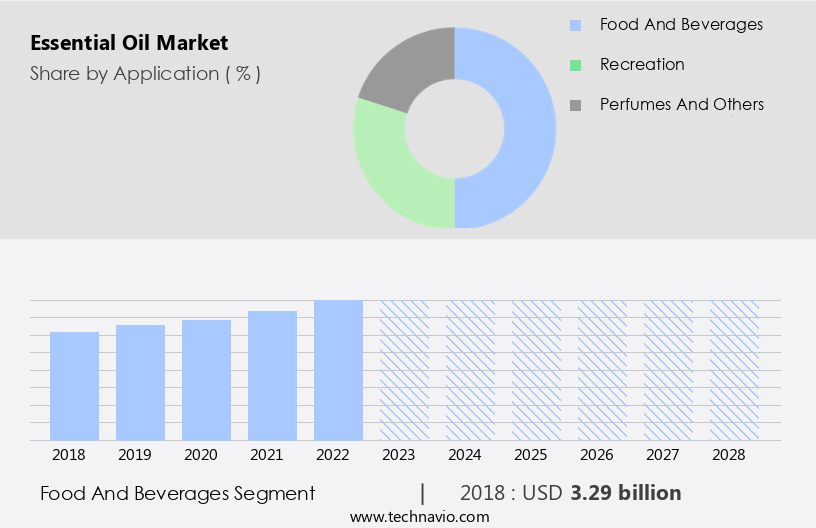
Essential Oil Market Size

Request Free Sample

The Food and beverages segment was valued at USD 3.29 billion in 2018 and showed a gradual increase during the forecast period.

Regional Analysis

Europe is estimated to contribute 37% to the growth of the global market during the forecast period.Technavio's analysts have elaborately explained the regional trends and drivers that shape the market during the forecast period.
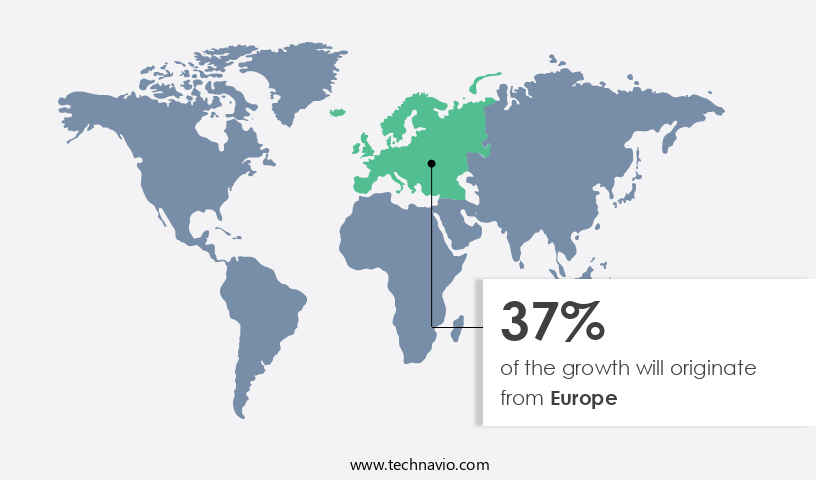
Essential Oil Market Share by Geography

 Request Free Sample

Essential oils have gained significant popularity in Europe due to their numerous health benefits and diverse applications in various industries. The pharmaceutical, cosmetics, and food and beverage sectors are witnessing a surge in demand for essential oils as an ingredient. Germany, the UK, France, and Spain are leading markets for these natural extracts. In the food and beverage industry, producers are innovating with new products that incorporate essential oils, while cosmetics companies are launching aromatherapy-infused skincare and personal care items. The aromatherapy market in Europe is thriving, particularly in countries like France, Germany, the UK, Austria, and Switzerland, where it is widely used as an alternative medicine.

Essential oils are extracted through methods such as cold pressing, steam distillation, and solvent extraction, ensuring therapeutic grade quality. Producers prioritize regulatory compliance, safety precautions, and labeling transparency. Brand awareness and customer loyalty are crucial in the essential oils market. Dark glass bottles preserve the oils' quality, and essential oil blends cater to various uses, such as respiratory support, digestive health, emotional well-being, and pain relief. Pricing strategies vary based on botanical ingredients, production methods, and brand reputation. Sustainable sourcing and cruelty-free practices are essential for brands seeking to differentiate themselves in the market. Essential oils are used for skincare applications, massage therapy, and sleep support.

Inhalation therapy and aromatherapy diffusers are popular methods for using essential oils for mood enhancement and stress relief. Regulatory bodies like the FDA and EU have established guidelines for essential oil usage and labeling. Essential oils have antimicrobial properties, antioxidant properties, and anti-inflammatory properties. They are also allergen-free and vegan, making them suitable for a wide range of consumers. Quality control and batch testing are essential to ensure the purity and potency of essential oils. Producers prioritize intellectual property protection and adhere to organic certification standards. Essential oils have a long shelf life when stored in a cool, dry place.

Marketing strategies focus on target audiences seeking natural, plant-based fragrances and holistic health solutions. Specialty stores and online retailers cater to this demand, offering a range of essential oils, carrier oils, and dilution guidelines.

Market Dynamics

Our researchers analyzed the data with 2023 as the base year, along with the key drivers, trends, and challenges. A holistic analysis of drivers will help companies refine their marketing strategies to gain a competitive advantage.

What are the key market drivers leading to the rise in the adoption of Essential Oil Industry?

  • The essential oils market is driven primarily by their recognized health benefits. 
  • Essential oils, derived from plants through cold pressing or steam distillation, have gained popularity for their numerous health benefits. These natural extracts, including lavender, basil, tea tree, and lemongrass, offer respiratory support and help alleviate stress, anxiety, and depression. Basil oil, for instance, contains eugenol, citronella, and linalool, which provide anti-inflammatory and analgesic properties, making it ideal for soothing skin inflammation and insect bites. Marketing strategies for essential oils emphasize product packaging, ensuring therapeutic grade quality, and regulatory compliance. Proper labeling and safety precautions are crucial to prevent product liability issues. Dark glass bottles protect the oils from sunlight, preserving their therapeutic properties.
  • Essential oil blends offer various benefits, such as improved mood and relaxation. Pricing strategies and sustainable sourcing are essential to maintain brand awareness. Clinical trials and research contribute to the growing body of evidence supporting the health benefits of essential oils. Essential oil storage is crucial to maintain their quality and efficacy. Safety precautions, such as diluting essential oils before use and avoiding direct contact with the eyes and mucous membranes, are essential for safe usage.

What are the market trends shaping the Essential Oil Industry?

  • The emerging trend in the market involves the innovation of diffusion and delivery methods for essential oils. This sector is experiencing significant growth due to advancements in technology and consumer demand.
  • Essential oils, derived from botanical ingredients, have gained popularity in the US market for their various health benefits and uses in digestive support, emotional well-being, natural perfumery, and inhalation therapy. Usage instructions for these plant-based fragrances vary, and it is essential to note that some oils may be allergen-free while others may not. Product differentiation is key in this market, with offerings ranging from solvent extraction to steam distillation methods. The market adheres to international standards and FDA regulations to ensure safety and efficacy. Pregnant women and individuals with specific health conditions should consult healthcare professionals before use.
  • Essential oils are used for pain relief, immune system support, and emotional well-being. Ultrasonic diffusers, an emerging innovation, offer a more effective and longer-lasting fragrance experience compared to traditional methods. These devices work by using ultrasonic vibrations to break down essential oils into microparticles, preserving their therapeutic properties. With built-in timers and automatic shut-off features, ultrasonic diffusers are convenient and require minimal maintenance.

What challenges does the Essential Oil Industry face during its growth?

  • The proliferation of counterfeit essential oils poses a significant challenge to the industry's growth, as consumers are increasingly exposed to subpar products that undermine market credibility and trust. 
  • Essential oils, extracted from plants via steam distillation, are valued for their fragrances and therapeutic properties. However, the market growth is threatened by the prevalence of counterfeit products. These imitations, often made from cheap seed oils or adulterated with synthetics, can damage the reputation of reputable essential oil brands. For instance, lavender oil, a popular essential oil, is frequently adulterated with lavandin oil, which has distinct chemical properties and is commonly used in perfumery. Such deceptive practices can undermine customer loyalty and trust. To mitigate this issue, it's crucial for essential oil companies to prioritize quality control, intellectual property protection, and diligent labeling.
  • Consumers, in turn, should be vigilant about purchasing essential oils from trusted sources, such as specialty stores or those certified organic. Additionally, following dilution guidelines ensures safe topical application. Essential oils offer various benefits, including antimicrobial, anti-inflammatory, and circulatory support properties, making them popular for aromatherapy diffusers, skincare applications, and hair care. Shelf life is another essential factor to consider when purchasing essential oils to ensure their potency and effectiveness. Cruelty-free oils are also gaining popularity among ethically-conscious consumers.

Exclusive Customer Landscape

The essential oil market forecasting report includes the adoption lifecycle of the market, covering from the innovator's stage to the laggard's stage. It focuses on adoption rates in different regions based on penetration. Furthermore, the essential oil market report also includes key purchase criteria and drivers of price sensitivity to help companies evaluate and develop their market growth analysis strategies.
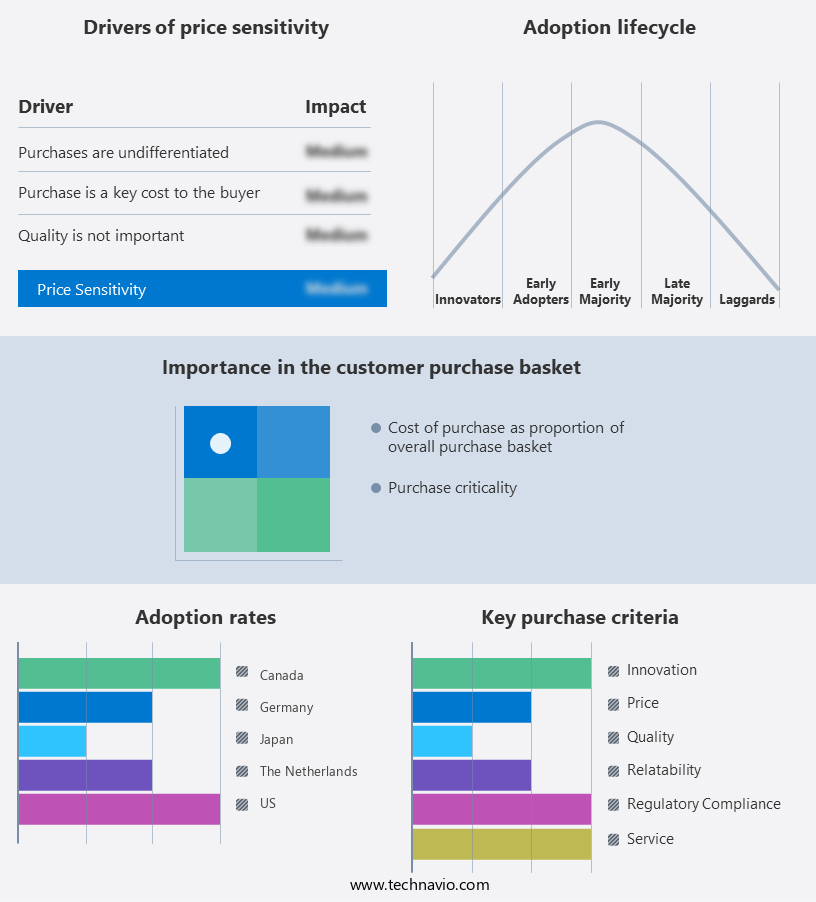
Essential Oil Market Share by Geography

 Customer Landscape

Key Companies & Market Insights

Companies are implementing various strategies, such as strategic alliances, essential oil market forecast, partnerships, mergers and acquisitions, geographical expansion, and product/service launches, to enhance their presence in the industry.

The industry research and growth report includes detailed analyses of the competitive landscape of the market and information about key companies, including:

  • Aliver Beauty
  • Avi Naturals
  • Biolandes SAS
  • BMV Fragrances Pvt. Ltd.
  • doTERRA International LLC
  • Eden Botanicals
  • Elysce
  • Essential Oils Co
  • Falcon
  • Natural Sourcing LLC
  • NHR Organic Oils
  • Norex Flavours Pvt. Ltd.
  • Organic Infusions
  • Phoenix Aromas and Essential Oils LLC
  • Plant Therapy Inc.
  • Sydney Essential Oil Co. Pty Ltd.
  • Takasago International Corp.
  • The Lebermuth Co. Inc.
  • Ultra International Ltd.
  • VedaOils
  • Vidya Herbs Pvt. Ltd.
  • Young Living Essential Oils LC
  • Enio Bonchev Production Ltd.
  • Essential Oils of New Zealand Ltd.

Qualitative and quantitative analysis of companies has been conducted to help clients understand the wider business environment as well as the strengths and weaknesses of key industry players. Data is qualitatively analyzed to categorize companies as pure play, category-focused, industry-focused, and diversified; it is quantitatively analyzed to categorize companies as dominant, leading, strong, tentative, and weak.

Recent Development and News in Essential Oil Market

  • In February 2023, doTerra, a leading essential oils company, announced the launch of their new line of Certified Pure Therapeutic Grade (CPTG) essential oils, featuring 12 new scents. This expansion aims to cater to the growing demand for natural aromatherapy solutions (doTerra Press Release, 2023).
  • In October 2024, Young Living Essential Oils, another major player, formed a strategic partnership with a leading cosmetics company, L'Oréal, to integrate essential oils into their personal care product lines. This collaboration signifies the increasing popularity of essential oils in the cosmetics industry (Young Living Press Release, 2024).
  • In March 2025, Dabur India, a leading Ayurvedic and natural health products company, completed the acquisition of a leading essential oils manufacturer, Essential Oils of India, for approximately USD150 million. This acquisition will significantly strengthen Dabur's position in the essential oils market (Business Standard, 2025).
  • In June 2025, the European Union's European Chemicals Agency (ECHA) approved the use of certain essential oils as biocides, enabling their use in pesticides and other antimicrobial applications. This approval opens up new opportunities for essential oil producers and marketers in the European market (ECHA Press Release, 2025).

Research Analyst Overview

  • The essential oil industry continues to evolve, with various segments gaining traction among consumers and businesses. Accreditation for essential oils is increasingly important, ensuring product authenticity and quality. In the retail sector, essential oil suppliers cater to diverse demands, offering products such as candles, soaps, and sprays. Wholesale distribution plays a significant role in the industry's growth, enabling businesses to stock a wide range of essential oils for various uses. Education and community are essential components of the market. Essential oil blogs and forums serve as platforms for sharing knowledge, experiences, and recipes. Aroma therapy, a popular application, contributes to the industry's expansion.
  • Essential oil manufacturers prioritize safety, providing precautions and certification to ensure user safety. Blending essential oils is an art, and training programs offer valuable insights for both beginners and professionals. Essential oil reviews influence consumer decisions, highlighting product quality and benefits. Certification and accreditation are crucial for essential oil distributors to maintain market credibility. Essential oil kits, roll-ons, and recipes cater to diverse consumer preferences, expanding the market's reach.

Dive into Technavio's robust research methodology, blending expert interviews, extensive data synthesis, and validated models for unparalleled Essential Oil Market insights. See full methodology.

Market Scope

Report Coverage

Details

Page number

164

Base year

2023

Historic period

2018-2022

Forecast period

2024-2028

Growth momentum & CAGR

Accelerate at a CAGR of 11.43%

Market growth 2024-2028

USD 10.30 billion

Market structure

Fragmented

YoY growth 2023-2024(%)

10.16

Key countries

US, Canada, Japan, Germany, and The Netherlands

Competitive landscape

Leading Companies, Market Positioning of Companies, Competitive Strategies, and Industry Risks

Request Free Sample

What are the Key Data Covered in this Essential Oil Market Research and Growth Report?

  • CAGR of the Essential Oil industry during the forecast period
  • Detailed information on factors that will drive the growth and forecasting between 2024 and 2028
  • Precise estimation of the size of the market and its contribution of the industry in focus to the parent market
  • Accurate predictions about upcoming growth and trends and changes in consumer behaviour
  • Growth of the market across Europe, North America, APAC, South America, and Middle East and Africa
  • Thorough analysis of the market's competitive landscape and detailed information about companies
  • Comprehensive analysis of factors that will challenge the essential oil market growth of industry companies

We can help! Our analysts can customize this essential oil market research report to meet your requirements.

Get in touch

1 Executive Summary

  • 1.1 Market overview
    • Exhibit 01: Executive Summary – Chart on Market Overview
    • Exhibit 02: Executive Summary – Data Table on Market Overview
    • Exhibit 03: Executive Summary – Chart on Global Market Characteristics
    • Exhibit 04: Executive Summary – Chart on Market by Geography
    • Exhibit 05: Executive Summary – Chart on Market Segmentation by Application
    • Exhibit 06: Executive Summary – Chart on Market Segmentation by Distribution Channel
    • Exhibit 07: Executive Summary – Chart on Incremental Growth
    • Exhibit 08: Executive Summary – Data Table on Incremental Growth
    • Exhibit 09: Executive Summary – Chart on Vendor Market Positioning

2 Market Landscape

  • 2.1 Market ecosystem
    • Exhibit 10: Parent market
    • Exhibit 11: Market Characteristics

3 Market Sizing

  • 3.1 Market definition
    • Exhibit 12: Offerings of vendors included in the market definition
  • 3.2 Market segment analysis
    • Exhibit 13: Market segments
  • 3.3 Market size 2023
    • 3.4 Market outlook: Forecast for 2023-2028
      • Exhibit 14: Chart on Global - Market size and forecast 2023-2028 ($ million)
      • Exhibit 15: Data Table on Global - Market size and forecast 2023-2028 ($ million)
      • Exhibit 16: Chart on Global Market: Year-over-year growth 2023-2028 (%)
      • Exhibit 17: Data Table on Global Market: Year-over-year growth 2023-2028 (%)

    4 Historic Market Size

    • 4.1 Global essential oil market 2018 - 2022
      • Exhibit 18: Historic Market Size – Data Table on global essential oil market 2018 - 2022 ($ million)
    • 4.2 Application Segment Analysis 2018 - 2022
      • Exhibit 19: Historic Market Size – Application Segment 2018 - 2022 ($ million)
    • 4.3 Distribution channel Segment Analysis 2018 - 2022
      • Exhibit 20: Historic Market Size – Distribution channel Segment 2018 - 2022 ($ million)
    • 4.4 Geography Segment Analysis 2018 - 2022
      • Exhibit 21: Historic Market Size – Geography Segment 2018 - 2022 ($ million)
    • 4.5 Country Segment Analysis 2018 - 2022
      • Exhibit 22: Historic Market Size – Country Segment 2018 - 2022 ($ million)

    5 Five Forces Analysis

    • 5.1 Five forces summary
      • Exhibit 23: Five forces analysis - Comparison between 2023 and 2028
    • 5.2 Bargaining power of buyers
      • Exhibit 24: Chart on Bargaining power of buyers – Impact of key factors 2023 and 2028
    • 5.3 Bargaining power of suppliers
      • Exhibit 25: Bargaining power of suppliers – Impact of key factors in 2023 and 2028
    • 5.4 Threat of new entrants
      • Exhibit 26: Threat of new entrants – Impact of key factors in 2023 and 2028
    • 5.5 Threat of substitutes
      • Exhibit 27: Threat of substitutes – Impact of key factors in 2023 and 2028
    • 5.6 Threat of rivalry
      • Exhibit 28: Threat of rivalry – Impact of key factors in 2023 and 2028
    • 5.7 Market condition
      • Exhibit 29: Chart on Market condition - Five forces 2023 and 2028

    6 Market Segmentation by Application

    • 6.1 Market segments
      • Chart on Application - Market share (2023-2028) (%)
      • Data Table on Application - Market share (2023-2028) (%)
    • 6.2 Comparison by Application
      • Chart on Comparison by Application
      • Data Table on Comparison by Application
    • 6.3 Food and beverages - Market size and forecast (2023-2028)
      • Chart on Food and beverages - Market size and forecast (2023-2028) ($ million)
      • Data Table on Food and beverages - Market size and forecast (2023-2028) ($ million)
      • Chart on Food and beverages - Year-over-year growth (2023-2028) (%)
      • Data Table on Food and beverages - Year-over-year growth (2023-2028) (%)
    • 6.4 Recreation - Market size and forecast (2023-2028)
      • Chart on Recreation - Market size and forecast (2023-2028) ($ million)
      • Data Table on Recreation - Market size and forecast (2023-2028) ($ million)
      • Chart on Recreation - Year-over-year growth (2023-2028) (%)
      • Data Table on Recreation - Year-over-year growth (2023-2028) (%)
    • 6.5 Perfumes and others - Market size and forecast (2023-2028)
      • Chart on Perfumes and others - Market size and forecast (2023-2028) ($ million)
      • Data Table on Perfumes and others - Market size and forecast (2023-2028) ($ million)
      • Chart on Perfumes and others - Year-over-year growth (2023-2028) (%)
      • Data Table on Perfumes and others - Year-over-year growth (2023-2028) (%)
    • 6.6 Market opportunity by Application
      • Market opportunity by Application ($ million)
      • Data Table on Market opportunity by Application ($ million)

    7 Market Segmentation by Distribution Channel

    • 7.1 Market segments
      • Chart on Distribution Channel - Market share (2023-2028) (%)
      • Data Table on Distribution Channel - Market share (2023-2028) (%)
    • 7.2 Comparison by Distribution Channel
      • Chart on Comparison by Distribution Channel
      • Data Table on Comparison by Distribution Channel
    • 7.3 Online - Market size and forecast (2023-2028)
      • Chart on Online - Market size and forecast (2023-2028) ($ million)
      • Data Table on Online - Market size and forecast (2023-2028) ($ million)
      • Chart on Online - Year-over-year growth (2023-2028) (%)
      • Data Table on Online - Year-over-year growth (2023-2028) (%)
    • 7.4 Offline - Market size and forecast (2023-2028)
      • Chart on Offline - Market size and forecast (2023-2028) ($ million)
      • Data Table on Offline - Market size and forecast (2023-2028) ($ million)
      • Chart on Offline - Year-over-year growth (2023-2028) (%)
      • Data Table on Offline - Year-over-year growth (2023-2028) (%)
    • 7.5 Market opportunity by Distribution Channel
      • Market opportunity by Distribution Channel ($ million)
      • Data Table on Market opportunity by Distribution Channel ($ million)

    8 Customer Landscape

    • 8.1 Customer landscape overview
      • Exhibit 62: Analysis of price sensitivity, lifecycle, customer purchase basket, adoption rates, and purchase criteria

    9 Geographic Landscape

    • 9.1 Geographic segmentation
      • Exhibit 63: Chart on Market share by geography 2023-2028 (%)
      • Exhibit 64: Data Table on Market share by geography 2023-2028 (%)
    • 9.2 Geographic comparison
      • Exhibit 65: Chart on Geographic comparison
      • Exhibit 66: Data Table on Geographic comparison
    • 9.3 Europe - Market size and forecast 2023-2028
      • Exhibit 67: Chart on Europe - Market size and forecast 2023-2028 ($ million)
      • Exhibit 68: Data Table on Europe - Market size and forecast 2023-2028 ($ million)
      • Exhibit 69: Chart on Europe - Year-over-year growth 2023-2028 (%)
      • Exhibit 70: Data Table on Europe - Year-over-year growth 2023-2028 (%)
    • 9.4 North America - Market size and forecast 2023-2028
      • Exhibit 71: Chart on North America - Market size and forecast 2023-2028 ($ million)
      • Exhibit 72: Data Table on North America - Market size and forecast 2023-2028 ($ million)
      • Exhibit 73: Chart on North America - Year-over-year growth 2023-2028 (%)
      • Exhibit 74: Data Table on North America - Year-over-year growth 2023-2028 (%)
    • 9.5 APAC - Market size and forecast 2023-2028
      • Exhibit 75: Chart on APAC - Market size and forecast 2023-2028 ($ million)
      • Exhibit 76: Data Table on APAC - Market size and forecast 2023-2028 ($ million)
      • Exhibit 77: Chart on APAC - Year-over-year growth 2023-2028 (%)
      • Exhibit 78: Data Table on APAC - Year-over-year growth 2023-2028 (%)
    • 9.6 South America - Market size and forecast 2023-2028
      • Exhibit 79: Chart on South America - Market size and forecast 2023-2028 ($ million)
      • Exhibit 80: Data Table on South America - Market size and forecast 2023-2028 ($ million)
      • Exhibit 81: Chart on South America - Year-over-year growth 2023-2028 (%)
      • Exhibit 82: Data Table on South America - Year-over-year growth 2023-2028 (%)
    • 9.7 Middle East and Africa - Market size and forecast 2023-2028
      • Exhibit 83: Chart on Middle East and Africa - Market size and forecast 2023-2028 ($ million)
      • Exhibit 84: Data Table on Middle East and Africa - Market size and forecast 2023-2028 ($ million)
      • Exhibit 85: Chart on Middle East and Africa - Year-over-year growth 2023-2028 (%)
      • Exhibit 86: Data Table on Middle East and Africa - Year-over-year growth 2023-2028 (%)
    • 9.8 US - Market size and forecast 2023-2028
      • Exhibit 87: Chart on US - Market size and forecast 2023-2028 ($ million)
      • Exhibit 88: Data Table on US - Market size and forecast 2023-2028 ($ million)
      • Exhibit 89: Chart on US - Year-over-year growth 2023-2028 (%)
      • Exhibit 90: Data Table on US - Year-over-year growth 2023-2028 (%)
    • 9.9 Germany - Market size and forecast 2023-2028
      • Exhibit 91: Chart on Germany - Market size and forecast 2023-2028 ($ million)
      • Exhibit 92: Data Table on Germany - Market size and forecast 2023-2028 ($ million)
      • Exhibit 93: Chart on Germany - Year-over-year growth 2023-2028 (%)
      • Exhibit 94: Data Table on Germany - Year-over-year growth 2023-2028 (%)
    • 9.10 The Netherlands - Market size and forecast 2023-2028
      • Exhibit 95: Chart on The Netherlands - Market size and forecast 2023-2028 ($ million)
      • Exhibit 96: Data Table on The Netherlands - Market size and forecast 2023-2028 ($ million)
      • Exhibit 97: Chart on The Netherlands - Year-over-year growth 2023-2028 (%)
      • Exhibit 98: Data Table on The Netherlands - Year-over-year growth 2023-2028 (%)
    • 9.11 Canada - Market size and forecast 2023-2028
      • Exhibit 99: Chart on Canada - Market size and forecast 2023-2028 ($ million)
      • Exhibit 100: Data Table on Canada - Market size and forecast 2023-2028 ($ million)
      • Exhibit 101: Chart on Canada - Year-over-year growth 2023-2028 (%)
      • Exhibit 102: Data Table on Canada - Year-over-year growth 2023-2028 (%)
    • 9.12 Japan - Market size and forecast 2023-2028
      • Exhibit 103: Chart on Japan - Market size and forecast 2023-2028 ($ million)
      • Exhibit 104: Data Table on Japan - Market size and forecast 2023-2028 ($ million)
      • Exhibit 105: Chart on Japan - Year-over-year growth 2023-2028 (%)
      • Exhibit 106: Data Table on Japan - Year-over-year growth 2023-2028 (%)
    • 9.13 Market opportunity by geography
      • Exhibit 107: Market opportunity by geography ($ million)
      • Exhibit 108: Data Tables on Market opportunity by geography ($ million)
    • 9.14 Rest of World (ROW) - Market size and forecast (2023-2028)
      • Chart on Rest of World (ROW) - Market size and forecast (2023-2028) ($ million)
      • Data Table on Rest of World (ROW) - Market size and forecast (2023-2028) ($ million)
      • Chart on Rest of World (ROW) - Year-over-year growth (2023-2028) (%)
      • Data Table on Rest of World (ROW) - Year-over-year growth (2023-2028) (%)

    10 Drivers, Challenges, and Trends

    • 10.1 Market drivers
      • 10.2 Market challenges
        • 10.3 Impact of drivers and challenges
          • Exhibit 109: Impact of drivers and challenges in 2023 and 2028
        • 10.4 Market trends

          11 Vendor Landscape

          • 11.1 Overview
            • 11.2 Vendor landscape
              • Exhibit 110: Overview on Criticality of inputs and Factors of differentiation
            • 11.3 Landscape disruption
              • Exhibit 111: Overview on factors of disruption
            • 11.4 Industry risks
              • Exhibit 112: Impact of key risks on business

            12 Vendor Analysis

            • 12.1 Vendors covered
              • Exhibit 113: Vendors covered
            • 12.2 Market positioning of vendors
              • Exhibit 114: Matrix on vendor position and classification
            • 12.3 Avi Naturals
              • Exhibit 115: Avi Naturals - Overview
              • Exhibit 116: Avi Naturals - Product / Service
              • Exhibit 117: Avi Naturals - Key offerings
            • 12.4 Essential Oils Co
              • Exhibit 118: Essential Oils Co - Overview
              • Exhibit 119: Essential Oils Co - Product / Service
              • Exhibit 120: Essential Oils Co - Key offerings
            • 12.5 Falcon
              • Exhibit 121: Falcon - Overview
              • Exhibit 122: Falcon - Product / Service
              • Exhibit 123: Falcon - Key offerings
            • 12.6 NHR Organic Oils
              • Exhibit 124: NHR Organic Oils - Overview
              • Exhibit 125: NHR Organic Oils - Product / Service
              • Exhibit 126: NHR Organic Oils - Key offerings
            • 12.7 Norex Flavours Pvt. Ltd.
              • Exhibit 127: Norex Flavours Pvt. Ltd. - Overview
              • Exhibit 128: Norex Flavours Pvt. Ltd. - Product / Service
              • Exhibit 129: Norex Flavours Pvt. Ltd. - Key offerings
            • 12.8 Organic Infusions
              • Exhibit 130: Organic Infusions - Overview
              • Exhibit 131: Organic Infusions - Key offerings
            • 12.9 Phoenix Aromas and Essential Oils LLC
              • Exhibit 132: Phoenix Aromas and Essential Oils LLC - Overview
              • Exhibit 133: Phoenix Aromas and Essential Oils LLC - Product / Service
              • Exhibit 134: Phoenix Aromas and Essential Oils LLC - Key offerings
            • 12.10 Plant Therapy Inc.
              • Exhibit 135: Plant Therapy Inc. - Overview
              • Exhibit 136: Plant Therapy Inc. - Product / Service
              • Exhibit 137: Plant Therapy Inc. - Key offerings
            • 12.11 Sydney Essential Oil Co. Pty Ltd.
              • Exhibit 138: Sydney Essential Oil Co. Pty Ltd. - Overview
              • Exhibit 139: Sydney Essential Oil Co. Pty Ltd. - Product / Service
              • Exhibit 140: Sydney Essential Oil Co. Pty Ltd. - Key offerings
            • 12.12 Takasago International Corp.
              • Exhibit 141: Takasago International Corp. - Overview
              • Exhibit 142: Takasago International Corp. - Business segments
              • Exhibit 143: Takasago International Corp. - Key news
              • Exhibit 144: Takasago International Corp. - Key offerings
              • Exhibit 145: Takasago International Corp. - Segment focus
            • 12.13 The Lebermuth Co. Inc.
              • Exhibit 146: The Lebermuth Co. Inc. - Overview
              • Exhibit 147: The Lebermuth Co. Inc. - Product / Service
              • Exhibit 148: The Lebermuth Co. Inc. - Key offerings
            • 12.14 Ultra International Ltd.
              • Exhibit 149: Ultra International Ltd. - Overview
              • Exhibit 150: Ultra International Ltd. - Product / Service
              • Exhibit 151: Ultra International Ltd. - Key offerings
            • 12.15 VedaOils
              • Exhibit 152: VedaOils - Overview
              • Exhibit 153: VedaOils - Product / Service
              • Exhibit 154: VedaOils - Key offerings
            • 12.16 Vidya Herbs Pvt. Ltd.
              • Exhibit 155: Vidya Herbs Pvt. Ltd. - Overview
              • Exhibit 156: Vidya Herbs Pvt. Ltd. - Product / Service
              • Exhibit 157: Vidya Herbs Pvt. Ltd. - Key offerings
            • 12.17 Young Living Essential Oils LC
              • Exhibit 158: Young Living Essential Oils LC - Overview
              • Exhibit 159: Young Living Essential Oils LC - Product / Service
              • Exhibit 160: Young Living Essential Oils LC - Key offerings

            13 Appendix

            • 13.1 Scope of the report
              • 13.2 Inclusions and exclusions checklist
                • Exhibit 161: Inclusions checklist
                • Exhibit 162: Exclusions checklist
              • 13.3 Currency conversion rates for US$
                • Exhibit 163: Currency conversion rates for US$
              • 13.4 Research methodology
                • Exhibit 164: Research methodology
                • Exhibit 165: Validation techniques employed for market sizing
                • Exhibit 166: Information sources
              • 13.5 List of abbreviations
                • Exhibit 167: List of abbreviations

              Research Methodology

              Technavio presents a detailed picture of the market by way of study, synthesis, and summation of data from multiple sources. The analysts have presented the various facets of the market with a particular focus on identifying the key industry influencers. The data thus presented is comprehensive, reliable, and the result of extensive research, both primary and secondary.

              INFORMATION SOURCES

              Primary sources

              • Manufacturers and suppliers
              • Channel partners
              • Industry experts
              • Strategic decision makers

              Secondary sources

              • Industry journals and periodicals
              • Government data
              • Financial reports of key industry players
              • Historical data
              • Press releases

              DATA ANALYSIS

              Data Synthesis

              • Collation of data
              • Estimation of key figures
              • Analysis of derived insights

              Data Validation

              • Triangulation with data models
              • Reference against proprietary databases
              • Corroboration with industry experts

              REPORT WRITING

              Qualitative

              • Market drivers
              • Market challenges
              • Market trends
              • Five forces analysis

              Quantitative

              • Market size and forecast
              • Market segmentation
              • Geographical insights
              • Competitive landscape

              Interested in this report?

              Get your sample now to see our research methodology and insights!

              Download Now

              Frequently Asked Questions

              Essential Oil market growth will increase by $ 10.30 bn during 2024-2028 .

              The Essential Oil market is expected to grow at a CAGR of 11.43% during 2024-2028 .

              Essential Oil market is segmented by Application( Food and beverages, Recreation, Perfumes and others) Distribution Channel( Online, Offline, APAC, South America, MEA)

              Aliver Beauty, Avi Naturals, Biolandes SAS, BMV Fragrances Pvt. Ltd., doTERRA International LLC, Eden Botanicals, Elysce, Essential Oils Co, Falcon, Natural Sourcing LLC, NHR Organic Oils, Norex Flavours Pvt. Ltd., Organic Infusions, Phoenix Aromas and Essential Oils LLC, Plant Therapy Inc., Sydney Essential Oil Co. Pty Ltd., Takasago International Corp., The Lebermuth Co. Inc., Ultra International Ltd., VedaOils, Vidya Herbs Pvt. Ltd., Young Living Essential Oils LC, Enio Bonchev Production Ltd., Essential Oils of New Zealand Ltd. are a few of the key vendors in the Essential Oil market.

              Europe will register the highest growth rate of 37% among the other regions. Therefore, the Essential Oil market in Europe is expected to garner significant business opportunities for the vendors during the forecast period.

              US, Canada, Japan, Germany, The Netherlands

              • Health benefits of essential oilsEssential oils such as lavender is the driving factor this market.
              • basil is the driving factor this market.
              • tea tree is the driving factor this market.
              • and lemongrass have several health benefits that fuel their adoption among consumers. The health benefits of some essential oils are mentioned below: Basil essential oil is a natural relaxant oil that helps relieve stress. The oil is the driving factor this market.
              • whether applied topically or inhaled is the driving factor this market.
              • provides relief from migraines is the driving factor this market.
              • nervous tension is the driving factor this market.
              • anxiety is the driving factor this market.
              • depression is the driving factor this market.
              • fatigue is the driving factor this market.
              • and mental strain. Basil essential oil contains chemical compounds such as eugenol is the driving factor this market.
              • citronella is the driving factor this market.
              • and linalool is the driving factor this market.
              • which help reduce skin inflammation. It is commonly used to soothe stings from honey bees is the driving factor this market.
              • insects is the driving factor this market.
              • and snakes. Lavender essential oil works as a toner for the skin. It helps boost blood circulation is the driving factor this market.
              • stimulating skin cells with an adequate supply of oxygen and nutrition. Lavender essential oil helps control hair loss. Tea tree essential oil helps to stimulate the immune system. It also has antiseptic properties that help cleanse and tone the scalp and skin when applied topically. Due to its bactericidal properties is the driving factor this market.
              • it is also used as a natural preservative for cosmetic preparations. Peppermint oil has a cooling and invigorating effect. It is commonly used to alleviate headaches is the driving factor this market.
              • relieve muscle pain is the driving factor this market.
              • improve digestion is the driving factor this market.
              • and boost energy levels. Lemon oil has a refreshing citrus scent. It is often used for its uplifting and mood-enhancing effects. It may also be beneficial for supporting immune function is the driving factor this market.
              • improving digestion is the driving factor this market.
              • and promoting healthy skin. Eucalyptus oil is commonly used for respiratory issues such as congestion is the driving factor this market.
              • coughs is the driving factor this market.
              • and sinusitis. It can also act as an insect repellent and provide relief from muscle soreness. Frankincense oil is known for its grounding and balancing properties. It is often used in meditation practices for its calming effects. It may also have skin rejuvenating benefits and support respiratory health. Chamomile oil is renowned for its calming and soothing properties. It can be used to promote relaxation is the driving factor this market.
              • alleviate stress is the driving factor this market.
              • improve sleep quality is the driving factor this market.
              • and soothe skin irritations. Rosemary oil is invigorating and stimulating. It can enhance memory is the driving factor this market.
              • focus is the driving factor this market.
              • and mental clarity. It may also support respiratory health and promote healthy hair growth. Thus is the driving factor this market.
              • increasing consumer awareness regarding the health benefits of various essential oils will drive the sales of essential oils is the driving factor this market.
              • which is the driving factor this market.
              • in turn is the driving factor this market.
              • will drive the growth of the global essential oil market during the forecast period. is the driving factor this market.

              The Essential Oil market vendors should focus on grabbing business opportunities from the Food and beverages segment as it accounted for the largest market share in the base year.
