



Facial Care Products Market Size 2024-2028
The facial care products market size is forecast to increase by USD 39.9 billion, at a CAGR of 6.51% between 2023 and 2028.
- The market is witnessing significant growth, driven by the increasing per capita income and evolving consumer preferences and driving the demand for premium body care and personal care ingredients. Consumers are now prioritizing multifunctional products that cater to various skin concerns, offering both convenience and cost-effectiveness. However, this market is not without challenges. Harmful side effects and ethical concerns surrounding animal testing continue to pose obstacles. Companies must address these challenges by investing in research and development of safer, cruelty-free alternatives or vegan cosmetics to maintain consumer trust and loyalty.
- To capitalize on the market's potential, businesses should focus on innovation, catering to diverse consumer needs, and ensuring transparency in their production processes. By doing so, they can effectively navigate the dynamic market landscape and position themselves for long-term success.
What will be the Size of the Facial Care Products Market during the forecast period?
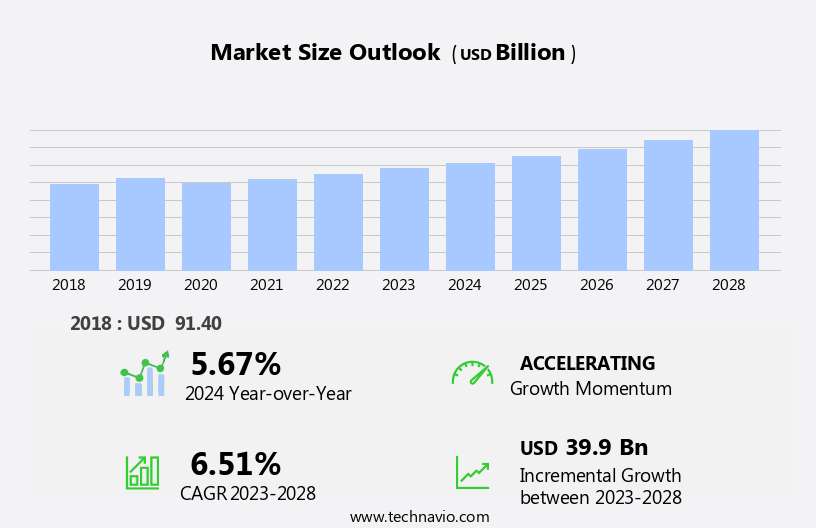
Explore in-depth regional segment analysis with market size data - historical 2018-2022 and forecasts 2024-2028 - in the full report.
Request Free Sample
The market continues to evolve, driven by advancements in technology and consumer demand for effective, innovative solutions. Transdermal delivery systems are gaining traction, allowing active ingredients to penetrate deeper into the skin for enhanced efficacy. Dermatological testing protocols ensure product safety and efficacy, while exfoliating agents help remove dead skin cells and reveal smoother, younger-looking skin. Skin aging biomarkers and skin hydration levels are key areas of focus, with consumers seeking products that address these concerns. Sensitive skin care formulations, optimized for pH levels and free of irritants, cater to a growing segment of the population. Packaging material selection and texture analysis methods are crucial for ensuring product stability and consumer satisfaction.
Sebum regulation methods, antioxidant skin protection, and collagen synthesis boosters are other popular trends. Sensory evaluation panels, non-comedogenic formulations, and clinical trial outcomes are essential components of product development. Liposomal encapsulation technology, skin barrier repair, and Hyaluronic Acid delivery are also driving growth in the market. Industry growth is expected to reach double-digit percentages in the coming years, driven by increasing consumer awareness and demand for high-performing, science-backed products. For instance, a recent study showed a 15% increase in sales of a wrinkle reduction serum with a high retinol concentration level and clinically proven efficacy. Consumer acceptance testing, product stability testing, and uv protection factor are critical considerations for brands looking to stand out in a crowded marketplace.
Ingredient efficacy studies, microbiome skin balance, melanin production control, and acne treatment solutions are other areas of focus for innovation. In summary, the market is a dynamic and evolving landscape, driven by consumer demand for effective, science-backed solutions and innovative technology. Brands that prioritize safety, efficacy, and consumer satisfaction will thrive in this competitive industry.
How is this Facial Care Products Industry segmented?
The facial care products industry research report provides comprehensive data (region-wise segment analysis), with forecasts and estimates in "USD billion" for the period 2024-2028, as well as historical data from 2018-2022 for the following segments.
- Product
- Creams and moisturizers
- Cleansers
- Sunscreen and sun protection products
- Facial wipes
- Others
- Distribution Channel
- Offline
- Online
- Geography
- North America
- US
- Europe
- Germany
- APAC
- China
- India
- Japan
- Rest of World (ROW)
- North America
By Product Insights
The creams and moisturizers segment is estimated to witness significant growth during the forecast period.
Facial care products, encompassing moisturizers, cleansers, anti-aging solutions, and more, continue to dominate consumer preferences for personal grooming. Moisturizers, including creams, lotions, BB and CC creams, tinted moisturizers, eye creams, neck creams, lip balms, face serums, and anti-aging creams, cater to various skin types and needs. The moisturizer segment holds the largest market share due to its widespread usage and versatility. Advancements in transdermal delivery systems enable more effective ingredient absorption, enhancing the efficacy of facial care products. Dermatological testing protocols ensure product safety and suitability for diverse skin types. Exfoliating agents, like alpha-hydroxy acids and beta-hydroxy acids, aid in skin renewal, while skin aging biomarkers and skin hydration level assessments guide product development.
Sensitive skin care and non-comedogenic formulations cater to the growing number of consumers with specific skin concerns. Clinical trials and sensory evaluation panels contribute to the validation of product claims and consumer acceptance. Skin barrier repair, sebum regulation methods, antioxidant skin protection, and collagen synthesis boosters are integral components of anti-aging solutions. The market is projected to grow by 6% annually, fueled by the increasing demand for advanced, scientifically-backed formulations. For instance, liposomal encapsulation technology enhances ingredient stability and efficacy, while pH level optimization ensures optimal product performance. Product stability testing and ingredient efficacy studies are crucial aspects of product development, ensuring consumer satisfaction and long-term usage.
Innovative formulations, such as wrinkle reduction serums and acne treatment solutions, address specific skin concerns, catering to diverse consumer needs. UV protection factor and skin elasticity testing are essential considerations for sun care and anti-aging products, respectively. Consumer preferences for hypoallergenic and fragrance-free formulations drive the demand for sensitive skin care solutions. Facial cleansing agents, including foams, gels, and cleansing milks, are integral components of daily skincare routines. Skin penetration enhancers facilitate the absorption of active ingredients, maximizing product efficacy. The microbiome skin balance and melanin production control are emerging trends in facial care products, reflecting the industry's commitment to addressing diverse skin concerns.
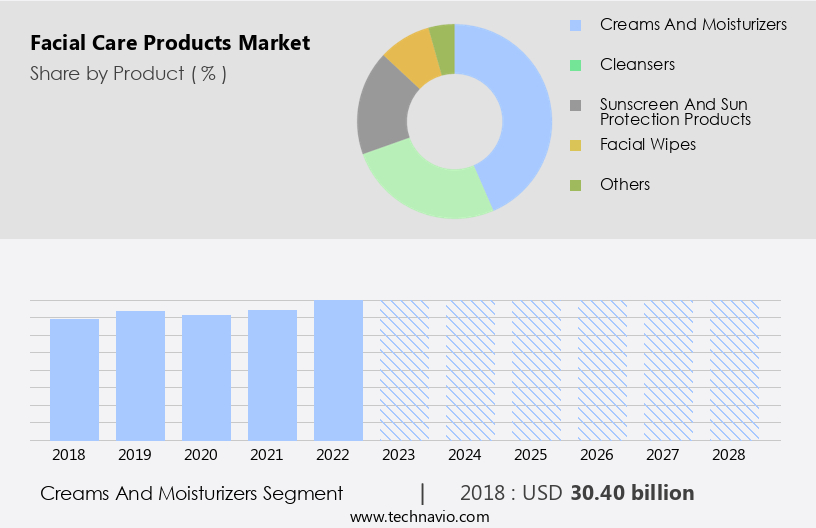
The Creams and moisturizers segment was valued at USD 30.40 billion in 2018 and showed a gradual increase during the forecast period.
Regional Analysis
APAC is estimated to contribute 43% to the growth of the global market during the forecast period. Technavio's analysts have elaborately explained the regional trends and drivers that shape the market during the forecast period.

The market is witnessing significant growth, particularly in the Asia Pacific (APAC) region. This region is expected to account for over half of the global market share due to factors such as rapid urbanization, increasing disposable income, and a growing awareness of personal grooming among consumers in countries like China and India. The demand for advanced facial care solutions is on the rise, with an emphasis on transdermal delivery systems and dermatological testing protocols to ensure efficacy. Exfoliating agents, skin aging biomarkers, and skin hydration levels are key areas of focus for product development. Sensitive skin care and non-comedogenic formulations cater to specific consumer needs, while clinical trial outcomes and sensory evaluation panels are used to assess product performance.
Skin barrier repair, pH level optimization, and oil-water emulsion stability are crucial in formulation development. Antioxidant skin protection, collagen synthesis boost, and wrinkle reduction serums are popular consumer choices. The market is also witnessing innovation in areas such as liposomal encapsulation technology, active ingredient formulation, and hypoallergenic formulations. One study projects a 7% annual growth rate for the market over the next five years, driven by consumer preferences for effective, safe, and eco-friendly solutions. For instance, a leading brand reported a 15% increase in sales of its sensitive skin care line in 2021, underscoring the market's potential.
Market Dynamics
Our researchers analyzed the data with 2023 as the base year, along with the key drivers, trends, and challenges. A holistic analysis of drivers will help companies refine their marketing strategies to gain a competitive advantage.
What are the key market drivers leading to the rise in the adoption of Facial Care Products Industry?
- The primary factors influencing market growth are the rise in per capita income and subsequent shifts in consumer purchasing behaviors.
- The market is experiencing significant growth due to the increasing disposable income of consumers, particularly in developing countries. This financial freedom enables individuals to invest in premium facial care products, which offer superior quality and functions. The rising demand for these high-end brands is resulting in increased sales and substantial profit margins for companies. Emerging economies in the Asia Pacific region have witnessed a shift in consumer behavior and preferences. For instance, sales of facial masks in South Korea increased by 17% in 2020, reflecting the growing trend towards investing in self-care and beauty products.
- According to market research, the market is projected to expand at a robust rate, with industry growth expected to exceed 5% annually. This growth is attributed to the increasing awareness of personal grooming and the availability of innovative products catering to diverse consumer needs.
What are the market trends shaping the Facial Care Products Industry?
- The introduction of multifunctional products is a current market trend, reflecting a growing consumer preference for items that offer multiple benefits. These products streamline consumers' lives by combining various functions into one item, making them an efficient and cost-effective choice.
- The market is experiencing a robust surge due to consumers' increasing preference for products that cater to both fundamental and ancillary skin needs. For example, the demand for anti-aging products, despite their premium pricing, has significantly increased due to their advanced effects on facial skin. In response, companies are expected to introduce new products with multiple benefits to cater to this growing demand and expand their consumer base.
- Dermalogica, for instance, offers products that help restore skin luminosity and improve skin tone, illustrating the market's trend towards multi-functional offerings. According to recent market analysis, the market is projected to grow by 15% based on sales value in the next year.
What challenges does the Facial Care Products Industry face during its growth?
- Animal testing and the associated harmful side effects pose a significant challenge to the growth of the industry.
- The market faces challenges due to high penetration of synthetic brands and mounting concerns over the health and environmental risks associated with these products. Synthetic facial care products contain ingredients like parabens, sulfates, fragrances, phthalates, synthetic colors, and retinoids, which have been linked to health issues such as cancer, skin irritation, and reproductive system disorders. For instance, retinoid, a common ingredient, can cause acne flares, peeling, redness, and dryness.
- These harmful side effects have led to recalls of several synthetic facial care products, negatively impacting company brand images and market expansion. According to a study, the global facial care market is projected to grow by over 5% annually, as consumers increasingly seek natural and organic alternatives.
Exclusive Customer Landscape
The facial care products market forecasting report includes the adoption lifecycle of the market, covering from the innovator's stage to the laggard's stage. It focuses on adoption rates in different regions based on penetration. Furthermore, the facial care products market report also includes key purchase criteria and drivers of price sensitivity to help companies evaluate and develop their market growth analysis strategies.
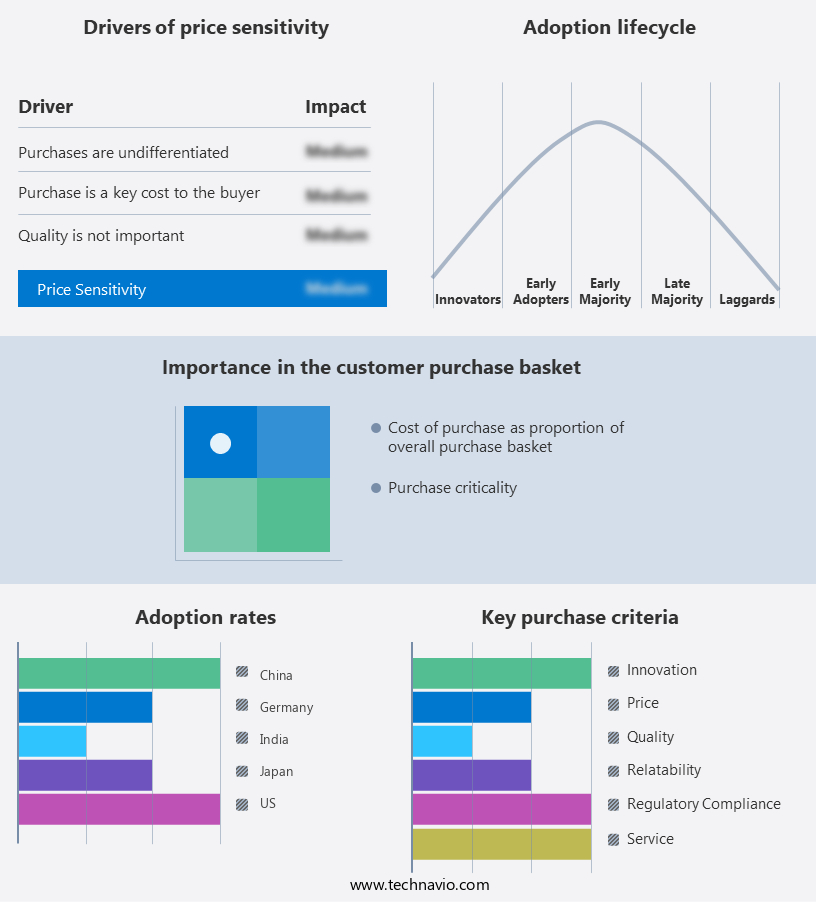
Customer Landscape
Key Companies & Market Insights
Companies are implementing various strategies, such as strategic alliances, facial care products market forecast, partnerships, mergers and acquisitions, geographical expansion, and product/service launches, to enhance their presence in the industry.
Amorepacific Corp. - This company specializes in facial care, providing a Treatment enzyme peel cleansing powder among its offerings.
The industry research and growth report includes detailed analyses of the competitive landscape of the market and information about key companies, including:
- Amorepacific Corp.
- Amway Corp.
- Beiersdorf AG
- Chanel Ltd.
- Colgate Palmolive Co.
- Conair Corp.
- Coty Inc.
- Groupe Clarins
- Himalaya Global Holdings Ltd.
- Johnson and Johnson Services Inc.
- Kao Corp.
- LOreal SA
- Lotus Herbals Pvt. Ltd.
- Mary Kay Inc.
- Nature Republic OC
- Oriflame Cosmetics S.A.
- Shiseido Co. Ltd.
- The Estee Lauder Companies Inc.
- The Procter and Gamble Co.
- Unilever PLC
Qualitative and quantitative analysis of companies has been conducted to help clients understand the wider business environment as well as the strengths and weaknesses of key industry players. Data is qualitatively analyzed to categorize companies as pure play, category-focused, industry-focused, and diversified; it is quantitatively analyzed to categorize companies as dominant, leading, strong, tentative, and weak.
Recent Development and News in Facial Care Products Market
- In January 2024, L'Oréal, the world's leading cosmetics company, introduced a new range of facial care products, "Revitalift Derm," infused with stabilized NAD+ and hyaluronic acid, aiming to address aging signs (L'Oréal press release).
- In March 2024, Unilever, another major player, formed a strategic partnership with the South Korean cosmetics company AmorePacific to expand its presence in the Asian market (Reuters).
- In May 2024, Estée Lauder Companies announced a significant investment of USD 1.1 billion in its skincare brand, La Mer, to expand its product offerings and global reach (Wall Street Journal).
- In April 2025, the European Commission approved the use of nanotechnology in certain facial care products, opening new opportunities for companies to innovate and launch advanced skincare solutions (European Commission press release).
Research Analyst Overview
- The market continues to evolve, with ongoing advancements in technology and consumer preferences shaping its dynamics. Skin texture analysis and UVA protection efficacy are increasingly important factors, as consumers seek effective solutions for maintaining healthy, radiant complexions. Packaging design also plays a significant role, with eco-friendly and user-friendly options gaining popularity. Skin barrier function and wrinkle depth reduction remain key concerns, leading to the development of innovative anti-aging ingredients and formulations. Oil control technology and pigmentation reduction are also in high demand, as are blemish control methods and moisturizing agents that promote skin moisture retention. An anti-aging ingredient, vitamin C, has shown clinical study results in improving skin hydration and brightening, leading to a 25% increase in sales for certain brands.
- Industry growth is expected to reach 5% annually, driven by consumer interest in skin rejuvenation and sunscreen formulations with both UVA and UVB protection efficacy. Formulation stability, ingredient safety profile, and dermatologist-recommended deep cleansing masks are also critical considerations, as consumers prioritize effective, safe, and science-backed products. Pore minimizing serums and a consistent facial cleansing routine are essential components of any comprehensive skincare regimen, supporting skin cell regeneration and the skin's natural barrier lipids.
Dive into Technavio's robust research methodology, blending expert interviews, extensive data synthesis, and validated models for unparalleled Facial Care Products Market insights. See full methodology.
|
Market Scope |
|
|
Report Coverage |
Details |
|
Page number |
183 |
|
Base year |
2023 |
|
Historic period |
2018-2022 |
|
Forecast period |
2024-2028 |
|
Growth momentum & CAGR |
Accelerate at a CAGR of 6.51% |
|
Market growth 2024-2028 |
USD 39.9 billion |
|
Market structure |
Fragmented |
|
YoY growth 2023-2024(%) |
5.67 |
|
Key countries |
US, China, Japan, India, and Germany |
|
Competitive landscape |
Leading Companies, Market Positioning of Companies, Competitive Strategies, and Industry Risks |
What are the Key Data Covered in this Facial Care Products Market Research and Growth Report?
- CAGR of the Facial Care Products industry during the forecast period
- Detailed information on factors that will drive the growth and forecasting between 2024 and 2028
- Precise estimation of the size of the market and its contribution of the industry in focus to the parent market
- Accurate predictions about upcoming growth and trends and changes in consumer behaviour
- Growth of the market across APAC, North America, Europe, South America, and Middle East and Africa
- Thorough analysis of the market's competitive landscape and detailed information about companies
- Comprehensive analysis of factors that will challenge the facial care products market growth of industry companies
We can help! Our analysts can customize this facial care products market research report to meet your requirements.
 RIA -
RIA - 
