



Greek Yogurt Market Size 2025-2029
The greek yogurt market size is forecast to increase by USD 5.21 billion, at a CAGR of 7.3% between 2024 and 2029.
- The market is witnessing significant growth due to the increasing health consciousness among consumers and the perceived health benefits associated with Greek yogurt. Greek yogurt is known for its high protein content, probiotics, and thick, creamy texture, making it a popular choice among health-conscious consumers. This high-protein, low-fat dairy product is gaining popularity for its nutritional value and versatility. Another key trend in the market is the fusion of various flavors, from fruit to savory, to cater to diverse consumer preferences. Greek yogurt, known for its thick and creamy texture, is preferred by fitness enthusiasts as a snack option due to its nutritional benefits. However, the high-cost manufacturing process of Greek yogurt poses a significant challenge for market players. This involves the use of specific strains of bacteria for longer fermentation periods, which increases production costs.
- Companies must navigate this obstacle by implementing cost-effective production methods or passing on the additional costs to consumers. To capitalize on market opportunities and navigate challenges effectively, industry players should focus on innovation, cost optimization, and catering to evolving consumer preferences.
What will be the Size of the Greek Yogurt Market during the forecast period?

- Greek yogurt manufacturing faces numerous challenges and trends in the dynamic dairy industry. Product recalls, a potential threat to consumer trust, necessitate strict adherence to yogurt safety standards and regulations. Customer satisfaction is paramount, driving the need for continuous product development and differentiation. Price wars among competitors intensify, requiring strategic retail distribution and supply chain management. Animal welfare concerns and ethical sourcing are increasingly important, influencing brand loyalty and online platform engagement. Sustainability and environmental impact are key considerations for both manufacturers and consumers.
- Product reviews, packaging innovations, and health claims shape market perception. Legal compliance and carbon footprint reduction are essential for long-term success in this competitive landscape. Yogurt niche markets, such as organic and non-dairy options, offer opportunities for growth. Yogurt flavor trends and ethical sourcing strategies contribute to the evolving customer experience.
How is this Greek Yogurt Industry segmented?
The greek yogurt industry research report provides comprehensive data (region-wise segment analysis), with forecasts and estimates in "USD million" for the period 2025-2029, as well as historical data from 2019-2023 for the following segments.
- Product
- Flavored Greek yogurt
- Plain Greek yogurt
- Distribution Channel
- Offline
- Online
- Packaging
- Single-serve cups
- Multi-serve tubs
- Pouches
- Bottles
- Geography
- North America
- US
- Canada
- Mexico
- Europe
- France
- Germany
- Italy
- UK
- APAC
- China
- Japan
- South Korea
- Rest of World (ROW)
- North America
By Product Insights
The flavored greek yogurt segment is estimated to witness significant growth during the forecast period. Greek yogurt's popularity continues to soar in the global market, with innovative offerings that cater to diverse consumer preferences. Oat yogurt and plant-based alternatives, such as soy and cashew yogurt, are gaining traction among health-conscious and vegan consumers. Strawberry, as a popular flavor, dominates the market with strawberry flavored yogurt and berry-based yogurts being top choices. Greek yogurt's high protein content, ranging from 15-23 grams per serving, makes it an ideal choice for meal prep and post-workout recovery. Probiotics, a key component of Greek yogurt, support gut health and immunity, making it a popular option for those seeking digestive benefits. Yogurt's versatility extends beyond breakfast and snacks. Consumers now incorporate it into various meals, including dinner, using it as a base for sauces or a substitute for sour cream.
Yogurt's long shelf life, thanks to its fermentation process, makes it a convenient and practical option for busy consumers. Packaging innovations, such as tubs, pouches, and cups, cater to different consumer needs and preferences. Yogurt's nutritional value, including calcium content, makes it a popular choice for weight management and bone health. Brands continue to differentiate themselves through unique flavors, from traditional fruit to exotic blends. Greek yogurt's versatility extends to baking, cooking, and even desserts, further expanding its appeal. Yogurt's health benefits and versatility have made it a staple in grocery stores and supermarkets, with various brands competing for consumer preference. Unique flavors and unique production methods, including automated production lines and the integration of Artificial Intelligence (AI) in online and e-commerce channels, have expanded the market.
Companies invest in quality control and advertising to attract consumers, offering a range of flavors, from plain to flavored, and low-fat to full-fat. Greek yogurt's popularity transcends age groups and dietary restrictions, with options for those with food allergies and lactose intolerance. Consumers increasingly seek out Greek yogurt for its digestive health benefits and immunity support, making it a popular choice for meal replacement shakes and smoothies. Greek yogurt's satiety properties make it an ideal option for snacks and meal prep, keeping consumers feeling full and energized throughout the day. Greek yogurt's fermentation process and starter cultures contribute to its rich taste and texture, making it a preferred choice for consumers seeking a high-quality dairy product.
Innovative offerings, such as yogurt parfaits, meal prep bowls, and yogurt marinades, cater to consumers' evolving preferences and lifestyles. Greek yogurt's long-standing popularity and recent innovations make it a dynamic and exciting segment within the global dairy market.
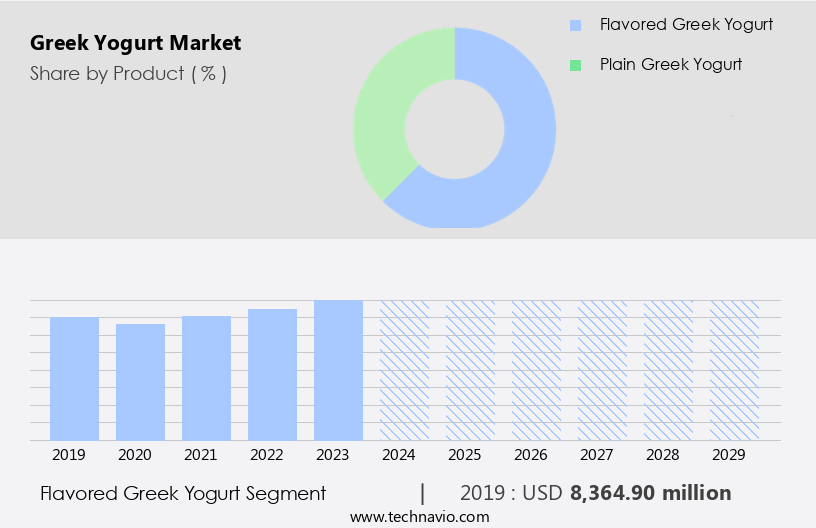
The Flavored Greek yogurt segment was valued at USD 8.36 billion in 2019 and showed a gradual increase during the forecast period.
Regional Analysis
North America is estimated to contribute 37% to the growth of the global market during the forecast period. Technavio's analysts have elaborately explained the regional trends and drivers that shape the market during the forecast period.

The market in North America is experiencing significant growth, with the region being a major consumer and innovator in the dairy industry. Greek yogurt, renowned for its rich, creamy texture and nutritional benefits, has gained immense popularity in the United States and Canada. Studies supporting its health advantages have positioned it as a healthier alternative to traditional yogurt, driving its adoption. New product introductions, such as various flavors and attractive packaging, further fuel the market's expansion in the region. Greek yogurt's nutritional profile, including high protein content and probiotics, appeals to consumers seeking satiety and digestive health.
The versatility of Greek yogurt extends beyond breakfast, with its use in meal preps, dinners, sauces, and desserts. Greek yogurt's long shelf life and adaptability to various toppings, like fruits, granola, honey, nuts, and seeds, add to its appeal. The market's evolution includes the emergence of plant-based Greek yogurt alternatives, such as cashew and soy, catering to consumers with food allergies or lactose intolerance. Greek yogurt's calcium content and role in weight management further reinforce its position as a health-conscious choice. Greek yogurt's production process, involving fermentation and starter cultures, ensures a high-quality product. The market's trends extend to Greek yogurt's application in various sectors, including meal prep, meal replacement, and snacks.
Artificial Intelligence (AI) and automated production lines have streamlined the manufacturing process, reducing costs and increasing efficiency in food service. Greek yogurt's versatility also extends to baking, marinades, and dressings, making it a staple in many households. Greek yogurt's popularity is not limited to the traditional Greek yogurt tubs; it is also available in pouches, cups, and even online. Greek yogurt's nutritional benefits, combined with its rich texture and various applications, make it a popular choice for consumers. The market's continued growth is expected to be influenced by new product innovations, consumer education, and the increasing demand for plant-based alternatives.
Market Dynamics
Our researchers analyzed the data with 2024 as the base year, along with the key drivers, trends, and challenges. A holistic analysis of drivers will help companies refine their marketing strategies to gain a competitive advantage.
What are the Greek Yogurt market drivers leading to the rise in the adoption of Industry?
- The significant growing health benefits associated with Greek yogurt serves as the primary driver for the market's expansion. Greek yogurt's popularity in the market stems from its higher protein content and health benefits. With a protein count superior to regular yogurt, Greek yogurt caters to individuals seeking a protein-rich diet essential for muscle maintenance and satiety. Probiotics, beneficial bacteria in Greek yogurt, promote a healthy gut microbiome, enhancing nutrient absorption, digestion, and overall digestive health. The lower carbohydrate and sugar content in Greek yogurt, achieved through the straining process, makes it an appealing choice for those managing their carbohydrate intake or individuals with blood sugar concerns. Greek yogurt's versatility extends beyond breakfast, with consumers incorporating it into various meals and snacks.
- Prepare a protein-packed meal with Greek yogurt for dinner, create a parfait with honey, fruit, and granola for a satisfying snack, or blend it into a smoothie for a quick and nutritious drink. Greek yogurt's long shelf life and adaptability as a base for sauces, baking ingredients, and toppings further increase its value.
What are the Greek Yogurt market trends shaping the Industry?
- The fusion of flavors in Greek yogurt is gaining significant popularity and is a notable market trend. Consumers are increasingly seeking innovative and delicious combinations in their Greek yogurt purchases. Greek yogurt manufacturers are expanding their product offerings by introducing unique and indulgent flavors to cater to consumers' evolving preferences. Chobani, for instance, launched Chobani Creations Greek Yogurt in 2024, featuring dessert-inspired flavors such as Mocha Tiramisu, Apple Pie à la Mode, Cherry Cheesecake, Orange Cream Pop, Bananas Foster, and Caramel Sundae. These flavors offer a rich, creamy Greek yogurt experience blended with carefully selected ingredients. Kalypso Farms Dairy continues to innovate with refreshing options like Peach Ginger and Blueberry Lavender Greek Non-fat Yogurts. In addition to traditional Greek yogurt, plant-based alternatives like cashew and coconut yogurts are gaining popularity.
- Yogurt recipes and marinades are also increasingly being used to enhance the versatility of this nutritious food. Consumers can now find Greek yogurt in various formats, including yogurt tubs, pouches, and even yogurt subscription services. Probiotic yogurt is also a popular choice for those seeking to boost their immune system with the added benefits of live active cultures. Yogurt berries, nuts, and seeds are common additions to enhance texture and flavor. Overall, the market continues to evolve, offering consumers a wide range of options to suit their taste preferences and dietary needs.
How does Greek Yogurt market faces challenges during its growth?
- The high-cost manufacturing process associated with producing Greek yogurt poses a significant challenge to the industry's growth trajectory. Greek yogurt, known for its thick texture and high protein content, has gained popularity among health-conscious consumers in the US and beyond. However, the high production cost of Greek yogurt, which requires three times more milk than conventional yogurt, poses a challenge to both manufacturers and consumers. The manufacturing process involves separating liquid whey from the milk mixture to create solid curds. This results in a more expensive final product. Despite the cost, many consumers prefer Greek yogurt for its calcium content, which is essential for bone health. Additionally, Greek yogurt is available in various blends, including chocolate and fruit flavors, as well as non-fat, organic, soy, and lactose-free options, catering to diverse consumer preferences.
- Companies are addressing the cost issue by exploring new production methods and delivery systems, such as yogurt online and yogurt cups with extended preservation, to maintain the product's quality and affordability. Consumers looking for weight management solutions also find Greek yogurt a suitable option due to its high protein content. Despite the challenges, the market continues to grow, driven by consumer demand for healthier food choices.
Exclusive Customer Landscape
The greek yogurt market forecasting report includes the adoption lifecycle of the market, covering from the innovator's stage to the laggard's stage. It focuses on adoption rates in different regions based on penetration. Furthermore, the greek yogurt market report also includes key purchase criteria and drivers of price sensitivity to help companies evaluate and develop their market growth analysis strategies.
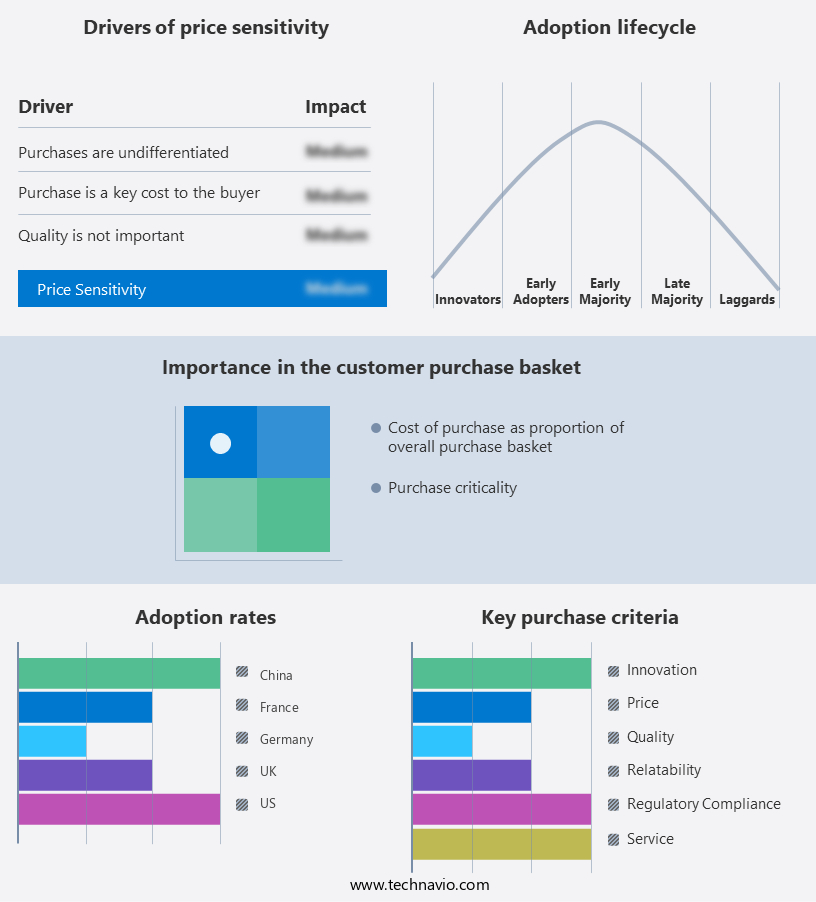
Customer Landscape
Key Companies & Market Insights
Companies are implementing various strategies, such as strategic alliances, greek yogurt market forecast, partnerships, mergers and acquisitions, geographical expansion, and product/service launches, to enhance their presence in the industry.
Arla Foods amba - This company specializes in producing a range of Greek yogurt varieties, including low fat and non-fat plain options, catering to diverse consumer preferences.
The industry research and growth report includes detailed analyses of the competitive landscape of the market and information about key companies, including:
- Arla Foods amba
- Auburn Dairy Products Inc.
- Chobani Global Holdings LLC
- EHRMANN SE
- Emmi Group
- Fage International SA
- General Mills Inc.
- Glenisk Ltd.
- Inner Mongolia Yili Industrial Group Co. Ltd.
- Kalypso Farms Dairy
- Kri Kri SA
- MEVGAL
- Muller UK and Ireland Group LLP
- Nestle SA
- Olympus Corp.
- Skotidakis Inc.
- Stonyfield Farm Inc.
- Sun Valley Dairy
- The Hain Celestial Group Inc.
- The Kroger Co.
- Yeo Valley Organic Ltd.
Qualitative and quantitative analysis of companies has been conducted to help clients understand the wider business environment as well as the strengths and weaknesses of key industry players. Data is qualitatively analyzed to categorize companies as pure play, category-focused, industry-focused, and diversified; it is quantitatively analyzed to categorize companies as dominant, leading, strong, tentative, and weak.
Recent Development and News in Greek Yogurt Market
- In February 2023, Chobani, a leading Greek yogurt manufacturer, introduced a new line of plant-based Greek yogurt alternatives, expanding its product portfolio to cater to the growing demand for vegan and dairy-free options (Chobani Press Release, 2023).
- In March 2024, Danone and Amazon announced a strategic partnership to jointly develop and distribute new plant-based dairy products, including Greek yogurt alternatives, under Amazon's Wicked Kitchen brand. This collaboration aims to leverage Amazon's retail reach and Danone's expertise in dairy production (Amazon Business Wire, 2024).
- In June 2024, Fage, the largest Greek yogurt producer, completed the acquisition of Stonyfield Farm, a leading organic yogurt brand in the United States. This acquisition significantly strengthened Fage's presence in the US market and expanded its product offerings (Fage Press Release, 2024).
Research Analyst Overview
The market continues to evolve, with dynamic shifts shaping its landscape. From yogurt seeds to fermentation and starter cultures, the production process undergoes constant refinement. Plant-based alternatives, such as cashew yogurt and soy yogurt, gain popularity, catering to diverse consumer preferences. Yogurt berries, nuts, and honey add texture and flavor to various applications, including breakfast parfaits, sauces, and marinades. Low-fat and non-fat yogurt options have long been staples, but recent trends lean towards full-fat and organic varieties. Immune system support and weight management drive demand for probiotic-rich yogurt. Yogurt's versatility extends to meal prep, baking, and even desserts, with smoothies, parfaits, and dips being popular choices.
Grocery stores and supermarkets stock a wide array of yogurt types, from Greek to plant-based and flavored varieties. Subscription services offer convenience, delivering fresh yogurt to consumers' doors. Yogurt's nutritional value, calcium content, and gut health benefits make it a go-to food for many. Processing, quality control, and advertising strategies remain crucial as competition intensifies. Brands continue to innovate, introducing new flavors, textures, and packaging formats. Yogurt's applications are vast, from lunch to dinner, snacks, and even dressings, ensuring its relevance in modern diets.
The Greek Yogurt Market continues to expand as consumers seek nutritious, protein-rich options for their daily diets. The demand for plain yogurt and lowfat yogurt remains strong, while innovative Greek yogurt blends are gaining popularity. Convenient yogurt pouches provide on-the-go solutions, while yogurt dips, yogurt sauces, and yogurt smoothies diversify consumption choices. Indulgent yogurt desserts and yogurt snacks enhance appeal among different age groups. Both dairy yogurt and plantbased yogurt, such as almond yogurt and coconut yogurt, are shaping industry trends. The rise of frozen yogurt adds variety. Efficient Greek yogurt production ensures consistent yogurt processing, yogurt packaging, and extended yogurt shelf life, aided by advancements in yogurt preservation and yogurt quality control. The market thrives on innovative flavors, nutritional benefits, and evolving yogurt consumer preferences.
The Greek Yogurt Market is evolving as brands focus on efficiency within the yogurt supply chain and yogurt sustainability initiatives. Innovative yogurt packaging innovations enhance shelf life while appealing to eco-conscious consumers. Fierce yogurt competition necessitates strategic yogurt differentiation, especially amidst ongoing yogurt price wars. Expanding yogurt retail distribution and dynamic yogurt online platforms improve accessibility. Building yogurt brand loyalty through superior yogurt customer experience and positive yogurt product reviews remains crucial. Engaging with yogurt customer feedback ensures high yogurt customer satisfaction and mitigates risks of yogurt product recall. Compliance with yogurt regulations and yogurt legal compliance supports ethical operations, including yogurt ethical sourcing, yogurt animal welfare, and reducing yogurt environmental impact and yogurt carbon footprint. The market continues its dynamic transformation.
The Greek Yogurt Market continues to evolve with a rising demand for plantbased yogurt alternatives such as coconut yogurt, catering to health-conscious consumers. Advances in yogurt fermentation and the use of quality yogurt cultures and yogurt starter cultures ensure premium textures and flavors. Carefully selected yogurt ingredients enhance yogurt nutritional value, supporting high yogurt protein content and essential yogurt calcium content. The presence of yogurt probiotics promotes yogurt gut health and overall yogurt digestive health, strengthening the yogurt immune system. Consumers seek options for yogurt weight management and increased yogurt satiety, integrating Greek yogurt into daily meals like yogurt dinner and yogurt meal prep. The versatility of Greek yogurt in yogurt cooking makes it a staple in health-forward diets. The market is expected to grow further with evolving preferences and nutritional innovations.
The Greek Yogurt Market is thriving as consumers incorporate it into various meals, from yogurt breakfast to yogurt lunch and even desserts. The demand for allergy-friendly options has led to innovations addressing yogurt food allergies and yogurt lactose intolerance, ensuring broader accessibility. Enthusiasts embrace yogurt baking, using Greek yogurt in cakes and bread. Flavor enhancements like yogurt dressings, yogurt toppings, and fresh yogurt fruit elevate meal variety. Nutrient-packed additions such as yogurt granola, yogurt honey, yogurt nuts, and indulgent yogurt chocolate cater to diverse tastes. Retailers from yogurt supermarkets to yogurt grocery stores and yogurt delivery services expand market reach. Leading yogurt brands leverage yogurt advertising and yogurt marketing to engage health-conscious consumers, shaping industry trends. The market is set for sustained growth, driven by evolving consumer preferences.
Dive into Technavio's strong research methodology, blending expert interviews, extensive data synthesis, and validated models for unparalleled Greek Yogurt Market insights. See full methodology.
|
Market Scope |
|
|
Report Coverage |
Details |
|
Page number |
223 |
|
Base year |
2024 |
|
Historic period |
2019-2023 |
|
Forecast period |
2025-2029 |
|
Growth momentum & CAGR |
Accelerate at a CAGR of 7.3% |
|
Market growth 2025-2029 |
USD 5.21 billion |
|
Market structure |
Fragmented |
|
YoY growth 2024-2025(%) |
6.7 |
|
Key countries |
US, Germany, China, UK, Canada, Japan, France, South Korea, Italy, and Mexico |
|
Competitive landscape |
Leading Companies, Market Positioning of Companies, Competitive Strategies, and Industry Risks |
What are the Key Data Covered in this Greek Yogurt Market Research and Growth Report?
- CAGR of the Greek Yogurt industry during the forecast period
- Detailed information on factors that will drive the growth and forecasting between 2025 and 2029
- Precise estimation of the size of the market and its contribution of the industry in focus to the parent market
- Accurate predictions about upcoming growth and trends and changes in consumer behaviour
- Growth of the market across North America, Europe, APAC, South America, and Middle East and Africa
- Thorough analysis of the market's competitive landscape and detailed information about companies
- Comprehensive analysis of factors that will challenge the greek yogurt market growth of industry companies
We can help! Our analysts can customize this greek yogurt market research report to meet your requirements.
 RIA -
RIA - 
