

Hydraulic Valves Market Analysis APAC, Europe, North America, Middle East and Africa, South America - US, China, Japan, UK, France - Size and Forecast 2024-2028

Hydraulic Valves Market Analysis APAC, Europe, North America, Middle East and Africa, South America - US, China, Japan, UK, France - Size and Forecast 2024-2028

Published: May 2024 188 Pages SKU: IRTNTR77909

Market Overview at a Glance

$3.27 B
Market Opportunity
5.15%
CAGR
4.27
YoY growth 2023-2024(%)

Hydraulic Valves Market Size 2024-2028

The hydraulic valves market size is forecast to increase by USD 3.27 billion at a CAGR of 5.15% between 2023 and 2028.

  • The market is witnessing significant growth due to the continued emphasis on energy-efficient hydraulic valves. Manufacturers are focusing on developing high-performance hydraulic valves to cater to the increasing demand for power and productivity in various industries. However, the skilled workforce shortage is posing a significant challenge to the market growth. The lack of skilled labor can lead to delays in production and increased costs for end-users. Advanced hydraulic valves, such as electro-hydraulic valves, proportional hydraulic valves, and directional control valves, play a pivotal role in ensuring the functional performance of machinery in severe conditions. In addition, the renewable energy sector and automobile industry also utilize hydraulic systems for fluid control and energy-efficient solutions. Moreover, the trend towards automation and digitalization in manufacturing processes is expected to create new opportunities for the market. The development of advanced technologies, such as smart hydraulic valves and IoT-enabled systems, can help address the workforce shortage and improve overall efficiency in hydraulic systems. In summary, the market is driven by the demand for energy-efficient and high-performance valves, while the skilled workforce shortage and the trend toward automation present significant challenges and opportunities for market growth.

What will be the Size of the Market During the Forecast Period?

Hydraulic Valves Market Size

 Request Free Sample

  • The market encompasses the production and distribution of hydraulic valves used in various industries to control and regulate the flow and pressure of fluids, primarily oil, in hydraulic systems. These systems are integral to powering machinery in sectors such as construction and agriculture, including dump trucks, graders, loaders, excavators, cranes, forklifts, and air seeders. Hydraulic valves facilitate functional performance In these applications by managing fluid flow and pressure in severe conditions. The market's growth is driven by the increasing demand for efficient, reliable, and high-performing hydraulic systems in industries that rely on pressurized fluids for machinery operation. The aging infrastructure In the construction and agriculture sectors, as well as the expanding usage of mobile hydraulic machines, further bolsters market expansion.
  • Electro-hydraulic valves are a significant segment within the market, offering advanced functionality and energy efficiency. Overall, the market is poised for steady growth, driven by the continuous need for improved fluid flow and pressure control in various industries.

How is this Industry segmented and which is the largest segment?

The industry research report provides comprehensive data (region-wise segment analysis), with forecasts and estimates in "USD billion" for the period 2024-2028, as well as historical data from 2018-2022 for the following segments.

  • End-user
    • Oil and gas industry
    • Water and wastewater industry
    • Power industry
    • Mining
    • Others
  • Type
    • Control valve
    • Servo valve
    • Proportional valve
    • Others
  • Geography
    • APAC
      • China
      • Japan
    • Europe
      • UK
      • France
    • North America
      • US
    • Middle East and Africa
    • South America

By End-user Insights

  • The oil and gas industry segment is estimated to witness significant growth during the forecast period.

The market is driven by the increasing adoption of advanced hydraulic systems in various industries, particularly In the oil and gas sector. These systems require high-performance hydraulic valves to operate efficiently under high-pressure conditions and in harsh environments. The integration of automation and IoT In the oil and gas industry necessitates advanced hydraulic valves for remote monitoring and control, enhancing operational efficiency and safety.

Hydraulic Valves Market Size

Get a glance at the market report of share of various segments Request Free Sample

The oil and gas industry segment was valued at USD 3.15 billion in 2018 and showed a gradual increase during the forecast period.

Regional Analysis

  • APAC is estimated to contribute 40% to the growth of the global market during the forecast period.

Technavio's analysts have elaborately explained the regional trends and drivers that shape the market during the forecast period.
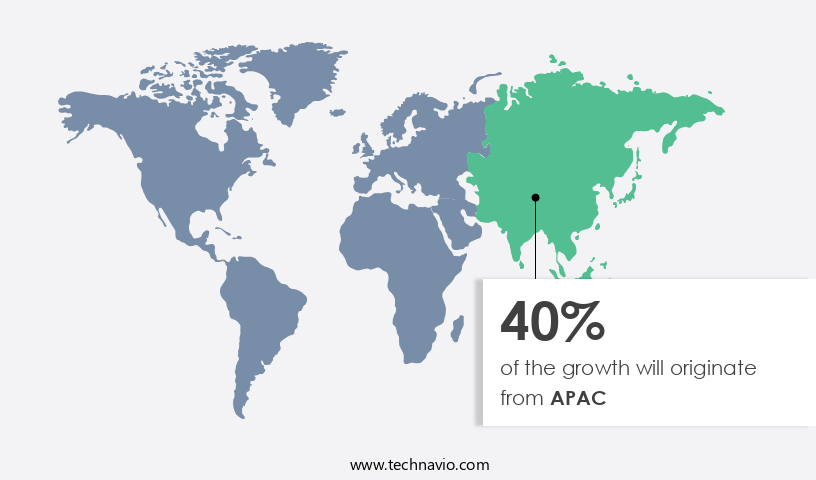
Hydraulic Valves Market Share by Geography

For more insights on the market size of various regions, Request Free Sample

The Asia-Pacific region, particularly countries like China, India, and Southeast Asian nations, are undergoing rapid economic growth and urbanization, leading to increased industrial activities and extensive utilization of hydraulic systems in various industries such as automotive, electronics, machinery, and consumer goods. Furthermore, governments In the region are investing heavily in infrastructure projects, including transportation, energy, water supply, and urban development, which require the use of hydraulic systems in construction machinery and equipment. The construction industry is booming with numerous residential, commercial, and public infrastructure projects, leading to a significant demand for hydraulic systems in construction machinery and equipment. The demand for hydraulic systems is further driven by the need for energy-efficient solutions, automation, and advanced hydraulic valves, including electro-hydraulic valves and proportional hydraulic valves.

Market Dynamics

Our researchers analyzed the data with 2023 as the base year, along with the key drivers, trends, and challenges. A holistic analysis of drivers will help companies refine their marketing strategies to gain a competitive advantage.

What are the key market drivers leading to the rise In the adoption of Hydraulic Valves Industry?

Continued emphasis on energy-efficient hydraulic valves is the key driver of the market.

  • Hydraulic valves play a pivotal role in various industries, including manufacturing, mining, construction, automotive, and aerospace, by providing directional control, flow, and pressure regulation for hydraulic power systems. These systems rely on pressurized fluids to operate machinery, such as dump trucks, graders, loaders, excavators, and bulldozers, under severe conditions. Energy efficiency is a significant concern In these industries, with hydraulic valves accounting for a substantial portion of energy consumption. Advanced hydraulic valves, such as electro-hydraulic and proportional valves, offer energy savings through precise fluid control and minimal energy loss. In the manufacturing sector, for instance, these valves optimize production processes by ensuring accurate positioning and flow control.
  • In the renewable energy sector, hydraulic valves are essential for pumping water from natural reservoirs for energy production and impurity filtration in industrial wastewater disposal. The mining industry, particularly in surface and underground mining, requires hydraulic valves for various applications, including fire protection systems, pump stations, and material handling equipment. These are also crucial In the oil and gas industry for drilling pipelines, hydraulic fracturing operations, and offshore drilling rigs. In the agriculture and forestry sector, these are used in farming machinery, such as tractors, shock absorbers, and drive systems. In the automotive sector, hydraulic valves are employed in brakes, power steering, and suspension systems.

What are the market trends shaping the Hydraulic Valves Industry?

Development of high-performance hydraulic valves is the upcoming market trend.

  • High-performance hydraulic valves are essential components in hydraulic power systems, providing flow and pressure control for various industries. These valves are engineered to ensure superior functional performance in severe conditions, making them suitable for applications in construction and mining, oil and gas, agriculture and forestry, aerospace and defense, and heavy equipment. Advanced materials, such as stainless steel, alloys, and composites, are used In their manufacturing to enhance durability and resistance to wear and corrosion. Anti-corrosion and anti-wear coatings further extend their lifespan, reducing maintenance costs and ensuring reliable operation in harsh environments. High-performance valves are designed to operate at higher pressures and flow rates, catering to the demands of heavy-duty applications.
  • They are capable of precise control of fluid flow and actuator movement, which is crucial for directional control valves, fluid flow, and pressure control valves in various industries. Electrical signals are used to control proportional valves, cartridge valves, check valves, relief valves, and other hydraulic components, ensuring efficient and accurate operation. In the renewable energy sector, it plays a pivotal role in pump stations, mine sites, and other downstream equipment, where precise control of fluid flow and pressure is necessary. These valves are designed to operate in critical fluid systems, such as those involving impurities in water production and industrial wastewater disposal, where contamination and environmental pollution are concerns.

What challenges does the Hydraulic Valves Industry face during its growth?

Skilled workforce shortage impacts market and end-user industries is a key challenge affecting the industry growth.

  • The market is a critical component of hydraulic power systems, which utilize both water and oil as pressurized fluids for flow and pressure control in machinery and energy-efficient solutions. It plays a pivotal role in various industries, including construction and mining, oil and gas, agriculture and forestry, aerospace and defense, and heavy equipment. In the hydraulic systems of construction machinery such as dump trucks, graders, loaders, and excavators, hydraulic valves ensure functional performance under severe conditions. In the automobile sector, hydraulic systems are used in pivotal systems like shock absorbers, drive systems, brakes, and power steering. The integration of advanced technologies like electro-hydraulic valves, proportional hydraulic valves, and automation in hydraulic systems necessitates a skilled workforce for installation, maintenance, and repair.
  • The shortage of skilled labor is a significant challenge for the market, affecting production, innovation, and customer support in end-user industries. The market caters to diverse applications, including water production, industrial wastewater disposal, contamination control, natural reservoirs, and fluid control in various industries. Key applications include directional control valves, actuator movement, positioning, flow control valves, and pressure control valves. These valves respond to electrical signals, enabling precise fluid flow and actuator movement. These are essential for various industries, including oil and gas, agriculture and forestry, and mining. In the oil and gas sector, these are used in offshore drilling rigs, pipeline systems, hydraulic fracturing operations, and downstream equipment.

Exclusive Customer Landscape

The market forecasting report includes the adoption lifecycle of the market, covering from the innovator's stage to the laggard's stage. It focuses on adoption rates in different regions based on penetration. Furthermore, the market report also includes key purchase criteria and drivers of price sensitivity to help companies evaluate and develop their market growth analysis strategies.
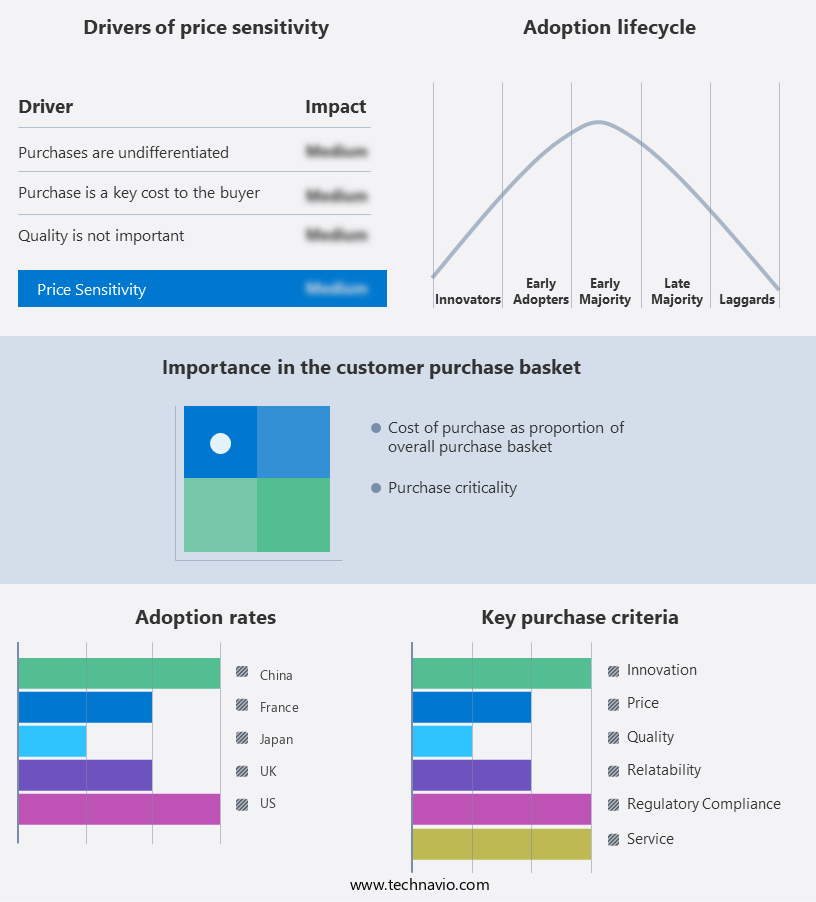
Hydraulic Valves Market Share by Geography

 Customer Landscape

Key Companies & Market Insights

Companies are implementing various strategies, such as strategic alliances, market forecast, partnerships, mergers and acquisitions, geographical expansion, and product/service launches, to enhance their presence in the industry.

The industry research and growth report includes detailed analyses of the competitive landscape of the market and information about key companies, including:

  • Bermad CS Ltd.
  • Curtiss Wright Corp.
  • Danfoss AS
  • Eaton Corp. Plc
  • Emerson Electric Co.
  • Enerpac Tool Group Corp.
  • Flowserve Corp.
  • HYDAC International GmbH
  • Ingersoll Rand Inc.
  • Kawasaki Heavy Industries Ltd.
  • Parker Hannifin Corp.
  • Versa Networks Inc.
  • CBF SRL
  • Daikin Industries Ltd.
  • Duplomatic MS S.p.A.
  • HAWE Hydraulik SE
  • Helios Technologies Inc.
  • Oilgear
  • Robert Bosch GmbH
  • Roquet Hydraulics S.L.
  • Woodward Inc.
  • HYLOC HYDROTECHNIC PVT. LTD.

Qualitative and quantitative analysis of companies has been conducted to help clients understand the wider business environment as well as the strengths and weaknesses of key industry players. Data is qualitatively analyzed to categorize companies as pure play, category-focused, industry-focused, and diversified; it is quantitatively analyzed to categorize companies as dominant, leading, strong, tentative, and weak.

Research Analyst Overview

Hydraulic power systems play a crucial role in various industries by converting mechanical energy from a fluid into useful work. The fluid, typically oil or water, is pressurized and circulated through a network of pipes and components, including hydraulic valves. These valves regulate the flow and pressure of the fluid to control actuator movement and positioning in machinery. Energy-efficient solutions, such as electro-hydraulic and proportional hydraulic valves, have gained popularity due to their ability to optimize energy consumption. Advanced hydraulic valves offer improved functional performance in severe conditions, making them essential in industries like construction and mining, oil and gas, agriculture and forestry, aerospace and defense, and heavy equipment.

In addition, these are integral to the operation of machinery in numerous sectors. In the renewable energy sector, they are used in pump stations and hydroelectric power plants. In industrial applications, they are employed for water production and industrial wastewater disposal, ensuring efficient and effective contamination control. In construction and mining, they are essential for directional control valves in excavating and earthmoving equipment. The market is driven by the increasing demand for hydraulic systems in various industries. The market is diverse, with applications ranging from construction machinery like dump trucks, graders, and loaders, to vehicles, automobile sector components like shock absorbers, drive systems, and brakes, and industrial equipment like bulldozers, tractor scrapers, and cranes.

Furthermore, the market is subject to several factors influencing its growth. These include process parameters, piping systems, pressure fluctuations, and refining procedures in industries like chemicals & petrochemicals and energy & power. The aging infrastructure In these industries necessitates target market expansion and the replacement of conventional old equipment with high-quality hydraulic valves. The market also caters to niche applications, such as fire protection systems and mine sites. In deep mines, hydraulic valves help manage harmful gaseous substances and ensure the safe operation of critical fluid systems. In the automobile sector, hydraulic valves contribute to fuel efficiency and emissions reduction, making them essential components in vehicles.

In addition, hydraulic valves are available in various types, including flow control valves, pressure control valves, relief valves, check valves, cartridge valves, and proportional valves. These valves are designed to meet specific application requirements and operate under various conditions, from low-pressure drop to high-pressure environments.

Market Scope

Report Coverage

Details

Page number

188

Base year

2023

Historic period

2018-2022

Forecast period

2024-2028

Growth momentum & CAGR

Accelerate at a CAGR of 5.15%

Market growth 2024-2028

USD 3.27 billion

Market structure

Fragmented

YoY growth 2023-2024(%)

4.27

Key countries

US, China, Japan, UK, and France

Competitive landscape

Leading Companies, market growth and forecasting, Market Positioning of Companies, Competitive Strategies, and Industry Risks

Request Free Sample

What are the Key Data Covered in this Market Research and Growth Report?

  • CAGR of the ndustry during the forecast period
  • Detailed information on factors that will drive the growth and forecasting between 2024 and 2028
  • Precise estimation of the size of the market and its contribution of the industry in focus to the parent market
  • Accurate predictions about upcoming growth and trends and changes in consumer behaviour
  • Growth of the market across APAC, Europe, North America, Middle East and Africa, and South America
  • Thorough analysis of the market's competitive landscape and detailed information about companies
  • Comprehensive analysis of factors that will challenge the market growth of industry companies

We can help! Our analysts can customize this market research report to meet your requirements.

Get in touch

1 Executive Summary

  • 1.1 Market overview
    • Exhibit 01: Executive Summary – Chart on Market Overview
    • Exhibit 02: Executive Summary – Data Table on Market Overview
    • Exhibit 03: Executive Summary – Chart on Global Market Characteristics
    • Exhibit 04: Executive Summary – Chart on Market by Geography
    • Exhibit 05: Executive Summary – Chart on Market Segmentation by End-user
    • Exhibit 06: Executive Summary – Chart on Market Segmentation by Type
    • Exhibit 07: Executive Summary – Chart on Incremental Growth
    • Exhibit 08: Executive Summary – Data Table on Incremental Growth
    • Exhibit 09: Executive Summary – Chart on Vendor Market Positioning

2 Market Landscape

  • 2.1 Market ecosystem
    • Exhibit 10: Parent market
    • Exhibit 11: Market Characteristics

3 Market Sizing

  • 3.1 Market definition
    • Exhibit 12: Offerings of vendors included in the market definition
  • 3.2 Market segment analysis
    • Exhibit 13: Market segments
  • 3.3 Market size 2023
    • 3.4 Market outlook: Forecast for 2023-2028
      • Exhibit 14: Chart on Global - Market size and forecast 2023-2028 ($ million)
      • Exhibit 15: Data Table on Global - Market size and forecast 2023-2028 ($ million)
      • Exhibit 16: Chart on Global Market: Year-over-year growth 2023-2028 (%)
      • Exhibit 17: Data Table on Global Market: Year-over-year growth 2023-2028 (%)

    4 Historic Market Size

    • 4.1 Global hydraulic valves market 2018 - 2022
      • Exhibit 18: Historic Market Size – Data Table on global hydraulic valves market 2018 - 2022 ($ million)
    • 4.2 End-user Segment Analysis 2018 - 2022
      • Exhibit 19: Historic Market Size – End-user Segment 2018 - 2022 ($ million)
    • 4.3 Type Segment Analysis 2018 - 2022
      • Exhibit 20: Historic Market Size – Type Segment 2018 - 2022 ($ million)
    • 4.4 Geography Segment Analysis 2018 - 2022
      • Exhibit 21: Historic Market Size – Geography Segment 2018 - 2022 ($ million)
    • 4.5 Country Segment Analysis 2018 - 2022
      • Exhibit 22: Historic Market Size – Country Segment 2018 - 2022 ($ million)

    5 Five Forces Analysis

    • 5.1 Five forces summary
      • Exhibit 23: Five forces analysis - Comparison between 2023 and 2028
    • 5.2 Bargaining power of buyers
      • Exhibit 24: Chart on Bargaining power of buyers – Impact of key factors 2023 and 2028
    • 5.3 Bargaining power of suppliers
      • Exhibit 25: Bargaining power of suppliers – Impact of key factors in 2023 and 2028
    • 5.4 Threat of new entrants
      • Exhibit 26: Threat of new entrants – Impact of key factors in 2023 and 2028
    • 5.5 Threat of substitutes
      • Exhibit 27: Threat of substitutes – Impact of key factors in 2023 and 2028
    • 5.6 Threat of rivalry
      • Exhibit 28: Threat of rivalry – Impact of key factors in 2023 and 2028
    • 5.7 Market condition
      • Exhibit 29: Chart on Market condition - Five forces 2023 and 2028

    6 Market Segmentation by End-user

    • 6.1 Market segments
      • Exhibit 30: Chart on End-user - Market share 2023-2028 (%)
      • Exhibit 31: Data Table on End-user - Market share 2023-2028 (%)
    • 6.2 Comparison by End-user
      • Exhibit 32: Chart on Comparison by End-user
      • Exhibit 33: Data Table on Comparison by End-user
    • 6.3 Oil and gas industry - Market size and forecast 2023-2028
      • Exhibit 34: Chart on Oil and gas industry - Market size and forecast 2023-2028 ($ million)
      • Exhibit 35: Data Table on Oil and gas industry - Market size and forecast 2023-2028 ($ million)
      • Exhibit 36: Chart on Oil and gas industry - Year-over-year growth 2023-2028 (%)
      • Exhibit 37: Data Table on Oil and gas industry - Year-over-year growth 2023-2028 (%)
    • 6.4 Water and wastewater industry - Market size and forecast 2023-2028
      • Exhibit 38: Chart on Water and wastewater industry - Market size and forecast 2023-2028 ($ million)
      • Exhibit 39: Data Table on Water and wastewater industry - Market size and forecast 2023-2028 ($ million)
      • Exhibit 40: Chart on Water and wastewater industry - Year-over-year growth 2023-2028 (%)
      • Exhibit 41: Data Table on Water and wastewater industry - Year-over-year growth 2023-2028 (%)
    • 6.5 Power industry - Market size and forecast 2023-2028
      • Exhibit 42: Chart on Power industry - Market size and forecast 2023-2028 ($ million)
      • Exhibit 43: Data Table on Power industry - Market size and forecast 2023-2028 ($ million)
      • Exhibit 44: Chart on Power industry - Year-over-year growth 2023-2028 (%)
      • Exhibit 45: Data Table on Power industry - Year-over-year growth 2023-2028 (%)
    • 6.6 Mining - Market size and forecast 2023-2028
      • Exhibit 46: Chart on Mining - Market size and forecast 2023-2028 ($ million)
      • Exhibit 47: Data Table on Mining - Market size and forecast 2023-2028 ($ million)
      • Exhibit 48: Chart on Mining - Year-over-year growth 2023-2028 (%)
      • Exhibit 49: Data Table on Mining - Year-over-year growth 2023-2028 (%)
    • 6.7 Others - Market size and forecast 2023-2028
      • Exhibit 50: Chart on Others - Market size and forecast 2023-2028 ($ million)
      • Exhibit 51: Data Table on Others - Market size and forecast 2023-2028 ($ million)
      • Exhibit 52: Chart on Others - Year-over-year growth 2023-2028 (%)
      • Exhibit 53: Data Table on Others - Year-over-year growth 2023-2028 (%)
    • 6.8 Market opportunity by End-user
      • Exhibit 54: Market opportunity by End-user ($ million)
      • Exhibit 55: Data Table on Market opportunity by End-user ($ million)

    7 Market Segmentation by Type

    • 7.1 Market segments
      • Exhibit 56: Chart on Type - Market share 2023-2028 (%)
      • Exhibit 57: Data Table on Type - Market share 2023-2028 (%)
    • 7.2 Comparison by Type
      • Exhibit 58: Chart on Comparison by Type
      • Exhibit 59: Data Table on Comparison by Type
    • 7.3 Control valve - Market size and forecast 2023-2028
      • Exhibit 60: Chart on Control valve - Market size and forecast 2023-2028 ($ million)
      • Exhibit 61: Data Table on Control valve - Market size and forecast 2023-2028 ($ million)
      • Exhibit 62: Chart on Control valve - Year-over-year growth 2023-2028 (%)
      • Exhibit 63: Data Table on Control valve - Year-over-year growth 2023-2028 (%)
    • 7.4 Servo valve - Market size and forecast 2023-2028
      • Exhibit 64: Chart on Servo valve - Market size and forecast 2023-2028 ($ million)
      • Exhibit 65: Data Table on Servo valve - Market size and forecast 2023-2028 ($ million)
      • Exhibit 66: Chart on Servo valve - Year-over-year growth 2023-2028 (%)
      • Exhibit 67: Data Table on Servo valve - Year-over-year growth 2023-2028 (%)
    • 7.5 Proportional valve - Market size and forecast 2023-2028
      • Exhibit 68: Chart on Proportional valve - Market size and forecast 2023-2028 ($ million)
      • Exhibit 69: Data Table on Proportional valve - Market size and forecast 2023-2028 ($ million)
      • Exhibit 70: Chart on Proportional valve - Year-over-year growth 2023-2028 (%)
      • Exhibit 71: Data Table on Proportional valve - Year-over-year growth 2023-2028 (%)
    • 7.6 Others - Market size and forecast 2023-2028
      • Exhibit 72: Chart on Others - Market size and forecast 2023-2028 ($ million)
      • Exhibit 73: Data Table on Others - Market size and forecast 2023-2028 ($ million)
      • Exhibit 74: Chart on Others - Year-over-year growth 2023-2028 (%)
      • Exhibit 75: Data Table on Others - Year-over-year growth 2023-2028 (%)
    • 7.7 Market opportunity by Type
      • Exhibit 76: Market opportunity by Type ($ million)
      • Exhibit 77: Data Table on Market opportunity by Type ($ million)

    8 Customer Landscape

    • 8.1 Customer landscape overview
      • Exhibit 78: Analysis of price sensitivity, lifecycle, customer purchase basket, adoption rates, and purchase criteria

    9 Geographic Landscape

    • 9.1 Geographic segmentation
      • Exhibit 79: Chart on Market share by geography 2023-2028 (%)
      • Exhibit 80: Data Table on Market share by geography 2023-2028 (%)
    • 9.2 Geographic comparison
      • Exhibit 81: Chart on Geographic comparison
      • Exhibit 82: Data Table on Geographic comparison
    • 9.3 APAC - Market size and forecast 2023-2028
      • Exhibit 83: Chart on APAC - Market size and forecast 2023-2028 ($ million)
      • Exhibit 84: Data Table on APAC - Market size and forecast 2023-2028 ($ million)
      • Exhibit 85: Chart on APAC - Year-over-year growth 2023-2028 (%)
      • Exhibit 86: Data Table on APAC - Year-over-year growth 2023-2028 (%)
    • 9.4 Europe - Market size and forecast 2023-2028
      • Exhibit 87: Chart on Europe - Market size and forecast 2023-2028 ($ million)
      • Exhibit 88: Data Table on Europe - Market size and forecast 2023-2028 ($ million)
      • Exhibit 89: Chart on Europe - Year-over-year growth 2023-2028 (%)
      • Exhibit 90: Data Table on Europe - Year-over-year growth 2023-2028 (%)
    • 9.5 North America - Market size and forecast 2023-2028
      • Exhibit 91: Chart on North America - Market size and forecast 2023-2028 ($ million)
      • Exhibit 92: Data Table on North America - Market size and forecast 2023-2028 ($ million)
      • Exhibit 93: Chart on North America - Year-over-year growth 2023-2028 (%)
      • Exhibit 94: Data Table on North America - Year-over-year growth 2023-2028 (%)
    • 9.6 Middle East and Africa - Market size and forecast 2023-2028
      • Exhibit 95: Chart on Middle East and Africa - Market size and forecast 2023-2028 ($ million)
      • Exhibit 96: Data Table on Middle East and Africa - Market size and forecast 2023-2028 ($ million)
      • Exhibit 97: Chart on Middle East and Africa - Year-over-year growth 2023-2028 (%)
      • Exhibit 98: Data Table on Middle East and Africa - Year-over-year growth 2023-2028 (%)
    • 9.7 South America - Market size and forecast 2023-2028
      • Exhibit 99: Chart on South America - Market size and forecast 2023-2028 ($ million)
      • Exhibit 100: Data Table on South America - Market size and forecast 2023-2028 ($ million)
      • Exhibit 101: Chart on South America - Year-over-year growth 2023-2028 (%)
      • Exhibit 102: Data Table on South America - Year-over-year growth 2023-2028 (%)
    • 9.8 US - Market size and forecast 2023-2028
      • Exhibit 103: Chart on US - Market size and forecast 2023-2028 ($ million)
      • Exhibit 104: Data Table on US - Market size and forecast 2023-2028 ($ million)
      • Exhibit 105: Chart on US - Year-over-year growth 2023-2028 (%)
      • Exhibit 106: Data Table on US - Year-over-year growth 2023-2028 (%)
    • 9.9 China - Market size and forecast 2023-2028
      • Exhibit 107: Chart on China - Market size and forecast 2023-2028 ($ million)
      • Exhibit 108: Data Table on China - Market size and forecast 2023-2028 ($ million)
      • Exhibit 109: Chart on China - Year-over-year growth 2023-2028 (%)
      • Exhibit 110: Data Table on China - Year-over-year growth 2023-2028 (%)
    • 9.10 UK - Market size and forecast 2023-2028
      • Exhibit 111: Chart on UK - Market size and forecast 2023-2028 ($ million)
      • Exhibit 112: Data Table on UK - Market size and forecast 2023-2028 ($ million)
      • Exhibit 113: Chart on UK - Year-over-year growth 2023-2028 (%)
      • Exhibit 114: Data Table on UK - Year-over-year growth 2023-2028 (%)
    • 9.11 France - Market size and forecast 2023-2028
      • Exhibit 115: Chart on France - Market size and forecast 2023-2028 ($ million)
      • Exhibit 116: Data Table on France - Market size and forecast 2023-2028 ($ million)
      • Exhibit 117: Chart on France - Year-over-year growth 2023-2028 (%)
      • Exhibit 118: Data Table on France - Year-over-year growth 2023-2028 (%)
    • 9.12 Japan - Market size and forecast 2023-2028
      • Exhibit 119: Chart on Japan - Market size and forecast 2023-2028 ($ million)
      • Exhibit 120: Data Table on Japan - Market size and forecast 2023-2028 ($ million)
      • Exhibit 121: Chart on Japan - Year-over-year growth 2023-2028 (%)
      • Exhibit 122: Data Table on Japan - Year-over-year growth 2023-2028 (%)
    • 9.13 Market opportunity by geography
      • Exhibit 123: Market opportunity by geography ($ million)
      • Exhibit 124: Data Tables on Market opportunity by geography ($ million)

    10 Drivers, Challenges, and Trends

    • 10.1 Market drivers
      • 10.2 Market challenges
        • 10.3 Impact of drivers and challenges
          • Exhibit 125: Impact of drivers and challenges in 2023 and 2028
        • 10.4 Market trends

          11 Vendor Landscape

          • 11.1 Overview
            • 11.2 Vendor landscape
              • Exhibit 126: Overview on Criticality of inputs and Factors of differentiation
            • 11.3 Landscape disruption
              • Exhibit 127: Overview on factors of disruption
            • 11.4 Industry risks
              • Exhibit 128: Impact of key risks on business

            12 Vendor Analysis

            • 12.1 Vendors covered
              • Exhibit 129: Vendors covered
            • 12.2 Market positioning of vendors
              • Exhibit 130: Matrix on vendor position and classification
            • 12.3 Bermad CS Ltd.
              • Exhibit 131: Bermad CS Ltd. - Overview
              • Exhibit 132: Bermad CS Ltd. - Product / Service
              • Exhibit 133: Bermad CS Ltd. - Key offerings
            • 12.4 Curtiss Wright Corp.
              • Exhibit 134: Curtiss Wright Corp. - Overview
              • Exhibit 135: Curtiss Wright Corp. - Business segments
              • Exhibit 136: Curtiss Wright Corp. - Key offerings
              • Exhibit 137: Curtiss Wright Corp. - Segment focus
            • 12.5 Daikin Industries Ltd.
              • Exhibit 138: Daikin Industries Ltd. - Overview
              • Exhibit 139: Daikin Industries Ltd. - Business segments
              • Exhibit 140: Daikin Industries Ltd. - Key offerings
              • Exhibit 141: Daikin Industries Ltd. - Segment focus
            • 12.6 Duplomatic MS S.p.A.
              • Exhibit 142: Duplomatic MS S.p.A. - Overview
              • Exhibit 143: Duplomatic MS S.p.A. - Product / Service
              • Exhibit 144: Duplomatic MS S.p.A. - Key offerings
            • 12.7 Eaton Corp. Plc
              • Exhibit 145: Eaton Corp. Plc - Overview
              • Exhibit 146: Eaton Corp. Plc - Business segments
              • Exhibit 147: Eaton Corp. Plc - Key offerings
              • Exhibit 148: Eaton Corp. Plc - Segment focus
            • 12.8 Emerson Electric Co.
              • Exhibit 149: Emerson Electric Co. - Overview
              • Exhibit 150: Emerson Electric Co. - Business segments
              • Exhibit 151: Emerson Electric Co. - Key news
              • Exhibit 152: Emerson Electric Co. - Key offerings
              • Exhibit 153: Emerson Electric Co. - Segment focus
            • 12.9 Helios Technologies Inc.
              • Exhibit 154: Helios Technologies Inc. - Overview
              • Exhibit 155: Helios Technologies Inc. - Business segments
              • Exhibit 156: Helios Technologies Inc. - Key offerings
              • Exhibit 157: Helios Technologies Inc. - Segment focus
            • 12.10 Ingersoll Rand Inc.
              • Exhibit 158: Ingersoll Rand Inc. - Overview
              • Exhibit 159: Ingersoll Rand Inc. - Business segments
              • Exhibit 160: Ingersoll Rand Inc. - Key offerings
              • Exhibit 161: Ingersoll Rand Inc. - Segment focus
            • 12.11 Kawasaki Heavy Industries Ltd.
              • Exhibit 162: Kawasaki Heavy Industries Ltd. - Overview
              • Exhibit 163: Kawasaki Heavy Industries Ltd. - Business segments
              • Exhibit 164: Kawasaki Heavy Industries Ltd. - Key news
              • Exhibit 165: Kawasaki Heavy Industries Ltd. - Key offerings
              • Exhibit 166: Kawasaki Heavy Industries Ltd. - Segment focus
            • 12.12 Oilgear
              • Exhibit 167: Oilgear - Overview
              • Exhibit 168: Oilgear - Product / Service
              • Exhibit 169: Oilgear - Key offerings
            • 12.13 Parker Hannifin Corp.
              • Exhibit 170: Parker Hannifin Corp. - Overview
              • Exhibit 171: Parker Hannifin Corp. - Business segments
              • Exhibit 172: Parker Hannifin Corp. - Key news
              • Exhibit 173: Parker Hannifin Corp. - Key offerings
              • Exhibit 174: Parker Hannifin Corp. - Segment focus
            • 12.14 Robert Bosch GmbH
              • Exhibit 175: Robert Bosch GmbH - Overview
              • Exhibit 176: Robert Bosch GmbH - Business segments
              • Exhibit 177: Robert Bosch GmbH - Key news
              • Exhibit 178: Robert Bosch GmbH - Key offerings
              • Exhibit 179: Robert Bosch GmbH - Segment focus
            • 12.15 Roquet Hydraulics S.L.
              • Exhibit 180: Roquet Hydraulics S.L. - Overview
              • Exhibit 181: Roquet Hydraulics S.L. - Product / Service
              • Exhibit 182: Roquet Hydraulics S.L. - Key offerings
            • 12.16 Versa Networks Inc.
              • Exhibit 183: Versa Networks Inc. - Overview
              • Exhibit 184: Versa Networks Inc. - Product / Service
              • Exhibit 185: Versa Networks Inc. - Key offerings
            • 12.17 Woodward Inc.
              • Exhibit 186: Woodward Inc. - Overview
              • Exhibit 187: Woodward Inc. - Business segments
              • Exhibit 188: Woodward Inc. - Key offerings
              • Exhibit 189: Woodward Inc. - Segment focus

            13 Appendix

            • 13.1 Scope of the report
              • 13.2 Inclusions and exclusions checklist
                • Exhibit 190: Inclusions checklist
                • Exhibit 191: Exclusions checklist
              • 13.3 Currency conversion rates for US$
                • Exhibit 192: Currency conversion rates for US$
              • 13.4 Research methodology
                • Exhibit 193: Research methodology
                • Exhibit 194: Validation techniques employed for market sizing
                • Exhibit 195: Information sources
              • 13.5 List of abbreviations
                • Exhibit 196: List of abbreviations

              Research Methodology

              Technavio presents a detailed picture of the market by way of study, synthesis, and summation of data from multiple sources. The analysts have presented the various facets of the market with a particular focus on identifying the key industry influencers. The data thus presented is comprehensive, reliable, and the result of extensive research, both primary and secondary.

              INFORMATION SOURCES

              Primary sources

              • Manufacturers and suppliers
              • Channel partners
              • Industry experts
              • Strategic decision makers

              Secondary sources

              • Industry journals and periodicals
              • Government data
              • Financial reports of key industry players
              • Historical data
              • Press releases

              DATA ANALYSIS

              Data Synthesis

              • Collation of data
              • Estimation of key figures
              • Analysis of derived insights

              Data Validation

              • Triangulation with data models
              • Reference against proprietary databases
              • Corroboration with industry experts

              REPORT WRITING

              Qualitative

              • Market drivers
              • Market challenges
              • Market trends
              • Five forces analysis

              Quantitative

              • Market size and forecast
              • Market segmentation
              • Geographical insights
              • Competitive landscape

              Interested in this report?

              Get your sample now to see our research methodology and insights!

              Download Now

              Frequently Asked Questions

              Hydraulic Valves market growth will increase by $ 3266.11 mn during 2024-2028 .

              The Hydraulic Valves market is expected to grow at a CAGR of 5.15% during 2024-2028 .

              Hydraulic Valves market is segmented by End-user( Oil and gas industry, Water and wastewater industry, Power industry, Mining, Others) Type( Control valve, Servo valve, Proportional valve, Others)

              Bermad CS Ltd., Curtiss Wright Corp., Danfoss AS, Eaton Corp. Plc, Emerson Electric Co., Enerpac Tool Group Corp., Flowserve Corp., HYDAC International GmbH, Ingersoll Rand Inc., Kawasaki Heavy Industries Ltd., Parker Hannifin Corp., Versa Networks Inc., CBF SRL, Daikin Industries Ltd., Duplomatic MS S.p.A., HAWE Hydraulik SE, Helios Technologies Inc., Oilgear, Robert Bosch GmbH, Roquet Hydraulics S.L., Woodward Inc., HYLOC HYDROTECHNIC PVT. LTD. are a few of the key vendors in the Hydraulic Valves market.

              APAC will register the highest growth rate of 40% among the other regions. Therefore, the Hydraulic Valves market in APAC is expected to garner significant business opportunities for the vendors during the forecast period.

              US, China, Japan, UK, France

              • Continued emphasis on energy-efficient hydraulic valvesEnergy-efficient hydraulic valves reduce energy consumption is the driving factor this market.
              • leading to significant cost savings in industrial operations. This is especially important in energy-intensive industries such as manufacturing is the driving factor this market.
              • mining is the driving factor this market.
              • and construction. Despite the higher initial investments is the driving factor this market.
              • energy-efficient valves provide financial benefits in the long term through reduced energy bills and lower maintenance costs. Advances in valve designs is the driving factor this market.
              • such as variable displacement pumps is the driving factor this market.
              • load-sensing systems is the driving factor this market.
              • and pressure-compensated valves is the driving factor this market.
              • improve the energy efficiency of hydraulic valves by optimizing fluid flow and minimizing energy loss. The automotive and aerospace industries require highly efficient hydraulic systems to meet industry performance standards and reduce fuel consumption is the driving factor this market.
              • driving the demand for energy-efficient hydraulic valves. Energy-efficient hydraulic valves are crucial in construction and agricultural equipment is the driving factor this market.
              • where energy savings can lead to increased operational efficiency and reduced environmental impact. Moreover is the driving factor this market.
              • the move toward Industry 4.0 and the increasing automation of industrial processes demands hydraulic valves that can operate efficiently within smart systems is the driving factor this market.
              • reducing energy consumption. For instance is the driving factor this market.
              • Parker Hannifin Corp. provides energy-efficient hydraulic valves such as hydraulically piloted valves is the driving factor this market.
              • which are actuated by up to 1 MW of hydraulic power and only need about 100 W of electrical input power. Similarly is the driving factor this market.
              • The Bucher Hydraulics LVS Series Proportional Directional Control Valves from Parker Hannifin Corp. are compact and have fast switching features is the driving factor this market.
              • which can reduce installation costs and pressure loss. Furthermore is the driving factor this market.
              • hydraulic valve manufacturing companies are increasingly adopting CSR initiatives that focus on sustainability is the driving factor this market.
              • including the use of energy-efficient technologies in their operations. Emphasizing energy-efficient hydraulic solutions helps companies build a green brand image is the driving factor this market.
              • appealing to environmentally conscious customers and stakeholders. Thus is the driving factor this market.
              • the continued emphasis on energy-efficient hydraulic valves is the driving factor this market.
              • driven by a combination of environmental regulations is the driving factor this market.
              • rising energy costs is the driving factor this market.
              • the push toward Industry 4.0 is the driving factor this market.
              • and automation will drive the growth of the global hydraulic valves market during the forecast period. is the driving factor this market.

              The Hydraulic Valves market vendors should focus on grabbing business opportunities from the Oil and gas industry segment as it accounted for the largest market share in the base year.
