

In-flight Entertainment Systems Market Analysis North America, APAC, Europe, Middle East and Africa, South America - US, Australia, China, UK, France - Size and Forecast 2024-2028

In-flight Entertainment Systems Market Analysis North America, APAC, Europe, Middle East and Africa, South America - US, Australia, China, UK, France - Size and Forecast 2024-2028

Published: Nov 2023 171 Pages SKU: IRTNTR44404

Market Overview at a Glance

$1.12 B
Market Opportunity
4.38%
CAGR
4.15
YoY growth 2023-2024(%)

In-flight Entertainment Systems Market Size 2024-2028 

The in-flight entertainment systems market size is forecast to increase by USD 1.12 billion at a CAGR of 4.38% between 2023 and 2028. In-flight entertainment systems (IFES) continue to evolve with the integration of intelligent devices and consumer electronics. The connectivity segment, specifically In-flight WiFi, is a significant growth driver. However, high costs related to networking technologies and connectivity hardware pose challenges. Technological advancements and partnerships are propelling the development of more sophisticated IFE systems, including wireless-IFE. Electronic devices, such as cell phones, laptops, and tablets, have become essential companions for passengers during their journeys. Airline flights are increasingly offering inflight payment options for added convenience. While wired connectivity remains prevalent in most aircraft types, the industry is shifting towards wireless solutions for a more seamless experience. This market analysis provides insights into these trends and their impact on the growth of the market.

What will be the Size of the Market During the Forecast Period?

In-flight Entertainment Systems Market Size

 Request Free Sample

The market is a significant segment within the aviation industry, continually evolving to meet the demands of modern travelers. These systems enhance the flying experience by providing a range of features, from real-time images and networking technologies to personal electronic devices and air conditioning controls. In response, airlines have integrated these devices into their in-flight entertainment offerings, enabling activities like internet surfing, gaming, and movie streaming. However, the provision of these services requires strong networking technologies, connection hardware, and bug-free wireless connectivity.

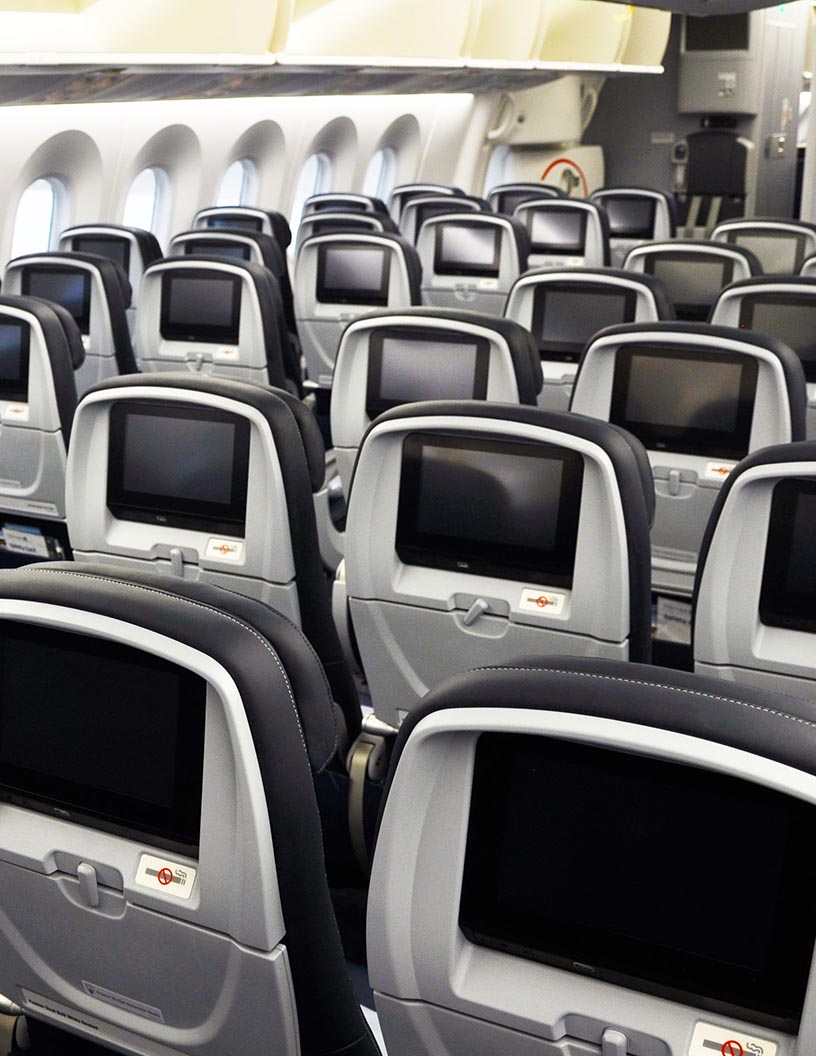
Moreover, narrow body and wide body aircraft are increasingly adopting in-flight entertainment systems to cater to diverse passenger preferences. Seatback screens, offering real-time data and intelligent devices, have become a standard feature in many aircraft. These systems allow passengers to control air conditioning and power units, ensuring a comfortable flying experience. The integration of consumer electronics into in-flight entertainment systems has led to a shift towards commodity hardware. Airlines aim to provide a seamless and convenient experience for passengers, allowing them to use their personal devices during the flight. This trend is expected to continue, with advancements in wireless connectivity and the increasing popularity of in-flight wifi.

Furthermore, in-flight entertainment systems are not just about connectivity and personal devices; they also offer a range of features to enhance the overall flying experience. These systems provide passengers with a wide variety of entertainment options, from movies and TV shows to music and games. Moreover, they offer real-time data services, allowing passengers to stay informed and productive during their journeys. The future of in-flight entertainment systems lies in the integration of advanced technologies, such as artificial intelligence and machine learning, to provide personalized experiences for passengers. These systems will learn passengers' preferences and offer customized content, ensuring a more enjoyable and engaging flying experience.

Market Segmentation

The market research report provides comprehensive data (region-wise segment analysis), with forecasts and estimates in "USD million" for the period 2024-2028, as well as historical data from 2018-2022 for the following segments.

  • Aircraft Type
    • Wide-body
    • Narrow-body
    • Business jet
  • Product
    • Hardware
    • Connectivity
    • Content
  • Geography
    • North America
      • US
    • APAC
      • China
    • Europe
      • UK
      • France
    • Middle East and Africa
    • South America

By Aircraft Type Insights

The wide-body segment is estimated to witness significant growth during the forecast period. The market encompasses various segments, with wide-body aircraft being a significant sector. Known as Twin-aisle Aircraft due to their larger fuselage than narrow-body aircraft, wide-body planes are popular for long-distance journeys and international travel. These aircraft's expanded size enables them to accommodate more passengers, making in-flight entertainment systems indispensable for enhancing passenger comfort during extended flights. Advancements in technology, such as satellite technology and data connectivity, have revolutionized in-flight entertainment systems. Satellite WiFi connectivity, powered by 5G networks and the Internet of Things, allows passengers to stay connected while in the air. Spatial Audio technology delivers a superior audio experience, while personal electronic devices can be used in-flight for added entertainment.

Furthermore, in-flight entertainment systems contribute significantly to the overall passenger experience and engagement during flights. As the aviation industry continues to evolve, the integration of advanced technologies will remain a priority to meet the growing demands of travelers.

In-flight Entertainment Systems Market Size

Get a glance at the market share of various segments Request Free Sample

The wide-body segment accounted for USD 2.06 billion in 2018 and showed a gradual increase during the forecast period.

Regional Insights

North America is estimated to contribute 31% to the growth of the global market during the forecast period. Technavio's analysts have elaborately explained the regional trends and drivers that shape the market during the forecast period.

In-flight Entertainment Systems Market Share by Geography

For more insights on the market share of various regions Request Free Sample

In response to the growing demand for a more comfortable and connected air travel experience, airlines in North America are investing in upgrading their in-flight entertainment systems. While the adoption of AirToGround connectivity in Central and South American markets is still developing, North American carriers are focusing on providing Wi-Fi services to enhance passenger experience. In the premium cabin segments, such as First Class and Business Class, airlines are incorporating advanced IFE hardware, including open operating systems and 4K HDR displays. These upgrades aim to offer passengers a more enjoyable and productive flight experience. Partnerships between airlines and connectivity providers are on the rise, with a particular focus on business jet aviation in North America. This market trend reflects the industry's commitment to improving the overall air travel experience for passengers.

Market Dynamics

Our researchers analyzed the data with 2023 as the base year, along with the key drivers, trends, and challenges. A holistic analysis of drivers will help companies refine their marketing strategies to gain a competitive advantage.

Market Driver

Technological advancements and partnerships is the key driver of the market. In-flight Entertainment Systems (IFE) are poised for significant advancements with the integration of Virtual Reality (VR) technology. This next-generation innovation is attracting substantial investments from aviation companies, aiming to outshine competitors. The competition to introduce VR in aircraft is intensifying, with in-flight VR leading the charge. Qantas Airways, an Australian carrier, has already tested this technology by providing VR headsets to passengers on select routes. The objective is to offer an unprecedented experience to travelers. Developed nations are expected to witness substantial growth in IFE, driven by the evolution of networking and connectivity technologies and continuous innovation. Frequency and bandwidth are crucial components of IFE systems, with 5G technology set to revolutionize wireless connectivity.

Furthermore, aircraft towers and ATG services are being upgraded to support this advanced technology. Ensuring bug-free connectivity is a priority to maintain passenger satisfaction. Seatback screens, a staple of IFE, are evolving to accommodate real-time data and VR content. These advancements are shaping the future of IFE systems and setting new benchmarks for the industry. 

Market Trends

Ongoing development of IFEC and wireless-IFE is the upcoming trend in the market. In-flight entertainment and connectivity (IFEC) systems have become increasingly important for airline companies to distinguish their offerings in the competitive aviation industry. While basic voice and messaging services have been the norm in long-haul flights, the delivery of IFEC services is now a unique selling proposition. The market for in-flight entertainment systems is experiencing significant growth due to the increasing popularity of wireless solutions in single and twin-aisle aircraft.

The High Throughput Satellite (HTS) technology has brought about a new revolution in in-flight connectivity, enabling passengers to stream media content, access geo-positioning services, and utilize various applications through Ka-band. The flexibility and advanced features of these technologies empower airlines to cater to the evolving needs of passengers and provide a more enjoyable flying experience. Furthermore, the International Monetary Fund (IMF) projects a steady increase in air travel demand, further fueling the growth of the IFEC market. 

Market Challenge

High costs associated with networking technologies and connectivity hardware is a key challenge affecting the market growth. The market involves the use of intelligent devices and consumer electronics on airline flights to enhance passenger experience. In-flight WiFi and inflight payment systems are key components of this market. However, the high cost of networking technologies and commodity hardware required for these systems poses a significant challenge. Installing such systems on aircraft adds to the overall weight and fuel consumption, leading to increased expenses.

Furthermore, the market is characterized by a lengthy payback period due to high upfront investments, evolving technologies, and economic instability. The FAA's stringent regulatory framework and the need for advanced digital content further add to the market's complexities. Maintenance costs and the demand for high-quality entertainment are additional factors that may hinder market growth. 

Exclusive Customer Landscape

The market forecasting report includes the adoption lifecycle of the market, covering from the innovator's stage to the laggard's stage. It focuses on adoption rates in different regions based on penetration. Furthermore, the report also includes key purchase criteria and drivers of price sensitivity to help companies evaluate and develop their market growth analysis strategies.

In-flight Entertainment Systems Market Share by Geography

 Customer Landscape

Key Companies & Market Insights

Companies are implementing various strategies, such as strategic alliances, partnerships, mergers and acquisitions, geographical expansion, and product/service launches, to enhance their presence in the market.

ADONISONE INFLIGHT SYSTEMS LLC: The company offers in-flight entertainment systems such as AdonisOne portable aircraft in-flight entertainment system which delivers entertainment to any smart personal device without the need for pre-installed apps or software.

The market research and growth report includes detailed analyses of the competitive landscape of the market and information about key companies, including:

  • ADONISONE INFLIGHT SYSTEMS LLC
  • Anuvu Operations LLC
  • Bluebox Aviation Systems Ltd.
  • Burrana Pty Ltd.
  • Deutsche Lufthansa AG
  • DivX LLC
  • FDS Avionics Corp.
  • GOGO LLC
  • Honeywell International Inc.
  • Panasonic Corp.
  • Safran SA
  • SITA
  • Thales Group
  • Viasat Inc.
  • Inflight VR Software GmbH

Qualitative and quantitative analysis of companies has been conducted to help clients understand the wider business environment as well as the strengths and weaknesses of key market players. Data is qualitatively analyzed to categorize companies as pure play, category-focused, industry-focused, and diversified; it is quantitatively analyzed to categorize companies as dominant, leading, strong, tentative, and weak.

Research Analyst Overview

The market is a significant segment of the aviation industry, catering to the growing demand for connectivity and entertainment on commercial aircraft. With the advent of high-tech planes, the market has witnessed substantial growth, with both narrowbody and widebody aircraft integrating advanced IFE systems. These systems enable real-time images, electronic devices, and satellite technology for data connectivity, including flight tracker, 5G networks, and the Internet of Things. Business jets also leverage IFE systems, with satellite wifi connectivity, spatial audio, and personal electronic devices such as cellphones and laptops enabling internet surfing, gaming, and inflight payment.

Furthermore, the IFE hardware segment includes seatback screens, networking technologies, connection hardware, and security concerns. The connectivity segment encompasses wired and airtoground connectivity, with open operating systems and 4K HDR displays enhancing the user experience. IFE systems offer various features, including frequency and bandwidth for 5G, towers and ATG services for wireless connectivity, and bug-free connectivity for a seamless experience. The market caters to all classes, including first, business, and premium economy, with a focus on providing intelligent devices and consumer electronics for a more enjoyable air travel experience. Domestic air travel is a significant market for IFE systems, with a growing emphasis on inflight wifi and commodity hardware for a more connected and productive journey.

Market Scope

Report Coverage

Details

Page number

171

Base year

2023

Historic period

2018-2022

Forecast period

2024-2028

Growth momentum & CAGR

Accelerate at a CAGR of 4.38%

Market growth 2024-2028

USD 1.12 billion

Market structure

Fragmented

YoY growth 2023-2024(%)

4.15

Regional analysis

North America, APAC, Europe, Middle East and Africa, and South America

Performing market contribution

North America at 31%

Key countries

US, Australia, China, UK, and France

Competitive landscape

Leading Companies, Market Positioning of Companies, Competitive Strategies, and Industry Risks

Key companies profiled

ADONISONE INFLIGHT SYSTEMS LLC, Anuvu Operations LLC, Bluebox Aviation Systems Ltd., Burrana Pty Ltd., Deutsche Lufthansa AG, DivX LLC, FDS Avionics Corp., GOGO LLC, Honeywell International Inc., Panasonic Corp., Safran SA, SITA, Thales Group, Viasat Inc., and Inflight VR Software GmbH

Market dynamics

Parent market analysis, market growth inducers and obstacles, market forecast, fast-growing and slow-growing segment analysis, COVID-19 impact and recovery analysis and future consumer dynamics, market condition analysis for the forecast period

Customization purview

If our market report has not included the data that you are looking for, you can reach out to our analysts and get segments customized.

Request Free Sample

What are the Key Data Covered in this Market Research and Growth Report?

  • CAGR of the market during the forecast period
  • Detailed information on factors that will drive the market growth and forecasting between 2024 and 2028
  • Precise estimation of the size of the market  and its contribution of the market in focus to the parent market
  • Accurate predictions about upcoming market growth and trends and changes in consumer behaviour
  • Growth of the market across North America, APAC, Europe, Middle East and Africa, and South America
  • Thorough analysis of the market's competitive landscape and detailed information about companies
  • Comprehensive analysis of factors that will challenge the growth of market companies

We can help! Our analysts can customize this market research report to meet your requirements. Get in touch

1 Executive Summary

  • 1.1 Market overview
    • Exhibit 01: Executive Summary – Chart on Market Overview
    • Exhibit 02: Executive Summary – Data Table on Market Overview
    • Exhibit 03: Executive Summary – Chart on Global Market Characteristics
    • Exhibit 04: Executive Summary – Chart on Market by Geography
    • Exhibit 05: Executive Summary – Chart on Market Segmentation by Aircraft Type
    • Exhibit 06: Executive Summary – Chart on Market Segmentation by Product
    • Exhibit 07: Executive Summary – Chart on Incremental Growth
    • Exhibit 08: Executive Summary – Data Table on Incremental Growth
    • Exhibit 09: Executive Summary – Chart on Vendor Market Positioning

2 Market Landscape

  • 2.1 Market ecosystem
    • Exhibit 10: Parent market
    • Exhibit 11: Market Characteristics

3 Market Sizing

  • 3.1 Market definition
    • Exhibit 12: Offerings of vendors included in the market definition
  • 3.2 Market segment analysis
    • Exhibit 13: Market segments
  • 3.3 Market size 2023
    • 3.4 Market outlook: Forecast for 2023-2028
      • Exhibit 14: Chart on Global - Market size and forecast 2023-2028 ($ million)
      • Exhibit 15: Data Table on Global - Market size and forecast 2023-2028 ($ million)
      • Exhibit 16: Chart on Global Market: Year-over-year growth 2023-2028 (%)
      • Exhibit 17: Data Table on Global Market: Year-over-year growth 2023-2028 (%)

    4 Historic Market Size

    • 4.1 Global In-flight entertainment systems market 2018 - 2022
      • Exhibit 18: Historic Market Size – Data Table on global in-flight entertainment systems market 2018 - 2022 ($ million)
    • 4.2 Aircraft type Segment Analysis 2018 - 2022
      • Exhibit 19: Historic Market Size – Aircraft type Segment 2018 - 2022 ($ million)
    • 4.3 Product Segment Analysis 2018 - 2022
      • Exhibit 20: Historic Market Size – Product Segment 2018 - 2022 ($ million)
    • 4.4 Geography Segment Analysis 2018 - 2022
      • Exhibit 21: Historic Market Size – Geography Segment 2018 - 2022 ($ million)
    • 4.5 Country Segment Analysis 2018 - 2022
      • Exhibit 22: Historic Market Size – Country Segment 2018 - 2022 ($ million)

    5 Five Forces Analysis

    • 5.1 Five forces summary
      • Exhibit 23: Five forces analysis - Comparison between 2023 and 2028
    • 5.2 Bargaining power of buyers
      • Exhibit 24: Chart on Bargaining power of buyers – Impact of key factors 2023 and 2028
    • 5.3 Bargaining power of suppliers
      • Exhibit 25: Bargaining power of suppliers – Impact of key factors in 2023 and 2028
    • 5.4 Threat of new entrants
      • Exhibit 26: Threat of new entrants – Impact of key factors in 2023 and 2028
    • 5.5 Threat of substitutes
      • Exhibit 27: Threat of substitutes – Impact of key factors in 2023 and 2028
    • 5.6 Threat of rivalry
      • Exhibit 28: Threat of rivalry – Impact of key factors in 2023 and 2028
    • 5.7 Market condition
      • Exhibit 29: Chart on Market condition - Five forces 2023 and 2028

    6 Market Segmentation by Aircraft Type

    • 6.1 Market segments
      • Exhibit 30: Chart on Aircraft Type - Market share 2023-2028 (%)
      • Exhibit 31: Data Table on Aircraft Type - Market share 2023-2028 (%)
    • 6.2 Comparison by Aircraft Type
      • Exhibit 32: Chart on Comparison by Aircraft Type
      • Exhibit 33: Data Table on Comparison by Aircraft Type
    • 6.3 Wide-body - Market size and forecast 2023-2028
      • Exhibit 34: Chart on Wide-body - Market size and forecast 2023-2028 ($ million)
      • Exhibit 35: Data Table on Wide-body - Market size and forecast 2023-2028 ($ million)
      • Exhibit 36: Chart on Wide-body - Year-over-year growth 2023-2028 (%)
      • Exhibit 37: Data Table on Wide-body - Year-over-year growth 2023-2028 (%)
    • 6.4 Narrow-body - Market size and forecast 2023-2028
      • Exhibit 38: Chart on Narrow-body - Market size and forecast 2023-2028 ($ million)
      • Exhibit 39: Data Table on Narrow-body - Market size and forecast 2023-2028 ($ million)
      • Exhibit 40: Chart on Narrow-body - Year-over-year growth 2023-2028 (%)
      • Exhibit 41: Data Table on Narrow-body - Year-over-year growth 2023-2028 (%)
    • 6.5 Business jet - Market size and forecast 2023-2028
      • Exhibit 42: Chart on Business jet - Market size and forecast 2023-2028 ($ million)
      • Exhibit 43: Data Table on Business jet - Market size and forecast 2023-2028 ($ million)
      • Exhibit 44: Chart on Business jet - Year-over-year growth 2023-2028 (%)
      • Exhibit 45: Data Table on Business jet - Year-over-year growth 2023-2028 (%)
    • 6.6 Market opportunity by Aircraft Type
      • Exhibit 46: Market opportunity by Aircraft Type ($ million)
      • Exhibit 47: Data Table on Market opportunity by Aircraft Type ($ million)

    7 Market Segmentation by Product

    • 7.1 Market segments
      • Exhibit 48: Chart on Product - Market share 2023-2028 (%)
      • Exhibit 49: Data Table on Product - Market share 2023-2028 (%)
    • 7.2 Comparison by Product
      • Exhibit 50: Chart on Comparison by Product
      • Exhibit 51: Data Table on Comparison by Product
    • 7.3 Hardware - Market size and forecast 2023-2028
      • Exhibit 52: Chart on Hardware - Market size and forecast 2023-2028 ($ million)
      • Exhibit 53: Data Table on Hardware - Market size and forecast 2023-2028 ($ million)
      • Exhibit 54: Chart on Hardware - Year-over-year growth 2023-2028 (%)
      • Exhibit 55: Data Table on Hardware - Year-over-year growth 2023-2028 (%)
    • 7.4 Connectivity - Market size and forecast 2023-2028
      • Exhibit 56: Chart on Connectivity - Market size and forecast 2023-2028 ($ million)
      • Exhibit 57: Data Table on Connectivity - Market size and forecast 2023-2028 ($ million)
      • Exhibit 58: Chart on Connectivity - Year-over-year growth 2023-2028 (%)
      • Exhibit 59: Data Table on Connectivity - Year-over-year growth 2023-2028 (%)
    • 7.5 Content - Market size and forecast 2023-2028
      • Exhibit 60: Chart on Content - Market size and forecast 2023-2028 ($ million)
      • Exhibit 61: Data Table on Content - Market size and forecast 2023-2028 ($ million)
      • Exhibit 62: Chart on Content - Year-over-year growth 2023-2028 (%)
      • Exhibit 63: Data Table on Content - Year-over-year growth 2023-2028 (%)
    • 7.6 Market opportunity by Product
      • Exhibit 64: Market opportunity by Product ($ million)
      • Exhibit 65: Data Table on Market opportunity by Product ($ million)

    8 Customer Landscape

    • 8.1 Customer landscape overview
      • Exhibit 66: Analysis of price sensitivity, lifecycle, customer purchase basket, adoption rates, and purchase criteria

    9 Geographic Landscape

    • 9.1 Geographic segmentation
      • Exhibit 67: Chart on Market share by geography 2023-2028 (%)
      • Exhibit 68: Data Table on Market share by geography 2023-2028 (%)
    • 9.2 Geographic comparison
      • Exhibit 69: Chart on Geographic comparison
      • Exhibit 70: Data Table on Geographic comparison
    • 9.3 North America - Market size and forecast 2023-2028
      • Exhibit 71: Chart on North America - Market size and forecast 2023-2028 ($ million)
      • Exhibit 72: Data Table on North America - Market size and forecast 2023-2028 ($ million)
      • Exhibit 73: Chart on North America - Year-over-year growth 2023-2028 (%)
      • Exhibit 74: Data Table on North America - Year-over-year growth 2023-2028 (%)
    • 9.4 APAC - Market size and forecast 2023-2028
      • Exhibit 75: Chart on APAC - Market size and forecast 2023-2028 ($ million)
      • Exhibit 76: Data Table on APAC - Market size and forecast 2023-2028 ($ million)
      • Exhibit 77: Chart on APAC - Year-over-year growth 2023-2028 (%)
      • Exhibit 78: Data Table on APAC - Year-over-year growth 2023-2028 (%)
    • 9.5 Europe - Market size and forecast 2023-2028
      • Exhibit 79: Chart on Europe - Market size and forecast 2023-2028 ($ million)
      • Exhibit 80: Data Table on Europe - Market size and forecast 2023-2028 ($ million)
      • Exhibit 81: Chart on Europe - Year-over-year growth 2023-2028 (%)
      • Exhibit 82: Data Table on Europe - Year-over-year growth 2023-2028 (%)
    • 9.6 Middle East and Africa - Market size and forecast 2023-2028
      • Exhibit 83: Chart on Middle East and Africa - Market size and forecast 2023-2028 ($ million)
      • Exhibit 84: Data Table on Middle East and Africa - Market size and forecast 2023-2028 ($ million)
      • Exhibit 85: Chart on Middle East and Africa - Year-over-year growth 2023-2028 (%)
      • Exhibit 86: Data Table on Middle East and Africa - Year-over-year growth 2023-2028 (%)
    • 9.7 South America - Market size and forecast 2023-2028
      • Exhibit 87: Chart on South America - Market size and forecast 2023-2028 ($ million)
      • Exhibit 88: Data Table on South America - Market size and forecast 2023-2028 ($ million)
      • Exhibit 89: Chart on South America - Year-over-year growth 2023-2028 (%)
      • Exhibit 90: Data Table on South America - Year-over-year growth 2023-2028 (%)
    • 9.8 US - Market size and forecast 2023-2028
      • Exhibit 91: Chart on US - Market size and forecast 2023-2028 ($ million)
      • Exhibit 92: Data Table on US - Market size and forecast 2023-2028 ($ million)
      • Exhibit 93: Chart on US - Year-over-year growth 2023-2028 (%)
      • Exhibit 94: Data Table on US - Year-over-year growth 2023-2028 (%)
    • 9.9 UK - Market size and forecast 2023-2028
      • Exhibit 95: Chart on UK - Market size and forecast 2023-2028 ($ million)
      • Exhibit 96: Data Table on UK - Market size and forecast 2023-2028 ($ million)
      • Exhibit 97: Chart on UK - Year-over-year growth 2023-2028 (%)
      • Exhibit 98: Data Table on UK - Year-over-year growth 2023-2028 (%)
    • 9.10 Australia - Market size and forecast 2023-2028
      • Exhibit 99: Chart on Australia - Market size and forecast 2023-2028 ($ million)
      • Exhibit 100: Data Table on Australia - Market size and forecast 2023-2028 ($ million)
      • Exhibit 101: Chart on Australia - Year-over-year growth 2023-2028 (%)
      • Exhibit 102: Data Table on Australia - Year-over-year growth 2023-2028 (%)
    • 9.11 France - Market size and forecast 2023-2028
      • Exhibit 103: Chart on France - Market size and forecast 2023-2028 ($ million)
      • Exhibit 104: Data Table on France - Market size and forecast 2023-2028 ($ million)
      • Exhibit 105: Chart on France - Year-over-year growth 2023-2028 (%)
      • Exhibit 106: Data Table on France - Year-over-year growth 2023-2028 (%)
    • 9.12 China - Market size and forecast 2023-2028
      • Exhibit 107: Chart on China - Market size and forecast 2023-2028 ($ million)
      • Exhibit 108: Data Table on China - Market size and forecast 2023-2028 ($ million)
      • Exhibit 109: Chart on China - Year-over-year growth 2023-2028 (%)
      • Exhibit 110: Data Table on China - Year-over-year growth 2023-2028 (%)
    • 9.13 Market opportunity by geography
      • Exhibit 111: Market opportunity by geography ($ million)
      • Exhibit 112: Data Tables on Market opportunity by geography ($ million)

    10 Drivers, Challenges, and Trends

    • 10.1 Market drivers
      • 10.2 Market challenges
        • 10.3 Impact of drivers and challenges
          • Exhibit 113: Impact of drivers and challenges in 2023 and 2028
        • 10.4 Market trends

          11 Vendor Landscape

          • 11.1 Overview
            • 11.2 Vendor landscape
              • Exhibit 114: Overview on Criticality of inputs and Factors of differentiation
            • 11.3 Landscape disruption
              • Exhibit 115: Overview on factors of disruption
            • 11.4 Industry risks
              • Exhibit 116: Impact of key risks on business

            12 Vendor Analysis

            • 12.1 Vendors covered
              • Exhibit 117: Vendors covered
            • 12.2 Market positioning of vendors
              • Exhibit 118: Matrix on vendor position and classification
            • 12.3 ADONISONE INFLIGHT SYSTEMS LLC
              • Exhibit 119: ADONISONE INFLIGHT SYSTEMS LLC - Overview
              • Exhibit 120: ADONISONE INFLIGHT SYSTEMS LLC - Product / Service
              • Exhibit 121: ADONISONE INFLIGHT SYSTEMS LLC - Key offerings
            • 12.4 Anuvu Operations LLC
              • Exhibit 122: Anuvu Operations LLC - Overview
              • Exhibit 123: Anuvu Operations LLC - Product / Service
              • Exhibit 124: Anuvu Operations LLC - Key offerings
            • 12.5 Bluebox Aviation Systems Ltd.
              • Exhibit 125: Bluebox Aviation Systems Ltd. - Overview
              • Exhibit 126: Bluebox Aviation Systems Ltd. - Product / Service
              • Exhibit 127: Bluebox Aviation Systems Ltd. - Key offerings
            • 12.6 Burrana Pty Ltd.
              • Exhibit 128: Burrana Pty Ltd. - Overview
              • Exhibit 129: Burrana Pty Ltd. - Product / Service
              • Exhibit 130: Burrana Pty Ltd. - Key offerings
            • 12.7 Deutsche Lufthansa AG
              • Exhibit 131: Deutsche Lufthansa AG - Overview
              • Exhibit 132: Deutsche Lufthansa AG - Business segments
              • Exhibit 133: Deutsche Lufthansa AG - Key offerings
              • Exhibit 134: Deutsche Lufthansa AG - Segment focus
            • 12.8 DivX LLC
              • Exhibit 135: DivX LLC - Overview
              • Exhibit 136: DivX LLC - Product / Service
              • Exhibit 137: DivX LLC - Key offerings
            • 12.9 FDS Avionics Corp.
              • Exhibit 138: FDS Avionics Corp. - Overview
              • Exhibit 139: FDS Avionics Corp. - Product / Service
              • Exhibit 140: FDS Avionics Corp. - Key offerings
            • 12.10 GOGO LLC
              • Exhibit 141: GOGO LLC - Overview
              • Exhibit 142: GOGO LLC - Business segments
              • Exhibit 143: GOGO LLC - Key offerings
              • Exhibit 144: GOGO LLC - Segment focus
            • 12.11 Honeywell International Inc.
              • Exhibit 145: Honeywell International Inc. - Overview
              • Exhibit 146: Honeywell International Inc. - Business segments
              • Exhibit 147: Honeywell International Inc. - Key news
              • Exhibit 148: Honeywell International Inc. - Key offerings
              • Exhibit 149: Honeywell International Inc. - Segment focus
            • 12.12 Inflight VR Software GmbH
              • Exhibit 150: Inflight VR Software GmbH - Overview
              • Exhibit 151: Inflight VR Software GmbH - Product / Service
              • Exhibit 152: Inflight VR Software GmbH - Key offerings
            • 12.13 Panasonic Corp.
              • Exhibit 153: Panasonic Corp. - Overview
              • Exhibit 154: Panasonic Corp. - Business segments
              • Exhibit 155: Panasonic Corp. - Key offerings
              • Exhibit 156: Panasonic Corp. - Segment focus
            • 12.14 Safran SA
              • Exhibit 157: Safran SA - Overview
              • Exhibit 158: Safran SA - Business segments
              • Exhibit 159: Safran SA - Key news
              • Exhibit 160: Safran SA - Key offerings
              • Exhibit 161: Safran SA - Segment focus
            • 12.15 SITA
              • Exhibit 162: SITA - Overview
              • Exhibit 163: SITA - Product / Service
              • Exhibit 164: SITA - Key offerings
            • 12.16 Thales Group
              • Exhibit 165: Thales Group - Overview
              • Exhibit 166: Thales Group - Business segments
              • Exhibit 167: Thales Group - Key news
              • Exhibit 168: Thales Group - Key offerings
              • Exhibit 169: Thales Group - Segment focus
            • 12.17 Viasat Inc.
              • Exhibit 170: Viasat Inc. - Overview
              • Exhibit 171: Viasat Inc. - Business segments
              • Exhibit 172: Viasat Inc. - Key news
              • Exhibit 173: Viasat Inc. - Key offerings
              • Exhibit 174: Viasat Inc. - Segment focus

            13 Appendix

            • 13.1 Scope of the report
              • 13.2 Inclusions and exclusions checklist
                • Exhibit 175: Inclusions checklist
                • Exhibit 176: Exclusions checklist
              • 13.3 Currency conversion rates for US$
                • Exhibit 177: Currency conversion rates for US$
              • 13.4 Research methodology
                • Exhibit 178: Research methodology
                • Exhibit 179: Validation techniques employed for market sizing
                • Exhibit 180: Information sources
              • 13.5 List of abbreviations
                • Exhibit 181: List of abbreviations

              Research Methodology

              Technavio presents a detailed picture of the market by way of study, synthesis, and summation of data from multiple sources. The analysts have presented the various facets of the market with a particular focus on identifying the key industry influencers. The data thus presented is comprehensive, reliable, and the result of extensive research, both primary and secondary.

              INFORMATION SOURCES

              Primary sources

              • Manufacturers and suppliers
              • Channel partners
              • Industry experts
              • Strategic decision makers

              Secondary sources

              • Industry journals and periodicals
              • Government data
              • Financial reports of key industry players
              • Historical data
              • Press releases

              DATA ANALYSIS

              Data Synthesis

              • Collation of data
              • Estimation of key figures
              • Analysis of derived insights

              Data Validation

              • Triangulation with data models
              • Reference against proprietary databases
              • Corroboration with industry experts

              REPORT WRITING

              Qualitative

              • Market drivers
              • Market challenges
              • Market trends
              • Five forces analysis

              Quantitative

              • Market size and forecast
              • Market segmentation
              • Geographical insights
              • Competitive landscape

              Interested in this report?

              Get your sample now to see our research methodology and insights!

              Download Now

              Frequently Asked Questions

              In-flight Entertainment Systems market growth will increase by $ 1115.05 mn during 2024-2028 .

              The In-flight Entertainment Systems market is expected to grow at a CAGR of 4.38% during 2024-2028 .

              In-flight Entertainment Systems market is segmented by Aircraft Type( Wide-body, Narrow-body, Business jet) Product( Hardware, Connectivity, Content, MEA, South America)

              ADONISONE INFLIGHT SYSTEMS LLC, Anuvu Operations LLC, Bluebox Aviation Systems Ltd., Burrana Pty Ltd., Deutsche Lufthansa AG, DivX LLC, FDS Avionics Corp., GOGO LLC, Honeywell International Inc., Panasonic Corp., Safran SA, SITA, Thales Group, Viasat Inc., Inflight VR Software GmbH are a few of the key vendors in the In-flight Entertainment Systems market.

              North America will register the highest growth rate of 31% among the other regions. Therefore, the In-flight Entertainment Systems market in North America is expected to garner significant business opportunities for the vendors during the forecast period.

              US, Australia, China, UK, France

              • Technological advancements and partnershipsVirtual reality (VR) is heralded as the next-generation technology for IFE systems. Many aircraft companies are investing heavily in technology to differentiate themselves from competitors. The race to be the first to implement VR in aircraft is heating up is the driving factor this market.
              • with in-flight VR leading the way. The technology has already been tested by the Australia-based airline Qantas Airways is the driving factor this market.
              • which provided VR headsets to its passengers on selected routes. Airlines are striving to provide an entirely new experience to passengers through VR. In developed nations is the driving factor this market.
              • IFE could set the benchmark for colossal growth soon because of the development of networking and connectivity technologies and constant investments in innovations. Continuous investments in innovations and advancement in networking and connectivity technologies have encouraged prominent players to introduce enhanced technologies to sustain competition and gain first-mover advantage. Prominent players in the market are aiming at launching hybrid technologies and advanced Wi-Fi devices that can be deployed in aircraft is the driving factor this market.
              • plying on mid-haul and short-haul routes is the driving factor this market.
              • to enhance bandwidth capacity and connectivity speed. British Airways is rolling out the new ATG network on its aircraft is the driving factor this market.
              • which is expected to be compatible with the ATG network deployed by Deutsche Telecom across the EU. There has been an increased number of partnerships among connectivity service providers globally for achieving enhancements in their service portfolios and providing high-speed connectivity services at economical rates. Inmarsat is the driving factor this market.
              • a mobile satellite communication provider is the driving factor this market.
              • collaborated with Viasat is the driving factor this market.
              • a digital communications provider is the driving factor this market.
              • to develop new mobile satellite communication. Companies is the driving factor this market.
              • such as Thales Group and Panasonic Avionics is the driving factor this market.
              • provide IFEC systems and other associated accessories to be used in combination with a dynamic IFE immersive experience. The global IFE systems market has witnessed rapid consolidations in recent years as numerous hardware suppliers have moved into content service delivery is the driving factor this market.
              • positioning themselves as system integrators. Major hardware vendors is the driving factor this market.
              • such as Panasonic Avionics and Row 44 is the driving factor this market.
              • have formed strategic alliances to deliver international content as a part of their hardware IFEC system package is the driving factor this market.
              • alongside acquiring contracts from live television service suppliers to fulfill this purpose. Such technological advancements and partnerships will fuel the growth of the global in-flight entertainment systems market during the forecast period. is the driving factor this market.

              The In-flight Entertainment Systems market vendors should focus on grabbing business opportunities from the Wide-body segment as it accounted for the largest market share in the base year.
