


Instant Water Heater Market Size 2025-2029
The instant water heater market size is forecast to increase by USD 1.89 billion at a CAGR of 5.1% between 2024 and 2029.
- The market is experiencing significant growth, driven primarily by the expansion of the hospitality sector and the increasing preference for electric water heaters due to their energy efficiency and convenience. The global hospitality industry's expansion, particularly in developing economies, is fueling the demand for instant water heaters, as these systems enable hotels and resorts to offer their guests a continuous supply of hot water. Furthermore, the market is witnessing significant growth due to the integration of advanced technologies such as smart home systems, filtration, and purification in compact water heaters. Tankless water heaters, with their smart controls and programmable settings, are becoming the preferred choice for energy-conscious consumers. The HVAC industry is also embracing instant water heaters as part of a comprehensive energy strategy. Limited space is another factor driving the growth of the market.
- These challenges may hinder market growth, particularly in regions with limited infrastructure and resources. To capitalize on market opportunities and navigate these challenges effectively, companies must focus on innovation, cost reduction, and improving after-sales services. By addressing these issues, market players can differentiate themselves from competitors and tap into the significant potential of the market.
What will be the Size of the Instant Water Heater Market during the forecast period?
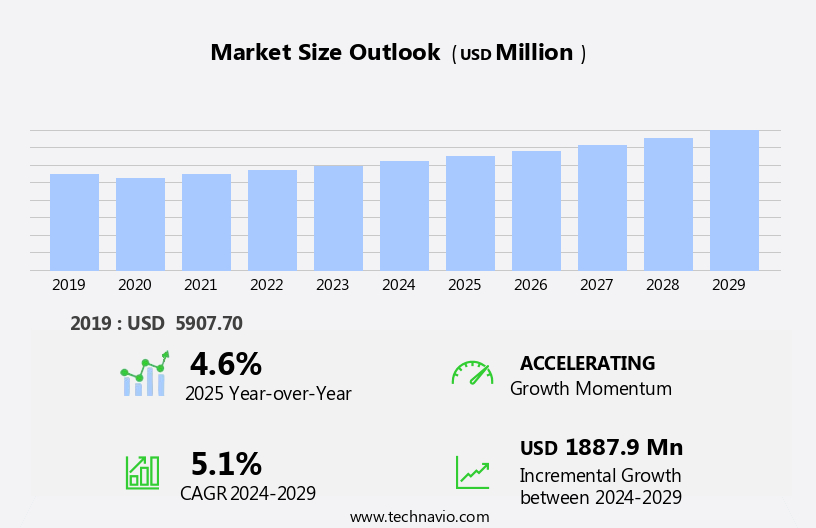
- The market encompasses a range of solutions designed to provide hot water on-demand for various applications, including commercial and industrial buildings. Gas storage and condensing technology are prominent in this sector, offering energy-efficient solutions that align with comprehensive energy strategies. The market is witnessing significant growth due to the increasing adoption of smart homes and networked ecosystems, where instant water heaters contribute to overall system efficiency. Hybrid water heaters, which combine multiple heating technologies, offer configurable solutions that cater to diverse requirements.
- The environmental agenda is driving demand for eco-friendly, low-emission solutions, with instant water heaters becoming an integral part of the HVAC industry. Power plants and industrial units also leverage instant water heaters for their high-performance capabilities. Overall, the market is poised for continued expansion, offering innovative, energy-efficient, and cost-effective hot water solutions.
How is this Instant Water Heater Industry segmented?
The instant water heater industry research report provides comprehensive data (region-wise segment analysis), with forecasts and estimates in "USD million" for the period 2025-2029, as well as historical data from 2019-2023 for the following segments.
- End-user
- Commercial
- Residential
- Product Type
- Single-Point
- Multi-Point
- Distribution Channel
- Offline
- Online
- Geography
- Europe
- France
- Germany
- Italy
- The Netherlands
- UK
- North America
- US
- Canada
- APAC
- China
- India
- Japan
- South America
- Middle East and Africa
- Europe
By End-user Insights
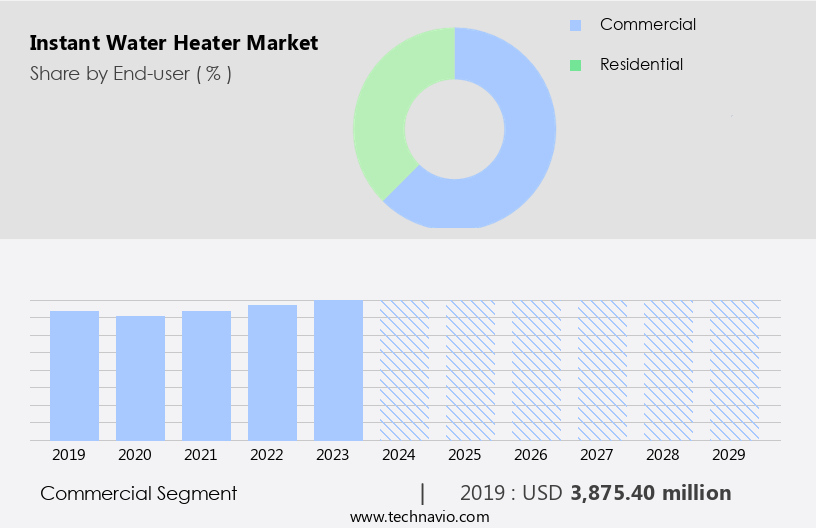
The commercial segment is estimated to witness significant growth during the forecast period. Instant water heaters are increasingly adopted in commercial facilities due to the high demand for continuous hot water supply. The hospitality industry's growing preference for energy-efficient heating solutions, technological advancements in instant water heaters, and expanding government initiatives are key market drivers. However, the commercial segment faces challenges such as high installation costs, market competition, and stringent regulatory standards. Despite these obstacles, the market will continue expanding due to the increasing adoption of IoT technology, the promotion of energy-efficient commercial buildings, and the introduction of smart and connected devices. Instant water heaters offer energy savings through the elimination of standby losses and the ability to heat water on-demand.
Energy efficiency is a significant concern for commercial buildings, with many implementing comprehensive energy strategies that include renewable energy solutions, such as solar panels and hybrid water heaters. Energy source flexibility, configurable solutions, and personalization are essential features for commercial users. Instant water heaters come in various designs, including compact and visually attractive options, and offer intelligent algorithms and smart controls for optimized energy usage. The market is expected to grow due to the increasing focus on eco-friendly appliances and energy-efficient heating options. The market's expansion is further driven by the integration of renewable energy sources, networking capabilities, and voice-activated assistants, as well as the growing popularity of smart home systems and smart city projects. Budget-conscious customers and regulatory environments also influence the market's direction, with energy efficiency regulations and online retail penetration playing significant roles.
Get a glance at the market report of share of various segments Request Free Sample
The Commercial segment was valued at USD 3.88 billion in 2019 and showed a gradual increase during the forecast period.
Regional Analysis
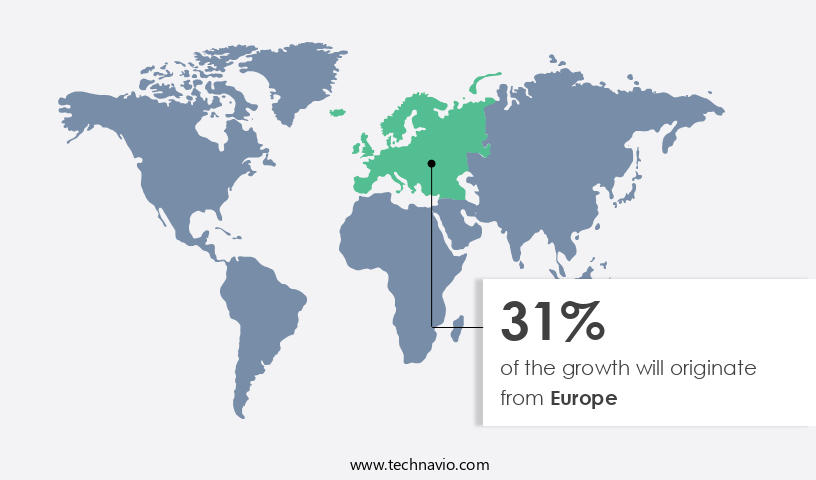
Europe is estimated to contribute 31% to the growth of the global market during the forecast period. Technavio's analysts have elaborately explained the regional trends and drivers that shape the market during the forecast period.
For more insights on the market size of various regions, Request Free Sample
The market in Europe is experiencing growth due to the region's cold climate and increasing preference for online shopping. Instant water heaters are primarily sold through specialty and department stores, but the online retail segment is expanding. Market growth is also driven by the need to replace obsolete appliances and the introduction of new technology and features. Energy efficiency, remote control, and renewable energy solutions are key trends in the market. Energy-conservation standards, condensing technology, and smart heating technologies are also gaining popularity. Installing compact, visually attractive designs with intelligent algorithms and eco-friendly appliances is essential for industry players to meet the environmental agenda and sustainable living solutions.
Energy-efficient heating options, networking capabilities, and voice-activated assistants are becoming increasingly important for budget-conscious customers. The regulatory environment, including energy efficiency regulations, is also influencing market growth. Online retail penetration, real estate growth, and solar energy integration are further driving market expansion.
Market Dynamics
Our researchers analyzed the data with 2024 as the base year, along with the key drivers, trends, and challenges. A holistic analysis of drivers will help companies refine their marketing strategies to gain a competitive advantage.
What are the key market drivers leading to the rise in the adoption of Instant Water Heater Industry?
- Strong growth of hospitality sector is the key driver of the market. The market experiences significant growth due to its high energy savings and increasing demand in the hospitality industry. With the rise in tourism and the construction of new hotels, the need for reliable and continuous hot water supply becomes essential to meet guest demands. This sector's expansion is further fueled by the increasing number of passengers and airports worldwide, leading to a wave in air passenger traffic.
- Instant water heaters offer several advantages, including quick heating and energy efficiency, making them a popular choice for hotels and other commercial facilities. The global hospitality industry's growth, driven by these factors, is expected to continue bolstering the adoption of instant water heaters. Modern heating components, networking capabilities, and intelligent algorithms are being used to create visually attractive designs that are both functional and energy-efficient. The market is expected to continue growing as the demand for on-demand heating solutions in various sectors increases. The market is witnessing significant growth due to the increasing demand for energy-efficient heating solutions in commercial and industrial buildings.
What are the market trends shaping the Instant Water Heater Industry?
- High demand for electric water heaters is the upcoming market trend. Electric water heaters have gained significant popularity in both residential and industrial sectors due to their ability to reduce water heating time and energy consumption. The latest designs offer compact yet powerful solutions, making them an attractive option for consumers. The working population, with increasing disposable income, is the primary consumer base for electric water heaters. The demand for energy-efficient products is on the rise, leading to a wave in the demand for electric water heaters. This trend is expected to drive the growth of the market during the forecast period.
- With various innovations in technology, electric water heaters are becoming more efficient and convenient, catering to the needs of consumers in various sectors. The market is expected to witness strong growth due to these factors. The integration of renewable energy sources, smart technologies, and regulatory requirements are driving the market's evolution. Instant water heaters offer several advantages, including energy savings, continuous supply, and customization options, making them an attractive solution for various sectors. The adoption of smart heating technologies is another trend shaping the market. Remote control capabilities, monitoring and control systems, and integration with voice-activated assistants and smartphone applications are becoming increasingly common features. These technologies enable users to customize their heating preferences, optimize energy usage, and reduce emission levels in line with their environmental agenda.
What challenges does the Instant Water Heater Industry face during its growth?
- Technical issues hampering market growth is a key challenge affecting the industry's growth. Instant water heaters face challenges due to technical issues, including a relatively short lifespan and the risk of explosion with gas models. This danger arises when there are leaks in the tank, pipes, or valves, often caused by excessive gas pressure.
- Faulty valves or ineffective anode rods can also lead to unexpected explosions. Despite these challenges, water heaters exhibit unique physical and functional characteristics, available in various sizes and capacity levels. Commercial applications may utilize high-capacity water heating systems, but their usage depends on the specific regulations of the country where they are installed. The energy conservation standards set by regulatory bodies are also influencing the market's growth. Instant water heaters, with their energy-efficient nature, are well-positioned to meet these requirements. Gas storage and renewable energy solutions, such as solar panels, are increasingly being integrated into these systems to further enhance their energy efficiency.
Exclusive Customer Landscape
The instant water heater market forecasting report includes the adoption lifecycle of the market, covering from the innovator's stage to the laggard's stage. It focuses on adoption rates in different regions based on penetration. Furthermore, the instant water heater market report also includes key purchase criteria and drivers of price sensitivity to help companies evaluate and develop their market growth analysis strategies.
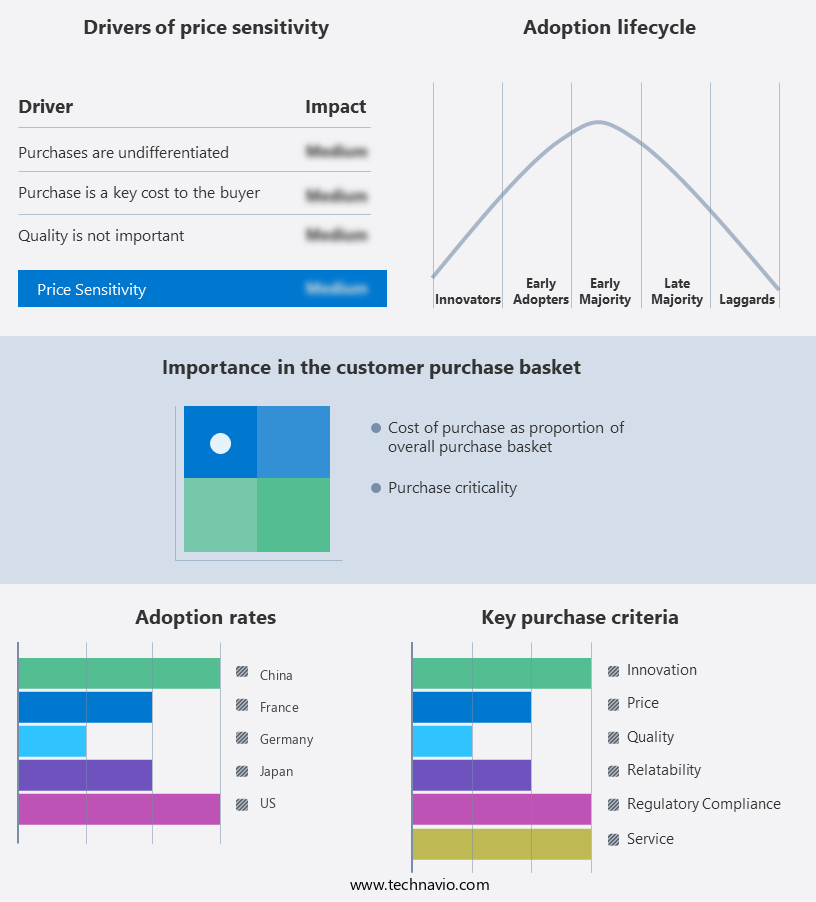
Customer Landscape
Key Companies & Market Insights
Companies are implementing various strategies, such as strategic alliances, instant water heater market forecast, partnerships, mergers and acquisitions, geographical expansion, and product/service launches, to enhance their presence in the industry.
A. O. Smith Corp. - The company offers instant water heaters such as minibot 4.5 KW, faston 3.5 KW, and EWS glass lined 3KW white.
The industry research and growth report includes detailed analyses of the competitive landscape of the market and information about key companies, including:
- A. O. Smith Corp.
- Ariston Holding NV
- Bradford White Corp.
- Ferroli Spa
- Haier Smart Home Co. Ltd.
- Havells India Ltd.
- Hubbell Heaters
- Jaquar India
- Niagara Industries Inc.
- Nihon Itomic Co. Ltd.
- Orient Electric Ltd.
- Rheem Manufacturing Co.
- Rinnai Corp.
- Robert Bosch GmbH
- STIEBEL ELTRON GmbH and Co. KG
- Vaillant Group
- VORDOSCH DEUTSCHLAND GmbH
- Watts Water Technologies Inc.
- Whirlpool Corp.
Qualitative and quantitative analysis of companies has been conducted to help clients understand the wider business environment as well as the strengths and weaknesses of key industry players. Data is qualitatively analyzed to categorize companies as pure play, category-focused, industry-focused, and diversified; it is quantitatively analyzed to categorize companies as dominant, leading, strong, tentative, and weak.
Research Analyst Overview
The market encompasses a range of heating solutions designed to provide hot water on demand for commercial and industrial buildings. These systems offer several advantages over traditional tank-based heating systems, including energy conservation and reduced standby losses. Infrastructural expansion and construction activities in various sectors are driving the demand for instant water heaters. Heating systems in commercial and industrial buildings require large volumes of hot water for various applications, making energy efficiency a critical consideration. Instant water heaters, with their condensing technology and energy efficiency, are gaining popularity due to their ability to meet this demand while minimizing energy consumption.
The market is also witnessing the emergence of hybrid water heaters, which offer a configurable solution that can be tailored to specific applications and user preferences. Personalization and customization are becoming essential factors in the purchasing decision-making process for budget-conscious customers. Renewable energy sources and smart city projects are also influencing the market's growth. Instant water heaters are being integrated into comprehensive energy strategies to optimize energy usage and reduce reliance on traditional energy sources. The use of eco-friendly appliances and energy-efficient heating options is becoming a priority for many organizations and individuals. The technological innovation in the design of instant water heaters is also noteworthy.
|
Market Scope |
|
|
Report Coverage |
Details |
|
Page number |
198 |
|
Base year |
2024 |
|
Historic period |
2019-2023 |
|
Forecast period |
2025-2029 |
|
Growth momentum & CAGR |
Accelerate at a CAGR of 5.1% |
|
Market growth 2025-2029 |
USD 1.88 billion |
|
Market structure |
Fragmented |
|
YoY growth 2024-2025(%) |
4.6 |
|
Key countries |
US, Germany, UK, Canada, France, Italy, The Netherlands, China, India, and Japan |
|
Competitive landscape |
Leading Companies, Market Positioning of Companies, Competitive Strategies, and Industry Risks |
What are the Key Data Covered in this Instant Water Heater Market Research and Growth Report?
- CAGR of the Instant Water Heater industry during the forecast period
- Detailed information on factors that will drive the growth and forecasting between 2025 and 2029
- Precise estimation of the size of the market and its contribution of the industry in focus to the parent market
- Accurate predictions about upcoming growth and trends and changes in consumer behaviour
- Growth of the market across Europe, North America, APAC, South America, and Middle East and Africa
- Thorough analysis of the market's competitive landscape and detailed information about companies
- Comprehensive analysis of factors that will challenge the instant water heater market growth and forecasting
We can help! Our analysts can customize this instant water heater market research report to meet your requirements.
 RIA -
RIA - 
