


Isoflavones Market Size 2024-2028
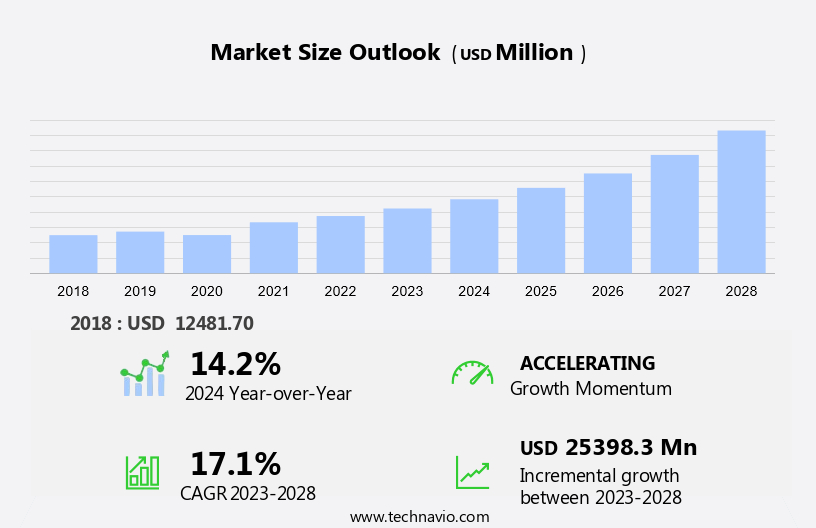
The isoflavones market size is forecast to increase by USD 25.4 billion at a CAGR of 17.1% between 2023 and 2028.
- The market is experiencing significant growth due to several key factors. The prevalence of menopausal issues among women in the US, leading to an increased demand for phytoestrogens as a natural alternative to hormone replacement therapy, is a major driver. Additionally, the use of isoflavones in skincare products for their anti-aging properties is gaining popularity.
- However, the market faces challenges such as the availability of substitute products and services, including synthetic estrogens and other phytoestrogens from different plant sources. Furthermore, the growing awareness of the potential risks of isoflavones, such as increased risk of uterine cancer, blood clots, and interference with certain medications, may limit market growth. The market is also witnessing an increase in demand for isoflavones in functional foods and beverages, including fiber-rich and calcium-fortified soy drinks, to address health concerns related to menopause, fatigue, and bone health.
What will be the Size of the Market During the Forecast Period?
- Isoflavones, a class of natural phenolic compounds, are found primarily in plant sources such as soybeans and other legumes. These compounds have gained significant attention in the health and wellness industry due to their therapeutic properties. Isoflavones have been extensively researched for their role in women's health, particularly in relation to hormonal balance and estrogen receptors. Isoflavones and Estrogen Receptors Isoflavones have a unique structure that allows them to mimic the effects of estrogen in the body. They bind to estrogen receptors, providing support for those experiencing hormonal imbalances.
- Furthermore, this property makes isoflavones an attractive alternative to hormone replacement therapy for many individuals seeking natural solutions. Antioxidant Properties and Health Benefits Beyond their role in hormonal balance, isoflavones also possess antioxidant properties, which help protect the body from oxidative stress and damage. This makes them beneficial for overall health and wellbeing, including heart health. Soy isoflavone research has shown that these compounds can help reduce the risk of heart disease by improving lipid profiles and reducing inflammation. Bioavailability and Natural Hormone Support Soybeans and other legumes are rich sources of isoflavones.
- Similarly, soy-based foods, such as tofu, soy milk, and tempeh, are popular choices for individuals seeking to incorporate these compounds into their diet. However, the bioavailability of isoflavones from food sources can be limited due to digestive processes and food sensitivities. Liquid isoflavone supplements offer a more concentrated and bioavailable form of these compounds, making them a popular choice for those seeking natural hormone support. Considerations for Consumers While isoflavones offer numerous health benefits, it is essential for consumers to be aware of potential allergic reactions or sensitivities to soy-based foods and isoflavone supplements.
- In addition, individuals with known allergies to soy should consult their healthcare provider before incorporating these compounds into their diet or supplement regimen. In conclusion, isoflavones are a valuable class of natural compounds with significant therapeutic properties, particularly in relation to hormonal balance and antioxidant activity. Soybeans and other legumes are rich sources of these compounds, but liquid isoflavone supplements offer a more bioavailable form for those seeking natural hormone support. As with any dietary supplement, it is essential for consumers to be aware of potential allergic reactions and consult their healthcare provider before use.
How is this market segmented and which is the largest segment?
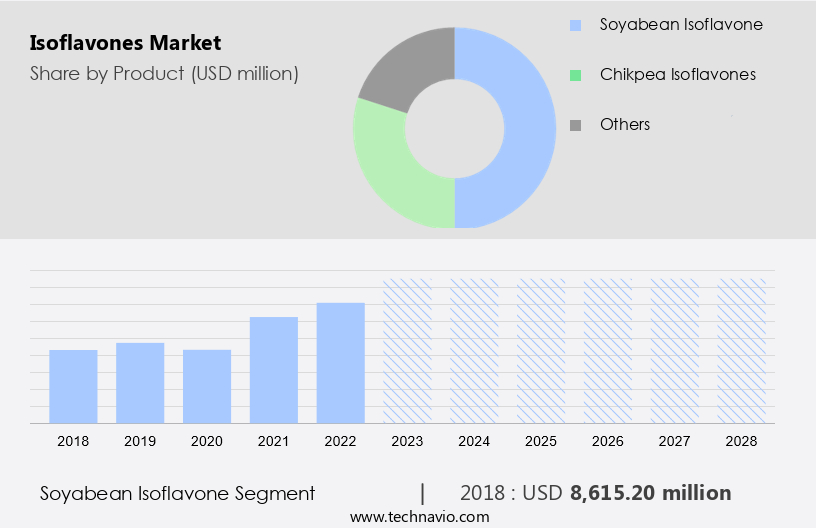
The market research report provides comprehensive data (region-wise segment analysis), with forecasts and estimates in "USD billion" for the period 2024-2028, as well as historical data from 2018-2022 for the following segments.
- Product
- Soyabean Isoflavone
- Chikpea Isoflavones
- Others
- Geography
- North America
- US
- APAC
- China
- Japan
- Europe
- Germany
- South America
- Middle East and Africa
- North America
By Product Insights
- The soyabean isoflavone segment is estimated to witness significant growth during the forecast period.
Soybean, a well-known source of protein and healthy fats, has gained significant attention for its isoflavone content. Isoflavones, a type of phytoestrogen, have been linked to the prevention of various health issues, including uterine and breast cancer. Soyfoods, such as soy milk, soy flour, whole soybeans, tofu, soy nuts, and soy nut butter, contain the highest concentration of isoflavones. The isoflavone content in soybean can be influenced by genetic and environmental factors, including climate, planting location, and storage conditions. Manufacturers extract isoflavones from various soybean varieties.
Furthermore, Archer Daniels Midland, for instance, utilizes PCR-negative and non-genetically modified (non-GM) soybean varieties for isoflavone extraction. Isoflavones have also been used in the production of moisturizers and other cosmetics. Additionally, they have been reported to alleviate menopause symptoms, such as fatigue and hot flashes, and may help prevent blood clots. Furthermore, isoflavones contribute to a fiber-rich and calcium-fortified diet, making soybean an essential component in a healthy lifestyle.
Get a glance at the market report of share of various segments Request Free Sample
The Soyabean Isoflavone segment was valued at USD 8.62 billion in 2018 and showed a gradual increase during the forecast period.
Regional Analysis
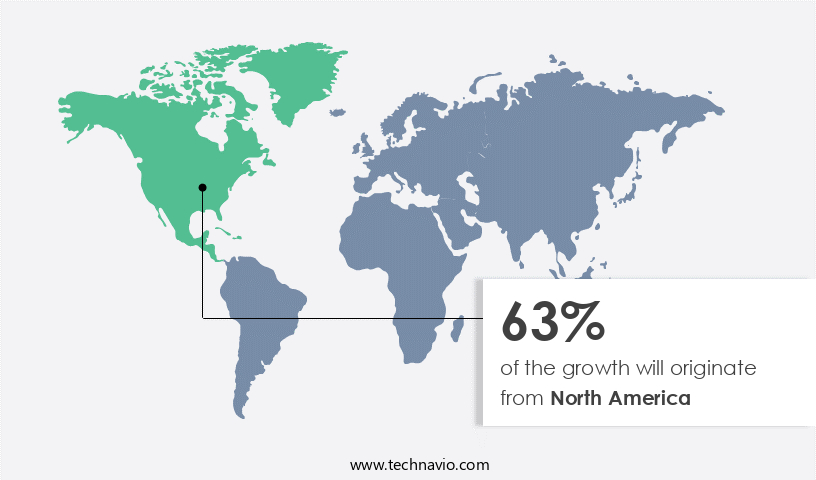
- North America is estimated to contribute 63% to the growth of the global market during the forecast period.
Technavio's analysts have elaborately explained the regional trends and drivers that shape the market during the forecast period.
For more insights on the market share of various regions Request Free Sample
In North America, the consumption of soy protein, rich in isoflavones, is recognized by the Food and Drug Administration (FDA) for its heart health benefits. Isoflavones, a type of phytoestrogen found in soybeans, have been linked to the prevention of hormonal disorders and certain cancers, such as breast and ovarian cancer in women. With a growing emphasis on healthier dietary choices, the demand for isoflavones is on the rise in North America. Plant-based proteins, including those derived from soy, are increasingly popular. Additionally, foods like pistachios and fermented soy products, such as miso, are natural sources of isoflavones. The antioxidant properties of isoflavones help combat oxidative stress, making them a valuable addition to a balanced diet. The increasing health consciousness among consumers in North America is expected to fuel the growth of the market during the forecast period.
Market Dynamics
Our researchers analyzed the data with 2023 as the base year, along with the key drivers, trends, and challenges. A holistic analysis of drivers will help companies refine their marketing strategies to gain a competitive advantage.
What are the key market drivers leading to the rise in adoption of Isoflavones Market?
The prevalence of menopausal issues is the key driver of the market.
- Soy isoflavones have emerged as a popular alternative for women seeking relief from menopausal symptoms without the risks associated with estrogen-containing pills. Soy protein ingredients, derived from soybeans, contain these natural compounds that mimic estrogen properties. Women experiencing menopause often face challenges such as hot flashes, insomnia, and sexual dysfunction. While hormone replacement therapy (HRT) using estrogen pills can alleviate these symptoms, it comes with potential health risks, including an increased chance of blood clots, stroke, and breast or uterine cancer. In response to women's shifting preferences, supplement manufacturers have turned to soy isoflavones as a natural and safer alternative.
- Additionally, these compounds provide estrogen-like benefits, helping to reduce menopausal symptoms like hot flashes and fatigue. Soy isoflavones are especially beneficial for those following vegan diets or those with conditions like hyperthyroidism, diarrhea, or Kawasaki disease, who may be advised against estrogen use. Additionally, soy isoflavones have been shown to aid in the prevention of health issues such as kidney stones and constipation. Incorporating soy isoflavones into a health and wellness routine can offer numerous benefits for women going through menopause. By choosing natural supplements over estrogen pills, women can enjoy symptom relief while minimizing potential risks. Soy isoflavones are a versatile and effective solution for women seeking a more balanced approach to managing menopause.
What are the market trends shaping the Isoflavones Market?
Growing demand for isoflavones in skincare products is the upcoming trend in the market.
- Isoflavones are organic compounds found in various plants, including soybeans, red clover, green peas, and alfalfa. These compounds, which include daidzein and genistein, offer numerous health benefits, including potential protection against certain diseases. In the realm of skincare, isoflavones are valued for their antioxidant and anti-aging properties.
- Furthermore, they help maintain skin health by exhibiting estrogen-like effects, which enhance hair growth and stimulate the production of hyaluronic acid. Additionally, isoflavones protect the skin against photodamage, slowing the appearance of wrinkles and signs of aging. As a result, many skincare companies, such as NaturaNectar LLC and Skin Actives Scientific, are incorporating isoflavones into their anti-aging and skin protection creams.
This trend highlights the growing importance of isoflavones in the skincare industry.
What challenges does Isoflavones Market face during the growth?
The high prevalence of substitute products and services is a key challenge affecting market growth.
- Isoflavones are essential phytoestrogens found in various plants, including soybeans, which are widely used in the production of soy products. Isoflavones have gained popularity due to their potential health benefits, particularly in the relief of menopausal symptoms and the prevention of abnormal tissue growth. However, the increasing trend of meat consumption in the US may hinder the demand for soy products and, consequently, the demand for isoflavones. Additionally, the rising prevalence of health complications such as diabetes and cystic fibrosis has led to an increased focus on safety and efficacy in healthcare solutions. As a result, hormone replacement therapies (HRT) that do not rely on isoflavones are gaining popularity.
- Furthermore, this shift towards safer alternatives may negatively impact the growth of the market during the forecast period. It is crucial for industry players to stay informed of these trends and adapt their strategies accordingly to remain competitive.
Exclusive Customer Landscape
The market forecasting report includes the adoption lifecycle of the market, covering from the innovator's stage to the laggard's stage. It focuses on adoption rates in different regions based on penetration. Furthermore, the market report also includes key purchase criteria and drivers of price sensitivity to help companies evaluate and develop their market growth analysis strategies.
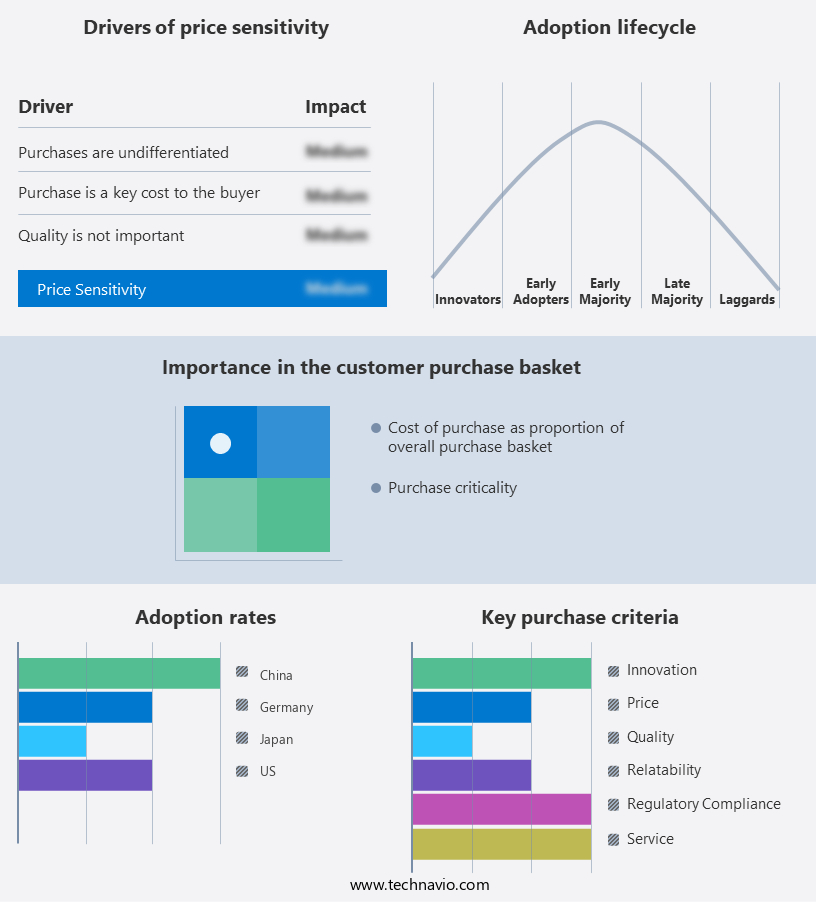
Customer Landscape
Key Companies & Market Insights
Companies are implementing various strategies, such as strategic alliances, market forecast, partnerships, mergers and acquisitions, geographical expansion, and product/service launches, to enhance their presence in the market.
Archer Daniels Midland Co: The company offers isoflavones such as Novasoy, a range of soy isoflavone concentrates that provide high levels of genistein and daidzein, known for their potential health benefits, particularly in supporting womens health during menopause.
The market research and growth report includes detailed analyses of the competitive landscape of the market and information about key companies, including:
- Archer Daniels Midland Co.
- ALPSURE LIFESCIENCES PVT. LTD
- Aushadhi Herbal
- BASF SE
- Bio gen Extracts Pvt. Ltd.
- Biomax Life Sciences Ltd.
- Cargill Inc.
- CHS Inc
- FUJICCO Co. Ltd.
- FutureCeuticals Inc.
- Herbo Nutra
- Hyundai Bioland Co. Ltd.
- International Flavors and Fragrances Inc.
- Merck KGaA
- NEXIRA
- Nutra Green Biotechnology Co. Ltd.
- Shanghai Freemen LLC
- TRADICHEM SL
- Twinlab Consolidated Holdings Inc.
- Xena Bio Herbals Pvt. ltd
Qualitative and quantitative analysis of companies has been conducted to help clients understand the wider business environment as well as the strengths and weaknesses of key market players. Data is qualitatively analyzed to categorize companies as pure play, category-focused, industry-focused, and diversified; it is quantitatively analyzed to categorize companies as dominant, leading, strong, tentative, and weak.
Research Analyst Overview
Isoflavones are a type of phytoestrogens, or plant compounds, found in various legumes and plants, including soybeans, red clover, alfalfa, green peas, and others. These natural compounds have gained significant attention in the health and wellness industry due to their potential benefits in preventing and managing various diseases. Isoflavones act as weak estrogens and can help regulate hormonal imbalances, making them effective in treating menopause symptoms, sexual dysfunction, and hormonal disorders. Soy isoflavones, specifically, have been linked to reducing the risk of certain cancers, such as breast and uterine cancer, by inhibiting the growth of cancer cells. Additionally, they have been shown to improve heart health by reducing oxidative stress and lowering the risk of heart disease and stroke.
Furthermore, isoflavones have various other health benefits, including improving bone health by increasing calcium absorption, reducing fatigue, and aiding in digestion by alleviating constipation and diarrhea. They have also been linked to reducing the risk of blood clots and kidney stones. Plant-based sources of isoflavones, such as unprocessed soy sources like soybeans, soymilk, miso, and tofu, are popular choices for individuals following vegan diets or those looking to reduce their meat consumption. Other sources include red clover, alfalfa, peanuts, pistachios, and certain fiber-rich foods like green peas. In conclusion, isoflavones are a valuable addition to a healthy diet, offering numerous health benefits, from reducing the risk of chronic diseases to improving overall well-being. These plant compounds can be found in various plant-based sources, making it easy for individuals to incorporate them into their daily meals.
|
Market Scope |
|
|
Report Coverage |
Details |
|
Page number |
171 |
|
Base year |
2023 |
|
Historic period |
2018-2022 |
|
Forecast period |
2024-2028 |
|
Growth momentum & CAGR |
Accelerate at a CAGR of 17.1% |
|
Market growth 2024-2028 |
USD 25.4 billion |
|
Market structure |
Fragmented |
|
YoY growth 2023-2024(%) |
14.2 |
|
Key countries |
US, China, Germany, and Japan |
|
Competitive landscape |
Leading Companies, Market Positioning of Companies, Competitive Strategies, and Industry Risks |
What are the Key Data Covered in this Market Research and Growth Report?
- CAGR of the market during the forecast period
- Detailed information on factors that will drive the market growth and forecasting between 2024 and 2028
- Precise estimation of the size of the market and its contribution of the market in focus to the parent market
- Accurate predictions about upcoming market growth and trends and changes in consumer behaviour
- Growth of the market across North America, APAC, Europe, South America, and Middle East and Africa
- Thorough analysis of the market's competitive landscape and detailed information about companies
- Comprehensive analysis of factors that will challenge the growth of market companies
We can help! Our analysts can customize this market research report to meet your requirements. Get in touch
 RIA -
RIA - 
