

Protein Ingredients Market Analysis, Size, and Forecast 2024-2028: North America (US and Canada), Europe (France, Germany, Italy, Russia, and UK), Middle East and Africa (South Africa and UAE), APAC (China, India, Japan, and South Korea), South America (Argentina), and Rest of World (ROW)

Protein Ingredients Market Analysis, Size, and Forecast 2024-2028:
North America (US and Canada), Europe (France, Germany, Italy, Russia, and UK), Middle East and Africa (South Africa and UAE), APAC (China, India, Japan, and South Korea), South America (Argentina), and Rest of World (ROW)

Published: Jun 2024 147 Pages SKU: IRTNTR73056

Market Overview at a Glance

$27.03 B
Market Opportunity
10.03%
CAGR
8.88
YoY growth 2023-2024(%)

Protein Ingredients Market Size 2024-2028

The protein ingredients market size is valued to increase by USD 27.03 billion, at a CAGR of 10.03% from 2023 to 2028. Growing infant formula market will drive the protein ingredients market.

Market Insights

  • Europe dominated the market and accounted for a 36% growth during the 2024-2028.
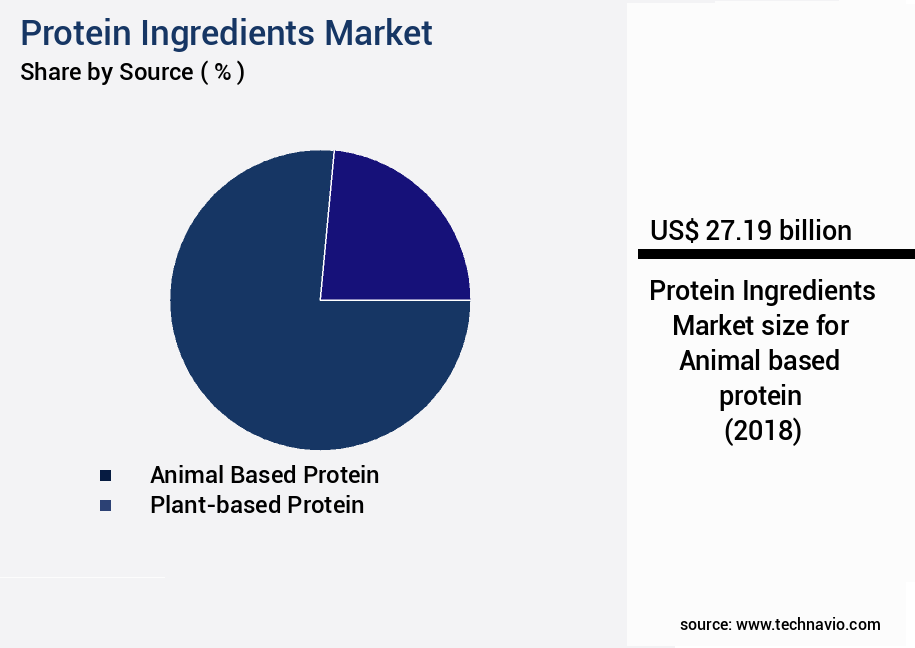
  • By Source - Animal based protein segment was valued at USD 27.19 billion in 2022
  • By Application - Food and Beverage segment accounted for the largest market revenue share in 2022

Market Size & Forecast

  • Market Opportunities: USD 101.13 billion 
  • Market Future Opportunities 2023: USD 27025.60 billion
  • CAGR from 2023 to 2028 : 10.03%

Market Summary

  • The market is a dynamic and globally dispersed industry that caters to the demand for high-quality, nutrient-rich components in various sectors, including food and beverage, pharmaceuticals, and sports nutrition. Fueled by the surge in consumer preference for healthier and more sustainable food options, the market is witnessing significant growth. One of the primary drivers is the increasing demand for protein in the infant formula industry, as parents seek to provide optimal nutrition for their growing children. Another trend shaping the market is the rise in promotional and marketing initiatives by manufacturers to boost sales and expand their customer base.
  • Despite this growth, the market remains highly fragmented, with numerous players competing for market share. This fragmentation poses challenges for companies seeking to optimize their supply chains and ensure operational efficiency. For instance, a leading protein ingredient supplier might face challenges in managing its global supply chain to meet the increasing demand for its products. To address this, the company could invest in advanced technologies, such as predictive analytics and real-time inventory management systems, to streamline operations and ensure timely delivery to customers. Additionally, the company could explore strategic partnerships and collaborations to expand its product offerings and cater to diverse market segments.
  • In conclusion, the market is a vibrant and evolving industry, driven by factors such as consumer preferences, marketing initiatives, and the need for operational efficiency. Companies must navigate the challenges of a fragmented market while capitalizing on opportunities to grow and thrive in this dynamic landscape.

What will be the size of the Protein Ingredients Market during the forecast period?
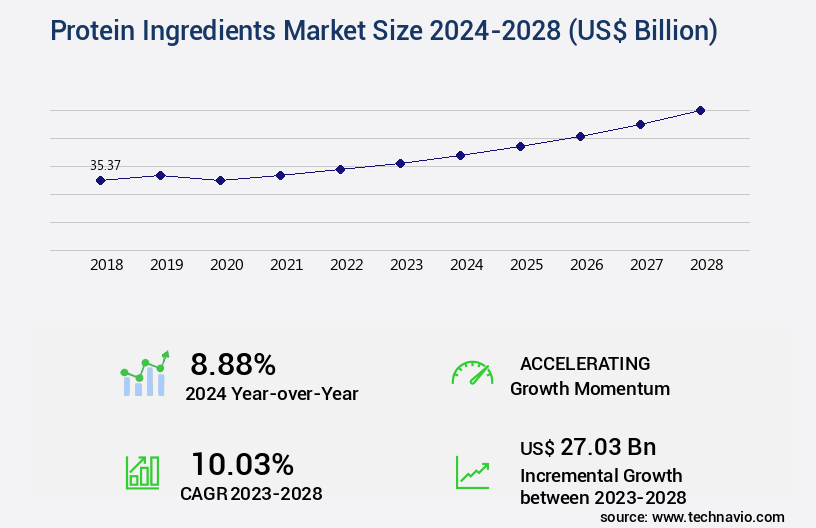
Protein Ingredients Market Size

Get Key Insights on Market Forecast (PDF) Request Free Sample

  • Protein ingredients have been a pivotal component in various industries, including food and beverage, pharmaceuticals, and nutraceuticals. The protein market continues to evolve, with ongoing advancements in protein characterization, protein blends, and protein modification. One significant trend is the increasing demand for gluten-free proteins, as consumer preferences shift towards healthier and allergen-free options. Protein structure and protein degradation have been critical areas of focus for researchers and manufacturers. Hydrolyzed proteins and protein isolates have gained popularity due to their improved protein digestibility and bioavailability. Protein quality is another essential factor, with animal-based proteins and plant-based proteins each offering unique advantages.
  • Single-cell proteins have emerged as a promising alternative to traditional animal-based proteins, providing a sustainable and ethical solution for meeting the growing protein demand. Amino acid composition plays a crucial role in protein quality and functionality. Protein engineering and protein synthesis have enabled the production of proteins with specific properties, such as improved protein stability and protein bioavailability. Protein quantification is essential for ensuring product consistency and meeting regulatory requirements. Protein unfolding and protein folding are key aspects of protein structure and function, with implications for protein crystallization and protein synthesis. Peptide bonds, the linkages between amino acids, are vital to protein structure and functionality.
  • Incorporating protein fortification into various applications, from food and beverages to pharmaceuticals, can enhance nutritional value and cater to diverse consumer needs. Protein metabolism is a complex process that impacts overall health and wellness, making protein research a vital area of ongoing investigation.

Unpacking the Protein Ingredients Market Landscape

In the dynamic the market, digestibility studies play a pivotal role in ensuring optimal nutritional value for various food and pharmaceutical applications. For instance, whey protein isolate, derived through advanced filtration and membrane technologies, boasts a higher protein content and superior digestibility compared to other protein sources. Moreover, protein hydrolysates, obtained through enzymatic hydrolysis, offer improved solubility and gelation properties, enhancing emulsion stability and functional performance in food formulations. Molecular weight distribution and amino acid profiles are essential factors in evaluating protein ingredients. Mass spectrometry and electrophoretic analysis enable precise identification and quantification of protein components, ensuring compliance with regulatory standards and maintaining consistency in product quality. Nitrogen content analysis is another critical method for assessing protein content and purity, contributing to cost reduction and increased ROI for manufacturers. Protein interactions, allergen detection, and microbial contamination are significant concerns in the industry. Chromatographic separation techniques, such as high-performance liquid chromatography (HPLC), facilitate the purification of protein ingredients and ensure the elimination of potential contaminants, thereby improving product safety and shelf-life stability. Sensory evaluation, rheological behavior, and textural characteristics are essential factors in assessing protein functionality and meeting consumer preferences. Protein denaturation, casein protein micelles, and protein purification are essential aspects of the market, with each process contributing to the optimization of protein functionality and nutritional value. In feed formulations, protein interactions and functional properties play a crucial role in enhancing animal performance and overall efficiency. Pharmaceutical uses of protein ingredients, such as peptide sequencing and bioactive peptides, offer significant potential for therapeutic applications and improving patient outcomes.

Key Market Drivers Fueling Growth

The expanding infant formula market serves as the primary catalyst for market growth.

  • The market showcases a dynamic evolution, driven by its extensive applications across various sectors. In the health and nutrition domain, infant formula represents a significant growth area. Infant formula, a crucial source of nutrition for babies between 6 to 12 months, is increasingly gaining popularity due to its nutritional benefits, rising awareness among parents, and demographic shifts such as an increase in birth rates and working women. Consequently, the demand for protein ingredients, primarily soy and whey, used in infant formula production, is experiencing a notable surge.
  • Additionally, the food and beverage industry leverages protein ingredients for their functional, nutritional, and textural benefits, contributing to the market's expansion. Overall, the market's growth trajectory is marked by continuous innovation and increasing demand for high-quality, sustainable, and functional protein ingredients.

Prevailing Industry Trends & Opportunities

Increase in promotional and marketing initiatives is the current market trend. This refers to the growing emphasis on strategic marketing campaigns and promotional activities to engage customers and boost sales. 

  • The market is experiencing significant evolution, driven by increasing promotional efforts from companies and supportive initiatives by government bodies. Soy protein, a prominent segment, has witnessed substantial growth due to extensive marketing campaigns. companies have invested heavily in promoting soy protein to food manufacturers and consumers, resulting in increased market penetration. The US government's support for soy protein health claims and promotion further boosts the market's growth.
  • This strategic approach has led to a notable increase in product adoption across various sectors, including food and beverage, pharmaceuticals, and nutraceuticals. Consequently, the demand for protein ingredients has risen, with soy protein experiencing a significant market share. This trend underscores the dynamic nature of the market and its expanding applications.

Significant Market Challenges

A highly fragmented market structure poses a significant challenge to the growth and development of the industry. 

  • The market showcases an evolving landscape, driven by the expanding applications across various sectors. Despite the market's highly fragmented nature, characterized by a vast array of small and large players, competition remains fierce. For instance, in plant-based protein ingredients, the number of end-users, primarily in the food and beverage industry, is limited. However, innovation is the key to overcoming this challenge. companies are investing in research and development to create novel protein sources and improve existing ones. For example, soy protein manufacturers have reduced their production costs by 12%, making it a more cost-effective alternative to animal-derived proteins.
  • Similarly, the use of pea protein in plant-based meat alternatives has increased by 18%, offering consumers a more sustainable and ethical option. These advancements not only cater to the growing demand for plant-based protein sources but also contribute to the overall market growth.
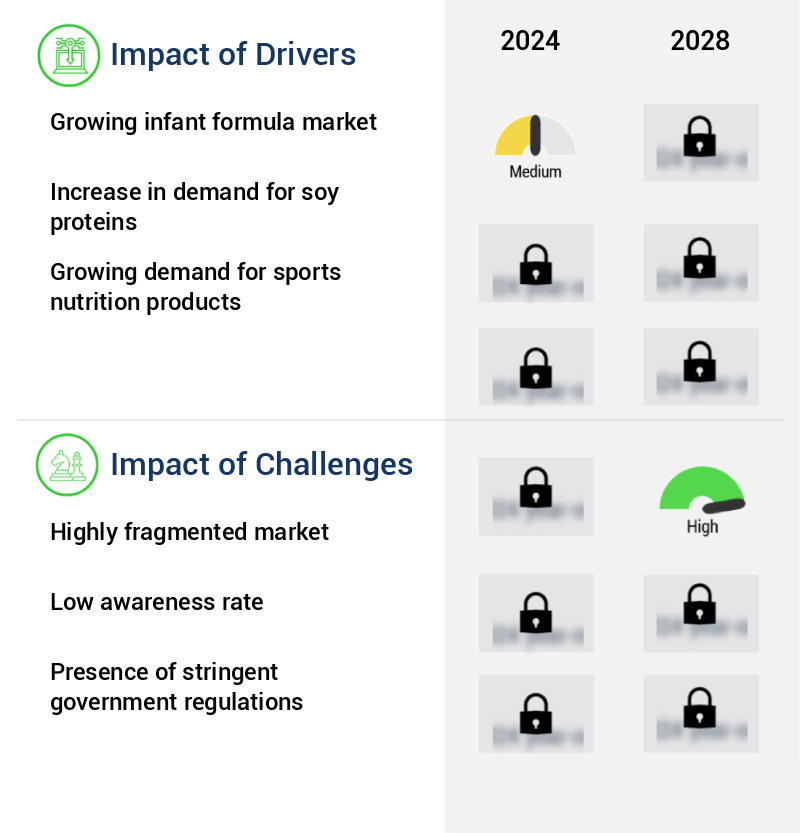
Protein Ingredients Market Size

In-Depth Market Segmentation: Protein Ingredients Market

The protein ingredients industry research report provides comprehensive data (region-wise segment analysis), with forecasts and estimates in "USD billion" for the period 2024-2028, as well as historical data from 2018-2022 for the following segments.

  • Source
    • Animal based protein
    • Plant-based protein
  • Application
    • Food and Beverage
    • Nutraceuticals
    • Animal Feed
    • Cosmetics
  • Form
    • Powder
    • Liquid
    • Concentrates
  • Geography
    • North America
      • US
      • Canada
    • Europe
      • France
      • Germany
      • Italy
      • Russia
      • UK
    • Middle East and Africa
      • South Africa
      • UAE
    • APAC
      • China
      • India
      • Japan
      • South Korea
    • South America
      • Argentina
      • Brazil
    • Rest of World (ROW)

    By Source Insights

    The animal based protein segment is estimated to witness significant growth during the forecast period.

    Protein ingredients, derived from animal sources like eggs and milk, hold significant importance in various food applications, including desserts, sports nutrition, dietary supplements, and bakery products. Dairy protein ingredients, particularly whey protein isolate and casein protein micelles, are extensively utilized in nutrient-rich food products, especially in sports nutrition and infant nutrition. However, the market for protein ingredients faces intense competition due to the emergence of plant-based alternatives, which offer cost advantages. The incidence of diseases such as bovine spongiform encephalopathy (BSE) among cattle poses a challenge. Protein ingredients undergo various processes, such as extraction methods, chromatographic separation, and enzymatic hydrolysis, to ensure desirable textural characteristics, protein solubility, and gelation properties.

    Quality control testing, sensory evaluation, and protein functionality are crucial aspects of ensuring product consistency and nutritional value. Protein interactions, allergen detection, and microbial contamination are also key considerations. The market's evolution involves continuous research on improving protein hydrolysates, bioactive peptides, and understanding protein denaturation and molecular weight distribution for optimized amino acid profiles and nitrogen content.
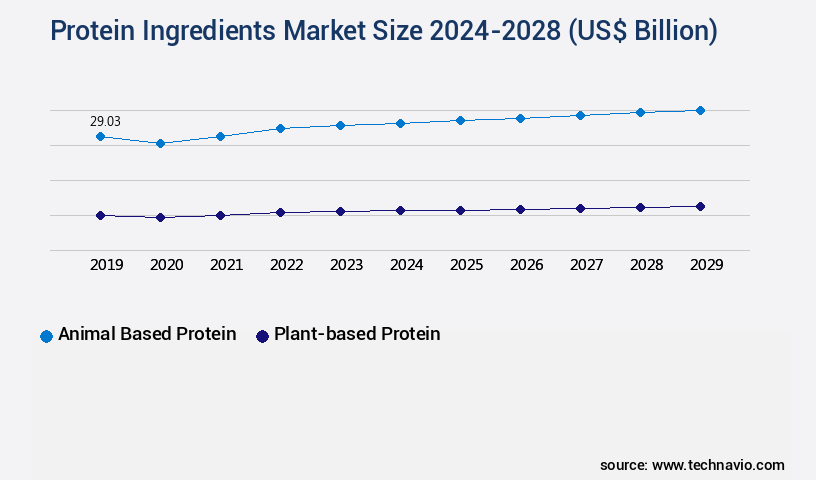
    Protein Ingredients Market Size

    Request Free Sample

    The Animal based protein segment was valued at USD 27.19 billion in 2018 and showed a gradual increase during the forecast period.
    Protein Ingredients Market Size

    Request Free Sample

    Regional Analysis

    Europe is estimated to contribute 36% to the growth of the global market during the forecast period.Technavio’s analysts have elaborately explained the regional trends and drivers that shape the market during the forecast period.
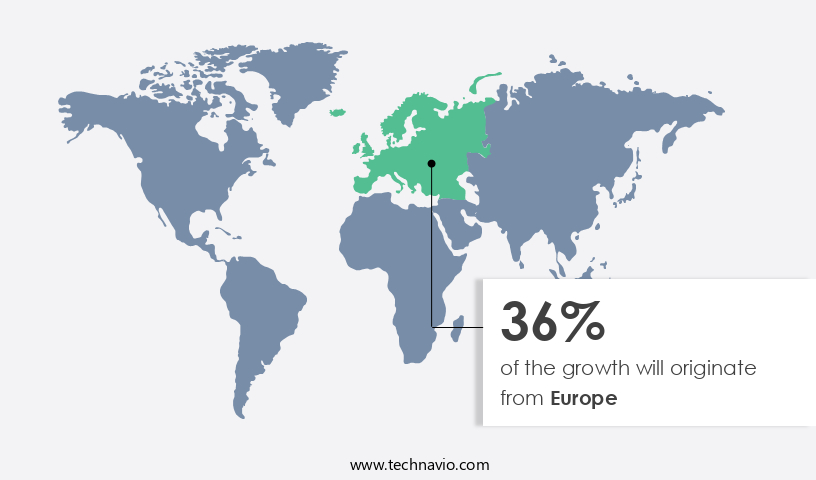
    Protein Ingredients Market Share by Geography

    See How Protein Ingredients Market Demand is Rising in Europe Request Free Sample

    The market in Europe is experiencing significant growth, fueled by the increasing demand for high-nutrition products, particularly in the sports nutrition and functional food sectors. This trend is driven by a health-conscious population, rising disposable income, and the growing adoption of plant-based diets in countries like the UK, Germany, and France. According to industry reports, the European sports nutrition market is projected to expand at a rate above 3%, reflecting this demand.

    The market's fragmented landscape hosts numerous companies, offering opportunities for operational efficiency gains and cost reductions through strategic collaborations and innovation. These dynamics underline the market's evolving nature and its potential for continued growth.
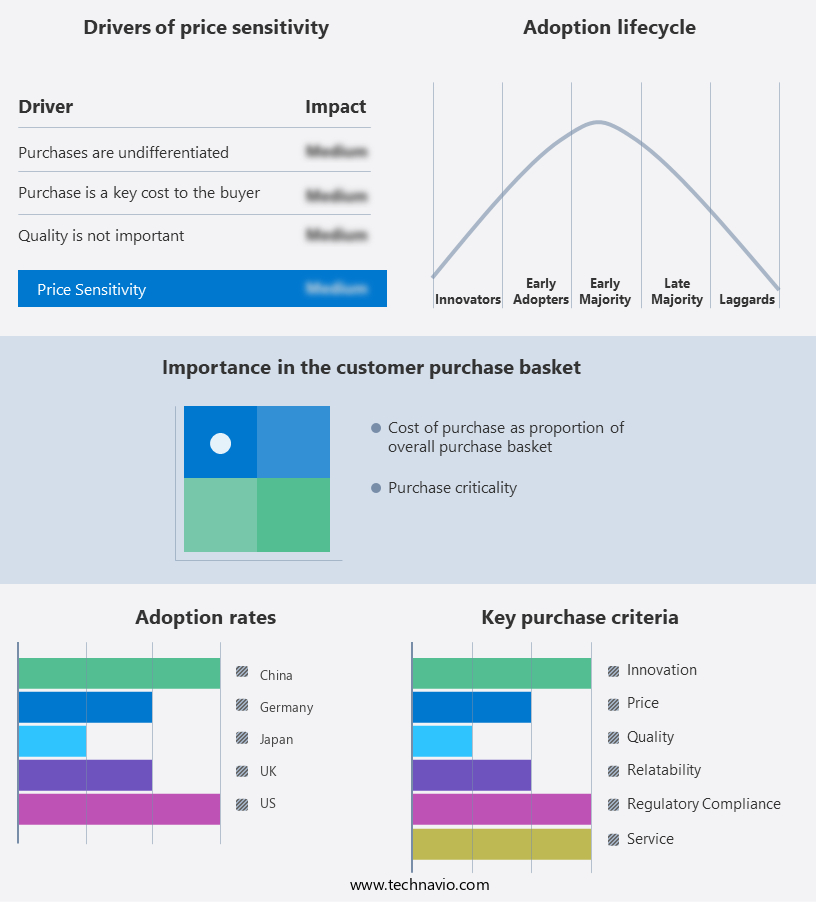
    Protein Ingredients Market Share by Geography

     Customer Landscape of Protein Ingredients Industry

    Competitive Intelligence by Technavio Analysis: Leading Players in the Protein Ingredients Market

    Companies are implementing various strategies, such as strategic alliances, protein ingredients market forecast, partnerships, mergers and acquisitions, geographical expansion, and product/service launches, to enhance their presence in the industry.

    Archer Daniels Midland Co. - This company specializes in Animal Nutrition, delivering cutting-edge ingredient solutions and services to enhance performance, profitability, and efficiency for animal feed, aquaculture, and pet food producers globally. Through innovative approaches, it empowers clients to make informed decisions and optimize their operations.

    The industry research and growth report includes detailed analyses of the competitive landscape of the market and information about key companies, including:

    • Archer Daniels Midland Co.
    • Axiom Foods Inc.
    • Burcon NutraScience Corp
    • Cargill Inc.
    • CHS Inc
    • Darling Ingredients Inc.
    • DuPont de Nemours Inc.
    • Farbest Brands
    • Fonterra Cooperative Group Ltd.
    • Ingenza Ltd.
    • Kewpie Corp.
    • Mead Johnson and Co. LLC
    • Perfect Day Inc.
    • Proeon
    • Protera
    • Roquette Freres SA
    • Rousselot SDN. BHD.
    • Sotexpro
    • The Peterson Company
    • Victory Hemp Foods
    • Ynsect SAS

    Qualitative and quantitative analysis of companies has been conducted to help clients understand the wider business environment as well as the strengths and weaknesses of key industry players. Data is qualitatively analyzed to categorize companies as pure play, category-focused, industry-focused, and diversified; it is quantitatively analyzed to categorize companies as dominant, leading, strong, tentative, and weak.

    Recent Development and News in Protein Ingredients Market

    • In August 2024, Arla Foods, a leading dairy cooperative, announced the launch of its new plant-based protein ingredient line, ProFit Plant, at the Food Ingredients Europe trade show. This expansion marks Arla's entry into the growing plant-based protein market (Source: Arla Foods Press Release).
    • In November 2024, DSM, a global science-based company in nutrition, health, and sustainable living, entered into a strategic partnership with Perfect Day, a California-based food tech company, to produce animal-free protein using microorganisms. This collaboration aims to reduce the carbon footprint and improve sustainability in the protein ingredients industry (Source: DSM Press Release).
    • In March 2025, Ajinomoto Co. Inc., a world leader in amino acids and protein solutions, completed the acquisition of Kerry's Taste & Nutrition business for €3.4 billion. This acquisition significantly expanded Ajinomoto's portfolio of functional ingredients, including proteins, and strengthened its position in the global market (Source: Ajinomoto Co. Inc. Press Release).
    • In May 2025, DuPont Nutrition & Biosciences, a leading global producer of food and beverage ingredients, received regulatory approval for its new soy protein isolate, Protique Soy 9700. This high-performance protein ingredient offers improved functionality and taste, making it a popular choice for various food and beverage applications (Source: DuPont Nutrition & Biosciences Press Release).

    Dive into Technavio’s robust research methodology, blending expert interviews, extensive data synthesis, and validated models for unparalleled Protein Ingredients Market insights. See full methodology.

    Market Scope

    Report Coverage

    Details

    Page number

    147

    Base year

    2023

    Historic period

    2018-2022

    Forecast period

    2024-2028

    Growth momentum & CAGR

    Accelerate at a CAGR of 10.03%

    Market growth 2024-2028

    USD 27.03 billion

    Market structure

    Fragmented

    YoY growth 2023-2024(%)

    8.88

    Key countries

    Brazil, South Africa, UAE, US, Canada, Germany, UK, China, France, Italy, Japan, India, South Korea, Argentina, and Russia

    Competitive landscape

    Leading Companies, Market Positioning of Companies, Competitive Strategies, and Industry Risks

    Request Free Sample

    Why Choose Technavio for Protein Ingredients Market Insights?

    "Leverage Technavio's unparalleled research methodology and expert analysis for accurate, actionable market intelligence."

    The market encompasses a diverse range of products, including whey protein isolates, soy protein concentrates, casein proteins, and plant-based sources. Each type offers unique functionalities and food applications. For instance, whey protein isolates, with their high functionality, are widely used in nutritional supplements and food systems due to their solubility and emulsifying properties. Soy protein concentrates, known for their rheological properties, are suitable for use in various food systems, from meat analogs to baked goods. Casein proteins, with their micelles stability, play a crucial role in dairy products, providing texture and improving the nutritional value. Amino acid profiles influence protein digestibility, and plant-based protein extraction methods comparison is essential for businesses seeking to optimize supply chain and compliance. Enzymatic hydrolysis impacts protein functionality, affecting solubility and gelation properties, which in turn influence food texture and structure. Mass spectrometry analysis and protein characterization techniques, such as protein purification methods comparison, are vital for quality control testing in protein ingredients production. Allergen detection methods are essential to ensure food safety and operational planning in protein-based products. Protein interaction effects on food system stability and bioactive peptides identification and characterization are areas of ongoing research, offering potential benefits for health-conscious consumers. Protein denaturation effects from processing techniques must be considered to maintain product quality and consistency. Microbial contamination detection is crucial to maintain product safety and regulatory compliance. Functional properties of whey protein concentrates, such as their high nutritional value and molecular weight distribution, make them a popular choice for various applications. The nutritional value of plant-based protein sources continues to grow in popularity, accounting for over 10% of the market. Protein metabolism effects on health and molecular weight distribution impact protein functionality are key considerations for businesses seeking to develop innovative and high-performing protein ingredients.

    What are the Key Data Covered in this Protein Ingredients Market Research and Growth Report?

    • What is the expected growth of the Protein Ingredients Market between 2024 and 2028?

      • USD 27.03 billion, at a CAGR of 10.03%

    • What segmentation does the market report cover?

      • The report is segmented by Source (Animal based protein and Plant-based protein), Geography (Europe, North America, APAC, South America, and Middle East and Africa), Application (Food and Beverage, Nutraceuticals, Animal Feed, and Cosmetics), and Form (Powder, Liquid, and Concentrates)

    • Which regions are analyzed in the report?

      • Europe, North America, APAC, South America, and Middle East and Africa

    • What are the key growth drivers and market challenges?

      • Growing infant formula market, Highly fragmented market

    • Who are the major players in the Protein Ingredients Market?

      • Archer Daniels Midland Co., Axiom Foods Inc., Burcon NutraScience Corp, Cargill Inc., CHS Inc, Darling Ingredients Inc., DuPont de Nemours Inc., Farbest Brands, Fonterra Cooperative Group Ltd., Ingenza Ltd., Kewpie Corp., Mead Johnson and Co. LLC, Perfect Day Inc., Proeon, Protera, Roquette Freres SA, Rousselot SDN. BHD., Sotexpro, The Peterson Company, Victory Hemp Foods, and Ynsect SAS

    We can help! Our analysts can customize this protein ingredients market research report to meet your requirements.

    Get in touch

    1 Executive Summary

    • 1.1 Market overview
      • Executive Summary - Chart on Market Overview
      • Executive Summary - Data Table on Market Overview
      • Executive Summary - Chart on Global Market Characteristics
      • Executive Summary - Chart on Market by Geography
      • Executive Summary - Chart on Market Segmentation by Source
      • Executive Summary - Chart on Incremental Growth
      • Executive Summary - Data Table on Incremental Growth
      • Executive Summary - Chart on Company Market Positioning

    2 Market Landscape

    • 2.1 Market ecosystem
      • Parent Market
      • Data Table on - Parent Market
    • 2.2 Market characteristics
      • Market characteristics analysis
    • 2.3 Value chain analysis
      • Value Chain Analysis

    3 Market Sizing

    • 3.1 Market definition
      • Offerings of companies included in the market definition
    • 3.2 Market segment analysis
      • Market segments
    • 3.3 Market size 2023
      • 3.4 Market outlook: Forecast for 2023-2028
        • Chart on Global - Market size and forecast 2023-2028 ($ million)
        • Data Table on Global - Market size and forecast 2023-2028 ($ million)
        • Chart on Global Market: Year-over-year growth 2023-2028 (%)
        • Data Table on Global Market: Year-over-year growth 2023-2028 (%)

      4 Historic Market Size

      • 4.1 Global Protein Ingredients Market 2018 - 2022
        • Historic Market Size - Data Table on Global Protein Ingredients Market 2018 - 2022 ($ million)
      • 4.2 Source segment analysis 2018 - 2022
        • Historic Market Size - Source Segment 2018 - 2022 ($ million)
      • 4.3 Geography segment analysis 2018 - 2022
        • Historic Market Size - Geography Segment 2018 - 2022 ($ million)
      • 4.4 Country segment analysis 2018 - 2022
        • Historic Market Size - Country Segment 2018 - 2022 ($ million)

      5 Five Forces Analysis

      • 5.1 Five forces summary
        • Five forces analysis - Comparison between 2023 and 2028
      • 5.2 Bargaining power of buyers
        • Bargaining power of buyers - Impact of key factors 2023 and 2028
      • 5.3 Bargaining power of suppliers
        • Bargaining power of suppliers - Impact of key factors in 2023 and 2028
      • 5.4 Threat of new entrants
        • Threat of new entrants - Impact of key factors in 2023 and 2028
      • 5.5 Threat of substitutes
        • Threat of substitutes - Impact of key factors in 2023 and 2028
      • 5.6 Threat of rivalry
        • Threat of rivalry - Impact of key factors in 2023 and 2028
      • 5.7 Market condition
        • Chart on Market condition - Five forces 2023 and 2028

      6 Market Segmentation by Source

      • 6.1 Market segments
        • Chart on Source - Market share (2023-2028) (%)
        • Data Table on Source - Market share (2023-2028) (%)
      • 6.2 Comparison by Source
        • Chart on Comparison by Source
        • Data Table on Comparison by Source
      • 6.3 Animal based protein - Market size and forecast (2023-2028)
        • Chart on Animal based protein - Market size and forecast (2023-2028) ($ million)
        • Data Table on Animal based protein - Market size and forecast (2023-2028) ($ million)
        • Chart on Animal based protein - Year-over-year growth (2023-2028) (%)
        • Data Table on Animal based protein - Year-over-year growth (2023-2028) (%)
      • 6.4 Plant-based protein - Market size and forecast (2023-2028)
        • Chart on Plant-based protein - Market size and forecast (2023-2028) ($ million)
        • Data Table on Plant-based protein - Market size and forecast (2023-2028) ($ million)
        • Chart on Plant-based protein - Year-over-year growth (2023-2028) (%)
        • Data Table on Plant-based protein - Year-over-year growth (2023-2028) (%)
      • 6.5 Market opportunity by Source
        • Market opportunity by Source ($ million)
        • Data Table on Market opportunity by Source ($ million)

      7 Market Segmentation by Application

      • 7.1 Market segments
        • Chart on Application - Market share (2023-2028) (%)
        • Data Table on Application - Market share (2023-2028) (%)
      • 7.2 Comparison by Application
        • Chart on Comparison by Application
        • Data Table on Comparison by Application
      • 7.3 Food and Beverage - Market size and forecast (2023-2028)
        • Chart on Food and Beverage - Market size and forecast (2023-2028) ($ million)
        • Data Table on Food and Beverage - Market size and forecast (2023-2028) ($ million)
        • Chart on Food and Beverage - Year-over-year growth (2023-2028) (%)
        • Data Table on Food and Beverage - Year-over-year growth (2023-2028) (%)
      • 7.4 Nutraceuticals - Market size and forecast (2023-2028)
        • Chart on Nutraceuticals - Market size and forecast (2023-2028) ($ million)
        • Data Table on Nutraceuticals - Market size and forecast (2023-2028) ($ million)
        • Chart on Nutraceuticals - Year-over-year growth (2023-2028) (%)
        • Data Table on Nutraceuticals - Year-over-year growth (2023-2028) (%)
      • 7.5 Animal Feed - Market size and forecast (2023-2028)
        • Chart on Animal Feed - Market size and forecast (2023-2028) ($ million)
        • Data Table on Animal Feed - Market size and forecast (2023-2028) ($ million)
        • Chart on Animal Feed - Year-over-year growth (2023-2028) (%)
        • Data Table on Animal Feed - Year-over-year growth (2023-2028) (%)
      • 7.6 Cosmetics - Market size and forecast (2023-2028)
        • Chart on Cosmetics - Market size and forecast (2023-2028) ($ million)
        • Data Table on Cosmetics - Market size and forecast (2023-2028) ($ million)
        • Chart on Cosmetics - Year-over-year growth (2023-2028) (%)
        • Data Table on Cosmetics - Year-over-year growth (2023-2028) (%)
      • 7.7 Market opportunity by Application
        • Market opportunity by Application ($ million)
        • Data Table on Market opportunity by Application ($ million)

      8 Market Segmentation by Form

      • 8.1 Market segments
        • Chart on Form - Market share (2023-2028) (%)
        • Data Table on Form - Market share (2023-2028) (%)
      • 8.2 Comparison by Form
        • Chart on Comparison by Form
        • Data Table on Comparison by Form
      • 8.3 Powder - Market size and forecast (2023-2028)
        • Chart on Powder - Market size and forecast (2023-2028) ($ million)
        • Data Table on Powder - Market size and forecast (2023-2028) ($ million)
        • Chart on Powder - Year-over-year growth (2023-2028) (%)
        • Data Table on Powder - Year-over-year growth (2023-2028) (%)
      • 8.4 Liquid - Market size and forecast (2023-2028)
        • Chart on Liquid - Market size and forecast (2023-2028) ($ million)
        • Data Table on Liquid - Market size and forecast (2023-2028) ($ million)
        • Chart on Liquid - Year-over-year growth (2023-2028) (%)
        • Data Table on Liquid - Year-over-year growth (2023-2028) (%)
      • 8.5 Concentrates - Market size and forecast (2023-2028)
        • Chart on Concentrates - Market size and forecast (2023-2028) ($ million)
        • Data Table on Concentrates - Market size and forecast (2023-2028) ($ million)
        • Chart on Concentrates - Year-over-year growth (2023-2028) (%)
        • Data Table on Concentrates - Year-over-year growth (2023-2028) (%)
      • 8.6 Market opportunity by Form
        • Market opportunity by Form ($ million)
        • Data Table on Market opportunity by Form ($ million)

      9 Customer Landscape

      • 9.1 Customer landscape overview
        • Analysis of price sensitivity, lifecycle, customer purchase basket, adoption rates, and purchase criteria

      10 Geographic Landscape

      • 10.1 Geographic segmentation
        • Chart on Market share by geography 2023-2028 (%)
        • Data Table on Market share by geography 2023-2028 (%)
      • 10.2 Geographic comparison
        • Chart on Geographic comparison
        • Data Table on Geographic comparison
      • 10.3 Europe - Market size and forecast 2023-2028
        • Chart on Europe - Market size and forecast 2023-2028 ($ million)
        • Data Table on Europe - Market size and forecast 2023-2028 ($ million)
        • Chart on Europe - Year-over-year growth 2023-2028 (%)
        • Data Table on Europe - Year-over-year growth 2023-2028 (%)
      • 10.4 North America - Market size and forecast 2023-2028
        • Chart on North America - Market size and forecast 2023-2028 ($ million)
        • Data Table on North America - Market size and forecast 2023-2028 ($ million)
        • Chart on North America - Year-over-year growth 2023-2028 (%)
        • Data Table on North America - Year-over-year growth 2023-2028 (%)
      • 10.5 APAC - Market size and forecast 2023-2028
        • Chart on APAC - Market size and forecast 2023-2028 ($ million)
        • Data Table on APAC - Market size and forecast 2023-2028 ($ million)
        • Chart on APAC - Year-over-year growth 2023-2028 (%)
        • Data Table on APAC - Year-over-year growth 2023-2028 (%)
      • 10.6 South America - Market size and forecast 2023-2028
        • Chart on South America - Market size and forecast 2023-2028 ($ million)
        • Data Table on South America - Market size and forecast 2023-2028 ($ million)
        • Chart on South America - Year-over-year growth 2023-2028 (%)
        • Data Table on South America - Year-over-year growth 2023-2028 (%)
      • 10.7 Middle East and Africa - Market size and forecast 2023-2028
        • Chart on Middle East and Africa - Market size and forecast 2023-2028 ($ million)
        • Data Table on Middle East and Africa - Market size and forecast 2023-2028 ($ million)
        • Chart on Middle East and Africa - Year-over-year growth 2023-2028 (%)
        • Data Table on Middle East and Africa - Year-over-year growth 2023-2028 (%)
      • 10.8 US - Market size and forecast 2023-2028
        • Chart on US - Market size and forecast 2023-2028 ($ million)
        • Data Table on US - Market size and forecast 2023-2028 ($ million)
        • Chart on US - Year-over-year growth 2023-2028 (%)
        • Data Table on US - Year-over-year growth 2023-2028 (%)
      • 10.9 UK - Market size and forecast 2023-2028
        • Chart on UK - Market size and forecast 2023-2028 ($ million)
        • Data Table on UK - Market size and forecast 2023-2028 ($ million)
        • Chart on UK - Year-over-year growth 2023-2028 (%)
        • Data Table on UK - Year-over-year growth 2023-2028 (%)
      • 10.10 China - Market size and forecast 2023-2028
        • Chart on China - Market size and forecast 2023-2028 ($ million)
        • Data Table on China - Market size and forecast 2023-2028 ($ million)
        • Chart on China - Year-over-year growth 2023-2028 (%)
        • Data Table on China - Year-over-year growth 2023-2028 (%)
      • 10.11 Japan - Market size and forecast 2023-2028
        • Chart on Japan - Market size and forecast 2023-2028 ($ million)
        • Data Table on Japan - Market size and forecast 2023-2028 ($ million)
        • Chart on Japan - Year-over-year growth 2023-2028 (%)
        • Data Table on Japan - Year-over-year growth 2023-2028 (%)
      • 10.12 Germany - Market size and forecast 2023-2028
        • Chart on Germany - Market size and forecast 2023-2028 ($ million)
        • Data Table on Germany - Market size and forecast 2023-2028 ($ million)
        • Chart on Germany - Year-over-year growth 2023-2028 (%)
        • Data Table on Germany - Year-over-year growth 2023-2028 (%)
      • 10.13 Market opportunity by geography
        • Market opportunity by geography ($ million)
        • Data Tables on Market opportunity by geography ($ million)
      • 10.14 Brazil - Market size and forecast (2023-2028)
        • Chart on Brazil - Market size and forecast (2023-2028) ($ million)
        • Data Table on Brazil - Market size and forecast (2023-2028) ($ million)
        • Chart on Brazil - Year-over-year growth (2023-2028) (%)
        • Data Table on Brazil - Year-over-year growth (2023-2028) (%)
      • 10.15 South Africa - Market size and forecast (2023-2028)
        • Chart on South Africa - Market size and forecast (2023-2028) ($ million)
        • Data Table on South Africa - Market size and forecast (2023-2028) ($ million)
        • Chart on South Africa - Year-over-year growth (2023-2028) (%)
        • Data Table on South Africa - Year-over-year growth (2023-2028) (%)
      • 10.16 UAE - Market size and forecast (2023-2028)
        • Chart on UAE - Market size and forecast (2023-2028) ($ million)
        • Data Table on UAE - Market size and forecast (2023-2028) ($ million)
        • Chart on UAE - Year-over-year growth (2023-2028) (%)
        • Data Table on UAE - Year-over-year growth (2023-2028) (%)
      • 10.17 Canada - Market size and forecast (2023-2028)
        • Chart on Canada - Market size and forecast (2023-2028) ($ million)
        • Data Table on Canada - Market size and forecast (2023-2028) ($ million)
        • Chart on Canada - Year-over-year growth (2023-2028) (%)
        • Data Table on Canada - Year-over-year growth (2023-2028) (%)
      • 10.18 France - Market size and forecast (2023-2028)
        • Chart on France - Market size and forecast (2023-2028) ($ million)
        • Data Table on France - Market size and forecast (2023-2028) ($ million)
        • Chart on France - Year-over-year growth (2023-2028) (%)
        • Data Table on France - Year-over-year growth (2023-2028) (%)
      • 10.19 Italy - Market size and forecast (2023-2028)
        • Chart on Italy - Market size and forecast (2023-2028) ($ million)
        • Data Table on Italy - Market size and forecast (2023-2028) ($ million)
        • Chart on Italy - Year-over-year growth (2023-2028) (%)
        • Data Table on Italy - Year-over-year growth (2023-2028) (%)
      • 10.20 India - Market size and forecast (2023-2028)
        • Chart on India - Market size and forecast (2023-2028) ($ million)
        • Data Table on India - Market size and forecast (2023-2028) ($ million)
        • Chart on India - Year-over-year growth (2023-2028) (%)
        • Data Table on India - Year-over-year growth (2023-2028) (%)
      • 10.21 South Korea - Market size and forecast (2023-2028)
        • Chart on South Korea - Market size and forecast (2023-2028) ($ million)
        • Data Table on South Korea - Market size and forecast (2023-2028) ($ million)
        • Chart on South Korea - Year-over-year growth (2023-2028) (%)
        • Data Table on South Korea - Year-over-year growth (2023-2028) (%)
      • 10.22 Argentina - Market size and forecast (2023-2028)
        • Chart on Argentina - Market size and forecast (2023-2028) ($ million)
        • Data Table on Argentina - Market size and forecast (2023-2028) ($ million)
        • Chart on Argentina - Year-over-year growth (2023-2028) (%)
        • Data Table on Argentina - Year-over-year growth (2023-2028) (%)
      • 10.23 Russia - Market size and forecast (2023-2028)
        • Chart on Russia - Market size and forecast (2023-2028) ($ million)
        • Data Table on Russia - Market size and forecast (2023-2028) ($ million)
        • Chart on Russia - Year-over-year growth (2023-2028) (%)
        • Data Table on Russia - Year-over-year growth (2023-2028) (%)
      • 10.24 Rest of World (ROW) - Market size and forecast (2023-2028)
        • Chart on Rest of World (ROW) - Market size and forecast (2023-2028) ($ million)
        • Data Table on Rest of World (ROW) - Market size and forecast (2023-2028) ($ million)
        • Chart on Rest of World (ROW) - Year-over-year growth (2023-2028) (%)
        • Data Table on Rest of World (ROW) - Year-over-year growth (2023-2028) (%)

      11 Drivers, Challenges, and Opportunity/Restraints

      • 11.1 Market drivers
        • 11.2 Market challenges
          • 11.3 Impact of drivers and challenges
            • Impact of drivers and challenges in 2023 and 2028
          • 11.4 Market opportunities/restraints

            12 Competitive Landscape

            • 12.1 Overview
              • 12.2 Competitive Landscape
                • Overview on criticality of inputs and factors of differentiation
              • 12.3 Landscape disruption
                • Overview on factors of disruption
              • 12.4 Industry risks
                • Impact of key risks on business

              13 Competitive Analysis

              • 13.1 Companies profiled
                • Companies covered
              • 13.2 Market positioning of companies
                • Matrix on companies position and classification
              • 13.3 Archer Daniels Midland Co.
                • Archer Daniels Midland Co. - Overview
                • Archer Daniels Midland Co. - Business segments
                • Archer Daniels Midland Co. - Key news
                • Archer Daniels Midland Co. - Key offerings
                • Archer Daniels Midland Co. - Segment focus
              • 13.4 Burcon NutraScience Corp
                • Burcon NutraScience Corp - Overview
                • Burcon NutraScience Corp - Product / Service
                • Burcon NutraScience Corp - Key offerings
              • 13.5 Cargill Inc.
                • Cargill Inc. - Overview
                • Cargill Inc. - Product / Service
                • Cargill Inc. - Key news
                • Cargill Inc. - Key offerings
              • 13.6 CHS Inc
                • CHS Inc - Overview
                • CHS Inc - Business segments
                • CHS Inc - Key offerings
                • CHS Inc - Segment focus
              • 13.7 Darling Ingredients Inc.
                • Darling Ingredients Inc. - Overview
                • Darling Ingredients Inc. - Business segments
                • Darling Ingredients Inc. - Key news
                • Darling Ingredients Inc. - Key offerings
                • Darling Ingredients Inc. - Segment focus
              • 13.8 DuPont de Nemours Inc.
                • DuPont de Nemours Inc. - Overview
                • DuPont de Nemours Inc. - Business segments
                • DuPont de Nemours Inc. - Key news
                • DuPont de Nemours Inc. - Key offerings
                • DuPont de Nemours Inc. - Segment focus
              • 13.9 Fonterra Cooperative Group Ltd.
                • Fonterra Cooperative Group Ltd. - Overview
                • Fonterra Cooperative Group Ltd. - Business segments
                • Fonterra Cooperative Group Ltd. - Key news
                • Fonterra Cooperative Group Ltd. - Key offerings
                • Fonterra Cooperative Group Ltd. - Segment focus
              • 13.10 Mead Johnson and Co. LLC
                • Mead Johnson and Co. LLC - Overview
                • Mead Johnson and Co. LLC - Product / Service
                • Mead Johnson and Co. LLC - Key offerings
              • 13.11 Roquette Freres SA
                • Roquette Freres SA - Overview
                • Roquette Freres SA - Product / Service
                • Roquette Freres SA - Key offerings
              • 13.12 Sotexpro
                • Sotexpro - Overview
                • Sotexpro - Product / Service
                • Sotexpro - Key offerings

              14 Appendix

              • 14.1 Scope of the report
                • 14.2 Inclusions and exclusions checklist
                  • Inclusions checklist
                  • Exclusions checklist
                • 14.3 Currency conversion rates for US$
                  • Currency conversion rates for US$
                • 14.4 Research methodology
                  • Research methodology
                • 14.5 Data procurement
                  • Information sources
                • 14.6 Data validation
                  • Data validation
                • 14.7 Validation techniques employed for market sizing
                  • Validation techniques employed for market sizing
                • 14.8 Data synthesis
                  • Data synthesis
                • 14.9 360 degree market analysis
                  • 360 degree market analysis
                • 14.10 List of abbreviations
                  • List of abbreviations

                Research Methodology

                Technavio presents a detailed picture of the market by way of study, synthesis, and summation of data from multiple sources. The analysts have presented the various facets of the market with a particular focus on identifying the key industry influencers. The data thus presented is comprehensive, reliable, and the result of extensive research, both primary and secondary.

                INFORMATION SOURCES

                Primary sources

                • Manufacturers and suppliers
                • Channel partners
                • Industry experts
                • Strategic decision makers

                Secondary sources

                • Industry journals and periodicals
                • Government data
                • Financial reports of key industry players
                • Historical data
                • Press releases

                DATA ANALYSIS

                Data Synthesis

                • Collation of data
                • Estimation of key figures
                • Analysis of derived insights

                Data Validation

                • Triangulation with data models
                • Reference against proprietary databases
                • Corroboration with industry experts

                REPORT WRITING

                Qualitative

                • Market drivers
                • Market challenges
                • Market trends
                • Five forces analysis

                Quantitative

                • Market size and forecast
                • Market segmentation
                • Geographical insights
                • Competitive landscape

                Interested in this report?

                Get your sample now to see our research methodology and insights!

                Download Now

                Frequently Asked Questions

                Protein Ingredients market growth will increase by $ 27.03 bn during 2024-2028 .

                The Protein Ingredients market is expected to grow at a CAGR of 10.03% during 2024-2028 .

                Protein Ingredients market is segmented by Source( Animal based protein, Plant-based protein) Application( Food and Beverage, Nutraceuticals, Animal Feed, Cosmetics)

                Archer Daniels Midland Co., Axiom Foods Inc., Burcon NutraScience Corp, Cargill Inc., CHS Inc, Darling Ingredients Inc., DuPont de Nemours Inc., Farbest Brands, Fonterra Cooperative Group Ltd., Ingenza Ltd., Kewpie Corp., Mead Johnson and Co. LLC, Perfect Day Inc., Proeon, Protera, Roquette Freres SA, Rousselot SDN. BHD., Sotexpro, The Peterson Company, Victory Hemp Foods, Ynsect SAS are a few of the key vendors in the Protein Ingredients market.

                Europe will register the highest growth rate of 36% among the other regions. Therefore, the Protein Ingredients market in Europe is expected to garner significant business opportunities for the vendors during the forecast period.

                Brazil, South Africa, UAE, US, Canada, Germany, UK, China, France, Italy, Japan, India, South Korea, Argentina, Russia

                • Growing infant formula marketInfant formula is usually a powder or liquid formula given to babies and infants between 6 months and 12 months old is the driving factor this market.
                • as it provides the nutritional needs for the healthy development of babies. It is also used as a partial or total replacement for breast milk. The demand for infant formulas is increasing globally is the driving factor this market.
                • driven by certain factors such as the growing awareness among parents about its nutritional benefits is the driving factor this market.
                • an increase in the birth rate in many countries is the driving factor this market.
                • and the increasing number of working women. Hence is the driving factor this market.
                • the rise in the demand for infant formula is leading to the increased demand for protein ingredients used in infant formula is the driving factor this market.
                • such as soy and whey. The use of protein ingredients in infant formula makes it as nutritional as breast milk is the driving factor this market.
                • enhancing the health of infants. The market for infant formula is expected to grow at a CAGR of more than 7% during the forecast period is the driving factor this market.
                • which illustrates the potential for the rise in the demand for protein ingredients used in infant formulas. Therefore is the driving factor this market.
                • the increase in demand for infant formula is driving the sales of protein ingredients. Therefore is the driving factor this market.
                • such factors drive the growth of the market during the forecast period. is the driving factor this market.

                The Protein Ingredients market vendors should focus on grabbing business opportunities from the Animal based protein segment as it accounted for the largest market share in the base year.
