



In Vitro Fertilization (IVF) Disposables Market Size 2024-2028
The in vitro fertilization (ivf) disposables market size is forecast to increase by USD 265.4 million at a CAGR of 7.66% between 2023 and 2028.
- The market is experiencing significant growth, driven primarily by the rising infertility rates worldwide. According to the World Health Organization, approximately 10% of women of reproductive age suffer from infertility. This trend is expected to continue, fueling the demand for IVF procedures and, consequently, the disposables market. Technological advancements in IVF procedures are also contributing to market growth. New innovations in IVF disposables, such as single-use, sterile, and cost-effective products, are improving the efficiency and safety of the procedures. However, the high cost and low affordability of IVF disposables remain a significant challenge for the market. Despite this, opportunities exist for companies to capitalize on the growing demand by offering cost-effective solutions without compromising quality.
- Strategic partnerships, collaborations, and mergers and acquisitions can help companies reduce production costs and expand their product offerings. Additionally, focusing on emerging markets, where the demand for IVF procedures is growing rapidly, can provide significant opportunities for market expansion. Companies seeking to navigate this landscape effectively must stay abreast of the latest technological advancements, regulatory requirements, and market trends to remain competitive.
What will be the Size of the In Vitro Fertilization (IVF) Disposables Market during the forecast period?
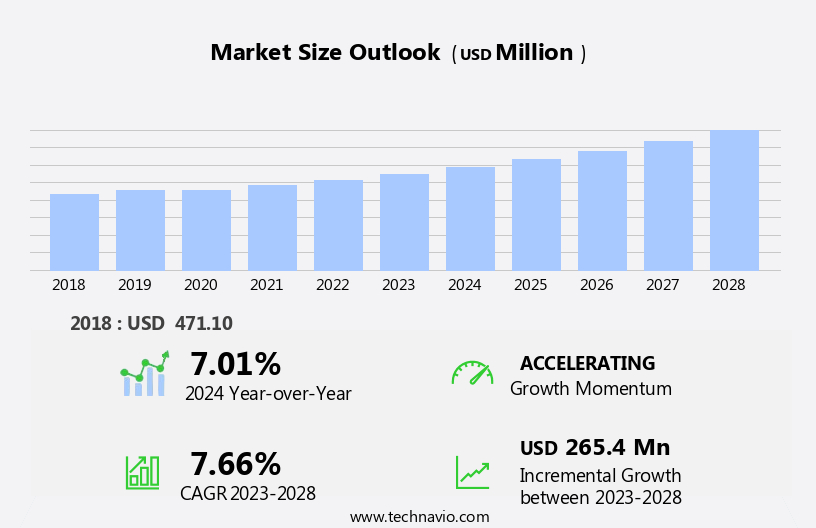
- The market in the US is experiencing significant growth due to the increasing prevalence of infertility and the advancement of technology in the field. Cryopreservation of embryos and ova has become a common practice, driven by the desire for family planning and the improvement of success rates through techniques such as the Embryoscope and laser-assisted hatching. Reproductive tourism, where individuals travel to countries with more lenient regulations or lower costs, is also contributing to market expansion. Emerging economies and surrogacy services are additional growth factors.
- Stress levels and coronavirus infection have led the World Health Organization to prioritize reproductive health, further boosting demand. Millennials, with disposable income and a larger adult population, are a significant demographic driving market activity. Novel technologies, such as preimplantation genetic screening, and the vaccine rollout are expected to continue shaping the dynamic and growing IVF disposables market.
How is this In Vitro Fertilization (IVF) Disposables Industry segmented?
The in vitro fertilization (ivf) disposables industry research report provides comprehensive data (region-wise segment analysis), with forecasts and estimates in "USD million" for the period 2024-2028, as well as historical data from 2018-2022 for the following segments.
- End-user
- Clinics
- Hospitals
- Type
- Petri dishes
- Tubes
- Catheters
- Kits
- Others
- Geography
- North America
- US
- Europe
- Germany
- Spain
- Asia
- China
- Japan
- Rest of World (ROW)
- North America
By End-user Insights
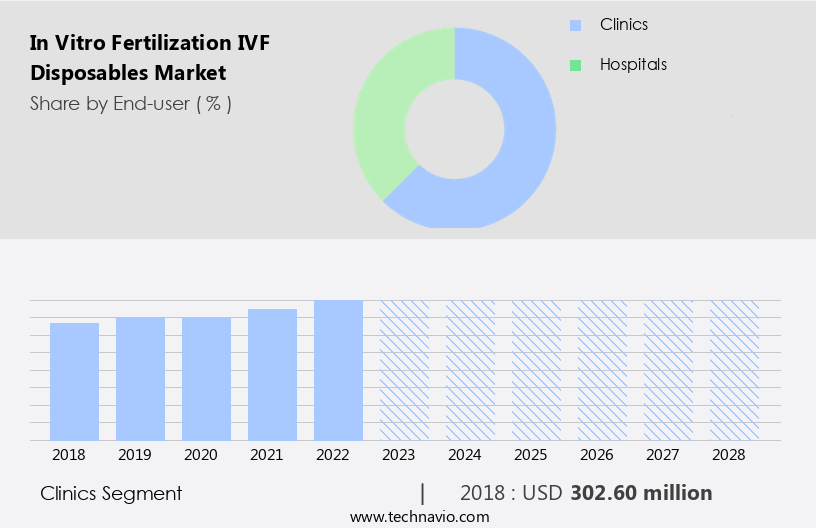
The clinics segment is estimated to witness significant growth during the forecast period.
The market is driven by the increasing number of IVF procedures being carried out in clinics worldwide. The demand for these disposables varies among clinics due to factors such as size, patient volume, geographic location, and treatment approaches. Larger clinics with high patient volumes require a substantial quantity of disposables, including culture dishes, pipettes, catheters, and needles. In IVF laboratories, specific requirements exist for disposables, with some clinics preferring individual culture dishes or multi-well culture plates, while others may have particular preferences for embryo transfer catheters or micropipettes. IVF procedures involve several stages, including ovum processing, fertilization, embryo culture, and embryo transfer.
Disposables play a crucial role in each of these stages. Ovum processing media and semen processing media are essential for the initial stages of IVF. Micromanipulation tools, such as micropipettes and micromanipulators, are used during the fertilization process for oocyte manipulation and sperm injection. Embryo incubators, time-lapse incubators, and imaging systems are vital for the embryo culture stage. Preimplantation genetic screening, laser-assisted hatching, and embryo selection systems are also essential for ensuring the health and viability of the embryos. Cryosystems and cryopreservation media are used for cryopreservation and frozen embryo IVF. Consumer behavior, such as millennials' increasing preference for delayed parenthood and reproductive challenges, is driving the demand for IVF procedures and, consequently, the disposables market.
The recession and healthcare policies also impact the pricing strategies of IVF devices and consumables. Ongoing research and novel technologies continue to emerge, further fueling market growth. In the embryo incubator market, factors such as the prevalence of infertility, technology advancements, and the growing number of fertility clinics and clinical research institutes are contributing to market growth. Underdeveloped economies are also showing an increasing interest in IVF procedures and related disposables due to the availability of affordable options. The IVF devices market includes various types of equipment, such as cabinets, insemination and fertilization systems, and surgical centers. Sperm separation systems, ovum aspiration pumps, and stimulation agents are also part of the reagent and media segment.
The market for IVF devices and consumables is expected to grow significantly in the coming years due to the increasing demand for assisted reproductive technologies and the expanding number of fertility clinics worldwide. The COVID-19 pandemic has had a significant impact on the IVF industry, with many clinics experiencing disruptions in their operations due to lockdowns and travel restrictions. The pandemic has also led to increased interest in fertility tourism, with some patients traveling to countries with more lenient travel restrictions to undergo IVF procedures. Genetic concerns and the availability of surrogacy services are also influencing consumer behavior in the IVF market.
In , the IVF disposables market is a dynamic and growing industry, driven by the increasing number of IVF procedures, consumer behavior, and ongoing research and technological advancements. The market is expected to continue growing in the coming years, with a focus on developing innovative and cost-effective solutions to meet the evolving needs of clinics and patients.
Get a glance at the market report of share of various segments Request Free Sample
The Clinics segment was valued at USD 302.60 million in 2018 and showed a gradual increase during the forecast period.
Regional Analysis
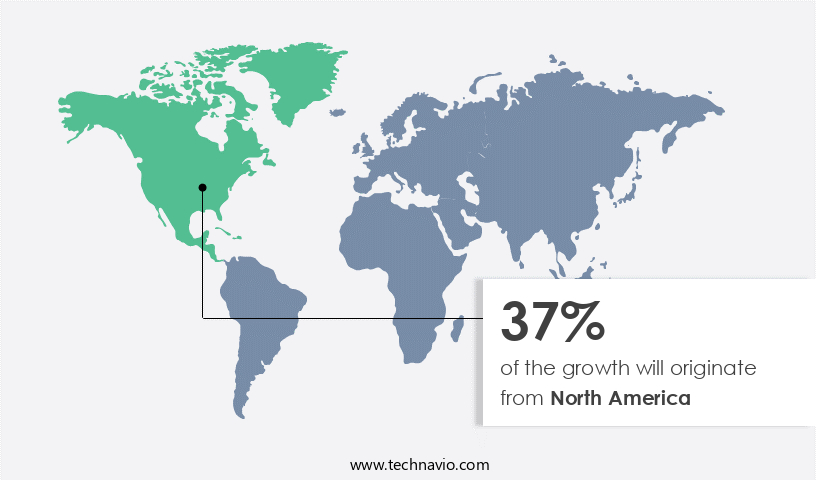
North America is estimated to contribute 37% to the growth of the global market during the forecast period.Technavio’s analysts have elaborately explained the regional trends and drivers that shape the market during the forecast period.
For more insights on the market size of various regions, Request Free Sample
The market is witnessing significant growth due to increasing infertility rates and the subsequent demand for advanced reproductive technologies. Infertility is a global health concern, with the World Health Organization estimating that around 10% of the adult population experiences some form of infertility. In North America, where infertility rates have been rising due to factors such as delayed childbearing, lifestyle changes, and medical conditions, the market for IVF disposables holds the largest share. The region's well-developed healthcare infrastructure, including specialized fertility clinics and assisted reproductive technology centers, caters to the demand for IVF treatments. These centers offer a range of services, from ovum processing and semen analysis to embryo culture, micromanipulation tools, and cryopreservation.
IVF procedures involve various disposables and accessories, such as incubators, ovum processing media, semen processing media, and cryopreservation media. Consumer behavior plays a crucial role in the market, with millennials driving demand for advanced reproductive technologies due to their desire for family planning and delayed parenthood. The market for IVF disposables encompasses various segments, including incubators, embryo culture media, micromanipulation tools, and imaging systems. Ongoing research and development in the field of assisted reproductive technologies are introducing novel technologies, such as time-lapse incubators, embryoscopes, and laser-assisted hatching, which are expected to further boost market growth.
However, economic factors, such as healthcare policies and pricing strategies, can impact market dynamics. For instance, during economic downturns, such as recessions, the affordability of IVF treatments and their associated disposables can become a challenge. Despite these challenges, the market for IVF disposables is expected to continue growing, driven by the increasing prevalence of infertility and the ongoing advancements in assisted reproductive technologies. Additionally, emerging economies are also expected to contribute significantly to market growth due to their rapidly expanding healthcare sectors and increasing awareness of reproductive health issues. In summary, the IVF disposables market is experiencing steady growth due to the rising prevalence of infertility, increasing awareness and acceptance of assisted reproductive technologies, and ongoing advancements in the field.
Despite economic challenges and ethical concerns, the market is expected to continue growing, driven by the demand for advanced reproductive technologies and the desire for family planning.
Market Dynamics
Our researchers analyzed the data with 2023 as the base year, along with the key drivers, trends, and challenges. A holistic analysis of drivers will help companies refine their marketing strategies to gain a competitive advantage.
What are the key market drivers leading to the rise in the adoption of In Vitro Fertilization (IVF) Disposables Industry?
- Growing infertility rates is the key driver of the market.
- The global infertility rate has been on the rise, primarily due to factors such as lifestyle changes, medical conditions, and delayed childbearing. According to the Centers for Disease Control and Prevention (CDC), approximately 6% of married women in the US aged 15-49 have difficulty getting pregnant after a year of trying, and 14% experience impaired fecundity. These issues have led to a significant increase in demand for fertility treatments, including In Vitro Fertilization (IVF). IVF disposables are essential components of this process, ensuring the sterility and functionality of the equipment used.
- The growing need for infertility treatments and the subsequent demand for IVF disposables are major market drivers. With the increasing number of individuals and couples seeking medical assistance for conception or pregnancy-related issues, the IVF disposables market is poised for steady growth.
What are the market trends shaping the In Vitro Fertilization (IVF) Disposables Industry?
- Technological advancements in IVF procedure is the upcoming market trend.
- The market has witnessed significant advancements, leading to enhanced success rates, efficiency, and expanded possibilities in assisted reproductive technologies. Innovations in culture media, embryo transfer catheters, micromanipulation tools, and cryopreservation devices have played a pivotal role in this progress. One notable trend is the adoption of Embryoscope technology, which enables real-time monitoring of embryo development through time-lapse imaging. This technique facilitates the selection of the most viable embryos for transfer, ultimately improving IVF success rates and reducing the occurrence of multiple pregnancies.
- These advancements aim to deliver superior patient outcomes and optimize the overall IVF experience.
What challenges does the In Vitro Fertilization (IVF) Disposables Industry face during its growth?
- High cost and low affordability of IVF disposables is a key challenge affecting the industry growth.
- The IVF disposables market faces a significant challenge due to the high cost of these disposables, which can act as a barrier for patients seeking IVF treatments. The expenses related to IVF disposables, in addition to other treatment costs, can limit market potential and hinder the adoption of IVF procedures. The development of IVF disposables requires extensive research and development efforts to optimize their design, performance, and safety. These costs are ultimately borne by the end-users, leading to high prices for the disposables.
- This price point may negatively impact the growth of the global IVF market during the forecast period. As a , it's important to acknowledge the affordability concerns surrounding IVF disposables and their potential impact on market expansion.
Exclusive Customer Landscape
The in vitro fertilization (ivf) disposables market forecasting report includes the adoption lifecycle of the market, covering from the innovator’s stage to the laggard’s stage. It focuses on adoption rates in different regions based on penetration. Furthermore, the in vitro fertilization (ivf) disposables market report also includes key purchase criteria and drivers of price sensitivity to help companies evaluate and develop their market growth analysis strategies.
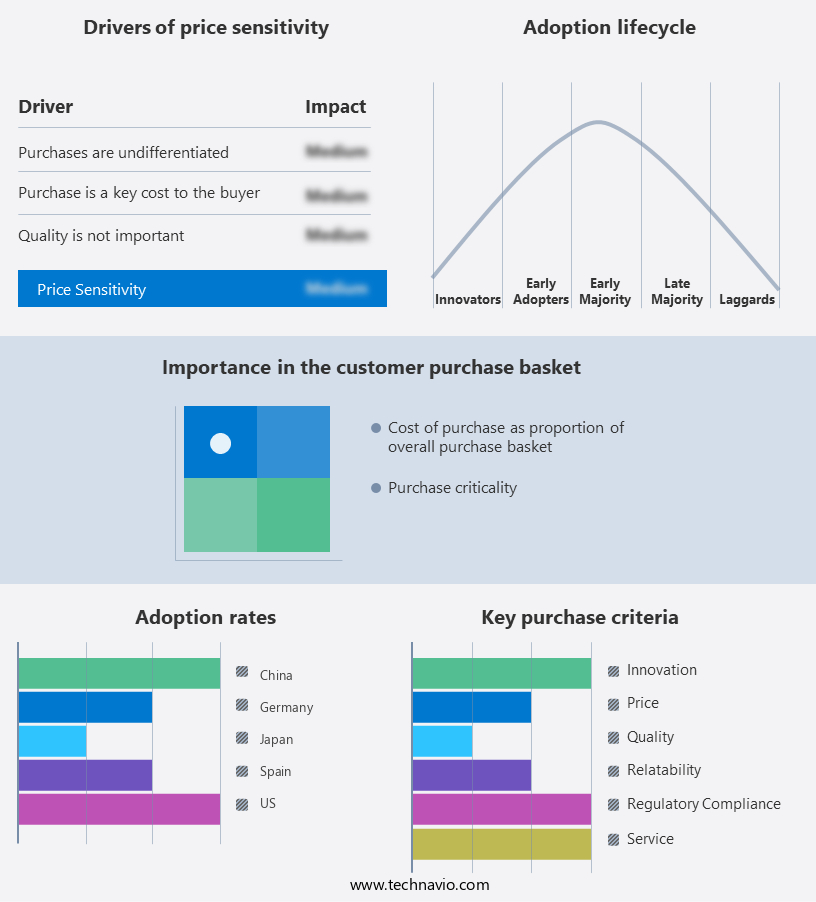
Customer Landscape
Key Companies & Market Insights
Companies are implementing various strategies, such as strategic alliances, in vitro fertilization (ivf) disposables market forecast, partnerships, mergers and acquisitions, geographical expansion, and product/service launches, to enhance their presence in the industry.
BIOPSYBELL Srl - The company specializes in providing advanced IVF disposables, including Preimplantation Genetic Testing for Aneuploidies (PGT-A) and Sex Selection (PGT-M). These technologies enable precise screening and selection of embryos, enhancing the success rate of in vitro fertilization procedures. By utilizing cutting-edge biotechnology, our offerings ensure optimal results for clients worldwide.
The industry research and growth report includes detailed analyses of the competitive landscape of the market and information about key companies, including:
- BIOPSYBELL Srl
- Boston IVF
- CCD Laboratory
- Cook Group Inc.
- Esco Micro Pte. Ltd.
- FUJIFILM Corp.
- Genea Ltd.
- Hamilton Thorne Ltd
- INVO Bioscience Inc.
- KITAZATO Corp.
- LabIVF Asia Pte Ltd.
- Merck KGaA
- NidaCon International AB
- Progyny Inc
- Rocket Medical Plc
- Sysmex Corp.
- Tempest Therapeutics Inc
- The Cooper Companies Inc.
- Thermo Fisher Scientific Inc.
- Vitrolife AB
Qualitative and quantitative analysis of companies has been conducted to help clients understand the wider business environment as well as the strengths and weaknesses of key industry players. Data is qualitatively analyzed to categorize companies as pure play, category-focused, industry-focused, and diversified; it is quantitatively analyzed to categorize companies as dominant, leading, strong, tentative, and weak.
Research Analyst Overview
The market encompasses a wide range of accessories and consumables utilized in the IVF process. These essential items include, but are not limited to, incubators, ovum processing media, semen processing media, micromanipulation tools, and cryosystems. The market for these disposables is driven by the increasing prevalence of infertility and the growing demand for assisted reproductive technologies (ART) among various demographics. The consumer behavior in this market is influenced by several factors. The millennial population, with their desire for delayed parenthood and advanced reproductive technologies, is a significant consumer base. Additionally, advances in technology and ongoing research have led to the development of novel technologies, such as time-lapse incubators and laser-assisted hatching, which have gained popularity among fertility clinics and surgical centers.
The economic climate also plays a role in the market dynamics. In times of recession, healthcare policies and disposable income levels may impact the affordability and accessibility of IVF procedures and related disposables. However, the underdeveloped economies are witnessing a growing trend in reproductive tourism, where individuals travel to countries with more affordable IVF treatments and services. The market for IVF disposables can be segmented into several categories. The equipment segment includes incubators, imaging systems, and micromanipulators. These instruments are crucial in the laboratory setting for embryo culture, selection, and transfer. The reagent and media segment comprises ovum and semen processing media, cryopreservation media, and other essential solutions used in the IVF process.
The IVF procedures themselves present various challenges, such as stress levels, super ovulation, and the need for donor egg IVF. To address these challenges, advanced technologies like embryo selection systems, sperm separation systems, and cryopreservation have been developed. These technologies enable clinics to improve the success rates of IVF procedures and enhance the overall patient experience. The market for IVF disposables is subject to ongoing research and development, with a focus on improving the efficiency, affordability, and accessibility of ART. For instance, there is ongoing research into the development of vaccines to prevent coronavirus infection in embryos and the use of advanced imaging systems for embryo analysis.
In , the IVF disposables market is a dynamic and evolving industry driven by various factors, including consumer behavior, technological advancements, and economic conditions. The market is segmented into several categories, including equipment and reagents, and is subject to ongoing research and development. The market is expected to continue growing as the prevalence of infertility increases and individuals seek advanced reproductive technologies to conceive.
|
Market Scope |
|
|
Report Coverage |
Details |
|
Page number |
165 |
|
Base year |
2023 |
|
Historic period |
2018-2022 |
|
Forecast period |
2024-2028 |
|
Growth momentum & CAGR |
Accelerate at a CAGR of 7.66% |
|
Market growth 2024-2028 |
USD 265.4 million |
|
Market structure |
Fragmented |
|
YoY growth 2023-2024(%) |
7.01 |
|
Key countries |
US, Germany, China, Spain, and Japan |
|
Competitive landscape |
Leading Companies, Market Positioning of Companies, Competitive Strategies, and Industry Risks |
What are the Key Data Covered in this In Vitro Fertilization (IVF) Disposables Market Research and Growth Report?
- CAGR of the In Vitro Fertilization (IVF) Disposables industry during the forecast period
- Detailed information on factors that will drive the growth and forecasting between 2024 and 2028
- Precise estimation of the size of the market and its contribution of the industry in focus to the parent market
- Accurate predictions about upcoming growth and trends and changes in consumer behaviour
- Growth of the market across North America, Europe, Asia, and Rest of World (ROW)
- Thorough analysis of the market’s competitive landscape and detailed information about companies
- Comprehensive analysis of factors that will challenge the in vitro fertilization (ivf) disposables market growth of industry companies
We can help! Our analysts can customize this in vitro fertilization (ivf) disposables market research report to meet your requirements.
 RIA -
RIA - 
