

Maltodextrin and Maltodextrin Syrup Market Analysis North America, Europe, APAC, Middle East and Africa, South America - US, Canada, China, Germany, UK - Size and Forecast 2024-2028

Maltodextrin and Maltodextrin Syrup Market Analysis North America, Europe, APAC, Middle East and Africa, South America - US, Canada, China, Germany, UK - Size and Forecast 2024-2028

Published: Jan 2024 177 Pages SKU: IRTNTR72316

Market Overview at a Glance

$1.33 B
Market Opportunity
5.36%
CAGR
5.26
YoY growth 2023-2024(%)

Maltodextrin and Maltodextrin Syrup Market Size 2024-2028 

The maltodextrin and maltodextrin syrup market size is forecast to increase by USD 1.33 billion at a CAGR of 5.36% between 2023 and 2028.

  • The market is witnessing significant growth due to the numerous industrial applications of maltodextrin. This versatile ingredient is widely used in various industries, including food and beverage, pharmaceuticals, and cosmetics. Additionally, the rising demand for gluten-free food products is driving market growth, as maltodextrin is often used as a replacement for malt and other gluten-containing ingredients. Furthermore, the potential health benefits of maltodextrin, such as its ability to improve nutrient absorption and provide a sustained energy release, are also contributing to its popularity. However, challenges such as the high production cost and the availability of alternative sweeteners may hinder market growth.
  • Overall, the market for maltodextrin and maltodextrin syrup is expected to continue expanding, driven by its wide range of applications and the growing consumer preference for gluten-free and functional food products.

What will be the Size of the Maltodextrin and Maltodextrin Syrup Market During the Forecast Period?
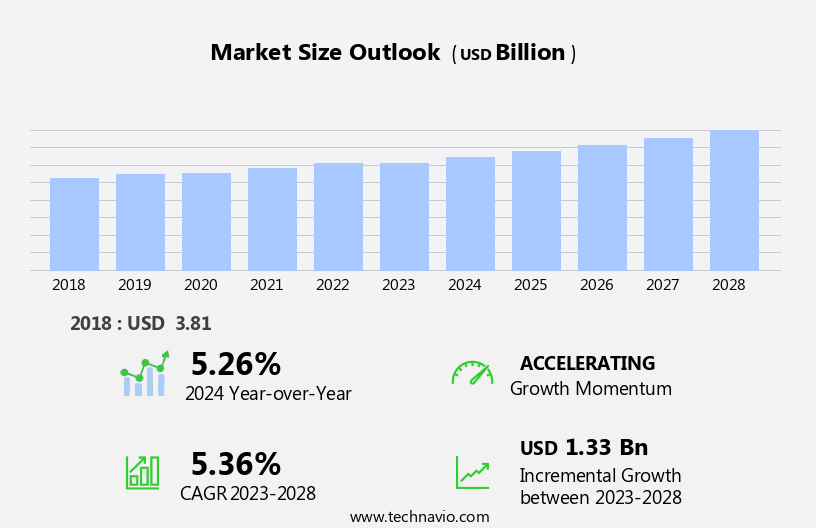
Maltodextrin and Maltodextrin Syrup Market Size

 Request Free Sample

  • The market In the US is experiencing significant growth due to the increasing demand for maltodextrin as a versatile food additive in various industries. Maltodextrin, a complex carbohydrate, is widely used as a bulking agent, sweetener, thickener, and low-calorie alternative in food and beverages. In the food industry, it is commonly used in baked goods, confectionery, and processed foods. In the personal care sector, maltodextrin syrup is utilized in cosmetics as a thickener and in skincare products for its moisturizing properties. Additionally, maltodextrin has applications in paper processing and drug delivery systems. Health-conscious consumers are driving the demand for low-sugar and low-calorie alternatives, further fueling market growth.
  • The trend towards natural and organic products is also influencing the market, as maltodextrin derived from natural sources gains popularity. Overall, the market is expected to continue its growth trajectory In the US due to its wide range of applications and consumer demand for functional and health-conscious products.

How is this Maltodextrin and Maltodextrin Syrup Industry segmented and which is the largest segment?

The maltodextrin and maltodextrin syrup industry research report provides comprehensive data (region-wise segment analysis), with forecasts and estimates in "USD billion" for the period 2024-2028, as well as historical data from 2018-2022 for the following segments.

  • Application
    • Food and beverages
    • Pharmaceuticals
    • Personal care and cosmetics
    • Paper and pulp processing
    • Others
  • Type
    • Dry
    • Liquid
  • Geography
    • North America
      • Canada
      • US
    • Europe
      • Germany
      • UK
    • APAC
      • China
    • Middle East and Africa
      • South America

      By Application Insights

      • The food and beverages segment is estimated to witness significant growth during the forecast period.

      Maltodextrin, a versatile carbohydrate with a dextrose equivalent that influences its physical properties, is extensively used In the food industry. Its functional attributes, including good solubility, bulking agent, binding power, non-hygroscopicity, reduced browning, thickening agent, freezing point control, ease of digestion, and neutral or slightly sweet taste, make it an essential ingredient in various food and beverage applications. Maltodextrin's low osmolality further enhances its appeal as an ideal carbohydrate source for sports drinks, infant formulas, and nutritional products. The growing demand for functional foods and beverages is expected to boost the market for maltodextrin and maltodextrin syrups In the forecast period.

      This carbohydrate source offers numerous benefits, making it an indispensable ingredient In the food and beverage industry.
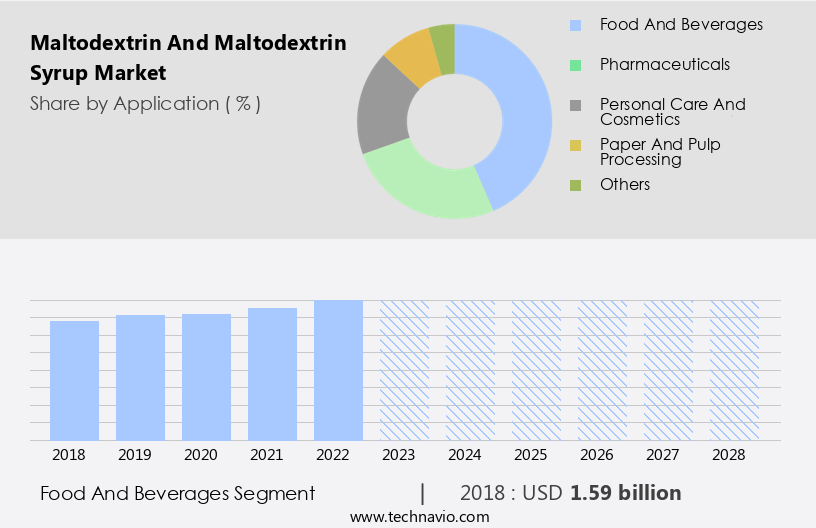
      Maltodextrin and Maltodextrin Syrup Market Size

      Get a glance at the  Maltodextrin and Maltodextrin Syrup Industry report of share of various segments Request Free Sample

      The Food and beverages segment was valued at USD 1.59 billion in 2018 and showed a gradual increase during the forecast period.

      Regional Analysis

      • North America is estimated to contribute 35% to the growth of the global market during the forecast period.

      Technavio’s analysts have elaborately explained the regional trends and drivers that shape the market during the forecast period.
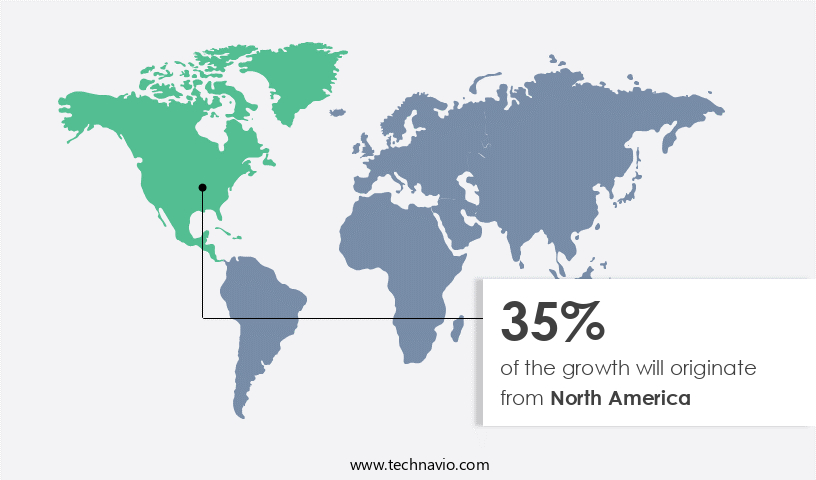
      Maltodextrin and Maltodextrin Syrup Market Share by Geography

      For more insights on the market share of various regions, Request Free Sample

      Maltodextrin is a versatile ingredient widely used in various industries across North America, including food and beverage, pharmaceutical, cosmetic and personal care, and paper. In the US, Canada, and Mexico, maltodextrin is primarily utilized as a sizing and thickening agent, coating bulking agent, binding power, diluent, and viscosity increasing agent. The food and beverage sector is a significant adopter of maltodextrin due to its functional properties and low-calorie and low-sugar alternatives. Maltodextrin is derived from corn, potato, or rice In the US and is regulated under the FDA Code of Federal Regulations (CFR), Section 184. Major contributors to the demand for maltodextrin in North America are the US, Mexico, and Canada.

      Market Dynamics

      Our maltodextrin and maltodextrin syrup market researchers analyzed the data with 2023 as the base year, along with the key drivers, trends, and challenges. A holistic analysis of drivers will help companies refine their marketing strategies to gain a competitive advantage.

      What are the key market drivers leading to the rise In the adoption of Maltodextrin and Maltodextrin Syrup Industry?

      Numerous industrial applications of maltodextrin is the key driver of the market.

      • Maltodextrin, a carbohydrate derived from starch hydrolysis, is a valuable ingredient in various industries due to its multifunctional properties. In the Food and Beverage sector, maltodextrin functions as a bulking agent, sweetener, and thickener. It is commonly found in sports drinks, soups, sauces, and desserts. Notable suppliers of maltodextrin to this industry include Cargill Inc., Tate and Lyle Plc, and Archer Daniels Midland Co. In the Pharmaceutical industry, maltodextrin is utilized as a filler in tablets and capsules. Additionally, it serves as a carrier for drug delivery systems. Key players in this market are Grain Processing Corp. And Roquette Freres SA.
      • Maltodextrin Syrup, a liquid form of maltodextrin, is gaining popularity as a low-calorie and low-sugar alternative In the Food and Beverage industry. It is also used In the Personal Care sector as a thickener in cosmetics and skincare products. Furthermore, maltodextrin is employed in Paper Processing as a binder and coating agent. Health-conscious consumers are increasingly seeking out low-calorie and low-sugar alternatives, driving the demand for maltodextrin and maltodextrin syrup In the Food and Beverage industry. Similarly, the Personal Care sector is witnessing a surge in demand for natural and functional ingredients, leading to an increase In the use of maltodextrin in skincare and cosmetic products.
      • In summary, maltodextrin and maltodextrin syrup are versatile ingredients with wide applications across various industries, including Food and Beverages, Pharmaceuticals, and Personal Care. The growing demand for low-calorie and low-sugar alternatives, as well as the increasing preference for natural and functional ingredients, is expected to fuel the growth of the maltodextrin market In the US.

      What are the market trends shaping the Maltodextrin and Maltodextrin Syrup Industry?

      Rising demand for gluten-free food products is the upcoming market trend.

      • Maltodextrin is a versatile carbohydrate derived from starch sources like corn, rice, and potatoes. In the food and beverage industry, it is widely used as a functional ingredient, particularly in gluten-free formulations. As a tasteless and texturally neutral substance, maltodextrin acts as a crucial stabilizer, thickener, and bulking agent. Its application extends to various gluten-free products, including sauces, baked goods, and snacks. With the increasing health consciousness among consumers, there is a growing demand for low-calorie and low-sugar alternatives. Maltodextrin syrup, a liquid form of maltodextrin, offers benefits as a sweetener and soluble dietary fiber. Beyond food and beverages, maltodextrin finds applications in paper processing and personal care industries.
      • In cosmetics, it functions as a thickener and improves the texture of various skincare products. In drug delivery systems, it serves as a carrier for active pharmaceutical ingredients. Manufacturers continue to explore the potential of maltodextrin as a functional ingredient to enhance the overall quality and sensory aspects of their products, catering to the evolving consumer preferences.

      What challenges does the Maltodextrin and Maltodextrin Syrup Industry face during its growth?

      Potential health effects of maltodextrin is a key challenge affecting the industry growth.

      • Maltodextrin, a versatile carbohydrate additive, is widely used in various industries, including Food and Beverages, Personal Care, and Paper Processing. The Food and Beverages sector is the largest consumer of maltodextrin, where it functions as a bulking agent, sweetener, and thickener. In the Personal Care industry, maltodextrin syrup is employed in cosmetics due to its ability to improve texture and stability. Maltodextrin, a food additive, is approved by regulatory bodies like the European Food Safety Authority (EFSA) and the US Food and Drug Administration (FDA). However, its impact on health varies based on individual tolerance, dietary context, and consumption levels.
      • Maltodextrin has a high glycemic index, leading to a quick rise in blood sugar levels, which may not be suitable for people with diabetes or insulin resistance. On the other hand, athletes and those seeking quick energy may find this feature beneficial. Digestive sensitivity is another factor affecting the use of maltodextrin. Some individuals may experience gas, bloating, or stomach discomfort after ingesting it. Health-conscious consumers are increasingly seeking low-calorie and low-sugar alternatives, which may limit the demand for maltodextrin in certain applications. However, its role in drug delivery systems and skincare products continues to expand, offering growth opportunities In the market.

      Exclusive Customer Landscape

      The maltodextrin and maltodextrin syrup market forecasting report includes the adoption lifecycle of the market, covering from the innovator’s stage to the laggard’s stage. It focuses on adoption rates in different regions based on penetration. Furthermore, the maltodextrin and maltodextrin syrup market report also includes key purchase criteria and drivers of price sensitivity to help companies evaluate and develop their market growth analysis strategies.
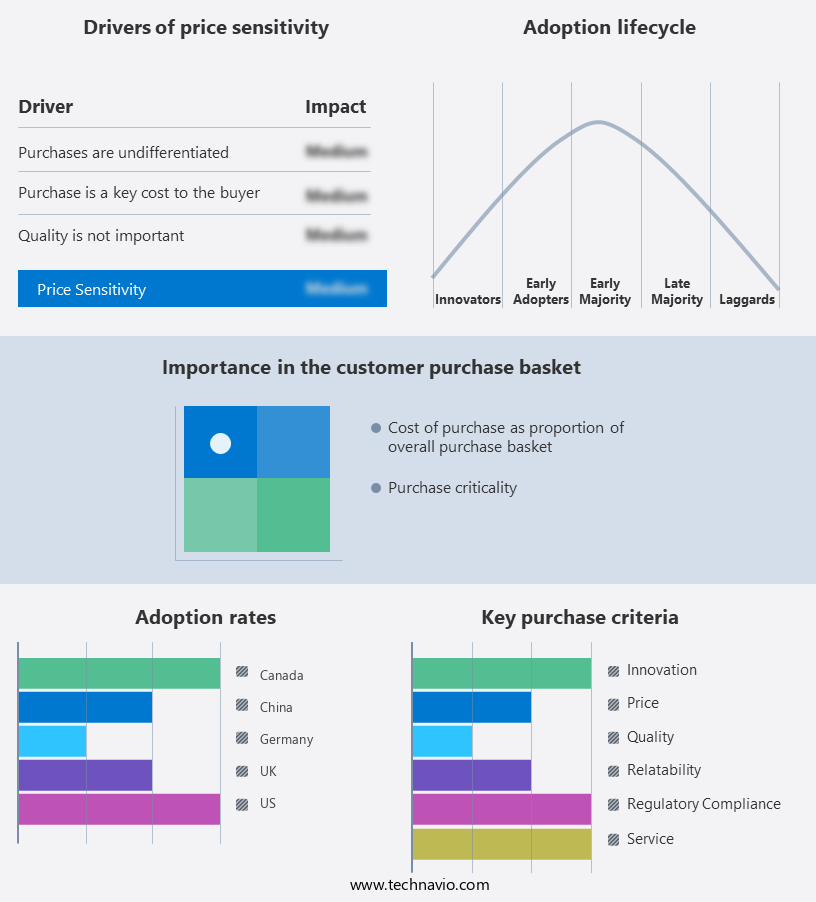
      Maltodextrin and Maltodextrin Syrup Market Share by Geography

       Customer Landscape

      Key Companies & Market Insights

      Companies are implementing various strategies, such as strategic alliances, maltodextrin and maltodextrin syrup market forecast, partnerships, mergers and acquisitions, geographical expansion, and product/service launches, to enhance their presence In the industry.

      AGRANA BEteilgungs AG - Our company provides top-tier maltodextrin and maltodextrin syrup solutions for the US market. Notable offerings include Agenamalt and Agenanova. Maltodextrin, a glucose polymer, is a popular carbohydrate source due to its rapid energy release and ease of digestion. Maltodextrin syrup, a liquid form of maltodextrin, offers added convenience for various applications. These products cater to diverse industries, including food and beverage, pharmaceuticals, and sports nutrition. Our commitment to quality and innovation ensures that we deliver superior maltodextrin and maltodextrin syrup solutions to meet the unique needs of our clients.

      The industry research and growth report includes detailed analyses of the competitive landscape of the market and information about key companies, including:

      • AGRANA BEteilgungs AG
      • Archer Daniels Midland Co.
      • Azelis SA
      • Bluecraft Agro Pvt. Ltd.
      • Cargill Inc.
      • Grain Processing Corp.
      • Gujarat Ambuja Exports Ltd.
      • Gulshan Polyols Ltd.
      • Ingredion Inc.
      • Kent Corp.
      • Lifeasible
      • Matsutani Chemical Industry Co. Ltd.
      • Merck KGaA
      • PPZ NOWAMYL S.A.
      • Pruthvis Foods Pvt Ltd.
      • Roquette Freres SA
      • Sanstar Bio Polymers Ltd.
      • Santa Cruz Biotechnology Inc.
      • Tate and Lyle PLC
      • Tereos Participations

      Qualitative and quantitative analysis of companies has been conducted to help clients understand the wider business environment as well as the strengths and weaknesses of key industry players. Data is qualitatively analyzed to categorize companies as pure play, category-focused, industry-focused, and diversified; it is quantitatively analyzed to categorize companies as dominant, leading, strong, tentative, and weak.

      Research Analyst Overview

      Maltodextrin Syrup: A Versatile Food Additive and Industrial Ingredient Maltodextrin syrup, a starch hydrolysate derived from corn, rice, potato, or wheat, has gained significant popularity in various industries due to its unique properties. This colorless, odorless, and sweet-tasting liquid is a valuable addition to numerous applications, including food and beverages, personal care, and paper processing. Maltodextrin syrup is a multifunctional ingredient In the food and beverage sector. It serves as a bulking agent, sweetener, and thickener, making it an ideal choice for formulating low-calorie and low-sugar alternatives. Its high solubility and low viscosity enable manufacturers to create beverages with excellent mouthfeel and texture.

      Furthermore, maltodextrin syrup's ability to mask bitter tastes makes it an essential component In the production of functional foods and nutritional supplements. In the personal care industry, maltodextrin syrup finds extensive use as a thickener and humectant in various cosmetics and skincare products. Its ability to absorb and retain moisture helps maintaIn the desired consistency and texture of these products. Additionally, its low viscosity and ease of use make it a preferred choice for drug delivery systems, enabling the development of advanced topical treatments. Maltodextrin syrup's applications extend beyond food and personal care industries. In paper processing, it is used as a coating agent to improve the printability and appearance of paper products.

      Its ability to form a thin, uniform film on paper surfaces enhances the bonding of inks and coatings, ensuring superior print quality. Health-conscious consumers' increasing demand for natural, low-calorie, and low-sugar alternatives has fueled the growth of the maltodextrin syrup market. Manufacturers are constantly innovating to cater to this trend by developing new products that offer the benefits of maltodextrin syrup while adhering to consumers' preferences. In conclusion, maltodextrin syrup is a versatile and indispensable ingredient in various industries. Its unique properties, including high solubility, low viscosity, and ability to mask bitter tastes, make it an essential component in food and beverage, personal care, and paper processing applications.

      The growing demand for natural, low-calorie, and low-sugar alternatives is expected to further boost the market growth for maltodextrin syrup.

      Maltodextrin and Maltodextrin Syrup Market Scope

      Report Coverage

      Details

      Page number

      177

      Base year

      2023

      Historic period

      2018-2022

      Forecast period

      2024-2028

      Growth momentum & CAGR

      Accelerate at a CAGR of 5.36%

      Market growth 2024-2028

      USD 1.33 billion

      Market structure

      Fragmented

      YoY growth 2023-2024(%)

      5.26

      Key countries

      US, Canada, China, Germany, and UK

      Competitive landscape

      Leading Companies, Market Positioning of Companies, Competitive Strategies, and Industry Risks

      Request Free Sample

      What are the Key Data Covered in this Maltodextrin and Maltodextrin Syrup Market Research and Growth Report?

      • CAGR of the Maltodextrin and Maltodextrin Syrup industry during the forecast period
      • Detailed information on factors that will drive the Maltodextrin and Maltodextrin Syrup growth and forecasting between 2024 and 2028
      • Precise estimation of the size of the market and its contribution of the industry in focus to the parent market
      • Accurate predictions about upcoming growth and trends and changes in consumer behaviour
      • Growth of the market across North America, Europe, APAC, Middle East and Africa, and South America
      • Thorough analysis of the market’s competitive landscape and detailed information about companies
      • Comprehensive analysis of factors that will challenge the maltodextrin and maltodextrin syrup market growth of industry companies

      We can help! Our analysts can customize this maltodextrin and maltodextrin syrup market research report to meet your requirements.

      Get in touch


      1 Executive Summary

      • 1.1 Market overview
        • Exhibit 01: Executive Summary – Chart on Market Overview
        • Exhibit 02: Executive Summary – Data Table on Market Overview
        • Exhibit 03: Executive Summary – Chart on Global Market Characteristics
        • Exhibit 04: Executive Summary – Chart on Market by Geography
        • Exhibit 05: Executive Summary – Chart on Market Segmentation by Application
        • Exhibit 06: Executive Summary – Chart on Market Segmentation by Type
        • Exhibit 07: Executive Summary – Chart on Incremental Growth
        • Exhibit 08: Executive Summary – Data Table on Incremental Growth
        • Exhibit 09: Executive Summary – Chart on Vendor Market Positioning

      2 Market Landscape

      • 2.1 Market ecosystem
        • Exhibit 10: Parent market
        • Exhibit 11: Market Characteristics

      3 Market Sizing

      • 3.1 Market definition
        • Exhibit 12: Offerings of vendors included in the market definition
      • 3.2 Market segment analysis
        • Exhibit 13: Market segments
      • 3.3 Market size 2023
        • 3.4 Market outlook: Forecast for 2023-2028
          • Exhibit 14: Chart on Global - Market size and forecast 2023-2028 ($ billion)
          • Exhibit 15: Data Table on Global - Market size and forecast 2023-2028 ($ billion)
          • Exhibit 16: Chart on Global Market: Year-over-year growth 2023-2028 (%)
          • Exhibit 17: Data Table on Global Market: Year-over-year growth 2023-2028 (%)

        4 Historic Market Size

        • 4.1 Global maltodextrin and maltodextrin syrup market 2018 - 2022
          • Exhibit 18: Historic Market Size – Data Table on global maltodextrin and maltodextrin syrup market 2018 - 2022 ($ billion)
        • 4.2 Application Segment Analysis 2018 - 2022
          • Exhibit 19: Historic Market Size – Application Segment 2018 - 2022 ($ billion)
        • 4.3 Type Segment Analysis 2018 - 2022
          • Exhibit 20: Historic Market Size – Type Segment 2018 - 2022 ($ billion)
        • 4.4 Geography Segment Analysis 2018 - 2022
          • Exhibit 21: Historic Market Size – Geography Segment 2018 - 2022 ($ billion)
        • 4.5 Country Segment Analysis 2018 - 2022
          • Exhibit 22: Historic Market Size – Country Segment 2018 - 2022 ($ billion)

        5 Five Forces Analysis

        • 5.1 Five forces summary
          • Exhibit 23: Five forces analysis - Comparison between 2023 and 2028
        • 5.2 Bargaining power of buyers
          • Exhibit 24: Chart on Bargaining power of buyers – Impact of key factors 2023 and 2028
        • 5.3 Bargaining power of suppliers
          • Exhibit 25: Bargaining power of suppliers – Impact of key factors in 2023 and 2028
        • 5.4 Threat of new entrants
          • Exhibit 26: Threat of new entrants – Impact of key factors in 2023 and 2028
        • 5.5 Threat of substitutes
          • Exhibit 27: Threat of substitutes – Impact of key factors in 2023 and 2028
        • 5.6 Threat of rivalry
          • Exhibit 28: Threat of rivalry – Impact of key factors in 2023 and 2028
        • 5.7 Market condition
          • Exhibit 29: Chart on Market condition - Five forces 2023 and 2028

        6 Market Segmentation by Application

        • 6.1 Market segments
          • Exhibit 30: Chart on Application - Market share 2023-2028 (%)
          • Exhibit 31: Data Table on Application - Market share 2023-2028 (%)
        • 6.2 Comparison by Application
          • Exhibit 32: Chart on Comparison by Application
          • Exhibit 33: Data Table on Comparison by Application
        • 6.3 Food and beverages - Market size and forecast 2023-2028
          • Exhibit 34: Chart on Food and beverages - Market size and forecast 2023-2028 ($ billion)
          • Exhibit 35: Data Table on Food and beverages - Market size and forecast 2023-2028 ($ billion)
          • Exhibit 36: Chart on Food and beverages - Year-over-year growth 2023-2028 (%)
          • Exhibit 37: Data Table on Food and beverages - Year-over-year growth 2023-2028 (%)
        • 6.4 Pharmaceuticals - Market size and forecast 2023-2028
          • Exhibit 38: Chart on Pharmaceuticals - Market size and forecast 2023-2028 ($ billion)
          • Exhibit 39: Data Table on Pharmaceuticals - Market size and forecast 2023-2028 ($ billion)
          • Exhibit 40: Chart on Pharmaceuticals - Year-over-year growth 2023-2028 (%)
          • Exhibit 41: Data Table on Pharmaceuticals - Year-over-year growth 2023-2028 (%)
        • 6.5 Personal care and cosmetics - Market size and forecast 2023-2028
          • Exhibit 42: Chart on Personal care and cosmetics - Market size and forecast 2023-2028 ($ billion)
          • Exhibit 43: Data Table on Personal care and cosmetics - Market size and forecast 2023-2028 ($ billion)
          • Exhibit 44: Chart on Personal care and cosmetics - Year-over-year growth 2023-2028 (%)
          • Exhibit 45: Data Table on Personal care and cosmetics - Year-over-year growth 2023-2028 (%)
        • 6.6 Paper and pulp processing - Market size and forecast 2023-2028
          • Exhibit 46: Chart on Paper and pulp processing - Market size and forecast 2023-2028 ($ billion)
          • Exhibit 47: Data Table on Paper and pulp processing - Market size and forecast 2023-2028 ($ billion)
          • Exhibit 48: Chart on Paper and pulp processing - Year-over-year growth 2023-2028 (%)
          • Exhibit 49: Data Table on Paper and pulp processing - Year-over-year growth 2023-2028 (%)
        • 6.7 Others - Market size and forecast 2023-2028
          • Exhibit 50: Chart on Others - Market size and forecast 2023-2028 ($ billion)
          • Exhibit 51: Data Table on Others - Market size and forecast 2023-2028 ($ billion)
          • Exhibit 52: Chart on Others - Year-over-year growth 2023-2028 (%)
          • Exhibit 53: Data Table on Others - Year-over-year growth 2023-2028 (%)
        • 6.8 Market opportunity by Application
          • Exhibit 54: Market opportunity by Application ($ billion)
          • Exhibit 55: Data Table on Market opportunity by Application ($ billion)

        7 Market Segmentation by Type

        • 7.1 Market segments
          • Exhibit 56: Chart on Type - Market share 2023-2028 (%)
          • Exhibit 57: Data Table on Type - Market share 2023-2028 (%)
        • 7.2 Comparison by Type
          • Exhibit 58: Chart on Comparison by Type
          • Exhibit 59: Data Table on Comparison by Type
        • 7.3 Dry - Market size and forecast 2023-2028
          • Exhibit 60: Chart on Dry - Market size and forecast 2023-2028 ($ billion)
          • Exhibit 61: Data Table on Dry - Market size and forecast 2023-2028 ($ billion)
          • Exhibit 62: Chart on Dry - Year-over-year growth 2023-2028 (%)
          • Exhibit 63: Data Table on Dry - Year-over-year growth 2023-2028 (%)
        • 7.4 Liquid - Market size and forecast 2023-2028
          • Exhibit 64: Chart on Liquid - Market size and forecast 2023-2028 ($ billion)
          • Exhibit 65: Data Table on Liquid - Market size and forecast 2023-2028 ($ billion)
          • Exhibit 66: Chart on Liquid - Year-over-year growth 2023-2028 (%)
          • Exhibit 67: Data Table on Liquid - Year-over-year growth 2023-2028 (%)
        • 7.5 Market opportunity by Type
          • Exhibit 68: Market opportunity by Type ($ billion)
          • Exhibit 69: Data Table on Market opportunity by Type ($ billion)

        8 Customer Landscape

        • 8.1 Customer landscape overview
          • Exhibit 70: Analysis of price sensitivity, lifecycle, customer purchase basket, adoption rates, and purchase criteria

        9 Geographic Landscape

        • 9.1 Geographic segmentation
          • Exhibit 71: Chart on Market share by geography 2023-2028 (%)
          • Exhibit 72: Data Table on Market share by geography 2023-2028 (%)
        • 9.2 Geographic comparison
          • Exhibit 73: Chart on Geographic comparison
          • Exhibit 74: Data Table on Geographic comparison
        • 9.3 North America - Market size and forecast 2023-2028
          • Exhibit 75: Chart on North America - Market size and forecast 2023-2028 ($ billion)
          • Exhibit 76: Data Table on North America - Market size and forecast 2023-2028 ($ billion)
          • Exhibit 77: Chart on North America - Year-over-year growth 2023-2028 (%)
          • Exhibit 78: Data Table on North America - Year-over-year growth 2023-2028 (%)
        • 9.4 Europe - Market size and forecast 2023-2028
          • Exhibit 79: Chart on Europe - Market size and forecast 2023-2028 ($ billion)
          • Exhibit 80: Data Table on Europe - Market size and forecast 2023-2028 ($ billion)
          • Exhibit 81: Chart on Europe - Year-over-year growth 2023-2028 (%)
          • Exhibit 82: Data Table on Europe - Year-over-year growth 2023-2028 (%)
        • 9.5 APAC - Market size and forecast 2023-2028
          • Exhibit 83: Chart on APAC - Market size and forecast 2023-2028 ($ billion)
          • Exhibit 84: Data Table on APAC - Market size and forecast 2023-2028 ($ billion)
          • Exhibit 85: Chart on APAC - Year-over-year growth 2023-2028 (%)
          • Exhibit 86: Data Table on APAC - Year-over-year growth 2023-2028 (%)
        • 9.6 Middle East and Africa - Market size and forecast 2023-2028
          • Exhibit 87: Chart on Middle East and Africa - Market size and forecast 2023-2028 ($ billion)
          • Exhibit 88: Data Table on Middle East and Africa - Market size and forecast 2023-2028 ($ billion)
          • Exhibit 89: Chart on Middle East and Africa - Year-over-year growth 2023-2028 (%)
          • Exhibit 90: Data Table on Middle East and Africa - Year-over-year growth 2023-2028 (%)
        • 9.7 South America - Market size and forecast 2023-2028
          • Exhibit 91: Chart on South America - Market size and forecast 2023-2028 ($ billion)
          • Exhibit 92: Data Table on South America - Market size and forecast 2023-2028 ($ billion)
          • Exhibit 93: Chart on South America - Year-over-year growth 2023-2028 (%)
          • Exhibit 94: Data Table on South America - Year-over-year growth 2023-2028 (%)
        • 9.8 US - Market size and forecast 2023-2028
          • Exhibit 95: Chart on US - Market size and forecast 2023-2028 ($ billion)
          • Exhibit 96: Data Table on US - Market size and forecast 2023-2028 ($ billion)
          • Exhibit 97: Chart on US - Year-over-year growth 2023-2028 (%)
          • Exhibit 98: Data Table on US - Year-over-year growth 2023-2028 (%)
        • 9.9 China - Market size and forecast 2023-2028
          • Exhibit 99: Chart on China - Market size and forecast 2023-2028 ($ billion)
          • Exhibit 100: Data Table on China - Market size and forecast 2023-2028 ($ billion)
          • Exhibit 101: Chart on China - Year-over-year growth 2023-2028 (%)
          • Exhibit 102: Data Table on China - Year-over-year growth 2023-2028 (%)
        • 9.10 Germany - Market size and forecast 2023-2028
          • Exhibit 103: Chart on Germany - Market size and forecast 2023-2028 ($ billion)
          • Exhibit 104: Data Table on Germany - Market size and forecast 2023-2028 ($ billion)
          • Exhibit 105: Chart on Germany - Year-over-year growth 2023-2028 (%)
          • Exhibit 106: Data Table on Germany - Year-over-year growth 2023-2028 (%)
        • 9.11 UK - Market size and forecast 2023-2028
          • Exhibit 107: Chart on UK - Market size and forecast 2023-2028 ($ billion)
          • Exhibit 108: Data Table on UK - Market size and forecast 2023-2028 ($ billion)
          • Exhibit 109: Chart on UK - Year-over-year growth 2023-2028 (%)
          • Exhibit 110: Data Table on UK - Year-over-year growth 2023-2028 (%)
        • 9.12 Canada - Market size and forecast 2023-2028
          • Exhibit 111: Chart on Canada - Market size and forecast 2023-2028 ($ billion)
          • Exhibit 112: Data Table on Canada - Market size and forecast 2023-2028 ($ billion)
          • Exhibit 113: Chart on Canada - Year-over-year growth 2023-2028 (%)
          • Exhibit 114: Data Table on Canada - Year-over-year growth 2023-2028 (%)
        • 9.13 Market opportunity by geography
          • Exhibit 115: Market opportunity by geography ($ billion)
          • Exhibit 116: Data Tables on Market opportunity by geography ($ billion)

        10 Drivers, Challenges, and Trends

        • 10.1 Market drivers
          • 10.2 Market challenges
            • 10.3 Impact of drivers and challenges
              • Exhibit 117: Impact of drivers and challenges in 2023 and 2028
            • 10.4 Market trends

              11 Vendor Landscape

              • 11.1 Overview
                • 11.2 Vendor landscape
                  • Exhibit 118: Overview on Criticality of inputs and Factors of differentiation
                • 11.3 Landscape disruption
                  • Exhibit 119: Overview on factors of disruption
                • 11.4 Industry risks
                  • Exhibit 120: Impact of key risks on business

                12 Vendor Analysis

                • 12.1 Vendors covered
                  • Exhibit 121: Vendors covered
                • 12.2 Market positioning of vendors
                  • Exhibit 122: Matrix on vendor position and classification
                • 12.3 AGRANA BEteilgungs AG
                  • Exhibit 123: AGRANA BEteilgungs AG - Overview
                  • Exhibit 124: AGRANA BEteilgungs AG - Business segments
                  • Exhibit 125: AGRANA BEteilgungs AG - Key offerings
                  • Exhibit 126: AGRANA BEteilgungs AG - Segment focus
                • 12.4 Archer Daniels Midland Co.
                  • Exhibit 127: Archer Daniels Midland Co. - Overview
                  • Exhibit 128: Archer Daniels Midland Co. - Business segments
                  • Exhibit 129: Archer Daniels Midland Co. - Key offerings
                  • Exhibit 130: Archer Daniels Midland Co. - Segment focus
                • 12.5 Azelis SA
                  • Exhibit 131: Azelis SA - Overview
                  • Exhibit 132: Azelis SA - Product / Service
                  • Exhibit 133: Azelis SA - Key offerings
                • 12.6 Cargill Inc.
                  • Exhibit 134: Cargill Inc. - Overview
                  • Exhibit 135: Cargill Inc. - Product / Service
                  • Exhibit 136: Cargill Inc. - Key news
                  • Exhibit 137: Cargill Inc. - Key offerings
                • 12.7 Grain Processing Corp.
                  • Exhibit 138: Grain Processing Corp. - Overview
                  • Exhibit 139: Grain Processing Corp. - Product / Service
                  • Exhibit 140: Grain Processing Corp. - Key offerings
                • 12.8 Gujarat Ambuja Exports Ltd.
                  • Exhibit 141: Gujarat Ambuja Exports Ltd. - Overview
                  • Exhibit 142: Gujarat Ambuja Exports Ltd. - Business segments
                  • Exhibit 143: Gujarat Ambuja Exports Ltd. - Key offerings
                  • Exhibit 144: Gujarat Ambuja Exports Ltd. - Segment focus
                • 12.9 Gulshan Polyols Ltd.
                  • Exhibit 145: Gulshan Polyols Ltd. - Overview
                  • Exhibit 146: Gulshan Polyols Ltd. - Business segments
                  • Exhibit 147: Gulshan Polyols Ltd. - Key offerings
                  • Exhibit 148: Gulshan Polyols Ltd. - Segment focus
                • 12.10 Ingredion Inc.
                  • Exhibit 149: Ingredion Inc. - Overview
                  • Exhibit 150: Ingredion Inc. - Business segments
                  • Exhibit 151: Ingredion Inc. - Key news
                  • Exhibit 152: Ingredion Inc. - Key offerings
                  • Exhibit 153: Ingredion Inc. - Segment focus
                • 12.11 Kent Corp.
                  • Exhibit 154: Kent Corp. - Overview
                  • Exhibit 155: Kent Corp. - Product / Service
                  • Exhibit 156: Kent Corp. - Key offerings
                • 12.12 Matsutani Chemical Industry Co. Ltd.
                  • Exhibit 157: Matsutani Chemical Industry Co. Ltd. - Overview
                  • Exhibit 158: Matsutani Chemical Industry Co. Ltd. - Product / Service
                  • Exhibit 159: Matsutani Chemical Industry Co. Ltd. - Key offerings
                • 12.13 PPZ NOWAMYL S.A.
                  • Exhibit 160: PPZ NOWAMYL S.A. - Overview
                  • Exhibit 161: PPZ NOWAMYL S.A. - Product / Service
                  • Exhibit 162: PPZ NOWAMYL S.A. - Key offerings
                • 12.14 Roquette Freres SA
                  • Exhibit 163: Roquette Freres SA - Overview
                  • Exhibit 164: Roquette Freres SA - Product / Service
                  • Exhibit 165: Roquette Freres SA - Key offerings
                • 12.15 Santa Cruz Biotechnology Inc.
                  • Exhibit 166: Santa Cruz Biotechnology Inc. - Overview
                  • Exhibit 167: Santa Cruz Biotechnology Inc. - Product / Service
                  • Exhibit 168: Santa Cruz Biotechnology Inc. - Key offerings
                • 12.16 Tate and Lyle PLC
                  • Exhibit 169: Tate and Lyle PLC - Overview
                  • Exhibit 170: Tate and Lyle PLC - Business segments
                  • Exhibit 171: Tate and Lyle PLC - Key news
                  • Exhibit 172: Tate and Lyle PLC - Key offerings
                  • Exhibit 173: Tate and Lyle PLC - Segment focus
                • 12.17 Tereos Participations
                  • Exhibit 174: Tereos Participations - Overview
                  • Exhibit 175: Tereos Participations - Product / Service
                  • Exhibit 176: Tereos Participations - Key offerings

                13 Appendix

                • 13.1 Scope of the report
                  • 13.2 Inclusions and exclusions checklist
                    • Exhibit 177: Inclusions checklist
                    • Exhibit 178: Exclusions checklist
                  • 13.3 Currency conversion rates for US$
                    • Exhibit 179: Currency conversion rates for US$
                  • 13.4 Research methodology
                    • Exhibit 180: Research methodology
                    • Exhibit 181: Validation techniques employed for market sizing
                    • Exhibit 182: Information sources
                  • 13.5 List of abbreviations
                    • Exhibit 183: List of abbreviations

                  Research Methodology

                  Technavio presents a detailed picture of the market by way of study, synthesis, and summation of data from multiple sources. The analysts have presented the various facets of the market with a particular focus on identifying the key industry influencers. The data thus presented is comprehensive, reliable, and the result of extensive research, both primary and secondary.

                  INFORMATION SOURCES

                  Primary sources

                  • Manufacturers and suppliers
                  • Channel partners
                  • Industry experts
                  • Strategic decision makers

                  Secondary sources

                  • Industry journals and periodicals
                  • Government data
                  • Financial reports of key industry players
                  • Historical data
                  • Press releases

                  DATA ANALYSIS

                  Data Synthesis

                  • Collation of data
                  • Estimation of key figures
                  • Analysis of derived insights

                  Data Validation

                  • Triangulation with data models
                  • Reference against proprietary databases
                  • Corroboration with industry experts

                  REPORT WRITING

                  Qualitative

                  • Market drivers
                  • Market challenges
                  • Market trends
                  • Five forces analysis

                  Quantitative

                  • Market size and forecast
                  • Market segmentation
                  • Geographical insights
                  • Competitive landscape

                  Interested in this report?

                  Get your sample now to see our research methodology and insights!

                  Download Now

                  Frequently Asked Questions

                  Maltodextrin and Maltodextrin Syrup market growth will increase by $ 1.33 bn during 2024-2028.

                  The Maltodextrin and Maltodextrin Syrup market is expected to grow at a CAGR of 5.36% during 2024-2028.

                  Maltodextrin and Maltodextrin Syrup market is segmented by Application( Food and beverages, Pharmaceuticals, Personal care and cosmetics, Paper and pulp processing, Others) Type( Dry, Liquid, APAC, MEA, South America)

                  AGRANA BEteilgungs AG, Archer Daniels Midland Co., Azelis SA, Bluecraft Agro Pvt. Ltd., Cargill Inc., Grain Processing Corp., Gujarat Ambuja Exports Ltd., Gulshan Polyols Ltd., Ingredion Inc., Kent Corp., Lifeasible, Matsutani Chemical Industry Co. Ltd., Merck KGaA, PPZ NOWAMYL S.A., Pruthvis Foods Pvt Ltd., Roquette Freres SA, Sanstar Bio Polymers Ltd., Santa Cruz Biotechnology Inc., Tate and Lyle PLC, Tereos Participations are a few of the key vendors in the Maltodextrin and Maltodextrin Syrup market.

                  North America will register the highest growth rate of 35% among the other regions. Therefore, the Maltodextrin and Maltodextrin Syrup market in North America is expected to garner significant business opportunities for the vendors during the forecast period.

                  US, Canada, China, Germany, UK

                  • Numerous industrial applications of maltodextrinMaltodextrin is the driving factor this market.
                  • a versatile carbohydrate is the driving factor this market.
                  • finds extensive applications across diverse industries. Food and Beverage: Maltodextrin is used in a variety of food and beverage products as a filler is the driving factor this market.
                  • stabilizer is the driving factor this market.
                  • and thickening agent. It's frequently used in sports drinks is the driving factor this market.
                  • soups is the driving factor this market.
                  • sauces is the driving factor this market.
                  • and desserts. Suppliers of maltodextrin to the food industry include Cargill Inc. is the driving factor this market.
                  • Tate and Lyle Plc is the driving factor this market.
                  • and Archer Daniels Midland Co. Pharmaceuticals: Because of its binding qualities is the driving factor this market.
                  • maltodextrin is used as a filler in tablets and capsules in the pharmaceutical industry. Moreover is the driving factor this market.
                  • it can act as a carrier for medication delivery systems. Grain Processing Corp. and Roquette Freres SA are two important suppliers in this market. Cosmetics: Due to its absorbent qualities is the driving factor this market.
                  • maltodextrin is used in cosmetics. It is applicable to powder-based products such as dry shampoos and face powders. Grain Processing Corp. is one of the suppliers of maltodextrin that cosmetic companies might use. Chemical: In chemical formulations is the driving factor this market.
                  • such as adhesives and biodegradable plastics is the driving factor this market.
                  • maltodextrin functions as a binder is the driving factor this market.
                  • thickening agent is the driving factor this market.
                  • and stabilizer. Archer Daniels Midland Co. and Cargill Inc. are two significant suppliers to the chemical industry. Agriculture: To ensure the even distribution of fertilizers and pesticides is the driving factor this market.
                  • maltodextrin is used as a carrier in agriculture. Businesses that supply maltodextrin for agricultural uses include Tate and Lyle Plc. Paper: Due to its adhesive qualities is the driving factor this market.
                  • maltodextrin can be used in paper coating applications. Cargill Inc. is one of the suppliers that serves the paper industry. These varied uses highlight the importance of maltodextrin across a range of industries is the driving factor this market.
                  • and major suppliers support its extensive use around the world. Therefore is the driving factor this market.
                  • the market growth of these end-users will increase the demand for maltodextrin consumption during the forecast period. It has multiple applications in various sectors is the driving factor this market.
                  • bulking agents in food and beverage and is commonly used as a carrier in a spray-dried for food products and pharmaceuticals. Maltodextrins act as fat replacers is the driving factor this market.
                  • nutrition supplements is the driving factor this market.
                  • and high-tech film-formers in pharmaceutical is the driving factor this market.
                  • personal care is the driving factor this market.
                  • and cosmetics manufacturing. Maltodextrins are highly versatile is the driving factor this market.
                  • soluble is the driving factor this market.
                  • pure is the driving factor this market.
                  • non-irritating is the driving factor this market.
                  • and cost-effective personal care ingredients such as creams is the driving factor this market.
                  • lotions is the driving factor this market.
                  • and haircare products. Thus is the driving factor this market.
                  • the numerous industrial applications will increase the adoption of maltodextrin during the forecast years. These factors will propel the growth of the global maltodextrin and maltodextrin syrup market during the forecast period. is the driving factor this market.

                  The Maltodextrin and Maltodextrin Syrup market vendors should focus on grabbing business opportunities from the Food and beverages segment as it accounted for the largest market share in the base year.
