


Media Planning And Buying Market Size 2026-2030
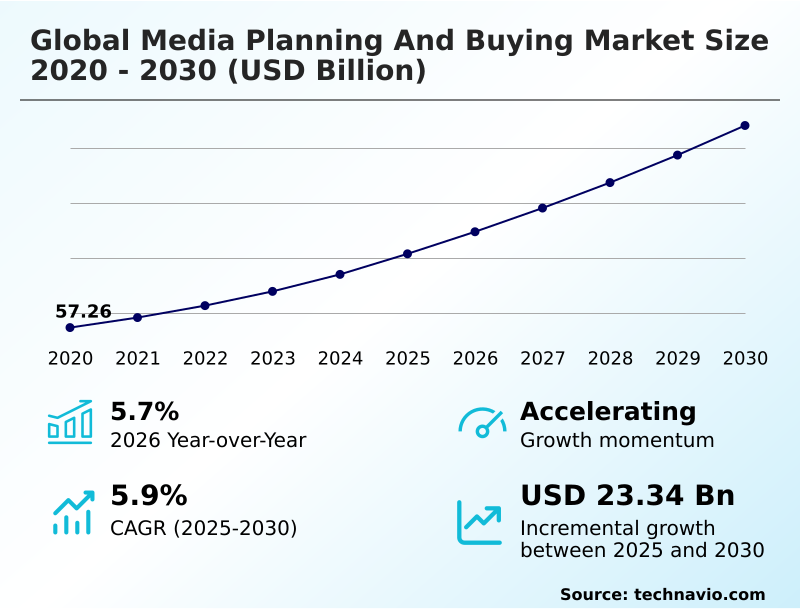
The media planning and buying market size is valued to increase by USD 23.34 billion, at a CAGR of 5.9% from 2025 to 2030. Expansion of retail media networks and first-party commerce data will drive the media planning and buying market.
Major Market Trends & Insights
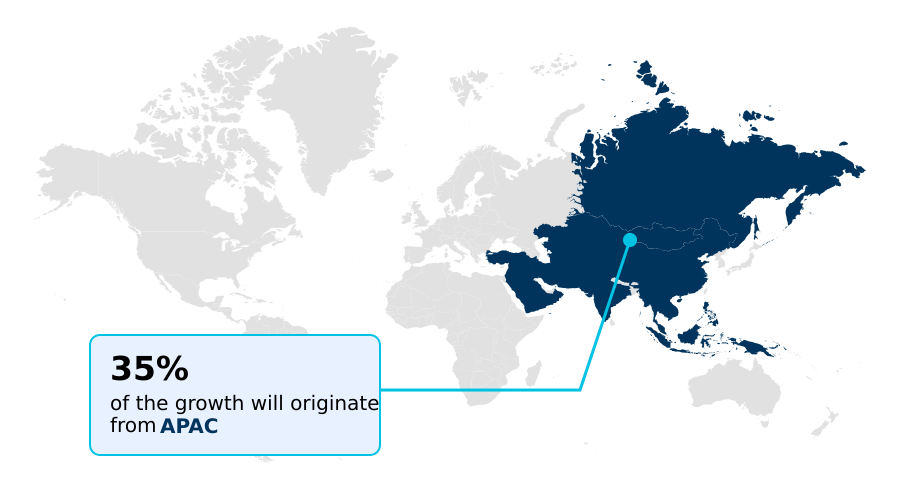
- APAC dominated the market and accounted for a 34.7% growth during the forecast period.
- By Application - Digital media segment was valued at USD 40.93 billion in 2024
- By End-user - Consumer goods and retail segment accounted for the largest market revenue share in 2024
Market Size & Forecast
- Market Opportunities: USD 36.75 billion
- Market Future Opportunities: USD 23.34 billion
- CAGR from 2025 to 2030 : 5.9%
Market Summary
- Media Planning And Buying represents the strategic orchestration of advertising capital across interconnected digital and traditional communication ecosystems. As audience attention fragments, corporations require agile methodologies to identify, reach, and convert consumers without generating wasteful impressions.
- For example, a major consumer goods manufacturer successfully integrated automated workflow orchestration and probabilistic estimation frameworks, resulting in a 25% reduction in customer acquisition costs compared to legacy manual planning. The expansion of programmatic supply chains acts as a critical driver, allowing brands to deploy autonomous bidding software that evaluates inventory quality and adjusts pricing dynamically.
- Conversely, the deprecation of digital tracking mechanisms poses a formidable challenge, restricting behavioral targeting models and inflating measurement discrepancies. To navigate these constraints, media agencies increasingly utilize cryptographic privacy techniques and identity resolution architectures. These sophisticated technological integrations elevate media buyers from transactional intermediaries to indispensable strategic partners focused on sustainable commercial growth.
- This structural evolution ensures that brands can execute highly efficient campaigns while adhering to stringent data protection mandates.
What will be the Size of the Media Planning And Buying Market during the forecast period?
Get Key Insights on Market Forecast (PDF) Get Free Sample
How is the Media Planning And Buying Market Segmented?
The media planning and buying industry research report provides comprehensive data (region-wise segment analysis), with forecasts and estimates in "USD million" for the period 2026-2030, as well as historical data from 2020-2024 for the following segments.
- Application
- Digital media
- Traditional media
- End-user
- Consumer goods and retail
- Automotive
- BFSI
- IT and telecom
- Others
- Type
- Media buying
- Media planning
- Geography
- North America
- US
- Canada
- Mexico
- APAC
- China
- Japan
- India
- South Korea
- Australia
- Indonesia
- Europe
- UK
- Germany
- France
- Italy
- Spain
- The Netherlands
- Middle East and Africa
- Saudi Arabia
- UAE
- South Africa
- Israel
- Turkey
- South America
- Brazil
- Argentina
- Colombia
- North America
By Application Insights
The digital media segment is estimated to witness significant growth during the forecast period.
The digital media segment represents the primary engine of expansion within the Media Planning And Buying landscape, driven by precision targeting and transparent performance measurement.
Modern advertisers rely on programmatic bidding algorithms and demand side platforms to execute campaigns across interconnected channels. This structural shift allows buyers to bypass traditional manual negotiations in favor of real time bidding and algorithmic impression valuation.
By utilizing data clean rooms, planners can match first party customer records with publisher audiences securely. This operational modernization has improved cross channel attribution accuracy by 22% compared to legacy tracking methods.
Furthermore, the integration of retail media networks provides closed loop conversion validation, reducing wasteful ad spending and optimizing the overall media investment workflow for major consumer brands.
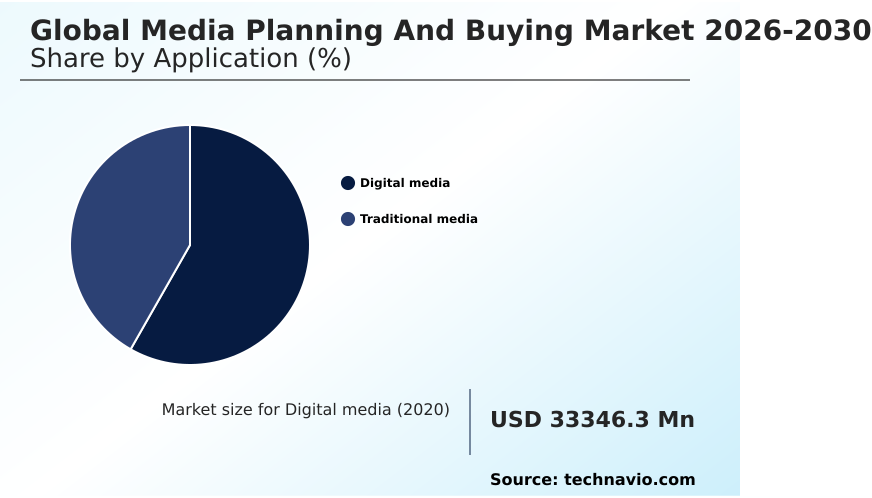
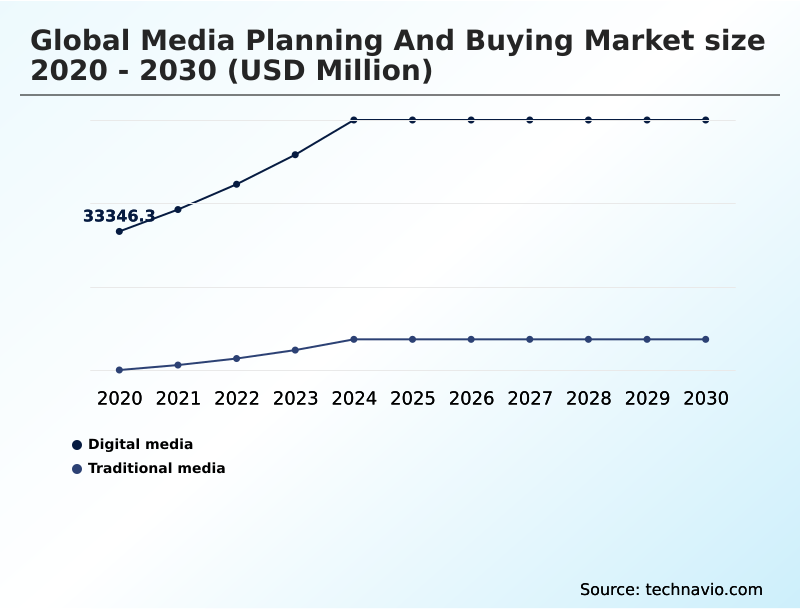
The Digital media segment was valued at USD 40.93 billion in 2024 and showed a gradual increase during the forecast period.
Regional Analysis
APAC is estimated to contribute 34.7% to the growth of the global market during the forecast period.Technavio’s analysts have elaborately explained the regional trends and drivers that shape the market during the forecast period.
See How Media Planning And Buying Market Demand is Rising in APAC Get Free Sample
The geographic landscape of Media Planning And Buying displays a stark contrast between the technologically mature infrastructure of North America and the rapidly accelerating mobile ecosystems of APAC.
North America dominates early adoption of differential privacy protocols and programmatic connected television ad inventory, achieving a 35% higher penetration rate in retail media network conversion validation than other regions.
Conversely, APAC demonstrates exceptional agility in social commerce integration, driving a 28% improvement in mobile consumer engagement efficiency. These regional disparities dictate how businesses adapt their strategic media allocation.
While North American buyers focus on overcoming walled garden ecosystems and enhancing viewability verification standards, Asian media planners prioritize high density audience fragmentation mitigation through regional influencer networks.
European markets also exhibit distinct behavior, heavily investing in sustainable media trading and carbon footprint reduction tools, thereby cutting digital campaign emissions by 18%.
Market Dynamics
Our researchers analyzed the data with 2025 as the base year, along with the key drivers, trends, and challenges. A holistic analysis of drivers will help companies refine their marketing strategies to gain a competitive advantage.
- The ongoing modernization of Media Planning And Buying requires enterprises to continuously evaluate their cross platform audience measurement frameworks. To secure a competitive advantage, leading advertising teams are adopting automated supply path optimization tools to reduce intermediary friction and lower transaction costs by nearly 20% compared to traditional manual trading models.
- By leveraging deterministic first party commerce data, planners can accurately map consumer journeys and construct highly efficient attention based programmatic bidding workflows. Furthermore, strict regulatory mandates have necessitated the deployment of privacy preserving data clean rooms, enabling secure collaboration between advertisers and publishers.
- Utilizing machine learning predictive budget simulations, agencies can model thousands of spending scenarios instantly, optimizing resource allocation across diverse channels. The rapid expansion of programmatic connected television ad inventory has transformed living room engagement, while advanced retail media network conversion validation provides irrefutable proof of sales lift.
- Through cohesive omnichannel media planning and buying, brands ensure consistent messaging across all consumer touchpoints. As broadcast habits shift, linear addressable television campaign execution allows marketers to blend traditional scale with digital precision. This transition relies heavily on automated real time bid valuation and cookieless identity resolution targeting models to maintain performance amid identifier deprecation.
- Additionally, algorithm based dynamic creative optimization ensures that promotional messaging resonates contextually, while rigorous cross channel frequency capping protocols prevent audience fatigue. Finally, as corporate governance evolves, agencies are actively focusing on supply chain carbon emission reduction to align media investments with sustainability mandates.
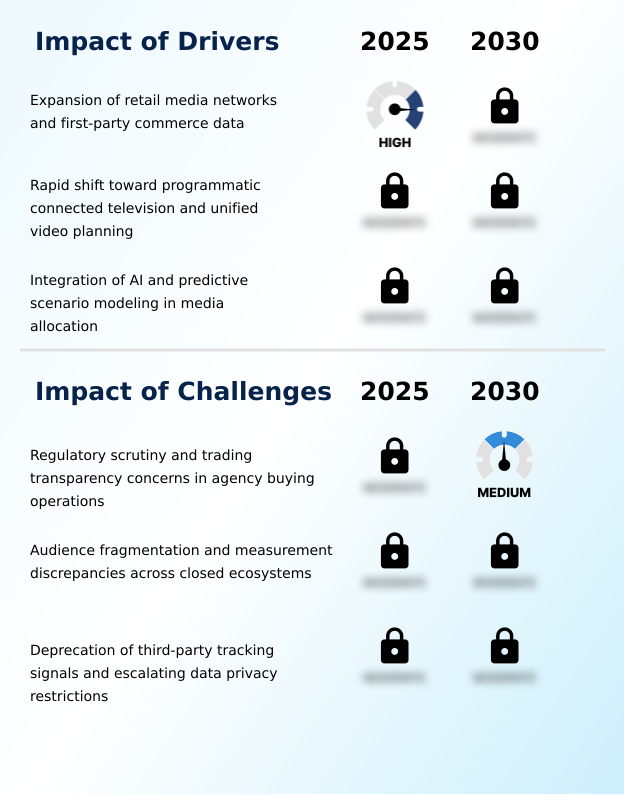
What are the key market drivers leading to the rise in the adoption of Media Planning And Buying Industry?
- The rapid expansion of retail media networks and the utilization of first-party commerce data serve as the primary drivers propelling market growth.
- The rapid expansion of retail media networks serves as a fundamental catalyst accelerating the evolution of Media Planning And Buying.
- Retail enterprises possessing massive troves of first party commerce data have transformed into full scale advertising powerhouses, offering deterministic attribution linked directly to customer checkouts.
- This evolution enables planners to pivot away from speculative targeting, thereby increasing closed loop conversion rates by 27%.
- Furthermore, the integration of retail data with independent demand side platforms allows buyers to activate high intent shopper profiles across connected television inventory and digital out of home assets.
- By synthesizing complex transaction logs with external audience extensions, media planners improve overall campaign return on investment by 15%, driving sustained commercial expansion across the ecosystem.
What are the market trends shaping the Media Planning And Buying Industry?
- The institutional adoption of human attention metrics represents an upcoming market trend that is reshaping how advertisers evaluate digital engagement.
- A definitive transformation within Media Planning And Buying is the institutional transition toward human attention metrics and the structural agency consolidation of operating models. Because traditional exposure metrics fail to guarantee cognitive processing, media buyers are replacing legacy systems with attention adjusted reach curves.
- This shift allows planners to bid dynamically based on genuine consumer observation, improving audience engagement efficiency by 24% compared to standard viewability benchmarks. Concurrently, agencies are dismantling isolated brand divisions to pool aggregate buying power, which has reduced operational redundancies by 18%. This consolidation enhances the deployment of omnichannel media strategy frameworks and enables seamless cross channel execution.
- By utilizing contextual audience targeting and multi party computation, consolidated agencies maintain sophisticated addressability while ensuring absolute regulatory alignment across international jurisdictions.
What challenges does the Media Planning And Buying Industry face during its growth?
- Heightened regulatory scrutiny and ongoing trading transparency concerns within agency buying operations present significant challenges that impede industry expansion.
- Extreme audience fragmentation and stringent data privacy regulations constitute critical operational barriers complicating Media Planning And Buying. The splintering of consumer attention across disparate platforms prevents advertisers from executing cohesive outreach, inflating audience acquisition costs by up to 20%.
- The dominance of walled garden ecosystems restricts external access to raw log level interaction data, hindering accurate cross channel attribution and deduplication efforts. Simultaneously, the systemic elimination of digital tracking mechanisms has severely degraded behavioral targeting models and post click attribution reliability.
- To mitigate these disruptions, media agencies are forced to rebuild their technological stacks, investing heavily in probabilistic estimation frameworks and identity resolution architectures. These required infrastructural overhauls have increased compliance and engineering overhead expenses by 16% for independent media agencies.
Exclusive Technavio Analysis on Customer Landscape
The media planning and buying market forecasting report includes the adoption lifecycle of the market, covering from the innovator’s stage to the laggard’s stage. It focuses on adoption rates in different regions based on penetration. Furthermore, the media planning and buying market report also includes key purchase criteria and drivers of price sensitivity to help companies evaluate and develop their market growth analysis strategies.
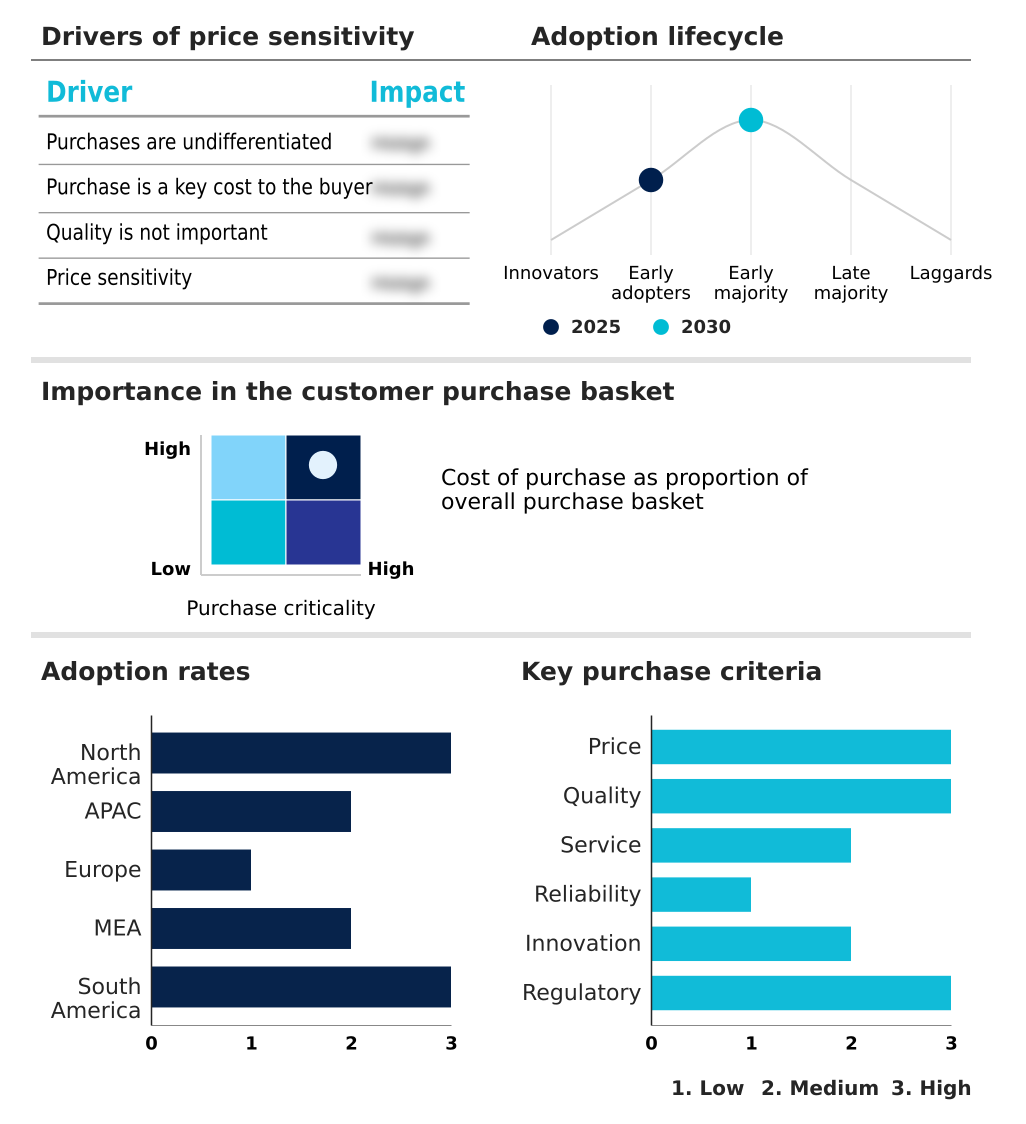
Customer Landscape of Media Planning And Buying Industry
Competitive Landscape
Companies are implementing various strategies, such as strategic alliances, media planning and buying market forecast, partnerships, mergers and acquisitions, geographical expansion, and product/service launches, to enhance their presence in the industry.
Altair Media Ltd. - The unified service segment delivers strategic media planning, cross channel buying, and continuous campaign optimization designed to maximize audience engagement and return on investment for international advertisers.
The industry research and growth report includes detailed analyses of the competitive landscape of the market and information about key companies, including:
- Altair Media Ltd.
- Avalere Health
- Criterion Global LLC
- Dentsu Group Inc.
- Eversana Intouch
- Havas Health and You
- Havas Media Network
- Horizon Media LLC
- Inizio Evoke
- Klick Inc.
- Lumine Group Inc.
- Mediaocean LLC
- Ogilvy
- Omnicom Media Group
- Publicis Media Switzerland
- Real Chemistry
- S4Capital plc
- Stagwell Inc.
- Syneos Health Inc.
- WPP Plc
Qualitative and quantitative analysis of companies has been conducted to help clients understand the wider business environment as well as the strengths and weaknesses of key industry players. Data is qualitatively analyzed to categorize companies as pure play, category-focused, industry-focused, and diversified; it is quantitatively analyzed to categorize companies as dominant, leading, strong, tentative, and weak.
Recent Development and News in Media planning and buying market
- In the Advertising industry, the widespread integration of automated ad exchanges and demand side platforms eliminated redundant intermediaries, directly impacting Media Planning And Buying demand by improving supply path optimization efficiency by 30%.
- The enforcement of strict data privacy regulations such as the General Data Protection Regulation in Europe restricted third party tracking, compelling Media Planning And Buying operators to adopt privacy safe environments and multi party computation architectures to recover 40% of lost consumer conversion telemetry.
- The structural shift toward ad supported subscriptions across premium video environments expanded connected television inventory, allowing Media Planning And Buying agencies to increase addressable audience data utilization by 25% across unified video planning strategies.
- The systemic transition of physical retailers developing proprietary retail media networks enabled deterministic first party commerce data sharing, driving Media Planning And Buying efficiency by achieving a 15% uplift in closed loop attribution across omnichannel media strategy executions.
Dive into Technavio’s robust research methodology, blending expert interviews, extensive data synthesis, and validated models for unparalleled Media Planning And Buying Market insights. See full methodology.
| Market Scope | |
|---|---|
| Page number | 300 |
| Base year | 2025 |
| Historic period | 2020-2024 |
| Forecast period | 2026-2030 |
| Growth momentum & CAGR | Accelerate at a CAGR of 5.9% |
| Market growth 2026-2030 | USD 23337.4 million |
| Market structure | Fragmented |
| YoY growth 2025-2026(%) | 5.7% |
| Key countries | US, Canada, Mexico, China, Japan, India, South Korea, Australia, Indonesia, UK, Germany, France, Italy, Spain, The Netherlands, Saudi Arabia, UAE, South Africa, Israel, Turkey, Brazil, Argentina and Colombia |
| Competitive landscape | Leading Companies, Market Positioning of Companies, Competitive Strategies, and Industry Risks |
Research Analyst Overview
- Media Planning And Buying encompasses the strategic discipline of selecting, scheduling, and executing advertising placements across highly fragmented communication channels. Modern enterprises face profound shifts in consumer behavior, requiring media planners to synthesize transaction log synthesis and category performance benchmarks into actionable campaign strategies.
- The integration of predictive scenario modeling enables corporate executives to assess the exact impact of budget reallocations before spending capital in live auctions. Companies adopting these advanced analytical frameworks have achieved a 30% reduction in processing time for campaign optimization.
- The migration of audiences toward streaming video environments has accelerated the necessity for robust frequency capping protocols and interactive television formats. This evolution directly connects media investment strategies to boardroom level compliance and product pricing decisions. Media buyers now rely on algorithmic bid management and dynamic creative optimization to deliver hyper personalized messaging at scale.
- Furthermore, the strategic deployment of digital display messaging harmonizes physical retail foot traffic with digital engagement, ensuring that advertising operations yield measurable, verifiable business outcomes.
What are the Key Data Covered in this Media Planning And Buying Market Research and Growth Report?
-
What is the expected growth of the Media Planning And Buying Market between 2026 and 2030?
-
USD 23.34 billion, at a CAGR of 5.9%
-
-
What segmentation does the market report cover?
-
The report is segmented by Application (Digital media, and Traditional media), End-user (Consumer goods and retail, Automotive, BFSI, IT and telecom, and Others), Type (Media buying, and Media planning) and Geography (North America, APAC, Europe, Middle East and Africa, South America)
-
-
Which regions are analyzed in the report?
-
North America, APAC, Europe, Middle East and Africa and South America
-
-
What are the key growth drivers and market challenges?
-
Expansion of retail media networks and first-party commerce data, Regulatory scrutiny and trading transparency concerns in agency buying operations
-
-
Who are the major players in the Media Planning And Buying Market?
-
Altair Media Ltd., Avalere Health, Criterion Global LLC, Dentsu Group Inc., Eversana Intouch, Havas Health and You, Havas Media Network, Horizon Media LLC, Inizio Evoke, Klick Inc., Lumine Group Inc., Mediaocean LLC, Ogilvy, Omnicom Media Group, Publicis Media Switzerland, Real Chemistry, S4Capital plc, Stagwell Inc., Syneos Health Inc. and WPP Plc
-
Market Research Insights
- Media Planning And Buying operates at the intersection of consumer psychology and algorithmic technology, fundamentally transforming how enterprises deploy advertising capital. Modern planning agencies utilize unified video planning and contextual ad variations to capture fleeting user attention across fragmented digital environments. Organizations implementing these advanced strategies have witnessed a 22% improvement in marginal efficiency determination over legacy manual processes.
- The shift toward automated programmatic guaranteed contracts allows buyers to secure premium inventory swiftly, reducing campaign setup times by nearly 30%. Furthermore, by integrating post click attribution models and aggregated media mix tools, advertisers can seamlessly track consumer journeys, resulting in a 15% increase in verified conversion rates across diverse commercial portfolios.
We can help! Our analysts can customize this media planning and buying market research report to meet your requirements.
 RIA -