


Motorcycle Suspension Systems Market Size 2024-2028
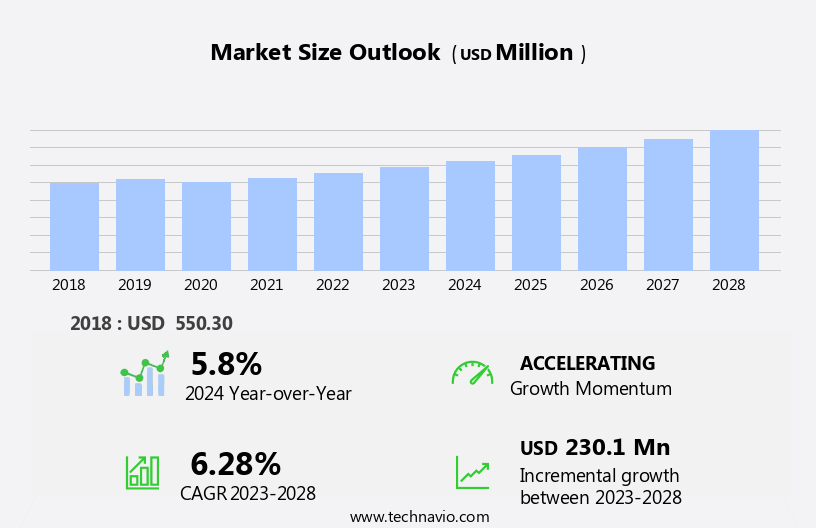
The motorcycle suspension systems market size is forecast to increase by USD 230.1 billion at a CAGR of 6.28% between 2023 and 2028.
The market is experiencing significant growth due to several key trends. The increasing electrification of mechanical components in motorcycles is one such trend, as motorcycle manufacturers are focusing on reducing emissions and improving fuel efficiency by integrating electric components into suspension systems. Another trend is the growing demand for advanced suspension technologies, such as dual bending valve front fork systems, among automotive original equipment manufacturers (OEMs). Additionally, stringent regulations against internal combustion engine (ICE) vehicles are driving the market, as manufacturers seek to comply with emissions standards by developing more efficient and eco-friendly suspension systems. Overall, these trends are expected to fuel market growth and innovation In the market.
What will be the Motorcycle Suspension Systems Market Size During the Forecast Period?
- The market In the US is experiencing significant growth due to the increasing demand for enhanced riding experience among various demographics, including older people and youth. Front suspension, primarily consisting of fork tubes and forks with springs and dampers, plays a crucial role in vehicle handling and safety by absorbing impacts from the front wheel. Rear suspension, featuring shock absorbers or shocks, ensures optimal comfort, reduces road noise, and improves braking performance by minimizing vibrations. Traditional bikes and scooters alike are witnessing a surge in suspension replacement, driven by the desire for improved vehicle performance and customization. OEM manufacturers are responding to this trend by integrating advanced technologies such as disc brakes and ABS systems into their suspension designs.
- Automobile OEMs are also entering the motorcycle market, further fueling competition and innovation. Market dynamics are influenced by factors like vehicle handling, braking, safety, and comfort. Off-road riding and leisure activities continue to be key drivers, with customized suspension solutions catering to the unique demands of these applications. Overall, the market is poised for continued growth, offering opportunities for manufacturers and suppliers to meet the evolving needs of motorcycle enthusiasts.
How is this Motorcycle Suspension Systems Industry segmented and which is the largest segment?
The motorcycle suspension systems industry research report provides comprehensive data (region-wise segment analysis), with forecasts and estimates in "USD million" for the period 2024-2028, as well as historical data from 2018-2022 for the following segments.
- Channel
- OEM
- Aftermarket
- Type
- Front suspension
- Rear suspension
- Geography
- APAC
- China
- India
- Thailand
- North America
- US
- Europe
- South America
- Middle East and Africa
- APAC
By Channel Insights
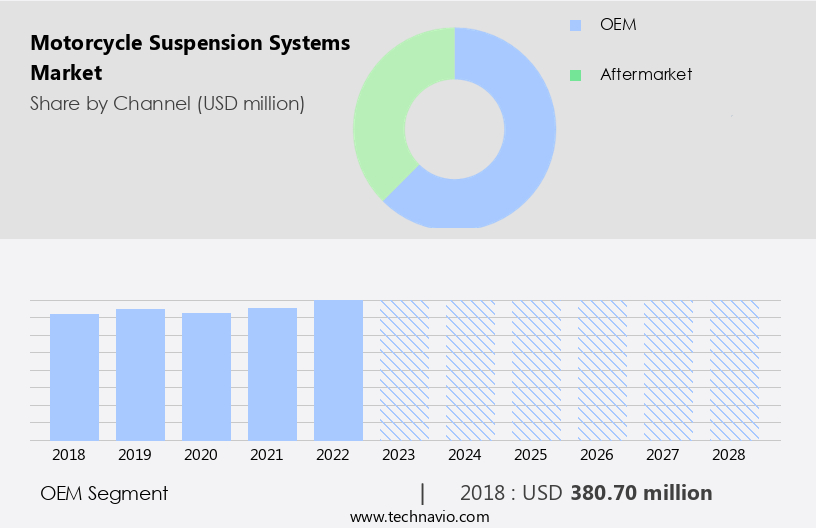
- The oem segment is estimated to witness significant growth during the forecast period.
The market is driven primarily by the OEM segment, which accounted for the largest share in 2023. The increasing sales of motorcycles for daily commuting and long-distance travel are fueling the demand for exhaust systems. Although the aftermarket segment is witnessing continuous advancements in material and design, the OEM segment's dominant position is due to new motorcycle launches and innovations by manufacturers. OEMs focus on introducing advanced suspension systems to enhance their competitive edge and expand their market reach. The market is segmented into Touring, Off-roading, Racing, Off-road riding, and Adventure riding. Sturdy suspension systems are essential for handling rough terrains, ensuring traction and stability.
Electronically adjustable, adaptive, and semi-active suspension systems are gaining popularity due to their ability to provide optimal performance on various road conditions. Rear suspension systems are crucial for maintaining balance and control. Key trends include the integration of advanced technologies such as mono-shock absorbers, dual shocks, and single shocks. Sales of motorcycle suspension systems are expected to grow steadily during the forecast period.
Get a glance at the Motorcycle Suspension Systems Industry report of share of various segments Request Free Sample
The OEM segment was valued at USD 380.70 billion in 2018 and showed a gradual increase during the forecast period.
Regional Analysis
- APAC is estimated to contribute 88% to the growth of the global market during the forecast period.
Technavio's analysts have elaborately explained the regional trends and drivers that shape the market during the forecast period.

For more insights on the market share of various regions, Request Free Sample
The market is experiencing notable growth due to the increasing sales of motorcycles, particularly in Asia Pacific (APAC). India is a significant market driver, accounting for a substantial share of the APAC the market. The adoption of motorcycles in India is on the rise, leading to a surge in demand for suspension systems. China, Indonesia, and Thailand are also crucial contributors to the market due to their high motorcycle production volumes. Motorcycle culture and tourism are key factors fueling the demand for suspension replacement in both custom-built bikes and older motorcycles. Aftermarket demand for suspension systems is also increasing as riders prioritize comfort and safety, with the integration of disc brakes and ABS systems becoming more common.
Motorcycle exports to tourist destinations and the growing popularity of motorcycle road trips among various demographics, including older people, youth, and women, further boost market growth. Vehicle technology solutions are also driving innovation In the market.
Market Dynamics
Our motorcycle suspension systems market researchers analyzed the data with 2023 as the base year, along with the key drivers, trends, and challenges. A holistic analysis of drivers will help companies refine their marketing strategies to gain a competitive advantage.
What are the key market drivers leading to the rise In the adoption of Motorcycle Suspension Systems Industry?
Increased electrification of mechanical components in motorcycles is the key driver of the market.
- The market In the US is experiencing significant growth due to the increasing popularity of motorcycles for their unique riding experiences and safety benefits. Electronic components play a crucial role in enhancing motorcycle performance and ride comfort. For instance, suspension sensors provide real-time data to enable dynamic adjustments for improved handling and ride quality. Additionally, the integration of electronic components like traction control and stability control systems has become essential for various riding styles and road conditions. Fork tubes, forks, and springs are integral parts of the front suspension system, while shock absorbers and shocks make up the rear suspension system.
- Customizing motorcycles is a trend, with personalized suspension options catering to riders' preferences for touring, off-roading, racing, and adventure riding. Sturdy suspension systems are essential for handling rough terrains, and electronically adjustable, adaptive, and semi-active suspension systems offer real-time adaptability. Rear suspension systems, such as dual shock, mono shocks, and mono-shock absorbers, ensure traction and stability. Weight reduction, versatility, and simplified designs are key considerations for manufacturing and maintenance. Adjustability is crucial for various riding styles and road conditions, ensuring ride comfort and safety. The demand for motorcycle suspension systems is driven by the growing motorcycle culture, aftermarket growth, and the increasing popularity of electric motorcycles.
- Motorcycle manufacturers are focusing on improving ride comfort, handling, and safety through innovative suspension materials and designs. The integration of electronic components, such as sensors, control units, and real-time adjustments, enhances the overall vehicle performance and riding experience. Budget-conscious riders and older motorcycles can benefit from suspension replacement, while rental purposes and tourism spots cater to diverse riding segments. The future of motorcycle suspension systems lies in lightweight suspension systems, cartridge fork assemblies, and revolutionary suspension system designs, such as telescopic forks and electric motorbikes. The market is expected to continue growing, driven by the demand for improved comfort, responsive handling, and real-time adaptability.
What are the market trends shaping the Motorcycle Suspension Systems Industry?
Growing demand for dual bending valve front fork technology among automotive OEMs is the upcoming market trend.
- Motorcycle suspension systems have become a significant focus for automotive Original Equipment Manufacturers (OEMs) due to the increasing demand for personalized riding experiences. Showa's dual bending valve front fork technology is a recent innovation gaining traction In the market. This technology, unveiled at the Milan motorcycle show, offers cartridge-style fork performance at a lower cost and weight compared to full cartridge-style forks. The dual bending valve structure reduces weight by 250 grams per unit, making it an attractive option for manufacturers. The free valve structure limits compression damping force, providing performance equivalent to cartridge forks at a competitive price. Front suspension, including fork tubes and forks, plays a crucial role in motorcycle handling and ride comfort.
- Springs and dampers absorb impacts, ensuring traction and stability on various road conditions. Rear suspension systems, including shock absorbers and shocks, provide responsive handling and improved comfort. Customizing motorcycles with personalized suspension options based on riders' preferences, riding style, and road conditions is a growing trend. Rear wheel suspensions, such as dual shocks, mono shocks, and mono-shock absorbers, contribute to weight reduction and versatility in motorcycle designs. Electronically adjustable suspension, adaptive suspension, and semi-active suspension systems are gaining popularity for their real-time adaptability and dynamic requirements. Ride comfort and safety are essential considerations for motorcycle manufacturers, and electronic components, sensors, and control units play a significant role In these systems.
- Motorcycle suspension materials, such as carbon fiber, titanium, and aluminum, are being used to enhance performance and reduce weight. Weight distribution, electric motorcycles, and electric propulsion systems also impact motorcycle suspension systems' design and functionality. Aftermarket growth, local enterprises, and technological license agreements are driving innovation In the motorcycle suspension market. Motorcycle culture, leisure activities, and tourism spots attract riders worldwide, making suspension replacement and customization essential for various riding styles, including touring, off-roading, racing, adventure riding, and older motorcycles. The affordability and price tag are crucial factors for budget-conscious riders. Lightweight suspension systems, cartridge fork assemblies, and suspension system weight are essential considerations for automobile OEMs.
- Motorcycle innovations, such as telescopic forks and revolutionary suspension systems, continue to shape the future of motorcycle technology.
What challenges does the Motorcycle Suspension Systems Industry face during its growth?
Stringent regulations against internal combustion engine (ICE) vehicles is a key challenge affecting the industry growth.
- Motorcycle suspension systems play a crucial role in enhancing riding experience by ensuring optimal vehicle handling, comfort, and safety. Front suspension, primarily consisting of fork tubes and forks with springs and dampers, absorbs impacts on the front wheel, improving ride quality and stability. Rear suspension systems, featuring shock absorbers or shocks, manage motion and vibrations from the rear wheel, ensuring traction and stability. Customizing motorcycles is a popular trend, with personalized suspension options catering to various preferences, including touring, off-roading, racing, and adventure riding. Electronically adjustable, adaptive, and semi-active suspension systems offer real-time adaptability to riding style and road conditions, improving performance and handling.
- Motorcycle manufacturers continue to innovate, integrating electronic components, sensors, and control units to provide dynamic requirements for various riding styles and road conditions. Lightweight suspension systems, such as cartridge fork assemblies, reduce weight and improve versatility, simplifying design for manufacturing and maintenance. Affordability is a significant factor In the motorcycle market, with budget-conscious riders seeking suspension replacement options from aftermarket manufacturers. The growing popularity of electric motorcycles and scooters necessitates the development of tailored suspensions to accommodate battery packs, weight distribution, electric propulsion, and silent operation. Motorcycle suspension materials, such as aluminum, titanium, and carbon fiber, are being explored to improve comfort, responsive handling, and real-time adaptability.
- The aftermarket segment, including custom-built bikes and older motorcycles, offers various suspension replacement options for riders. Motorcycle suspension systems are essential for vehicle handling, comfort, and safety, with ongoing advancements in technology and materials contributing to improved ride quality and performance.
Exclusive Customer Landscape
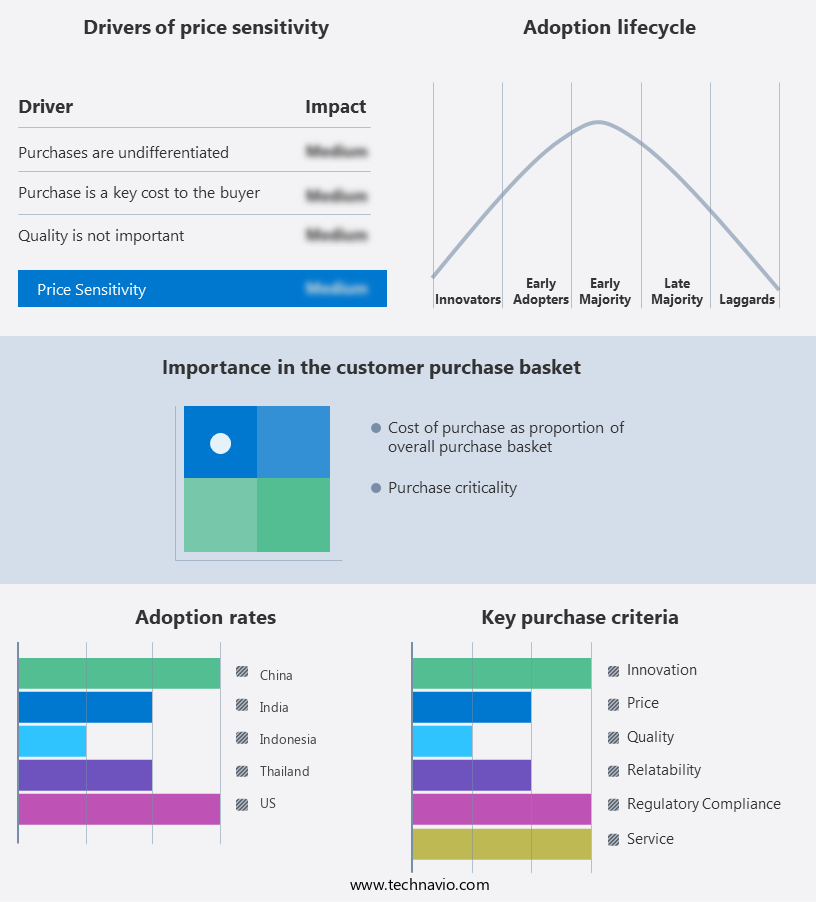
The motorcycle suspension systems market forecasting report includes the adoption lifecycle of the market, covering from the innovator's stage to the laggard's stage. It focuses on adoption rates in different regions based on penetration. Furthermore, the motorcycle suspension systems market report also includes key purchase criteria and drivers of price sensitivity to help companies evaluate and develop their market growth analysis strategies.
Customer Landscape
Key Companies & Market Insights
Companies are implementing various strategies, such as strategic alliances, motorcycle suspension systems market forecast, partnerships, mergers and acquisitions, geographical expansion, and product/service launches, to enhance their presence In the industry.
Arnott LLC - Our company provides advanced motorcycle suspension systems, including Duolever front suspension, single-sided swing arm wheel suspension, and Telelever front suspension. These innovative systems ensure optimal ride quality, handling, and safety for motorcyclists. Duolever suspension utilizes a double-wishbone design for precise steering and stability. Single-sided swing arm wheel suspension offers reduced unsprung weight and improved traction. Telelever suspension combines the advantages of both traditional and modern suspension designs, delivering a smooth and responsive riding experience. Regardless of your preferred riding style or motorcycle type, we have the suspension system to meet your performance needs.
The industry research and growth report includes detailed analyses of the competitive landscape of the market and information about key companies, including:
- Arnott LLC
- Bayerische Motoren Werke AG
- BITUBO Srl
- Dah Ken Industrial Co. Ltd.
- Duroshox Pvt. Ltd.
- Endurance Technologies Ltd.
- Fox Factory Holding Corp.
- GP Suspension
- Hero MotoCorp Ltd
- Hitachi Ltd.
- K Tech Suspension Ltd.
- KYB Corp.
- Matris Srl
- Mupo Srl
- Nitron Racing Systems Ltd.
- Penske Racing Shocks
- PIERER Mobility AG
- Tenneco Inc.
- TFX Suspension Technology
- ZF Friedrichshafen AG
Qualitative and quantitative analysis of companies has been conducted to help clients understand the wider business environment as well as the strengths and weaknesses of key industry players. Data is qualitatively analyzed to categorize companies as pure play, category-focused, industry-focused, and diversified; it is quantitatively analyzed to categorize companies as dominant, leading, strong, tentative, and weak.
Research Analyst Overview
The motorcycle suspension system market encompasses a vital aspect of the two-wheel industry, significantly influencing the riding experience for various motorcycle genres, including touring, off-roading, racing, and adventure riding. This market caters to the diverse demands of riders, offering sturdy suspension systems tailored for rough terrains, as well as electronically adjustable and adaptive suspension systems for enhanced comfort and responsive handling. Fork tubes, front suspension, and forks are essential components of motorcycle front ends. Springs and dampers work together to absorb impacts and maintain traction and stability during motion. Rear suspension systems, comprised of shock absorbers or shocks, ensure optimal ride quality and safety.
Customizing motorcycles is a significant trend In the motorcycle community, with riders seeking personalized suspension options to cater to their preferences and riding styles. Motorcycle manufacturers and aftermarket enterprises offer a range of suspension solutions, from dual shock and mono shocks to single shock and mono-shock absorbers. Weight reduction and simplified designs are essential considerations in motorcycle suspension systems, as they contribute to improved performance and handling. Manufacturing and maintenance are crucial aspects of the market, with electronically adjustable suspension systems requiring integration of electronic components, sensors, and control units for real-time adjustments. Road conditions and riding style significantly impact the performance of motorcycle suspension systems.
Ride comfort and safety are essential factors for riders, with suspension sensors and damping settings providing real-time adaptability to various dynamic requirements. The motorcycle suspension market caters to various segments, including electric motorcycles, which require specialized suspension systems to accommodate weight distribution, electric propulsion, and battery packs. The market also offers suspension solutions for older motorcycles and scooters, as well as for older people, youth, and females. Motorcycle culture and motorcycling continue to evolve, with a growing focus on vehicle technology solutions and aftermarket growth. Local enterprises and technological license agreements contribute to the expansion of the market, with a particular emphasis on the luxury motorbike category and tier-2 cities.
Suspension replacement and motorcycle exports are significant aspects of the market, with conventional motorcycles and older motorcycles requiring regular suspension maintenance. The market also caters to rental purposes, tourism spots, and motorcycle adventures, offering customized suspension options for various leisure activities and road trips. The market for motorcycle suspension systems is diverse and dynamic, with ongoing innovations and revolutionary suspension system designs, such as telescopic forks and cartridge fork assemblies, enhancing the riding experience and contributing to the growth of the motorcycle industry.
|
Motorcycle Suspension Systems Market Scope |
|
|
Report Coverage |
Details |
|
Page number |
170 |
|
Base year |
2023 |
|
Historic period |
2018-2022 |
|
Forecast period |
2024-2028 |
|
Growth momentum & CAGR |
Accelerate at a CAGR of 6.28% |
|
Market growth 2024-2028 |
USD 230.1 million |
|
Market structure |
Fragmented |
|
YoY growth 2023-2024(%) |
5.8 |
|
Key countries |
China, India, Indonesia, Thailand, and US |
|
Competitive landscape |
Leading Companies, Market Positioning of Companies, Competitive Strategies, and Industry Risks |
What are the Key Data Covered in this Motorcycle Suspension Systems Market Research and Growth Report?
- CAGR of the Motorcycle Suspension Systems industry during the forecast period
- Detailed information on factors that will drive the Motorcycle Suspension Systems growth and forecasting between 2024 and 2028
- Precise estimation of the size of the market and its contribution of the industry in focus to the parent market
- Accurate predictions about upcoming growth and trends and changes in consumer behaviour
- Growth of the market across APAC, North America, Europe, South America, and Middle East and Africa
- Thorough analysis of the market's competitive landscape and detailed information about companies
- Comprehensive analysis of factors that will challenge the motorcycle suspension systems market growth of industry companies
We can help! Our analysts can customize this motorcycle suspension systems market research report to meet your requirements.
 RIA -
RIA - 
