


Internal Combustion Engine (ICE) Market Size 2024-2028
The internal combustion engine (ice) market size is forecast to increase by USD 28.3 billion at a CAGR of 8.09% between 2023 and 2028.
- The market is experiencing significant growth due to the increasing demand for enhanced vehicle performance. This trend is driven by consumer preferences for improved acceleration, power, and overall driving experience. Additionally, the development of advanced engine technologies is a key driver in the market, as manufacturers continue to innovate and optimize engine designs to meet the demands of modern transportation. However, the market also faces challenges from stringent emission and fuel economy standards. Regulatory bodies are imposing increasingly rigorous regulations to reduce harmful emissions and improve fuel efficiency.
- As a result, engine manufacturers must invest heavily in research and development to create engines that meet these standards while still delivering the desired performance. This can be a significant challenge, as the cost of developing and producing these advanced engines can be high. Companies must navigate this regulatory landscape carefully to remain competitive and capitalize on market opportunities.
What will be the Size of the Internal Combustion Engine (ICE) Market during the forecast period?

- The market continues to evolve, with dynamic market trends shaping its various applications across sectors. Variable valve timing technology enhances engine performance and fuel efficiency in gasoline engines, while diesel engines focus on power output and fuel economy in heavy-duty trucks and construction equipment. Electric Vehicles (EVs) and alternative fuels challenge the dominance of ICEs, with catalytic converters playing a crucial role in reducing emissions. Engine durability remains a critical concern, with engine testing and maintenance costs influencing market trends. Engine design and manufacturing innovations, such as cylinder configuration, compression ratio, and direct injection, aim to improve power output and fuel efficiency.
- Fuel cell technology and renewable energy sources offer potential alternatives to traditional ICEs. Emissions regulations and life cycle analysis drive the development of engine calibration, engine management systems, and exhaust gas recirculation systems. ICEs also find applications in power generation, marine engines, and performance tuning. The ongoing unfolding of market activities reveals evolving patterns, as engine rebuild and engine repair services adapt to the changing landscape.
How is this Internal Combustion Engine (ICE) Industry segmented?
The internal combustion engine (ice) industry research report provides comprehensive data (region-wise segment analysis), with forecasts and estimates in "USD billion" for the period 2024-2028, as well as historical data from 2018-2022 for the following segments.
- End-user
- Automotive
- Aircraft
- Marine
- Type
- Petroleum
- Natural gas
- Fuel Type
- Gasoline
- Diesel
- Natural Gas
- Technology Specificity
- Turbocharged
- Naturally Aspirated
- Geography
- North America
- US
- Mexico
- Europe
- France
- Germany
- Italy
- Spain
- UK
- Middle East and Africa
- UAE
- APAC
- Australia
- China
- India
- Japan
- South Korea
- South America
- Brazil
- Rest of World (ROW)
- North America
By End-user Insights
The automotive segment is estimated to witness significant growth during the forecast period.
The market is experiencing significant growth due to the increasing demand for vehicles and advancements in engine technology. Advanced innovations, such as variable valve timing, direct injection, and engine calibration, are driving the market. Heavy-duty trucks and off-road vehicles continue to rely on robust ICEs for power output and durability. In the automotive sector, the shift towards fuel efficiency and emissions regulations is leading to the development of smaller engine displacements and alternative fuels. The construction and agricultural equipment industries also heavily utilize ICEs for power generation and performance tuning. The ICE market is further expanding into renewable energy applications, such as power generation and fuel cell technology.
The need for engine rebuilds and repairs is also maintaining market demand. Despite the rise of electric vehicles (EVs), the ICE market will continue to thrive due to its versatility and widespread application. Engine testing, emissions testing, and engine management systems ensure the continued reliability and efficiency of ICEs. Catalytic converters and exhaust gas recirculation systems are crucial components in reducing emissions. Marine engines and spark ignition engines also contribute to the market's growth. Overall, the ICE market is expected to maintain steady growth during the forecast period, driven by the automotive industry's continuous pursuit of innovation and efficiency.

The Automotive segment was valued at USD 29.20 billion in 2018 and showed a gradual increase during the forecast period.
Regional Analysis
APAC is estimated to contribute 41% to the growth of the global market during the forecast period.Technavio's analysts have elaborately explained the regional trends and drivers that shape the market during the forecast period.

The market in Asia Pacific (APAC) is witnessing significant growth, with China and India holding the largest market share due to their extensive automotive production bases. The region's economic development and increasing disposable income are fueling the demand for automobiles, leading Original Equipment Manufacturers (OEMs) to establish regional manufacturing plants. Advancements in engine technology, such as variable valve timing and direct injection, are enhancing engine performance and fuel efficiency. Engine durability and emissions regulations are driving the adoption of catalytic converters and exhaust gas recirculation systems. Furthermore, the integration of electric vehicles (EVs) and hybrid engines into the market is expanding the scope of the ICE market.
Heavy-duty trucks and construction equipment are significant consumers of ICEs due to their high power output requirements. In the power generation sector, ICEs continue to be a popular choice for backup power solutions. Engine testing, calibration, and management systems are essential components of engine manufacturing, ensuring optimal performance and fuel efficiency. The diesel engine segment dominates the market due to its high power output and fuel efficiency. However, the gasoline engine segment is expected to grow at a steady pace due to advancements in engine technology and the increasing popularity of hybrid engines. Fuel economy and emissions regulations are critical factors influencing engine development.
Alternative fuels, such as bio-diesel and natural gas, are gaining traction due to their environmental benefits. Engine rebuild and maintenance costs remain a significant concern for consumers, driving the need for efficient and cost-effective solutions. The ICE market for marine applications and off-road vehicles is expected to grow due to the increasing demand for reliable and powerful engines in these sectors. Engine manufacturing and design continue to evolve, with a focus on maximizing power output while minimizing emissions and fuel consumption. Fuel cell technology is an emerging trend in the ICE market, offering a cleaner and more efficient alternative to traditional combustion engines.
Renewable energy sources, such as solar and wind, are also influencing the market dynamics, with a growing focus on integrating renewable energy with ICEs to improve overall efficiency and reduce emissions. In conclusion, the ICE market in APAC is witnessing significant growth due to the increasing demand for automobiles and the adoption of advanced engine technologies. Factors such as engine durability, fuel economy, emissions regulations, and alternative fuels are driving the market trends and dynamics. The market is expected to continue evolving, with a focus on maximizing power output while minimizing emissions and fuel consumption.
Market Dynamics
Our researchers analyzed the data with 2023 as the base year, along with the key drivers, trends, and challenges. A holistic analysis of drivers will help companies refine their marketing strategies to gain a competitive advantage.
What are the key market drivers leading to the rise in the adoption of Internal Combustion Engine (ICE) Industry?
- The increasing demand for enhanced vehicle performance serves as the primary market driver.
- The market continues to expand, driven by the advantages of flat engines, which are utilized in various industries, including aerospace, and beyond. Flat engines, characterized by their horizontal positioning within vehicles, offer a lower center of gravity compared to in-line or V-type engines. This design feature leads to improved handling characteristics, such as superior cornering and turning capabilities at high speeds, better traction, and reduced roll-over risks. Moreover, advancements in engine technology, including variable valve timing, contribute to increased engine efficiency and improved engine durability. The ICE market is also witnessing the integration of catalytic converters to reduce harmful emissions.
- Despite the growing popularity of electric vehicles (EVs), the ICE market remains significant in power generation and heavy-duty applications, such as trucks. The gasoline and diesel engine cylinder configurations continue to dominate the market, with ongoing engine testing and research to enhance power output and fuel efficiency. Overall, the ICE market is poised for continued growth due to its versatility and the ongoing advancements in engine technology.
What are the market trends shaping the Internal Combustion Engine (ICE) Industry?
- The advancement of engine technologies is a significant market trend, with continuous growth expected in this field. Engine technology development represents a prominent trend in the industry, marked by ongoing progress and innovation.
- The market is driven by the demand for enhanced fuel economy and increased power output in various industries, including agricultural equipment and construction equipment. companies are focusing on engine development through advanced technologies such as direct injection and engine rebuild to meet these requirements. Fuel cell technology is also gaining traction as an alternative to traditional ICEs due to its potential for zero emissions and improved fuel efficiency. However, off-road vehicles continue to rely on ICEs for their high power output and durability. Despite the advancements, the market faces challenges such as the high cost of engine rebuilds and the need for continuous engine development to meet evolving regulations and customer demands.
- Inorganic growth strategies, including mergers and acquisitions, are expected to drive the market's growth in the forecast period. Overall, the ICE market is dynamic and evolving, with companies constantly innovating to meet the demands of various industries and consumers.
What challenges does the Internal Combustion Engine (ICE) Industry face during its growth?
- The stringent emission and fuel economy standards pose a significant challenge to the industry's growth, requiring companies to invest heavily in research and development to meet regulatory requirements and produce more efficient and eco-friendly technologies.
- The market is driven by stringent emissions regulations and the need for improved fuel efficiency. With increasing concerns over air pollution and greenhouse gas emissions, governments worldwide have implemented rigorous fuel economy and emissions standards. According to the Environmental Protection Agency (EPA), vehicles contribute significantly to carbon monoxide emissions, accounting for up to 56% in the US. This statistic underscores the importance of engine design and manufacturing advancements to meet these regulations. Engine manufacturers are focusing on various strategies, such as increasing compression ratios, exhaust gas recirculation, and alternative fuel adoption, to enhance fuel efficiency and reduce emissions.
- Alternative fuels like natural gas, hydrogen, and biofuels are gaining popularity due to their lower carbon footprint. Life cycle analysis plays a crucial role in evaluating the environmental impact of ICEs. Engine manufacturers are investing in research and development to create more sustainable engine designs. Emissions testing is a critical aspect of engine manufacturing, ensuring compliance with regulatory requirements. Marine engines also fall under the scope of these regulations, necessitating similar advancements in engine design and manufacturing. By focusing on these strategies, engine manufacturers aim to meet emissions and fuel efficiency targets while maintaining engine performance and reliability.
Exclusive Customer Landscape
The internal combustion engine (ice) market forecasting report includes the adoption lifecycle of the market, covering from the innovator's stage to the laggard's stage. It focuses on adoption rates in different regions based on penetration. Furthermore, the internal combustion engine (ice) market report also includes key purchase criteria and drivers of price sensitivity to help companies evaluate and develop their market growth analysis strategies.

Customer Landscape
Key Companies & Market Insights
Companies are implementing various strategies, such as strategic alliances, internal combustion engine (ice) market forecast, partnerships, mergers and acquisitions, geographical expansion, and product/service launches, to enhance their presence in the industry.
Cummins - The XC 60 model from our company showcases a twin engine internal combustion system, engineered for immediate torque generation, thereby facilitating swift acceleration. This advanced powertrain design enhances vehicle performance, ensuring a responsive driving experience. The internal combustion engines are meticulously calibrated to deliver optimal power output and fuel efficiency. Our engineering team's expertise and commitment to innovation underpin the development of this high-performance powertrain, setting new standards in automotive technology.
The industry research and growth report includes detailed analyses of the competitive landscape of the market and information about key companies, including:
- Cummins
- Caterpillar
- Volvo
- MAN Energy Solutions
- Wärtsilä
- Rolls-Royce Power Systems
- Mitsubishi Heavy Industries
- Hyundai Heavy Industries
- Doosan Engine
- Perkins Engines
- Deutz
- Kohler
- John Deere
- CNH Industrial
- Scania
- Navistar
- Weichai Power
- Yanmar
- Isuzu
Qualitative and quantitative analysis of companies has been conducted to help clients understand the wider business environment as well as the strengths and weaknesses of key industry players. Data is qualitatively analyzed to categorize companies as pure play, category-focused, industry-focused, and diversified; it is quantitatively analyzed to categorize companies as dominant, leading, strong, tentative, and weak.
Recent Development and News in Internal Combustion Engine (ICE) Market
- In January 2023, Caterpillar Inc., a leading manufacturer of ICEs, announced the launch of its new Cat 3636B diesel engine, featuring advanced fuel efficiency and emission reduction technologies. This engine is expected to cater to the power generation and industrial sectors, strengthening Caterpillar's market position (Caterpillar Press Release, 2023).
- In March 2024, Volkswagen Group and Ford Motor Company announced a strategic partnership to develop commercial vehicles using ICEs and electric powertrains. This collaboration aims to reduce development costs and improve competitiveness in the commercial vehicle market (Volkswagen Press Release, 2024).
- In August 2024, Cummins Inc. Completed the acquisition of Meritor's Compressor Technologies business, expanding its portfolio of ICE components and enhancing its position in the industrial and power generation markets (Cummins Press Release, 2024).
- In October 2025, the European Union passed the new Emission Standards Regulation, setting stringent emission norms for ICEs in the transportation sector. This regulation is expected to drive the demand for advanced emission control technologies, benefiting companies specializing in ICE after-treatment systems (European Parliament Press Release, 2025).
Research Analyst Overview
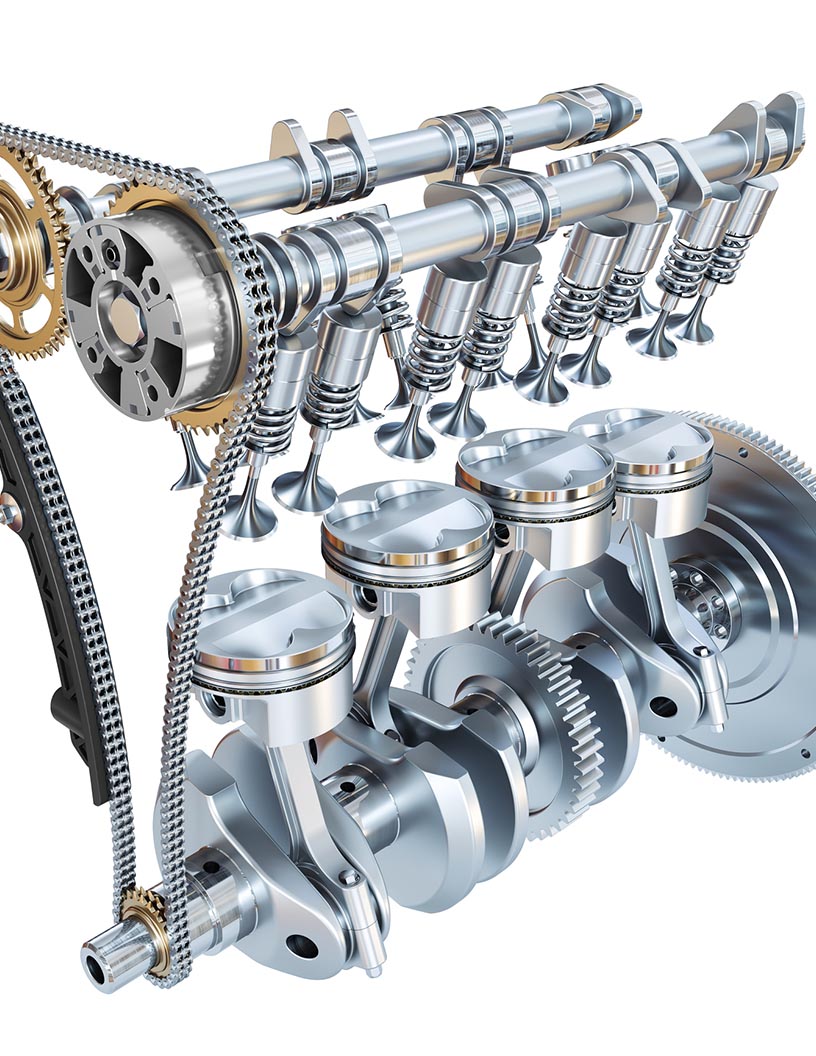
The market encompasses various types of engines, including two-stroke and four-stroke engines, as well as advanced designs like Wankel and rotary engines. Supercharger and turbocharger designs continue to evolve, enhancing engine performance. Connecting rods and crankshafts transmit power from the pistons, while cooling systems maintain optimal operating temperatures. Emissions control technologies, such as aftertreatment systems, are crucial for reducing harmful exhaust gases. Engine oil and lubrication systems play a vital role in maintaining engine health, with octane rating and cetane rating influencing engine performance. Fuel system design and air-fuel ratio optimization are essential for maximizing combustion efficiency. Valve train and intake manifold designs impact engine efficiency and power output.
Engine noise reduction and vibration reduction techniques are essential for improving overall driving experience. The combustion cycle, including the intake, compression, power, and exhaust strokes, is the fundamental process driving engine operation. Piston engines, reciprocating engines, and cylinder blocks form the backbone of the ICE market. Cylinder heads and exhaust manifolds are critical components that influence engine performance and efficiency. Cam shafts regulate the opening and closing of engine valves, while exhaust systems facilitate the removal of exhaust gases. Engine noise reduction and engine vibration reduction technologies continue to gain importance in the ICE market.
Dive into Technavio's robust research methodology, blending expert interviews, extensive data synthesis, and validated models for unparalleled Internal Combustion Engine (ICE) Market insights. See full methodology.
|
Market Scope |
|
|
Report Coverage |
Details |
|
Page number |
168 |
|
Base year |
2023 |
|
Historic period |
2018-2022 |
|
Forecast period |
2024-2028 |
|
Growth momentum & CAGR |
Accelerate at a CAGR of 8.09% |
|
Market growth 2024-2028 |
USD 28.3 billion |
|
Market structure |
Fragmented |
|
YoY growth 2023-2024(%) |
7.39 |
|
Key countries |
US, China, Germany, Japan, UK, Australia, India, France, Brazil, UAE, Rest of World (ROW), Saudi Arabia, France, South Korea, Mexico, Italy, and Spain |
|
Competitive landscape |
Leading Companies, Market Positioning of Companies, Competitive Strategies, and Industry Risks |
What are the Key Data Covered in this Internal Combustion Engine (ICE) Market Research and Growth Report?
- CAGR of the Internal Combustion Engine (ICE) industry during the forecast period
- Detailed information on factors that will drive the growth and forecasting between 2024 and 2028
- Precise estimation of the size of the market and its contribution of the industry in focus to the parent market
- Accurate predictions about upcoming growth and trends and changes in consumer behaviour
- Growth of the market across APAC, Europe, North America, South America, and Middle East and Africa
- Thorough analysis of the market's competitive landscape and detailed information about companies
- Comprehensive analysis of factors that will challenge the internal combustion engine (ice) market growth of industry companies
We can help! Our analysts can customize this internal combustion engine (ice) market research report to meet your requirements.
 RIA -
RIA - 
