
Multi-cloud Cost Intelligence Platforms Market Analysis, Size, and Forecast 2026-2030: North America (US, Canada, and Mexico), Europe (Germany, UK, and France), APAC (China, India, and Japan), Middle East and Africa (Saudi Arabia, UAE, and South Africa), South America (Brazil, Argentina, and Colombia), and Rest of World (ROW)

Multi-cloud Cost Intelligence Platforms Market Analysis, Size, and Forecast 2026-2030:
North America (US, Canada, and Mexico), Europe (Germany, UK, and France), APAC (China, India, and Japan), Middle East and Africa (Saudi Arabia, UAE, and South Africa), South America (Brazil, Argentina, and Colombia), and Rest of World (ROW)

Published: Mar 2026 284 Pages SKU: IRTNTR81287

Market Overview at a Glance

$5.07 B
Market Opportunity
17.6%
CAGR 2025 - 2030
32.7%
North America Growth
$1.68 B
Public cloud segment 2024

Multi-cloud Cost Intelligence Platforms Market Size 2026-2030

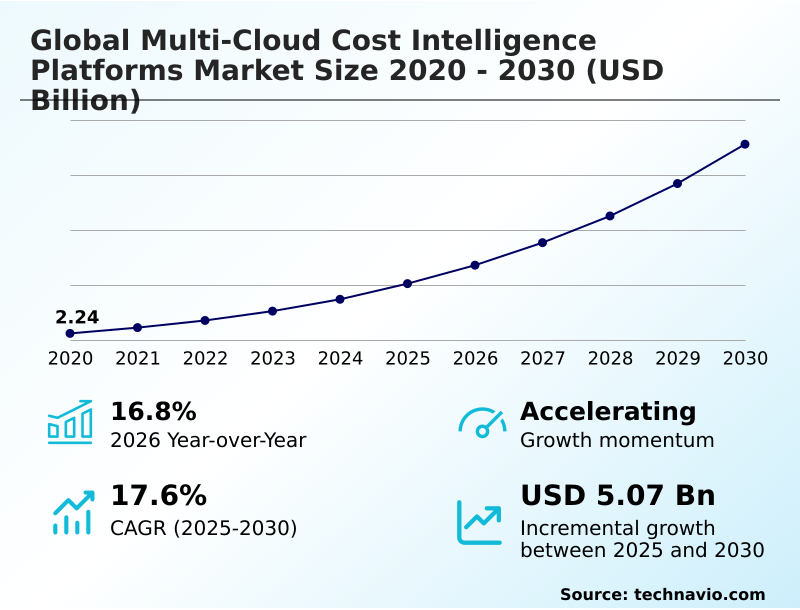
The multi-cloud cost intelligence platforms market size is valued to increase by USD 5.07 billion, at a CAGR of 17.6% from 2025 to 2030. Proliferation of multi-cloud architectures as a primary catalyst will drive the multi-cloud cost intelligence platforms market.

Major Market Trends & Insights

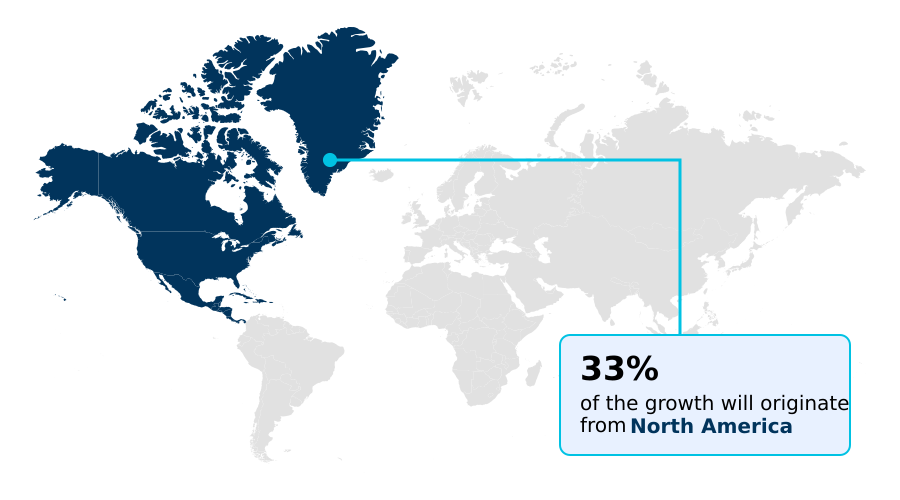
  • North America dominated the market and accounted for a 32.7% growth during the forecast period.
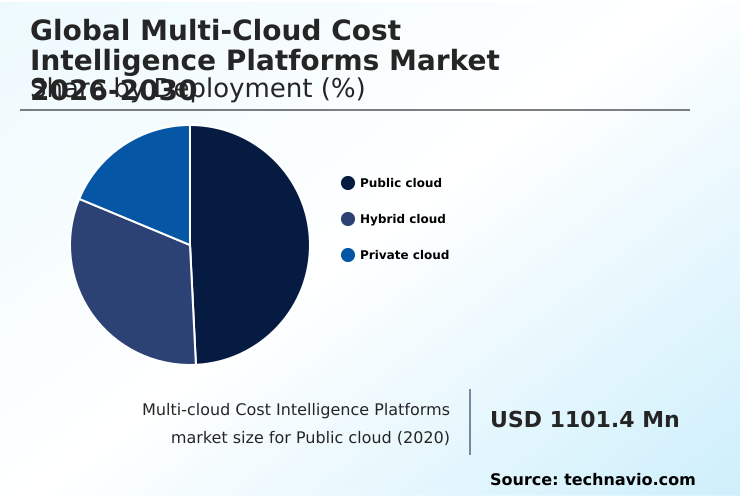
  • By Deployment - Public cloud segment was valued at USD 1.68 billion in 2024
  • By End-user - Large enterprises segment accounted for the largest market revenue share in 2024

Market Size & Forecast

  • Market Opportunities: USD 6.88 billion
  • Market Future Opportunities: USD 5.07 billion
  • CAGR from 2025 to 2030 : 17.6%

Market Summary

  • The multi-cloud cost intelligence platforms market is expanding as organizations seek fiscal transparency across complex, heterogeneous IT environments. The core driver is the shift from single-provider strategies to multi-cloud architectures to mitigate vendor lock-in and leverage best-of-breed services. This creates significant challenges in tracking expenditures, leading to a demand for solutions providing a unified view of operational performance.
  • The adoption of finops best practices is a critical catalyst, fostering collaboration between finance and engineering teams to manage variable cloud costs effectively.
  • For instance, a global logistics firm can utilize these platforms for precise data egress cost tracking and workload placement optimization, ensuring that shipping route calculations are performed in the most cost-effective region, which improves operational efficiency by over 12%.
  • Advanced capabilities, including predictive cost analytics and automated rightsizing, are transforming these tools into proactive decision-support systems, helping to identify spending patterns and enforce cloud cost governance policies without compromising security or regulatory compliance mandates.

What will be the Size of the Multi-cloud Cost Intelligence Platforms Market during the forecast period?

Get Key Insights on Market Forecast (PDF) Request Free Sample

How is the Multi-cloud Cost Intelligence Platforms Market Segmented?

The multi-cloud cost intelligence platforms industry research report provides comprehensive data (region-wise segment analysis), with forecasts and estimates in "USD million" for the period 2026-2030, as well as historical data from 2020-2024 for the following segments.

  • Deployment
    • Public cloud
    • Hybrid cloud
    • Private cloud
  • End-user
    • Large enterprises
    • Small and medium enterprises
  • Platform
    • Subscription-based
    • Usage-based
  • Geography
    • North America
      • US
      • Canada
      • Mexico
    • Europe
      • Germany
      • UK
      • France
    • APAC
      • China
      • India
      • Japan
    • Middle East and Africa
      • Saudi Arabia
      • UAE
      • South Africa
    • South America
      • Brazil
      • Argentina
      • Colombia
    • Rest of World (ROW)

By Deployment Insights

The public cloud segment is estimated to witness significant growth during the forecast period.

The public cloud segment is foundational, driven by the need for sophisticated cloud cost intelligence platforms to manage complex billing from hyperscalers.

Enterprises leverage these tools for kubernetes cost optimization and to institute formal chargeback and showback systems, achieving enhanced cloud cost observability. Effective business mapping links expenditures to outcomes, enabling accurate measurement of cost per transaction.

This approach improves devops cost control and informs cloud migration cost analysis. Organizations using these platforms report a 15% improvement in forecast accuracy for serverless cost monitoring.

Such spend intelligence is crucial for capacity planning and ensuring data egress cost tracking aligns with budget, while robust cloud cost governance policies prevent overruns.

Request Free Sample

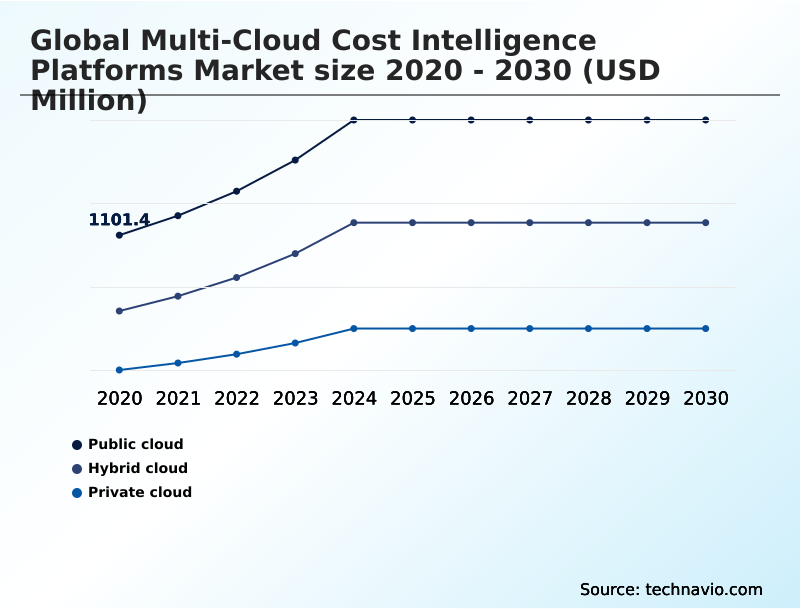
The Public cloud segment was valued at USD 1.68 billion in 2024 and showed a gradual increase during the forecast period.
Request Free Sample

Regional Analysis

North America is estimated to contribute 32.7% to the growth of the global market during the forecast period.Technavio’s analysts have elaborately explained the regional trends and drivers that shape the market during the forecast period.

See How Multi-cloud Cost Intelligence Platforms Market Demand is Rising in North America Request Free Sample

The geographic landscape is increasingly influenced by regional data sovereignty laws and sustainability mandates, compelling enterprises to adopt advanced workload placement optimization. North America leads in maturity, focusing on sophisticated chargeback automation and savings plan optimization.

In Europe, stringent regulations drive demand for platforms that facilitate detailed carbon footprint tracking and showback reporting, with firms achieving up to 10% reductions in energy use by shifting workloads to greener regions.

The APAC region shows the fastest adoption, driven by the need for clear cloud roi analysis. Across all regions, effective resource utilization analysis and tag governance are critical for managing a discount portfolio optimization strategy.

This has led to a 20% increase in the effectiveness of cost anomaly remediation and shared cost distribution, while reserved instance management and precise cloud cost forecasting remain vital for budget stability.

Market Dynamics

Our researchers analyzed the data with 2025 as the base year, along with the key drivers, trends, and challenges. A holistic analysis of drivers will help companies refine their marketing strategies to gain a competitive advantage.

  • Achieving financial discipline in complex digital estates requires a strategic approach that extends beyond simple monitoring. This involves correlating cloud spend with business kpis to ensure technology investments deliver tangible value. A key practice is optimizing kubernetes costs with finops, which involves analyzing container-level cost data to refine resource allocation.
  • Effective strategies for managing aws vs azure costs are essential, as is forecasting cloud spend with machine learning to anticipate budget requirements. For proactive governance, organizations are automating cloud cost anomaly detection and integrating finops into ci/cd pipelines.
  • Best practices include implementing chargeback for shared resources, which necessitates attributing shared kubernetes cluster costs accurately, and calculating unit cost for cloud services. Success hinges on reducing idle resources in multi-cloud environments and unifying cloud and on-premise cost data for a holistic view.
  • Enterprises are also focused on tracking carbon emissions from cloud usage and measuring roi of cloud migration projects, which can show a 40% greater return than projects without cost oversight. Key operational tactics involve implementing cloud budget and forecast alerts, governing cloud costs through policy automation, and rightsizing virtual machines for cost savings.
  • Finally, managing cloud commitment and discount coverage by optimizing multi-cloud discount portfolios and visualizing cloud spend for engineering teams ensures that financial efficiency is a shared responsibility across the organization.

What are the key market drivers leading to the rise in the adoption of Multi-cloud Cost Intelligence Platforms Industry?

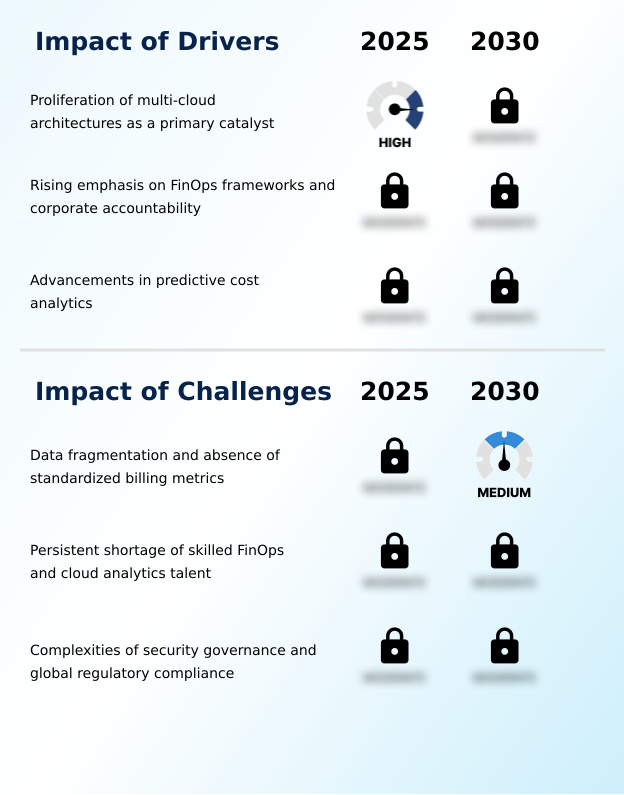
  • The increasing proliferation of multi-cloud architectures across enterprises serves as a primary catalyst for market growth.

  • Market growth is fueled by the enterprise-wide adoption of a formal finops framework, which demands tools that offer complete multi-cloud spend visibility and robust cloud financial management.
  • As organizations increasingly rely on multiple providers, the need for integrated aws cost optimization, azure cost management, and gcp billing analysis from a single console has become critical.
  • This drive for centralized cloud cost governance enables precise cost allocation and more accurate budget forecasting.
  • Platforms that excel at spend anomaly detection and automated idle resource detection are particularly valued, as they deliver immediate ROI, with enterprises reporting an average 15% reduction in monthly cloud bills.
  • The implementation of finops best practices for cloud spend management is no longer optional; it's a core business process for maintaining profitability in a digital-first economy, leading to a 2x increase in adoption rates over the last two years.

What are the market trends shaping the Multi-cloud Cost Intelligence Platforms Industry?

  • The integration of artificial intelligence and machine learning is a key trend, shifting financial operations from reactive monitoring to predictive cost management.

  • Market trends are centered on proactive financial management through intelligent automation. The use of predictive cost analytics is becoming standard, enabling organizations to move beyond historical reporting to active budget control. There is a significant shift toward enhancing container cost visibility and implementing sophisticated finops automation tools for kubernetes spend tracking.
  • This allows for precise container cost allocation and addresses the financial complexities of ephemeral workload costing. Another key trend is the integration of greenops metrics for comprehensive cloud sustainability reporting, which correlates directly with cloud waste reduction efforts. Platforms offering real-time anomaly detection and automated rightsizing are seeing higher adoption, with some users reporting a 30% reduction in unexpected overages.
  • Furthermore, detailed unit economics tracking is enabling businesses to connect cloud expenditures directly to product profitability, while automated cloud budget alerting has improved fiscal responsiveness by over 50%.

What challenges does the Multi-cloud Cost Intelligence Platforms Industry face during its growth?

  • Data fragmentation and the absence of standardized billing metrics across cloud providers present a significant challenge to achieving unified cost visibility.

  • A primary market challenge stems from persistent data fragmentation, as the lack of standardized billing metrics makes a unified hybrid cloud tco calculation difficult. Organizations struggle to achieve granular cost visibility when cloud service billing apis differ significantly between providers, complicating cross-cloud reporting. This forces reliance on complex cost management dashboards that must continuously adapt.
  • The absence of standardization also impedes accurate cost attribution and multi-tenant cost allocation, making it difficult to implement fair internal billing. This environment increases the risk of discrepancies in cost anomaly alerting.
  • For instance, teams using infrastructure as code cost estimation find that variances between pre-deployment estimates and actual bills can be as high as 25% due to these data inconsistencies. Effective commitment discount management also becomes more complex without a normalized view of usage, while the manual effort required for a precise cloud tco calculation increases substantially.

Exclusive Technavio Analysis on Customer Landscape

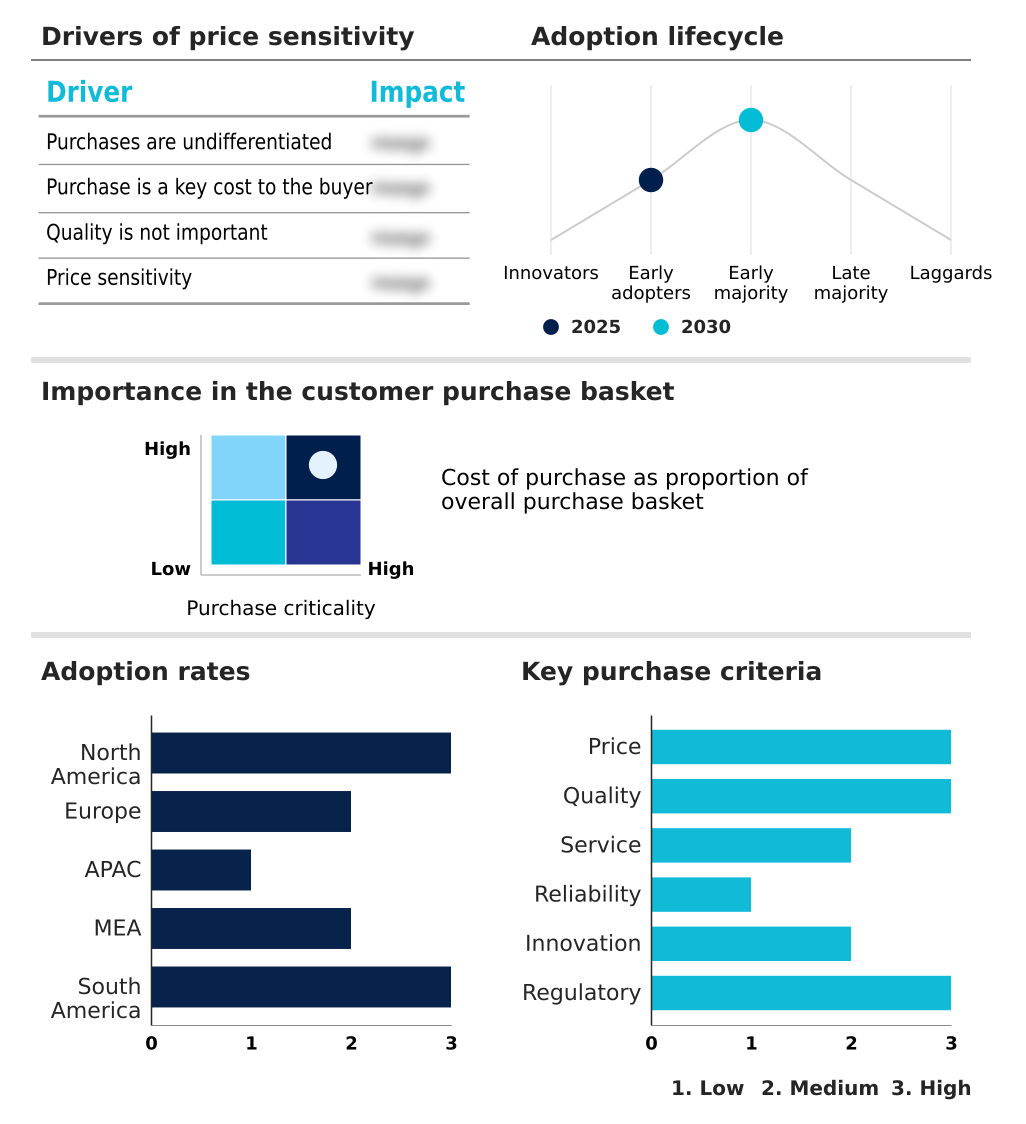
The multi-cloud cost intelligence platforms market forecasting report includes the adoption lifecycle of the market, covering from the innovator’s stage to the laggard’s stage. It focuses on adoption rates in different regions based on penetration. Furthermore, the multi-cloud cost intelligence platforms market report also includes key purchase criteria and drivers of price sensitivity to help companies evaluate and develop their market growth analysis strategies.
Customer Landscape of Multi-cloud Cost Intelligence Platforms Industry

Competitive Landscape

Companies are implementing various strategies, such as strategic alliances, multi-cloud cost intelligence platforms market forecast, partnerships, mergers and acquisitions, geographical expansion, and product/service launches, to enhance their presence in the industry.

Anodot Ltd. - An analyst observes that AI-driven tools providing real-time anomaly detection and spend forecasting are critical for effective cloud cost management and financial oversight.

The industry research and growth report includes detailed analyses of the competitive landscape of the market and information about key companies, including:

  • Anodot Ltd.
  • Apptio Inc.
  • CloudZero Inc.
  • Datadog Inc.
  • DoiT International
  • Dynatrace Inc.
  • Flexera Software LLC
  • Harness Inc.
  • Infracost Inc.
  • Microsoft Corp.
  • Morpheus Data
  • Nsight
  • Nutanix Inc.
  • ProsperOps Inc.
  • ServiceNow Inc.
  • SoftwareOne AG
  • Ternary Inc.
  • Virtana
  • VNTG Inc.
  • Yotascale Inc.

Qualitative and quantitative analysis of companies has been conducted to help clients understand the wider business environment as well as the strengths and weaknesses of key industry players. Data is qualitatively analyzed to categorize companies as pure play, category-focused, industry-focused, and diversified; it is quantitatively analyzed to categorize companies as dominant, leading, strong, tentative, and weak.

Recent Development and News in Multi-cloud cost intelligence platforms market

  • In February, 2025, Apptio enhanced its financial management software with large language models to provide natural language insights into cloud spend anomalies, enabling finance teams to query cost spikes without deep technical knowledge.
  • In March, 2025, Kubecost entered a strategic partnership with major cloud providers to integrate standardized billing APIs, aiming to reduce idle resource costs in managed Kubernetes environments and unify spend visibility.
  • In April, 2025, Flexera launched a sustainability module for its cloud management platform, correlating energy consumption with financial billing data to track the cost-per-carbon-ton of cloud operations and support GreenOps initiatives.
  • In February, 2025, a comprehensive study demonstrated that enterprises utilizing autonomous cost intelligence systems achieved a thirty percent reduction in idle resource waste compared to those relying on manual reporting tools.

Dive into Technavio’s robust research methodology, blending expert interviews, extensive data synthesis, and validated models for unparalleled Multi-cloud Cost Intelligence Platforms Market insights. See full methodology.

Market Scope
Page number 284
Base year 2025
Historic period 2020-2024
Forecast period 2026-2030
Growth momentum & CAGR Accelerate at a CAGR of 17.6%
Market growth 2026-2030 USD 5069.2 million
Market structure Fragmented
YoY growth 2025-2026(%) 16.8%
Key countries US, Canada, Mexico, Germany, UK, France, The Netherlands, Italy, Spain, China, India, Japan, South Korea, Australia, Indonesia, Saudi Arabia, UAE, South Africa, Israel, Turkey, Brazil, Argentina and Colombia
Competitive landscape Leading Companies, Market Positioning of Companies, Competitive Strategies, and Industry Risks

Request Free Sample

Research Analyst Overview

  • The market is defined by a sophisticated interplay of technologies designed to impose fiscal discipline on sprawling digital infrastructures. Effective cloud spend management is no longer just about monitoring; it requires a robust finops framework that integrates predictive cost analytics for accurate budget forecasting.
  • Core to this is achieving granular cost visibility and deep cloud cost observability, especially for calculating hybrid cloud tco. Platforms must address data fragmentation by normalizing disparate, non-standardized billing metrics from various providers. Key functions include real-time anomaly detection, spend anomaly detection, and idle resource detection, with advanced systems providing automated cost anomaly remediation.
  • For modern architectures, this includes container cost visibility, kubernetes cost optimization, and ephemeral workload costing. Successful implementation relies on precise cost allocation, multi-tenant cost allocation, and attributing shared cost distribution through disciplined tag governance and business mapping. Financial optimization is driven by commitment discount management and discount portfolio optimization.
  • Boardroom decisions now hinge on metrics like unit economics tracking, cost per transaction, and greenops metrics for carbon footprint tracking, with workload placement optimization influencing both cost and compliance. The ability to perform automated rightsizing and continuous resource utilization analysis is critical, with leading platforms reducing manual capacity planning efforts by over 40%.

What are the Key Data Covered in this Multi-cloud Cost Intelligence Platforms Market Research and Growth Report?

  • What is the expected growth of the Multi-cloud Cost Intelligence Platforms Market between 2026 and 2030?

    • USD 5.07 billion, at a CAGR of 17.6%

  • What segmentation does the market report cover?

    • The report is segmented by Deployment (Public cloud, Hybrid cloud, and Private cloud), End-user (Large enterprises, and Small and medium enterprises), Platform (Subscription-based, and Usage-based) and Geography (North America, Europe, APAC, Middle East and Africa, South America)

  • Which regions are analyzed in the report?

    • North America, Europe, APAC, Middle East and Africa and South America

  • What are the key growth drivers and market challenges?

    • Proliferation of multi-cloud architectures as a primary catalyst, Data fragmentation and absence of standardized billing metrics

  • Who are the major players in the Multi-cloud Cost Intelligence Platforms Market?

    • Anodot Ltd., Apptio Inc., CloudZero Inc., Datadog Inc., DoiT International, Dynatrace Inc., Flexera Software LLC, Harness Inc., Infracost Inc., Microsoft Corp., Morpheus Data, Nsight, Nutanix Inc., ProsperOps Inc., ServiceNow Inc., SoftwareOne AG, Ternary Inc., Virtana, VNTG Inc. and Yotascale Inc.

Market Research Insights

  • The market is shaped by the enterprise need for robust cloud financial management, with platforms offering multi-cloud spend visibility becoming standard. Advanced aws cost optimization and azure cost management capabilities are table stakes, while granular gcp billing analysis remains a key differentiator.
  • Adoption of these platforms drives significant business outcomes; organizations report an average 25% improvement in cloud waste reduction within the first year and a 15% increase in forecast accuracy for cloud budget alerting. The implementation of finops automation tools is accelerating, with more than half of large enterprises now integrating them into their workflows.
  • These systems provide critical insights for kubernetes spend tracking and are central to achieving strategic goals related to cloud sustainability reporting.

We can help! Our analysts can customize this multi-cloud cost intelligence platforms market research report to meet your requirements.

Get in touch

1. Executive Summary

1.1 Market overview

Executive Summary - Chart on Market Overview
Executive Summary - Data Table on Market Overview
Executive Summary - Chart on Global Market Characteristics
Executive Summary - Chart on Market by Geography
Executive Summary - Chart on Market Segmentation by Deployment
Executive Summary - Chart on Market Segmentation by End-user
Executive Summary - Chart on Market Segmentation by Platform
Executive Summary - Chart on Incremental Growth
Executive Summary - Data Table on Incremental Growth
Executive Summary - Chart on Company Market Positioning

2. Technavio Analysis

2.1 Analysis of price sensitivity, lifecycle, customer purchase basket, adoption rates, and purchase criteria

2.2 Criticality of inputs and Factors of differentiation

Chart on Overview on criticality of inputs and factors of differentiation

2.3 Factors of disruption

Chart on Overview on factors of disruption

2.4 Impact of drivers and challenges

Chart on Impact of drivers and challenges in 2025 and 2030

3. Market Landscape

3.1 Market ecosystem

Chart on Parent Market
Data Table on - Parent Market

3.2 Market characteristics

Chart on Market characteristics analysis

3.3 Value chain analysis

Chart on Value chain analysis

4. Market Sizing

4.1 Market definition

Data Table on Offerings of companies included in the market definition

4.2 Market segment analysis

Market segments

4.3 Market size 2025

4.4 Market outlook: Forecast for 2025-2030

Chart on Global - Market size and forecast 2025-2030 ($ million)
Data Table on Global - Market size and forecast 2025-2030 ($ million)
Chart on Global Market: Year-over-year growth 2025-2030 (%)
Data Table on Global Market: Year-over-year growth 2025-2030 (%)

5. Historic Market Size

5.1 Global Multi-Cloud Cost Intelligence Platforms Market 2020 - 2024

Historic Market Size - Data Table on Global Multi-Cloud Cost Intelligence Platforms Market 2020 - 2024 ($ million)

5.2 Deployment segment analysis 2020 - 2024

Historic Market Size - Deployment Segment 2020 - 2024 ($ million)

5.3 End-user segment analysis 2020 - 2024

Historic Market Size - End-user Segment 2020 - 2024 ($ million)

5.4 Platform segment analysis 2020 - 2024

Historic Market Size - Platform Segment 2020 - 2024 ($ million)

5.5 Geography segment analysis 2020 - 2024

Historic Market Size - Geography Segment 2020 - 2024 ($ million)

5.6 Country segment analysis 2020 - 2024

Historic Market Size - Country Segment 2020 - 2024 ($ million)

6. Qualitative Analysis

6.1 Impact of AI on Global Multi-Cloud Cost Intelligence Platforms Market

7. Five Forces Analysis

7.1 Five forces summary

Five forces analysis - Comparison between 2025 and 2030

7.2 Bargaining power of buyers

Bargaining power of buyers - Impact of key factors 2025 and 2030

7.3 Bargaining power of suppliers

Bargaining power of suppliers - Impact of key factors in 2025 and 2030

7.4 Threat of new entrants

Threat of new entrants - Impact of key factors in 2025 and 2030

7.5 Threat of substitutes

Threat of substitutes - Impact of key factors in 2025 and 2030

7.6 Threat of rivalry

Threat of rivalry - Impact of key factors in 2025 and 2030

7.7 Market condition

Chart on Market condition - Five forces 2025 and 2030

8. Market Segmentation by Deployment

8.1 Market segments

Chart on Deployment - Market share 2025-2030 (%)
Data Table on Deployment - Market share 2025-2030 (%)

8.2 Comparison by Deployment

Chart on Comparison by Deployment
Data Table on Comparison by Deployment

8.3 Public cloud - Market size and forecast 2025-2030

Chart on Public cloud - Market size and forecast 2025-2030 ($ million)
Data Table on Public cloud - Market size and forecast 2025-2030 ($ million)
Chart on Public cloud - Year-over-year growth 2025-2030 (%)
Data Table on Public cloud - Year-over-year growth 2025-2030 (%)

8.4 Hybrid cloud - Market size and forecast 2025-2030

Chart on Hybrid cloud - Market size and forecast 2025-2030 ($ million)
Data Table on Hybrid cloud - Market size and forecast 2025-2030 ($ million)
Chart on Hybrid cloud - Year-over-year growth 2025-2030 (%)
Data Table on Hybrid cloud - Year-over-year growth 2025-2030 (%)

8.5 Private cloud - Market size and forecast 2025-2030

Chart on Private cloud - Market size and forecast 2025-2030 ($ million)
Data Table on Private cloud - Market size and forecast 2025-2030 ($ million)
Chart on Private cloud - Year-over-year growth 2025-2030 (%)
Data Table on Private cloud - Year-over-year growth 2025-2030 (%)

8.6 Market opportunity by Deployment

Market opportunity by Deployment ($ million)
Data Table on Market opportunity by Deployment ($ million)

9. Market Segmentation by End-user

9.1 Market segments

Chart on End-user - Market share 2025-2030 (%)
Data Table on End-user - Market share 2025-2030 (%)

9.2 Comparison by End-user

Chart on Comparison by End-user
Data Table on Comparison by End-user

9.3 Large enterprises - Market size and forecast 2025-2030

Chart on Large enterprises - Market size and forecast 2025-2030 ($ million)
Data Table on Large enterprises - Market size and forecast 2025-2030 ($ million)
Chart on Large enterprises - Year-over-year growth 2025-2030 (%)
Data Table on Large enterprises - Year-over-year growth 2025-2030 (%)

9.4 Small and medium enterprises - Market size and forecast 2025-2030

Chart on Small and medium enterprises - Market size and forecast 2025-2030 ($ million)
Data Table on Small and medium enterprises - Market size and forecast 2025-2030 ($ million)
Chart on Small and medium enterprises - Year-over-year growth 2025-2030 (%)
Data Table on Small and medium enterprises - Year-over-year growth 2025-2030 (%)

9.5 Market opportunity by End-user

Market opportunity by End-user ($ million)
Data Table on Market opportunity by End-user ($ million)

10. Market Segmentation by Platform

10.1 Market segments

Chart on Platform - Market share 2025-2030 (%)
Data Table on Platform - Market share 2025-2030 (%)

10.2 Comparison by Platform

Chart on Comparison by Platform
Data Table on Comparison by Platform

10.3 Subscription-based - Market size and forecast 2025-2030

Chart on Subscription-based - Market size and forecast 2025-2030 ($ million)
Data Table on Subscription-based - Market size and forecast 2025-2030 ($ million)
Chart on Subscription-based - Year-over-year growth 2025-2030 (%)
Data Table on Subscription-based - Year-over-year growth 2025-2030 (%)

10.4 Usage-based - Market size and forecast 2025-2030

Chart on Usage-based - Market size and forecast 2025-2030 ($ million)
Data Table on Usage-based - Market size and forecast 2025-2030 ($ million)
Chart on Usage-based - Year-over-year growth 2025-2030 (%)
Data Table on Usage-based - Year-over-year growth 2025-2030 (%)

10.5 Market opportunity by Platform

Market opportunity by Platform ($ million)
Data Table on Market opportunity by Platform ($ million)

11. Customer Landscape

11.1 Customer landscape overview

Analysis of price sensitivity, lifecycle, customer purchase basket, adoption rates, and purchase criteria

12. Geographic Landscape

12.1 Geographic segmentation

Chart on Market share by geography 2025-2030 (%)
Data Table on Market share by geography 2025-2030 (%)

12.2 Geographic comparison

Chart on Geographic comparison
Data Table on Geographic comparison

12.3 North America - Market size and forecast 2025-2030

Chart on North America - Market size and forecast 2025-2030 ($ million)
Data Table on North America - Market size and forecast 2025-2030 ($ million)
Chart on North America - Year-over-year growth 2025-2030 (%)
Data Table on North America - Year-over-year growth 2025-2030 (%)
Chart on Regional Comparison - North America
Data Table on Regional Comparison - North America

12.3.1 US - Market size and forecast 2025-2030

Chart on US - Market size and forecast 2025-2030 ($ million)
Data Table on US - Market size and forecast 2025-2030 ($ million)
Chart on US - Year-over-year growth 2025-2030 (%)
Data Table on US - Year-over-year growth 2025-2030 (%)

12.3.2 Canada - Market size and forecast 2025-2030

Chart on Canada - Market size and forecast 2025-2030 ($ million)
Data Table on Canada - Market size and forecast 2025-2030 ($ million)
Chart on Canada - Year-over-year growth 2025-2030 (%)
Data Table on Canada - Year-over-year growth 2025-2030 (%)

12.3.3 Mexico - Market size and forecast 2025-2030

Chart on Mexico - Market size and forecast 2025-2030 ($ million)
Data Table on Mexico - Market size and forecast 2025-2030 ($ million)
Chart on Mexico - Year-over-year growth 2025-2030 (%)
Data Table on Mexico - Year-over-year growth 2025-2030 (%)

12.4 Europe - Market size and forecast 2025-2030

Chart on Europe - Market size and forecast 2025-2030 ($ million)
Data Table on Europe - Market size and forecast 2025-2030 ($ million)
Chart on Europe - Year-over-year growth 2025-2030 (%)
Data Table on Europe - Year-over-year growth 2025-2030 (%)
Chart on Regional Comparison - Europe
Data Table on Regional Comparison - Europe

12.4.1 Germany - Market size and forecast 2025-2030

Chart on Germany - Market size and forecast 2025-2030 ($ million)
Data Table on Germany - Market size and forecast 2025-2030 ($ million)
Chart on Germany - Year-over-year growth 2025-2030 (%)
Data Table on Germany - Year-over-year growth 2025-2030 (%)

12.4.2 UK - Market size and forecast 2025-2030

Chart on UK - Market size and forecast 2025-2030 ($ million)
Data Table on UK - Market size and forecast 2025-2030 ($ million)
Chart on UK - Year-over-year growth 2025-2030 (%)
Data Table on UK - Year-over-year growth 2025-2030 (%)

12.4.3 France - Market size and forecast 2025-2030

Chart on France - Market size and forecast 2025-2030 ($ million)
Data Table on France - Market size and forecast 2025-2030 ($ million)
Chart on France - Year-over-year growth 2025-2030 (%)
Data Table on France - Year-over-year growth 2025-2030 (%)

12.4.4 The Netherlands - Market size and forecast 2025-2030

Chart on The Netherlands - Market size and forecast 2025-2030 ($ million)
Data Table on The Netherlands - Market size and forecast 2025-2030 ($ million)
Chart on The Netherlands - Year-over-year growth 2025-2030 (%)
Data Table on The Netherlands - Year-over-year growth 2025-2030 (%)

12.4.5 Italy - Market size and forecast 2025-2030

Chart on Italy - Market size and forecast 2025-2030 ($ million)
Data Table on Italy - Market size and forecast 2025-2030 ($ million)
Chart on Italy - Year-over-year growth 2025-2030 (%)
Data Table on Italy - Year-over-year growth 2025-2030 (%)

12.4.6 Spain - Market size and forecast 2025-2030

Chart on Spain - Market size and forecast 2025-2030 ($ million)
Data Table on Spain - Market size and forecast 2025-2030 ($ million)
Chart on Spain - Year-over-year growth 2025-2030 (%)
Data Table on Spain - Year-over-year growth 2025-2030 (%)

12.5 APAC - Market size and forecast 2025-2030

Chart on APAC - Market size and forecast 2025-2030 ($ million)
Data Table on APAC - Market size and forecast 2025-2030 ($ million)
Chart on APAC - Year-over-year growth 2025-2030 (%)
Data Table on APAC - Year-over-year growth 2025-2030 (%)
Chart on Regional Comparison - APAC
Data Table on Regional Comparison - APAC

12.5.1 China - Market size and forecast 2025-2030

Chart on China - Market size and forecast 2025-2030 ($ million)
Data Table on China - Market size and forecast 2025-2030 ($ million)
Chart on China - Year-over-year growth 2025-2030 (%)
Data Table on China - Year-over-year growth 2025-2030 (%)

12.5.2 India - Market size and forecast 2025-2030

Chart on India - Market size and forecast 2025-2030 ($ million)
Data Table on India - Market size and forecast 2025-2030 ($ million)
Chart on India - Year-over-year growth 2025-2030 (%)
Data Table on India - Year-over-year growth 2025-2030 (%)

12.5.3 Japan - Market size and forecast 2025-2030

Chart on Japan - Market size and forecast 2025-2030 ($ million)
Data Table on Japan - Market size and forecast 2025-2030 ($ million)
Chart on Japan - Year-over-year growth 2025-2030 (%)
Data Table on Japan - Year-over-year growth 2025-2030 (%)

12.5.4 South Korea - Market size and forecast 2025-2030

Chart on South Korea - Market size and forecast 2025-2030 ($ million)
Data Table on South Korea - Market size and forecast 2025-2030 ($ million)
Chart on South Korea - Year-over-year growth 2025-2030 (%)
Data Table on South Korea - Year-over-year growth 2025-2030 (%)

12.5.5 Australia - Market size and forecast 2025-2030

Chart on Australia - Market size and forecast 2025-2030 ($ million)
Data Table on Australia - Market size and forecast 2025-2030 ($ million)
Chart on Australia - Year-over-year growth 2025-2030 (%)
Data Table on Australia - Year-over-year growth 2025-2030 (%)

12.5.6 Indonesia - Market size and forecast 2025-2030

Chart on Indonesia - Market size and forecast 2025-2030 ($ million)
Data Table on Indonesia - Market size and forecast 2025-2030 ($ million)
Chart on Indonesia - Year-over-year growth 2025-2030 (%)
Data Table on Indonesia - Year-over-year growth 2025-2030 (%)

12.6 Middle East and Africa - Market size and forecast 2025-2030

Chart on Middle East and Africa - Market size and forecast 2025-2030 ($ million)
Data Table on Middle East and Africa - Market size and forecast 2025-2030 ($ million)
Chart on Middle East and Africa - Year-over-year growth 2025-2030 (%)
Data Table on Middle East and Africa - Year-over-year growth 2025-2030 (%)
Chart on Regional Comparison - Middle East and Africa
Data Table on Regional Comparison - Middle East and Africa

12.6.1 Saudi Arabia - Market size and forecast 2025-2030

Chart on Saudi Arabia - Market size and forecast 2025-2030 ($ million)
Data Table on Saudi Arabia - Market size and forecast 2025-2030 ($ million)
Chart on Saudi Arabia - Year-over-year growth 2025-2030 (%)
Data Table on Saudi Arabia - Year-over-year growth 2025-2030 (%)

12.6.2 UAE - Market size and forecast 2025-2030

Chart on UAE - Market size and forecast 2025-2030 ($ million)
Data Table on UAE - Market size and forecast 2025-2030 ($ million)
Chart on UAE - Year-over-year growth 2025-2030 (%)
Data Table on UAE - Year-over-year growth 2025-2030 (%)

12.6.3 South Africa - Market size and forecast 2025-2030

Chart on South Africa - Market size and forecast 2025-2030 ($ million)
Data Table on South Africa - Market size and forecast 2025-2030 ($ million)
Chart on South Africa - Year-over-year growth 2025-2030 (%)
Data Table on South Africa - Year-over-year growth 2025-2030 (%)

12.6.4 Israel - Market size and forecast 2025-2030

Chart on Israel - Market size and forecast 2025-2030 ($ million)
Data Table on Israel - Market size and forecast 2025-2030 ($ million)
Chart on Israel - Year-over-year growth 2025-2030 (%)
Data Table on Israel - Year-over-year growth 2025-2030 (%)

12.6.5 Turkey - Market size and forecast 2025-2030

Chart on Turkey - Market size and forecast 2025-2030 ($ million)
Data Table on Turkey - Market size and forecast 2025-2030 ($ million)
Chart on Turkey - Year-over-year growth 2025-2030 (%)
Data Table on Turkey - Year-over-year growth 2025-2030 (%)

12.7 South America - Market size and forecast 2025-2030

Chart on South America - Market size and forecast 2025-2030 ($ million)
Data Table on South America - Market size and forecast 2025-2030 ($ million)
Chart on South America - Year-over-year growth 2025-2030 (%)
Data Table on South America - Year-over-year growth 2025-2030 (%)
Chart on Regional Comparison - South America
Data Table on Regional Comparison - South America

12.7.1 Brazil - Market size and forecast 2025-2030

Chart on Brazil - Market size and forecast 2025-2030 ($ million)
Data Table on Brazil - Market size and forecast 2025-2030 ($ million)
Chart on Brazil - Year-over-year growth 2025-2030 (%)
Data Table on Brazil - Year-over-year growth 2025-2030 (%)

12.7.2 Argentina - Market size and forecast 2025-2030

Chart on Argentina - Market size and forecast 2025-2030 ($ million)
Data Table on Argentina - Market size and forecast 2025-2030 ($ million)
Chart on Argentina - Year-over-year growth 2025-2030 (%)
Data Table on Argentina - Year-over-year growth 2025-2030 (%)

12.7.3 Colombia - Market size and forecast 2025-2030

Chart on Colombia - Market size and forecast 2025-2030 ($ million)
Data Table on Colombia - Market size and forecast 2025-2030 ($ million)
Chart on Colombia - Year-over-year growth 2025-2030 (%)
Data Table on Colombia - Year-over-year growth 2025-2030 (%)

12.8 Market opportunity by geography

Market opportunity by geography ($ million)
Data Tables on Market opportunity by geography ($ million)

13. Drivers, Challenges, and Opportunity

13.1 Market drivers

Proliferation of multi-cloud architectures as a primary catalyst
Rising emphasis on FinOps frameworks and corporate accountability
Advancements in predictive cost analytics

13.2 Market challenges

Data fragmentation and absence of standardized billing metrics
Persistent shortage of skilled FinOps and cloud analytics talent
Complexities of security governance and global regulatory compliance

13.3 Impact of drivers and challenges

Impact of drivers and challenges in 2025 and 2030

13.4 Market opportunities

Integration of AI and machine learning for predictive FinOps
Proliferation of container-native cost visibility and Kubernetes optimization
Convergence of sustainability metrics and financial operations through GreenOps

14. Competitive Landscape

14.1 Overview

14.2

Overview on criticality of inputs and factors of differentiation

14.3 Landscape disruption

Overview on factors of disruption

14.4 Industry risks

Impact of key risks on business

15. Competitive Analysis

15.1 Companies profiled

Companies covered

15.2 Company ranking index

15.3 Market positioning of companies

Matrix on companies position and classification

15.4 Anodot Ltd.

Anodot Ltd. - Overview
Anodot Ltd. - Product / Service
Anodot Ltd. - Key offerings
SWOT

15.5 CloudZero Inc.

CloudZero Inc. - Overview
CloudZero Inc. - Product / Service
CloudZero Inc. - Key offerings
SWOT

15.6 Datadog Inc.

Datadog Inc. - Overview
Datadog Inc. - Product / Service
Datadog Inc. - Key offerings
SWOT

15.7 DoiT International

DoiT International - Overview
DoiT International - Product / Service
DoiT International - Key offerings
SWOT

15.8 Dynatrace Inc.

Dynatrace Inc. - Overview
Dynatrace Inc. - Product / Service
Dynatrace Inc. - Key news
Dynatrace Inc. - Key offerings
SWOT

15.9 Flexera Software LLC

Flexera Software LLC - Overview
Flexera Software LLC - Product / Service
Flexera Software LLC - Key offerings
SWOT

15.10 Harness Inc.

Harness Inc. - Overview
Harness Inc. - Product / Service
Harness Inc. - Key offerings
SWOT

15.11 Nutanix Inc.

Nutanix Inc. - Overview
Nutanix Inc. - Product / Service
Nutanix Inc. - Key offerings
SWOT

15.12 ProsperOps Inc.

ProsperOps Inc. - Overview
ProsperOps Inc. - Product / Service
ProsperOps Inc. - Key offerings
SWOT

15.13 ServiceNow Inc.

ServiceNow Inc. - Overview
ServiceNow Inc. - Product / Service
ServiceNow Inc. - Key news
ServiceNow Inc. - Key offerings
SWOT

15.14 SoftwareOne AG

SoftwareOne AG - Overview
SoftwareOne AG - Product / Service
SoftwareOne AG - Key offerings
SWOT

15.15 Ternary Inc.

Ternary Inc. - Overview
Ternary Inc. - Product / Service
Ternary Inc. - Key offerings
SWOT

15.16 Virtana

Virtana - Overview
Virtana - Product / Service
Virtana - Key offerings
SWOT

15.17 VNTG Inc.

VNTG Inc. - Overview
VNTG Inc. - Product / Service
VNTG Inc. - Key offerings
SWOT

15.18 Yotascale Inc.

Yotascale Inc. - Overview
Yotascale Inc. - Product / Service
Yotascale Inc. - Key offerings
SWOT

16. Appendix

16.1 Scope of the report

Market definition
Objectives
Notes and caveats

16.2 Inclusions and exclusions checklist

Inclusions checklist
Exclusions checklist

16.3 Currency conversion rates for US$

16.4 Research methodology

16.5 Data procurement

Information sources

16.6 Data validation

16.7 Validation techniques employed for market sizing

16.8 Data synthesis

16.9 360 degree market analysis

16.10 List of abbreviations

Research Methodology

Technavio presents a detailed picture of the market by way of study, synthesis, and summation of data from multiple sources. The analysts have presented the various facets of the market with a particular focus on identifying the key industry influencers. The data thus presented is comprehensive, reliable, and the result of extensive research, both primary and secondary.

INFORMATION SOURCES

Primary sources

  • Manufacturers and suppliers
  • Channel partners
  • Industry experts
  • Strategic decision makers

Secondary sources

  • Industry journals and periodicals
  • Government data
  • Financial reports of key industry players
  • Historical data
  • Press releases

DATA ANALYSIS

Data Synthesis

  • Collation of data
  • Estimation of key figures
  • Analysis of derived insights

Data Validation

  • Triangulation with data models
  • Reference against proprietary databases
  • Corroboration with industry experts

REPORT WRITING

Qualitative

  • Market drivers
  • Market challenges
  • Market trends
  • Five forces analysis

Quantitative

  • Market size and forecast
  • Market segmentation
  • Geographical insights
  • Competitive landscape

Interested in this report?

Get your sample now to see our research methodology and insights!

Download Now

Frequently Asked Questions

Multi-cloud Cost Intelligence Platforms market growth will increase by USD 5069.2 million during 2026-2030.

The Multi-cloud Cost Intelligence Platforms market is expected to grow at a CAGR of 17.6% during 2026-2030.

Multi-cloud Cost Intelligence Platforms market is segmented by Deployment (Public cloud, Hybrid cloud, Private cloud) End-user (Large enterprises, Small and medium enterprises) Platform (Subscription-based, Usage-based)

Anodot Ltd., Apptio Inc., CloudZero Inc., Datadog Inc., DoiT International, Dynatrace Inc., Flexera Software LLC, Harness Inc., Infracost Inc., Microsoft Corp., Morpheus Data, Nsight, Nutanix Inc., ProsperOps Inc., ServiceNow Inc., SoftwareOne AG, Ternary Inc., Virtana, VNTG Inc., Yotascale Inc. are a few of the key vendors in the Multi-cloud Cost Intelligence Platforms market.

North America will register the highest growth rate of 32.7% among the other regions. Therefore, the Multi-cloud Cost Intelligence Platforms market in North America is expected to garner significant business opportunities for the vendors during the forecast period.

US, Canada, Mexico, Germany, UK, France, The Netherlands, Italy, Spain, China, India, Japan, South Korea, Australia, Indonesia, Saudi Arabia, UAE, South Africa, Israel, Turkey, Brazil, Argentina, Colombia

  • Proliferation of multi-cloud architectures as a primary catalyst is the driving factor this market.

The Multi-cloud Cost Intelligence Platforms market vendors should focus on grabbing business opportunities from the Deployment segment as it accounted for the largest market share in the base year.
RIA - Research AI Assistant
Ask RIA