


Narcolepsy Drugs Market Analysis North America, Europe, Asia, Rest of World (ROW) - US, Germany, UK, Canada, France - Size and Forecast 2024-2028

Narcolepsy Drugs Market Analysis North America, Europe, Asia, Rest of World (ROW) - US, Germany, UK, Canada, France - Size and Forecast 2024-2028

Published: Jul 2024 133 Pages SKU: IRTNTR73929

Market Overview at a Glance

$1.81 B
Market Opportunity
10.03%
CAGR
8.88
YoY growth 2023-2024(%)

Narcolepsy Drugs Market Size 2024-2028

The narcolepsy drugs market size is forecast to increase by USD 1.81 billion at a CAGR of 10.03% between 2023 and 2028.

  • The market is experiencing significant growth due to several key factors. One of the primary drivers is the rising number of product launches and clinical trials for new treatments. The advancement in narcolepsy treatment, including the development of novel therapies and combination therapies, is also contributing to market growth. However, a lack of awareness and misdiagnosis of narcolepsy remain challenges In the market. Despite these challenges, the market is expected to witness steady growth In the coming years as more effective treatments become available. The increasing prevalence of narcolepsy, particularly in North America and Europe, is further fueling market demand.
  • Overall, the market is poised for growth due to these factors and the ongoing research and development efforts In the field of narcolepsy treatment.
  • What will be the Size of the Narcolepsy Drugs Market During the Forecast Period?
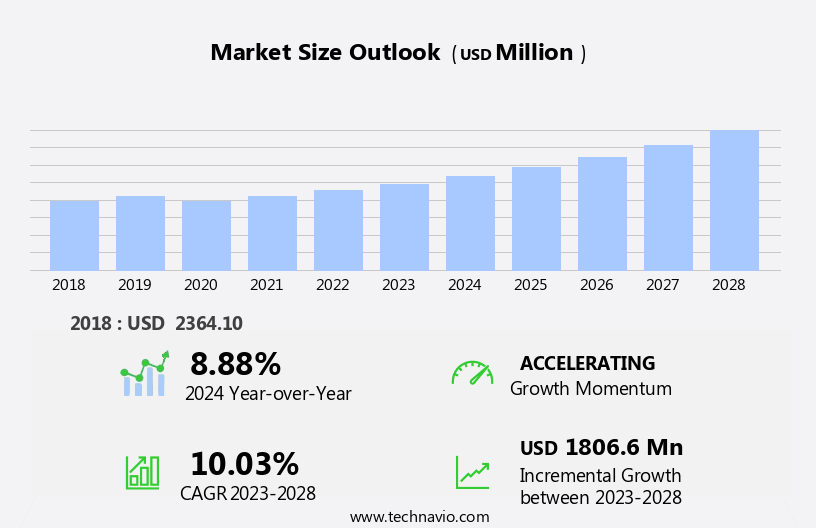
    Narcolepsy Drugs Market Size

     Request Free Sample

  • The market is experiencing significant growth due to the increasing prevalence of narcoleptic diseases among the aging population and elevated stress levels. According to estimates, over 200,000 American adults live with this chronic sleep disorder, which is characterized by daytime extreme sleepiness, sleep attacks, and cataplexy. The brain's sleep-wake cycles are disrupted in individuals with narcolepsy, leading to daytime drowsiness and sleep interruptions. Central hypersomnia and circadian delay are other related conditions that contribute to the market's expansion. The reimbursement environment for narcolepsy treatments plays a crucial role in market dynamics. Healthcare expenditure and medical infrastructure are essential factors influencing the accessibility and affordability of these medications.
  • Psychostimulants, such as modafinil and armodafinil, are commonly used to manage daytime sleepiness. However, the use of these drugs can be affected by lifestyle factors like alcohol and tobacco consumption. The complexities of the narcolepsy disorder necessitate ongoing research and development of effective treatments to improve patient outcomes.
  • How is this Narcolepsy Drugs Industry segmented and which is the largest segment?

    The narcolepsy drugs industry research report provides comprehensive data (region-wise segment analysis), with forecasts and estimates in "USD million" for the period 2024-2028, as well as historical data from 2018-2022 for the following segments.

    • Type
      • Narcolepsy with cataplexy
      • Narcolepsy without cataplexy
      • Secondary narcolepsy
    • Geography
      • North America
        • Canada
        • US
      • Europe
        • Germany
        • UK
        • France
      • Asia
        • Rest of World (ROW)

        By Type Insights

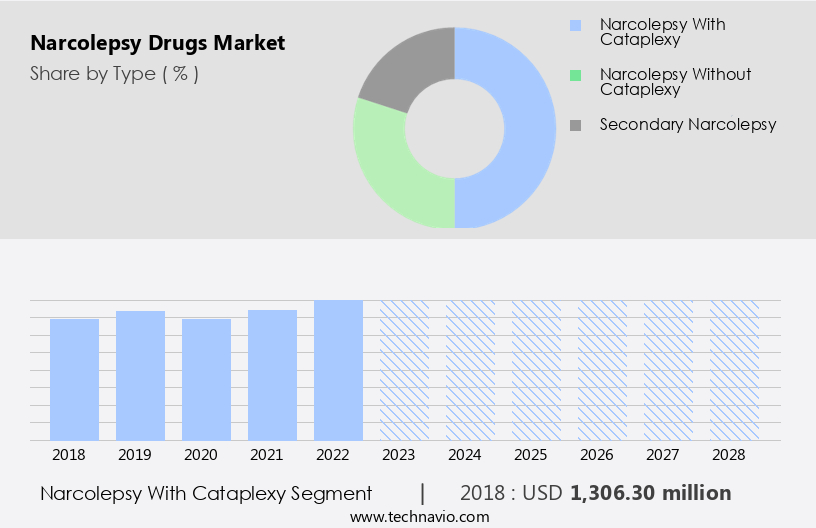
        • The narcolepsy with cataplexy segment is estimated to witness significant growth during the forecast period.

        Narcolepsy with cataplexy, a rare and debilitating sleep disorder, affects approximately 20-30 individuals per 100,000 globally. Characterized by sudden muscle weakness (cataplexy) and excessive daytime sleepiness, this condition is typically diagnosed during adolescence or young adulthood and persists throughout the lifespan. The underlying cause is the loss of hypocretin-producing neurons In the hypothalamus, a neurotransmitter associated with wakefulness. Other symptoms include hallucinations, sleep paralysis, disrupted night-time sleep, and weight gain. The aging population and increased stress levels contribute to the rise in healthcare expenditure for treating narcoleptic diseases. Central hypersomnia, circadian delay, and obesity rates further complicate the condition. Various treatments, including psychostimulants, tricyclic antidepressants, sodium oxybate, and medications like modafinil, antiepileptics, and psychiatric medications, are available.

        The reimbursement environment varies, and access to medical infrastructure, such as hospitals and diagnostic centers, is crucial for proper diagnosis and treatment. Narcolepsy, a chronic problem influenced by lifestyle factors like stress, addictive substances, and sleep interruptions, necessitates ongoing medical care and drug development.
        Narcolepsy Drugs Market Size

        Get a glance at the  Narcolepsy Drugs Industry report of share of various segments Request Free Sample

        The Narcolepsy with cataplexy segment was valued at USD 1.31 billion in 2018 and showed a gradual increase during the forecast period.

        Regional Analysis

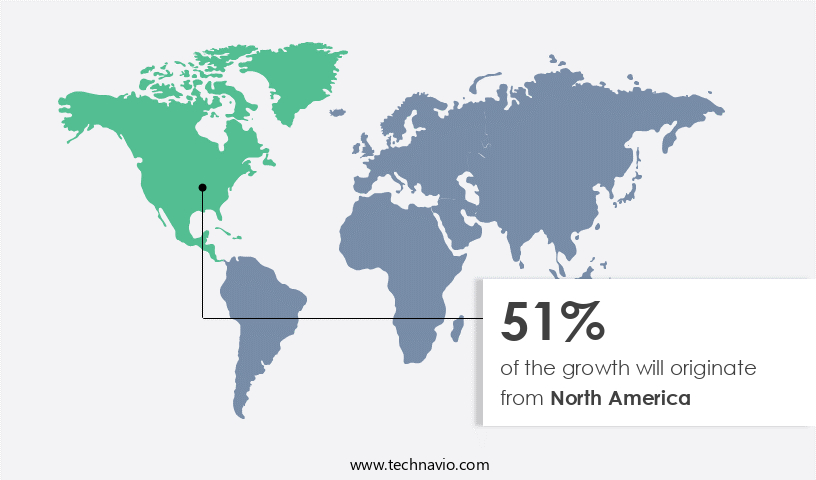
        • North America is estimated to contribute 51% to the growth of the global market during the forecast period.

        Technavio’s analysts have elaborately explained the regional trends and drivers that shape the market during the forecast period.
        Narcolepsy Drugs Market Share by Geography

        For more insights on the market share of various regions, Request Free Sample

        The North American market holds the largest share In the market due to high healthcare expenditure, advanced medical infrastructure, and the presence of major market players. In the US and Canada, the prevalence of narcolepsy, stress levels, and aging population contribute significantly to the market growth. New treatments, such as pitolisant, solriamfetol, and Xywav, targeting narcolepsy disorder, central hypersomnia, circadian delay, and cataplexy, have been introduced, further fueling the market expansion. The reimbursement environment and accessibility to diagnostic centers, hospitals, polysomnography, and other medical facilities facilitate the treatment of daytime extreme sleepiness, sleep attacks, and sleepiness. Obesity rates, addictive substances like alcohol and tobacco, and sleep interruptions are chronic problems exacerbating the need for medications and lifestyle changes.

        The market is expected to grow due to ongoing drug development, medical care advancements, and the increasing awareness of sleep disorders.

        Market Dynamics

        Our  researchers analyzed the data with 2023 as the base year, along with the key drivers, trends, and challenges. A holistic analysis of drivers will help companies refine their marketing strategies to gain a competitive advantage.

        What are the key market drivers leading to the rise In the adoption of Narcolepsy Drugs Industry?

        Rising product launches and clinical trials is the key driver of the market.

      • The market is experiencing growth due to the increasing prevalence of narcoleptic diseases among the aging population and elevated stress levels. According to the National Sleep Foundation, an estimated 2.6% of American adults have a sleep disorder, with narcolepsy affecting approximately 0.02-0.05% of the population. This chronic condition is characterized by excessive daytime sleepiness, sleep attacks, sleepiness, and sleep interruptions, which can significantly impact an individual's quality of life. Narcolepsy treatments include medications such as psychostimulants, tricyclic antidepressants, sodium oxybate, and modafinil. In recent years, there has been a surge In the development of new narcolepsy drugs to cater to the rising demand for effective treatments.
      • For instance, Jazz Pharmaceuticals received FDA approval for Xywav, an oral solution for treating cataplexy and excessive daytime sleepiness in patients with narcolepsy aged seven and above. Avadel Pharmaceuticals also submitted a new drug application (NDA) for FT218, an investigational agent for the treatment of excessive daytime sleepiness and cataplexy in adults with narcolepsy. Moreover, the reimbursement environment for narcolepsy treatments is evolving, with healthcare expenditure increasing and medical infrastructure expanding. Diagnostic centers and hospitals are investing in advanced technologies like polysomnography to diagnose sleep disorders accurately. The circadian system, which regulates sleep-wake cycles, plays a crucial role In the development of narcolepsy.
      • Factors such as obesity rates, addictive substances like alcohol and tobacco, and lifestyle changes can exacerbate the condition. The market dynamics for narcolepsy drugs are influenced by various factors, including the prevalence of central hypersomnia, circadian delay, and the impact of brain tumors, obesity, and peer pressure on the condition. The development of new drugs and medical care advances will continue to shape the market landscape. It is essential for individuals with narcolepsy to adhere to medical recommendations, including the use of personal protective equipment like face masks, gloves, eye protection, clothing, and maintaining a healthy lifestyle to manage their condition effectively.
      • What are the market trends shaping the Narcolepsy Drugs Industry?

        Advancement in narcolepsy treatment is the upcoming market trend.

      • Narcolepsy, a chronic sleep disorder affecting an estimated 200,000 American adults, is characterized by excessive daytime sleepiness, sleep attacks, and cataplexy. As the aging population grows and stress levels increase, healthcare expenditure on treating narcoleptic diseases is anticipated to rise. The medical infrastructure In the US, including hospitals and diagnostic centers, offers various treatments for this orphan disease. Narcolepsy treatments aim to manage symptoms such as daytime extreme sleepiness, sleep paralysis, and sleep-related hallucinations. Medications like Provigil (modafinil) and Nuvigal (armodafinil) are stimulants that promote wakefulness, while Xyrem (sodium oxybate) improves the sleep cycle and reduces sleep paralysis and sleep-related hallucinations.
      • Antiepipletics, such as Effexor (venlafaxine), are used to treat cataplexy. Several factors, including obesity rates, addictive substances like alcohol and tobacco, and circadian delay, can exacerbate narcolepsy symptoms. The reimbursement environment for these treatments can be challenging, as they may not be fully covered by insurance. Lifestyle changes, including good sleep hygiene, can complement medication therapy. The circadian system, which regulates sleep wake cycles, plays a crucial role in managing narcolepsy. Light dark cycles, personal protective equipment, and work schedules can impact the condition. Narcolepsy is a complex disorder that requires individualized treatment plans. Brain chemicals like orexin and hypocretin, which regulate sleep and appetite, are implicated In the condition.
      • Brain tumors and other medical conditions can also contribute to narcolepsy symptoms. In conclusion, the US market for narcolepsy drugs is expected to grow due to the increasing prevalence of the disease, aging population, and rising healthcare expenditure. The treatment landscape is diverse, with various medications and lifestyle changes available to manage symptoms. The reimbursement environment and individualized treatment plans present challenges for patients and healthcare providers alike. Understanding the complexities of narcolepsy and its treatment options is crucial for effective management of this chronic condition.
      • What challenges does the Narcolepsy Drugs Industry face during its growth?

        Lack of awareness is a key challenge affecting the industry growth.

      • Narcolepsy, a chronic sleep disorder affecting approximately 200,000 American adults, is characterized by excessive daytime sleepiness, cataplexy, and sleep attacks. The aging population and increasing stress levels contribute to the growing prevalence of this orphan disease. Misunderstood symptoms often result in incorrect diagnoses and inappropriate treatments, such as psychostimulants, tricyclic antidepressants, and antiepipletics. These medications, while not specifically designed for narcolepsy, can have detrimental side effects, particularly for children and adolescents. The lack of awareness surrounding narcolepsy results in only half of Americans understanding its significant health impact. Physicians also face challenges in recognizing and diagnosing the disorder, with only a small percentage expressing comfort in doing so.
      • This diagnostic uncertainty can lead to ineffective treatments and unnecessary healthcare expenditure. The narcolepsy treatments landscape includes medications like sodium oxybate, modafinil, and various psychiatric medications. The reimbursement environment for these drugs varies, impacting patient access and medical care. Central hypersomnia, circadian delay, and obesity rates further complicate the management of this chronic problem. The medical infrastructure, including hospitals and diagnostic centers, plays a crucial role in providing accurate diagnoses and effective treatments. Technologies like polysomnography and advanced brain imaging help identify underlying conditions contributing to narcolepsy symptoms. Factors such as stress, addictive substances like alcohol and tobacco, and lifestyle changes can exacerbate narcolepsy symptoms.
      • Drug development and medical care continue to evolve, offering new treatment options and improving patient outcomes. The circadian system, including the brain's sleep-wake cycles, is a critical area of research in understanding and managing narcolepsy. The complex interplay of brain chemicals like orexin and hypocretin, as well as potential contributions from brain tumors, require ongoing investigation. Personal protective equipment, such as face masks, gloves, eye protection, and clothing, can help mitigate the risk of respiratory distress syndrome and other complications for those with narcolepsy. This underscores the importance of a robust healthcare infrastructure and ongoing research to improve the lives of those affected by this debilitating disorder.
      • Exclusive Customer Landscape

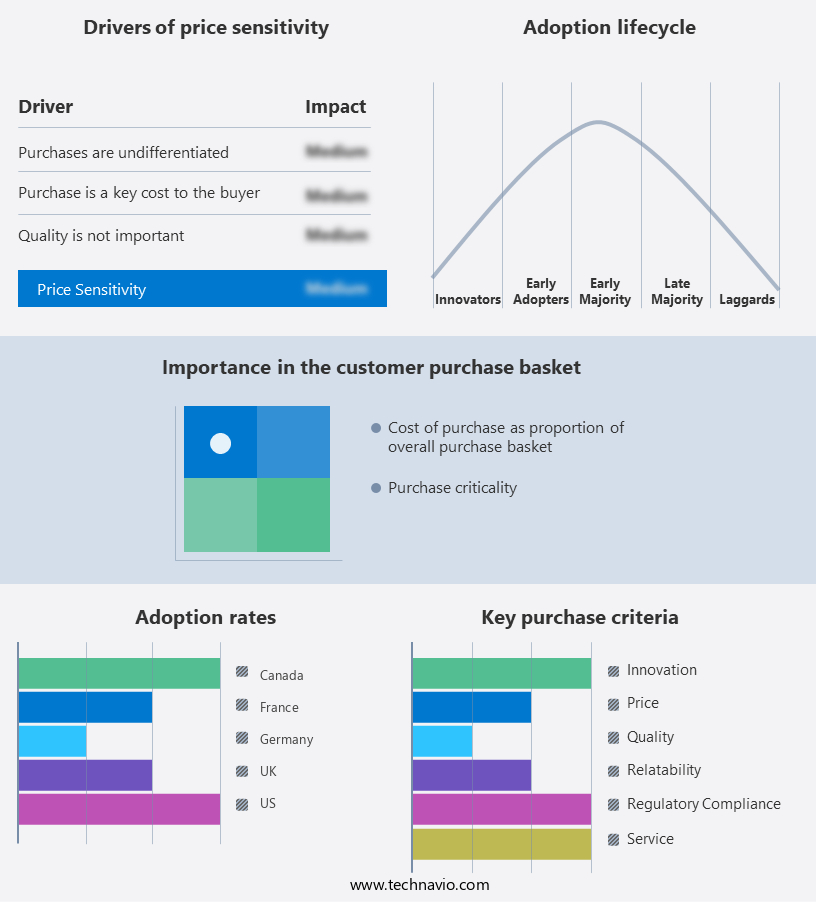
        The narcolepsy drugs market forecasting report includes the adoption lifecycle of the market, covering from the innovator’s stage to the laggard’s stage. It focuses on adoption rates in different regions based on penetration. Furthermore, the narcolepsy drugs market report also includes key purchase criteria and drivers of price sensitivity to help companies evaluate and develop their market growth analysis strategies.
        Narcolepsy Drugs Market Share by Geography

         Customer Landscape

        Key Companies & Market Insights

        Companies are implementing various strategies, such as strategic alliances, narcolepsy drugs market forecast, partnerships, mergers and acquisitions, geographical expansion, and product/service launches, to enhance their presence In the industry.

        Alkermes Public Ltd. Co. - The company specializes In the development and commercialization of treatments for various neurological conditions, including narcolepsy. Among its offerings are ALKS 2680 tablets, a medication utilized for managing the symptoms of this chronic disorder characterized by excessive daytime sleepiness and sudden, uncontrollable episodes of sleep. This medication, which functions as a selective and reversible orexin receptor antagonist, aims to help improve wakefulness and reduce sleep attacks in affected individuals. By addressing the underlying neurological mechanisms of narcolepsy, the company's therapeutic solutions contribute to enhancing the quality of life for those diagnosed with this condition.

        The industry research and growth report includes detailed analyses of the competitive landscape of the market and information about key companies, including:

        • Alkermes Public Ltd. Co.
        • Apotex Inc.
        • Aurobindo Pharma Ltd.
        • Avadel Pharmaceuticals plc
        • Axsome Therapeutics Inc.
        • BIOPROJET
        • Cadila Pharmaceuticals Ltd.
        • Don Valley Pharma
        • Graymark Healthcare Inc.
        • Jabs Biotech Pvt. Ltd.
        • Jazz Pharmaceuticals Plc
        • Luckys Pharma Pvt. Ltd.
        • Midas Pharma GmbH
        • Orbion Pharmaceuticals Pvt. Ltd.
        • SHIONOGI Co. Ltd.
        • Somacare
        • Takeda Pharmaceutical Co. Ltd.
        • Teva Pharmaceutical Industries Ltd.
        • XWPharma Ltd.

        Qualitative and quantitative analysis of companies has been conducted to help clients understand the wider business environment as well as the strengths and weaknesses of key industry players. Data is qualitatively analyzed to categorize companies as pure play, category-focused, industry-focused, and diversified; it is quantitatively analyzed to categorize companies as dominant, leading, strong, tentative, and weak.

        Research Analyst Overview

        Narcolepsy, a chronic sleep disorder characterized by daytime extreme sleepiness and sudden, uncontrollable episodes of sleep, affects a significant portion of the adult population. This condition, which can also include symptoms such as cataplexy, sleep attacks, and sleep paralysis, poses a significant challenge for those afflicted and places a burden on the healthcare system. The aging population is a key demographic In the context of narcolepsy. As people grow older, they become more susceptible to various health conditions, including sleep disorders. Stress levels, which are known to exacerbate the symptoms of narcolepsy, are also more prevalent in older adults due to various factors such as work pressures and personal responsibilities.

        The healthcare expenditure related to the management of narcolepsy and other sleep disorders is substantial. The medical infrastructure required to diagnose and treat these conditions includes hospitals, diagnostic centers, and specialized sleep disorder clinics. Polysomnography, a diagnostic test used to identify sleep disorders, is a critical component of this infrastructure. Central hypersomnia, a condition characterized by excessive daytime sleepiness, is closely related to narcolepsy. Circadian delay, a disruption In the normal sleep-wake cycles, is another common issue that can contribute to daytime sleepiness. Both of these conditions can be managed through a combination of medications and lifestyle changes.

        The reimbursement environment for narcolepsy treatments is an important consideration for patients and healthcare providers alike. Psychiatric medications, antiepileptics, and stimulants are among the classes of drugs commonly used to manage the symptoms of narcolepsy. Sodium oxybate, a medication that has shown significant efficacy In the treatment of narcolepsy with cataplexy, is an example of a specialized therapy that may require special reimbursement considerations. Obesity rates, addictive substances such as alcohol and tobacco, and other lifestyle factors can also impact the prevalence and severity of narcolepsy. These factors can contribute to the development of sleep disorders and exacerbate the symptoms of existing conditions.

        Drug development for narcolepsy and other sleep disorders is an active area of research. New treatments and therapies are being explored to address the underlying causes of these conditions and improve the quality of life for those affected. Medical care for narcolepsy and other sleep disorders requires a multidisciplinary approach, involving collaboration between healthcare providers, patients, and researchers. The brain's sleep-wake cycles are regulated by a complex system of chemicals, including orexin and hypocretin. Disruptions to this system can lead to conditions such as narcolepsy. Brain tumors and other neurological conditions can also contribute to sleep disorders. The overweight populace and peer pressure are additional factors that can impact the prevalence and management of sleep disorders.

        Personal protective equipment, such as face masks, gloves, and eye protection, can help mitigate the risk of respiratory distress syndrome and other health issues related to sleep disorders. In conclusion, the market for narcolepsy drugs is driven by the growing prevalence of sleep disorders, the aging population, and the need for effective treatments. The complex nature of these conditions requires a multidisciplinary approach to diagnosis, treatment, and management. Ongoing research and innovation In the field of sleep medicine offer hope for those affected by narcolepsy and other sleep disorders.

        Market Scope

        Report Coverage

        Details

        Page number

        133

        Base year

        2023

        Historic period

        2018-2022

        Forecast period

        2024-2028

        Growth momentum & CAGR

        Accelerate at a CAGR of 10.03%

        Market growth 2024-2028

        USD 1806.6 million

        Market structure

        Fragmented

        YoY growth 2023-2024(%)

        8.88

        Key countries

        US, Germany, UK, Canada, and France

        Competitive landscape

        Leading Companies, Market Positioning of Companies, Competitive Strategies, and Industry Risks

        Request Free Sample

        What are the Key Data Covered in this Narcolepsy Drugs Market Research and Growth Report?

        • CAGR of the Narcolepsy Drugs industry during the forecast period
        • Detailed information on factors that will drive the growth and forecasting between 2024 and 2028
        • Precise estimation of the size of the market and its contribution of the industry in focus to the parent market
        • Accurate predictions about upcoming growth and trends and changes in consumer behaviour
        • Growth of the market across North America, Europe, Asia, and Rest of World (ROW)
        • Thorough analysis of the market’s competitive landscape and detailed information about companies
        • Comprehensive analysis of factors that will challenge the narcolepsy drugs market growth of industry companies

        We can help! Our analysts can customize this narcolepsy drugs market research report to meet your requirements.

        Get in touch


        Table of Contents not available.

        Research Methodology

        Technavio presents a detailed picture of the market by way of study, synthesis, and summation of data from multiple sources. The analysts have presented the various facets of the market with a particular focus on identifying the key industry influencers. The data thus presented is comprehensive, reliable, and the result of extensive research, both primary and secondary.

        INFORMATION SOURCES

        Primary sources

        • Manufacturers and suppliers
        • Channel partners
        • Industry experts
        • Strategic decision makers

        Secondary sources

        • Industry journals and periodicals
        • Government data
        • Financial reports of key industry players
        • Historical data
        • Press releases

        DATA ANALYSIS

        Data Synthesis

        • Collation of data
        • Estimation of key figures
        • Analysis of derived insights

        Data Validation

        • Triangulation with data models
        • Reference against proprietary databases
        • Corroboration with industry experts

        REPORT WRITING

        Qualitative

        • Market drivers
        • Market challenges
        • Market trends
        • Five forces analysis

        Quantitative

        • Market size and forecast
        • Market segmentation
        • Geographical insights
        • Competitive landscape

        Interested in this report?

        Get your sample now to see our research methodology and insights!

        Download Now

        Frequently Asked Questions

        Narcolepsy Drugs market growth will increase by $ 1806.6 mn during 2024-2028.

        The Narcolepsy Drugs market is expected to grow at a CAGR of 10.03% during 2024-2028.

        Narcolepsy Drugs market is segmented by Type( Narcolepsy with cataplexy, Narcolepsy without cataplexy, Secondary narcolepsy)

        Alkermes Public Ltd. Co., Apotex Inc., Aurobindo Pharma Ltd., Avadel Pharmaceuticals plc, Axsome Therapeutics Inc., BIOPROJET, Cadila Pharmaceuticals Ltd., Don Valley Pharma, Graymark Healthcare Inc., Jabs Biotech Pvt. Ltd., Jazz Pharmaceuticals Plc, Luckys Pharma Pvt. Ltd., Midas Pharma GmbH, Orbion Pharmaceuticals Pvt. Ltd., SHIONOGI Co. Ltd., Somacare, Takeda Pharmaceutical Co. Ltd., Teva Pharmaceutical Industries Ltd., XWPharma Ltd. are a few of the key vendors in the Narcolepsy Drugs market.

        North America will register the highest growth rate of 51% among the other regions. Therefore, the Narcolepsy Drugs market in North America is expected to garner significant business opportunities for the vendors during the forecast period.

        US, Germany, UK, Canada, France

        • Rising product launches and clinical trialsRising cases of narcolepsy have led vendors to launch new drugs to meet the demand for the treatment. For instance is the driving factor this market.
        • in July 2020 is the driving factor this market.
        • Jazz Pharmaceuticals announced that it had received the Food and Drug Administration (FDA) approval for Xywav is the driving factor this market.
        • an oral solution for the treatment of cataplexy or excessive daytime sleepiness in patients with narcolepsy who are seven years of age and older. Similarly is the driving factor this market.
        • in 2021 is the driving factor this market.
        • the FDA accepted Avadel Pharmaceuticals's a new drug application (NDA) for an investigational agent is the driving factor this market.
        • FT218 is the driving factor this market.
        • in the treatment of excessive daytime sleepiness and cataplexy in adults with narcolepsy. In 2021 is the driving factor this market.
        • Stanford researcher illustrated a phase 3 study that proved an extended-release version of sodium oxybate reduces daytime sleepiness and improves muscle weakness in narcolepsy patients. Thus is the driving factor this market.
        • the product launch and rising clinical trials for narcolepsy treatment will drive the global narcolepsy drugs market growth during the forecast period. is the driving factor this market.

        The Narcolepsy Drugs market vendors should focus on grabbing business opportunities from the Narcolepsy with cataplexy segment as it accounted for the largest market share in the base year.
