


Nasal Cannula Market Analysis North America, Europe, Asia, Rest of World (ROW) - US, Germany, China, UK, Canada - Size and Forecast 2024-2028

Nasal Cannula Market Analysis North America, Europe, Asia, Rest of World (ROW) - US, Germany, China, UK, Canada - Size and Forecast 2024-2028

Published: Aug 2024 141 Pages SKU: IRTNTR45424

Market Overview at a Glance

$189.5 Mn
Market Opportunity
4.49%
CAGR
4.23
YoY growth 2023-2024(%)

Nasal Cannula Market Size 2024-2028

The nasal cannula market size is forecast to increase by USD 189.5 million at a CAGR of 4.49% between 2023 and 2028.

  • The nasal cannulas market is witnessing significant growth due to several key factors. The increasing prevalence of smoking and respiratory diseases is driving the demand for nasal cannulas as they are an essential medical device for delivering oxygen therapy. Another trend influencing market growth is the growing popularity of heated humidified high-flow nasal cannulas, which offer enhanced patient comfort and improved oxygen delivery. 
  • However, the high cost of healthcare services remains a major challenge for the market, as many patients find it difficult to afford these medical devices. Despite this, the nasal cannulas market is expected to continue its growth trajectory, driven by the increasing demand for non-invasive respiratory therapies and technological advancements in the field.

What will be the Size of the Nasal Cannula Market During the Forecast Period?
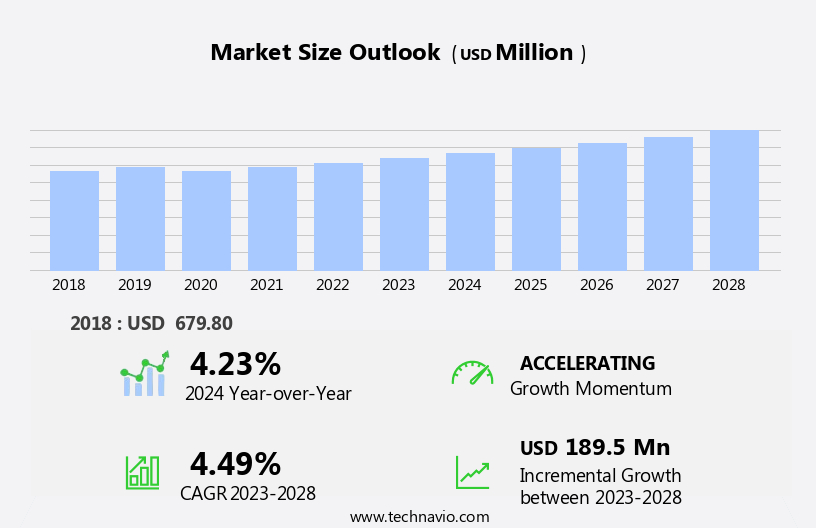
Nasal Cannula Market Size

 Request Free Sample

  • The nasal cannulas market caters to the growing demand for oxygen therapy in various respiratory conditions, including chronic obstructive pulmonary disease (COPD), asthma, cystic fibrosis, heart failure, lung cancer, pneumonia, pulmonary fibrosis, sleep apnea, and respiratory failures. These medical devices are increasingly utilized in ambulatory care and long-term care, offering convenience and mobility to patients. 
  • Oxygen therapy through nasal cannulas is beneficial for maintaining optimal levels of oxygen, particularly during physical activities or at high altitudes. However, potential risks such as nasal dryness, lung damage, and pulmonary oxygen toxicity necessitate careful monitoring and proper usage. The market for oxygen supply equipment, including electrical oxygen systems and nasal cannulas, is expected to grow significantly due to the increasing prevalence of respiratory illnesses and the expanding elderly population, who are more susceptible to chronic respiratory diseases.

How is this Nasal Cannula Industry segmented and which is the largest segment?

The nasal cannula industry research report provides comprehensive data (region-wise segment analysis), with forecasts and estimates in "USD million" for the period 2024-2028, as well as historical data from 2018-2022 for the following segments.

  • Product
    • High flow nasal cannula
    • Low flow nasal cannula
  • Geography
    • North America
      • Canada
      • US
    • Europe
      • Germany
      • UK
    • Asia
      • China
    • Rest of World (ROW)

By Product Insights

  • The high flow nasal cannula segment is estimated to witness significant growth during the forecast period.

High-flow nasal cannas are a popular oxygen therapy solution for individuals with respiratory conditions, such as asthma, bronchitis, emphysema, cystic fibrosis, heart failure, lung cancer, pneumonia, pulmonary fibrosis, sleep apnea, and newborns. These cannulas deliver oxygen at varying flow rates, with high-flow models providing up to 60 liters per minute (LPM). Oxygen therapy benefits include improved oxygenation, respiratory support, and patient comfort. However, risks include nasal dryness, lung damage, and pulmonary oxygen toxicity. High-flow nasal cannulas are particularly useful for individuals requiring high inspiratory oxygen therapy. The global market for nasal cannulas is expected to grow due to the increasing prevalence of chronic respiratory diseases and the need for ambulatory care, including smart inhalers.

Oxygen supply equipment, including oxygen concentrators and electrical oxygen systems, are integral to the delivery of oxygen therapy. While oxygen therapy offers numerous benefits, it is essential to be aware of potential risks and side effects, such as abdominal distension, pneumothorax, and lung collapse. Intubation and extubation may also be necessary in some cases of respiratory failure. Overall, nasal cannulas are an essential oxygen delivery system for individuals with various respiratory conditions and trauma cases.
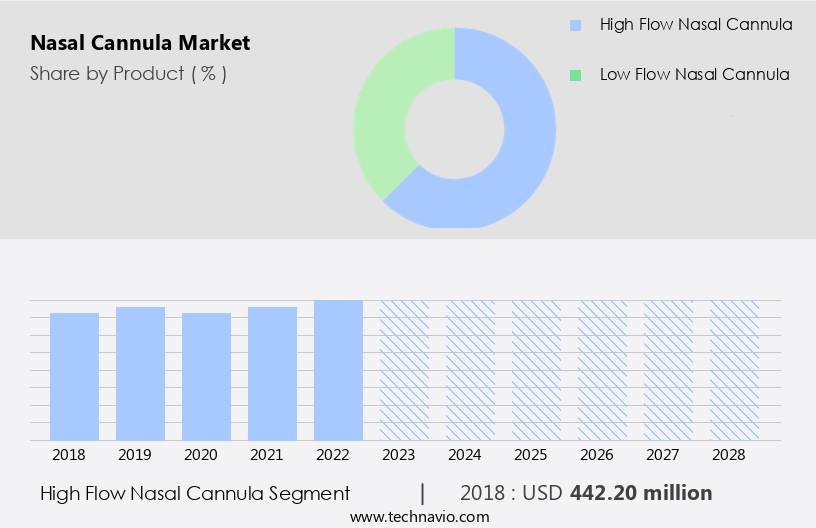
Nasal Cannula Market Size

Get a glance at the Nasal Cannula Industry report of share of various segments Request Free Sample

The High flow nasal cannula segment was valued at USD 442.20 million in 2018 and showed a gradual increase during the forecast period.

Regional Analysis

  • Asia is estimated to contribute 42% to the growth of the global market during the forecast period.

Technavio's analysts have elaborately explained the regional trends and drivers that shape the market during the forecast period.
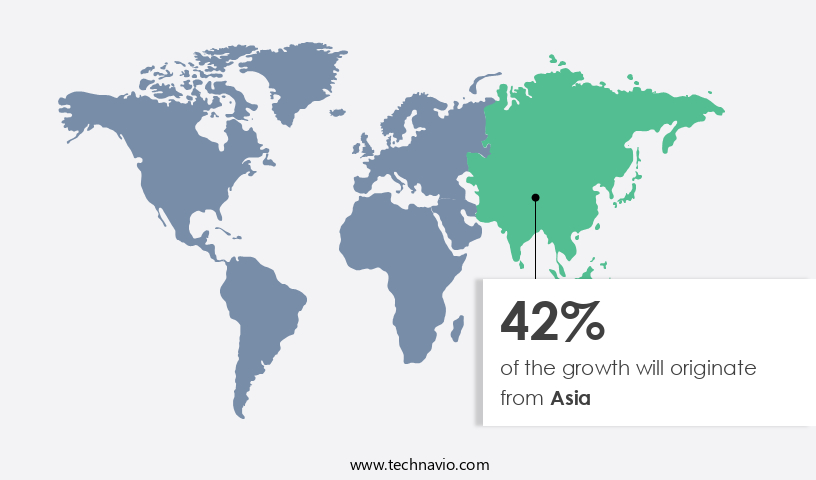
Nasal Cannula Market Share by Geography

For more insights on the market share of various regions, Request Free Sample

The North American market for nasal cannulas is experiencing steady growth, driven by the rising prevalence of chronic respiratory diseases, including asthma, bronchitis, emphysema, cystic fibrosis, heart failure, lung cancer, pneumonia, and pulmonary fibrosis. These conditions often necessitate hospitalization and oxygen therapy, leading to increased demand for nasal cannulas. High-flow and low-flow options are available, catering to various respiratory conditions and patient needs. Flexible, latex-free designs, such as Flexicare Medical's Veoflo high-flow nasal cannulas, offer comfort and optimal oxygen delivery. Oxygen therapy offers numerous benefits, including improved oxygen levels and alleviation of respiratory symptoms. However, potential risks include nasal dryness, lung damage, and pulmonary oxygen toxicity.

Proper use and monitoring are essential to mitigate these risks. Nasal cannulas are essential equipment in ambulatory care settings and oxygen supply systems, including electrical oxygen systems and oxygen concentrators.

Market Dynamics

Our  researchers analyzed the data with 2023 as the base year, along with the key drivers, trends, and challenges. A holistic analysis of drivers will help companies refine their marketing strategies to gain a competitive advantage.

What are the key market drivers leading to the rise In the adoption of Nasal Cannula Industry?

Growing prevalence of smoking is the key driver of the market.

  • Chronic bronchitis, a type of chronic obstructive pulmonary disease (COPD), affects nine million adults In the US according to the Centers for Disease Control and Prevention (CDC). COPD is the third leading cause of death worldwide, with 3.23 million deaths reported in 2019 by the World Health Organization (WHO). The primary causes of chronic bronchitis are long-term exposure to harmful gases and particles and tobacco smoke, whether from active or passive sources. The prevalence of smoking continues to rise in various regions globally, leading to an increase In the number of patients with chronic bronchitis. This trend is expected to boost the demand for bronchitis treatment drugs and oxygen therapy equipment, such as nasal cannulas, during the forecast period.
  • Nasal cannulas are essential oxygen delivery systems used In the treatment of various respiratory conditions, including asthma, bronchitis, emphysema, cystic fibrosis, heart failure, lung cancer, pneumonia, pulmonary fibrosis, sleep apnea, and newborns with respiratory distress. Oxygen therapy benefits include improving oxygen levels In the blood, preventing respiratory failure, and reducing the risk of collapsed lungs and intubation. However, nasal cannulas may cause side effects such as nasal dryness, lung damage, and pulmonary oxygen toxicity. Oxygen therapy risks include abdominal distension, pneumothorax, and lung damage due to prolonged use or high oxygen levels. Electrical oxygen systems, such as portable oxygen concentrators, are alternative oxygen supply equipment options for patients who require long-term oxygen therapy.
  • Oxygen concentrators convert ambient air into medical-grade oxygen, making them a cost-effective solution for patients with chronic respiratory diseases. In conclusion, the increasing prevalence of chronic bronchitis and other respiratory conditions will drive the demand for nasal cannulas and other oxygen therapy equipment during the forecast period. While oxygen therapy offers numerous benefits, it is essential to be aware of the potential risks and side effects to ensure proper use and patient safety.

What are the market trends shaping the Nasal Cannula Industry?

Growing popularity of heated humidified high-flow nasal cannula is the upcoming market trend.

  • Heated humidified high-flow nasal cannas are gaining prominence In the medical field due to their ability to deliver a high flow of medical gasses to individuals with respiratory illnesses. These nasal cannulas provide an optimal oxygen delivery system, ensuring ideal body saturation vapor pressure that matches human body temperature. They are commonly used In the treatment of various respiratory conditions, including hypoxemia, shortness of breath, acute asthma, pulmonary embolism, and post-operative procedures. The high flow rate, up to 60 LPM, helps reduce the need for intubation and non-invasive ventilation in certain individuals. Heated humidified high-flow nasal cannulas are particularly beneficial for individuals with chronic respiratory diseases such as asthma, bronchitis, emphysema, cystic fibrosis, heart failure, lung cancer, pneumonia, and pulmonary fibrosis.
  • They are also effective in managing sleep apnea and providing hyperbaric oxygen therapy for newborns. However, it is essential to note that these nasal cannulas come with risks, including nasal dryness, lung damage, and pulmonary oxygen toxicity. Other potential risks include respiratory failure, collapsed lung, intubation, extubation, and general difficulty breathing. Oxygen therapy benefits include improved oxygen levels, enhanced lung function, and reduced risk of complications associated with intubation and non-invasive ventilation. However, oxygen therapy risks include nasal dryness, lung damage, and pulmonary oxygen toxicity. It is crucial to monitor oxygen levels carefully to avoid over-oxygenation and ensure the safe and effective use of oxygen therapy equipment, such as oxygen concentrators and electrical oxygen systems.

What challenges does the Nasal Cannula Industry face during its growth?

High cost of healthcare is a key challenge affecting the industry growth.

  • The nasal cannulas market caters to the oxygen therapy needs of individuals with respiratory illnesses, including chronic respiratory diseases such as asthma, bronchitis, emphysema, cystic fibrosis, heart failure, lung cancer, pneumonia, pulmonary fibrosis, sleep apnea, and newborns. Oxygen therapy benefits include maintaining optimal oxygen levels and improving oxygen delivery to the lungs. However, risks such as nasal dryness, lung damage, and pulmonary oxygen toxicity are associated with prolonged use. Two main types of nasal cannulas are high-flow and low-flow. High-flow cannulas deliver a higher volume of oxygen, making them suitable for individuals with severe respiratory conditions. In contrast, low-flow cannasolas are suitable for individuals requiring minimal oxygen supplementation.
  • Major players In the market offer advanced, non-DEHP, and soft nasal cannulas, while smaller companies provide lightweight, low-cost alternatives. The market is highly competitive, with price wars affecting profit margins in developed countries. companies are expanding their manufacturing facilities in high-population countries to cater to the growing demand for nasal cannulas due to the high prevalence of respiratory conditions. Oxygen supply equipment, such as oxygen concentrators, play a crucial role In the oxygen therapy process. While electrical oxygen systems offer convenience and portability, they come with additional risks such as fire hazards. It is essential to consider the benefits and risks of nasal cannulas and oxygen therapy before use.
  • Nasal cannulas can cause side effects such as abdominal distension, pneumothorax, and lung collapse, especially during intubation and extubation. It is crucial to monitor oxygen levels and avoid over-supplementation to minimize these risks. Chicago hospital reported cases of respiratory failure due to improper use of nasal cannulas, emphasizing the importance of proper usage and monitoring.

Exclusive Customer Landscape

The nasal cannula market forecasting report includes the adoption lifecycle of the market, covering from the innovator's stage to the laggard's stage. It focuses on adoption rates in different regions based on penetration. Furthermore, the nasal cannula market report also includes key purchase criteria and drivers of price sensitivity to help companies evaluate and develop their market growth analysis strategies.
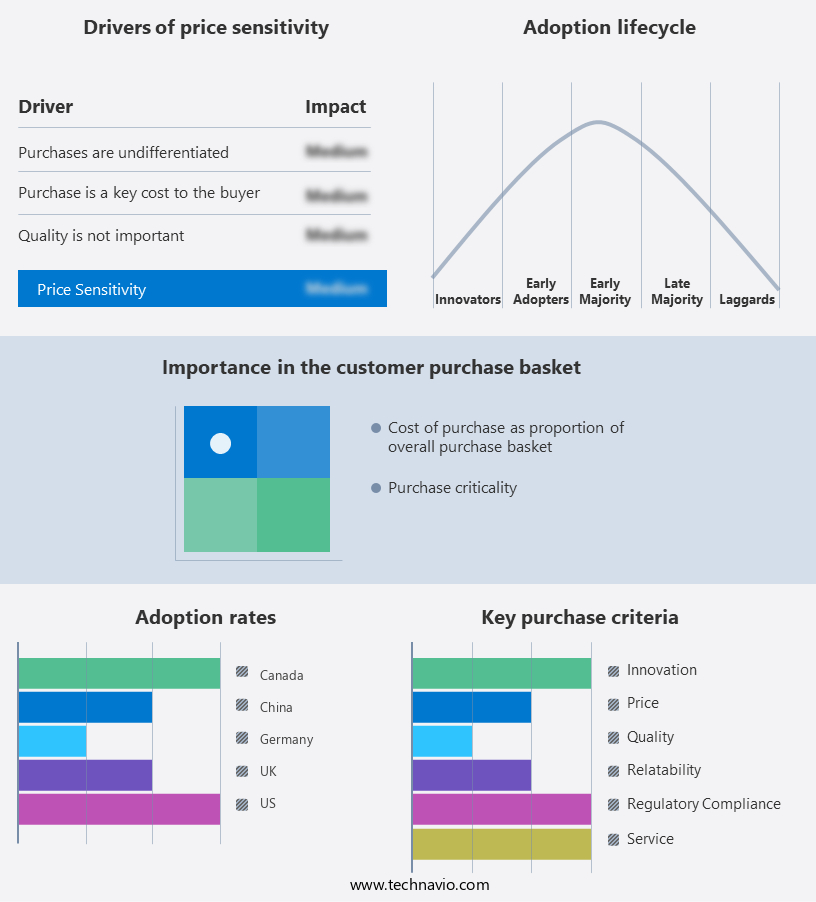
Nasal Cannula Market Share by Geography

 Customer Landscape

Key Companies & Market Insights

Companies are implementing various strategies, such as strategic alliances, nasal cannula market forecast, partnerships, mergers and acquisitions, geographical expansion, and product/service launches, to enhance their presence In the industry.

Airways surgical Pvt. Ltd. - The company specializes in providing a range of nasal cannulas, including the B Braun Vasofix Braunule IV Cannulas. These medical devices are essential for delivering fluids, medications, and oxygen to patients intranasally. The company's offerings cater to various healthcare applications, ensuring patient comfort and effective treatment outcomes.

The industry research and growth report includes detailed analyses of the competitive landscape of the market and information about key companies, including:

  • Airways surgical Pvt. Ltd.
  • B.Braun SE
  • Besmed Health Business Corp.
  • ConvaTec Group Plc
  • Fisher and Paykel Healthcare Corp. Ltd.
  • Flexicare Group Ltd.
  • GaleMed Corp.
  • Great Group Medical Co. Ltd.
  • Hamilton Co.
  • HUM GmbH
  • ICU Medical Inc.
  • JG Moriya
  • Masimo Corp.
  • Medical Depot Inc.
  • Neotech Products LLC
  • ResMed Inc.
  • Smiths Group Plc
  • Sunset Healthcare Solutions Inc.
  • Teleflex Inc.

Qualitative and quantitative analysis of companies has been conducted to help clients understand the wider business environment as well as the strengths and weaknesses of key industry players. Data is qualitatively analyzed to categorize companies as pure play, category-focused, industry-focused, and diversified; it is quantitatively analyzed to categorize companies as dominant, leading, strong, tentative, and weak.

Research Analyst Overview

The nasal cannulas market encompasses a range of medical devices designed for delivering oxygen therapy to individuals with respiratory illnesses. These conditions include, but are not limited to, chronic respiratory diseases such as asthma, bronchitis, emphysema, cystic fibrosis, heart failure, lung cancer, pneumonia, and pulmonary fibrosis. The use of nasal cannulas extends beyond hospital settings and is increasingly prevalent in ambulatory care. Oxygen therapy, a critical component of respiratory care, is essential for maintaining adequate oxygen levels In the body. Nasal cannulas serve as an oxygen delivery system, supplying oxygen directly to the nasal passages. Two primary types of nasal cannulas exist: high-flow and low-flow.

High-flow nasal cannulas offer increased oxygen flow rates, making them suitable for individuals with higher oxygen requirements. In contrast, low-flow nasal cannulas are designed for individuals with more moderate oxygen needs. The benefits of oxygen therapy are numerous, including improved oxygenation levels, reduced respiratory distress, and enhanced overall patient comfort. However, the use of nasal cannulas is not without risks. Potential complications include nasal dryness, lung damage, and pulmonary oxygen toxicity. Prolonged use of nasal cannulas may lead to respiratory failure, collapsed lungs, intubation, or extubation. Newborns, particularly those with respiratory distress syndrome, are common recipients of oxygen therapy via nasal cannulas.

Oxygen supply equipment, including electrical oxygen systems and oxygen concentrators, are essential components of oxygen therapy. These devices ensure a consistent and reliable oxygen supply, enabling healthcare professionals to effectively manage respiratory conditions. Despite the benefits, the use of nasal cannulas carries risks. Side effects include abdominal distension, pneumothorax, and lung complications. It is essential to monitor patients closely and address any complications promptly to minimize potential harm. In conclusion, the nasal cannulas market caters to the growing demand for oxygen therapy In the treatment of various respiratory conditions. The market encompasses a range of devices designed to deliver oxygen directly to the nasal passages, improving oxygenation levels and overall patient comfort. While oxygen therapy offers numerous benefits, it is crucial to be aware of potential risks and complications. Healthcare professionals must carefully monitor patients and address any issues promptly to ensure optimal patient outcomes.

Market Scope

Report Coverage

Details

Page number

141

Base year

2023

Historic period

2018-2022

Forecast period

2024-2028

Growth momentum & CAGR

Accelerate at a CAGR of 4.49%

Market growth 2024-2028

USD 189.5 million

Market structure

Fragmented

YoY growth 2023-2024(%)

4.23

Key countries

US, Germany, China, UK, and Canada

Competitive landscape

Leading Companies, Market Positioning of Companies, Competitive Strategies, and Industry Risks

Request Free Sample

What are the Key Data Covered in this Nasal Cannula Market Research and Growth Report?

  • CAGR of the Nasal Cannula industry during the forecast period
  • Detailed information on factors that will drive the growth and forecasting between 2024 and 2028
  • Precise estimation of the size of the market and its contribution of the industry in focus to the parent market
  • Accurate predictions about upcoming growth and trends and changes in consumer behaviour
  • Growth of the market across North America, Europe, Asia, and Rest of World (ROW)
  • Thorough analysis of the market's competitive landscape and detailed information about companies
  • Comprehensive analysis of factors that will challenge the nasal cannula market growth of industry companies

We can help! Our analysts can customize this nasal cannula market research report to meet your requirements.

Get in touch

1 Executive Summary

  • 1.1 Market overview
    • Executive Summary - Chart on Market Overview
    • Executive Summary - Data Table on Market Overview
    • Executive Summary - Chart on Global Market Characteristics
    • Executive Summary - Chart on Market by Geography
    • Executive Summary - Chart on Market Segmentation by Product
    • Executive Summary - Chart on Incremental Growth
    • Executive Summary - Data Table on Incremental Growth
    • Executive Summary - Chart on Company Market Positioning

2 Market Landscape

  • 2.1 Market ecosystem
    • Parent Market
    • Data Table on - Parent Market
  • 2.2 Market characteristics
    • Market characteristics analysis
  • 2.3 Value chain analysis
    • Value Chain Analysis

3 Market Sizing

  • 3.1 Market definition
    • Offerings of companies included in the market definition
  • 3.2 Market segment analysis
    • Market segments
  • 3.3 Market size 2023
    • 3.4 Market outlook: Forecast for 2023-2028
      • Chart on Global - Market size and forecast 2023-2028 ($ million)
      • Data Table on Global - Market size and forecast 2023-2028 ($ million)
      • Chart on Global Market: Year-over-year growth 2023-2028 (%)
      • Data Table on Global Market: Year-over-year growth 2023-2028 (%)

    4 Historic Market Size

    • 4.1 Global Nasal Cannula Market 2018 - 2022
      • Historic Market Size - Data Table on Global Nasal Cannula Market 2018 - 2022 ($ million)
    • 4.2 Product segment analysis 2018 - 2022
      • Historic Market Size - Product Segment 2018 - 2022 ($ million)
    • 4.3 Geography segment analysis 2018 - 2022
      • Historic Market Size - Geography Segment 2018 - 2022 ($ million)
    • 4.4 Country segment analysis 2018 - 2022
      • Historic Market Size - Country Segment 2018 - 2022 ($ million)

    5 Five Forces Analysis

    • 5.1 Five forces summary
      • Five forces analysis - Comparison between 2023 and 2028
    • 5.2 Bargaining power of buyers
      • Bargaining power of buyers - Impact of key factors 2023 and 2028
    • 5.3 Bargaining power of suppliers
      • Bargaining power of suppliers - Impact of key factors in 2023 and 2028
    • 5.4 Threat of new entrants
      • Threat of new entrants - Impact of key factors in 2023 and 2028
    • 5.5 Threat of substitutes
      • Threat of substitutes - Impact of key factors in 2023 and 2028
    • 5.6 Threat of rivalry
      • Threat of rivalry - Impact of key factors in 2023 and 2028
    • 5.7 Market condition
      • Chart on Market condition - Five forces 2023 and 2028

    6 Market Segmentation by Product

    • 6.1 Market segments
      • Chart on Product - Market share 2023-2028 (%)
      • Data Table on Product - Market share 2023-2028 (%)
    • 6.2 Comparison by Product
      • Chart on Comparison by Product
      • Data Table on Comparison by Product
    • 6.3 High flow nasal cannula - Market size and forecast 2023-2028
      • Chart on High flow nasal cannula - Market size and forecast 2023-2028 ($ million)
      • Data Table on High flow nasal cannula - Market size and forecast 2023-2028 ($ million)
      • Chart on High flow nasal cannula - Year-over-year growth 2023-2028 (%)
      • Data Table on High flow nasal cannula - Year-over-year growth 2023-2028 (%)
    • 6.4 Low flow nasal cannula - Market size and forecast 2023-2028
      • Chart on Low flow nasal cannula - Market size and forecast 2023-2028 ($ million)
      • Data Table on Low flow nasal cannula - Market size and forecast 2023-2028 ($ million)
      • Chart on Low flow nasal cannula - Year-over-year growth 2023-2028 (%)
      • Data Table on Low flow nasal cannula - Year-over-year growth 2023-2028 (%)
    • 6.5 Market opportunity by Product
      • Market opportunity by Product ($ million)
      • Data Table on Market opportunity by Product ($ million)

    7 Customer Landscape

    • 7.1 Customer landscape overview
      • Analysis of price sensitivity, lifecycle, customer purchase basket, adoption rates, and purchase criteria

    8 Geographic Landscape

    • 8.1 Geographic segmentation
      • Chart on Market share by geography 2023-2028 (%)
      • Data Table on Market share by geography 2023-2028 (%)
    • 8.2 Geographic comparison
      • Chart on Geographic comparison
      • Data Table on Geographic comparison
    • 8.3 North America - Market size and forecast 2023-2028
      • Chart on North America - Market size and forecast 2023-2028 ($ million)
      • Data Table on North America - Market size and forecast 2023-2028 ($ million)
      • Chart on North America - Year-over-year growth 2023-2028 (%)
      • Data Table on North America - Year-over-year growth 2023-2028 (%)
    • 8.4 Europe - Market size and forecast 2023-2028
      • Chart on Europe - Market size and forecast 2023-2028 ($ million)
      • Data Table on Europe - Market size and forecast 2023-2028 ($ million)
      • Chart on Europe - Year-over-year growth 2023-2028 (%)
      • Data Table on Europe - Year-over-year growth 2023-2028 (%)
    • 8.5 Asia - Market size and forecast 2023-2028
      • Chart on Asia - Market size and forecast 2023-2028 ($ million)
      • Data Table on Asia - Market size and forecast 2023-2028 ($ million)
      • Chart on Asia - Year-over-year growth 2023-2028 (%)
      • Data Table on Asia - Year-over-year growth 2023-2028 (%)
    • 8.6 Rest of World (ROW) - Market size and forecast 2023-2028
      • Chart on Rest of World (ROW) - Market size and forecast 2023-2028 ($ million)
      • Data Table on Rest of World (ROW) - Market size and forecast 2023-2028 ($ million)
      • Chart on Rest of World (ROW) - Year-over-year growth 2023-2028 (%)
      • Data Table on Rest of World (ROW) - Year-over-year growth 2023-2028 (%)
    • 8.7 US - Market size and forecast 2023-2028
      • Chart on US - Market size and forecast 2023-2028 ($ million)
      • Data Table on US - Market size and forecast 2023-2028 ($ million)
      • Chart on US - Year-over-year growth 2023-2028 (%)
      • Data Table on US - Year-over-year growth 2023-2028 (%)
    • 8.8 Germany - Market size and forecast 2023-2028
      • Chart on Germany - Market size and forecast 2023-2028 ($ million)
      • Data Table on Germany - Market size and forecast 2023-2028 ($ million)
      • Chart on Germany - Year-over-year growth 2023-2028 (%)
      • Data Table on Germany - Year-over-year growth 2023-2028 (%)
    • 8.9 China - Market size and forecast 2023-2028
      • Chart on China - Market size and forecast 2023-2028 ($ million)
      • Data Table on China - Market size and forecast 2023-2028 ($ million)
      • Chart on China - Year-over-year growth 2023-2028 (%)
      • Data Table on China - Year-over-year growth 2023-2028 (%)
    • 8.10 UK - Market size and forecast 2023-2028
      • Chart on UK - Market size and forecast 2023-2028 ($ million)
      • Data Table on UK - Market size and forecast 2023-2028 ($ million)
      • Chart on UK - Year-over-year growth 2023-2028 (%)
      • Data Table on UK - Year-over-year growth 2023-2028 (%)
    • 8.11 Canada - Market size and forecast 2023-2028
      • Chart on Canada - Market size and forecast 2023-2028 ($ million)
      • Data Table on Canada - Market size and forecast 2023-2028 ($ million)
      • Chart on Canada - Year-over-year growth 2023-2028 (%)
      • Data Table on Canada - Year-over-year growth 2023-2028 (%)
    • 8.12 Market opportunity by geography
      • Market opportunity by geography ($ million)
      • Data Tables on Market opportunity by geography ($ million)

    9 Drivers, Challenges, and Opportunity/Restraints

    • 9.1 Market drivers
      • 9.2 Market challenges
        • 9.3 Impact of drivers and challenges
          • Impact of drivers and challenges in 2023 and 2028
        • 9.4 Market opportunities/restraints

          10 Competitive Landscape

          • 10.1 Overview
            • 10.2 Competitive Landscape
              • Overview on criticality of inputs and factors of differentiation
            • 10.3 Landscape disruption
              • Overview on factors of disruption
            • 10.4 Industry risks
              • Impact of key risks on business

            11 Competitive Analysis

            • 11.1 Companies profiled
              • Companies covered
            • 11.2 Market positioning of companies
              • Matrix on companies position and classification
            • 11.3 B.Braun SE
              • B.Braun SE - Overview
              • B.Braun SE - Business segments
              • B.Braun SE - Key news
              • B.Braun SE - Key offerings
              • B.Braun SE - Segment focus
            • 11.4 Besmed Health Business Corp.
              • Besmed Health Business Corp. - Overview
              • Besmed Health Business Corp. - Product / Service
              • Besmed Health Business Corp. - Key offerings
            • 11.5 ConvaTec Group Plc
              • ConvaTec Group Plc - Overview
              • ConvaTec Group Plc - Product / Service
              • ConvaTec Group Plc - Key offerings
            • 11.6 Fisher and Paykel Healthcare Corp. Ltd.
              • Fisher and Paykel Healthcare Corp. Ltd. - Overview
              • Fisher and Paykel Healthcare Corp. Ltd. - Product / Service
              • Fisher and Paykel Healthcare Corp. Ltd. - Key news
              • Fisher and Paykel Healthcare Corp. Ltd. - Key offerings
            • 11.7 Flexicare Group Ltd.
              • Flexicare Group Ltd. - Overview
              • Flexicare Group Ltd. - Product / Service
              • Flexicare Group Ltd. - Key offerings
            • 11.8 Hamilton Co.
              • Hamilton Co. - Overview
              • Hamilton Co. - Product / Service
              • Hamilton Co. - Key offerings
            • 11.9 ICU Medical Inc.
              • ICU Medical Inc. - Overview
              • ICU Medical Inc. - Product / Service
              • ICU Medical Inc. - Key offerings
            • 11.10 Medical Depot Inc.
              • Medical Depot Inc. - Overview
              • Medical Depot Inc. - Product / Service
              • Medical Depot Inc. - Key offerings
            • 11.11 ResMed Inc.
              • ResMed Inc. - Overview
              • ResMed Inc. - Business segments
              • ResMed Inc. - Key news
              • ResMed Inc. - Key offerings
              • ResMed Inc. - Segment focus
            • 11.12 Teleflex Inc.
              • Teleflex Inc. - Overview
              • Teleflex Inc. - Business segments
              • Teleflex Inc. - Key news
              • Teleflex Inc. - Key offerings
              • Teleflex Inc. - Segment focus

            12 Appendix

            • 12.1 Scope of the report
              • 12.2 Inclusions and exclusions checklist
                • Inclusions checklist
                • Exclusions checklist
              • 12.3 Currency conversion rates for US$
                • Currency conversion rates for US$
              • 12.4 Research methodology
                • Research methodology
              • 12.5 Data procurement
                • Information sources
              • 12.6 Data validation
                • Data validation
              • 12.7 Validation techniques employed for market sizing
                • Validation techniques employed for market sizing
              • 12.8 Data synthesis
                • Data synthesis
              • 12.9 360 degree market analysis
                • 360 degree market analysis
              • 12.10 List of abbreviations
                • List of abbreviations

              Research Methodology

              Technavio presents a detailed picture of the market by way of study, synthesis, and summation of data from multiple sources. The analysts have presented the various facets of the market with a particular focus on identifying the key industry influencers. The data thus presented is comprehensive, reliable, and the result of extensive research, both primary and secondary.

              INFORMATION SOURCES

              Primary sources

              • Manufacturers and suppliers
              • Channel partners
              • Industry experts
              • Strategic decision makers

              Secondary sources

              • Industry journals and periodicals
              • Government data
              • Financial reports of key industry players
              • Historical data
              • Press releases

              DATA ANALYSIS

              Data Synthesis

              • Collation of data
              • Estimation of key figures
              • Analysis of derived insights

              Data Validation

              • Triangulation with data models
              • Reference against proprietary databases
              • Corroboration with industry experts

              REPORT WRITING

              Qualitative

              • Market drivers
              • Market challenges
              • Market trends
              • Five forces analysis

              Quantitative

              • Market size and forecast
              • Market segmentation
              • Geographical insights
              • Competitive landscape

              Interested in this report?

              Get your sample now to see our research methodology and insights!

              Download Now

              Frequently Asked Questions

              Nasal Cannula market growth will increase by $ 189.5 mn during 2024-2028.

              The Nasal Cannula market is expected to grow at a CAGR of 4.49% during 2024-2028.

              Nasal Cannula market is segmented by Product( High flow nasal cannula, Low flow nasal cannula)

              Airways surgical Pvt. Ltd., B.Braun SE, Besmed Health Business Corp., ConvaTec Group Plc, Fisher and Paykel Healthcare Corp. Ltd., Flexicare Group Ltd., GaleMed Corp., Great Group Medical Co. Ltd., Hamilton Co., HUM GmbH, ICU Medical Inc., JG Moriya, Masimo Corp., Medical Depot Inc., Neotech Products LLC, ResMed Inc., Smiths Group Plc, Sunset Healthcare Solutions Inc., Teleflex Inc. are a few of the key vendors in the Nasal Cannula market.

              Asia will register the highest growth rate of 42% among the other regions. Therefore, the Nasal Cannula market in Asia is expected to garner significant business opportunities for the vendors during the forecast period.

              US, Germany, China, UK, Canada

              • Growing prevalence of smokingAccording to the CDC is the driving factor this market.
              • in 2018 is the driving factor this market.
              • nine million adults were diagnosed with chronic bronchitis. It is estimated that 74% of adults suffering from chronic bronchitis have COPD. As per the WHO is the driving factor this market.
              • COPD was the third leading cause of death across the world is the driving factor this market.
              • causing 3.23 million deaths in 2019. COPD is the driving factor this market.
              • including chronic bronchitis is the driving factor this market.
              • results from long-term exposure to harmful gases and particles and exposure to tobacco smoke from active smoking or passive exposure to second-hand smoke. The prevalence of smoking has increased in various regions across the world in recent years. This will lead to a rise in the number of patients with chronic bronchitis is the driving factor this market.
              • which is the driving factor this market.
              • in turn is the driving factor this market.
              • will increase the demand for bronchitis treatment drugs during the forecast period. According to the WHO is the driving factor this market.
              • in 2019 is the driving factor this market.
              • the percentage of per capita spending on 100 packs of cigarettes was significantly higher in developing countries than in developed countries. In China is the driving factor this market.
              • the China National Tobacco Corp is the driving factor this market.
              • a state-owned tobacco manufacturer is the driving factor this market.
              • is planning to increase the sales of cigarettes during the forecast period. The manufacturer and its administrative arm is the driving factor this market.
              • the State Tobacco Monopoly Administration is the driving factor this market.
              • supply an estimated 2600 billion cigarettes annually to consumers in China. Moreover is the driving factor this market.
              • the smoking rate in China was the highest in the world in 2021 despite the introduction of wholesale tax hikes. According to the WHO is the driving factor this market.
              • in 2020 is the driving factor this market.
              • India and Indonesia were in the next two spots behind China in terms of the number of smokers is the driving factor this market.
              • accounting for 9% and 6% is the driving factor this market.
              • respectively is the driving factor this market.
              • of the total number of smokers across the world. According to CDC is the driving factor this market.
              • in 2020 is the driving factor this market.
              • around 32.51 million consumers in the US smoked cigarettes. The prevalence of smoking in Canada was 12% is the driving factor this market.
              • with approximately 3.7 million consumers in 2020. This can be attributed to the increasing adoption of e-cigarettes and other chewable tobacco products in North America. In South American countries such as Argentina is the driving factor this market.
              • the prevalence of smoking was around 25% in 2019. In the UAE and Saudi Arabia is the driving factor this market.
              • there were around 4.2 million smokers in 2019. In Turkey is the driving factor this market.
              • the number of smokers was around 14 million during the same year. The UAE allows smoking in public places such as government facilities is the driving factor this market.
              • restaurants is the driving factor this market.
              • pubs and bars is the driving factor this market.
              • public transport is the driving factor this market.
              • and indoor offices. In South Africa is the driving factor this market.
              • there were around six million smokers in 2019. Public smoking in South Africa has no stringent regulations. Therefore is the driving factor this market.
              • the prevalence of smoking is much higher in the country. Thus is the driving factor this market.
              • the increasing prevalence of smoking leads to increased cases of chronic bronchitis. Such factors will positively impact the growth of the global nasal cannula market during the forecast period. is the driving factor this market.

              The Nasal Cannula market vendors should focus on grabbing business opportunities from the High flow nasal cannula segment as it accounted for the largest market share in the base year.
