


Organic Laundry Detergents Market Analysis, Size, and Forecast 2026-2030: North America (US, Canada, and Mexico), Europe (Germany, UK, and France), APAC (China, Japan, and India), South America (Brazil and Argentina), Middle East and Africa (Saudi Arabia, UAE, and South Africa), and Rest of World (ROW)

Organic Laundry Detergents Market Analysis, Size, and Forecast 2026-2030:
North America (US, Canada, and Mexico), Europe (Germany, UK, and France), APAC (China, Japan, and India), South America (Brazil and Argentina), Middle East and Africa (Saudi Arabia, UAE, and South Africa), and Rest of World (ROW)

Published: Dec 2025 282 Pages SKU: IRTNTR75108

Market Overview at a Glance

$7.88 B
Market Opportunity
13.7%
CAGR 2025 - 2030
33.2%
North America Growth
$6.00 B
Offline segment 2024

Organic Laundry Detergents Market Size 2026-2030

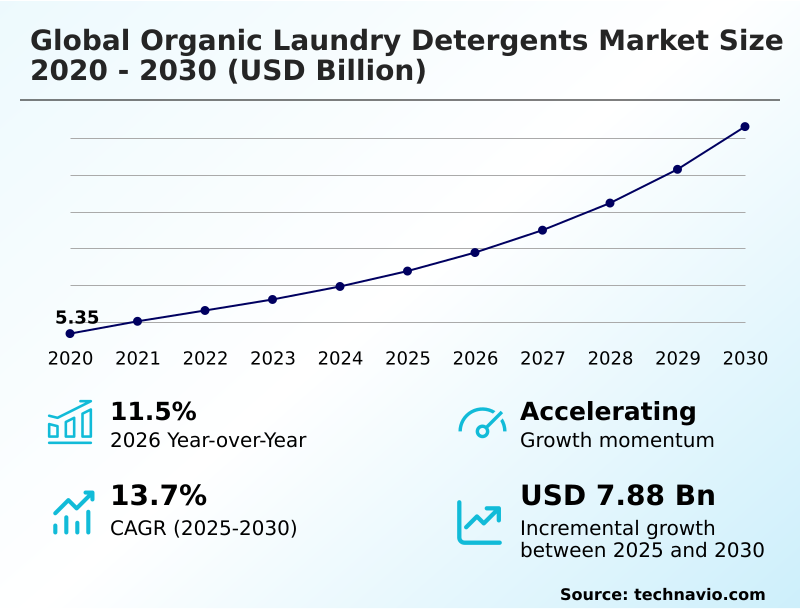
The organic laundry detergents market size is valued to increase by USD 7.88 billion, at a CAGR of 13.7% from 2025 to 2030. Increasing generation of industrial waste will drive the organic laundry detergents market.

Major Market Trends & Insights

  • North America dominated the market and accounted for a 33.2% growth during the forecast period.
  • By Distribution Channel - Offline segment was valued at USD 6.00 billion in 2024
  • By Product - Powdered detergents segment accounted for the largest market revenue share in 2024

Market Size & Forecast

  • Market Opportunities: USD 11.29 billion
  • Market Future Opportunities: USD 7.88 billion
  • CAGR from 2025 to 2030 : 13.7%

Market Summary

  • The organic laundry detergents market is expanding, driven by heightened consumer awareness regarding health and environmental sustainability. Demand is shifting away from traditional petroleum-based formulas toward products featuring plant-based ingredients and certified organic ingredients that are gentle on sensitive skin and ecosystems.
  • A key trend shaping the industry is the adoption of sustainable packaging solutions, with a focus on eliminating plastic waste through refillable detergent systems and zero waste packaging. This reflects a broader movement toward a circular economy in the home care sector. A significant business challenge involves managing supply chain transparency, as consumers increasingly demand ethically sourced, palm-free ingredients.
  • For instance, a manufacturer might reformulate its hypoallergenic formula to use a novel sophorolipid-based biosurfactant derived from local agro-industrial waste feedstock, thereby reducing its carbon footprint, ensuring ethical sourcing practices, and marketing a verifiably sustainable product.
  • While the higher price point of non-toxic ingredients remains a barrier for some, innovation in green chemistry innovation is gradually improving cost-performance parity, making eco-friendly laundry care more accessible to mainstream audiences and addressing consumer health and safety concerns.

What will be the Size of the Organic Laundry Detergents Market during the forecast period?
Get Key Insights on Market Forecast (PDF) Request Free Sample

How is the Organic Laundry Detergents Market Segmented?

The organic laundry detergents industry research report provides comprehensive data (region-wise segment analysis), with forecasts and estimates in "USD million" for the period 2026-2030, as well as historical data from 2020-2024 for the following segments.

  • Distribution channel
    • Offline
    • Online
  • Product
    • Powdered detergents
    • Liquid detergents
    • Pods detergents
  • Formulation
    • Plant-based ingredients
    • Enzyme-based
    • Essential oil infused
  • Geography
    • North America
      • US
      • Canada
      • Mexico
    • Europe
      • Germany
      • UK
      • France
    • APAC
      • China
      • Japan
      • India
    • South America
      • Brazil
      • Argentina
    • Middle East and Africa
      • Saudi Arabia
      • UAE
      • South Africa
    • Rest of World (ROW)

By Distribution Channel Insights

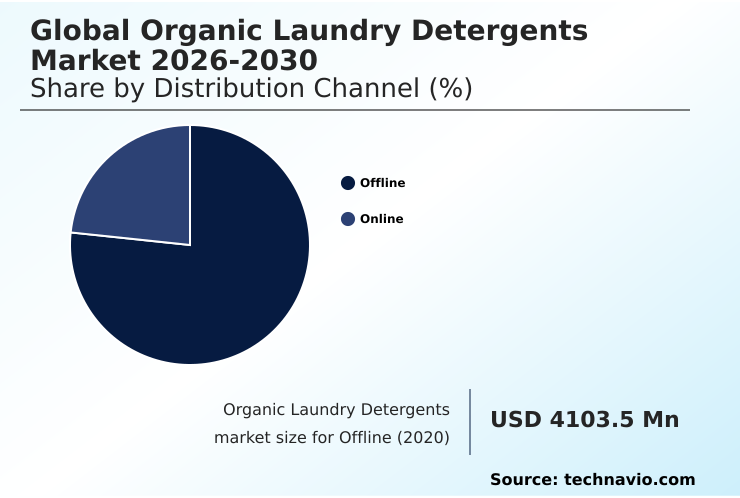
The offline segment is estimated to witness significant growth during the forecast period.

The offline channel remains a dominant force, encompassing a wide array of retail formats from specialty stores to hypermarkets.

These physical retail spaces provide a crucial touchpoint for consumers to engage with products, offering a wide selection of powdered detergents, liquid detergents, and increasingly popular pods detergents.

The in-store experience allows for direct comparison and interaction with novel formats like concentrated laundry detergent and innovations in recyclable packaging. However, the landscape is evolving, with direct-to-consumer brands and private label organic products gaining shelf space, driving competition.

These stores are instrumental in educating consumers about consumer health and safety benefits and showcasing home care market sustainability. Certain convenient formats, for instance, have demonstrated a 90% category growth since introduction, highlighting the channel's role in mainstreaming innovation.
Request Free Sample

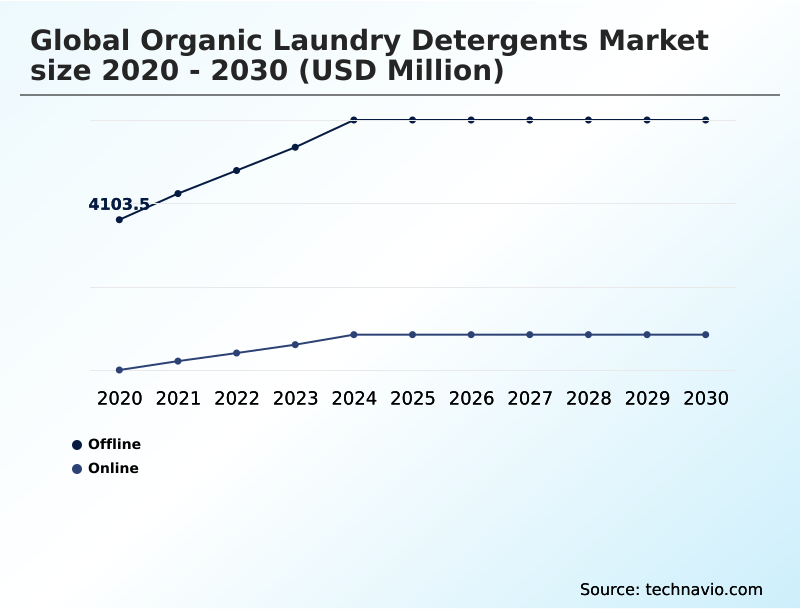
The Offline segment was valued at USD 6.00 billion in 2024 and showed a gradual increase during the forecast period.
Request Free Sample

Regional Analysis

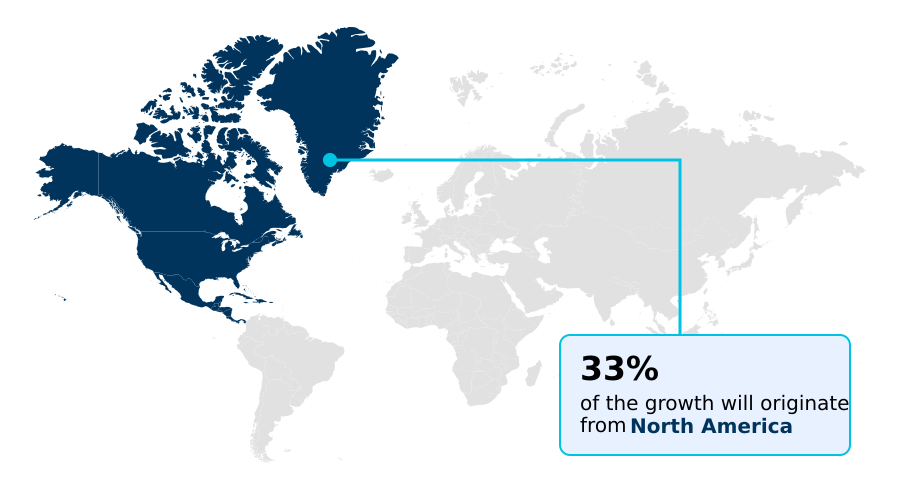
North America is estimated to contribute 33.2% to the growth of the global market during the forecast period.Technavio’s analysts have elaborately explained the regional trends and drivers that shape the market during the forecast period.
See How Organic Laundry Detergents Market Demand is Rising in North America Request Free Sample

The market presents a varied geographic landscape, with North America and APAC together accounting for approximately 65% of the incremental growth opportunity.

In North America, particularly the US, growth is propelled by strong consumer demand for sensitive skin formulations and products that comply with stringent ingredient transparency regulations. This has spurred green chemistry innovation in the region.

Conversely, the APAC market is characterized by rapid urbanization and a growing middle class increasingly focused on environmental impact reduction.

This region shows significant potential for the adoption of newer solutions like the waterless detergent format as consumers seek convenience and sustainability.

Europe remains a mature market where ethical sourcing practices for raw materials like oleochemicals and natural saponins from soap nuts are paramount for brand reputation and market acceptance.

Market Dynamics

Our researchers analyzed the data with 2025 as the base year, along with the key drivers, trends, and challenges. A holistic analysis of drivers will help companies refine their marketing strategies to gain a competitive advantage.

  • Consumer decision-making in the laundry care sector is becoming increasingly nuanced, moving beyond simple cleaning power to a holistic evaluation of health and environmental impact. Many shoppers actively seek the best organic detergent for sensitive skin, leading them to explore unscented organic laundry options for babies and formulations free from harsh chemicals.
  • This trend has fueled interest in zero waste laundry detergent sheets, which address both efficacy and recycling challenges with detergent packaging. A growing segment of consumers even explores how to make diy organic laundry soap, although the cost analysis of organic vs conventional detergents often highlights the convenience and performance of commercially available products.
  • The effectiveness of soap nuts in hard water and the role of enzymes in stain removal are common research points, with many comparing plant-based vs enzyme-based detergents to find the optimal solution. The push for sustainability also scrutinizes supply chains, with questions around natural laundry detergent without palm oil becoming a key differentiator.
  • This has led to an uptick in demand for top-rated powder organic laundry detergents and specialized liquid organic detergent for high-efficiency washers that deliver on both cleaning power and eco-credentials. Cold water organic laundry detergent performance is another critical factor, as it directly relates to household energy savings, which can be over 50% lower than hot water cycles.
  • Formulators are also addressing the impact of synthetic fragrances on health by focusing on the safety of essential oils in laundry products.
  • The rise of subscription services for eco-friendly detergents and the search for sustainable alternatives to fabric softeners show a clear market shift, influenced by government regulations on household cleaning products and a desire to find truly palm oil free laundry soap.
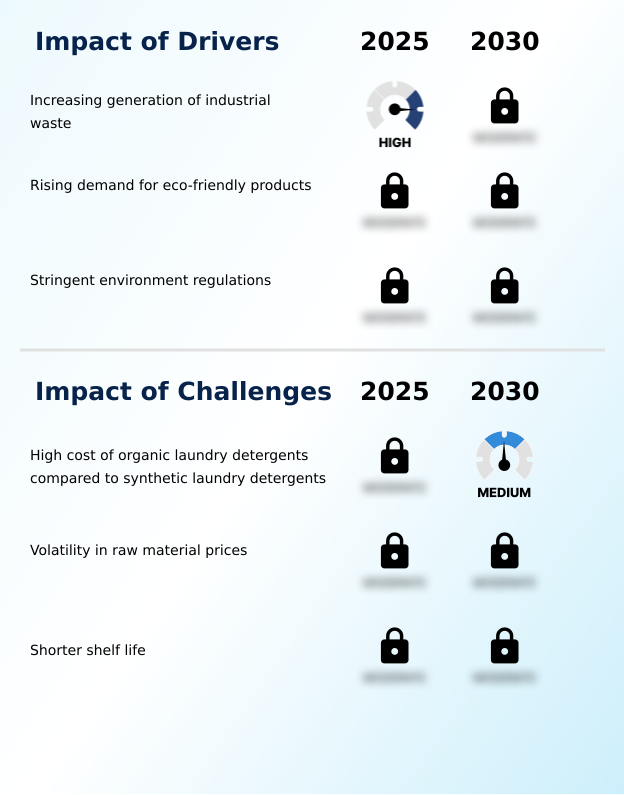
What are the key market drivers leading to the rise in the adoption of Organic Laundry Detergents Industry?

  • A primary market driver is the increasing generation of industrial waste, which serves as a viable and renewable feedstock for the production of organic laundry detergents.

  • Market growth is fundamentally driven by rising consumer demand for sustainable cleaning products and a strong preference for non-toxic ingredients.
  • The clean label product trend has moved from food to home care, with brands that provide supply chain transparency seeing a 20% lift in consumer trust.
  • A major operational driver is the utilization of renewable feedstock, particularly agro-industrial waste feedstock, to create next-generation biosurfactants.
  • This approach not only supports environmental impact reduction but can also lower raw material costs by up to 15% compared to sourcing virgin materials.
  • This innovation in biosurfactant production provides a cost-effective and high-performing alternative to petroleum-based alternatives, directly addressing concerns around consumer health and safety and resource depletion.

What are the market trends shaping the Organic Laundry Detergents Industry?

  • A key market trend is the industry's pivot toward innovative packaging designs. This shift emphasizes sustainability through flexible formats and the increased use of recycled materials.

  • Emerging market trends are centered on product innovation and sustainability, reflecting a deep shift in consumer priorities. The acceptance of liquid detergents and concentrated formats like unit dose cleaning pods continues to grow, with some brands reporting a 25% faster market adoption for these convenient options compared to traditional powders.
  • A significant trend is the move toward zero waste packaging and refillable detergent systems, which can reduce a household's plastic consumption from laundry products by up to 90% annually. This aligns with broader circular economy principles and goals for plastic waste elimination.
  • On the formulation side, enzymatic detergent sheets and other waterless formats are gaining traction, offering a lower carbon footprint reduction due to lighter shipping weights. These products increasingly feature a hypoallergenic formula with certified organic ingredients and plant-derived raw materials to appeal to health-conscious consumers.

What challenges does the Organic Laundry Detergents Industry face during its growth?

  • The high cost of organic laundry detergents relative to their synthetic counterparts, driven by complex extraction and production processes, poses a significant challenge to market expansion.

  • The primary market challenge remains the cost-performance gap compared to detergents using conventional synthetic surfactants. The price premium for plant-based ingredients and advanced sophorolipid-based biosurfactant options can be significant, with some production costs being 40% higher. Price volatility of key oleochemicals adds another layer of complexity to sustainable raw material sourcing.
  • This makes it difficult for brands, especially smaller direct-to-consumer brands, to compete on price with mass-market and private label organic products. Furthermore, scaling new technologies like the fermentation process for biosurfactants requires substantial capital investment, creating a barrier to entry.
  • This pricing pressure challenges manufacturers to innovate on cost without compromising the ethical sourcing practices and safety standards expected for products like baby-safe laundry products.

Exclusive Technavio Analysis on Customer Landscape

The organic laundry detergents market forecasting report includes the adoption lifecycle of the market, covering from the innovator’s stage to the laggard’s stage. It focuses on adoption rates in different regions based on penetration. Furthermore, the organic laundry detergents market report also includes key purchase criteria and drivers of price sensitivity to help companies evaluate and develop their market growth analysis strategies.
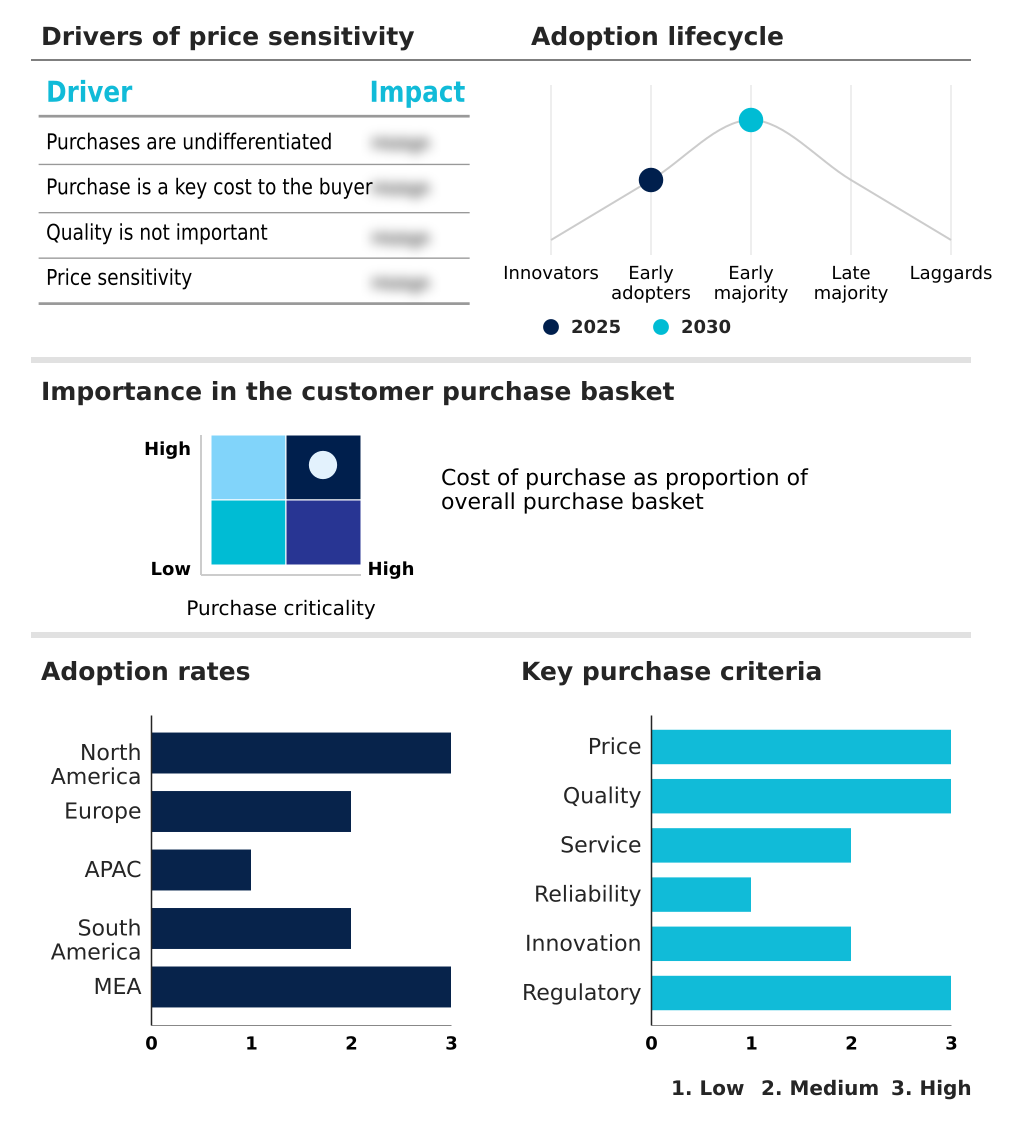
Customer Landscape of Organic Laundry Detergents Industry

Competitive Landscape

Companies are implementing various strategies, such as strategic alliances, organic laundry detergents market forecast, partnerships, mergers and acquisitions, geographical expansion, and product/service launches, to enhance their presence in the industry.

AspenClean - Specializes in certified organic cleaning solutions, providing a targeted range of plant-derived laundry and dish care products for health-conscious consumers.

The industry research and growth report includes detailed analyses of the competitive landscape of the market and information about key companies, including:

  • AspenClean
  • Dropps
  • Eco Me
  • EcoRoots
  • Ecozone Ltd.
  • Greenology Products Inc.
  • Grove Collaborative Inc.
  • Nellies
  • PurposeBuilt Brands
  • Rockin Green
  • S.C. Johnson and Son Inc.
  • Sodasan Wasch und Reinigungsmittel GmbH
  • Sonett GmbH
  • Tandis Naturals
  • Procter and Gamble Co.
  • Unilever PLC
  • Venus Laboratories DBA Earth Friendly Products
  • Werner and Mertz GmbH

Qualitative and quantitative analysis of companies has been conducted to help clients understand the wider business environment as well as the strengths and weaknesses of key industry players. Data is qualitatively analyzed to categorize companies as pure play, category-focused, industry-focused, and diversified; it is quantitatively analyzed to categorize companies as dominant, leading, strong, tentative, and weak.

Recent Development and News in Organic laundry detergents market

  • In May 2025, a leading chemical company announced the commercial launch of its new sophorolipid-based biosurfactant, offering a fully biodegradable, palm-free alternative for high-performance organic laundry detergents.
  • In March 2025, Unilever PLC formed a strategic partnership with a biotech innovator to develop and scale a new generation of cold-water enzymes, designed to significantly lower the energy footprint of laundry care.
  • In December 2024, Procter and Gamble Co. acquired a prominent direct-to-consumer brand known for its zero-waste enzymatic detergent sheets, signaling a strategic move into sustainable and waterless formats.
  • In September 2024, the US Environmental Protection Agency (EPA) expanded its Safer Choice Standard to include stricter criteria for ingredient transparency and biodegradability, increasing pressure on manufacturers to reformulate.

Dive into Technavio’s robust research methodology, blending expert interviews, extensive data synthesis, and validated models for unparalleled Organic Laundry Detergents Market insights. See full methodology.

Market Scope
Page number 282
Base year 2025
Historic period 2020-2024
Forecast period 2026-2030
Growth momentum & CAGR Accelerate at a CAGR of 13.7%
Market growth 2026-2030 USD 7875.2 million
Market structure Fragmented
YoY growth 2025-2026(%) 11.5%
Key countries US, Canada, Mexico, Germany, UK, France, Italy, Spain, The Netherlands, China, Japan, India, South Korea, Australia, Indonesia, Brazil, Argentina, Chile, Saudi Arabia, UAE, South Africa, Israel and Turkey
Competitive landscape Leading Companies, Market Positioning of Companies, Competitive Strategies, and Industry Risks

Request Free Sample

Research Analyst Overview

  • The organic laundry detergents market is undergoing a technical transformation, moving beyond simple formulations to sophisticated enzyme-based formulation and sophorolipid-based biosurfactant systems. This evolution is driven by the need for high-efficacy non-toxic ingredients that deliver superior cold-water performance. Manufacturers are leveraging biosurfactant production via advanced fermentation process technology to create potent, biodegradable compound cleaners.
  • These innovations are being incorporated into various formats, including traditional powdered detergents, popular liquid detergents, and convenient pods detergents or unit dose cleaning solutions. A critical boardroom consideration is sustainable raw material sourcing, with a clear shift from conventional synthetic surfactants and problematic petroleum-based alternatives toward renewable oleochemicals and agro-industrial waste feedstock.
  • For instance, advanced enzymatic detergent sheets can achieve effective stain removal at temperatures 20°C lower than standard detergents. Formulations increasingly feature plant-based ingredients, essential oil infused scents, and are designed as a hypoallergenic formula using certified organic ingredients like saponins from soap nuts.
  • The development of waterless detergent format and concentrated laundry detergent products, often using recyclable packaging or multi-layer flexible packaging, addresses both consumer convenience and environmental concerns over palm-free ingredients.

What are the Key Data Covered in this Organic Laundry Detergents Market Research and Growth Report?

  • What is the expected growth of the Organic Laundry Detergents Market between 2026 and 2030?

    • USD 7.88 billion, at a CAGR of 13.7%

  • What segmentation does the market report cover?

    • The report is segmented by Distribution Channel (Offline, and Online), Product (Powdered detergents, Liquid detergents, and Pods detergents), Formulation (Plant-based ingredients, Enzyme-based, and Essential oil infused) and Geography (North America, Europe, APAC, South America, Middle East and Africa)

  • Which regions are analyzed in the report?

    • North America, Europe, APAC, South America and Middle East and Africa

  • What are the key growth drivers and market challenges?

    • Increasing generation of industrial waste, High cost of organic laundry detergents compared to synthetic laundry detergents

  • Who are the major players in the Organic Laundry Detergents Market?

    • AspenClean, Dropps, Eco Me, EcoRoots, Ecozone Ltd., Greenology Products Inc., Grove Collaborative Inc., Nellies, PurposeBuilt Brands, Rockin Green, S.C. Johnson and Son Inc., Sodasan Wasch und Reinigungsmittel GmbH, Sonett GmbH, Tandis Naturals, Procter and Gamble Co., Unilever PLC, Venus Laboratories DBA Earth Friendly Products and Werner and Mertz GmbH

Market Research Insights

  • Market dynamics are shaped by a strong consumer pull toward sustainability and wellness, driving demand for eco-friendly laundry care and chemical-free cleaning solutions. The preference for plant-derived surfactants and sensitive skin formulations is no longer a niche, as evidenced by brands with clear ingredient transparency regulations compliance achieving up to a 15% higher rate of customer retention.
  • Innovations in green chemistry innovation are enabling new products, such as biodegradable cleaning agents in water-soluble pods, which have demonstrated a 20% improvement in dissolution speed in cold water.
  • Furthermore, the adoption of sustainable packaging design using post-consumer recycled materials is critical, with some companies reducing plastic use by over 70% per unit, directly impacting supply chain costs and reinforcing home care market sustainability goals.

We can help! Our analysts can customize this organic laundry detergents market research report to meet your requirements.

Get in touch

1. Executive Summary

1.1 Market overview

Executive Summary - Chart on Market Overview
Executive Summary - Data Table on Market Overview
Executive Summary - Chart on Global Market Characteristics
Executive Summary - Chart on Market by Geography
Executive Summary - Chart on Market Segmentation by Distribution Channel
Executive Summary - Chart on Market Segmentation by Product
Executive Summary - Chart on Market Segmentation by Formulation
Executive Summary - Chart on Incremental Growth
Executive Summary - Data Table on Incremental Growth
Executive Summary - Chart on Company Market Positioning

2. Technavio Analysis

2.1 Analysis of price sensitivity, lifecycle, customer purchase basket, adoption rates, and purchase criteria

2.2 Criticality of inputs and Factors of differentiation

Chart on Overview on criticality of inputs and factors of differentiation

2.3 Factors of disruption

Chart on Overview on factors of disruption

2.4 Impact of drivers and challenges

Chart on Impact of drivers and challenges in 2025 and 2030

3. Market Landscape

3.1 Market ecosystem

Chart on Parent Market
Data Table on - Parent Market

3.2 Market characteristics

Chart on Market characteristics analysis

3.3 Value chain analysis

Chart on Value chain analysis

4. Market Sizing

4.1 Market definition

Data Table on Offerings of companies included in the market definition

4.2 Market segment analysis

Market segments

4.3 Market size 2025

4.4 Market outlook: Forecast for 2025-2030

Chart on Global - Market size and forecast 2025-2030 ($ million)
Data Table on Global - Market size and forecast 2025-2030 ($ million)
Chart on Global Market: Year-over-year growth 2025-2030 (%)
Data Table on Global Market: Year-over-year growth 2025-2030 (%)

5. Historic Market Size

5.1 Global Organic Laundry Detergents Market 2020 - 2024

Historic Market Size - Data Table on Global Organic Laundry Detergents Market 2020 - 2024 ($ million)

5.2 Distribution Channel segment analysis 2020 - 2024

Historic Market Size - Distribution Channel Segment 2020 - 2024 ($ million)

5.3 Product segment analysis 2020 - 2024

Historic Market Size - Product Segment 2020 - 2024 ($ million)

5.4 Formulation segment analysis 2020 - 2024

Historic Market Size - Formulation Segment 2020 - 2024 ($ million)

5.5 Geography segment analysis 2020 - 2024

Historic Market Size - Geography Segment 2020 - 2024 ($ million)

5.6 Country segment analysis 2020 - 2024

Historic Market Size - Country Segment 2020 - 2024 ($ million)

6. Qualitative Analysis

6.1 The AI impact on Global Organic Laundry Detergents Market

7. Five Forces Analysis

7.1 Five forces summary

Five forces analysis - Comparison between 2025 and 2030

7.2 Bargaining power of buyers

Bargaining power of buyers - Impact of key factors 2025 and 2030

7.3 Bargaining power of suppliers

Bargaining power of suppliers - Impact of key factors in 2025 and 2030

7.4 Threat of new entrants

Threat of new entrants - Impact of key factors in 2025 and 2030

7.5 Threat of substitutes

Threat of substitutes - Impact of key factors in 2025 and 2030

7.6 Threat of rivalry

Threat of rivalry - Impact of key factors in 2025 and 2030

7.7 Market condition

Chart on Market condition - Five forces 2025 and 2030

8. Market Segmentation by Distribution Channel

8.1 Market segments

Chart on Distribution Channel - Market share 2025-2030 (%)
Data Table on Distribution Channel - Market share 2025-2030 (%)

8.2 Comparison by Distribution Channel

Chart on Comparison by Distribution Channel
Data Table on Comparison by Distribution Channel

8.3 Offline - Market size and forecast 2025-2030

Chart on Offline - Market size and forecast 2025-2030 ($ million)
Data Table on Offline - Market size and forecast 2025-2030 ($ million)
Chart on Offline - Year-over-year growth 2025-2030 (%)
Data Table on Offline - Year-over-year growth 2025-2030 (%)

8.4 Online - Market size and forecast 2025-2030

Chart on Online - Market size and forecast 2025-2030 ($ million)
Data Table on Online - Market size and forecast 2025-2030 ($ million)
Chart on Online - Year-over-year growth 2025-2030 (%)
Data Table on Online - Year-over-year growth 2025-2030 (%)

8.5 Market opportunity by Distribution Channel

Market opportunity by Distribution Channel ($ million)
Data Table on Market opportunity by Distribution Channel ($ million)

9. Market Segmentation by Product

9.1 Market segments

Chart on Product - Market share 2025-2030 (%)
Data Table on Product - Market share 2025-2030 (%)

9.2 Comparison by Product

Chart on Comparison by Product
Data Table on Comparison by Product

9.3 Powdered detergents - Market size and forecast 2025-2030

Chart on Powdered detergents - Market size and forecast 2025-2030 ($ million)
Data Table on Powdered detergents - Market size and forecast 2025-2030 ($ million)
Chart on Powdered detergents - Year-over-year growth 2025-2030 (%)
Data Table on Powdered detergents - Year-over-year growth 2025-2030 (%)

9.4 Liquid detergents - Market size and forecast 2025-2030

Chart on Liquid detergents - Market size and forecast 2025-2030 ($ million)
Data Table on Liquid detergents - Market size and forecast 2025-2030 ($ million)
Chart on Liquid detergents - Year-over-year growth 2025-2030 (%)
Data Table on Liquid detergents - Year-over-year growth 2025-2030 (%)

9.5 Pods detergents - Market size and forecast 2025-2030

Chart on Pods detergents - Market size and forecast 2025-2030 ($ million)
Data Table on Pods detergents - Market size and forecast 2025-2030 ($ million)
Chart on Pods detergents - Year-over-year growth 2025-2030 (%)
Data Table on Pods detergents - Year-over-year growth 2025-2030 (%)

9.6 Market opportunity by Product

Market opportunity by Product ($ million)
Data Table on Market opportunity by Product ($ million)

10. Market Segmentation by Formulation

10.1 Market segments

Chart on Formulation - Market share 2025-2030 (%)
Data Table on Formulation - Market share 2025-2030 (%)

10.2 Comparison by Formulation

Chart on Comparison by Formulation
Data Table on Comparison by Formulation

10.3 Plant-based ingredients - Market size and forecast 2025-2030

Chart on Plant-based ingredients - Market size and forecast 2025-2030 ($ million)
Data Table on Plant-based ingredients - Market size and forecast 2025-2030 ($ million)
Chart on Plant-based ingredients - Year-over-year growth 2025-2030 (%)
Data Table on Plant-based ingredients - Year-over-year growth 2025-2030 (%)

10.4 Enzyme-based - Market size and forecast 2025-2030

Chart on Enzyme-based - Market size and forecast 2025-2030 ($ million)
Data Table on Enzyme-based - Market size and forecast 2025-2030 ($ million)
Chart on Enzyme-based - Year-over-year growth 2025-2030 (%)
Data Table on Enzyme-based - Year-over-year growth 2025-2030 (%)

10.5 Essential oil infused - Market size and forecast 2025-2030

Chart on Essential oil infused - Market size and forecast 2025-2030 ($ million)
Data Table on Essential oil infused - Market size and forecast 2025-2030 ($ million)
Chart on Essential oil infused - Year-over-year growth 2025-2030 (%)
Data Table on Essential oil infused - Year-over-year growth 2025-2030 (%)

10.6 Market opportunity by Formulation

Market opportunity by Formulation ($ million)
Data Table on Market opportunity by Formulation ($ million)

11. Customer Landscape

11.1 Customer landscape overview

Analysis of price sensitivity, lifecycle, customer purchase basket, adoption rates, and purchase criteria

12. Geographic Landscape

12.1 Geographic segmentation

Chart on Market share by geography 2025-2030 (%)
Data Table on Market share by geography 2025-2030 (%)

12.2 Geographic comparison

Chart on Geographic comparison
Data Table on Geographic comparison

12.3 North America - Market size and forecast 2025-2030

Chart on North America - Market size and forecast 2025-2030 ($ million)
Data Table on North America - Market size and forecast 2025-2030 ($ million)
Chart on North America - Year-over-year growth 2025-2030 (%)
Data Table on North America - Year-over-year growth 2025-2030 (%)
Chart on Regional Comparison - North America
Data Table on Regional Comparison - North America

12.3.1 US - Market size and forecast 2025-2030

Chart on US - Market size and forecast 2025-2030 ($ million)
Data Table on US - Market size and forecast 2025-2030 ($ million)
Chart on US - Year-over-year growth 2025-2030 (%)
Data Table on US - Year-over-year growth 2025-2030 (%)

12.3.2 Canada - Market size and forecast 2025-2030

Chart on Canada - Market size and forecast 2025-2030 ($ million)
Data Table on Canada - Market size and forecast 2025-2030 ($ million)
Chart on Canada - Year-over-year growth 2025-2030 (%)
Data Table on Canada - Year-over-year growth 2025-2030 (%)

12.3.3 Mexico - Market size and forecast 2025-2030

Chart on Mexico - Market size and forecast 2025-2030 ($ million)
Data Table on Mexico - Market size and forecast 2025-2030 ($ million)
Chart on Mexico - Year-over-year growth 2025-2030 (%)
Data Table on Mexico - Year-over-year growth 2025-2030 (%)

12.4 Europe - Market size and forecast 2025-2030

Chart on Europe - Market size and forecast 2025-2030 ($ million)
Data Table on Europe - Market size and forecast 2025-2030 ($ million)
Chart on Europe - Year-over-year growth 2025-2030 (%)
Data Table on Europe - Year-over-year growth 2025-2030 (%)
Chart on Regional Comparison - Europe
Data Table on Regional Comparison - Europe

12.4.1 Germany - Market size and forecast 2025-2030

Chart on Germany - Market size and forecast 2025-2030 ($ million)
Data Table on Germany - Market size and forecast 2025-2030 ($ million)
Chart on Germany - Year-over-year growth 2025-2030 (%)
Data Table on Germany - Year-over-year growth 2025-2030 (%)

12.4.2 UK - Market size and forecast 2025-2030

Chart on UK - Market size and forecast 2025-2030 ($ million)
Data Table on UK - Market size and forecast 2025-2030 ($ million)
Chart on UK - Year-over-year growth 2025-2030 (%)
Data Table on UK - Year-over-year growth 2025-2030 (%)

12.4.3 France - Market size and forecast 2025-2030

Chart on France - Market size and forecast 2025-2030 ($ million)
Data Table on France - Market size and forecast 2025-2030 ($ million)
Chart on France - Year-over-year growth 2025-2030 (%)
Data Table on France - Year-over-year growth 2025-2030 (%)

12.4.4 Italy - Market size and forecast 2025-2030

Chart on Italy - Market size and forecast 2025-2030 ($ million)
Data Table on Italy - Market size and forecast 2025-2030 ($ million)
Chart on Italy - Year-over-year growth 2025-2030 (%)
Data Table on Italy - Year-over-year growth 2025-2030 (%)

12.4.5 Spain - Market size and forecast 2025-2030

Chart on Spain - Market size and forecast 2025-2030 ($ million)
Data Table on Spain - Market size and forecast 2025-2030 ($ million)
Chart on Spain - Year-over-year growth 2025-2030 (%)
Data Table on Spain - Year-over-year growth 2025-2030 (%)

12.4.6 The Netherlands - Market size and forecast 2025-2030

Chart on The Netherlands - Market size and forecast 2025-2030 ($ million)
Data Table on The Netherlands - Market size and forecast 2025-2030 ($ million)
Chart on The Netherlands - Year-over-year growth 2025-2030 (%)
Data Table on The Netherlands - Year-over-year growth 2025-2030 (%)

12.5 APAC - Market size and forecast 2025-2030

Chart on APAC - Market size and forecast 2025-2030 ($ million)
Data Table on APAC - Market size and forecast 2025-2030 ($ million)
Chart on APAC - Year-over-year growth 2025-2030 (%)
Data Table on APAC - Year-over-year growth 2025-2030 (%)
Chart on Regional Comparison - APAC
Data Table on Regional Comparison - APAC

12.5.1 China - Market size and forecast 2025-2030

Chart on China - Market size and forecast 2025-2030 ($ million)
Data Table on China - Market size and forecast 2025-2030 ($ million)
Chart on China - Year-over-year growth 2025-2030 (%)
Data Table on China - Year-over-year growth 2025-2030 (%)

12.5.2 Japan - Market size and forecast 2025-2030

Chart on Japan - Market size and forecast 2025-2030 ($ million)
Data Table on Japan - Market size and forecast 2025-2030 ($ million)
Chart on Japan - Year-over-year growth 2025-2030 (%)
Data Table on Japan - Year-over-year growth 2025-2030 (%)

12.5.3 India - Market size and forecast 2025-2030

Chart on India - Market size and forecast 2025-2030 ($ million)
Data Table on India - Market size and forecast 2025-2030 ($ million)
Chart on India - Year-over-year growth 2025-2030 (%)
Data Table on India - Year-over-year growth 2025-2030 (%)

12.5.4 South Korea - Market size and forecast 2025-2030

Chart on South Korea - Market size and forecast 2025-2030 ($ million)
Data Table on South Korea - Market size and forecast 2025-2030 ($ million)
Chart on South Korea - Year-over-year growth 2025-2030 (%)
Data Table on South Korea - Year-over-year growth 2025-2030 (%)

12.5.5 Australia - Market size and forecast 2025-2030

Chart on Australia - Market size and forecast 2025-2030 ($ million)
Data Table on Australia - Market size and forecast 2025-2030 ($ million)
Chart on Australia - Year-over-year growth 2025-2030 (%)
Data Table on Australia - Year-over-year growth 2025-2030 (%)

12.5.6 Indonesia - Market size and forecast 2025-2030

Chart on Indonesia - Market size and forecast 2025-2030 ($ million)
Data Table on Indonesia - Market size and forecast 2025-2030 ($ million)
Chart on Indonesia - Year-over-year growth 2025-2030 (%)
Data Table on Indonesia - Year-over-year growth 2025-2030 (%)

12.6 South America - Market size and forecast 2025-2030

Chart on South America - Market size and forecast 2025-2030 ($ million)
Data Table on South America - Market size and forecast 2025-2030 ($ million)
Chart on South America - Year-over-year growth 2025-2030 (%)
Data Table on South America - Year-over-year growth 2025-2030 (%)
Chart on Regional Comparison - South America
Data Table on Regional Comparison - South America

12.6.1 Brazil - Market size and forecast 2025-2030

Chart on Brazil - Market size and forecast 2025-2030 ($ million)
Data Table on Brazil - Market size and forecast 2025-2030 ($ million)
Chart on Brazil - Year-over-year growth 2025-2030 (%)
Data Table on Brazil - Year-over-year growth 2025-2030 (%)

12.6.2 Argentina - Market size and forecast 2025-2030

Chart on Argentina - Market size and forecast 2025-2030 ($ million)
Data Table on Argentina - Market size and forecast 2025-2030 ($ million)
Chart on Argentina - Year-over-year growth 2025-2030 (%)
Data Table on Argentina - Year-over-year growth 2025-2030 (%)

12.6.3 Chile - Market size and forecast 2025-2030

Chart on Chile - Market size and forecast 2025-2030 ($ million)
Data Table on Chile - Market size and forecast 2025-2030 ($ million)
Chart on Chile - Year-over-year growth 2025-2030 (%)
Data Table on Chile - Year-over-year growth 2025-2030 (%)

12.7 Middle East and Africa - Market size and forecast 2025-2030

Chart on Middle East and Africa - Market size and forecast 2025-2030 ($ million)
Data Table on Middle East and Africa - Market size and forecast 2025-2030 ($ million)
Chart on Middle East and Africa - Year-over-year growth 2025-2030 (%)
Data Table on Middle East and Africa - Year-over-year growth 2025-2030 (%)
Chart on Regional Comparison - Middle East and Africa
Data Table on Regional Comparison - Middle East and Africa

12.7.1 Saudi Arabia - Market size and forecast 2025-2030

Chart on Saudi Arabia - Market size and forecast 2025-2030 ($ million)
Data Table on Saudi Arabia - Market size and forecast 2025-2030 ($ million)
Chart on Saudi Arabia - Year-over-year growth 2025-2030 (%)
Data Table on Saudi Arabia - Year-over-year growth 2025-2030 (%)

12.7.2 UAE - Market size and forecast 2025-2030

Chart on UAE - Market size and forecast 2025-2030 ($ million)
Data Table on UAE - Market size and forecast 2025-2030 ($ million)
Chart on UAE - Year-over-year growth 2025-2030 (%)
Data Table on UAE - Year-over-year growth 2025-2030 (%)

12.7.3 South Africa - Market size and forecast 2025-2030

Chart on South Africa - Market size and forecast 2025-2030 ($ million)
Data Table on South Africa - Market size and forecast 2025-2030 ($ million)
Chart on South Africa - Year-over-year growth 2025-2030 (%)
Data Table on South Africa - Year-over-year growth 2025-2030 (%)

12.7.4 Israel - Market size and forecast 2025-2030

Chart on Israel - Market size and forecast 2025-2030 ($ million)
Data Table on Israel - Market size and forecast 2025-2030 ($ million)
Chart on Israel - Year-over-year growth 2025-2030 (%)
Data Table on Israel - Year-over-year growth 2025-2030 (%)

12.7.5 Turkey - Market size and forecast 2025-2030

Chart on Turkey - Market size and forecast 2025-2030 ($ million)
Data Table on Turkey - Market size and forecast 2025-2030 ($ million)
Chart on Turkey - Year-over-year growth 2025-2030 (%)
Data Table on Turkey - Year-over-year growth 2025-2030 (%)

12.8 Market opportunity by geography

Market opportunity by geography ($ million)
Data Tables on Market opportunity by geography ($ million)

13. Drivers, Challenges, and Opportunity

13.1 Market drivers

Increasing generation of industrial waste
Rising demand for eco-friendly products
Stringent environment regulations

13.2 Market challenges

High cost of organic laundry detergents compared to synthetic laundry detergents
Volatility in raw material prices
Shorter shelf life

13.3 Impact of drivers and challenges

Impact of drivers and challenges in 2025 and 2030

13.4 Market opportunities

Emerging new packaging designs
Growth in online retail sector
Increasing acceptance of liquid organic laundry detergents

14. Competitive Landscape

14.1 Overview

14.2

Overview on criticality of inputs and factors of differentiation

14.3 Landscape disruption

Overview on factors of disruption

14.4 Industry risks

Impact of key risks on business

15. Competitive Analysis

15.1 Companies profiled

Companies covered

15.2 Company ranking index

15.3 Market positioning of companies

Matrix on companies position and classification

15.4 AspenClean

AspenClean - Overview
AspenClean - Product / Service
AspenClean - Key offerings
SWOT

15.5 Eco Me

Eco Me - Overview
Eco Me - Product / Service
Eco Me - Key offerings
SWOT

15.6 EcoRoots

EcoRoots - Overview
EcoRoots - Product / Service
EcoRoots - Key offerings
SWOT

15.7 Ecozone Ltd.

Ecozone Ltd. - Overview
Ecozone Ltd. - Product / Service
Ecozone Ltd. - Key offerings
SWOT

15.8 Greenology Products Inc.

Greenology Products Inc. - Overview
Greenology Products Inc. - Product / Service
Greenology Products Inc. - Key offerings
SWOT

15.9 Grove Collaborative Inc.

Grove Collaborative Inc. - Overview
Grove Collaborative Inc. - Product / Service
Grove Collaborative Inc. - Key offerings
SWOT

15.10 PurposeBuilt Brands

PurposeBuilt Brands - Overview
PurposeBuilt Brands - Product / Service
PurposeBuilt Brands - Key offerings
SWOT

15.11 Rockin Green

Rockin Green - Overview
Rockin Green - Product / Service
Rockin Green - Key offerings
SWOT

15.12 S.C. Johnson and Son Inc.

S.C. Johnson and Son Inc. - Overview
S.C. Johnson and Son Inc. - Product / Service
S.C. Johnson and Son Inc. - Key offerings
SWOT

15.13 Sonett GmbH

Sonett GmbH - Overview
Sonett GmbH - Product / Service
Sonett GmbH - Key offerings
SWOT

15.14 Tandis Naturals

Tandis Naturals - Overview
Tandis Naturals - Product / Service
Tandis Naturals - Key offerings
SWOT

15.15 Procter and Gamble Co.

Procter and Gamble Co. - Overview
Procter and Gamble Co. - Business segments
Procter and Gamble Co. - Key offerings
Procter and Gamble Co. - Segment focus
SWOT

15.16 Unilever PLC

Unilever PLC - Overview
Unilever PLC - Business segments
Unilever PLC - Key offerings
Unilever PLC - Segment focus
SWOT

15.17 Venus Laboratories DBA Earth Friendly Products

Venus Laboratories DBA Earth Friendly Products - Overview
Venus Laboratories DBA Earth Friendly Products - Product / Service
Venus Laboratories DBA Earth Friendly Products - Key offerings
SWOT

15.18 Werner and Mertz GmbH

Werner and Mertz GmbH - Overview
Werner and Mertz GmbH - Product / Service
Werner and Mertz GmbH - Key offerings
SWOT

16. Appendix

16.1 Scope of the report

Market definition
Objectives
Notes and caveats

16.2 Inclusions and exclusions checklist

Inclusions checklist
Exclusions checklist

16.3 Currency conversion rates for US$

16.4 Research methodology

16.5 Data procurement

Information sources

16.6 Data validation

16.7 Validation techniques employed for market sizing

16.8 Data synthesis

16.9 360 degree market analysis

16.10 List of abbreviations

Research Methodology

Technavio presents a detailed picture of the market by way of study, synthesis, and summation of data from multiple sources. The analysts have presented the various facets of the market with a particular focus on identifying the key industry influencers. The data thus presented is comprehensive, reliable, and the result of extensive research, both primary and secondary.

INFORMATION SOURCES

Primary sources

  • Manufacturers and suppliers
  • Channel partners
  • Industry experts
  • Strategic decision makers

Secondary sources

  • Industry journals and periodicals
  • Government data
  • Financial reports of key industry players
  • Historical data
  • Press releases

DATA ANALYSIS

Data Synthesis

  • Collation of data
  • Estimation of key figures
  • Analysis of derived insights

Data Validation

  • Triangulation with data models
  • Reference against proprietary databases
  • Corroboration with industry experts

REPORT WRITING

Qualitative

  • Market drivers
  • Market challenges
  • Market trends
  • Five forces analysis

Quantitative

  • Market size and forecast
  • Market segmentation
  • Geographical insights
  • Competitive landscape

Interested in this report?

Get your sample now to see our research methodology and insights!

Download Now

Frequently Asked Questions

Organic Laundry Detergents market growth will increase by USD 7875.2 million during 2026-2030.

The Organic Laundry Detergents market is expected to grow at a CAGR of 13.7% during 2026-2030.

Organic Laundry Detergents market is segmented by Distribution channel (Offline, Online) Product (Powdered detergents, Liquid detergents, Pods detergents) Formulation (Plant-based ingredients, Enzyme-based, Essential oil infused)

AspenClean, Dropps, Eco Me, EcoRoots, Ecozone Ltd., Greenology Products Inc., Grove Collaborative Inc., Nellies, PurposeBuilt Brands, Rockin Green, S.C. Johnson and Son Inc., Sodasan Wasch und Reinigungsmittel GmbH, Sonett GmbH, Tandis Naturals, Procter and Gamble Co., Unilever PLC, Venus Laboratories DBA Earth Friendly Products, Werner and Mertz GmbH are a few of the key vendors in the Organic Laundry Detergents market.

North America will register the highest growth rate of 33.2% among the other regions. Therefore, the Organic Laundry Detergents market in North America is expected to garner significant business opportunities for the vendors during the forecast period.

US, Canada, Mexico, Germany, UK, France, Italy, Spain, The Netherlands, China, Japan, India, South Korea, Australia, Indonesia, Brazil, Argentina, Chile, Saudi Arabia, UAE, South Africa, Israel, Turkey

  • Increasing generation of industrial waste is the driving factor this market.

The Organic Laundry Detergents market vendors should focus on grabbing business opportunities from the Distribution channel segment as it accounted for the largest market share in the base year.
