
Protein Bar Market Analysis North America, Europe, APAC, South America, Middle East and Africa - US, UK, Germany, China, Canada, France, Japan, India, Italy, Brazil - Size and Forecast 2025-2029

Protein Bar Market Analysis North America, Europe, APAC, South America, Middle East and Africa - US, UK, Germany, China, Canada, France, Japan, India, Italy, Brazil - Size and Forecast 2025-2029

Published: Jan 2025 200 Pages SKU: IRTNTR75075

Market Overview at a Glance

$2.24 B
Market Opportunity
8.2%
CAGR
7.4
YoY growth 2024-2025(%)

Protein Bar Market Size 2025-2029

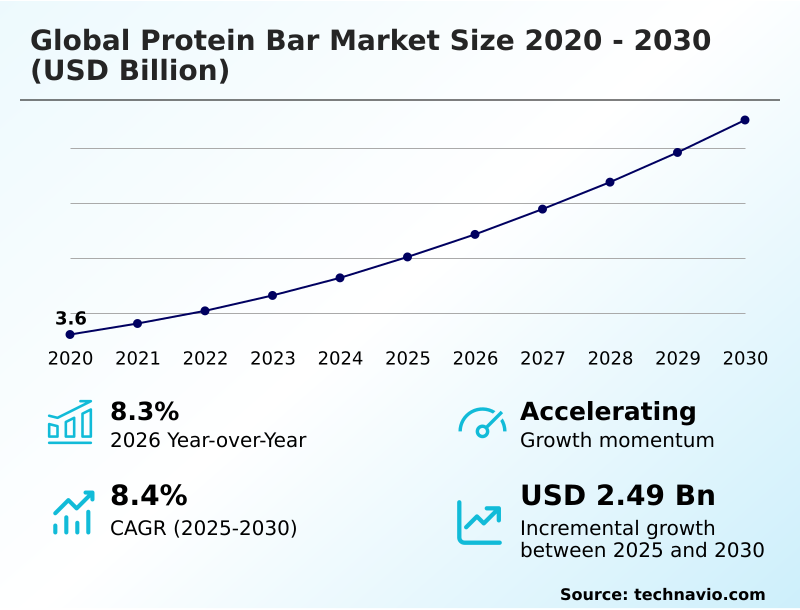
The protein bar market size is valued to increase USD 2.24 billion, at a CAGR of 8.2% from 2024 to 2029. Increasing demand for sports nutrition will drive the protein bar market.

Major Market Trends & Insights

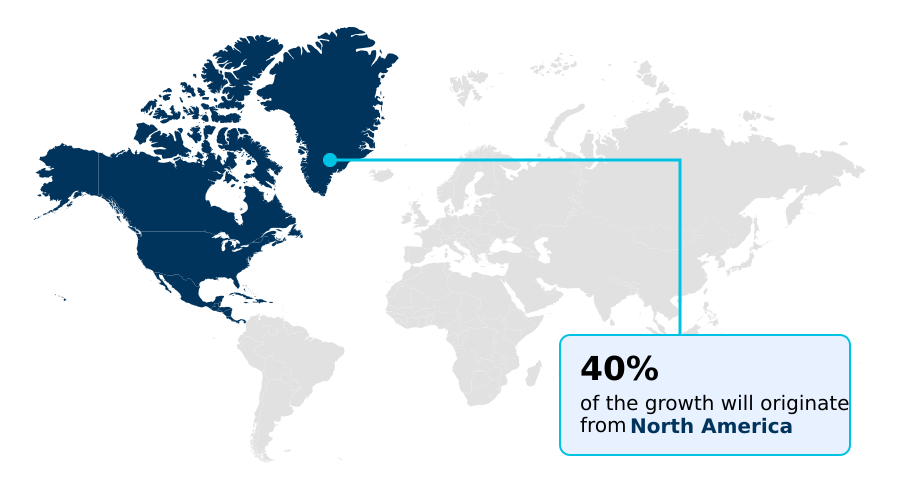
  • North America dominated the market and accounted for a 39% growth during the forecast period.
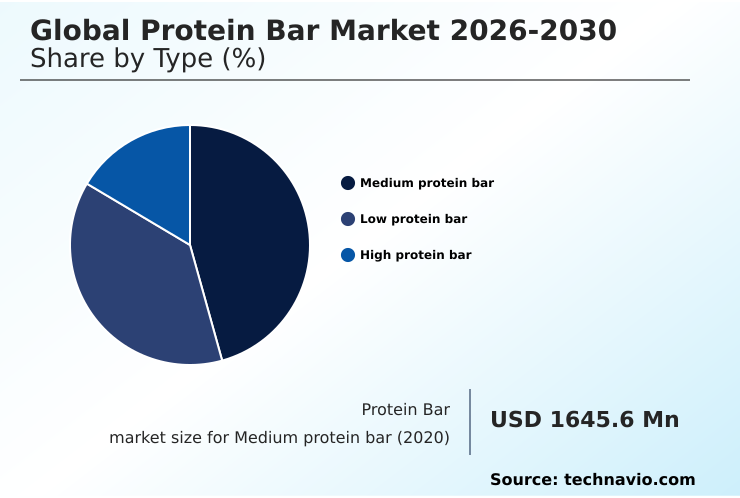
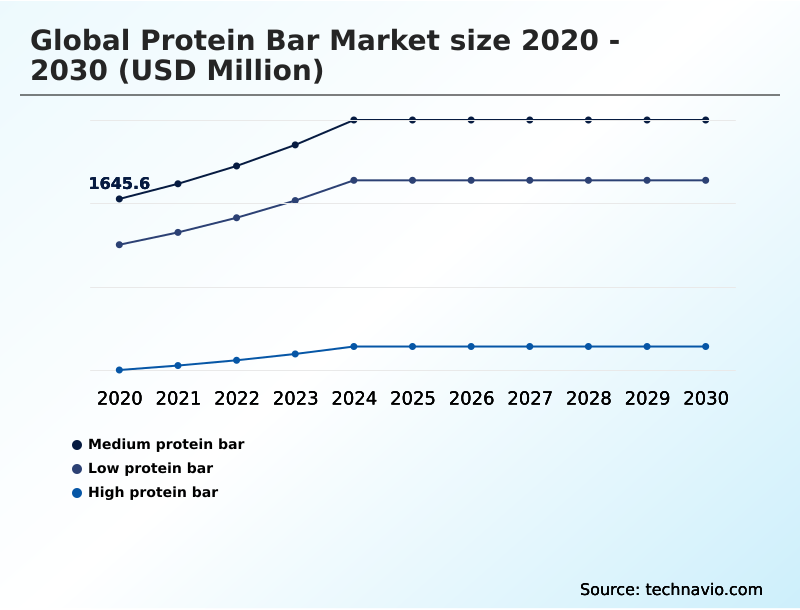
  • By Product Type - Medium protein bar segment was valued at USD 1.65 billion in 2023
  • By Distribution Channel - Supermarkets and hypermarkets segment accounted for the largest market revenue share in 2023

Market Size & Forecast

  • Market Opportunities: USD 89.72 million
  • Market Future Opportunities: USD 2238.40 million
  • CAGR : 8.2%
  • North America: Largest market in 2023

Market Summary

  • The market represents a significant and continually evolving sector within the broader health and wellness industry. This market is driven by the increasing demand for convenient, nutritious, and high-protein snacking options, particularly among consumers engaged in active lifestyles or seeking to maintain a balanced diet. According to recent market research, the sales of protein bars through online retailing channels have experienced substantial growth, with this trend expected to continue. Core technologies and applications, such as protein fortification and innovative flavors, are driving innovation within the market. Service types or product categories, including meal replacement bars and vegan-friendly options, cater to diverse consumer preferences.
  • Regulations, including labeling requirements and ingredient restrictions, present challenges for market participants. In North America, for instance, the FDA has set strict guidelines for protein claims on food labels. Despite these challenges, the market presents numerous opportunities, including expanding into emerging markets and catering to the growing demand for plant-based protein sources. For example, according to a recent report, plant-based protein bars accounted for over 30% of the market share in 2020. As the market continues to evolve, stakeholders must stay informed of the latest trends, regulations, and consumer preferences to remain competitive.

What will be the Size of the Protein Bar Market during the forecast period?
Protein Bar Market Size

Get Key Insights on Market Forecast (PDF) Request Free Sample

How is the Protein Bar Market Segmented and what are the key trends of market segmentation?

The protein bar industry research report provides comprehensive data (region-wise segment analysis), with forecasts and estimates in "USD million" for the period 2025-2029, as well as historical data from 2019-2023 for the following segments.

  • Product Type
    • Medium protein bar
    • Low protein bar
    • High protein bar
  • Distribution Channel
    • Supermarkets and hypermarkets
    • Convenience stores
    • Drug stores
    • Others
  • Geography
    • North America
      • US
      • Canada
    • Europe
      • France
      • Germany
      • Italy
      • UK
    • APAC
      • China
      • India
      • Japan
    • South America
      • Brazil
    • Rest of World (ROW)

    By Product Type Insights

    The medium protein bar segment is estimated to witness significant growth during the forecast period.

    Protein bars, a popular alternative to traditional energy bars, are gaining traction in the global market due to their high protein content and nutritional benefits. According to recent studies, the market is experiencing significant growth, with an estimated 20% of fitness enthusiasts and athletes incorporating protein bars into their daily diets. This trend is driven by the increasing awareness of the importance of protein intake for muscle growth and recovery. Sensory evaluation and nutritional labeling play crucial roles in the market, with consumers demanding bars that offer optimal protein content, fiber, and low sugar. Soy protein concentrate, whey protein isolate, and brown rice protein are common protein sources used in protein bar formulation.

    Manufacturers prioritize long shelf life, ensuring their products maintain their texture and flavor profiles. Fiber content, product formulation, and supplemental protein are essential factors for consumers, with many seeking protein blends and functional ingredients like casein protein and pea protein. Calorie density and glycemic index are also crucial considerations for individuals managing their weight or blood sugar levels. The manufacturing process is a critical aspect of the market, with companies focusing on co-processing ingredients and quality control to maintain ingredient sourcing and food safety regulations. Texture analysis is essential to ensure bars have the desired consistency and mouthfeel.

    Future industry growth is expected to reach new heights, with a projected 15% increase in sales driven by expanding consumer awareness and demand for convenient, high-protein snacks. The market's continuous evolution reflects the ongoing need for innovative, nutritious, and delicious protein bar options tailored to diverse consumer preferences.

    Protein Bar Market Size

    Request Free Sample

    The Medium protein bar segment was valued at USD 1.65 billion in 2019 and showed a gradual increase during the forecast period.
    Protein Bar Market Size

    Request Free Sample

    Regional Analysis

    North America is estimated to contribute 39% to the growth of the global market during the forecast period.Technavio’s analysts have elaborately explained the regional trends and drivers that shape the market during the forecast period.
    Protein Bar Market Share by Geography

    See How Protein Bar Market Demand is Rising in North America Request Free Sample

    The North American the market is experiencing significant growth due to the increasing consumption of convenience food and the rising demand for sports nutrition. With a focus on health, fitness, and well-being, key players in this region are expanding their product lines to meet consumer needs. Innovation is a key trend, with companies introducing new flavors and nutritive content to differentiate their offerings. The competitive landscape is intensifying as companies strive to cater to the expanding market. The market is expected to witness substantial growth during the forecast period, driven by these factors in North America.

    Companies are capitalizing on consumer preferences for protein bars as a convenient and nutritious snack option. The market's expansion is further fueled by the continuous development of new product varieties and improvements in nutritional content.

    Market Dynamics

    Our researchers analyzed the data with 2024 as the base year, along with the key drivers, trends, and challenges. A holistic analysis of drivers will help companies refine their marketing strategies to gain a competitive advantage.

    The market is a dynamic and evolving industry, driven by consumer demand for convenient, nutritious, and high-protein snacking options. Protein bars are formulated with various protein sources, each offering unique benefits. Whey protein isolate, with its high concentration and rapid absorption, is a popular choice for post-workout recovery. Soy protein concentrate, known for its functionality and allergenicity assessment, caters to consumers with dietary restrictions. Manufacturers continuously explore ways to optimize protein bar texture, with brown rice protein's solubility analysis and pea protein's allergenicity assessment being key considerations. Casein micelle size plays a crucial role in texture, while cocoa powder's interaction with the protein matrix adds flavor and nutritional value.

    Consumer preference for specific protein sources influences the market landscape, with ingredient sourcing and sustainability practices gaining increasing importance. Fiber type's impact on digestive health and protein bar formulation for specific dietary needs are also significant trends. The market is subject to stringent nutritional labeling compliance regulations, necessitating manufacturing process optimization for protein bars. The effect of storage temperature on shelf life and quality control measures are essential factors in ensuring product consistency. More than 60% of new product developments focus on optimizing protein content for muscle growth and assessing protein bar sensory attributes. Processing techniques' impact on nutrient bioavailability and the evaluation of protein bar glycemic index are critical areas of research.

    The industrial application segment accounts for a significantly larger share than the academic segment, reflecting the growing popularity of protein bars as a functional food. Despite intense competition, a few players dominate the high-end the market, offering premium products with unique selling propositions.

    Protein Bar Market Size

    What are the key market drivers leading to the rise in the adoption of Protein Bar Industry?

    • The surge in demand for sports nutrition products serves as the primary catalyst for market growth. 

    • In the dynamic and expanding sports nutrition market of 2024, consumers span from professional athletes to fitness enthusiasts and lifestyle users. The industry's growth is fueled by the recognition of the importance of a well-balanced diet, consisting of carbohydrates, protein, fat, vitamins, and minerals, for athletes' energy needs. Sports supplements, including protein shakes, bars, and drinks, have become integral components of enriched and fortified food intake. The demographic landscape is evolving, with core users transitioning from professional sportspersons to a broader base of recreational athletes.
    • Lifestyle users, an emerging segment, are individuals engaged in active lifestyle cultures. Mobile consumer users further contribute to the market's expansion by adopting technology-driven solutions, such as apps, trackers, and wearables, to monitor and optimize their nutritional intake and fitness progress.

    What are the market trends shaping the Protein Bar Industry?

    • The trend in the market involves an increase in energy bar sales through online retailing. (Or) Online retailing is currently driving a significant growth in energy bar sales.

    • The global online grocery market, including protein bars, is experiencing significant growth due to several factors. Urbanization and the expanding millennial population are key drivers, as more consumers opt for the convenience of shopping online. This trend is further fueled by increasing disposable income and the elimination of intermediaries in the online sales channel. In the realm of packaged nutritional foods, protein bars are witnessing a surge in online sales.
    • This shift is influenced by the rising number of mobile consumers, who utilize health and wellness apps, trackers, and wearables to make informed purchasing decisions. Fitness-conscious consumers value the convenience of purchasing protein bars online, making it an attractive market segment within the online grocery sector.

    What challenges does the Protein Bar Industry face during its growth?

    • The industry's growth is significantly impacted by the ease with which substitutes are readily accessible. 

    • In 2024, the market for protein substitutes expands beyond protein bars to encompass protein cookies, powder, shakes, and beverages. The escalating trend towards physical activities and outdoor pursuits among the younger demographic fuels this demand for functional and convenient foods. Protein bars, initially popular for their quick energy boost, encounter competition from these alternatives. One significant challenge for protein bars is their sugar content, which is typically higher than that of other snack bars. Moreover, consumers often lack comprehensive product information about various protein bar brands, particularly concerning their composition.
    • For individuals with elevated body mass indices, protein bars may not be the optimal choice for satiating hunger promptly due to potential health risks. Despite these challenges, protein bars continue to hold a substantial presence in the market, underscoring their enduring appeal as a convenient and portable source of protein.

    Exclusive Technavio Analysis on Customer Landscape

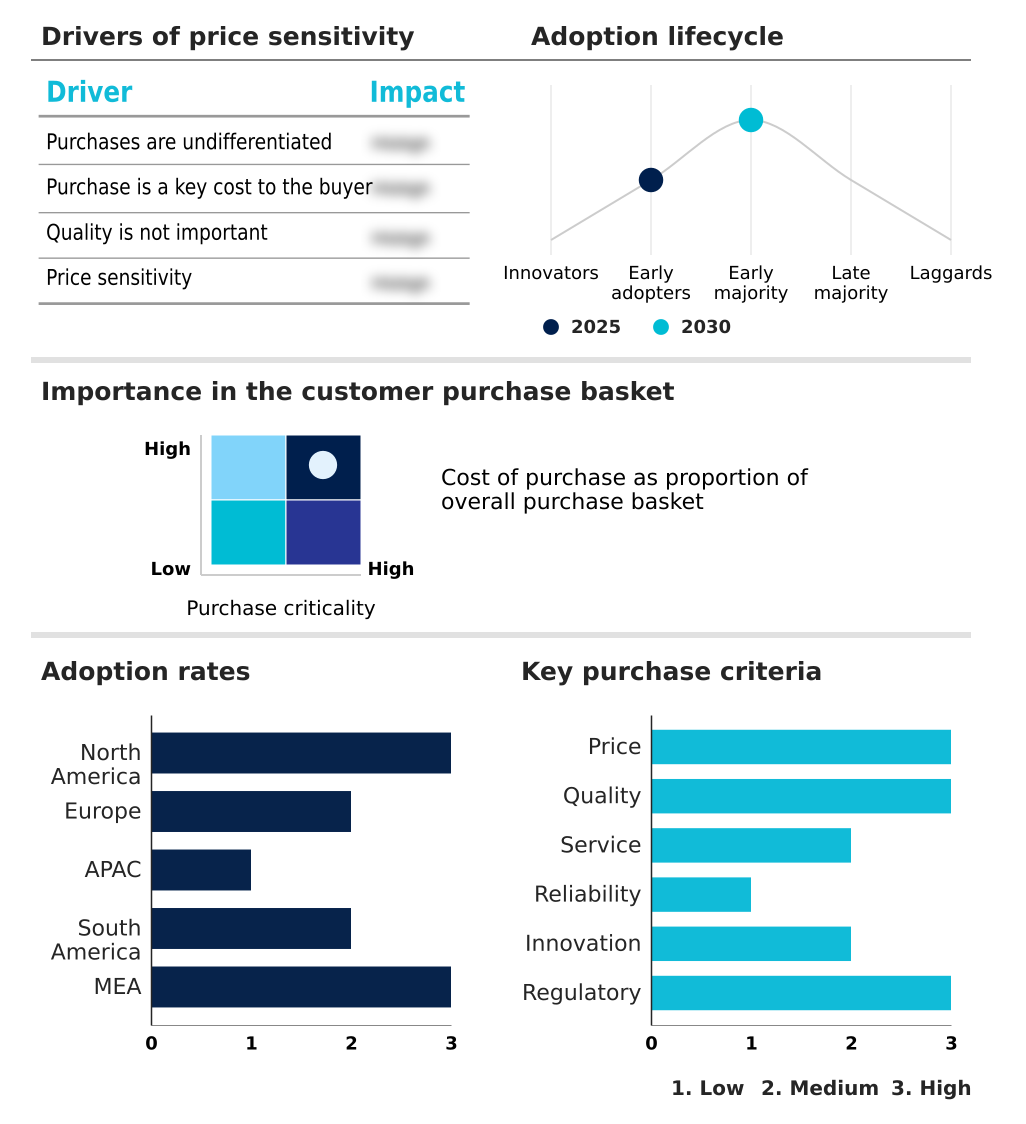
    The protein bar market forecasting report includes the adoption lifecycle of the market, covering from the innovator’s stage to the laggard’s stage. It focuses on adoption rates in different regions based on penetration. Furthermore, the protein bar market report also includes key purchase criteria and drivers of price sensitivity to help companies evaluate and develop their market growth analysis strategies.
    Protein Bar Market Share by Geography

     Customer Landscape of Protein Bar Industry

    Competitive Landscape

    Companies are implementing various strategies, such as strategic alliances, protein bar market forecast, partnerships, mergers and acquisitions, geographical expansion, and product/service launches, to enhance their presence in the industry.

    Abbott Laboratories - This research highlights the introduction of Glucerna Snack Bars, a protein bar offering from the company. These bars cater to nutritional needs, delivering high-quality protein. With a focus on innovation, the company continues to expand its product line, meeting consumer demands for convenient, nutritious snacking solutions.

    The industry research and growth report includes detailed analyses of the competitive landscape of the market and information about key companies, including:

    • Abbott Laboratories
    • Bright Lifecare Pvt. Ltd.
    • EAT Anytime
    • General Mills Inc.
    • Glanbia plc
    • Hormel Foods Corp.
    • Kellogg Co.
    • Lotus Bakeries NV
    • Mars Inc.
    • Mondelez International Inc.
    • Nestle SA
    • NuGo Nutrition
    • OTE Sports Ltd.
    • PepsiCo Inc.
    • Post Holdings Inc.
    • Premier Nutrition Co. LLC
    • Prinsen BV
    • PROBAR Inc.
    • The Balance Bar Co.
    • Torq Performance Nutrition

    Qualitative and quantitative analysis of companies has been conducted to help clients understand the wider business environment as well as the strengths and weaknesses of key industry players. Data is qualitatively analyzed to categorize companies as pure play, category-focused, industry-focused, and diversified; it is quantitatively analyzed to categorize companies as dominant, leading, strong, tentative, and weak.

    Recent Development and News in Protein Bar Market

    • In January 2024, Quest Nutrition, a leading protein bar manufacturer, announced the launch of its new line of vegan protein bars, expanding its product offerings to cater to the growing demand for plant-based nutrition solutions (Quest Nutrition press release).
    • In March 2024, Kind LLC, another major player in the market, entered into a strategic partnership with Nestlé to distribute Kind's bars in Europe, strengthening its global presence (Kind LLC press release).
    • In May 2024, RXBAR, a protein bar brand known for its whole food ingredients, secured a USD60 million Series D funding round, led by Kellogg Company, to accelerate its growth and product innovation (Crunchbase).
    • In January 2025, the U.S. Food and Drug Administration (FDA) approved the use of plant-based proteins, such as pea and soy, as primary protein sources in protein bars, opening new opportunities for manufacturers to develop more diverse product lines (FDA press release).

    Dive into Technavio’s robust research methodology, blending expert interviews, extensive data synthesis, and validated models for unparalleled Protein Bar Market insights. See full methodology.

    Market Scope

    Report Coverage

    Details

    Page number

    200

    Base year

    2024

    Historic period

    2019-2023

    Forecast period

    2025-2029

    Growth momentum & CAGR

    Accelerate at a CAGR of 8.2%

    Market growth 2025-2029

    USD 2238.4 million

    Market structure

    Fragmented

    YoY growth 2024-2025(%)

    7.4

    Key countries

    US, UK, Germany, China, Canada, France, Japan, India, Italy, and Brazil

    Competitive landscape

    Leading Companies, Market Positioning of Companies, Competitive Strategies, and Industry Risks

    Request Free Sample

    Research Analyst Overview

    • The market continues to evolve, with manufacturers focusing on enhancing product formulations to cater to diverse consumer preferences. Sensory evaluation plays a crucial role in this process, ensuring the optimal balance of taste, texture, and nutritional value. Nutritional labeling is another critical aspect, as consumers increasingly demand transparency regarding fiber content, protein and amino acid profiles, and calorie density. Soy protein concentrate, whey protein isolate, and brown rice protein are popular choices for protein content, each offering unique advantages. For instance, soy protein concentrate boasts a high protein content and is suitable for individuals with lactose intolerance.
    • Whey protein isolate, derived from milk, is quickly digested and absorbed, making it an excellent post-workout supplement. Brown rice protein, on the other hand, is a plant-based alternative, appealing to vegan and vegetarian consumers. Protein bars come in various forms, including extruded and energy bars. The manufacturing process varies between these categories, with extruded bars undergoing high-temperature and high-pressure processing to create a chewy texture. Energy bars, on the other hand, are typically made using a cold press process, resulting in a denser, crunchier texture. Functional ingredients, such as fiber, vitamins, and minerals, are increasingly incorporated into protein bars to enhance their nutritional value.
    • Shelf life is another key consideration, with manufacturers employing various strategies, such as food safety regulations and quality control measures, to ensure product freshness. Texture analysis, flavor profiles, and ingredient sourcing are essential factors in the development of protein bar formulations. For example, manufacturers may opt for casein protein for its slow digestion properties, contributing to a sustained energy release. Alternatively, they may use pea protein for its high protein content and low glycemic index, making it an attractive option for consumers seeking to manage their blood sugar levels. In the market, product innovation and adaptation to consumer demands are ongoing processes.
    • As consumers prioritize health and convenience, manufacturers continue to refine their offerings, focusing on factors such as protein digestibility, calorie density, and sugar content to cater to a diverse range of preferences and dietary requirements.

    What are the Key Data Covered in this Protein Bar Market Research and Growth Report?

    • What is the expected growth of the Protein Bar Market between 2025 and 2029?

      • USD 2.24 billion, at a CAGR of 8.2%

    • What segmentation does the market report cover?

      • The report segmented by Product Type (Medium protein bar, Low protein bar, and High protein bar), Distribution Channel (Supermarkets and hypermarkets, Convenience stores, Drug stores, and Others), and Geography (North America, Europe, APAC, South America, and Middle East and Africa)

    • Which regions are analyzed in the report?

      • North America, Europe, APAC, South America, and Middle East and Africa

    • What are the key growth drivers and market challenges?

      • Increasing demand for sports nutrition, Easy availability of substitutes

    • Who are the major players in the Protein Bar Market?

      • Key Companies Abbott Laboratories, Bright Lifecare Pvt. Ltd., EAT Anytime, General Mills Inc., Glanbia plc, Hormel Foods Corp., Kellogg Co., Lotus Bakeries NV, Mars Inc., Mondelez International Inc., Nestle SA, NuGo Nutrition, OTE Sports Ltd., PepsiCo Inc., Post Holdings Inc., Premier Nutrition Co. LLC, Prinsen BV, PROBAR Inc., The Balance Bar Co., and Torq Performance Nutrition

    Market Research Insights

    • The market encompasses a diverse range of products, with consumer acceptance continuing to grow as these convenient food alternatives cater to various dietary needs and lifestyle preferences. According to industry estimates, global sales of protein bars reached USD35 billion in 2021, representing a significant increase from USD25 billion in 2016. Binder systems, such as whey protein hydrolysate and micellar casein, play a crucial role in the production process, ensuring the bars maintain their desired texture and structure. Quality assurance is paramount in this market, with manufacturers employing rigorous testing methods to ensure nutrient bioavailability and ingredient interactions.
    • Coating materials, flavor enhancers, and natural sweeteners contribute to the sensory attributes of protein bars, enhancing consumer satisfaction. Production efficiency is also a key focus, with companies investing in advanced technologies to optimize processes and reduce waste. In contrast, microbial stability and product stability are essential for maintaining the bars' shelf life and preserving their nutritional value. Preservation techniques, including the use of artificial sweeteners and antioxidants, help extend the bars' shelf life while minimizing the impact on taste and texture. The market caters to various consumer segments, including those focused on weight management, athletic performance, and digestive health.
    • Soy protein hydrolysate and other protein hydrolysates are popular options for consumers seeking plant-based protein sources. Overall, the market continues to evolve, with ongoing research and development efforts aimed at improving product quality, enhancing taste, and addressing diverse consumer needs.

    We can help! Our analysts can customize this protein bar market research report to meet your requirements.

    Get in touch

    1 Executive Summary

    • 1.1 Market overview
      • Executive Summary - Chart on Market Overview
      • Executive Summary - Data Table on Market Overview
      • Executive Summary - Chart on Global Market Characteristics
      • Executive Summary - Chart on Market by Geography
      • Executive Summary - Chart on Market Segmentation by Product Type
      • Executive Summary - Chart on Market Segmentation by Distribution Channel
      • Executive Summary - Chart on Incremental Growth
      • Executive Summary - Data Table on Incremental Growth
      • Executive Summary - Chart on Company Market Positioning

    2 Technavio Analysis

    • 2.1 Analysis of price sensitivity, lifecycle, customer purchase basket, adoption rates, and purchase criteria
      • Analysis of price sensitivity, lifecycle, customer purchase basket, adoption rates, and purchase criteria
    • 2.2 Criticality of inputs and Factors of differentiation
      • Overview on criticality of inputs and factors of differentiation
    • 2.3 Factors of disruption
      • Overview on factors of disruption
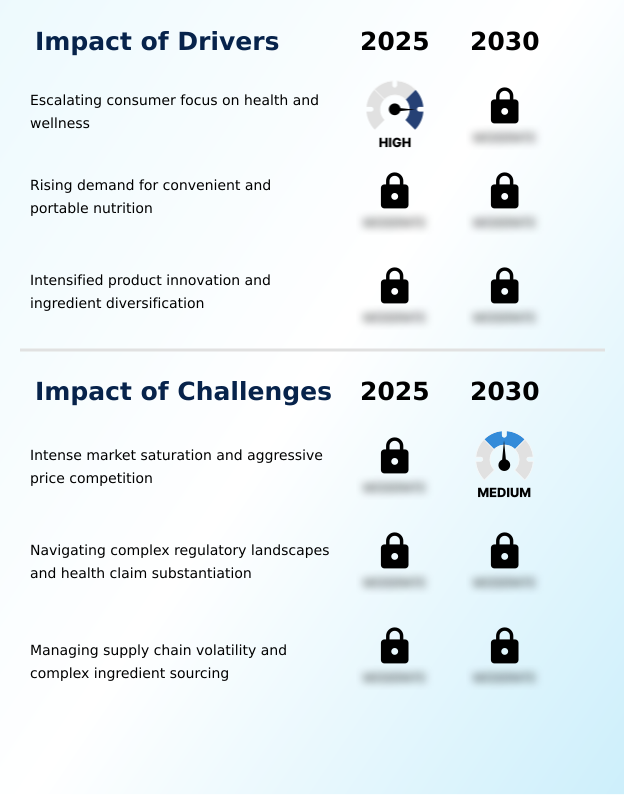
    • 2.4 Impact of drivers and challenges
      • Impact of drivers and challenges in 2024 and 2029

    3 Market Landscape

    • 3.1 Market ecosystem
      • Parent Market
      • Data Table on - Parent Market
    • 3.2 Market characteristics
      • Market characteristics analysis
    • 3.3 Value chain analysis
      • Value chain analysis

    4 Market Sizing

    • 4.1 Market definition
      • Offerings of companies included in the market definition
    • 4.2 Market segment analysis
      • Market segments
    • 4.3 Market size 2024
      • 4.4 Market outlook: Forecast for 2024-2029
        • Chart on Global - Market size and forecast 2024-2029 ($ million)
        • Data Table on Global - Market size and forecast 2024-2029 ($ million)
        • Chart on Global Market: Year-over-year growth 2024-2029 (%)
        • Data Table on Global Market: Year-over-year growth 2024-2029 (%)

      5 Historic Market Size

      • 5.1 Global Protein Bar Market 2019 - 2023
        • Historic Market Size - Data Table on Global Protein Bar Market 2019 - 2023 ($ million)
      • 5.2 Product Type segment analysis 2019 - 2023
        • Historic Market Size - Product Type Segment 2019 - 2023 ($ million)
      • 5.3 Distribution Channel segment analysis 2019 - 2023
        • Historic Market Size - Distribution Channel Segment 2019 - 2023 ($ million)
      • 5.4 Geography segment analysis 2019 - 2023
        • Historic Market Size - Geography Segment 2019 - 2023 ($ million)
      • 5.5 Country segment analysis 2019 - 2023
        • Historic Market Size - Country Segment 2019 - 2023 ($ million)

      6 Qualitative Analysis

      • 6.1 The AI impact on global protein bar market

        7 Five Forces Analysis

        • 7.1 Five forces summary
          • Five forces analysis - Comparison between 2024 and 2029
        • 7.2 Bargaining power of buyers
          • Bargaining power of buyers - Impact of key factors 2024 and 2029
        • 7.3 Bargaining power of suppliers
          • Bargaining power of suppliers - Impact of key factors in 2024 and 2029
        • 7.4 Threat of new entrants
          • Threat of new entrants - Impact of key factors in 2024 and 2029
        • 7.5 Threat of substitutes
          • Threat of substitutes - Impact of key factors in 2024 and 2029
        • 7.6 Threat of rivalry
          • Threat of rivalry - Impact of key factors in 2024 and 2029
        • 7.7 Market condition
          • Chart on Market condition - Five forces 2024 and 2029

        8 Market Segmentation by Product Type

        • 8.1 Market segments
          • Chart on Product Type - Market share 2024-2029 (%)
          • Data Table on Product Type - Market share 2024-2029 (%)
        • 8.2 Comparison by Product Type
          • Chart on Comparison by Product Type
          • Data Table on Comparison by Product Type
        • 8.3 Medium protein bar - Market size and forecast 2024-2029
          • Chart on Medium protein bar - Market size and forecast 2024-2029 ($ million)
          • Data Table on Medium protein bar - Market size and forecast 2024-2029 ($ million)
          • Chart on Medium protein bar - Year-over-year growth 2024-2029 (%)
          • Data Table on Medium protein bar - Year-over-year growth 2024-2029 (%)
        • 8.4 Low protein bar - Market size and forecast 2024-2029
          • Chart on Low protein bar - Market size and forecast 2024-2029 ($ million)
          • Data Table on Low protein bar - Market size and forecast 2024-2029 ($ million)
          • Chart on Low protein bar - Year-over-year growth 2024-2029 (%)
          • Data Table on Low protein bar - Year-over-year growth 2024-2029 (%)
        • 8.5 High protein bar - Market size and forecast 2024-2029
          • Chart on High protein bar - Market size and forecast 2024-2029 ($ million)
          • Data Table on High protein bar - Market size and forecast 2024-2029 ($ million)
          • Chart on High protein bar - Year-over-year growth 2024-2029 (%)
          • Data Table on High protein bar - Year-over-year growth 2024-2029 (%)
        • 8.6 Market opportunity by Product Type
          • Market opportunity by Product Type ($ million)
          • Data Table on Market opportunity by Product Type ($ million)

        9 Market Segmentation by Distribution Channel

        • 9.1 Market segments
          • Chart on Distribution Channel - Market share 2024-2029 (%)
          • Data Table on Distribution Channel - Market share 2024-2029 (%)
        • 9.2 Comparison by Distribution Channel
          • Chart on Comparison by Distribution Channel
          • Data Table on Comparison by Distribution Channel
        • 9.3 Supermarkets and hypermarkets - Market size and forecast 2024-2029
          • Chart on Supermarkets and hypermarkets - Market size and forecast 2024-2029 ($ million)
          • Data Table on Supermarkets and hypermarkets - Market size and forecast 2024-2029 ($ million)
          • Chart on Supermarkets and hypermarkets - Year-over-year growth 2024-2029 (%)
          • Data Table on Supermarkets and hypermarkets - Year-over-year growth 2024-2029 (%)
        • 9.4 Convenience stores - Market size and forecast 2024-2029
          • Chart on Convenience stores - Market size and forecast 2024-2029 ($ million)
          • Data Table on Convenience stores - Market size and forecast 2024-2029 ($ million)
          • Chart on Convenience stores - Year-over-year growth 2024-2029 (%)
          • Data Table on Convenience stores - Year-over-year growth 2024-2029 (%)
        • 9.5 Drug stores - Market size and forecast 2024-2029
          • Chart on Drug stores - Market size and forecast 2024-2029 ($ million)
          • Data Table on Drug stores - Market size and forecast 2024-2029 ($ million)
          • Chart on Drug stores - Year-over-year growth 2024-2029 (%)
          • Data Table on Drug stores - Year-over-year growth 2024-2029 (%)
        • 9.6 Others - Market size and forecast 2024-2029
          • Chart on Others - Market size and forecast 2024-2029 ($ million)
          • Data Table on Others - Market size and forecast 2024-2029 ($ million)
          • Chart on Others - Year-over-year growth 2024-2029 (%)
          • Data Table on Others - Year-over-year growth 2024-2029 (%)
        • 9.7 Market opportunity by Distribution Channel
          • Market opportunity by Distribution Channel ($ million)
          • Data Table on Market opportunity by Distribution Channel ($ million)

        10 Customer Landscape

        • 10.1 Customer landscape overview
          • Analysis of price sensitivity, lifecycle, customer purchase basket, adoption rates, and purchase criteria

        11 Geographic Landscape

        • 11.1 Geographic segmentation
          • Chart on Market share by geography 2024-2029 (%)
          • Data Table on Market share by geography 2024-2029 (%)
        • 11.2 Geographic comparison
          • Chart on Geographic comparison
          • Data Table on Geographic comparison
        • 11.3 North America - Market size and forecast 2024-2029
          • Chart on North America - Market size and forecast 2024-2029 ($ million)
          • Data Table on North America - Market size and forecast 2024-2029 ($ million)
          • Chart on North America - Year-over-year growth 2024-2029 (%)
          • Data Table on North America - Year-over-year growth 2024-2029 (%)
        • 11.4 Europe - Market size and forecast 2024-2029
          • Chart on Europe - Market size and forecast 2024-2029 ($ million)
          • Data Table on Europe - Market size and forecast 2024-2029 ($ million)
          • Chart on Europe - Year-over-year growth 2024-2029 (%)
          • Data Table on Europe - Year-over-year growth 2024-2029 (%)
        • 11.5 APAC - Market size and forecast 2024-2029
          • Chart on APAC - Market size and forecast 2024-2029 ($ million)
          • Data Table on APAC - Market size and forecast 2024-2029 ($ million)
          • Chart on APAC - Year-over-year growth 2024-2029 (%)
          • Data Table on APAC - Year-over-year growth 2024-2029 (%)
        • 11.6 South America - Market size and forecast 2024-2029
          • Chart on South America - Market size and forecast 2024-2029 ($ million)
          • Data Table on South America - Market size and forecast 2024-2029 ($ million)
          • Chart on South America - Year-over-year growth 2024-2029 (%)
          • Data Table on South America - Year-over-year growth 2024-2029 (%)
        • 11.7 Middle East and Africa - Market size and forecast 2024-2029
          • Chart on Middle East and Africa - Market size and forecast 2024-2029 ($ million)
          • Data Table on Middle East and Africa - Market size and forecast 2024-2029 ($ million)
          • Chart on Middle East and Africa - Year-over-year growth 2024-2029 (%)
          • Data Table on Middle East and Africa - Year-over-year growth 2024-2029 (%)
        • 11.8 US - Market size and forecast 2024-2029
          • Chart on US - Market size and forecast 2024-2029 ($ million)
          • Data Table on US - Market size and forecast 2024-2029 ($ million)
          • Chart on US - Year-over-year growth 2024-2029 (%)
          • Data Table on US - Year-over-year growth 2024-2029 (%)
        • 11.9 UK - Market size and forecast 2024-2029
          • Chart on UK - Market size and forecast 2024-2029 ($ million)
          • Data Table on UK - Market size and forecast 2024-2029 ($ million)
          • Chart on UK - Year-over-year growth 2024-2029 (%)
          • Data Table on UK - Year-over-year growth 2024-2029 (%)
        • 11.10 Germany - Market size and forecast 2024-2029
          • Chart on Germany - Market size and forecast 2024-2029 ($ million)
          • Data Table on Germany - Market size and forecast 2024-2029 ($ million)
          • Chart on Germany - Year-over-year growth 2024-2029 (%)
          • Data Table on Germany - Year-over-year growth 2024-2029 (%)
        • 11.11 China - Market size and forecast 2024-2029
          • Chart on China - Market size and forecast 2024-2029 ($ million)
          • Data Table on China - Market size and forecast 2024-2029 ($ million)
          • Chart on China - Year-over-year growth 2024-2029 (%)
          • Data Table on China - Year-over-year growth 2024-2029 (%)
        • 11.12 Canada - Market size and forecast 2024-2029
          • Chart on Canada - Market size and forecast 2024-2029 ($ million)
          • Data Table on Canada - Market size and forecast 2024-2029 ($ million)
          • Chart on Canada - Year-over-year growth 2024-2029 (%)
          • Data Table on Canada - Year-over-year growth 2024-2029 (%)
        • 11.13 France - Market size and forecast 2024-2029
          • Chart on France - Market size and forecast 2024-2029 ($ million)
          • Data Table on France - Market size and forecast 2024-2029 ($ million)
          • Chart on France - Year-over-year growth 2024-2029 (%)
          • Data Table on France - Year-over-year growth 2024-2029 (%)
        • 11.14 Japan - Market size and forecast 2024-2029
          • Chart on Japan - Market size and forecast 2024-2029 ($ million)
          • Data Table on Japan - Market size and forecast 2024-2029 ($ million)
          • Chart on Japan - Year-over-year growth 2024-2029 (%)
          • Data Table on Japan - Year-over-year growth 2024-2029 (%)
        • 11.15 India - Market size and forecast 2024-2029
          • Chart on India - Market size and forecast 2024-2029 ($ million)
          • Data Table on India - Market size and forecast 2024-2029 ($ million)
          • Chart on India - Year-over-year growth 2024-2029 (%)
          • Data Table on India - Year-over-year growth 2024-2029 (%)
        • 11.16 Italy - Market size and forecast 2024-2029
          • Chart on Italy - Market size and forecast 2024-2029 ($ million)
          • Data Table on Italy - Market size and forecast 2024-2029 ($ million)
          • Chart on Italy - Year-over-year growth 2024-2029 (%)
          • Data Table on Italy - Year-over-year growth 2024-2029 (%)
        • 11.17 Brazil - Market size and forecast 2024-2029
          • Chart on Brazil - Market size and forecast 2024-2029 ($ million)
          • Data Table on Brazil - Market size and forecast 2024-2029 ($ million)
          • Chart on Brazil - Year-over-year growth 2024-2029 (%)
          • Data Table on Brazil - Year-over-year growth 2024-2029 (%)
        • 11.18 Market opportunity by geography
          • Market opportunity by geography ($ million)
          • Data Tables on Market opportunity by geography ($ million)

        12 Drivers, Challenges, and Opportunity/Restraints

        • 12.1 Market drivers
          • 12.2 Market challenges
            • 12.3 Impact of drivers and challenges
              • Impact of drivers and challenges in 2024 and 2029
            • 12.4 Market opportunities/restraints

              13 Competitive Landscape

              • 13.1 Overview
                • 13.2 Competitive Landscape
                  • Overview on criticality of inputs and factors of differentiation
                • 13.3 Landscape disruption
                  • Overview on factors of disruption
                • 13.4 Industry risks
                  • Impact of key risks on business

                14 Competitive Analysis

                • 14.1 Companies profiled
                  • Companies covered
                • 14.2 Company ranking index
                  • Company ranking index
                • 14.3 Market positioning of companies
                  • Matrix on companies position and classification
                • 14.4 Abbott Laboratories
                  • Abbott Laboratories - Overview
                  • Abbott Laboratories - Business segments
                  • Abbott Laboratories - Key news
                  • Abbott Laboratories - Key offerings
                  • Abbott Laboratories - Segment focus
                  • SWOT
                • 14.5 EAT Anytime
                  • EAT Anytime - Overview
                  • EAT Anytime - Product / Service
                  • EAT Anytime - Key offerings
                  • SWOT
                • 14.6 General Mills Inc.
                  • General Mills Inc. - Overview
                  • General Mills Inc. - Business segments
                  • General Mills Inc. - Key news
                  • General Mills Inc. - Key offerings
                  • General Mills Inc. - Segment focus
                  • SWOT
                • 14.7 Glanbia plc
                  • Glanbia plc - Overview
                  • Glanbia plc - Business segments
                  • Glanbia plc - Key news
                  • Glanbia plc - Key offerings
                  • Glanbia plc - Segment focus
                  • SWOT
                • 14.8 Hormel Foods Corp.
                  • Hormel Foods Corp. - Overview
                  • Hormel Foods Corp. - Business segments
                  • Hormel Foods Corp. - Key news
                  • Hormel Foods Corp. - Key offerings
                  • Hormel Foods Corp. - Segment focus
                  • SWOT
                • 14.9 Kellogg Co.
                  • Kellogg Co. - Overview
                  • Kellogg Co. - Business segments
                  • Kellogg Co. - Key news
                  • Kellogg Co. - Key offerings
                  • Kellogg Co. - Segment focus
                  • SWOT
                • 14.10 Lotus Bakeries NV
                  • Lotus Bakeries NV - Overview
                  • Lotus Bakeries NV - Product / Service
                  • Lotus Bakeries NV - Key offerings
                  • SWOT
                • 14.11 Mars Inc.
                  • Mars Inc. - Overview
                  • Mars Inc. - Product / Service
                  • Mars Inc. - Key news
                  • Mars Inc. - Key offerings
                  • SWOT
                • 14.12 Mondelez International Inc.
                  • Mondelez International Inc. - Overview
                  • Mondelez International Inc. - Business segments
                  • Mondelez International Inc. - Key news
                  • Mondelez International Inc. - Key offerings
                  • Mondelez International Inc. - Segment focus
                  • SWOT
                • 14.13 Nestle SA
                  • Nestle SA - Overview
                  • Nestle SA - Business segments
                  • Nestle SA - Key news
                  • Nestle SA - Key offerings
                  • Nestle SA - Segment focus
                  • SWOT
                • 14.14 OTE Sports Ltd.
                  • OTE Sports Ltd. - Overview
                  • OTE Sports Ltd. - Product / Service
                  • OTE Sports Ltd. - Key offerings
                  • SWOT
                • 14.15 PepsiCo Inc.
                  • PepsiCo Inc. - Overview
                  • PepsiCo Inc. - Business segments
                  • PepsiCo Inc. - Key news
                  • PepsiCo Inc. - Key offerings
                  • PepsiCo Inc. - Segment focus
                  • SWOT
                • 14.16 Post Holdings Inc.
                  • Post Holdings Inc. - Overview
                  • Post Holdings Inc. - Business segments
                  • Post Holdings Inc. - Key news
                  • Post Holdings Inc. - Key offerings
                  • Post Holdings Inc. - Segment focus
                  • SWOT
                • 14.17 PROBAR Inc.
                  • PROBAR Inc. - Overview
                  • PROBAR Inc. - Product / Service
                  • PROBAR Inc. - Key offerings
                  • SWOT
                • 14.18 Torq Performance Nutrition
                  • Torq Performance Nutrition - Overview
                  • Torq Performance Nutrition - Product / Service
                  • Torq Performance Nutrition - Key offerings
                  • SWOT

                15 Appendix

                • 15.1 Scope of the report
                  • 15.2 Inclusions and exclusions checklist
                    • Inclusions checklist
                    • Exclusions checklist
                  • 15.3 Currency conversion rates for US$
                    • Currency conversion rates for US$
                  • 15.4 Research methodology
                    • Research methodology
                  • 15.5 Data procurement
                    • Information sources
                  • 15.6 Data validation
                    • Data validation
                  • 15.7 Validation techniques employed for market sizing
                    • Validation techniques employed for market sizing
                  • 15.8 Data synthesis
                    • Data synthesis
                  • 15.9 360 degree market analysis
                    • 360 degree market analysis
                  • 15.10 List of abbreviations
                    • List of abbreviations

                  Research Methodology

                  Technavio presents a detailed picture of the market by way of study, synthesis, and summation of data from multiple sources. The analysts have presented the various facets of the market with a particular focus on identifying the key industry influencers. The data thus presented is comprehensive, reliable, and the result of extensive research, both primary and secondary.

                  INFORMATION SOURCES

                  Primary sources

                  • Manufacturers and suppliers
                  • Channel partners
                  • Industry experts
                  • Strategic decision makers

                  Secondary sources

                  • Industry journals and periodicals
                  • Government data
                  • Financial reports of key industry players
                  • Historical data
                  • Press releases

                  DATA ANALYSIS

                  Data Synthesis

                  • Collation of data
                  • Estimation of key figures
                  • Analysis of derived insights

                  Data Validation

                  • Triangulation with data models
                  • Reference against proprietary databases
                  • Corroboration with industry experts

                  REPORT WRITING

                  Qualitative

                  • Market drivers
                  • Market challenges
                  • Market trends
                  • Five forces analysis

                  Quantitative

                  • Market size and forecast
                  • Market segmentation
                  • Geographical insights
                  • Competitive landscape

                  Interested in this report?

                  Get your sample now to see our research methodology and insights!

                  Download Now

                  Frequently Asked Questions

                  Protein Bar market growth will increase by $ 2238.4 mn during 2025-2029 .

                  The Protein Bar market is expected to grow at a CAGR of 8.2% during 2025-2029 .

                  Protein Bar market is segmented by Product Type( Medium protein bar, Low protein bar, High protein bar) Distribution Channel( Supermarkets and hypermarkets, Convenience stores, Drug stores, Others)

                  Abbott Laboratories, Bright Lifecare Pvt. Ltd., EAT Anytime, General Mills Inc., Glanbia plc, Hormel Foods Corp., Kellogg Co., Lotus Bakeries NV, Mars Inc., Mondelez International Inc., Nestle SA, NuGo Nutrition, OTE Sports Ltd., PepsiCo Inc., Post Holdings Inc., Premier Nutrition Co. LLC, Prinsen BV, PROBAR Inc., The Balance Bar Co., Torq Performance Nutrition are a few of the key vendors in the Protein Bar market.

                  North America will register the highest growth rate of 39% among the other regions. Therefore, the Protein Bar market in North America is expected to garner significant business opportunities for the vendors during the forecast period.

                  US, UK, Germany, China, Canada, France, Japan, India, Italy, Brazil

                  • Increasing demand for sports nutritionIn 2024 is the driving factor this market.
                  • the sports nutrition industry continues to experience significant growth is the driving factor this market.
                  • driven by an expanding consumer base that includes professional athletes is the driving factor this market.
                  • fitness enthusiasts is the driving factor this market.
                  • and lifestyle users. A balanced diet is the driving factor this market.
                  • incorporating carbohydrates is the driving factor this market.
                  • dietary protein is the driving factor this market.
                  • dietary fat is the driving factor this market.
                  • vitamins is the driving factor this market.
                  • and minerals is the driving factor this market.
                  • remains essential for meeting the energy requirements of athletes. In addition to regular dietary nutrients is the driving factor this market.
                  • sports supplements such as shakes is the driving factor this market.
                  • protein bars is the driving factor this market.
                  • and other drinks are increasingly consumed as part of enriched and fortified food intake.The demographic base of the market is shifting from core and casual users to lifestyle users. Core users include professional sportspersons is the driving factor this market.
                  • while casual users are recreational athletes. Lifestyle users are those engaged in active lifestyle cultures is the driving factor this market.
                  • and mobile consumer users invest in technology-based solutions like apps is the driving factor this market.
                  • trackers is the driving factor this market.
                  • and wearables. This expansion of the consumer group is enabling sports nutrition companies to offer personalized solutions through a wide variety of nutritional products is the driving factor this market.
                  • including protein bars.Protein bars and ready-to-drink (RTD) protein products remain key sports nutrition products. Among these is the driving factor this market.
                  • protein-related products hold the top position in terms of sales value. The growth in sales of sports protein bars is primarily due to athletes seeking multifunctional and better-tasting food supplements. Additionally is the driving factor this market.
                  • the increasing participation of children in athletic and sports activities is contributing to the growth of the global protein bar market. As a result is the driving factor this market.
                  • the rising demand for sports nutrition is expected to drive the demand for protein bars is the driving factor this market.
                  • boosting market growth during the forecast period. is the driving factor this market.

                  The Protein Bar market vendors should focus on grabbing business opportunities from the Medium protein bar segment as it accounted for the largest market share in the base year.