
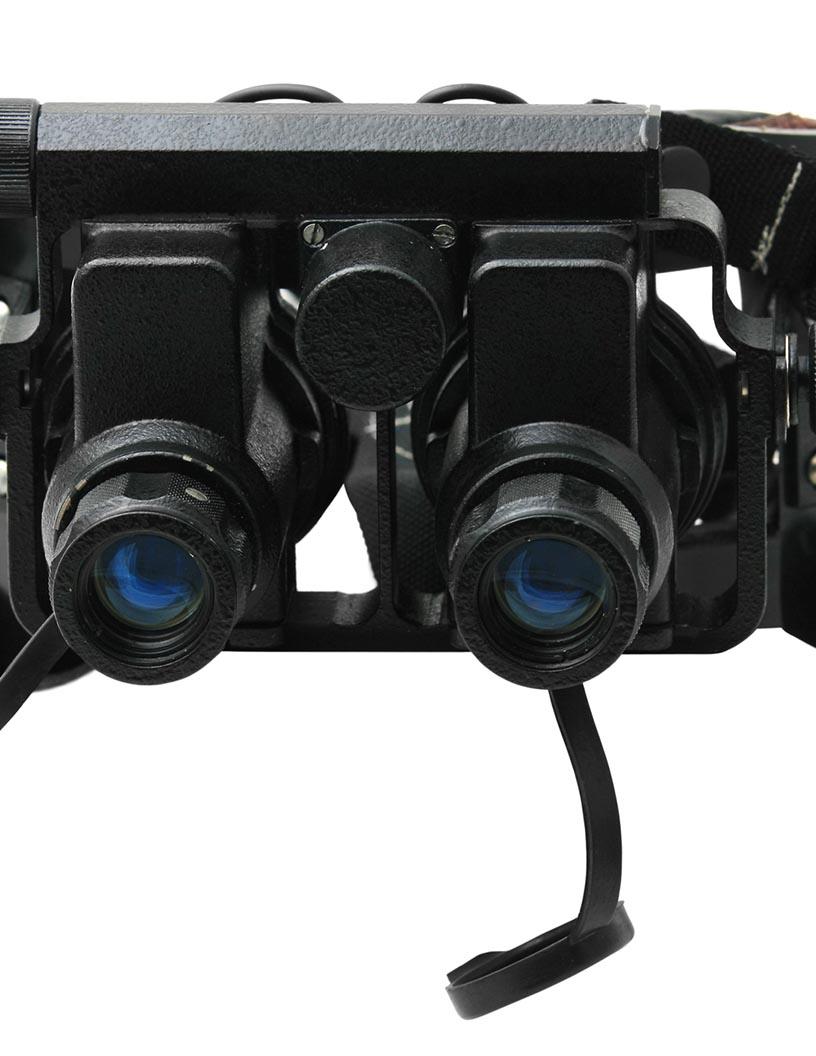


Night Vision Devices Market Size 2025-2029
The night vision devices market size is forecast to increase by USD 4.16 billion at a CAGR of 10.1% between 2024 and 2029.
- The market is experiencing significant growth due to the increasing applications in military operations, where these devices play a crucial role in enhancing situational awareness and enabling effective nighttime missions. Another key driver is the adoption of Sensor Fusion technology, which combines data from multiple sensors to provide more accurate and comprehensive images, thereby enhancing the functionality and effectiveness of night vision devices. However, the market also faces challenges, primarily in the form of technological hurdles. These include the need for advanced image processing algorithms to improve image quality and reduce noise, as well as the requirement for miniaturization to make devices more portable and versatile for various applications.
- The market faces technological challenges, such as calibration management software, which require continuous updates and improvements to maintain accuracy and reliability. Effective addressing of these challenges will be essential for companies seeking to capitalize on the market's growth opportunities and maintain a competitive edge.
What will be the Size of the Night Vision Devices Market during the forecast period?

- The market continues to evolve, driven by advancements in technology and expanding applications across various sectors. Night vision lenses, utilizing light amplification through image intensifiers, remain a cornerstone of this market. Infrared cameras, relying on passive illumination and digital signal processing, offer enhanced capabilities. Thermal imaging, with uncooled and cooled thermal cameras, provides thermal signatures for object recognition and target identification. Digital night vision and advanced image enhancement technologies enable superior image quality and user interface. Night vision filters, offering customizable options, cater to diverse needs. Law enforcement agencies and military personnel utilize night vision goggles and weapon sights for target acquisition and surveillance.
- Industrial inspection, scientific research, and wildlife observation are among the emerging sectors adopting night vision optics. Weather resistance, image processing, and Wireless Connectivity are essential features for these applications. Remote viewing and video recording further expand the market's reach. Night vision repair, maintenance, and accessories ensure the longevity and effectiveness of these devices. Ongoing advancements in night vision software, scopes, and field of view continue to shape the market landscape. Low-light cameras and noise reduction technologies cater to specific niches. The market's dynamics remain fluid, with ongoing research and development shaping the future of night vision devices.
How is this Night Vision Devices Industry segmented?
The night vision devices industry research report provides comprehensive data (region-wise segment analysis), with forecasts and estimates in "USD million" for the period 2025-2029, as well as historical data from 2019-2023 for the following segments.
- Application
- Military
- Civil
- Product
- Night vision goggles
- Night vision cameras
- Night vision scopes
- Others
- Type
- Portable
- Stationery
- Geography
- North America
- US
- Canada
- South America
- Argentina
- Brazil
- Middle East and Africa
- UAE
- Europe
- France
- Germany
- Italy
- UK
- APAC
- China
- India
- Japan
- South Korea
- Rest of World (ROW)
- North America
By Application Insights
The military segment is estimated to witness significant growth during the forecast period.
Night vision devices have become indispensable in military applications, enhancing the capabilities of military equipment for defense and security purposes. These devices serve various functions, including law enforcement, surveillance, navigation, and hidden object identification. The global landscape has witnessed an increase in terrorism and natural disasters, leading to a surge in demand for advanced night vision technology. Military personnel rely on devices with Generation III technology to gain a competitive edge in combat situations, enabling them to identify targets and navigate in complete darkness. Furthermore, night vision devices play a crucial role in search and rescue operations and disaster response, aiding in the identification and location of people in distress.
Advanced image enhancement features, such as digital signal processing and thermal imaging, are integral to the functionality of night vision devices. Weather resistance, image stabilization, and wireless connectivity are essential features that enhance their usability in diverse environments. Night vision applications extend beyond military use, encompassing wildlife observation, scientific research, industrial inspection, and target acquisition. The market for night vision devices is evolving, with innovations in digital night vision, object recognition, and user interface. Night vision maintenance and repair services ensure the longevity and optimal performance of these devices. Battery life, thermal signature, and target identification are critical factors that influence the selection of night vision devices.
The market also offers a range of accessories, including night vision lenses, filters, and scopes, to cater to diverse user needs. Data storage and transmission capabilities are essential for the effective deployment of night vision devices in various applications.
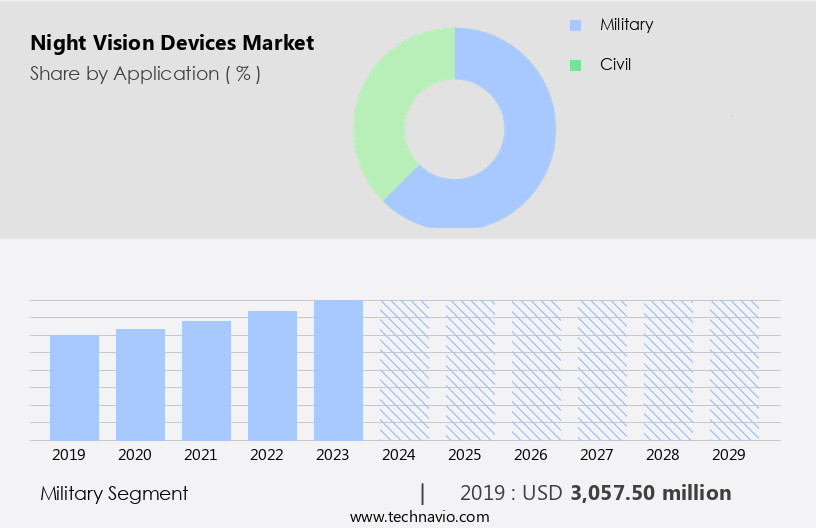
The Military segment was valued at USD 3.06 billion in 2019 and showed a gradual increase during the forecast period.
Regional Analysis
North America is estimated to contribute 41% to the growth of the global market during the forecast period.Technavio's analysts have elaborately explained the regional trends and drivers that shape the market during the forecast period.
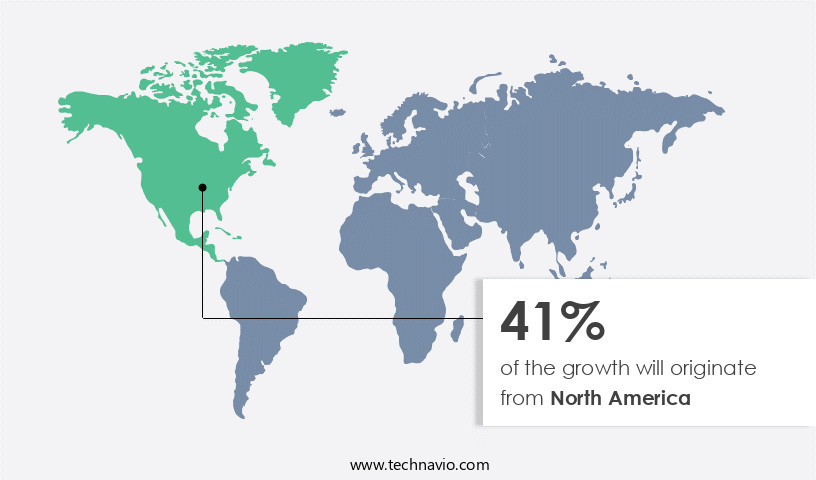
The market in North America is experiencing growth due to the military's extensive use of such equipment for night operations and warfare activities. The US Department of Defense (DoD) recently proposed a Fiscal Year (FY) 2024 Budget of USD 842 billion, an increase of USD 26 billion over FY 2023 levels and USD100 billion over FY 2022. Night vision devices are crucial for the US military, as well as for pilots operating fighter planes and helicopters. Advanced technologies, such as Generation III auto-gated image intensifiers, are integrated into these devices and are widely used by the military.
Furthermore, night vision devices find applications beyond military use, including wildlife observation, industrial inspection, scientific research, and law enforcement. Technological advancements in night vision devices incorporate digital signal processing, image stabilization, video recording, user interface, and wireless connectivity. Thermal imaging, object recognition, and advanced image enhancement are also significant features in the market. Night vision repair and maintenance services are essential to ensure the longevity and functionality of these devices. The market trends include the development of uncooled thermal cameras, low-light cameras, and night vision software for target acquisition and identification. Battery life, thermal signature, and field of view are critical factors influencing the market's dynamics.
Night vision devices are also used in various industries, such as oil and gas, Power Generation, and construction, for remote viewing and inspection purposes.
Market Dynamics
The Night Vision Devices Market is experiencing robust growth, driven by evolving night vision device market trends and increasing demand across various sectors. Thermal imaging cameras and night vision goggles (NVGs) remain pivotal products, widely adopted by military night vision devices for enhanced situational awareness and tactical superiority. The market heavily relies on advanced image intensifier technology and the burgeoning segment of digital night vision devices. Crucially, these technologies empower security and surveillance systems night vision and aid law enforcement night vision operations. The integration of AI in night vision is a significant innovation, improving image processing and detection capabilities. Specialized night vision scopes cater to diverse applications. The positive global night vision market outlook is fueled by a demand for high-resolution night vision and long-range night vision, benefiting civilian uses like hunting night vision. Leading night vision device manufacturers are focusing on integrated thermal and night vision solutions for superior performance. These devices are increasingly vital for border security surveillance NVD and crucial for unmanned systems night vision. The overall night vision devices market size continues to expand, reflecting their critical role in low-light environments.
Our researchers analyzed the data with 2024 as the base year, along with the key drivers, trends, and challenges. A holistic analysis of drivers will help companies refine their marketing strategies to gain a competitive advantage.
What are the key market drivers leading to the rise in the adoption of Night Vision Devices Industry?
- The significant rise in military applications is the primary factor fueling market growth.
- Night vision devices have gained increasing importance in military operations due to the rise in terrorist activities worldwide. These devices, including camera lenses, image intensifiers, and infrared cameras, enhance the military's capability to navigate, survey, and target in low-light conditions. The need for improved night vision technology is driven by the requirement to ensure military readiness and safety in various applications, such as reconnaissance, surveillance, and weapon sights. The demand for night vision devices is fueled by their ability to amplify light and process digital signals, enabling clear and accurate images in darkness. The devices are essential for various night vision applications, such as wildlife observation, remote viewing, and weather resistance.
- Advanced image processing techniques further enhance the functionality of these devices, providing real-time and accurate information to the users. The market for night vision devices is expected to continue growing due to the increasing demand for advanced military technology and the need for superior night vision capabilities. The devices' ability to provide a tactical advantage in various military operations makes them an indispensable tool for armed forces worldwide.
What are the market trends shaping the Night Vision Devices Industry?
- Sensor fusion technology is gaining significant traction in the market, with its application becoming increasingly prevalent. This advanced technology combines data from multiple sensors to enhance accuracy and reliability, making it a valuable asset in various industries.
- Night vision devices have seen significant advancements with the integration of sensor fusion technology. This technology combines imaging sensors from uncooled thermal cameras and traditional analog night vision systems. The result is a device that provides reliable, multilateral information with high recognition mechanisms. Operating temperatures for these devices have expanded due to the thermal imaging sensors, allowing use in various environments. Sensor fusion technology in night vision devices enables users to benefit from a wide range of light spectrum, from near IR to long wave IR. This technology is particularly advantageous for military, security, and law enforcement personnel.
- The fusion of thermal imaging and image intensification technologies enhances target acquisition capabilities, even in complete darkness. Moreover, sensor fusion technology offers additional features such as wireless connectivity, image stabilization, video recording, and user interface improvements. Industrial inspection applications can also benefit from these devices due to their ability to detect temperature differences and provide clear images in low-light conditions. Infrared illumination further enhances the functionality of night vision devices, making them indispensable tools for various industries and applications.
What challenges does the Night Vision Devices Industry face during its growth?
- The growth of the night vision device industry is significantly influenced by the complex technological challenges inherent in developing and improving these devices.
- Night vision technology plays a crucial role in enhancing visibility in low-light conditions, enabling better object recognition and target identification. Two primary technologies dominate the market: night vision lenses using passive illumination and thermal imaging. Image intensification technology, which relies on amplification methods, offers advantages such as real-time imaging and low power consumption. However, it requires some light and can be damaged under bright sources, limiting its effectiveness in complete darkness. Thermal imaging, on the other hand, does not depend on external light sources. It detects heat signatures, making it effective in total darkness. However, thermal imaging devices are expensive and bulky, with long cool-down times.
- Uncooled thermal cameras are less sensitive than cooled thermal cameras and cannot be used in high-speed IR applications. Furthermore, high-end night vision devices can be affected by the near-IR light emitted by oncoming vehicles. Digital night vision and advanced image enhancement technologies are gaining popularity due to their ability to combine the advantages of both image intensification and thermal imaging. Night vision filters are also an essential accessory for night vision devices, enhancing image quality and extending battery life. Law enforcement agencies and military applications are significant end-users of night vision technology, driving market growth.
Exclusive Customer Landscape
The night vision devices market forecasting report includes the adoption lifecycle of the market, covering from the innovator's stage to the laggard's stage. It focuses on adoption rates in different regions based on penetration. Furthermore, the night vision devices market report also includes key purchase criteria and drivers of price sensitivity to help companies evaluate and develop their market growth analysis strategies.
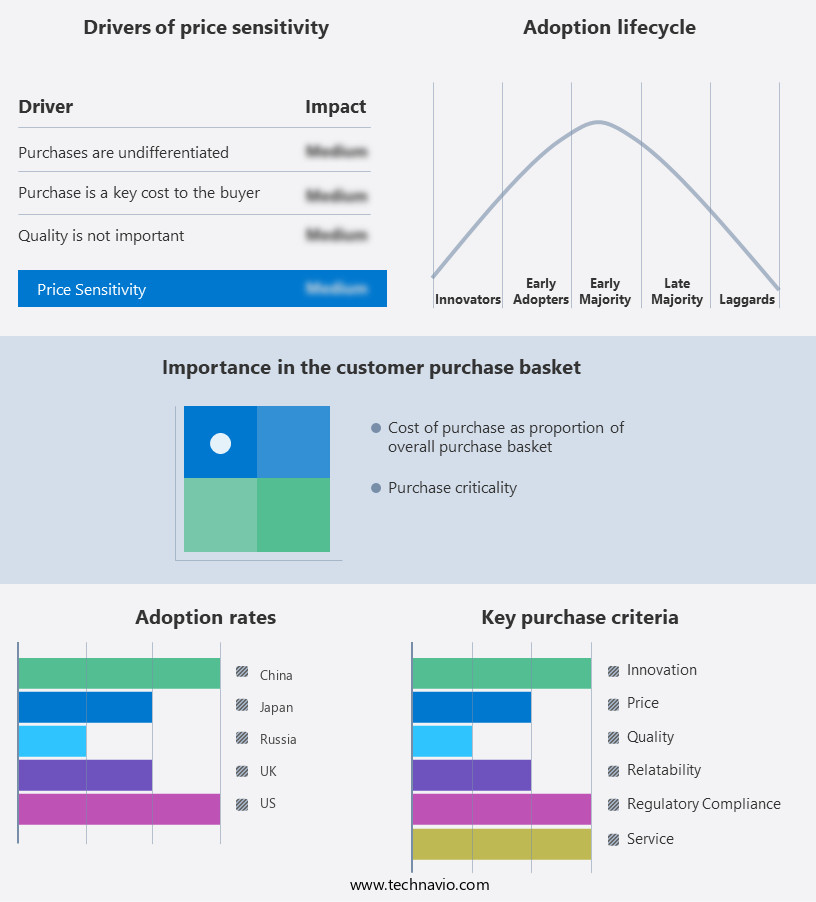
Customer Landscape
Key Companies & Market Insights
Companies are implementing various strategies, such as strategic alliances, night vision devices market forecast, partnerships, mergers and acquisitions, geographical expansion, and product/service launches, to enhance their presence in the industry.
American Technologies Network Corp. - The company specializes in advanced night vision technology, providing innovative solutions for low-light environments.
The industry research and growth report includes detailed analyses of the competitive landscape of the market and information about key companies, including:
- American Technologies Network Corp.
- ASELSAN AS
- BAE Systems Plc
- Elbit Systems Ltd.
- Excelitas Technologies Corp.
- Intevac Inc.
- L3Harris Technologies Inc.
- Leonardo Spa
- Luna Optics Inc.
- Meopta Optica S.R.O
- N Vision Optics LLC
- Newcon International Ltd.
- Night Vision Devices Inc.
- Safran SA
- SATIR Europe Ireland Co. Ltd.
- Sharp Corp.
- TAK Technologies Pvt. Ltd.
- Teledyne Technologies Inc.
- Thales Group
- Vista Outdoor Inc.
Qualitative and quantitative analysis of companies has been conducted to help clients understand the wider business environment as well as the strengths and weaknesses of key industry players. Data is qualitatively analyzed to categorize companies as pure play, category-focused, industry-focused, and diversified; it is quantitatively analyzed to categorize companies as dominant, leading, strong, tentative, and weak.
Recent Development and News in Night Vision Devices Market
- In February 2024, L3Harris Technologies, a leading defense technology company, announced the launch of its new AN/AVS-3 Night Vision Goggles, featuring advanced image intensification technology and a lightweight design, which significantly enhances situational awareness for military personnel (L3Harris Technologies Press Release).
- In July 2024, Thales and Elbit Systems, two major players in the market, signed a strategic partnership agreement to jointly develop and manufacture advanced night vision solutions for defense and security applications. This collaboration aims to leverage each company's expertise and expand their market reach (Thales Press Release).
- In October 2024, FLIR Systems, a global leader in thermal imaging and night vision technology, raised USD200 million in a funding round to accelerate the development and production of its cutting-edge night vision devices, including its Boson thermal cores and Marlon micro-thermal cameras (BusinessWire).
- In March 2025, the U.S. Department of Defense awarded a contract worth USD250 million to BAE Systems for the production and delivery of Enhanced Night Vision Goggles III, representing a significant investment in upgrading night vision technology for the military and boosting the market's growth prospects (U.S. Department of Defense Press Release).
Research Analyst Overview
The market is characterized by continuous advancements in technology, with key innovations including object tracking, image fusion, and target recognition. These technologies enhance the low-light performance of night vision telescopes, binoculars, monoculars, and helmets, expanding their applications in various sectors. Advanced optics and image clarity are crucial factors driving market growth, as users demand higher resolution and accurate detection ranges. Night vision privacy is an emerging concern, necessitating regulations and certifications. Customization options, such as digital zoom and Video Streaming, cater to diverse user needs. Night vision testing and calibration ensure product reliability and performance, while image fusion improves overall visual quality.
Night vision security solutions are increasingly adopted for surveillance and law enforcement, with drones and helmets being popular choices. Ethical considerations and light sensitivity are essential aspects of night vision technology, as users navigate the balance between security and privacy. Regulations and standards, such as night vision certification, govern the use of these devices, ensuring compliance and maintaining trust in the market. Night vision vest and helmet designs offer versatility and adaptability, making them indispensable for military and tactical operations. Overall, the night vision market is dynamic and evolving, driven by technological advancements and the growing demand for enhanced vision capabilities in various industries.
Dive into Technavio's robust research methodology, blending expert interviews, extensive data synthesis, and validated models for unparalleled Night Vision Devices Market insights. See full methodology.
|
Market Scope |
|
|
Report Coverage |
Details |
|
Page number |
220 |
|
Base year |
2024 |
|
Historic period |
2019-2023 |
|
Forecast period |
2025-2029 |
|
Growth momentum & CAGR |
Accelerate at a CAGR of 10.1% |
|
Market growth 2025-2029 |
USD 4155.1 million |
|
Market structure |
Fragmented |
|
YoY growth 2024-2025(%) |
8.9 |
|
Key countries |
US, China, Canada, Japan, Germany, UK, India, France, Italy, and South Korea |
|
Competitive landscape |
Leading Companies, Market Positioning of Companies, Competitive Strategies, and Industry Risks |
What are the Key Data Covered in this Night Vision Devices Market Research and Growth Report?
- CAGR of the Night Vision Devices industry during the forecast period
- Detailed information on factors that will drive the growth and forecasting between 2025 and 2029
- Precise estimation of the size of the market and its contribution of the industry in focus to the parent market
- Accurate predictions about upcoming growth and trends and changes in consumer behaviour
- Growth of the market across North America, APAC, Europe, South America, and Middle East and Africa
- Thorough analysis of the market's competitive landscape and detailed information about companies
- Comprehensive analysis of factors that will challenge the night vision devices market growth of industry companies
Have questions about our Market Research Report? Connect with our Principal Consultant for exclusive insights.