


Sensor Patch Market Size 2026-2030
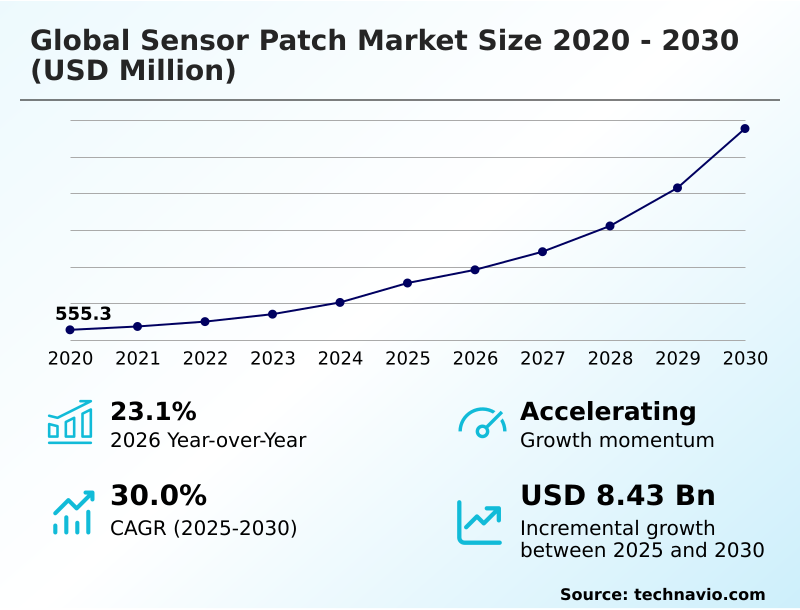
The sensor patch market size is valued to increase by USD 8.43 billion, at a CAGR of 30% from 2025 to 2030. Rise of smart sensor patches in modern medicine will drive the sensor patch market.
Major Market Trends & Insights
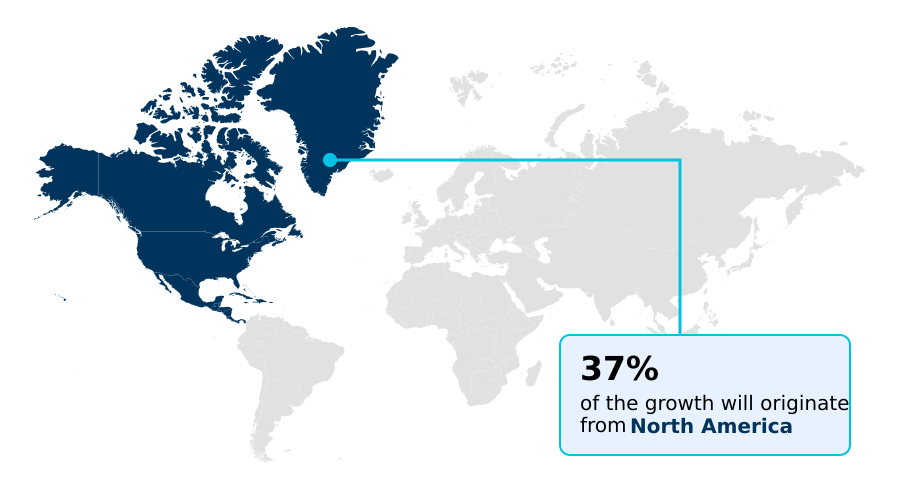
- North America dominated the market and accounted for a 37.2% growth during the forecast period.
- By Application - Diagnostics segment was valued at USD 922.2 million in 2024
- By End-user - Healthcare segment accounted for the largest market revenue share in 2024
Market Size & Forecast
- Market Opportunities: USD 10.98 billion
- Market Future Opportunities: USD 8.43 billion
- CAGR from 2025 to 2030 : 30%
Market Summary
- The sensor patch market is undergoing a significant transformation, driven by a paradigm shift in healthcare from reactive treatment to proactive wellness management. This evolution is underpinned by advancements in wearable biosensor technology, which enables the continuous collection of physiological data outside of clinical settings.
- Innovations in biocompatible adhesives and sensor miniaturization have improved user comfort and adherence, making long-term remote patient monitoring a viable reality. For instance, in post-operative care, hospitals are deploying patches for vital signs monitoring to facilitate earlier discharge, which optimizes bed utilization and reduces healthcare costs without compromising patient safety. This application of biometric data analysis supports better clinical decision-making.
- However, the industry faces challenges related to interoperable health systems and ensuring robust data privacy and security for the vast amounts of sensitive information collected.
- The integration of AI-powered diagnostics is further enhancing the capabilities of these devices, enabling predictive insights for conditions requiring cardiac arrhythmia detection and metabolic health tracking, thereby solidifying their role in the future of personalized medicine and preventive healthcare technology.
What will be the Size of the Sensor Patch Market during the forecast period?
Get Key Insights on Market Forecast (PDF) Get Free Sample
How is the Sensor Patch Market Segmented?
The sensor patch industry research report provides comprehensive data (region-wise segment analysis), with forecasts and estimates in "USD million" for the period 2026-2030, as well as historical data from 2020-2024 for the following segments.
- Application
- Diagnostics
- Monitoring
- Medical therapeutics
- End-user
- Healthcare
- Sports and fitness
- Product
- Wristwear
- Bodywear
- Neckwear
- Footwear
- Geography
- North America
- US
- Canada
- Mexico
- APAC
- China
- India
- Japan
- Europe
- Germany
- UK
- France
- South America
- Brazil
- Argentina
- Middle East and Africa
- Saudi Arabia
- UAE
- South Africa
- Rest of World (ROW)
- North America
By Application Insights
The diagnostics segment is estimated to witness significant growth during the forecast period.
The diagnostic segment is shifting toward non-invasive diagnostics for real-time biomarker detection. These systems rely on electrochemical sensing and MEMS-based sensors to analyze physiological data without invasive procedures.
Key applications include point-of-care diagnostics and the early detection of cardiovascular or metabolic issues. The integration of AI-powered diagnostics enables complex data analysis, providing actionable insights that improve detection accuracy by over 15%.
This focus on preventive healthcare technology is driving adoption, as these patches offer continuous visibility into patient health.
Innovations in sensor miniaturization and user-centric design in medtech are making these devices more comfortable for extended wear, which is crucial for capturing intermittent symptoms and ensuring patient adherence solutions are effective.
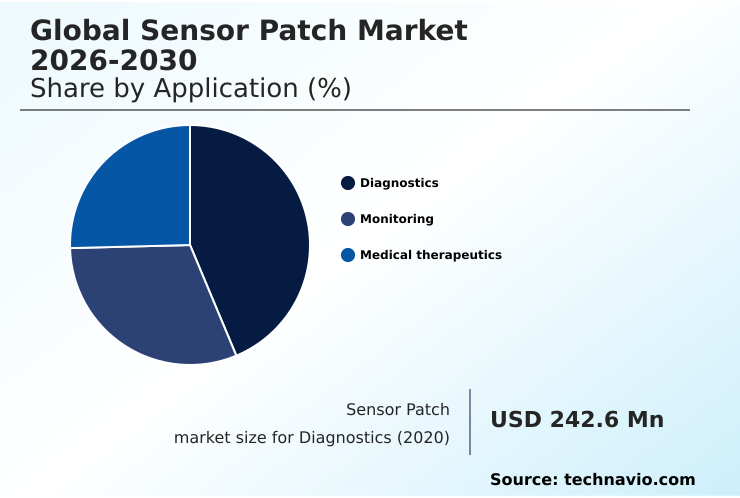
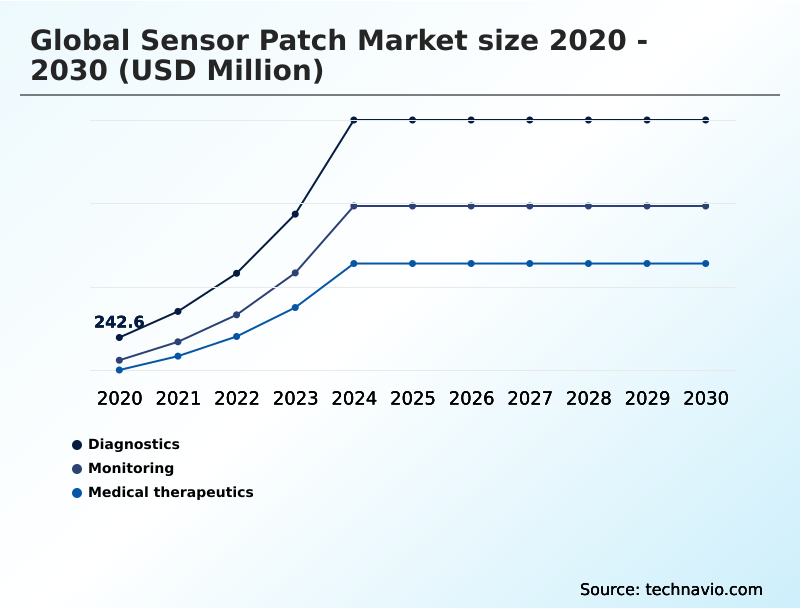
The Diagnostics segment was valued at USD 922.2 million in 2024 and showed a gradual increase during the forecast period.
Regional Analysis
North America is estimated to contribute 37.2% to the growth of the global market during the forecast period.Technavio’s analysts have elaborately explained the regional trends and drivers that shape the market during the forecast period.
See How Sensor Patch Market Demand is Rising in North America Get Free Sample
North America leads the market, accounting for over 37% of incremental growth, driven by advanced infrastructure and favorable reimbursement for ambulatory cardiac monitoring and other forms of remote patient monitoring.
The region’s focus on value-based care technology incentivizes using ECG monitoring patch solutions. In contrast, the APAC region is the fastest-growing, contributing nearly 29% to expansion, fueled by rising health awareness and adoption of direct-to-consumer health devices.
Europe's market, characterized by a stringent regulatory approval process for wearables, shows steady growth in hospital-at-home models.
Across all regions, the deployment of NFC-enabled patches and clinical-grade wearables is simplifying data transfer and improving wound healing monitoring, reflecting a global shift toward more accessible healthcare.
Market Dynamics
Our researchers analyzed the data with 2025 as the base year, along with the key drivers, trends, and challenges. A holistic analysis of drivers will help companies refine their marketing strategies to gain a competitive advantage.
- The expanding applications for sensor patches are creating new opportunities for specialized health management. The use of a sensor patch for diabetes management is becoming the standard of care, offering superior glycemic control compared to intermittent testing.
- A key talking point is the continuous glucose monitoring vs fingerstick debate, where patches provide a comprehensive view of glucose trends, significantly improving patient outcomes with wearables. The wearable ecg monitoring patch benefits are transforming cardiology, enabling long-term, comfortable monitoring for arrhythmia detection.
- This smart patch for remote patient care is crucial for managing chronic diseases, with advancements in biosensor technology making devices smaller and more accurate. Hospitals implementing remote monitoring for chronic diseases using smart patches have reported a reduction in readmission rates that is nearly twice as effective as traditional telephonic follow-up protocols.
- The future of remote patient monitoring lies in integrating these devices with electronic health records. However, ensuring data security in wearable health remains a priority, alongside improving the user experience in wearable patches. This technology is also finding a place in athletics, with smart patch technology in sports used for performance tracking.
- As the market matures, the cost-effectiveness of sensor patches and their role in wearable sensors for cardiac care will drive broader adoption.
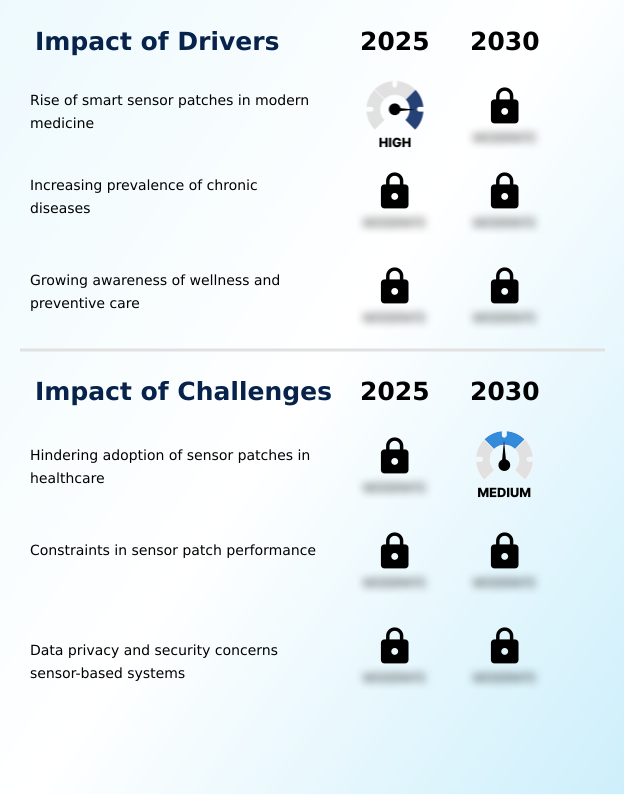
What are the key market drivers leading to the rise in the adoption of Sensor Patch Industry?
- The increasing adoption of smart sensor patches in modern medicine is a key market driver, facilitated by the demand for continuous and remote patient monitoring solutions.
- Market expansion is significantly driven by the need for effective remote patient monitoring to manage chronic diseases.
- The adoption of continuous glucose monitoring systems has demonstrated a 30% improvement in glycemic control for certain patient groups, highlighting the clinical value of these devices.
- This shift toward hospital-at-home models is accelerating, as wearable biosensors enable clinical-grade vital signs monitoring outside of traditional care settings, reducing readmission rates by up to 20%.
- The growth of digital health platforms and interoperable health systems allows for seamless data flow, supporting predictive analytics in healthcare.
- This technological framework, including biometric data analysis, is essential for value-based care technology, where improved patient outcomes are directly tied to reimbursement.
What are the market trends shaping the Sensor Patch Industry?
- The integration of advanced sensors with transdermal platforms is an emerging trend, combining continuous health monitoring with automated drug delivery for personalized therapeutic applications.
- A primary trend is the fusion of smart patch technology with transdermal drug delivery, creating closed-loop therapeutic systems. The development of the microneedle sensor patch is a key advancement, enabling minimally invasive access to interstitial fluid for more accurate readings.
- Extended-wear sensors are becoming standard, with some devices now functional for over 14 days, reducing patient burden by 50% compared to earlier models. This progress is coupled with enhanced telehealth integration, allowing real-time physiological data to flow directly into clinical workflows.
- Furthermore, the push for over-the-counter biosensors is democratizing access to clinical-grade wearables, expanding the market beyond prescription-based use cases and empowering consumers to manage their health proactively. This trend has led to a 40% increase in user engagement for some wellness platforms.
What challenges does the Sensor Patch Industry face during its growth?
- Key challenges hindering market growth include factors that impede the widespread adoption of sensor patches in healthcare, such as high costs and data security vulnerabilities.
- Market expansion is constrained by significant challenges, notably concerning data privacy and security, which deters nearly 30% of potential users. The reliability of wireless health monitoring systems is paramount, yet the risk of data breaches remains a major hurdle.
- Another critical issue is the need for universal sensor calibration standards to ensure data from different devices is comparable and clinically valid. The physical properties of the patches, including the long-term performance of biocompatible adhesives, also present difficulties, affecting user comfort and patient adherence solutions.
- Furthermore, the complex regulatory approval process for wearables, coupled with a volatile supply chain for medical components like low-power ICs, creates barriers for new entrants and can delay innovation, with development timelines extending by up to 18 months.
Exclusive Technavio Analysis on Customer Landscape
The sensor patch market forecasting report includes the adoption lifecycle of the market, covering from the innovator’s stage to the laggard’s stage. It focuses on adoption rates in different regions based on penetration. Furthermore, the sensor patch market report also includes key purchase criteria and drivers of price sensitivity to help companies evaluate and develop their market growth analysis strategies.
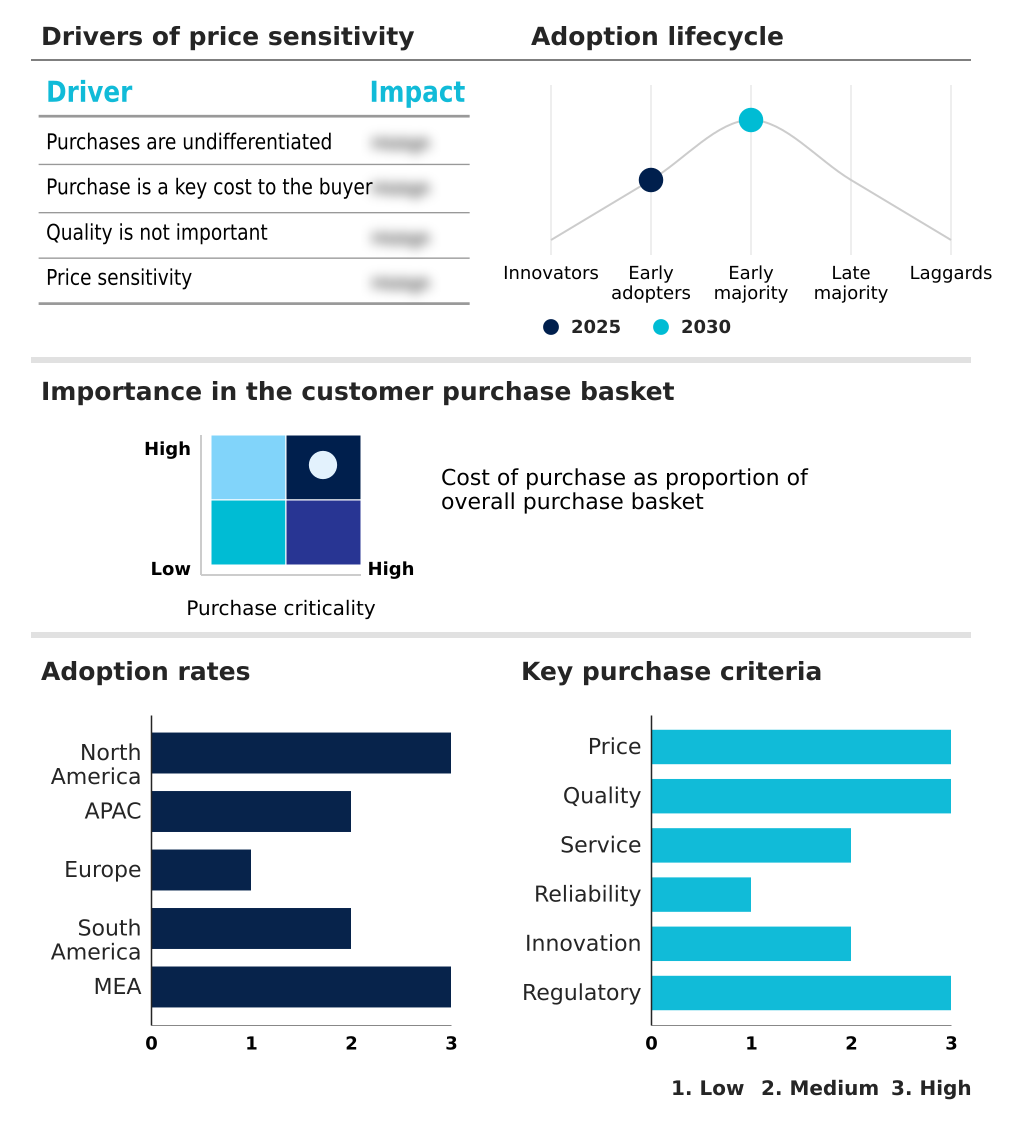
Customer Landscape of Sensor Patch Industry
Competitive Landscape
Companies are implementing various strategies, such as strategic alliances, sensor patch market forecast, partnerships, mergers and acquisitions, geographical expansion, and product/service launches, to enhance their presence in the industry.
Abbott Laboratories - Delivers continuous glucose monitoring patches featuring real-time data transmission, enhancing remote patient management and personalized health insights.
The industry research and growth report includes detailed analyses of the competitive landscape of the market and information about key companies, including:
- Abbott Laboratories
- Analog Devices Inc.
- Avery Dennison Corp.
- Dexcom Inc.
- GENTAG Inc.
- HIVOX BIOTEK Inc.
- iRhythm Technologies Inc.
- Isansys Ltd.
- Masimo Corp.
- Medtronic Plc
- NanoSonic Inc.
- NXP Semiconductors NV
- OMRON Corp.
- Smith and Nephew plc
- STMicroelectronics NV
- Texas Instruments Inc.
- VitalConnect Inc.
- Vpatch Cardio Pty Ltd.
Qualitative and quantitative analysis of companies has been conducted to help clients understand the wider business environment as well as the strengths and weaknesses of key industry players. Data is qualitatively analyzed to categorize companies as pure play, category-focused, industry-focused, and diversified; it is quantitatively analyzed to categorize companies as dominant, leading, strong, tentative, and weak.
Recent Development and News in Sensor patch market
- In May 2025, iRhythm Technologies Inc. announced the commercial launch of its Zio long-term continuous monitoring system in Japan, marking a significant geographic expansion for its AI-powered arrhythmia detection technology.
- In April 2025, Medtronic Plc received United States Food and Drug Administration approval for its Simplera Sync sensor, a disposable, all-in-one continuous glucose monitoring device designed for integration with its MiniMed 780G automated insulin delivery system.
- In March 2025, Abbott Laboratories revealed the expansion of its bio-wearable line with a new sensor patch capable of concurrently monitoring lactate and ketone levels, targeting the athletic performance and metabolic health markets.
- In March 2025, Dexcom Inc. presented inaugural accuracy and performance data for its G7 15-Day sensor system at the International Conference on Advanced Technologies and Treatments for Diabetes, signaling a strategic move toward longer-wear devices.
Dive into Technavio’s robust research methodology, blending expert interviews, extensive data synthesis, and validated models for unparalleled Sensor Patch Market insights. See full methodology.
| Market Scope | |
|---|---|
| Page number | 285 |
| Base year | 2025 |
| Historic period | 2020-2024 |
| Forecast period | 2026-2030 |
| Growth momentum & CAGR | Accelerate at a CAGR of 30% |
| Market growth 2026-2030 | USD 8426.0 million |
| Market structure | Fragmented |
| YoY growth 2025-2026(%) | 23.1% |
| Key countries | US, Canada, Mexico, China, India, Japan, South Korea, Australia, Indonesia, Germany, UK, France, Italy, Spain, The Netherlands, Brazil, Argentina, Chile, Saudi Arabia, UAE, South Africa, Israel and Turkey |
| Competitive landscape | Leading Companies, Market Positioning of Companies, Competitive Strategies, and Industry Risks |
Research Analyst Overview
- The sensor patch market is defined by rapid technological iteration, where sensor miniaturization and the development of biocompatible adhesives are enabling longer, more comfortable wear times. The core technology, including wearable biosensors and low-power ICs, facilitates continuous vital signs monitoring for applications ranging from ambulatory cardiac monitoring to non-invasive diagnostics.
- The integration of predictive analytics in healthcare is a important trend, with AI-powered diagnostics improving arrhythmia detection accuracy by over 25% compared to conventional methods. A key strategic consideration for market participants is the convergence with therapeutics, such as combining an electrochemical sensing patch with transdermal drug delivery.
- This requires forming partnerships with pharmaceutical firms, a boardroom-level decision that could unlock significant value. As the market evolves, the focus is on creating interoperable health systems that can seamlessly utilize data from various sources, including ECG monitoring patches and NFC-enabled patches, to provide a holistic view of patient health and support point-of-care diagnostics.
What are the Key Data Covered in this Sensor Patch Market Research and Growth Report?
-
What is the expected growth of the Sensor Patch Market between 2026 and 2030?
-
USD 8.43 billion, at a CAGR of 30%
-
-
What segmentation does the market report cover?
-
The report is segmented by Application (Diagnostics, Monitoring, and Medical therapeutics), End-user (Healthcare, and Sports and fitness), Product (Wristwear, Bodywear, Neckwear, and Footwear) and Geography (North America, APAC, Europe, South America, Middle East and Africa)
-
-
Which regions are analyzed in the report?
-
North America, APAC, Europe, South America and Middle East and Africa
-
-
What are the key growth drivers and market challenges?
-
Rise of smart sensor patches in modern medicine, Hindering adoption of sensor patches in healthcare
-
-
Who are the major players in the Sensor Patch Market?
-
Abbott Laboratories, Analog Devices Inc., Avery Dennison Corp., Dexcom Inc., GENTAG Inc., HIVOX BIOTEK Inc., iRhythm Technologies Inc., Isansys Ltd., Masimo Corp., Medtronic Plc, NanoSonic Inc., NXP Semiconductors NV, OMRON Corp., Smith and Nephew plc, STMicroelectronics NV, Texas Instruments Inc., VitalConnect Inc. and Vpatch Cardio Pty Ltd.
-
Market Research Insights
- The sensor patch market is characterized by dynamic growth and rapid innovation, with year-over-year growth accelerating at a rate of 23.1%. This momentum is driven by the rising adoption of digital health platforms and the demand for real-time physiological data.
- North America continues to be a pivotal region, contributing over 37% of the market's incremental growth, largely due to its advanced healthcare ecosystem and favorable reimbursement policies. The integration of AI-powered diagnostics into these devices is enabling more sophisticated applications, such as predictive alerts for metabolic health tracking and precise cardiac arrhythmia detection.
- As the technology matures, the focus is shifting toward creating fully interoperable health systems that provide a holistic view of patient health, reinforcing the move toward proactive and personalized care.
We can help! Our analysts can customize this sensor patch market research report to meet your requirements.
 RIA -
RIA - 
