
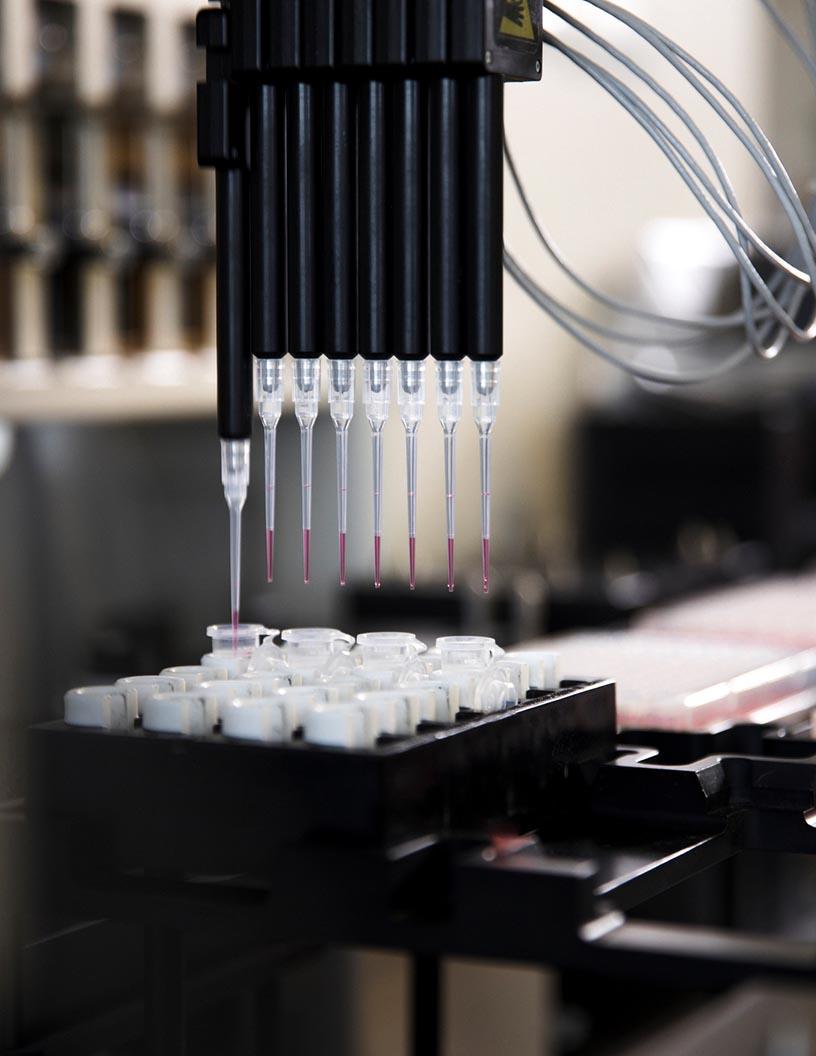


Spatial Genomics And Transcriptomics Market Size 2025-2029
The spatial genomics and transcriptomics market size is forecast to increase by USD 732.3 million, at a CAGR of 12% between 2024 and 2029.
- The market is experiencing significant growth, driven by the increasing adoption of spatial genomics in drug discovery. This innovative approach allows for a more precise understanding of the spatial organization of cells, enabling the identification of new targets and biomarkers for disease diagnosis and treatment. Furthermore, the use of spatial omics is gaining traction in biomarker identification, offering potential for personalized medicine and improved patient outcomes and in therapeutic areas like neurological disorders, infectious diseases, neuroscience, immunology, genomics, and proteomics. However, the market faces challenges, including the lack of workforce expertise in spatial genomics. As this field continues to evolve, there is a pressing need for skilled professionals to drive research and development efforts.
- Companies seeking to capitalize on the opportunities in this market must invest in workforce development and collaborate with academic institutions and industry partners to build a strong foundation for future success. The ability to navigate these challenges and harness the power of spatial genomics will be crucial for companies looking to gain a competitive edge in the life sciences industry.
What will be the Size of the Spatial Genomics And Transcriptomics Market during the forecast period?
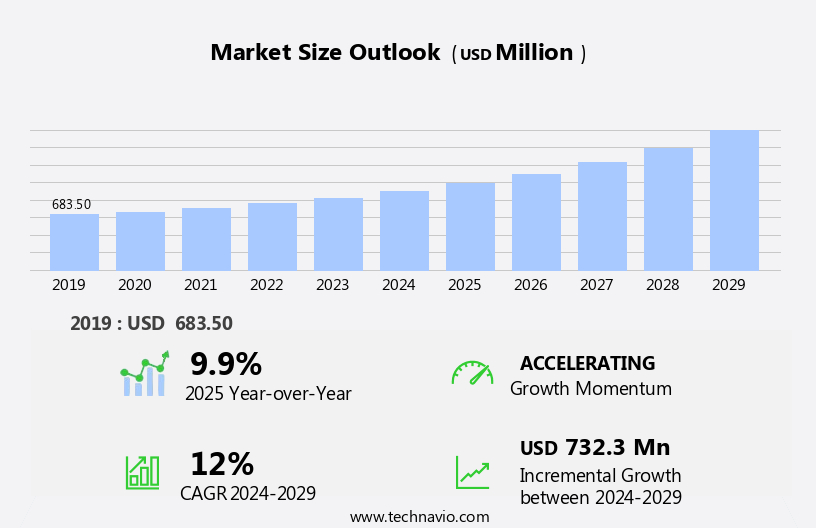
Explore in-depth regional segment analysis with market size data - historical 2019-2023 and forecasts 2025-2029 - in the full report.
Request Free Sample
The market continues to evolve, driven by advancements in technologies and applications across various sectors. Cell signaling, confocal microscopy, RNA extraction, and sample preparation are integral components of this dynamic landscape. Ethical considerations are increasingly becoming a focus, as the use of high-throughput sequencing and data visualization tools uncovers new insights into genomic data. In situ sequencing and software solutions facilitate pathway analysis and data integration, enabling a more comprehensive understanding of biological processes. RNA extraction and sample preparation techniques play a crucial role in the market, ensuring accurate and reliable data. High-throughput sequencing technologies, such as next-generation sequencing (NGS), have revolutionized genome editing and disease modeling by providing vast amounts of genomic data.
Data repositories and machine learning algorithms facilitate data interpretation and gene regulatory network analysis. The continuous unfolding of market activities includes the development of spatial transcriptomics platforms, which offer three-dimensional genome organization insights. Microfluidic devices and protein-DNA interactions are also gaining attention, as they enable precise manipulation of biological samples. Quantitative PCR (qPCR) and chromatin conformation capture techniques complement these advancements, providing additional layers of information. The integration of various technologies, such as microarray technology, fluorescence microscopy, and data visualization tools, offers a more holistic approach to understanding complex biological systems. Spatial genomics and transcriptomics applications extend to drug discovery and gene expression analysis, providing valuable insights into cellular processes and biological pathways.
In conclusion, the market is characterized by continuous innovation and evolving patterns. The integration of various technologies, including cell signaling, confocal microscopy, RNA extraction, sample preparation, ethical considerations, high-throughput sequencing, data visualization, in situ sequencing, software solutions, pathway analysis, data integration, microfluidic devices, protein-DNA interactions, next-generation sequencing, gene regulatory networks, and more, offers a more comprehensive understanding of biological systems. This knowledge drives progress in personalized medicine, biomarker discovery, genome editing, disease modeling, and other sectors.
How is this Spatial Genomics And Transcriptomics Industry segmented?
The spatial genomics and transcriptomics industry research report provides comprehensive data (region-wise segment analysis), with forecasts and estimates in "USD million" for the period 2025-2029, as well as historical data from 2019-2023 for the following segments.
- Product
- Consumables
- Instruments
- End-user
- Translational research
- Academic customers
- Diagnostic customers
- Pharmaceutical manufacturer
- Application
- Drug Discovery & Development
- Disease Research (Oncology, Neuroscience)
- Biomarker Identification
- Technique
- Spatial Transcriptomics (e.g., Visium, MERFISH)
- Spatial Genomics
- Proteomics (Spatial Proteomics)
- Geography
- North America
- US
- Canada
- Europe
- France
- Germany
- Italy
- UK
- Middle East and Africa
- Egypt
- KSA
- Oman
- UAE
- APAC
- China
- India
- Japan
- South America
- Argentina
- Brazil
- Rest of World (ROW)
- North America
By Product Insights
The consumables segment is estimated to witness significant growth during the forecast period.
Spatial genomics and transcriptomics, two advanced technologies in molecular biology, offer insights into gene expression and genomic information within the spatial context of tissues. Consumables are essential in these techniques, ensuring experiment accuracy and efficiency. In spatial genomics, specialized slides or chips with spatially barcoded features enable capturing and analyzing gene expression patterns at specific tissue locations. These consumables incorporate microfluidics or imaging technologies, facilitating precise in situ mapping of gene activity. Spatial transcriptomics, on the other hand, uses spatially barcoded beads or oligonucleotides to capture RNA molecules at specific tissue positions. These consumables integrate with data analysis tools, including machine learning algorithms, gene regulatory networks, and biological pathways, to interpret the data.
Genomic data management solutions facilitate the integration and analysis of various data types, including DNA and RNA sequencing, quantitative PCR, and chromatin conformation capture. High-throughput sequencing, data visualization, and in situ sequencing techniques further enhance the capabilities of these technologies. Ethical considerations and sample preparation are also crucial aspects of these techniques, with consumables designed to maintain sample integrity and minimize potential contamination. In summary, the consumables market for spatial genomics and transcriptomics is a dynamic and evolving field, driven by advancements in technologies like next-generation sequencing, microarray technology, confocal microscopy, and single-cell RNA sequencing. These technologies enable the study of gene regulation, transcription factors, cellular processes, protein-DNA interactions, and disease modeling, among others.
The integration of software solutions, data repositories, and data interpretation tools further enhances the value of these consumables in the field of personalized medicine and drug discovery.
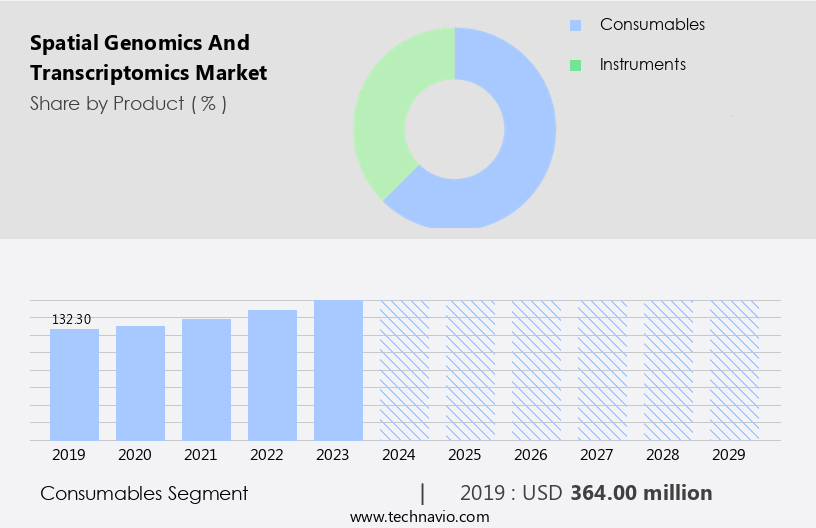
The Consumables segment was valued at USD 364.00 million in 2019 and showed a gradual increase during the forecast period.
Regional Analysis
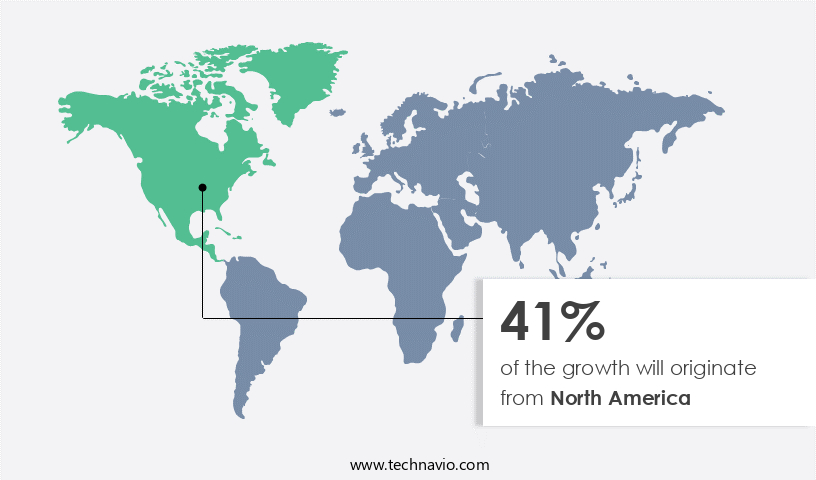
North America is estimated to contribute 41% to the growth of the global market during the forecast period.Technavio's analysts have elaborately explained the regional trends and drivers that shape the market during the forecast period.
The market in North America is experiencing significant growth due to the region's robust research ecosystem. With a large number of laboratories, research facilities, and pharmaceutical companies based in the US and Canada, the application of spatial genomics and transcriptomics in areas such as oncology, rare disease diagnosis, and prenatal diagnosis is on the rise. Companies in this market, including Thermo Fisher Scientific, are focusing on developing innovative technologies to gain a competitive edge. These advancements include the use of high-throughput sequencing, data visualization, in situ sequencing, and machine learning in gene regulatory networks, gene expression analysis, and chromatin conformation capture.
Furthermore, the integration of data repositories, single-cell RNA sequencing, and library preparation with spatial transcriptomics platforms is enabling pathway analysis, data interpretation, and drug discovery. Ethical considerations are also a significant factor, with companies prioritizing data privacy and security in genomic data management. The market's competitiveness is further driven by the increasing investment in research and development, particularly in the field of next-generation sequencing (NGS) and sequencing libraries. Additionally, the market is witnessing the adoption of microfluidic devices, protein-DNA interactions, and quantitative PCR (qPCR) in cellular processes and gene regulation studies. Overall, the North American the market is a dynamic and innovative space, with a focus on advancing our understanding of biological pathways and cellular processes through the application of cutting-edge technologies.
Market Dynamics
The Spatial Genomics Market is rapidly expanding, driven by breakthroughs in Spatial Transcriptomics and other Spatial Omics Technologies. These advanced Spatial Biology Solutions are revolutionizing cancer research spatial genomics, allowing for detailed tumor microenvironment analysis and precise spatial gene expression mapping. Leading spatial transcriptomics platforms and spatial genomics instruments are facilitating critical insights into disease mechanisms. The power of in situ sequencing is key to unlocking new discoveries. In drug discovery spatial applications, these technologies accelerate biomarker discovery spatial profiling, offering unprecedented detail. Spatial data analysis software is crucial for interpreting the vast datasets generated, aiding both academic research spatial genomics and pharmaceutical spatial omics initiatives. The integration of high-resolution spatial imaging with cell-cell interaction mapping and spatial multi-omics is paving the way for precision medicine spatial genomics, particularly in areas like neurological disorders spatial transcriptomics.
Our researchers analyzed the data with 2024 as the base year, along with the key drivers, trends, and challenges. A holistic analysis of drivers will help companies refine their marketing strategies to gain a competitive advantage.
What are the key market drivers leading to the rise in the adoption of Spatial Genomics And Transcriptomics Industry?
- The integration of spatial genomics in drug discovery plays a pivotal role in driving market growth. This innovative approach enables a more precise understanding of genetic information in its spatial context, leading to the development of more effective therapeutics.
- Spatial genomics and transcriptomics represent innovative technologies in the field of personalized medicine, offering valuable insights into gene expression and biomarker discovery. The adoption of these techniques is driven by the generation of intricate data and the availability of advanced data analysis tools. In contrast to traditional methods, spatial genomics and transcriptomics enable the preservation of the spatial context of tissue samples, providing a more accurate representation of the molecular landscape within tissues. This information is crucial for disease modeling, genome editing, and drug discovery.
- Furthermore, spatial genomics and transcriptomics facilitate the profiling of clinical samples, allowing researchers to map the molecular taxonomy and cell-type localization of targets. Techniques such as DNA extraction, image analysis, 3D genome organization, genomic data management, and microarray technology are integral to the spatial genomics and transcriptomics workflow. These advancements have the potential to revolutionize the way we approach disease diagnosis and treatment.
What are the market trends shaping the Spatial Genomics And Transcriptomics Industry?
- The use of spatial omics for biomarker identification is gaining significant traction in the market. This emerging trend reflects the increasing demand for advanced technologies to enhance the accuracy and specificity of biomarker discovery.
- The market is experiencing significant growth due to the increasing demand for advanced biomarkers in drug discovery and disease diagnosis. Biomarkers play a crucial role in simplifying drug development processes by evaluating drug efficacy and toxicity. They are extensively used in diagnosing diseases such as cancer, cardiovascular disease, and neurological disorders. Spatial genomics and transcriptomics technologies enable researchers to locate target genes in the disease pathway and progression, leading to revolutionary advancements in medicine. Spatial genomics techniques, including in situ sequencing and confocal microscopy, facilitate the visualization of RNA expression in its native spatial context.
- Sample preparation and RNA extraction are essential steps in spatial genomics and transcriptomics workflows, ensuring data integrity for high-throughput sequencing. Ethical considerations are essential in the application of these technologies, requiring rigorous adherence to ethical guidelines. Data visualization software solutions and pathway analysis tools facilitate the interpretation of complex spatial genomics and transcriptomics data. Data integration from various sources is essential for comprehensive analysis, requiring sophisticated bioinformatics tools. The market's growth is driven by the increasing demand for personalized medicine and the need for more precise diagnosis and treatment options.
What challenges does the Spatial Genomics And Transcriptomics Industry face during its growth?
- The growth of the spatial genomics industry is significantly hindered by the scarcity of proficient workforce possessing expertise in this specialized field.
- Spatial genomics and transcriptomics is a specialized field that requires skilled professionals, including researchers and laboratory technicians, to perform experiments and interpret data. This intricate process involves understanding genomic mechanisms and biological entities, as well as safely handling specimen samples and designing appropriate experimentation to address specific research questions in genomics. Spatial genomics and transcriptomics experiments utilize advanced technologies such as microfluidic devices, next-generation sequencing (NGS), and quantitative PCR (qPCR) for the detection and analysis of protein-DNA interactions, gene regulation, and cellular processes. The labor-intensive nature of these experiments necessitates a high level of competence and attention to detail from professionals.
- However, the limited availability of adequate knowledge, training, and courses on spatial genomics and transcriptomics hampers the growth of this field. This shortage of skilled personnel can impact drug discovery and therapeutic development, as spatial genomics and transcriptomics play a crucial role in understanding the spatial organization and regulation of genes and proteins. To address this challenge, it is essential to invest in education and training programs that equip students with the necessary skills and knowledge to excel in spatial genomics and transcriptomics research. This investment will not only contribute to the advancement of drug discovery but also create new opportunities for professionals in this growing field.
- In summary, the market requires a skilled workforce to carry out experiments and interpret data using advanced technologies. The lack of adequate training and education programs limits the growth of this field and hinders drug discovery efforts. Investing in education and training is crucial to meet the demand for skilled professionals and drive innovation in spatial genomics and transcriptomics research.
Exclusive Customer Landscape
The spatial genomics and transcriptomics market forecasting report includes the adoption lifecycle of the market, covering from the innovator's stage to the laggard's stage. It focuses on adoption rates in different regions based on penetration. Furthermore, the spatial genomics and transcriptomics market report also includes key purchase criteria and drivers of price sensitivity to help companies evaluate and develop their market growth analysis strategies.
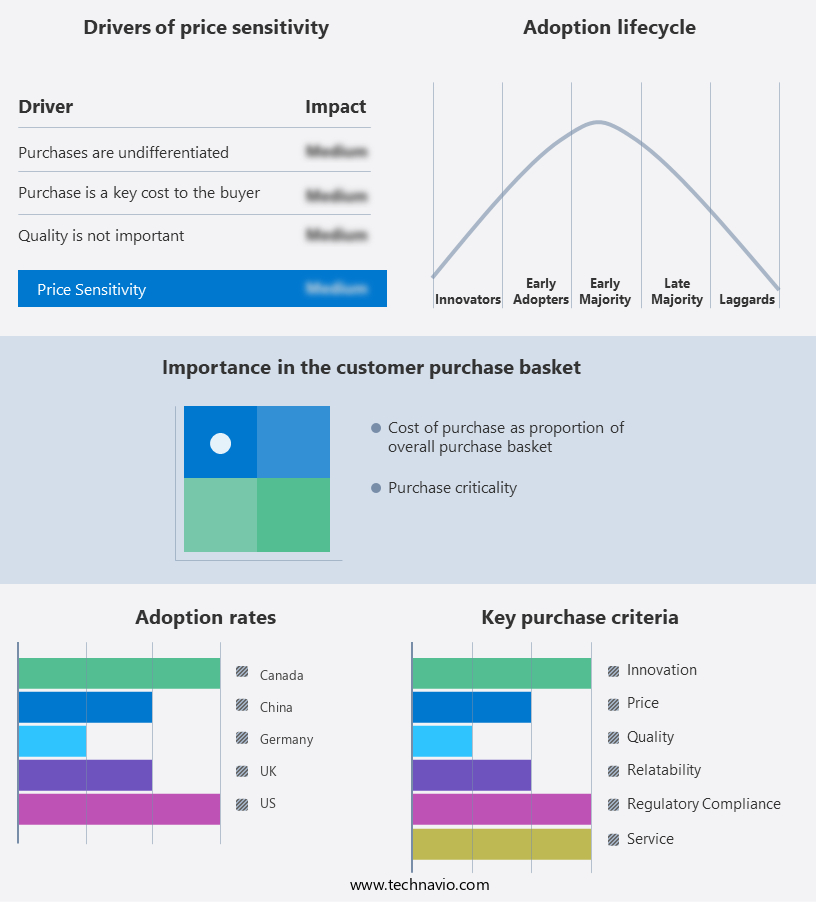
Customer Landscape
Key Companies & Market Insights
Companies are implementing various strategies, such as strategic alliances, spatial genomics and transcriptomics market forecast, partnerships, mergers and acquisitions, geographical expansion, and product/service launches, to enhance their presence in the industry.
10X Genomics Inc. - This company specializes in spatial genomics and transcriptomics, providing researchers with innovative solutions like Visium Spatial Gene Expression. Thousands of genes' activity can be mapped within intact tissue sections, preserving spatial context and morphology, enabling more accurate and comprehensive research findings.
The industry research and growth report includes detailed analyses of the competitive landscape of the market and information about key companies, including:
- 10X Genomics Inc.
- Akoya Biosciences Inc.
- Bio Rad Laboratories Inc.
- Bio Techne Corp.
- BioSpyder Technologies Inc.
- Cantata Bio LLC
- Fulgent Genetics Inc.
- Illumina Inc.
- Lunaphore Technologies SA
- NanoString Technologies Inc.
- Perkin Elmer Inc.
- RareCyte Inc
- Rebus Biosystems Inc
- Resolve BioSciences GmbH
- S2 Genomic Inc
- Seven Bridges Genomics Inc.
- Singular Genomics System Inc
- Ultivue Inc.
- Veranome Biosystems LLC
- Vizgen Corp
Qualitative and quantitative analysis of companies has been conducted to help clients understand the wider business environment as well as the strengths and weaknesses of key industry players. Data is qualitatively analyzed to categorize companies as pure play, category-focused, industry-focused, and diversified; it is quantitatively analyzed to categorize companies as dominant, leading, strong, tentative, and weak.
Recent Development and News in Spatial Genomics And Transcriptomics Market
- In January 2024, Illumina, a leading player in the market, launched the Spatial Transcriptomics Assay for Tissue Analysis (STA), enabling researchers to profile gene expression in single cells and tissue sections at a spatial resolution (Illumina Press Release).
- In March 2024, 10x Genomics, another key player, announced a strategic partnership with Merck KGaA to develop and commercialize spatial transcriptomics solutions, expanding their reach in the pharmaceutical industry (10x Genomics Press Release).
- In April 2025, NanoString Technologies, a prominent player, raised USD120 million in a funding round to accelerate the development and commercialization of its GeoMx Digital Spatial Profiling technology, a spatial genomics and transcriptomics platform (NanoString Technologies Press Release).
- In May 2025, the U.S. Food and Drug Administration (FDA) granted 10x Genomics clearance for its Chromium Single Cell V(D)J Reagent Kits, enabling the company to offer a comprehensive spatial genomics and transcriptomics solution for researchers and clinicians in the United States (10x Genomics Press Release).
Research Analyst Overview
- The market is witnessing significant activity and trends, driven by open data initiatives and industry collaborations. Intellectual property rights and data mining are critical concerns, with research grants and cloud computing facilitating data sharing and analysis. Assay development and methodology innovation continue to advance, with clinical trials and clinical validation playing a pivotal role in market adoption. Multi-omics integration, including spatial metabolomics, is gaining traction, fueled by informatics tools and scientific publications.
- Technology transfer and open-source software enable wider access to these technologies, while quality control and data security remain essential for ensuring data integrity. Algorithm optimization and statistical methods are key areas of focus for improving data quality and experimental design.
Dive into Technavio's robust research methodology, blending expert interviews, extensive data synthesis, and validated models for unparalleled Spatial Genomics And Transcriptomics Market insights. See full methodology.
|
Market Scope |
|
|
Report Coverage |
Details |
|
Page number |
199 |
|
Base year |
2024 |
|
Historic period |
2019-2023 |
|
Forecast period |
2025-2029 |
|
Growth momentum & CAGR |
Accelerate at a CAGR of 12% |
|
Market growth 2025-2029 |
USD 732.3 million |
|
Market structure |
Fragmented |
|
YoY growth 2024-2025(%) |
9.9 |
|
Key countries |
US, Germany, China, Canada, UK, Mexico, Japan, India, France, and Brazil |
|
Competitive landscape |
Leading Companies, Market Positioning of Companies, Competitive Strategies, and Industry Risks |
What are the Key Data Covered in this Spatial Genomics And Transcriptomics Market Research and Growth Report?
- CAGR of the Spatial Genomics And Transcriptomics industry during the forecast period
- Detailed information on factors that will drive the growth and forecasting between 2025 and 2029
- Precise estimation of the size of the market and its contribution of the industry in focus to the parent market
- Accurate predictions about upcoming growth and trends and changes in consumer behaviour
- Growth of the market across North America, Europe, Asia, and Rest of World (ROW)
- Thorough analysis of the market's competitive landscape and detailed information about companies
- Comprehensive analysis of factors that will challenge the spatial genomics and transcriptomics market growth of industry companies
We can help! Our analysts can customize this spatial genomics and transcriptomics market research report to meet your requirements.
 RIA -
RIA - 
