



Special Education Teacher Training Market Size 2025-2029
The special education teacher training market size is forecast to increase by USD 145.3 million at a CAGR of 4.7% between 2024 and 2029.
- The market is experiencing significant growth due to the rising prevalence of disabilities and the increasing awareness of the importance of providing quality education to this population. According to various reports, the number of children with disabilities is on the rise, creating a growing demand for specialized teachers to cater to their unique needs. However, a key challenge facing the market is the limited access to quality training programs for special education teachers. To address this issue, there has been an increase in the number of short courses and online training programs being offered. These flexible training options enable current and aspiring teachers to acquire the necessary skills and knowledge to effectively teach students with disabilities.
- As the demand for special education continues to grow, companies offering training programs that cater to this need will have ample opportunities to expand their offerings and capitalize on this market trend. Additionally, partnerships between educational institutions and organizations specializing in special education can lead to innovative training programs and collaborative efforts to improve the overall quality of education for students with disabilities.
What will be the Size of the Special Education Teacher Training Market during the forecast period?

- The market: Trends and Dynamics Special education teacher training is a significant market, driven by the increasing number of students with hearing impairments, visual impairments, learning disabilities, behavioral disorders, physical disabilities, and other special needs. This market focuses on differentiated instruction, educational psychology, occupational therapy, speech therapy, literacy skills, numeracy skills, social skills development, positive behavior support, IEP implementation, inclusion practices, and classroom management. Applied behavior analysis and transition planning are essential components of special education teacher training, ensuring students receive the necessary support for their unique needs. Assistive technology plays a crucial role in enhancing learning experiences and promoting inclusive education.
- Market research publishers, such as Market Research Future (MRFR), Grand View Research, FMI Study, and others, highlight the importance of teacher training in special education. These reports indicate a growing demand for specialized training in areas like applied behavior analysis, inclusive education, and classroom management. Special education teacher training is a dynamic and evolving market, with ongoing research and development in educational psychology, positive behavior support, and assistive technology. As the needs of students with special needs continue to change, so too will the demands on special education teachers and the training they receive. Increased focus on inclusive education and IEP implementation necessitates continuous teacher training to ensure effective instruction and support for students with diverse learning needs.
- By staying informed of the latest trends and best practices, special education teachers can better meet the needs of their students and help them reach their full potential.
How is this Special Education Teacher Training Industry segmented?
The special education teacher training industry research report provides comprehensive data (region-wise segment analysis), with forecasts and estimates in "USD million" for the period 2025-2029, as well as historical data from 2019-2023 for the following segments.
- Type
- Offline
- Online
- Product
- Formal education programs
- Others
- Price Range
- Basic certification
- Advanced certification
- Master certification
- Age Group
- Prospective teachers
- Current teachers
- School administrators
- Special education professionals
- Geography
- North America
- US
- Canada
- Europe
- France
- Germany
- Spain
- The Netherlands
- UK
- APAC
- China
- India
- Japan
- North America
By Type Insights
The offline segment is estimated to witness significant growth during the forecast period.
Offline training plays a significant role in the professional development of educators specializing in special education. This form of education includes hands-on activities, simulations, and practical experiences that enable teachers to directly apply concepts in real-world settings. In-person training offers immediate feedback from instructors and peers, allowing educators to refine their techniques and learn effective practices. Instructors can provide personalized attention to participants, addressing their unique needs, questions, and concerns. Offline training fosters a sense of community among educators, facilitating collaboration and networking opportunities. For instance, a Master of Arts degree from Teachers College Columbia University is an offline training option for educators who have previously obtained initial certification to teach students with disabilities.
This advanced degree program caters to those seeking professional certification and focuses on teaching kids with severe or multiple disabilities. It incorporates evidence-based practices, interdisciplinary collaboration, and inclusive classroom environments, ensuring educators are equipped with the necessary skills to cater to diverse learning needs. Continuing education and professional development are essential for special education professionals to stay updated on the latest teaching methods, assessment tools, and therapeutic techniques. Short courses, workshops, and seminars offer opportunities for educators to expand their knowledge and expertise in areas such as numeracy skills, literacy skills, sensory integration, and behavioral interventions. These training programs help educators cater to students with various disabilities, including physical disabilities, learning disabilities, emotional disabilities, and intellectual disabilities.
Moreover, online training has gained popularity in recent years due to its flexibility and accessibility. However, offline training continues to play a crucial role in special education professional development, offering unique benefits that cannot be replicated online. The integration of technology, such as assistive devices and adaptive learning platforms, in offline training further enhances the learning experience for educators. Inclusive education practices, disability training, and positive behavior support are integral components of special education, ensuring a supportive and inclusive learning environment for all students. School leadership, case management, and classroom management are essential skills for special education professionals, enabling them to create effective and inclusive classroom environments.
Effective communication skills, collaborative teaching, and pedagogical approaches are also crucial for educators to cater to diverse learning needs and promote student success.
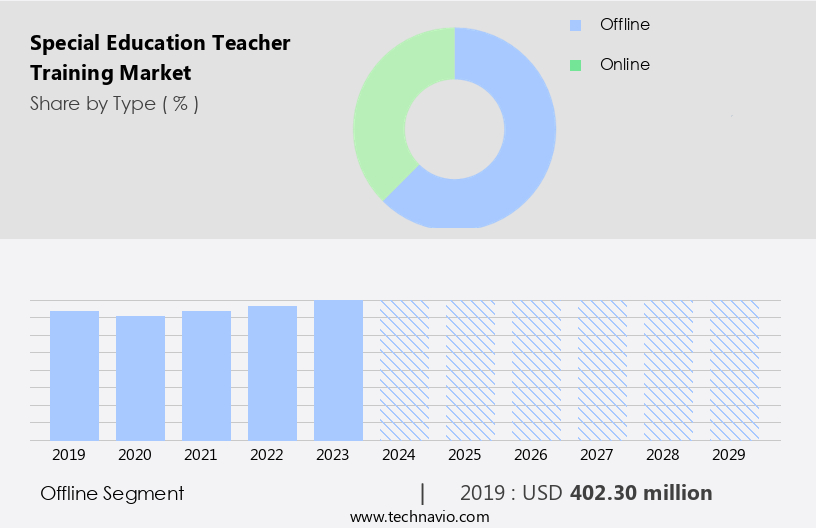
The Offline segment was valued at USD 402.30 million in 2019 and showed a gradual increase during the forecast period.
Regional Analysis
APAC is estimated to contribute 39% to the growth of the global market during the forecast period.Technavio’s analysts have elaborately explained the regional trends and drivers that shape the market during the forecast period.

Special education teacher training is experiencing growth in North America due to the increasing implementation of inclusive education policies. Educational authorities at various levels recognize the importance of equipping teachers with the necessary skills to cater to students with disabilities in mainstream classrooms. The understanding and identification of various learning disabilities and developmental disorders have risen, leading to an increased number of students identified as having special needs. Legal mandates, such as the Individuals with Disabilities Education Act (IDEA), underscore the significance of providing appropriate education for students with disabilities. Inclusive education policies require teachers to employ evidence-based practices, including differentiated instruction, interdisciplinary collaboration, and collaborative teaching.
These approaches cater to students' diverse learning needs, ensuring a more inclusive classroom environment. Teachers must also be proficient in assessment tools, numeracy skills, literacy skills, and communication skills to effectively address students' unique requirements. Additionally, the adoption of assistive technology, occupational therapy, speech therapy, and positive behavior support in schools necessitates specialized training for teachers. Behavioral interventions, sensory integration, and social skills development are essential components of these approaches. Parent training, emotional disabilities, and ADHD support are also crucial areas of focus for special education teachers. School leadership, inclusive education, and disability training programs play a vital role in fostering a supportive and inclusive school culture.
They promote case management, classroom management, and positive behavior support, ensuring a productive learning environment for all students. Differentiated instruction, pedagogical approaches, and curriculum adaptation are essential components of these programs. In conclusion, the market is experiencing growth due to the increasing emphasis on inclusive education and the identification of students with special needs. Teachers require specialized training in various areas, including assessment tools, numeracy skills, literacy skills, communication skills, and evidence-based practices, to effectively cater to students' diverse learning needs. The implementation of legal mandates and the adoption of assistive technology, occupational therapy, and positive behavior support further emphasize the importance of specialized teacher training.
Market Dynamics
Our researchers analyzed the data with 2024 as the base year, along with the key drivers, trends, and challenges. A holistic analysis of drivers will help companies refine their marketing strategies to gain a competitive advantage.
What are the key market drivers leading to the rise in the adoption of Special Education Teacher Training Industry?
- The significant increase in the prevalence of disabilities is the primary factor fueling market growth. (The rising prevalence of disabilities is the key driver propelling market expansion.)
- The growing prevalence of disabilities necessitates the importance of specialized educational support, leading to an increased demand for well-trained special education teachers. These educators are essential in providing personalized instructional strategies, accommodations, and interventions for students with diverse learning needs. The shift towards inclusive education, where students with disabilities learn alongside their non-disabled peers, further emphasizes the need for teachers equipped to handle such settings. Special education teacher training becomes vital in preparing educators for inclusive classroom environments. Disabilities span a wide range, including learning disabilities, autism spectrum disorders, ADHD, and emotional or behavioral disorders.
- This diversity necessitates a broad skill set for special education teachers, contributing to the demand for comprehensive training programs. Effective special education teacher training programs should address various aspects of disability education, such as understanding different types of disabilities, implementing individualized instructional strategies, and utilizing appropriate accommodations and interventions. By providing teachers with the necessary skills and knowledge, these programs contribute significantly to the overall success of inclusive education initiatives.
What are the market trends shaping the Special Education Teacher Training Industry?
- The current market trend reflects a significant growth in the availability of short courses focused on special education training. (Highlight and bold: The market trend signifies a substantial increase in the provision of short courses for special education training.)
- Special education teacher training is experiencing a shift towards shorter-duration courses in response to the rising demand for certified professionals in this field. Traditional graduate and postgraduate programs, which can last up to four years, have high time and financial commitments. In recent research, universities have introduced short-term courses ranging from a few days to a few months to cater to the increasing need for quick certification and knowledge acquisition.
- These courses provide an effective solution for individuals seeking to enter the special education sector without the extensive time and financial investment required by longer programs. The flexibility and affordability of these courses make them an attractive option for prospective teachers and educational institutions alike.
What challenges does the Special Education Teacher Training Industry face during its growth?
- Access to high-quality training programs is a significant challenge limiting industry growth. This issue hinders professionals from acquiring the necessary skills and knowledge to advance, thereby stunting the industry's expansion.
- Special education teacher training is a crucial aspect of providing effective education to students with unique learning needs. However, geographic disparities and financial constraints pose significant challenges to accessing quality training programs. The concentration of educational institutions in urban areas can make it difficult for educators in rural or remote locations to participate in training opportunities. Moreover, the cost of training, travel expenses, and associated resources can be prohibitive for both educators and institutions. Limited infrastructure, including training facilities and technology, can hinder the delivery of quality programs and restrict capacity. These factors can impact the overall quality of special education and limit opportunities for students with special needs.
- To address these challenges, it's essential to explore innovative solutions, such as online training programs and partnerships between institutions to expand training capacity. Collaborative efforts between government, educational institutions, and technology companies can help bridge the gap and ensure equal access to quality special education teacher training for all.
Exclusive Customer Landscape
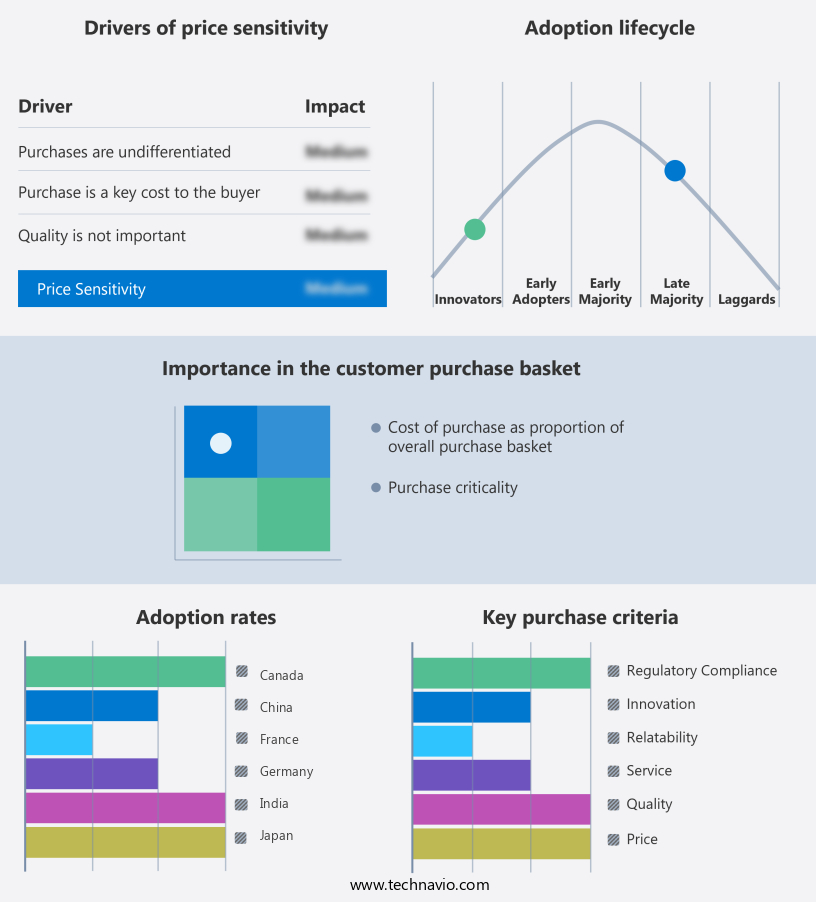
The special education teacher training market forecasting report includes the adoption lifecycle of the market, covering from the innovator’s stage to the laggard’s stage. It focuses on adoption rates in different regions based on penetration. Furthermore, the special education teacher training market report also includes key purchase criteria and drivers of price sensitivity to help companies evaluate and develop their market growth analysis strategies.
Customer Landscape
Key Companies & Market Insights
Companies are implementing various strategies, such as strategic alliances, special education teacher training market forecast, partnerships, mergers and acquisitions, geographical expansion, and product/service launches, to enhance their presence in the industry.
Alison - The company specializes in providing innovative teacher training programs, focusing on areas such as shadow teaching and music education for children with special needs. Our offerings aim to enhance educators' skills and effectiveness in catering to the unique requirements of students with special needs. By incorporating these evidence-based practices into their teaching methodologies, educators can create inclusive learning environments and foster academic and social growth. Our training programs are designed to be flexible and adaptable, allowing educators to tailor their approaches to meet the diverse needs of their students. Through a combination of theoretical instruction and practical application, participants gain the knowledge and confidence necessary to make a meaningful impact in the lives of children with special needs.
The industry research and growth report includes detailed analyses of the competitive landscape of the market and information about key companies, including:
- Alison
- American University
- APTTI Academy
- Arizona State University
- Capella University
- Central New Mexico Community College
- CPD College
- George Mason University
- Indiana Wesleyan University
- Info edge India Ltd.
- Institute of international Teachers Training
- Les Transformations Learning Pvt. Ltd.
- London College of Teachers and Trainers LLP
- Montclair State University
- Red Kite Teacher Training
- TTA Training Pvt. Ltd
- UCAS
- University of Kansas
- Vidhyanidhi Education Society
- Western Governors University
Qualitative and quantitative analysis of companies has been conducted to help clients understand the wider business environment as well as the strengths and weaknesses of key industry players. Data is qualitatively analyzed to categorize companies as pure play, category-focused, industry-focused, and diversified; it is quantitatively analyzed to categorize companies as dominant, leading, strong, tentative, and weak.
Recent Development and News in Special Education Teacher Training Market
- The market has witnessed several significant developments in the past few years, shaping the industry landscape with innovative solutions and strategic collaborations. Here are the key developments from 2024 to 2025: In Q1 2024, Microsoft Education announced the launch of its new Inclusive Classroom Suite, designed to support special education teachers in creating personalized learning experiences for students with diverse needs. The suite includes tools like Immersive Reader, Learning Tools, and OneNote Class Notebook, which help students with dyslexia, autism, and other learning disabilities to access educational content more effectively (Microsoft, 2024). In H2 2024, Pearson and Google Education entered into a partnership to create a new suite of digital learning tools for special education teachers.
- The collaboration aims to provide teachers with a more accessible and affordable solution for creating personalized learning plans and resources for students with special needs (Pearson, 2024). In Q1 2025, McGraw-Hill Education acquired Edmentum, a leading provider of educational technology and services for K-12 schools. The acquisition is expected to expand McGraw-Hill's offerings in the special education market, particularly in the areas of personalized learning and data analytics (McGraw-Hill Education, 2025). In H2 2025, Teachers21, a leading provider of professional development services for educators, announced its expansion into the European market. The company plans to offer its specialized training programs for special education teachers in the UK, Germany, and France, aiming to address the growing demand for effective special education practices in these regions (Teachers21, 2025).
- These developments reflect the increasing focus on creating more accessible and personalized learning experiences for students with special needs, as well as the growing importance of technology and data analytics in special education.
Research Analyst Overview
Special education teacher training is a dynamic and evolving field that caters to the unique needs of students with various disabilities. This market encompasses a range of certification programs, continuing education opportunities, and specialized teaching methods designed to equip educators with the necessary skills and knowledge to effectively address the diverse learning requirements of their students. The demand for special education teachers continues to grow as the recognition of the importance of inclusive education becomes more widespread. This trend is driven by a number of factors, including an increasing awareness of the benefits of early intervention, the adoption of evidence-based practices, and the implementation of disability legislation.
Assessment tools play a crucial role in special education teacher training, enabling educators to accurately identify and diagnose disabilities, and to develop individualized education plans (IEPs) that cater to each student's unique learning profile. These tools can include a range of techniques, from formal testing to observational assessments, and can be used to evaluate various aspects of a student's development, including numeracy skills, literacy skills, and communication skills. Teaching methods in special education are continually evolving to meet the changing needs of students with disabilities. Some of the most effective approaches include differentiated instruction, collaborative teaching, and positive behavior support.
These methods can help to create an inclusive classroom environment that fosters learning and social skills development, while also providing the necessary support services and accommodations to ensure that all students can fully participate in their education. Special education teacher training also encompasses therapeutic techniques and interventions, such as sensory integration, occupational therapy, speech therapy, and behavioral interventions. These approaches can help to address the physical, emotional, and behavioral challenges that students with disabilities may face, and can be integrated into the classroom setting to support their learning and development. Transition planning is another important aspect of special education teacher training, as it helps to prepare students with disabilities for life after school.
This can include vocational training, work experience, and social skills development, and can help to ensure that students are equipped with the necessary skills and knowledge to succeed in the workforce and in their personal lives. Parent training and involvement are also key components of special education teacher training, as they help to build strong partnerships between educators and families. These partnerships can help to ensure that students receive consistent support and guidance, both at home and at school, and can contribute to better educational outcomes for students with disabilities. Online training and adaptive learning are becoming increasingly popular in special education teacher training, as they offer flexibility and convenience for educators who may have limited time or resources.
These approaches can include short courses, professional development programs, and certification programs, and can help to ensure that educators have access to the latest research and best practices in special education. School leadership and interdisciplinary collaboration are also important considerations in special education teacher training. Effective school leadership can help to create a culture of inclusion and support for students with disabilities, while interdisciplinary collaboration can help to ensure that students receive comprehensive and coordinated services that address their unique needs. In conclusion, special education teacher training is a complex and multifaceted market that is dedicated to supporting the unique learning needs of students with disabilities.
This market encompasses a range of certification programs, continuing education opportunities, and specialized teaching methods, all of which are designed to help educators effectively address the diverse challenges and opportunities presented by students with disabilities. Whether through traditional classroom-based training or innovative online approaches, special education teacher training is an essential component of ensuring that all students have access to a high-quality education that meets their individual needs.
Dive into Technavio’s robust research methodology, blending expert interviews, extensive data synthesis, and validated models for unparalleled Special Education Teacher Training Market insights. See full methodology.
|
Market Scope |
|
|
Report Coverage |
Details |
|
Page number |
231 |
|
Base year |
2024 |
|
Historic period |
2019-2023 |
|
Forecast period |
2025-2029 |
|
Growth momentum & CAGR |
Accelerate at a CAGR of 4.7% |
|
Market growth 2025-2029 |
USD 145.3 million |
|
Market structure |
Fragmented |
|
YoY growth 2024-2025(%) |
4.4 |
|
Key countries |
US, Canada, Germany, China, UK, France, Japan, India, The Netherlands, and Spain |
|
Competitive landscape |
Leading Companies, Market Positioning of Companies, Competitive Strategies, and Industry Risks |
What are the Key Data Covered in this Special Education Teacher Training Market Research and Growth Report?
- CAGR of the Special Education Teacher Training industry during the forecast period
- Detailed information on factors that will drive the growth and forecasting between 2025 and 2029
- Precise estimation of the size of the market and its contribution of the industry in focus to the parent market
- Accurate predictions about upcoming growth and trends and changes in consumer behaviour
- Growth of the market across North America, Europe, APAC, South America, and Middle East and Africa
- Thorough analysis of the market’s competitive landscape and detailed information about companies
- Comprehensive analysis of factors that will challenge the special education teacher training market growth of industry companies
We can help! Our analysts can customize this special education teacher training market research report to meet your requirements.
 RIA -
RIA - 
