

Stationary Generator Market Analysis APAC, North America, Europe, Middle East and Africa, South America - China, US, Taiwan, India, Mexico, Japan, South Korea, UK, Germany, France - Size and Forecast 2024-2028

Stationary Generator Market Analysis APAC, North America, Europe, Middle East and Africa, South America - China, US, Taiwan, India, Mexico, Japan, South Korea, UK, Germany, France - Size and Forecast 2024-2028

Published: Nov 2024 192 Pages SKU: IRTNTR72367

Market Overview at a Glance

$5.88 B
Market Opportunity
5.6%
CAGR
5.2
YoY growth 2023-2024(%)

Stationary Generator Market Size 2024-2028 

The stationary generator market size is forecast to increase by USD 5.88 billion at a CAGR of 5.6% between 2023 and 2028.

  • The market is witnessing significant growth due to the rising demand for uninterrupted power supply. Technological advances in generator technology, including fuel efficiency and emissions reduction, are driving market growth. Additionally, the availability of alternatives for power backup, such as solar and wind energy, is increasing the adoption of stationary generators. These trends are expected to continue, with the market expected to grow steadily in the coming years. Furthermore, the increasing demand for reliable power sources in various industries, including healthcare, telecommunications, and data centers, is also fueling market growth. Despite these opportunities, challenges remain, including the high initial investment costs and the need for regular maintenance.Overall, the market is poised for growth, driven by the need for reliable power sources and technological advancements.

What will be the Size of the Stationary Generator Market During the Forecast Period?
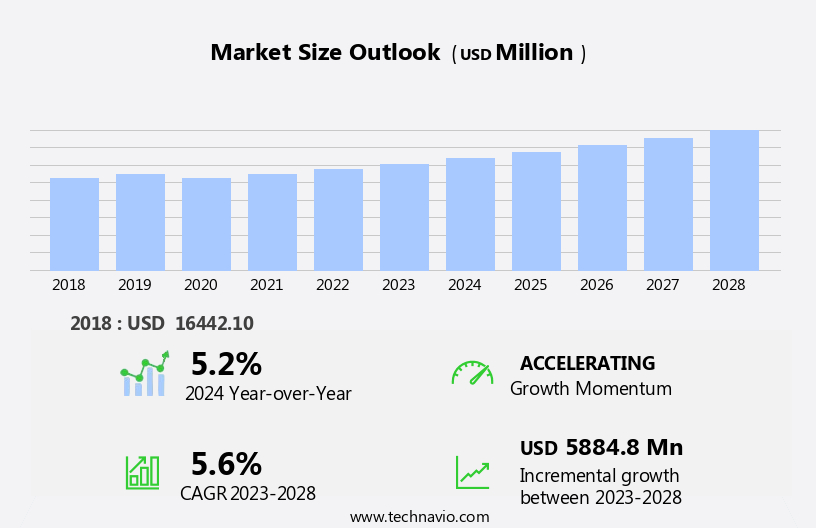
Stationary Generator Market Size

 Request Free Sample

  • The market experiences significant growth due to the increasing demand for reliable power backup solutions, particularly in sectors vulnerable to extreme weather events and inadequate power infrastructure. The construction sector, mining activities, and telecommunications are key industries relying on stationary genersets to ensure continuous operation and uninterrupted power supply. Extreme weather conditions and natural disasters pose a threat to electricity demand, leading to grid outages and power instability. In remote locations, where power infrastructure is liergy technology and emission regulations are shaping the market's future direction.

How is this Stationary Generator Industry segmented and which is the largest segment?

The  stationary generator industry research report provides comprehensive data (region-wise segment analysis), with forecasts and estimates in "USD million" for the period 2024-2028, as well as historical data from 2018-2022 for the following segments.

  • Product
    • Diesel
    • Gas
  • Type
    • Less than 300 kW
    • Greater than 800 kW
    • 301 kW to 800 kW
  • Geography
    • APAC
      • China
      • India
      • Japan
      • South Korea
    • North America
      • Mexico
      • US
    • Europe
      • Germany
      • UK
      • France
    • Middle East and Africa
    • South America

By Product Insights

  • The diesel segment is estimated to witness significant growth during the forecast period.

Stationary generators, particularly those with lower power ratings, primarily utilize diesel fuel for operation, whereas industrial generators predominantly rely on diesel over gasoline. Diesel generators offer several advantages, including less maintenance requirements and extended lifetimes due to their operation at low temperatures and speeds. The cost-effectiveness of diesel generators over their long-term ownership further enhances their appeal among industrial contractors and commercial buildings. However, environmental concerns surrounding CO? emissions from diesel generators and the rising adoption of eco-friendly energy sources have led to an increasing preference for natural gas-powered generators.
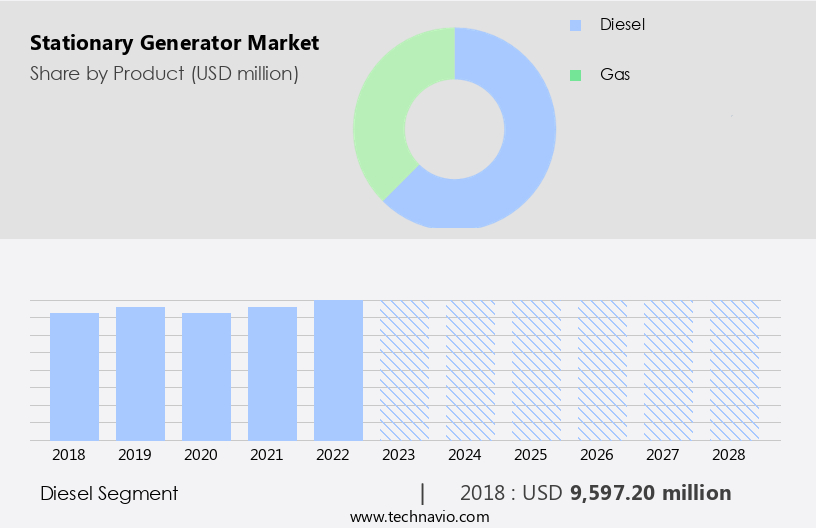
Stationary Generator Market Size

Get a glance at the  Stationary Generator Industry report of share of various segments Request Free Sample

The Diesel segment was valued at USD 9597.20 million in 2018 and showed a gradual increase during the forecast period.

Regional Analysis

  • APAC is estimated to contribute 51% to the growth of the global market during the forecast period.

Technavio's analysts have elaborately explained the regional trends and drivers that shape the market during the forecast period.
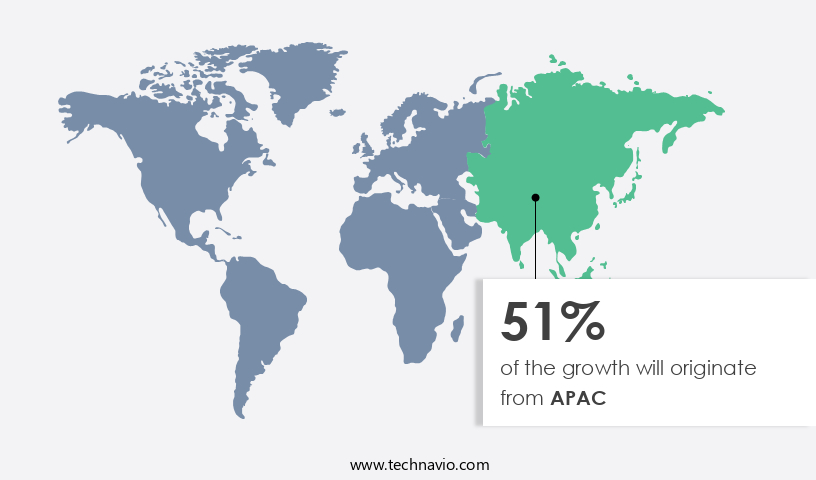
Stationary Generator Market Share by Geography

For more insights on the market share of various regions, Request Free Sample

In Asia-Pacific (APAC), the escalating electricity demand resulting from industrialization and rising per capita power consumption has put significant pressure on the existing power infrastructure. Many countries in the region, such as Myanmar, Pakistan, and Bangladesh, face frequent power outages due to inadequate electricity generation. This situation has led to a surge in demand for stationary generators to provide backup power and offset regular power fluctuations. The commercial and telecommunications sectors, which are expanding rapidly in APAC, further boost the demand for reliable power sources. The increasing need for uninterrupted power supply, particularly during severe weather events, underscores the importance of stationary generators in the region. Consequently, the market in APAC is experiencing significant growth.

Market Dynamics

Our stationary generator market researchers analyzed the data with 2023 as the base year, along with the key drivers, trends, and challenges. A holistic analysis of drivers will help companies refine their marketing strategies to gain a competitive advantage.

What are the key market drivers leading to the rise in adoption of Stationary Generator Industry?

Rising demand for uninterrupted power is the key driver of the market.

  • The market is experiencing significant growth due to the increasing electricity demand and inadequate power infrastructure, particularly in the construction sector and remote locations. Extreme weather events, such as hurricanes and blizzards, have led to an increased need for backup power solutions, including diesel and natural gas generators. Fossil fuels, including diesel and natural gas, continue to dominate the market due to their reliability and ability to provide continuous power during power instability and grid outages. However, emission regulations are driving the demand for sustainable energy solutions, such as renewable energy technology. The mining, oil and gas, transportation, telecommunications, and data center industries are major consumers of stationary generators, especially during peak-load and standby situations.
  • The market is expected to grow further as the demand for reliable electricity increases in various sectors, including electric power generation, marine, and fossil fuel exploration. The use of stationary generators provides uninterrupted power supply during natural disasters and power interruptions, making them essential for various industries and applications.

What are the market trends shaping the Stationary Generator Industry?

Technological advances in generators is the upcoming trend in the market.

  • The market has experienced significant fluctuations due to the volatility in fuel prices, particularly those of fossil fuels like diesel and natural gas. Extreme weather events and inadequate power infrastructure have led to an increased demand for reliable electricity sources in various sectors, including construction, mining, telecommunications, and data centers. Fossil fuel exploration in oil and gas industries and transportation sectors further contribute to the demand for stationary generators. Technological advancements have provided solutions to mitigate the high fuel costs. Dual-fuel and tri-fuel systems have gained popularity as they enable diesel engines to operate on natural gas, offering cost savings and operational reliability.
  • Grid outages and power interruptions caused by natural disasters and power instability have accelerated the adoption of backup power solutions like diesel and natural gas generators. Moreover, emission regulations and the push towards sustainable energy solutions have led to the increased use of renewable energy technology in electricity generation. However, the intermittent nature of renewable energy sources necessitates the use of stationary generators to ensure uninterrupted power supply in remote locations and during peak-load or standby situations. The market for stationary generators is expected to grow as the demand for clean energy technologies continues to rise. In conclusion, the market is influenced by various factors, including fuel prices, extreme weather events, electricity demand, and the need for reliable electricity sources.Technological advancements have provided cost-effective and operationally reliable solutions, making stationary generators a vital component of the electricity generation landscape.

What challenges does Stationary Generator Industry face during the growth?

Availability of alternatives for power backup is a key challenge affecting the industry growth.

  • The market has experienced significant growth due to the increasing demand for reliable electricity, especially in regions prone to Extreme Weather Events and inadequate power infrastructure. Traditional fossil fuel-based generators, such as diesel and natural gas, continue to dominate the market, but their high fuel costs, emission regulations, and maintenance requirements have led to a surge in demand for sustainable energy solutions. The construction sector, telecommunications, mining activities, oil and gas exploration, transportation, and data centers are key industries driving the demand for backup power solutions. Renewable energy technologies, such as solar and wind, are increasingly being adopted for primary power generation, but they require backup power during power interruptions and grid outages.
  • Alternative power backup solutions, such as battery power packs and inverter technology, are gaining popularity due to their cost-effectiveness, environmental friendliness, and ease of installation. These power packs consist of large batteries and inverters, offering AC wall plug-styled outlets for user convenience. They are also simple to design and install, making them an attractive option for residential consumers and remote locations. Electric power generation from clean energy technologies, including renewable energy sources, is expected to increase in the coming years, reducing the demand for fossil fuel-based generators. However, until then, stationary generators will continue to play a crucial role in providing uninterrupted power supply during power instability and natural disasters.

Exclusive Customer Landscape

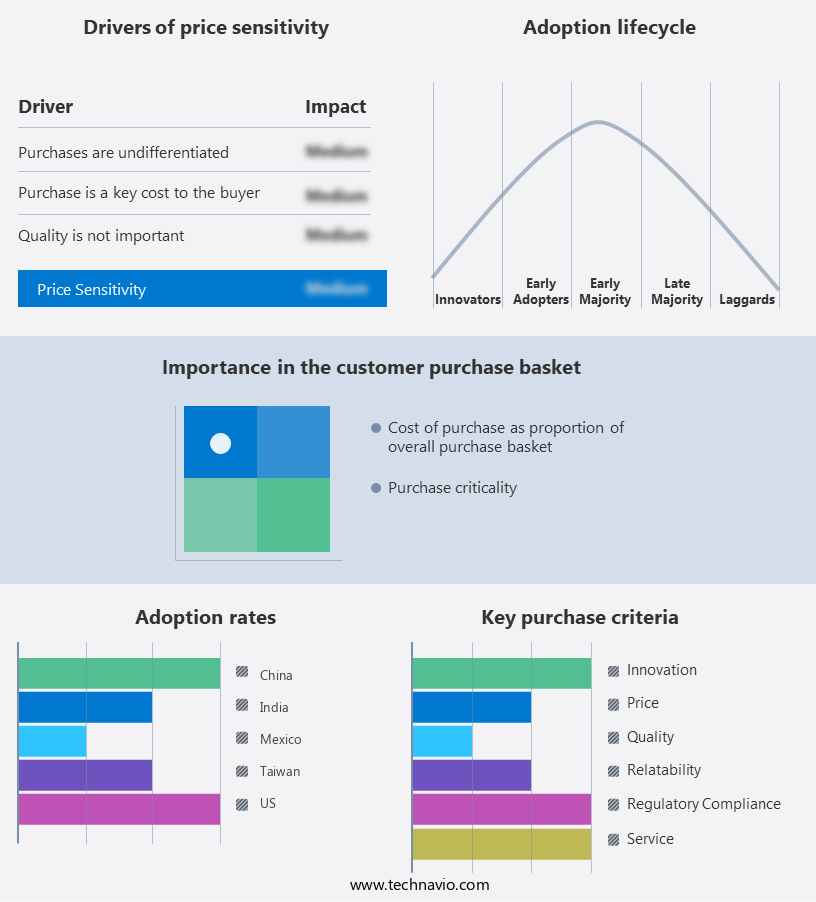
The stationary generator market forecasting report includes the adoption lifecycle of the market, covering from the innovator's stage to the laggard's stage. It focuses on adoption rates in different regions based on penetration. Furthermore, the market report also includes key purchase criteria and drivers of price sensitivity to help companies evaluate and develop their market growth analysis strategies.
Stationary Generator Market Share by Geography

 Customer Landscape

Key Companies & Market Insights

Companies are implementing various strategies, such as strategic alliances, market forecast , partnerships, mergers and acquisitions, geographical expansion, and product/service launches, to enhance their presence in the industry.

Aggreko Plc - Our company provides rental services for stationary generators fueled by gas and diesel. These generators are renowned for their dependability, efficiency, and cost-effectiveness. By choosing our rental services, you can ensure a continuous power supply during power outages or construction projects. Our team is dedicated to making the rental process easy and hassle-free, allowing you to focus on your priorities. Our generators undergo rigorous maintenance and testing to ensure optimal performance and reliability. With our flexible rental plans, you can rent a generator for as long as you need, making it a cost-effective solution for your power needs.

The stationary generator industry research and growth report includes detailed analyses of the competitive landscape of the market and information about key companies, including:

  • Aggreko Plc
  • APR Energy
  • Atlas Copco AB
  • Briggs and Stratton LLC
  • Caterpillar Inc.
  • Cummins Inc.
  • Daewoo International Corp.
  • Generac Holdings Inc.
  • Honeywell International Inc.
  • Hyundai Heavy Industries Group
  • Kirloskar Electric Co. Ltd.
  • Kohler Co.
  • Mitsubishi Heavy Industries Ltd
  • Multiquip Inc.
  • Quanta Services Inc.
  • Rolls Royce Holdings Plc
  • Scotts Emergency Lighting and Power Generation Inc.
  • Siemens AG
  • Wartsila Corp.
  • Yanmar Holdings Co. Ltd.

Qualitative and quantitative analysis of companies has been conducted to help clients understand the wider business environment as well as the strengths and weaknesses of key industry players. Data is qualitatively analyzed to categorize companies as pure play, category-focused, industry-focused, and diversified; it is quantitatively analyzed to categorize companies as dominant, leading, strong, tentative, and weak.

Research Analyst Overview

the market is witnessing significant growth due to various market dynamics. One of the primary factors driving this growth is the increasing electricity demand, especially in developing countries, where power infrastructure is inadequate to meet the growing energy needs. Another factor fueling the demand for stationary generators is the rise in extreme weather events, leading to power instability and outages. Natural disasters such as hurricanes, earthquakes, and wildfires can cause extensive damage to power grids, leading to prolonged power outages. In such situations, stationary generators provide a reliable electricity source, ensuring uninterrupted power supply to critical infrastructure and essential services.

The construction sector is another significant end-user of stationary generators. Construction sites require a continuous power supply for various operations, and grid outages can significantly impact project timelines. Stationary generators provide a backup power solution, ensuring that construction projects remain on schedule. The mining industry is another major consumer of stationary generators. Mining activities often take place in remote locations, where access to the power grid is limited or non-existent. Stationary generators provide a sustainable energy solution, enabling mining operations to continue uninterrupted. Fossil fuels continue to dominate the power generation landscape, with diesel and natural gas being the most commonly used fuels for stationary generators.

However, the increasing focus on reducing greenhouse gas emissions and transitioning to clean energy technologies is driving the adoption of renewable energy technology in the market. Renewable energy sources such as solar, wind, and hydroelectric power are becoming increasingly cost-competitive with traditional fossil fuel-based power generation. Renewable energy technologies offer several advantages, including lower greenhouse gas emissions, reduced dependence on fossil fuels, and improved sustainability. The telecommunications industry is another significant end-user of stationary generators. Telecommunications infrastructure requires a reliable power supply to ensure uninterrupted communication services. Stationary generators provide a backup power solution, ensuring that communication networks remain operational during power outages.

The automobile industry also relies on stationary generators for various applications, including charging electric vehicles and powering workshops and dealerships. The oil and gas industry uses stationary generators for exploration and production activities, providing power to drilling rigs and production facilities. Data centers and electric utilities are other significant end-users of stationary generators. Data centers require a continuous power supply to ensure the availability of critical data and applications. Electric utilities use stationary generators as backup power sources during grid outages and to provide peak-load power during periods of high demand. In conclusion, the market is driven by various market dynamics, including increasing electricity demand, extreme weather events, inadequate power infrastructure, and the need for reliable electricity sources.

The market is also witnessing a shift towards renewable energy technologies and sustainable energy solutions, driven by emission regulations and the need to reduce greenhouse gas emissions. Stationary generators provide a critical backup power solution for various industries, including construction, mining, telecommunications, automobiles, oil and gas, data centers, and electric utilities.

Stationary Generator Market Scope

Report Coverage

Details

Page number

192

Base year

2023

Historic period

2018-2022

Forecast period

2024-2028

Growth momentum & CAGR

Accelerate at a CAGR of 5.6%

Market growth 2024-2028

USD 5884.8 million

Market structure

Fragmented

YoY growth 2023-2024(%)

5.2

Key countries

China, US, Taiwan, India, Mexico, Japan, South Korea, UK, Germany, and France

Competitive landscape

Leading Companies, Market Positioning of Companies, Competitive Strategies, and Industry Risks

Request Free Sample

What are the Key Data Covered in this Market Research and Growth Report?

  • CAGR of the Stationary Generator industry during the forecast period
  • Detailed information on factors that will drive the market growth and forecasting between 2024 and 2028
  • Precise estimation of the size of the market  and its contribution of the industry in focus to the parent market
  • Accurate predictions about upcoming market growth and trends and changes in consumer behaviour
  • Growth of the market across APAC, North America, Europe, Middle East and Africa, and South America
  • Thorough analysis of the market's competitive landscape and detailed information about companies
  • Comprehensive analysis of factors that will challenge the growth of industry companies

We can help! Our analysts can customize this market research report to meet your requirements. Get in touch

1 Executive Summary

  • 1.1 Market overview
    • Executive Summary - Chart on Market Overview
    • Executive Summary - Data Table on Market Overview
    • Executive Summary - Chart on Global Market Characteristics
    • Executive Summary - Chart on Market by Geography
    • Executive Summary - Chart on Market Segmentation by Product
    • Executive Summary - Chart on Market Segmentation by Type
    • Executive Summary - Chart on Incremental Growth
    • Executive Summary - Data Table on Incremental Growth
    • Executive Summary - Chart on Company Market Positioning

2 Technavio Analysis

  • 2.1 Analysis of price sensitivity, lifecycle, customer purchase basket, adoption rates, and purchase criteria
    • Analysis of price sensitivity, lifecycle, customer purchase basket, adoption rates, and purchase criteria
  • 2.2 Criticality of inputs and Factors of differentiation
    • Overview on criticality of inputs and factors of differentiation
  • 2.3 Factors of disruption
    • Overview on factors of disruption
  • 2.4 Impact of drivers and challenges
    • Impact of drivers and challenges in 2023 and 2028

3 Market Landscape

  • 3.1 Market ecosystem
    • Parent Market
    • Data Table on - Parent Market
  • 3.2 Market characteristics
    • Market characteristics analysis
  • 3.3 Value chain analysis
    • Value Chain Analysis

4 Market Sizing

  • 4.1 Market definition
    • Offerings of companies included in the market definition
  • 4.2 Market segment analysis
    • Market segments
  • 4.3 Market size 2023
    • 4.4 Market outlook: Forecast for 2023-2028
      • Chart on Global - Market size and forecast 2023-2028 ($ million)
      • Data Table on Global - Market size and forecast 2023-2028 ($ million)
      • Chart on Global Market: Year-over-year growth 2023-2028 (%)
      • Data Table on Global Market: Year-over-year growth 2023-2028 (%)

    5 Historic Market Size

    • 5.1 Global Stationary Generator Market 2018 - 2022
      • Historic Market Size - Data Table on Global Stationary Generator Market 2018 - 2022 ($ million)
    • 5.2 Product segment analysis 2018 - 2022
      • Historic Market Size - Product Segment 2018 - 2022 ($ million)
    • 5.3 Type segment analysis 2018 - 2022
      • Historic Market Size - Type Segment 2018 - 2022 ($ million)
    • 5.4 Geography segment analysis 2018 - 2022
      • Historic Market Size - Geography Segment 2018 - 2022 ($ million)
    • 5.5 Country segment analysis 2018 - 2022
      • Historic Market Size - Country Segment 2018 - 2022 ($ million)

    6 Qualitative Analysis

    • 6.1 The impact of AI in Global Stationary Generator Market

      7 Five Forces Analysis

      • 7.1 Five forces summary
        • Five forces analysis - Comparison between 2023 and 2028
      • 7.2 Bargaining power of buyers
        • Bargaining power of buyers - Impact of key factors 2023 and 2028
      • 7.3 Bargaining power of suppliers
        • Bargaining power of suppliers - Impact of key factors in 2023 and 2028
      • 7.4 Threat of new entrants
        • Threat of new entrants - Impact of key factors in 2023 and 2028
      • 7.5 Threat of substitutes
        • Threat of substitutes - Impact of key factors in 2023 and 2028
      • 7.6 Threat of rivalry
        • Threat of rivalry - Impact of key factors in 2023 and 2028
      • 7.7 Market condition
        • Chart on Market condition - Five forces 2023 and 2028

      8 Market Segmentation by Product

      • 8.1 Market segments
        • Chart on Product - Market share 2023-2028 (%)
        • Data Table on Product - Market share 2023-2028 (%)
      • 8.2 Comparison by Product
        • Chart on Comparison by Product
        • Data Table on Comparison by Product
      • 8.3 Diesel - Market size and forecast 2023-2028
        • Chart on Diesel - Market size and forecast 2023-2028 ($ million)
        • Data Table on Diesel - Market size and forecast 2023-2028 ($ million)
        • Chart on Diesel - Year-over-year growth 2023-2028 (%)
        • Data Table on Diesel - Year-over-year growth 2023-2028 (%)
      • 8.4 Gas - Market size and forecast 2023-2028
        • Chart on Gas - Market size and forecast 2023-2028 ($ million)
        • Data Table on Gas - Market size and forecast 2023-2028 ($ million)
        • Chart on Gas - Year-over-year growth 2023-2028 (%)
        • Data Table on Gas - Year-over-year growth 2023-2028 (%)
      • 8.5 Market opportunity by Product
        • Market opportunity by Product ($ million)
        • Data Table on Market opportunity by Product ($ million)

      9 Market Segmentation by Type

      • 9.1 Market segments
        • Chart on Type - Market share 2023-2028 (%)
        • Data Table on Type - Market share 2023-2028 (%)
      • 9.2 Comparison by Type
        • Chart on Comparison by Type
        • Data Table on Comparison by Type
      • 9.3 Less than 300 kW - Market size and forecast 2023-2028
        • Chart on Less than 300 kW - Market size and forecast 2023-2028 ($ million)
        • Data Table on Less than 300 kW - Market size and forecast 2023-2028 ($ million)
        • Chart on Less than 300 kW - Year-over-year growth 2023-2028 (%)
        • Data Table on Less than 300 kW - Year-over-year growth 2023-2028 (%)
      • 9.4 Greater than 800 kW - Market size and forecast 2023-2028
        • Chart on Greater than 800 kW - Market size and forecast 2023-2028 ($ million)
        • Data Table on Greater than 800 kW - Market size and forecast 2023-2028 ($ million)
        • Chart on Greater than 800 kW - Year-over-year growth 2023-2028 (%)
        • Data Table on Greater than 800 kW - Year-over-year growth 2023-2028 (%)
      • 301 kW to 800 kW - Market size and forecast 2023-2028
        • Chart on 301 kW to 800 kW - Market size and forecast 2023-2028 ($ million)
        • Data Table on 301 kW to 800 kW - Market size and forecast 2023-2028 ($ million)
        • Chart on 301 kW to 800 kW - Year-over-year growth 2023-2028 (%)
        • Data Table on 301 kW to 800 kW - Year-over-year growth 2023-2028 (%)
      • 9.6 Market opportunity by Type
        • Market opportunity by Type ($ million)
        • Data Table on Market opportunity by Type ($ million)

      10 Customer Landscape

      • 10.1 Customer landscape overview
        • Analysis of price sensitivity, lifecycle, customer purchase basket, adoption rates, and purchase criteria

      11 Geographic Landscape

      • 11.1 Geographic segmentation
        • Chart on Market share by geography 2023-2028 (%)
        • Data Table on Market share by geography 2023-2028 (%)
      • 11.2 Geographic comparison
        • Chart on Geographic comparison
        • Data Table on Geographic comparison
      • 11.3 APAC - Market size and forecast 2023-2028
        • Chart on APAC - Market size and forecast 2023-2028 ($ million)
        • Data Table on APAC - Market size and forecast 2023-2028 ($ million)
        • Chart on APAC - Year-over-year growth 2023-2028 (%)
        • Data Table on APAC - Year-over-year growth 2023-2028 (%)
      • 11.4 North America - Market size and forecast 2023-2028
        • Chart on North America - Market size and forecast 2023-2028 ($ million)
        • Data Table on North America - Market size and forecast 2023-2028 ($ million)
        • Chart on North America - Year-over-year growth 2023-2028 (%)
        • Data Table on North America - Year-over-year growth 2023-2028 (%)
      • 11.5 Europe - Market size and forecast 2023-2028
        • Chart on Europe - Market size and forecast 2023-2028 ($ million)
        • Data Table on Europe - Market size and forecast 2023-2028 ($ million)
        • Chart on Europe - Year-over-year growth 2023-2028 (%)
        • Data Table on Europe - Year-over-year growth 2023-2028 (%)
      • 11.6 Middle East and Africa - Market size and forecast 2023-2028
        • Chart on Middle East and Africa - Market size and forecast 2023-2028 ($ million)
        • Data Table on Middle East and Africa - Market size and forecast 2023-2028 ($ million)
        • Chart on Middle East and Africa - Year-over-year growth 2023-2028 (%)
        • Data Table on Middle East and Africa - Year-over-year growth 2023-2028 (%)
      • 11.7 South America - Market size and forecast 2023-2028
        • Chart on South America - Market size and forecast 2023-2028 ($ million)
        • Data Table on South America - Market size and forecast 2023-2028 ($ million)
        • Chart on South America - Year-over-year growth 2023-2028 (%)
        • Data Table on South America - Year-over-year growth 2023-2028 (%)
      • 11.8 China - Market size and forecast 2023-2028
        • Chart on China - Market size and forecast 2023-2028 ($ million)
        • Data Table on China - Market size and forecast 2023-2028 ($ million)
        • Chart on China - Year-over-year growth 2023-2028 (%)
        • Data Table on China - Year-over-year growth 2023-2028 (%)
      • 11.9 US - Market size and forecast 2023-2028
        • Chart on US - Market size and forecast 2023-2028 ($ million)
        • Data Table on US - Market size and forecast 2023-2028 ($ million)
        • Chart on US - Year-over-year growth 2023-2028 (%)
        • Data Table on US - Year-over-year growth 2023-2028 (%)
      • 11.10 Taiwan - Market size and forecast 2023-2028
        • Chart on Taiwan - Market size and forecast 2023-2028 ($ million)
        • Data Table on Taiwan - Market size and forecast 2023-2028 ($ million)
        • Chart on Taiwan - Year-over-year growth 2023-2028 (%)
        • Data Table on Taiwan - Year-over-year growth 2023-2028 (%)
      • 11.11 India - Market size and forecast 2023-2028
        • Chart on India - Market size and forecast 2023-2028 ($ million)
        • Data Table on India - Market size and forecast 2023-2028 ($ million)
        • Chart on India - Year-over-year growth 2023-2028 (%)
        • Data Table on India - Year-over-year growth 2023-2028 (%)
      • 11.12 Mexico - Market size and forecast 2023-2028
        • Chart on Mexico - Market size and forecast 2023-2028 ($ million)
        • Data Table on Mexico - Market size and forecast 2023-2028 ($ million)
        • Chart on Mexico - Year-over-year growth 2023-2028 (%)
        • Data Table on Mexico - Year-over-year growth 2023-2028 (%)
      • 11.13 Japan - Market size and forecast 2023-2028
        • Chart on Japan - Market size and forecast 2023-2028 ($ million)
        • Data Table on Japan - Market size and forecast 2023-2028 ($ million)
        • Chart on Japan - Year-over-year growth 2023-2028 (%)
        • Data Table on Japan - Year-over-year growth 2023-2028 (%)
      • 11.14 South Korea - Market size and forecast 2023-2028
        • Chart on South Korea - Market size and forecast 2023-2028 ($ million)
        • Data Table on South Korea - Market size and forecast 2023-2028 ($ million)
        • Chart on South Korea - Year-over-year growth 2023-2028 (%)
        • Data Table on South Korea - Year-over-year growth 2023-2028 (%)
      • 11.15 UK - Market size and forecast 2023-2028
        • Chart on UK - Market size and forecast 2023-2028 ($ million)
        • Data Table on UK - Market size and forecast 2023-2028 ($ million)
        • Chart on UK - Year-over-year growth 2023-2028 (%)
        • Data Table on UK - Year-over-year growth 2023-2028 (%)
      • 11.16 Germany - Market size and forecast 2023-2028
        • Chart on Germany - Market size and forecast 2023-2028 ($ million)
        • Data Table on Germany - Market size and forecast 2023-2028 ($ million)
        • Chart on Germany - Year-over-year growth 2023-2028 (%)
        • Data Table on Germany - Year-over-year growth 2023-2028 (%)
      • 11.17 France - Market size and forecast 2023-2028
        • Chart on France - Market size and forecast 2023-2028 ($ million)
        • Data Table on France - Market size and forecast 2023-2028 ($ million)
        • Chart on France - Year-over-year growth 2023-2028 (%)
        • Data Table on France - Year-over-year growth 2023-2028 (%)
      • 11.18 Market opportunity by geography
        • Market opportunity by geography ($ million)
        • Data Tables on Market opportunity by geography ($ million)

      12 Drivers, Challenges, and Opportunity/Restraints

      • 12.1 Market drivers
        • 12.2 Market challenges
          • 12.3 Impact of drivers and challenges
            • Impact of drivers and challenges in 2023 and 2028
          • 12.4 Market opportunities/restraints

            13 Competitive Landscape

            • 13.1 Overview
              • 13.2 Competitive Landscape
                • Overview on criticality of inputs and factors of differentiation
              • 13.3 Landscape disruption
                • Overview on factors of disruption
              • 13.4 Industry risks
                • Impact of key risks on business

              14 Competitive Analysis

              • 14.1 Companies profiled
                • Companies covered
              • 14.2 Company ranking index
                • Company ranking index
              • 14.3 Market positioning of companies
                • Matrix on companies position and classification
              • 14.4 Aggreko Plc
                • Aggreko Plc - Overview
                • Aggreko Plc - Product / Service
                • Aggreko Plc - Key offerings
                • SWOT
              • 14.5 APR Energy
                • APR Energy - Overview
                • APR Energy - Product / Service
                • APR Energy - Key offerings
                • SWOT
              • 14.6 Briggs and Stratton LLC
                • Briggs and Stratton LLC - Overview
                • Briggs and Stratton LLC - Product / Service
                • Briggs and Stratton LLC - Key news
                • Briggs and Stratton LLC - Key offerings
                • SWOT
              • 14.7 Caterpillar Inc.
                • Caterpillar Inc. - Overview
                • Caterpillar Inc. - Business segments
                • Caterpillar Inc. - Key news
                • Caterpillar Inc. - Key offerings
                • Caterpillar Inc. - Segment focus
                • SWOT
              • 14.8 Cummins Inc.
                • Cummins Inc. - Overview
                • Cummins Inc. - Business segments
                • Cummins Inc. - Key news
                • Cummins Inc. - Key offerings
                • Cummins Inc. - Segment focus
                • SWOT
              • 14.9 Daewoo International Corp.
                • Daewoo International Corp. - Overview
                • Daewoo International Corp. - Product / Service
                • Daewoo International Corp. - Key offerings
                • SWOT
              • 14.10 Generac Holdings Inc.
                • Generac Holdings Inc. - Overview
                • Generac Holdings Inc. - Business segments
                • Generac Holdings Inc. - Key news
                • Generac Holdings Inc. - Key offerings
                • Generac Holdings Inc. - Segment focus
                • SWOT
              • 14.11 Kohler Co.
                • Kohler Co. - Overview
                • Kohler Co. - Product / Service
                • Kohler Co. - Key news
                • Kohler Co. - Key offerings
                • SWOT
              • 14.12 Scotts Emergency Lighting and Power Generation Inc.
                • Scotts Emergency Lighting and Power Generation Inc. - Overview
                • Scotts Emergency Lighting and Power Generation Inc. - Product / Service
                • Scotts Emergency Lighting and Power Generation Inc. - Key offerings
                • SWOT
              • 14.13 Wartsila Corp.
                • Wartsila Corp. - Overview
                • Wartsila Corp. - Business segments
                • Wartsila Corp. - Key news
                • Wartsila Corp. - Key offerings
                • Wartsila Corp. - Segment focus
                • SWOT

              15 Appendix

              • 15.1 Scope of the report
                • 15.2 Inclusions and exclusions checklist
                  • Inclusions checklist
                  • Exclusions checklist
                • 15.3 Currency conversion rates for US$
                  • Currency conversion rates for US$
                • 15.4 Research methodology
                  • Research methodology
                • 15.5 Data procurement
                  • Information sources
                • 15.6 Data validation
                  • Data validation
                • 15.7 Validation techniques employed for market sizing
                  • Validation techniques employed for market sizing
                • 15.8 Data synthesis
                  • Data synthesis
                • 15.9 360 degree market analysis
                  • 360 degree market analysis
                • 15.10 List of abbreviations
                  • List of abbreviations

                Research Methodology

                Technavio presents a detailed picture of the market by way of study, synthesis, and summation of data from multiple sources. The analysts have presented the various facets of the market with a particular focus on identifying the key industry influencers. The data thus presented is comprehensive, reliable, and the result of extensive research, both primary and secondary.

                INFORMATION SOURCES

                Primary sources

                • Manufacturers and suppliers
                • Channel partners
                • Industry experts
                • Strategic decision makers

                Secondary sources

                • Industry journals and periodicals
                • Government data
                • Financial reports of key industry players
                • Historical data
                • Press releases

                DATA ANALYSIS

                Data Synthesis

                • Collation of data
                • Estimation of key figures
                • Analysis of derived insights

                Data Validation

                • Triangulation with data models
                • Reference against proprietary databases
                • Corroboration with industry experts

                REPORT WRITING

                Qualitative

                • Market drivers
                • Market challenges
                • Market trends
                • Five forces analysis

                Quantitative

                • Market size and forecast
                • Market segmentation
                • Geographical insights
                • Competitive landscape

                Interested in this report?

                Get your sample now to see our research methodology and insights!

                Download Now

                Frequently Asked Questions

                Stationary Generator market growth will increase by $ 5884.8 mn during 2024-2028 .

                The Stationary Generator market is expected to grow at a CAGR of 5.6% during 2024-2028 .

                Stationary Generator market is segmented by Product( Diesel, Gas) Type( Less than 300 kW, Greater than 800 kW, 301 kW to 800 kW)

                Aggreko Plc, APR Energy, Atlas Copco AB, Briggs and Stratton LLC, Caterpillar Inc., Cummins Inc., Daewoo International Corp., Generac Holdings Inc., Honeywell International Inc., Hyundai Heavy Industries Group, Kirloskar Electric Co. Ltd., Kohler Co., Mitsubishi Heavy Industries Ltd, Multiquip Inc., Quanta Services Inc., Rolls Royce Holdings Plc, Scotts Emergency Lighting and Power Generation Inc., Siemens AG, Wartsila Corp., Yanmar Holdings Co. Ltd. are a few of the key vendors in the Stationary Generator market.

                APAC will register the highest growth rate of 51% among the other regions. Therefore, the Stationary Generator market in APAC is expected to garner significant business opportunities for the vendors during the forecast period.

                China, US, Taiwan, India, Mexico, Japan, South Korea, UK, Germany, France

                • Rising demand for uninterrupted powerThe demand for energy across the world is rising rapidly is the driving factor this market.
                • which is primarily due to a supply-demand imbalance and the growing focus on economic development is the driving factor this market.
                • especially investments related to industrialization. Therefore is the driving factor this market.
                • the need to mitigate power interruptions has led to substantial investments to enhance the power infrastructure in developed and developing countries. The aging of the power infrastructure has been a key concern for many countries as it increases the strain on power grids is the driving factor this market.
                • which is a key cause of power disruptions in utilities. The frequency of power outages is the driving factor this market.
                • which are usually caused by natural disasters is the driving factor this market.
                • distribution station failure is the driving factor this market.
                • load shedding is the driving factor this market.
                • maintenance shutdown is the driving factor this market.
                • vandalism is the driving factor this market.
                • and cyberattacks is the driving factor this market.
                • has also increased in developed countries such as the US and the UK. Though the governments of most countries in North America and Europe have initiated several policies that are directed toward the use of energy-efficient equipment and eco-friendly buildings is the driving factor this market.
                • the demand for electricity has increased considerably. In the US is the driving factor this market.
                • the demand for electricity increased due to the rise in the use of digital devices and the growing sales of air conditioners because of climate change. For instance is the driving factor this market.
                • Technavio estimated that HVAC systems account for 15% to 20% of total energy consumption in residential and commercial buildings. Additionally is the driving factor this market.
                • extreme and unusual weather events such as the hurricanes Michael and Florence is the driving factor this market.
                • which were two powerful storms that affected South Carolina and North Carolina in 2021 is the driving factor this market.
                • also cause power outages. Such power outages affect the residential sector and industrial production output. End-users are adopting stationary power generators to address the need for power during outages and shortages. Hence is the driving factor this market.
                • the growing frequency of power grid failures is likely to drive the growth of the global stationary generator market during the forecast period. is the driving factor this market.

                The Stationary Generator market vendors should focus on grabbing business opportunities from the Diesel segment as it accounted for the largest market share in the base year.
