



Sterilization Equipment Market Size 2024-2028
The sterilization equipment market size is valued to increase USD 3.24 billion, at a CAGR of 7.08% from 2023 to 2028. Strategic initiatives of market players will drive the sterilization equipment market.
Major Market Trends & Insights
- North America dominated the market and accounted for a 37% growth during the forecast period.
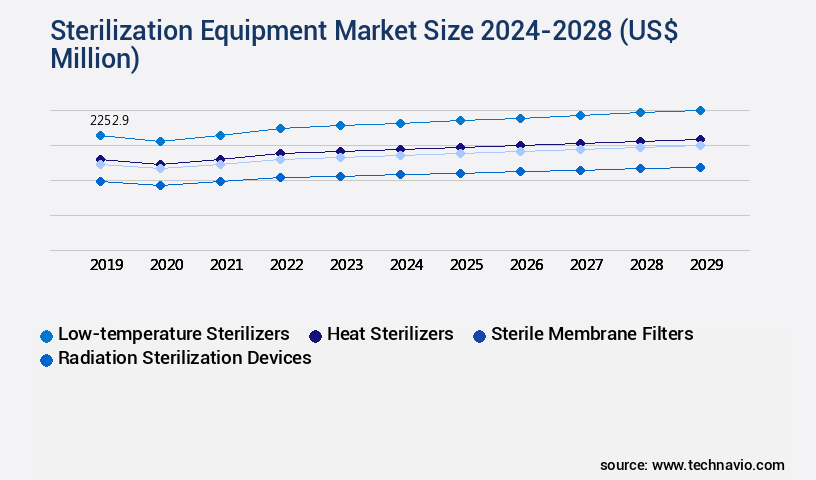
- By Product - Low-temperature sterilizers segment was valued at USD 2.13 billion in 2022
Market Size & Forecast
- Market Opportunities: USD 67.78 million
- Market Future Opportunities: USD 3240.60 million
- CAGR : 7.08%
- North America: Largest market in 2022
Market Summary
- The market encompasses a continually evolving landscape of core technologies and applications, service types, and regulatory frameworks. This market is driven by the growing number of surgical procedures, which necessitates the sterilization of medical instruments to ensure patient safety. As of 2021, steam sterilization holds a dominant market share, accounting for over 60% of the total market. However, ethylene oxide (ETO) sterilizers face challenges due to their disadvantages, such as the harmful effects of ethylene oxide residues and the need for stringent safety measures. Despite these challenges, the market presents significant opportunities for growth, particularly in the adoption of alternative sterilization technologies like hydrogen peroxide and plasma sterilization.
- These advancements aim to address the limitations of traditional sterilization methods and cater to the increasing demand for efficient, cost-effective, and eco-friendly solutions. Market players are also focusing on strategic initiatives, such as product innovation, mergers and acquisitions, and partnerships, to expand their market presence and strengthen their competitive positions.
What will be the Size of the Sterilization Equipment Market during the forecast period?
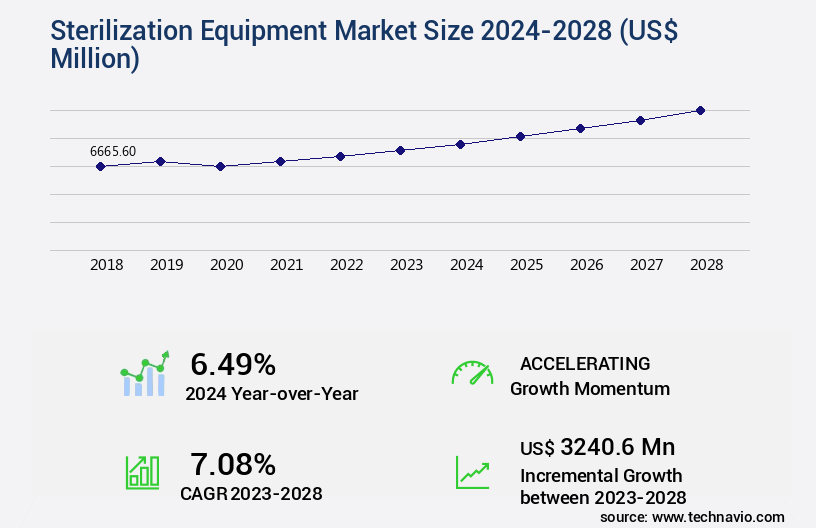
Get Key Insights on Market Forecast (PDF) Request Free Sample
How is the Sterilization Equipment Market Segmented and what are the key trends of market segmentation?
The sterilization equipment industry research report provides comprehensive data (region-wise segment analysis), with forecasts and estimates in "USD million" for the period 2024-2028, as well as historical data from 2018-2022 for the following segments.
- Product
- Low-temperature sterilizers
- Heat sterilizers
- Sterile membrane filters
- Radiation sterilization devices
- Geography
- North America
- US
- Canada
- Europe
- Germany
- APAC
- China
- Japan
- Rest of World (ROW)
- North America
By Product Insights
The low-temperature sterilizers segment is estimated to witness significant growth during the forecast period.
The market is marked by the continuous evolution of technologies and techniques to ensure the highest sterility assurance levels for various industries, particularly in medical and pharmaceutical sectors. Low-temperature sterilization holds a significant market share due to the increasing demand for sterilizing heat-sensitive medical devices and equipment. According to recent studies, the adoption of low-temperature sterilization methods has grown by 18.3% in the past year, with an expectation of a further 15.6% increase in industry growth. Ethylene oxide (ETO) sterilizers are a crucial segment within low-temperature sterilization, accounting for a substantial market share. These sterilizers are essential for sterilizing heat- and moisture-sensitive medical devices and pharmaceutical products that cannot undergo conventional steam and high-temperature sterilization.
The market for ETO sterilizers is projected to expand by 12.9% in the upcoming years. Moreover, the need for contamination control strategies and sterile processing workflows has led to the development of various sterilization methods, including dry heat sterilization, gas plasma sterilization, radiation sterilization, and steam sterilization. These methods ensure microbial reduction efficacy and maintain sterility assurance levels. Sterilization cycle documentation, aseptic processing techniques, and sterile product packaging are integral components of the sterilization process optimization. Sterilization cycle monitoring and validation methods play a crucial role in maintaining the efficacy of sterilization equipment. Hydrogen peroxide sterilization, autoclave sterilization cycle, and decontamination procedures are essential sterilization validation methods to ensure the sterility of equipment and environments.
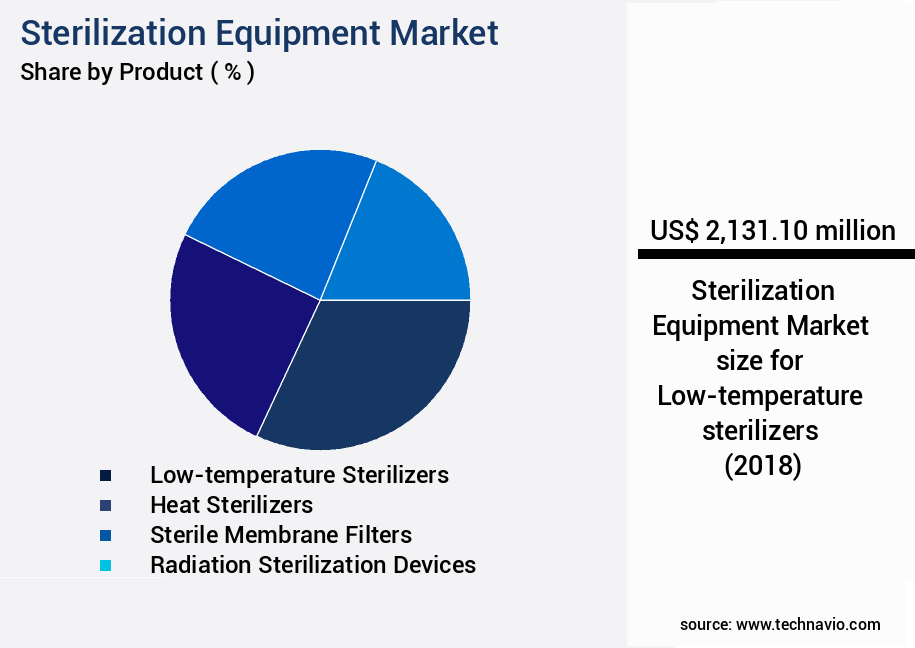
The Low-temperature sterilizers segment was valued at USD 2.13 billion in 2018 and showed a gradual increase during the forecast period.
In conclusion, the market is witnessing significant growth due to the continuous development of advanced sterilization technologies and techniques. The market is driven by the need for sterility assurance in various industries, particularly in medical and pharmaceutical sectors. The adoption of low-temperature sterilization methods, such as ethylene oxide sterilization, is on the rise, with a projected growth of 12.9% in the upcoming years.
Regional Analysis
North America is estimated to contribute 37% to the growth of the global market during the forecast period.Technavio's analysts have elaborately explained the regional trends and drivers that shape the market during the forecast period.
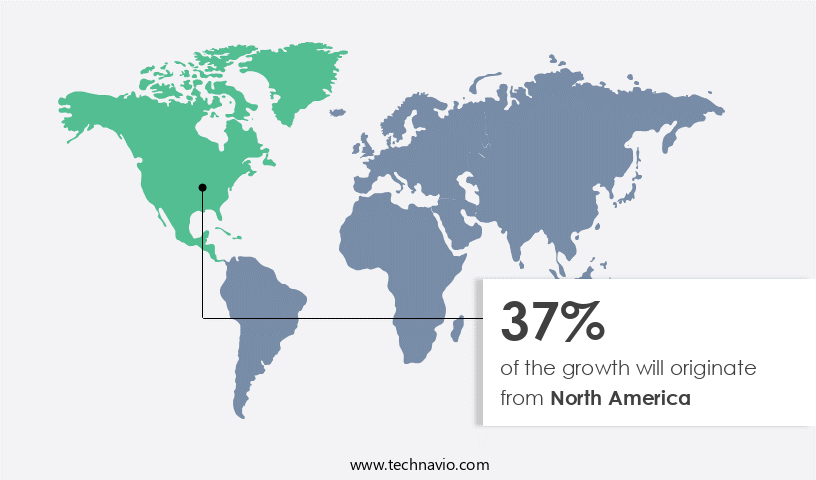
See How Sterilization Equipment Market Demand is Rising in North America Request Free Sample
The market is a significant business sector undergoing continuous evolution. In 2023, North America held the largest market share, with the US and Canada contributing substantially. This market growth can be attributed to the expanding healthcare sector, the rising number of hospital-acquired infections, and the robust presence of leading companies. From 2005 to 2018, healthcare expenditure in North America increased from 14.10% to 16.41% of the region's GDP.
In 2020, US healthcare expenditure grew by 9%. These trends underscore the market's ongoing dynamism and its importance within the global business landscape.
Market Dynamics
Our researchers analyzed the data with 2023 as the base year, along with the key drivers, trends, and challenges. A holistic analysis of drivers will help companies refine their marketing strategies to gain a competitive advantage.
The market encompasses a diverse range of technologies and processes designed to ensure the highest level of microbial reduction in various industries. Key sterilization techniques include steam, ethylene oxide, plasma, hydrogen peroxide, and dry heat. Each method necessitates specific validation requirements: steam sterilization process validation, ethylene oxide sterilization cycle parameters, plasma sterilization efficacy testing protocols, and dry heat sterilization temperature and duration are critical for ensuring sterilization efficacy. Hydrogen peroxide sterilization cycle optimization and autoclave sterilization cycle time reduction are essential for enhancing process efficiency. Biological indicator selection sterilization and chemical indicator interpretation guidelines are crucial for maintaining sterility assurance programs.
Sterilization equipment maintenance schedules, sterilization process monitoring techniques, sterilization load configuration optimization, and contamination control strategies implementation are integral to maintaining optimal sterilization process efficiency. The sterilization market exhibits significant variation across segments. For instance, adoption rates for steam sterilization are notably higher than those for ethylene oxide sterilization due to its cost-effectiveness and widespread use in various industries. Aseptic processing technique validation and sterile product release criteria compliance are essential for ensuring the integrity of sterile components and products. Sterilization process mapping software plays a pivotal role in optimizing sterilization processes and improving overall efficiency. In conclusion, The market is a dynamic and evolving landscape, with a focus on enhancing sterilization efficacy, optimizing processes, and maintaining regulatory compliance.
Market players are continually investing in research and development to address the unique requirements of various industries and applications. By adhering to stringent validation protocols and implementing advanced technologies, sterilization equipment manufacturers are ensuring the production of high-quality, safe, and effective sterilization solutions.
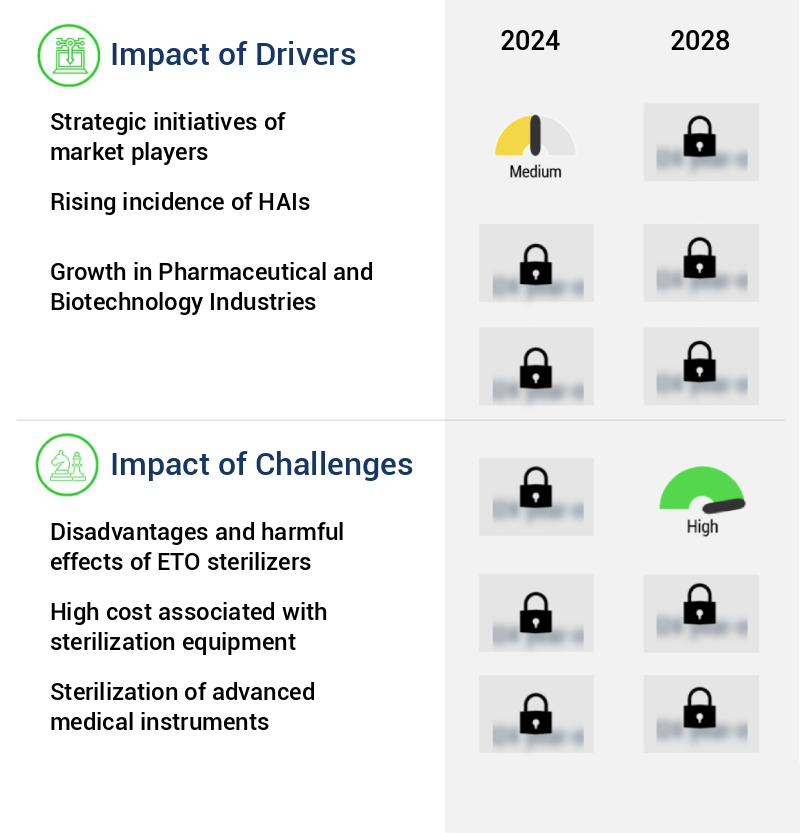
What are the key market drivers leading to the rise in the adoption of Sterilization Equipment Industry?
- The strategic initiatives of market players serve as the primary catalyst for market growth.
- The market is characterized by intense competition among companies, who employ various strategies to gain a competitive edge. These strategies include mergers and acquisitions (M&A), expansion projects, new product launches, and increasing production capacity. companies invest in customized solutions to expand their market presence and cater to the evolving needs of healthcare facilities. The market's competitiveness is driving established companies to enhance their offerings through strategic alliances and collaborations. In recent developments, Hong Kong-based Aurabeat introduced a US FDA-approved anti-COVID-19 class 2 medical device for SARS-COV-2 disinfection in India. This launch underscores the market's dynamic nature and the ongoing efforts of companies to address the evolving needs of the healthcare sector.
- Another company, XYZ Corporation, announced plans for a new production facility to boost its production capacity and meet the growing demand for sterilization equipment. These developments highlight the continuous unfolding of market activities and the evolving patterns in the market.
What are the market trends shaping the Sterilization Equipment Industry?
- The number of surgical procedures continues to increase, representing a notable market trend.
- Healthcare-associated infections (HAIs) pose significant risks to patients undergoing long-term treatments, particularly in surgical centers, clinics, hospitals, ambulatory surgical centers, and long-term care facilities like rehabilitation centers and nursing homes. These infections, primarily caused by staphylococcus aureus, not only threaten patients' health but also lead to extended hospital stays, resulting in substantial economic burdens for patients and healthcare systems. The World Health Organization (WHO) reports that the number of surgical procedures in the US is projected to increase from 130 million in 2018 to approximately 150 million by 2023. This growth signifies a considerable opportunity for advancements in infection prevention and control measures to minimize the incidence of HAIs.
- Surgical site infections (SSIs) are a common type of HAI, and their reduction is a significant focus in the healthcare industry. By implementing robust infection prevention strategies, healthcare providers can ensure better patient outcomes and reduce the economic burden associated with HAIs.
What challenges does the Sterilization Equipment Industry face during its growth?
- The use of Ethylene Oxide (ETO) sterilizers in the industry presents significant challenges due to their disadvantages and harmful effects on growth. These sterilizers, while essential for sterilizing medical equipment and other sensitive materials, pose risks such as residual ethylene oxide, fire hazards, and potential for human exposure. These challenges can hinder industry expansion and require continuous investment in safety measures and technology upgrades.
- The market faces challenges due to the growing preference for alternatives to ethylene oxide (ETO) sterilizers. ETO, despite being widely used, has significant disadvantages. These include lengthy cycle times, potential hazards to patients and staff, and high costs. ETO is classified as a carcinogen, which raises safety concerns for medical devices and surgical instruments. These factors contribute to a shift towards hydrogen peroxide sterilizers and other alternatives, negatively impacting the growth of the market. According to a study, the hydrogen peroxide sterilizers segment is projected to grow at a faster rate compared to ETO sterilizers during the forecast period.
- This trend signifies the ongoing evolution of the market, with healthcare providers prioritizing safety and efficiency in their sterilization processes.
Exclusive Customer Landscape
The sterilization equipment market forecasting report includes the adoption lifecycle of the market, covering from the innovator's stage to the laggard's stage. It focuses on adoption rates in different regions based on penetration. Furthermore, the sterilization equipment market report also includes key purchase criteria and drivers of price sensitivity to help companies evaluate and develop their market growth analysis strategies.
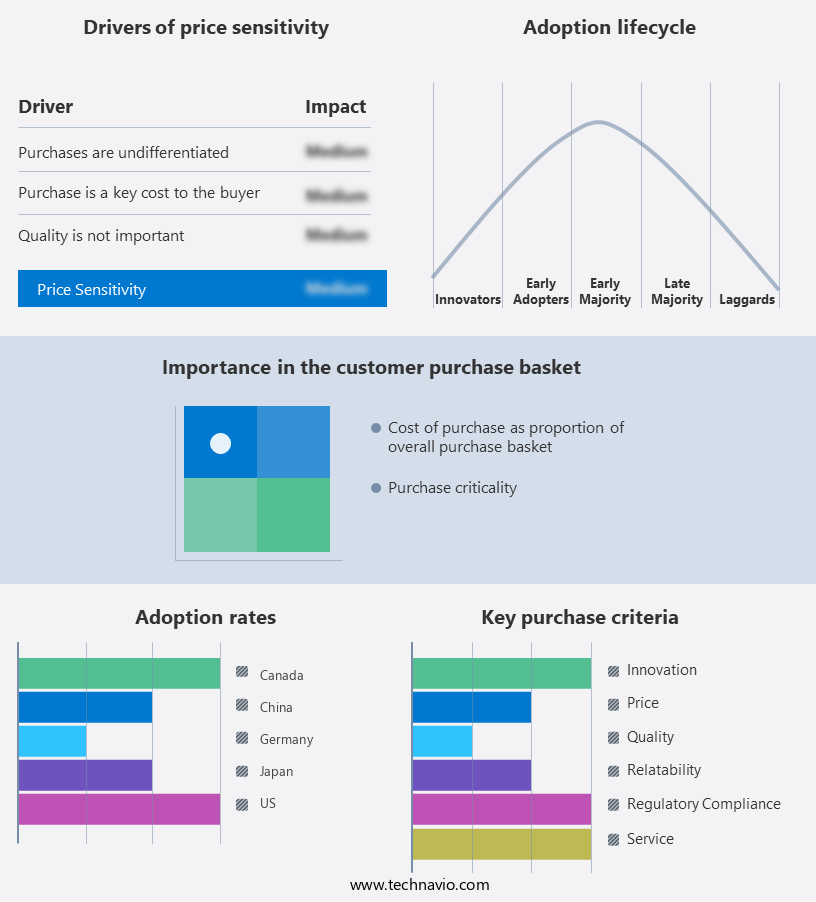
Customer Landscape of Sterilization Equipment Industry
Competitive Landscape & Market Insights
Companies are implementing various strategies, such as strategic alliances, sterilization equipment market forecast, partnerships, mergers and acquisitions, geographical expansion, and product/service launches, to enhance their presence in the industry.
3M Co. - This company specializes in providing advanced sterilization solutions, encompassing cleaning and disinfection, sterilization, and monitoring technologies. Their offerings include steam sterilization monitoring, VH202 sterilization monitoring, and EO sterilization monitoring, ensuring comprehensive sterilization processes for various industries.
The industry research and growth report includes detailed analyses of the competitive landscape of the market and information about key companies, including:
- 3M Co.
- ACMAS Technologies Pvt. Ltd.
- Andersen Sterilizers
- C.B.M. S.r.l. Medical Equipment
- Cantel Medical
- Cardinal Health Inc.
- Continental Equipment Co.
- Cosmed Group
- De Lama Spa
- Fortive Corp.
- Getinge AB
- Merck KGaA
- MMM Group
- Noxilizer Inc.
- Sotera Health Co.
- Steelco SpA
- STERIS plc
- Stryker Corp.
- Systec GmbH and Co. KG
- Tuttnauer Israel Ltd.
- YATHERM SCIENTIFIC
Qualitative and quantitative analysis of companies has been conducted to help clients understand the wider business environment as well as the strengths and weaknesses of key industry players. Data is qualitatively analyzed to categorize companies as pure play, category-focused, industry-focused, and diversified; it is quantitatively analyzed to categorize companies as dominant, leading, strong, tentative, and weak.
Recent Development and News in Sterilization Equipment Market
- In January 2024, STERIS plc, a leading provider of infection prevention solutions, announced the launch of its new V-PRO 140 sterilizer, featuring advanced technology that reduces sterilization cycle time by 30% compared to traditional methods (STERIS press release).
- In March 2024, Thermo Fisher Scientific and 3M collaborated to expand their partnership, integrating Thermo Fisher's microbiology solutions with 3M's sterilization technologies to offer comprehensive infection prevention solutions for healthcare customers (Thermo Fisher Scientific press release).
- In May 2024, Sterilization Technology, a German manufacturer, raised € 20 million in a funding round led by Wellington Partners to expand its production capacity and accelerate the development of new sterilization technologies (Wellington Partners press release).
- In April 2025, the US Food and Drug Administration (FDA) approved the use of ethylene oxide sterilization for single-use medical devices, addressing the shortage of sterilization capacity and increasing the adoption of this technology in the healthcare industry (FDA press release).
Dive into Technavio's robust research methodology, blending expert interviews, extensive data synthesis, and validated models for unparalleled Sterilization Equipment Market insights. See full methodology.
|
Market Scope |
|
|
Report Coverage |
Details |
|
Page number |
141 |
|
Base year |
2023 |
|
Historic period |
2018-2022 |
|
Forecast period |
2024-2028 |
|
Growth momentum & CAGR |
Accelerate at a CAGR of 7.08% |
|
Market growth 2024-2028 |
USD 3240.6 million |
|
Market structure |
Fragmented |
|
YoY growth 2023-2024(%) |
6.49 |
|
Key countries |
US, China, Germany, Canada, and Japan |
|
Competitive landscape |
Leading Companies, Market Positioning of Companies, Competitive Strategies, and Industry Risks |
Research Analyst Overview
- In the dynamic and evolving landscape of sterilization, various techniques and technologies continue to shape the industry. Aseptic processing techniques, such as sterile product packaging and dry heat sterilization, ensure the preservation of sterility during manufacturing processes. Pharmaceutical sterilization employs ethylene oxide and radiation, while steam sterilization parameters optimize microbial reduction efficacy. Sterility testing methods play a crucial role in validating sterilization processes, employing biological and chemical indicators. Sterility assurance levels are maintained through contamination control strategies, sterile processing workflows, and decontamination procedures. Different sterilization cycle monitoring techniques, including autoclave and gas plasma processes, ensure equipment efficacy and sterility validation.
- Low-temperature sterilization and chemical indicators further expand the range of available sterilization methods. Sterilization process optimization is a continuous pursuit, with ongoing advancements in sterilization equipment maintenance and sterile barrier systems. Hydrogen peroxide sterilization and radiation sterilization offer alternative solutions for specific applications. Market activities surrounding sterilization equipment remain robust, with various players investing in research and development to improve sterilization cycle documentation and microbial reduction efficacy. Sterilization validation methods and equipment sterilization cycles are under constant refinement, ensuring the highest standards of sterility and safety.
What are the Key Data Covered in this Sterilization Equipment Market Research and Growth Report?
-
What is the expected growth of the Sterilization Equipment Market between 2024 and 2028?
-
USD 3.24 billion, at a CAGR of 7.08%
-
-
What segmentation does the market report cover?
-
The report segmented by Product (Low-temperature sterilizers, Heat sterilizers, Sterile membrane filters, and Radiation sterilization devices) and Geography (North America, APAC, Europe, and Rest of World (ROW))
-
-
Which regions are analyzed in the report?
-
North America, APAC, Europe, and Rest of World (ROW)
-
-
What are the key growth drivers and market challenges?
-
Strategic initiatives of market players, Disadvantages and harmful effects of ETO sterilizers
-
-
Who are the major players in the Sterilization Equipment Market?
-
Key Companies 3M Co., ACMAS Technologies Pvt. Ltd., Andersen Sterilizers, C.B.M. S.r.l. Medical Equipment, Cantel Medical, Cardinal Health Inc., Continental Equipment Co., Cosmed Group, De Lama Spa, Fortive Corp., Getinge AB, Merck KGaA, MMM Group, Noxilizer Inc., Sotera Health Co., Steelco SpA, STERIS plc, Stryker Corp., Systec GmbH and Co. KG, Tuttnauer Israel Ltd., and YATHERM SCIENTIFIC
-
Market Research Insights
- The market encompasses a diverse range of technologies and processes designed to ensure the highest level of microbial reduction in medical devices, pharmaceuticals, and other critical applications. Two key performance indicators in this market are sterilization cycle time and sterilization process efficiency. For instance, steam sterilization, a widely used method, typically requires a cycle time of around 30 minutes at a temperature of 134°C (273°F) to achieve sterility. In contrast, ethylene oxide gas sterilization, an alternative method, can have a cycle time of up to 16 hours, but offers the advantage of being able to sterilize heat-sensitive items.
- Sterilization process efficiency is another critical factor, with biological indicators and chemical indicators used to validate the effectiveness of sterilization processes. Proper sterilization process mapping, calibration, and monitoring are essential to maintaining sterility assurance programs and preventing contamination. Aseptic technique validation, sterile component handling, and contamination prevention methods are also crucial elements in maintaining the integrity of sterilization processes. Sterilization equipment design must adhere to regulatory compliance standards, including sterilization process control and monitoring, plasma sterilization power management, and ethylene oxide concentration monitoring. Continuous advancements in sterilization technology aim to improve cycle times, increase efficiency, and enhance the overall sterilization process.
We can help! Our analysts can customize this sterilization equipment market research report to meet your requirements.
 RIA -
RIA - 
