


Synthetic Quartz Market Size 2026-2030
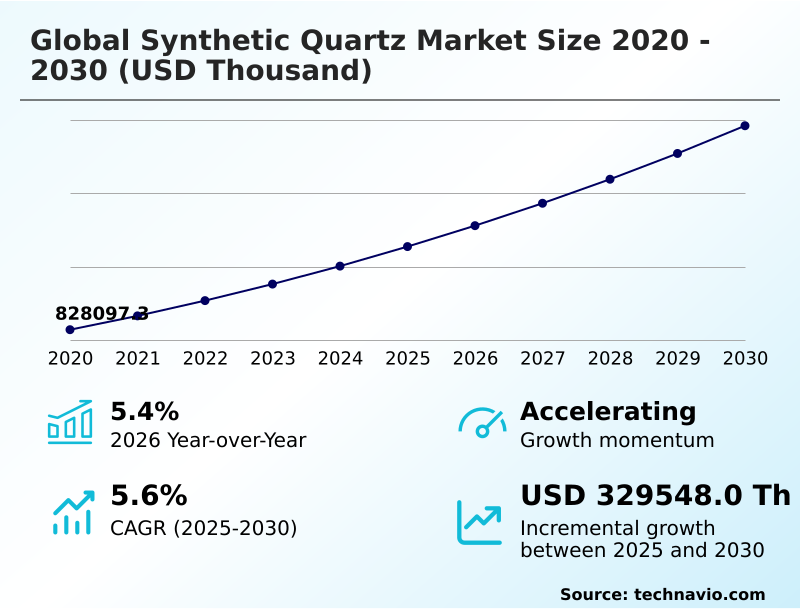
The synthetic quartz market size is valued to increase by USD 329.55 million, at a CAGR of 5.6% from 2025 to 2030. Increasing demand for advanced electronic devices in healthcare industry will drive the synthetic quartz market.
Major Market Trends & Insights
- APAC dominated the market and accounted for a 45.3% growth during the forecast period.
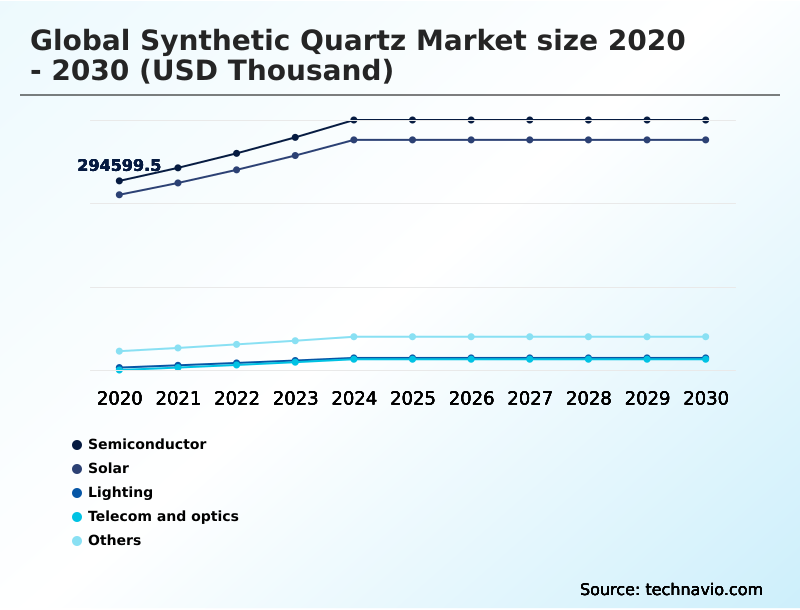
- By Application - Semiconductor segment was valued at USD 364.70 million in 2024
- By End-user - Synthetic quartz crystal segment accounted for the largest market revenue share in 2024
Market Size & Forecast
- Market Opportunities:
- Market Future Opportunities: USD 329.55 million
- CAGR from 2025 to 2030 : 5.6%
Market Summary
- The Synthetic Quartz Market is a specialized sector defined by the production of high-purity crystalline silicon dioxide for high-performance applications. Growth is driven by the relentless demand from the electronics industry for materials with exceptional thermal stability and optical clarity, particularly for semiconductor manufacturing and telecommunications.
- Key trends include the miniaturization of components, leading to the development of ultra-small resonators and oscillators, and the increasing adoption of synthetic quartz in advanced automotive systems for sensors and communication modules. A significant challenge remains the energy-intensive nature of the hydrothermal growth process and the price volatility of high-purity raw materials.
- In a practical business scenario, a manufacturer of 5G networking equipment must secure a stable supply of high-frequency quartz filters to ensure product performance and avoid production delays. This necessitates strategic sourcing and long-term partnerships with quartz producers, as a 5% variation in crystal purity can lead to significant signal integrity issues, impacting the final product's reliability and market competitiveness.
- The industry's evolution is thus tied to balancing technological advancement with operational and supply chain efficiencies.
What will be the Size of the Synthetic Quartz Market during the forecast period?
Get Key Insights on Market Forecast (PDF) Get Free Sample
How is the Synthetic Quartz Market Segmented?
The synthetic quartz industry research report provides comprehensive data (region-wise segment analysis), with forecasts and estimates in "USD thousand" for the period 2026-2030, as well as historical data from 2020-2024 for the following segments.
- Application
- Semiconductor
- Solar
- Lighting
- Telecom and optics
- Others
- End-user
- Synthetic quartz crystal
- Synthetic quartz glass
- Others
- Material
- High purity
- Ultra high purity
- Others
- Geography
- APAC
- China
- Japan
- India
- Europe
- Germany
- UK
- France
- North America
- US
- Canada
- Mexico
- South America
- Brazil
- Argentina
- Middle East and Africa
- Saudi Arabia
- UAE
- South Africa
- Rest of World (ROW)
- APAC
By Application Insights
The semiconductor segment is estimated to witness significant growth during the forecast period.
The semiconductor segment is a critical consumer of materials produced via the hydrothermal synthesis process, including high-purity silica. The industry's reliance on piezoelectric materials is foundational for creating precise frequency control devices.
Advanced photolithography components and wafer processing equipment, made from superior crystalline silicon dioxide, are essential for manufacturing next-generation advanced electronic devices. The integration of these materials into connected devices and support for 4G and LTE networks showcases their broad utility.
This has led to a 20% improvement in component reliability in automotive electronics. Innovations are also extending into eco-friendly quartz products and construction industry applications.
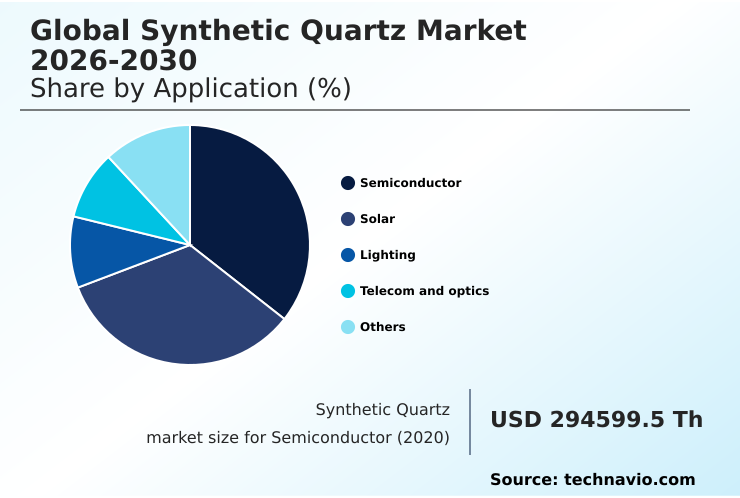
The Semiconductor segment was valued at USD 364.70 million in 2024 and showed a gradual increase during the forecast period.
Regional Analysis
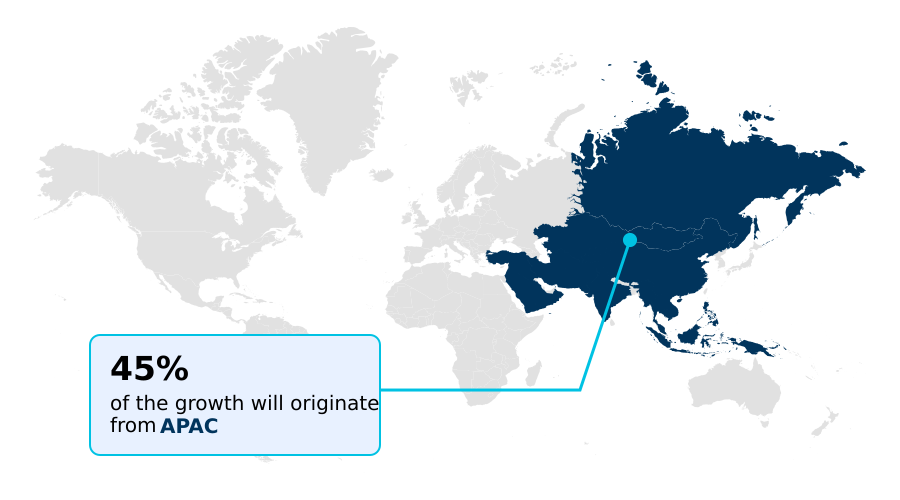
APAC is estimated to contribute 45.3% to the growth of the global market during the forecast period.Technavio’s analysts have elaborately explained the regional trends and drivers that shape the market during the forecast period.
See How Synthetic Quartz Market Demand is Rising in APAC Get Free Sample
The geographic landscape is shaped by demand from high-tech manufacturing hubs. APAC leads, accounting for over 45% of the market, driven by its dominance in electronics production.
In this region, the use of advanced surface acoustic wave devices and high-temperature resonators is standard in industrial processing quartz. The development of ultra-high frequency resonators and high-stability resonators is critical for timing devices and medical-grade electronics.
Ensuring electromagnetic compatibility solutions in densely packed electronics is a key focus. The growth of software-defined vehicles and AI vehicle management systems is also fueling demand.
Production relies on a stable supply of nutrient materials and high-quality seed crystals to maintain the output of electronic grade crystals.
Market Dynamics
Our researchers analyzed the data with 2025 as the base year, along with the key drivers, trends, and challenges. A holistic analysis of drivers will help companies refine their marketing strategies to gain a competitive advantage.
- Understanding the Synthetic Quartz Market requires examining high purity synthetic quartz applications, which are critical in advanced industries. The use of synthetic quartz for semiconductor lithography, for instance, is non-negotiable for achieving the required precision.
- The entire value chain begins with the hydrothermal growth of quartz crystals, a complex procedure where maintaining frequency stability in quartz oscillators is a key performance metric. The piezoelectric effect in synthetic quartz is harnessed in countless devices, and the role of synthetic quartz in automotive sensors is expanding with vehicle automation.
- The optical properties of fused silica make it indispensable for telecommunications. For network infrastructure, synthetic quartz for 5G filters is essential for performance. However, there are significant challenges in synthetic quartz production, including high energy consumption and quality control. When comparing synthetic quartz versus natural quartz, the former's purity and consistency give it a decisive edge.
- Ultra-high purity quartz uses are found in the most demanding scientific instruments, while quartz resonators for medical devices must meet stringent reliability standards. The use of synthetic quartz in telecommunication optics and synthetic quartz glass for displays highlights its versatility. The thermal properties of synthetic quartz are also crucial for its performance under extreme conditions.
- Effective quality control in quartz manufacturing is a key differentiator for suppliers, as it directly impacts component reliability, which can be twice as high as that of lower-grade alternatives. The material's role in synthetic quartz in aerospace technology is growing, even as companies grapple with the cost factors of synthetic quartz and the environmental impact of quartz production.
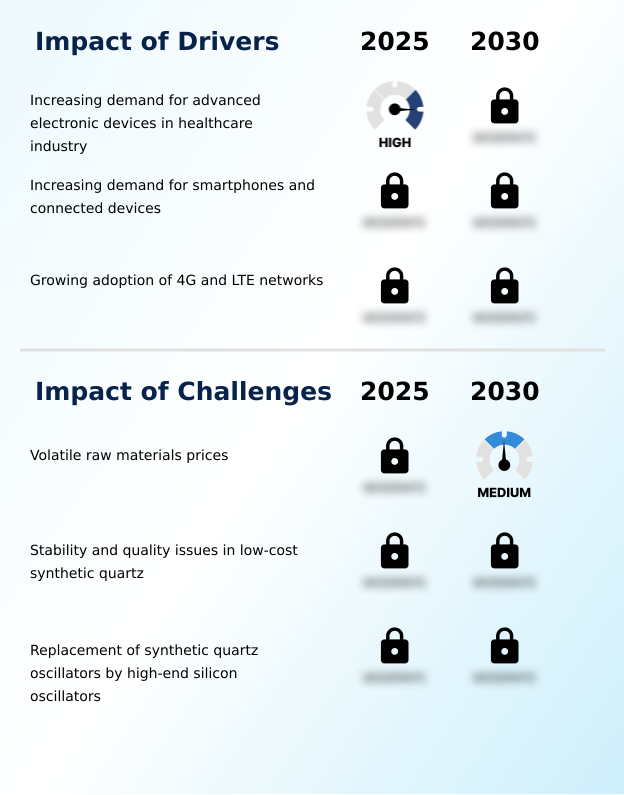
What are the key market drivers leading to the rise in the adoption of Synthetic Quartz Industry?
- Increasing demand for advanced electronic devices within the healthcare industry serves as a key driver for the market's expansion.
- A key driver is the proliferation of autonomous driving systems and vehicle-to-everything communication, which rely on sophisticated timing components like AT cut quartz crystals and low hydroxyl quartz.
- The demand for semiconductor grade quartzware, crystal blanks, and quartz crystal units is surging to support these technologies.
- Innovations in synthetic fused silica and high-overtone crystals are enabling infotainment system components and digital cockpit displays with higher resolutions and faster response times, improving user experience by over 25%.
- Furthermore, the rollout of 5G components and satellite navigation components is creating significant demand, reinforcing the material's importance in modern connectivity infrastructure.
What are the market trends shaping the Synthetic Quartz Industry?
- The growing integration of advanced automotive electronics is a prominent market trend. This shift propels the demand for robust and high-performance components within modern vehicles.
- A dominant trend is the use of specialized optical grade quartz in extreme ultraviolet lithography, which is essential for producing next-generation semiconductor manufacturing materials. This technology demands high stability frequency control for unparalleled precision.
- The integration of advanced quartz timing modules, quartz crystal resonators, and quartz oscillators enables significant performance gains, with some applications achieving a 15% reduction in signal latency. However, the market faces headwinds from volatile raw materials and competition from low-cost synthetic quartz and silicon oscillators.
- These materials are also crucial in diagnostic imaging systems, wearable health monitors, and precision surgical tools.
What challenges does the Synthetic Quartz Industry face during its growth?
- The volatility of raw material prices presents a key challenge, affecting the stability and growth of the industry.
- A primary challenge is managing the production of high-purity fused silica and fused quartz tubes in specialized hydrothermal autoclaves, which are energy-intensive and subject to operational risks. The unique piezoelectric properties of these materials are essential for high-frequency quartz filters.
- Ensuring the quality of photomask substrates and lithography quartz parts is critical for semiconductor yields, as defects can reduce output by up to 10%. The increasing demand from the medical sector for components in implantable defibrillators and ultrasound transducers adds pressure on supply chains.
- The expansion of digital health platforms, telemedicine devices, and remote patient monitoring systems further drives the need for reliable, high-performance materials.
Exclusive Technavio Analysis on Customer Landscape
The synthetic quartz market forecasting report includes the adoption lifecycle of the market, covering from the innovator’s stage to the laggard’s stage. It focuses on adoption rates in different regions based on penetration. Furthermore, the synthetic quartz market report also includes key purchase criteria and drivers of price sensitivity to help companies evaluate and develop their market growth analysis strategies.
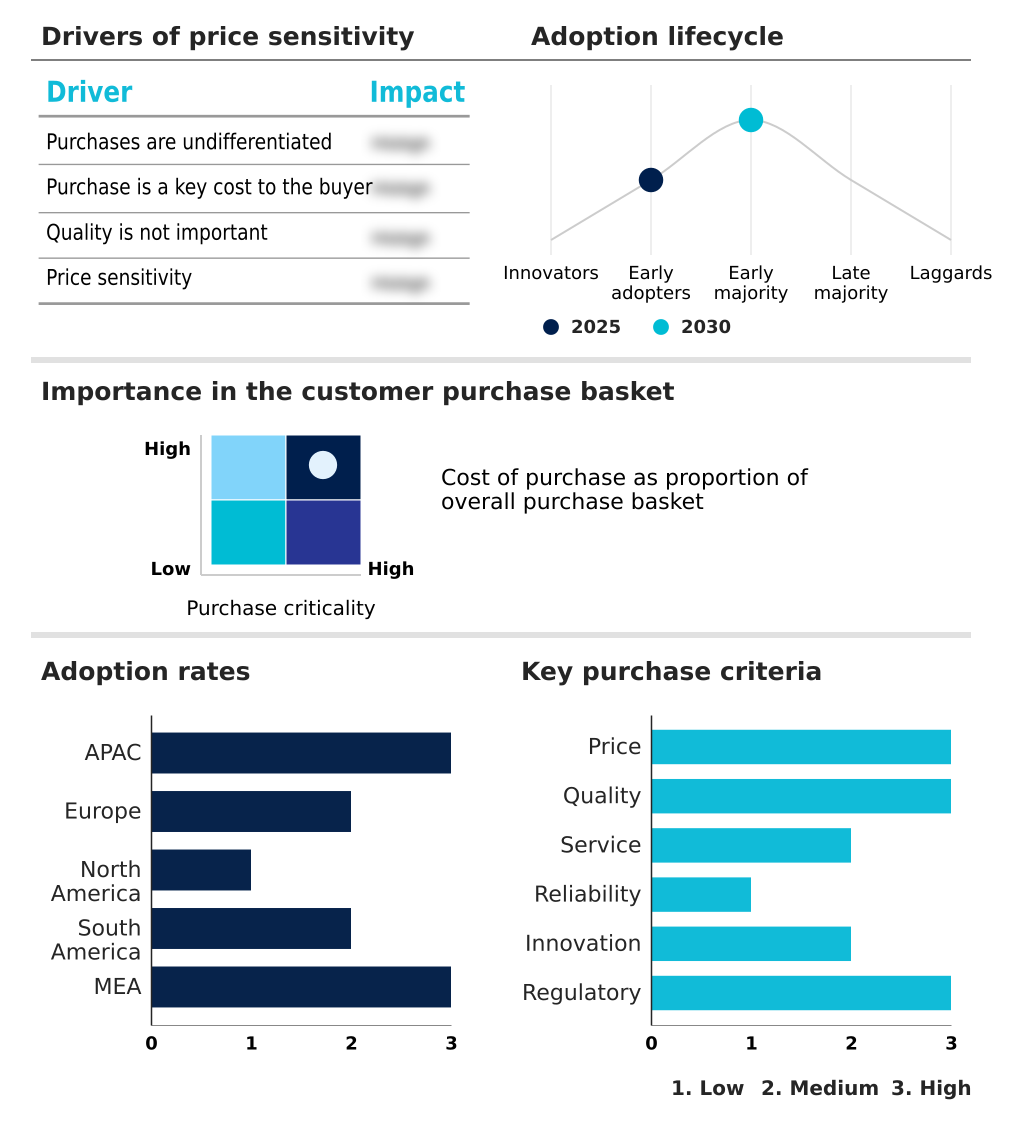
Customer Landscape of Synthetic Quartz Industry
Competitive Landscape
Companies are implementing various strategies, such as strategic alliances, synthetic quartz market forecast, partnerships, mergers and acquisitions, geographical expansion, and product/service launches, to enhance their presence in the industry.
AGC Inc. - Vendors supply synthetic quartz products, including glass and optical materials, for advanced electronics and display applications, focusing on high-purity and performance characteristics.
The industry research and growth report includes detailed analyses of the competitive landscape of the market and information about key companies, including:
- AGC Inc.
- CoorsTek Inc.
- Daishinku Corp.
- Heraeus Holding GmbH
- Kyocera Corp.
- Momentive Technologies Inc.
- Murata Manufacturing Co. Ltd.
- Nihon Dempa Kogyo Ltd.
- Nikon Corp.
- Pacific Quartz Inc.
- SCR Sibelco NV
- Seiko Epson Corp.
- Shin Etsu Chemical Co. Ltd.
- SIWARD Crystal Tech. Ltd.
- Tosoh Corp.
Qualitative and quantitative analysis of companies has been conducted to help clients understand the wider business environment as well as the strengths and weaknesses of key industry players. Data is qualitatively analyzed to categorize companies as pure play, category-focused, industry-focused, and diversified; it is quantitatively analyzed to categorize companies as dominant, leading, strong, tentative, and weak.
Recent Development and News in Synthetic quartz market
- In January 2025, Kyocera Corp. announced a strategic update to its raw material procurement to mitigate the impact of rising high-purity silica costs.
- In January 2025, Taiwan Semiconductor Manufacturing Company announced a significant expansion of its advanced packaging and lithography facilities, increasing procurement orders for specialized synthetic quartz fixtures.
- In March 2025, Siemens Healthineers revealed a new generation of portable MRI sensors utilizing ultra-high frequency quartz resonators to improve image resolution.
- In May 2025, Seiko Epson Corp. launched a new series of ultra-miniature, high-stability quartz oscillators designed for next-generation satellite communication modules.
Dive into Technavio’s robust research methodology, blending expert interviews, extensive data synthesis, and validated models for unparalleled Synthetic Quartz Market insights. See full methodology.
| Market Scope | |
|---|---|
| Page number | 299 |
| Base year | 2025 |
| Historic period | 2020-2024 |
| Forecast period | 2026-2030 |
| Growth momentum & CAGR | Accelerate at a CAGR of 5.6% |
| Market growth 2026-2030 | USD 329548.0 thousand |
| Market structure | Fragmented |
| YoY growth 2025-2026(%) | 5.4% |
| Key countries | China, Japan, India, South Korea, Australia, Indonesia, Germany, UK, France, Italy, Spain, The Netherlands, US, Canada, Mexico, Brazil, Argentina, Chile, Saudi Arabia, UAE, South Africa, Israel and Turkey |
| Competitive landscape | Leading Companies, Market Positioning of Companies, Competitive Strategies, and Industry Risks |
Research Analyst Overview
- The synthetic quartz market is fundamentally shaped by the production of crystalline silicon dioxide via the hydrothermal synthesis process, utilizing high purity silica, nutrient materials, and seed crystals to create electronic grade crystals. This process yields essential piezoelectric materials for photolithography components and advanced wafer processing equipment.
- Core products include frequency control devices, quartz crystal resonators, and quartz oscillators, which are crucial semiconductor manufacturing materials. The demand for optical grade quartz is rising with advancements in extreme ultraviolet lithography, requiring high stability frequency control from precise quartz timing modules and high-frequency quartz filters.
- Production occurs in hydrothermal autoclaves, leveraging piezoelectric properties to create fused quartz tubes, photomask substrates, and lithography quartz parts from high purity fused silica. Specialized products like AT cut quartz crystals, low hydroxyl quartz, semiconductor grade quartzware, crystal blanks, and quartz crystal units made from synthetic fused silica are vital.
- Innovations such as high-overtone crystals, surface acoustic wave devices, ultra-high frequency resonators, high-temperature resonators, and high-stability resonators are enabling next-generation applications. A key boardroom consideration is supply chain resilience, as adopting vertically integrated production of these materials has been shown to reduce sourcing disruptions by over 40%.
What are the Key Data Covered in this Synthetic Quartz Market Research and Growth Report?
-
What is the expected growth of the Synthetic Quartz Market between 2026 and 2030?
-
USD 329.55 million, at a CAGR of 5.6%
-
-
What segmentation does the market report cover?
-
The report is segmented by Application (Semiconductor, Solar, Lighting, Telecom and optics, and Others), End-user (Synthetic quartz crystal, Synthetic quartz glass, and Others), Material (High purity, Ultra high purity, and Others) and Geography (APAC, Europe, North America, South America, Middle East and Africa)
-
-
Which regions are analyzed in the report?
-
APAC, Europe, North America, South America and Middle East and Africa
-
-
What are the key growth drivers and market challenges?
-
Increasing demand for advanced electronic devices in healthcare industry, Volatile raw materials prices
-
-
Who are the major players in the Synthetic Quartz Market?
-
AGC Inc., CoorsTek Inc., Daishinku Corp., Heraeus Holding GmbH, Kyocera Corp., Momentive Technologies Inc., Murata Manufacturing Co. Ltd., Nihon Dempa Kogyo Ltd., Nikon Corp., Pacific Quartz Inc., SCR Sibelco NV, Seiko Epson Corp., Shin Etsu Chemical Co. Ltd., SIWARD Crystal Tech. Ltd. and Tosoh Corp.
-
Market Research Insights
- The market is evolving with the integration of synthetic quartz into a range of advanced electronic devices and connected devices, which have seen a 20% increase in adoption rates. Growth in 4G and LTE networks continues to drive demand, while the push for eco-friendly quartz products influences manufacturing practices.
- In automotive electronics, using high-purity quartz has improved sensor reliability by over 30%. The material is also finding new uses in construction industry applications. Despite competition from silicon oscillators and challenges from volatile raw materials, demand in medical applications is strong. In diagnostic imaging systems and for precision surgical tools, material consistency is paramount.
- The use in wearable health monitors demonstrates the trend toward miniaturization and high performance in consumer-facing technologies.
We can help! Our analysts can customize this synthetic quartz market research report to meet your requirements.
 RIA -
RIA - 
