
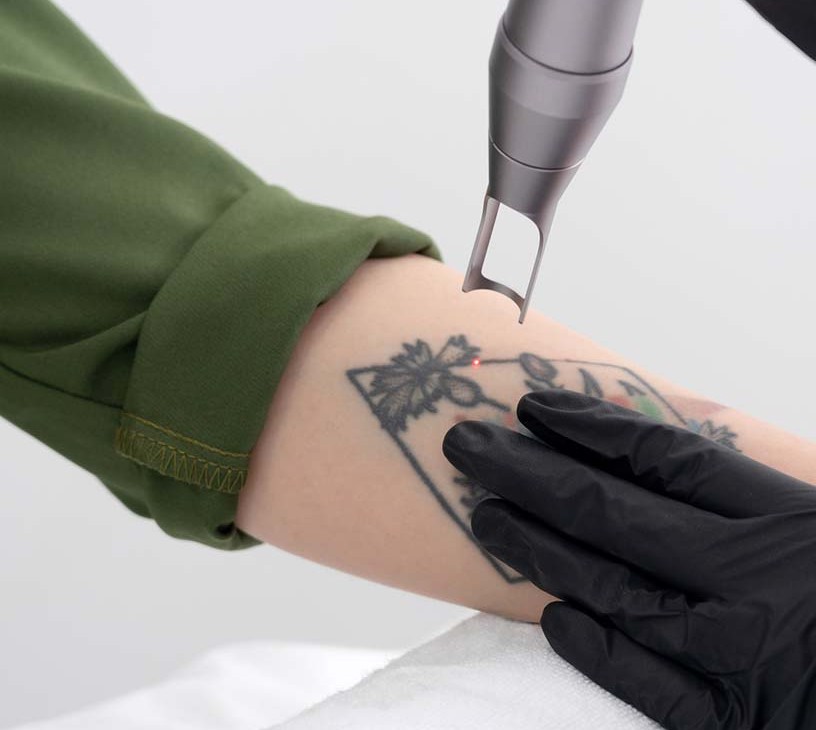


Tattoo Removal Market Size 2026-2030
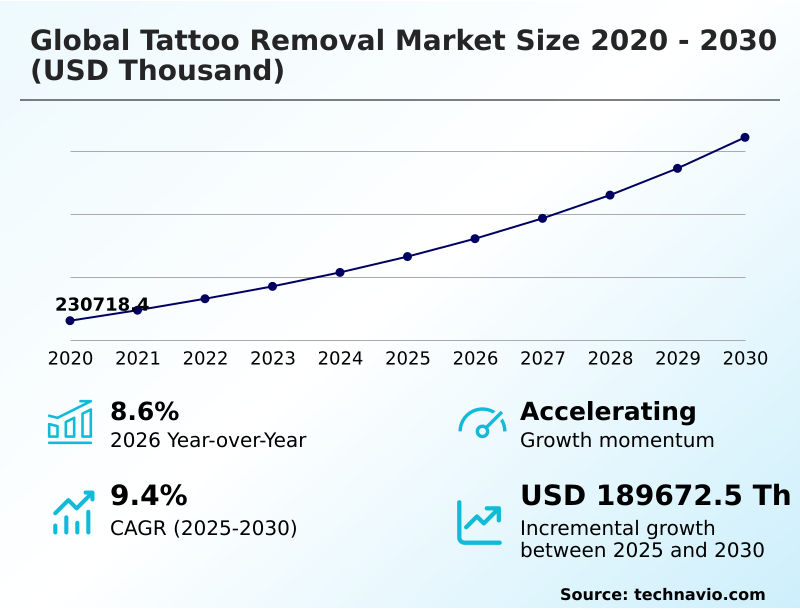
The tattoo removal market size is valued to increase by USD 189.67 million, at a CAGR of 9.4% from 2025 to 2030. Technological advancements in laser systems and proliferation of picosecond technology will drive the tattoo removal market.
Major Market Trends & Insights
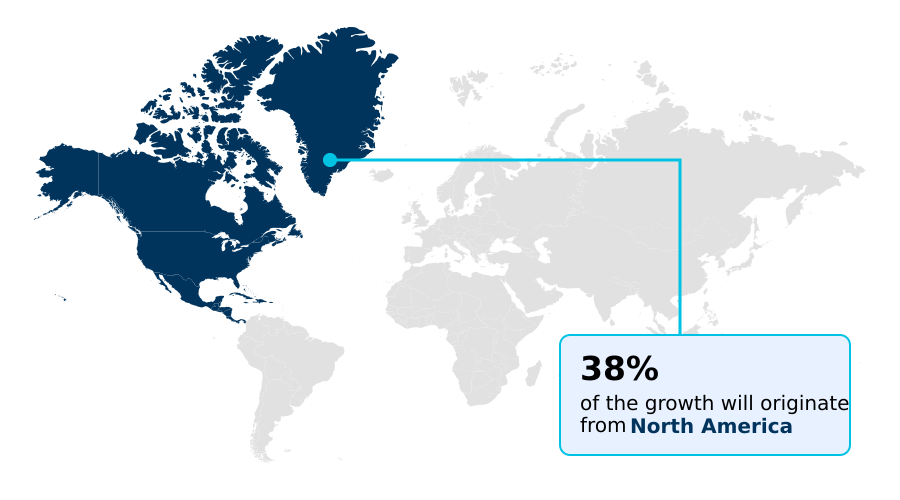
- North America dominated the market and accounted for a 37.5% growth during the forecast period.
- By End-user - Dermatology clinics segment was valued at USD 168.89 million in 2024
- By Type - Laser segment accounted for the largest market revenue share in 2024
Market Size & Forecast
- Market Opportunities:
- Market Future Opportunities: USD 189.67 million
- CAGR from 2025 to 2030 : 9.4%
Market Summary
- The tattoo removal market is undergoing a significant transformation, driven by technological innovation and shifting consumer preferences. At its core, the market revolves around aesthetic medical procedures, primarily using laser technology for the permanent elimination of unwanted tattoo ink from the dermis.
- The evolution from nanosecond to more advanced picosecond lasers has redefined clinical standards, offering greater efficacy and fewer required sessions. This progress directly addresses the rising instances of tattoo regret and the growing demand for procedures that align with evolving personal or professional identities.
- Key drivers include the increasing acceptance of aesthetic treatments and rising disposable incomes, making these procedures more accessible. However, challenges persist, particularly in treating recalcitrant ink colors and ensuring safety across diverse skin types.
- For instance, a dermatology clinic chain must balance the high capital cost of versatile, multi-wavelength laser platforms against the potential for increased revenue from a broader patient base. This strategic decision-making highlights the interplay between technology investment, operational efficiency, and market penetration in this competitive landscape.
What will be the Size of the Tattoo Removal Market during the forecast period?
Get Key Insights on Market Forecast (PDF) Get Free Sample
How is the Tattoo Removal Market Segmented?
The tattoo removal industry research report provides comprehensive data (region-wise segment analysis), with forecasts and estimates in "USD thousand" for the period 2026-2030, as well as historical data from 2020-2024 for the following segments.
- End-user
- Dermatology clinics
- Medical spa and beauty centers
- Type
- Laser
- Surgical
- Creams
- Others
- Gender
- Women
- Men
- Geography
- North America
- US
- Canada
- Mexico
- Europe
- Germany
- UK
- France
- APAC
- China
- Japan
- India
- South America
- Brazil
- Argentina
- Middle East and Africa
- Saudi Arabia
- UAE
- South Africa
- Rest of World (ROW)
- North America
By End-user Insights
The dermatology clinics segment is estimated to witness significant growth during the forecast period.
Dermatology clinics represent a foundational segment, defined by their operation under licensed medical professionals, which ensures high clinical credibility. This segment's growth is tied to an emphasis on medical-grade care, where patient trust is paramount.
These facilities lead in technological adoption, investing in advanced systems capable of precise pulse duration control and pigment fragmentation for effective dermal ink elimination.
The ability to manage potential adverse reaction management scenarios and provide comprehensive pre- and post-treatment protocols is a key differentiator.
By leveraging platforms that improve treatment accuracy by over 15%, these clinics attract a discerning clientele prioritizing safety and superior outcomes from their aesthetic medical procedure, reinforcing the segment's authoritative position in the professional procedure cost landscape.
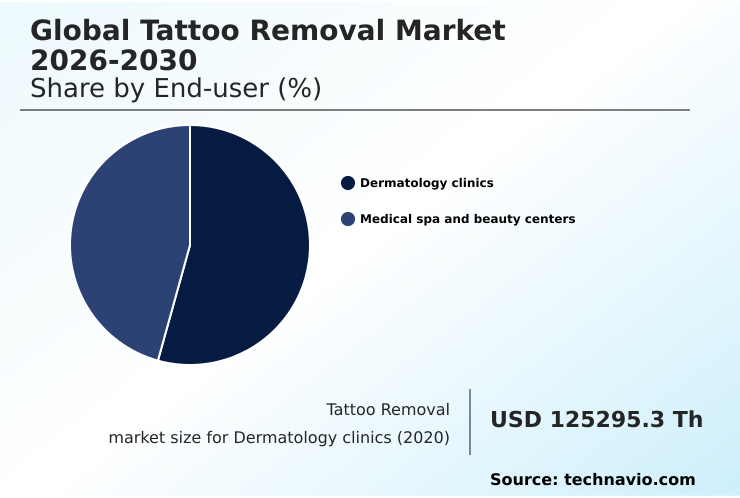
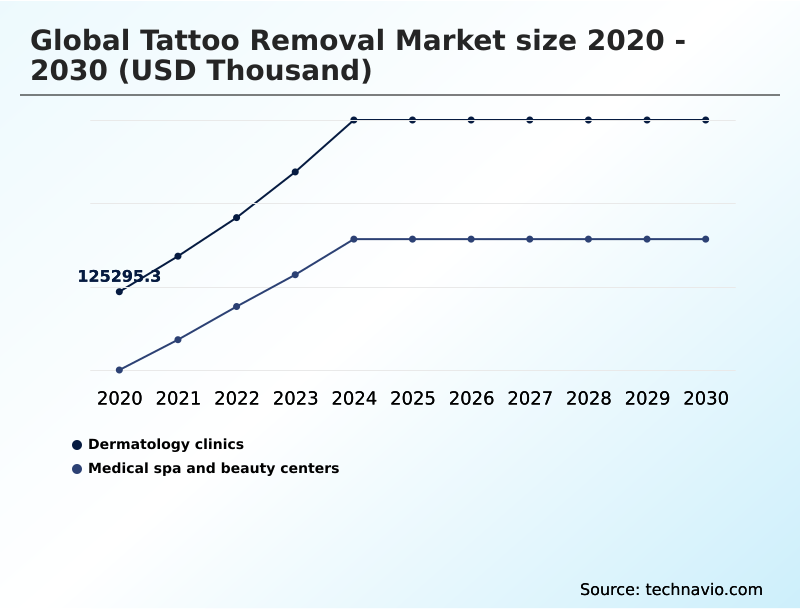
The Dermatology clinics segment was valued at USD 168.89 million in 2024 and showed a gradual increase during the forecast period.
Regional Analysis
North America is estimated to contribute 37.5% to the growth of the global market during the forecast period.Technavio’s analysts have elaborately explained the regional trends and drivers that shape the market during the forecast period.
See How Tattoo Removal Market Demand is Rising in North America Get Free Sample
The geographic landscape of the global tattoo removal market 2026-2030 is characterized by varied regional dynamics and growth rates.
While North America is projected to contribute over 37% of the market's incremental growth, fueled by high consumer demand for aesthetic procedures and a robust healthcare infrastructure, the APAC region is poised for the fastest expansion at a rate exceeding 10%.
This growth in APAC is driven by rising disposable incomes and increasing awareness of non-invasive procedure options. In Europe, a strong focus on regulatory compliance for aesthetic devices and high standards for certified clinical personnel support stable market development.
The adoption of advanced multi-wavelength laser platform technology in these developed regions has led to a 20% improvement in treatment efficacy for certain recalcitrant ink colors, enhancing the value of these laser-based solutions.
Market Dynamics
Our researchers analyzed the data with 2025 as the base year, along with the key drivers, trends, and challenges. A holistic analysis of drivers will help companies refine their marketing strategies to gain a competitive advantage.
- The tattoo removal market is navigating a complex technological and clinical landscape, where key long-term objectives focus on resolving persistent challenges. A primary concern is effectively treating multi color tattoo pigments, as different laser wavelengths are required for specific inks, including the notoriously difficult laser wavelength for green ink.
- Another significant hurdle is perfecting laser treatment for dark skin, as the risk of adverse events like post-inflammatory hyperpigmentation requires sophisticated techniques for managing post inflammatory hyperpigmentation and minimizing scarring in tattoo removal. The industry's evolution is marked by the picosecond vs nanosecond laser efficacy debate, with newer systems aiming to reduce thermal damage in skin.
- The future points toward AI driven laser treatment protocols and the use of predictive modeling for treatment sessions to improve outcomes and manage patient expectations regarding the cost of professional tattoo removal. These advancements in q switched laser technology, focusing on the impact of pulse duration on pigment, are crucial.
- The role of the lymphatic system in clearance remains a key area of study to enhance results from synergistic combination therapy for tattoos.
- Ensuring patient safety in aesthetic procedures through minimally invasive tattoo removal options is paramount, especially as regulatory approval for aesthetic devices becomes more stringent for tattoo removal for Fitzpatrick IV VI skin types and addressing the challenges of vibrant ink removal.
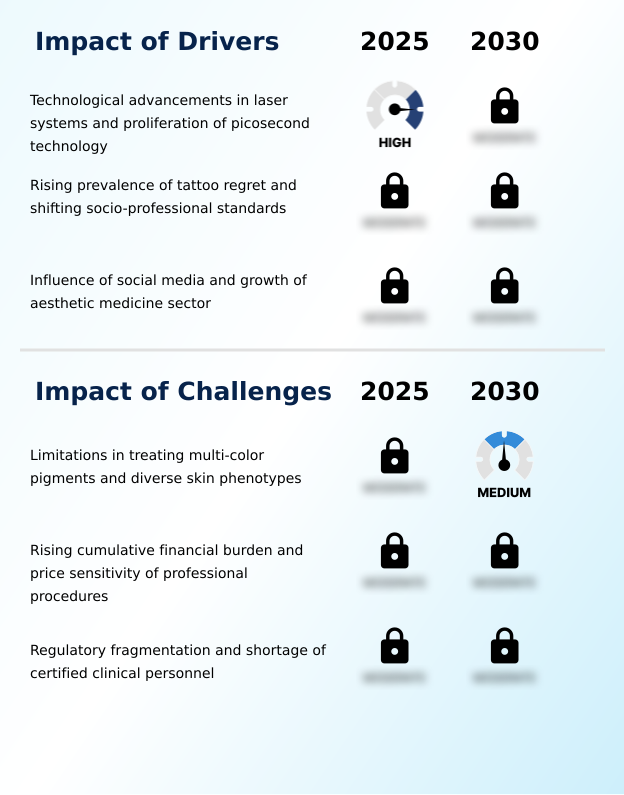
What are the key market drivers leading to the rise in the adoption of Tattoo Removal Industry?
- Technological advancements in laser systems, coupled with the increasing proliferation of picosecond technology, serve as a primary driver for market growth.
- Technological innovation, particularly the widespread adoption of the picosecond laser, is a primary market driver. These systems utilize a photoacoustic effect, which is more efficient than the purely photothermal effect of older nanosecond Q-switched laser devices.
- This mechanism achieves superior pigment fragmentation, allowing the body's lymphatic system clearance process to work more effectively.
- For patients, this translates to faster results, with studies showing picosecond technology can reduce the total number of required treatment sessions by up to 40%.
- For practitioners, the ability to perform a more efficient outpatient basis procedure with a higher success rate on recalcitrant ink colors enhances service value. This move toward minimally invasive, high-efficacy solutions is expanding market participation.
What are the market trends shaping the Tattoo Removal Industry?
- The integration of artificial intelligence and machine learning represents a significant market trend. These technologies are being applied to create precision laser protocols for enhanced treatment outcomes.
- A defining trend is the integration of artificial intelligence into high-end laser systems, transforming the approach to aesthetic medical procedures. Modern platforms now utilize sophisticated skin impedance analysis and pigment density analysis, allowing for automated energy fluence adjustment. This innovation has led to a 15% improvement in targeting precision compared to manual methods.
- Such intelligent automation minimizes human error and significantly reduces the risk of thermal injury, particularly during dermal ink elimination. This shift toward software-defined hardware is making the non-invasive procedure safer and more effective, enhancing the clinical credibility of providers. The use of a dual-wavelength laser is becoming more common in these advanced systems.
- As a result, the market is moving from a skill-based service to a technology-driven field that prioritizes quantifiable safety and efficiency.
What challenges does the Tattoo Removal Industry face during its growth?
- A key industry challenge remains the inherent difficulty in effectively treating complex, multi-color pigments across a diverse range of skin phenotypes.
- A persistent challenge involves the difficulty in treating complex, multi-colored tattoos while protecting skin integrity, particularly for diverse skin phenotypes. The risk of adverse reactions like post-inflammatory hyperpigmentation increases by up to 50% in certain darker Fitzpatrick skin types if not treated with extreme care.
- Effectively managing this requires a high level of clinical expertise in adverse reaction management and often necessitates investment in expensive multi-wavelength systems, which can be 75% more costly than single-wavelength units. This financial barrier limits the availability of comprehensive treatment, especially in smaller practices.
- This physiological constraint, which complicates pulse duration control, limits the addressable market and underscores the need for continued refinement in energy delivery to ensure safe and effective solutions for all consumers.
Exclusive Technavio Analysis on Customer Landscape
The tattoo removal market forecasting report includes the adoption lifecycle of the market, covering from the innovator’s stage to the laggard’s stage. It focuses on adoption rates in different regions based on penetration. Furthermore, the tattoo removal market report also includes key purchase criteria and drivers of price sensitivity to help companies evaluate and develop their market growth analysis strategies.
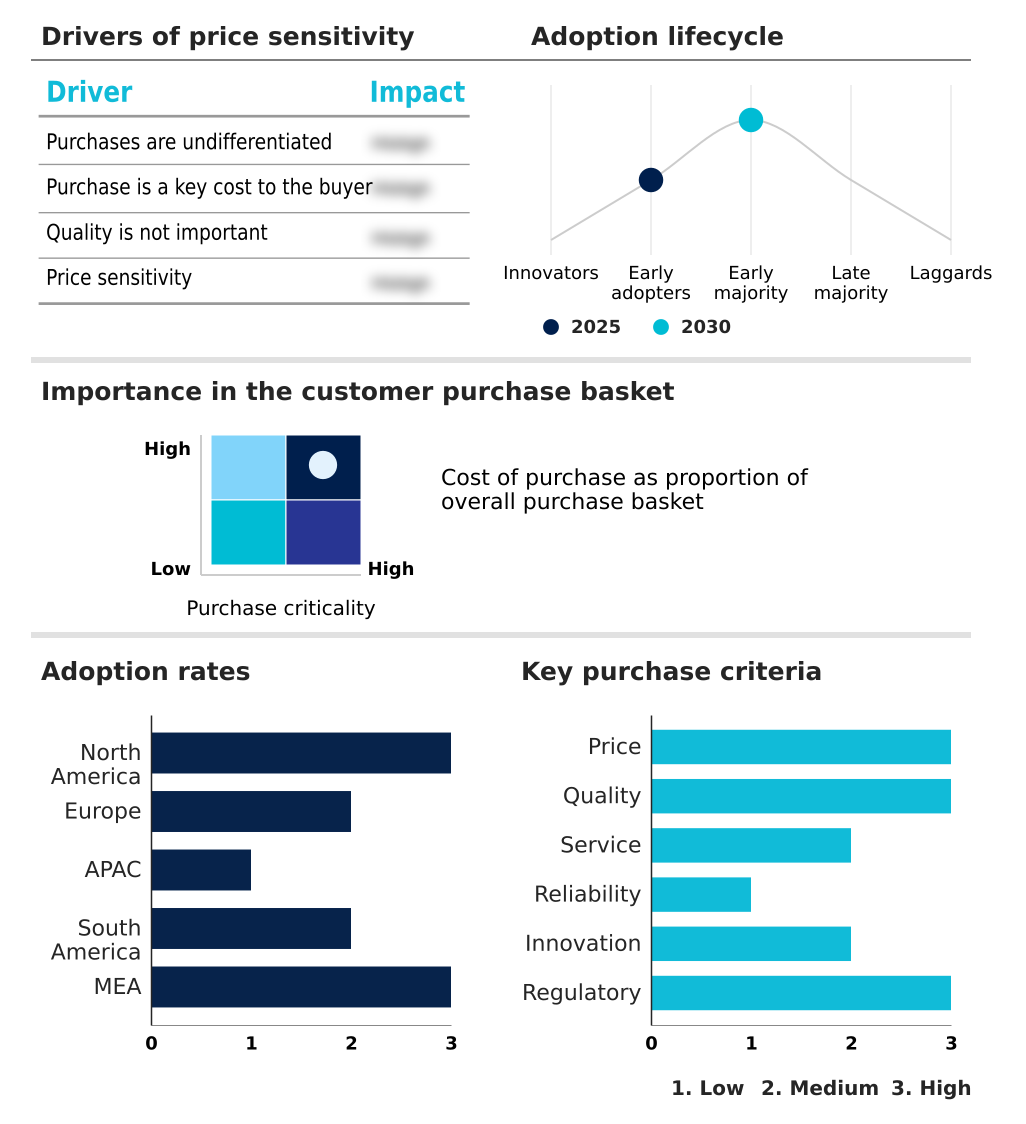
Customer Landscape of Tattoo Removal Industry
Competitive Landscape
Companies are implementing various strategies, such as strategic alliances, tattoo removal market forecast, partnerships, mergers and acquisitions, geographical expansion, and product/service launches, to enhance their presence in the industry.
Aerolase Corp. - Offerings center on advanced multi-wavelength laser and energy-based platforms, engineered for high-efficacy tattoo removal, skin rejuvenation, and other precision aesthetic procedures.
The industry research and growth report includes detailed analyses of the competitive landscape of the market and information about key companies, including:
- Aerolase Corp.
- Alma Lasers Ltd.
- Apolomed
- Asclepion Laser Technologies
- Astanza Laser
- Beijing ADSS Development Co.
- BTL Group
- Candela Corp.
- Cutera Inc.
- Cynosure LLC
- Fotona d.o.o
- Light Age Inc.
- LightScalpel Inc.
- Lumenis Be Ltd.
- Lumibird Medical SAS
- Lutronic Inc.
- Lynton Lasers Ltd.
- Quanta System S.p.A.
- Rohrer Aesthetics Inc.
- Sciton Inc.
Qualitative and quantitative analysis of companies has been conducted to help clients understand the wider business environment as well as the strengths and weaknesses of key industry players. Data is qualitatively analyzed to categorize companies as pure play, category-focused, industry-focused, and diversified; it is quantitatively analyzed to categorize companies as dominant, leading, strong, tentative, and weak.
Recent Development and News in Tattoo removal market
- In February, 2025, Reveal Lasers launched its Karma device, a system featuring dual-wavelength technology with 532nm and 1064nm Nd:YAG lasers and offering four different emission modalities, including pico and nano pulses.
- In March, 2025, Cynosure announced a strategic partnership with a major US chain of dermatology clinics to deploy its latest picosecond laser systems, aiming to reduce treatment sessions and improve efficacy on difficult ink colors.
- In March, 2025, Alma Lasers Ltd. introduced a new version of its Alma Harmony aesthetic platform, which integrates five distinct technologies, including a Q-Switch laser, into a single, versatile unit for tattoo removal and other treatments.
- In April, 2025, PicoSure Pro launched a next-generation picosecond laser tattoo removal system designed to deliver faster treatments with fewer sessions while enhancing patient comfort and improving clearance rates for stubborn inks.
Dive into Technavio’s robust research methodology, blending expert interviews, extensive data synthesis, and validated models for unparalleled Tattoo Removal Market insights. See full methodology.
| Market Scope | |
|---|---|
| Page number | 280 |
| Base year | 2025 |
| Historic period | 2020-2024 |
| Forecast period | 2026-2030 |
| Growth momentum & CAGR | Accelerate at a CAGR of 9.4% |
| Market growth 2026-2030 | USD 189672.5 thousand |
| Market structure | Fragmented |
| YoY growth 2025-2026(%) | 8.6% |
| Key countries | US, Canada, Mexico, Germany, UK, France, Italy, Spain, The Netherlands, China, Japan, India, South Korea, Australia, Indonesia, Brazil, Argentina, Chile, Saudi Arabia, UAE, South Africa, Israel and Turkey |
| Competitive landscape | Leading Companies, Market Positioning of Companies, Competitive Strategies, and Industry Risks |
Research Analyst Overview
- The tattoo removal market is defined by a rapid innovation cycle centered on advanced laser systems. The core technology has evolved from the photothermal effect of early devices to the sophisticated photoacoustic effect delivered by the modern picosecond laser.
- This shift, enabled by precise pulse duration control and energy fluence adjustment, allows for superior pigment fragmentation and more efficient lymphatic system clearance, making dermal ink elimination a more predictable outpatient basis procedure. The development of the multi-wavelength laser platform and dual-wavelength laser systems addresses the challenge of removing recalcitrant ink colors.
- Boardroom decisions increasingly focus on the capital investment required for these systems, weighing the benefits of enhanced skin rejuvenation capabilities against the need for rigorous adverse reaction management. Advanced platforms featuring skin impedance analysis and pigment density analysis are becoming the standard, significantly reducing thermal injury risk and improving outcomes for varied skin phenotype assessments, including difficult Fitzpatrick skin types.
- This emphasis on medical-grade care and clinical credibility, aimed at preventing post-inflammatory hyperpigmentation, represents a strategic pivot toward technology-driven patient safety, with leading clinics reporting a 30% reduction in adverse events.
What are the Key Data Covered in this Tattoo Removal Market Research and Growth Report?
-
What is the expected growth of the Tattoo Removal Market between 2026 and 2030?
-
USD 189.67 million, at a CAGR of 9.4%
-
-
What segmentation does the market report cover?
-
The report is segmented by End-user (Dermatology clinics, and Medical spa and beauty centers), Type (Laser, Surgical, Creams, and Others), Gender (Women, and Men) and Geography (North America, Europe, APAC, South America, Middle East and Africa)
-
-
Which regions are analyzed in the report?
-
North America, Europe, APAC, South America and Middle East and Africa
-
-
What are the key growth drivers and market challenges?
-
Technological advancements in laser systems and proliferation of picosecond technology, Limitations in treating multi-color pigments and diverse skin phenotypes
-
-
Who are the major players in the Tattoo Removal Market?
-
Aerolase Corp., Alma Lasers Ltd., Apolomed, Asclepion Laser Technologies, Astanza Laser, Beijing ADSS Development Co., BTL Group, Candela Corp., Cutera Inc., Cynosure LLC, Fotona d.o.o, Light Age Inc., LightScalpel Inc., Lumenis Be Ltd., Lumibird Medical SAS, Lutronic Inc., Lynton Lasers Ltd., Quanta System S.p.A., Rohrer Aesthetics Inc. and Sciton Inc.
-
Market Research Insights
- Market dynamics are shaped by a continuous drive for greater efficiency and improved patient outcomes in aesthetic medicine. The adoption of advanced energy-based technology and laser-based solutions is critical, with newer systems demonstrating a 25% reduction in the number of required treatment sessions for standard tattoos.
- This efficiency directly impacts the price sensitivity of consumers and the overall professional procedure cost. Furthermore, platforms that offer superior wrinkle reduction and body contouring capabilities alongside tattoo removal enhance an aesthetic platform's value proposition.
- The focus on minimizing side effects has led to treatment protocols that improve patient satisfaction scores by over 15%, a key differentiator in a competitive market. The regulatory landscape and the availability of certified clinical personnel also influence the accessibility and safety of these services, shaping regional market growth.
We can help! Our analysts can customize this tattoo removal market research report to meet your requirements.
 RIA -
RIA - 
