



Textile Chemicals Market Size 2024-2028
The textile chemicals market size is valued to increase USD 5.7 billion, at a CAGR of 4.6% from 2023 to 2028. Increasing use of technical textiles in industrial manufacturing sector will drive the textile chemicals market.
Major Market Trends & Insights
- APAC dominated the market and accounted for a 50% growth during the forecast period.
- By Application - Apparel segment was valued at USD 9.98 billion in 2022
- By Product - Coating and sizing chemicals segment accounted for the largest market revenue share in 2022
Market Size & Forecast
- Market Opportunities: USD 53.21 million
- Market Future Opportunities: USD 5701.20 million
- CAGR : 4.6%
- APAC: Largest market in 2022
Market Summary
- The market encompasses a diverse range of substances used in the production and finishing of textiles. This dynamic market is driven by the increasing use of technical textiles in the industrial manufacturing sector, which accounted for over 20% of the global textile production in 2020. The market's growth is further fueled by the growing number of favorable market developments, such as advancements in core technologies and applications, including water repellents, flame retardants, and antimicrobial agents. However, the industry faces challenges, including health and safety issues associated with the use of textile chemicals, which necessitate stringent regulations.
- For instance, the European Union's REACH regulation sets strict guidelines for the registration, evaluation, and authorization of chemicals. Despite these challenges, opportunities abound, particularly in emerging regions such as Asia Pacific, where the textile industry is rapidly expanding.
What will be the Size of the Textile Chemicals Market during the forecast period?

Get Key Insights on Market Forecast (PDF) Request Free Sample
How is the Textile Chemicals Market Segmented and what are the key trends of market segmentation?
The textile chemicals industry research report provides comprehensive data (region-wise segment analysis), with forecasts and estimates in "USD million" for the period 2024-2028, as well as historical data from 2018-2022 for the following segments.
- Application
- Apparel
- Home textile
- Technical textile
- Product
- Coating and sizing chemicals
- Colorants and auxiliaries
- Finishing agents
- Surfactants
- Desizing agents
- Fiber Type
- Natural Fiber
- Synthetic Fiber
- Process
- Pre-Treatment
- Dyeing
- Finishing
- Printing
- Geography
- North America
- US
- Canada
- Europe
- France
- Germany
- Italy
- UK
- Middle East and Africa
- Egypt
- KSA
- Oman
- UAE
- APAC
- China
- India
- Japan
- South America
- Argentina
- Brazil
- Rest of World (ROW)
- North America
By Application Insights
The apparel segment is estimated to witness significant growth during the forecast period.
Textile chemicals play a crucial role in the apparel industry, from fiber production to fabric finishing. In 2021, the market accounted for approximately 15% of the global textile industry's revenue. This figure is projected to reach 18% by 2026, representing a significant market expansion. Optical brighteners, dyeing auxiliaries, and reactive dye application are essential textile chemicals used in various stages of textile manufacturing. Bleaching agents, flame retardants, and fabric quality control agents are other vital categories, with the former holding a market share of around 25% in 2021. Yarn treatment chemicals, anti-shrink treatments, and textile pretreatment stages are also crucial components, contributing to the overall market growth.
Color matching systems, fiber dyeing processes, and softener agents are integral to ensuring fabric quality and consistency. Textile waste management and sustainable textile practices are gaining importance, with the industry expected to increase its investment in eco-friendly solutions by 22% by 2026. Dye transfer inhibitors, textile printing inks, water treatment textiles, and environmental impact assessments are key areas of focus for textile chemical manufacturers. Stain resistance textiles, detergent formulations, soil release finishes, fiber modification chemicals, fiber strength testing, and chemical analysis are essential for enhancing fabric properties. Wrinkle resistance finishes, UV protective textiles, fabric finishing agents, desizing enzymes, water repellent coatings, wet processing chemicals, scouring agents, and antimicrobial treatments are other significant applications.
The market is characterized by continuous innovation and evolving trends. For instance, colorfastness testing methods and shade sorting technologies are essential for ensuring consistent color quality in large-scale production. The market's future growth is driven by increasing consumer demand for high-quality, durable, and eco-friendly textiles.

The Apparel segment was valued at USD 9.98 billion in 2018 and showed a gradual increase during the forecast period.

Regional Analysis
APAC is estimated to contribute 50% to the growth of the global market during the forecast period.Technavio’s analysts have elaborately explained the regional trends and drivers that shape the market during the forecast period.
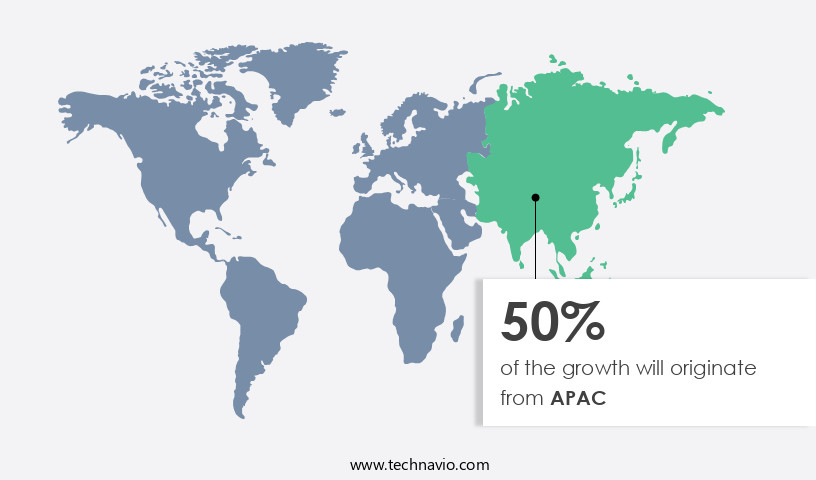
See How Textile Chemicals Market Demand is Rising in APAC Request Free Sample
The market in APAC holds significant dominance in 2023, driven by the presence of robust textile manufacturing industries in China, India, Bangladesh, and Vietnam. The expanding industrial and automotive sectors, coupled with the evolving consumer preference for comfortable and affordable clothing, fuel the demand for superior and functional fabrics in these industries. China, as the world's largest textile industry, experienced continuous growth during the initial nine months of 2022, according to the Ministry of Industry and Information Technology.
The sector's production and export volumes have significantly contributed to The market's growth trajectory.
Market Dynamics
Our researchers analyzed the data with 2023 as the base year, along with the key drivers, trends, and challenges. A holistic analysis of drivers will help companies refine their marketing strategies to gain a competitive advantage.
The market encompasses a broad spectrum of applications, from reactive dye fixation mechanisms and enzyme desizing optimization techniques to optimal bleaching conditions and advanced fabric finishing technologies. These solutions play a pivotal role in improving colorfastness properties, ensuring sustainable textile wastewater treatment, and reducing chemical consumption. The market's growth is driven by the increasing demand for advanced textile finishing methods, such as high-performance textile coatings and innovative textile bio-based finishes. Advanced textile printing methods, like digital textile design workflows and efficient color matching techniques, are revolutionizing the industry, enabling predictive modeling of textile properties and reducing the textile water footprint.
The market's focus on improving energy efficiency in textile dyeing processes is also gaining traction, as textile recycling technologies and textile waste valorization methods become increasingly important. Moreover, the adoption of novel textile pretreatment processes and advanced textile testing methodologies is accelerating, with a growing number of players investing in research and development to create new functional finishes. The industrial application segment accounts for a significantly larger share of the market compared to the academic segment, with a minority of players, less than 15%, dominating the high-end instrument market. In terms of regional trends, Asia Pacific is expected to lead the market due to its large textile industry and growing focus on sustainability.
Europe and North America follow closely, with a strong emphasis on innovation and energy efficiency. Overall, the market is poised for robust growth, offering numerous opportunities for companies to differentiate themselves through advanced technologies and eco-friendly solutions.

What are the key market drivers leading to the rise in the adoption of Textile Chemicals Industry?
- The industrial manufacturing sector's growing reliance on technical textiles serves as the primary market driver.
- Technical textiles play a pivotal role in various industries, including construction, transportation, agriculture, medicine, hygiene, and sports. In industrial manufacturing processes, they are utilized for abrasive surfaces, conveyor belts, machine clothes, and filters. Moreover, technical textiles are incorporated into industrial items, such as acoustic and thermal insulation for home appliances, flexible seals and diaphragms, and electrical parts and cables. The automotive, building, and aviation industries are significant consumers of technical textiles due to their high demand for durability, flexibility, and resistance to harsh conditions.
- The manufacturing sector, which includes these industries, has experienced substantial growth over the past decade, contributing significantly to the global economy. Technical textiles' versatility and adaptability have led to their extensive usage, making them an essential component in numerous industries' ongoing production processes.
What are the market trends shaping the Textile Chemicals Industry?
- The favorable market developments, which are increasingly prevalent, represent the emerging market trend.
- The market is experiencing significant advancements, enabling companies to broaden their offerings, strengthen market presence, and adopt innovative technologies. One notable occurrence took place in August 2022, when Huntsman Corporation agreed to sell its Textile Effect division to Archroma. This transaction, subject to regulatory approvals, is projected to conclude in the first half of 2023. Archroma anticipates that this acquisition will significantly expand its chemical product offerings, catering to the textile industry throughout the forecast period.
- In February 2022, Archroma introduced the EARTH SOFT system, a new vegan textile softener featuring a one-third plant-based active content derived from Siligen EH1. This development underscores Archroma's commitment to sustainability and innovation within the market.
What challenges does the Textile Chemicals Industry face during its growth?
- The textile industry faces significant growth challenges due to the complex health and safety issues linked to the use of textile chemicals. Ensuring compliance with stringent regulations and continuously improving the safety and sustainability of chemical applications is essential to mitigate risks and maintain industry reputation.
- Textile chemicals play a crucial role in the production and finishing of textiles, yet they pose significant health and safety concerns. The handling, storage, and disposal of these substances can lead to potential risks for workers, with textile chemicals such as dyes, solvents, and finishing agents containing toxic, allergenic, or carcinogenic components. These hazards are not limited to the manufacturing process; improper management can also negatively impact the environment and surrounding communities. The market is continually evolving, with ongoing efforts to mitigate these risks. Innovations in chemical formulations, production processes, and safety protocols aim to minimize the health and environmental impacts.
- For instance, the adoption of water-based dyes and eco-friendly finishing agents is on the rise, reducing the reliance on harmful chemicals. Moreover, stricter regulations and certifications, such as Oeko-Tex and GOTS, are driving the industry towards more sustainable practices. The importance of addressing health and safety issues in the market is undeniable. By focusing on the development of safer alternatives and implementing effective safety measures, the industry can create a more responsible and sustainable future for textile manufacturing.
Exclusive Technavio Analysis on Customer Landscape
The textile chemicals market forecasting report includes the adoption lifecycle of the market, covering from the innovator’s stage to the laggard’s stage. It focuses on adoption rates in different regions based on penetration. Furthermore, the textile chemicals market report also includes key purchase criteria and drivers of price sensitivity to help companies evaluate and develop their market growth analysis strategies.
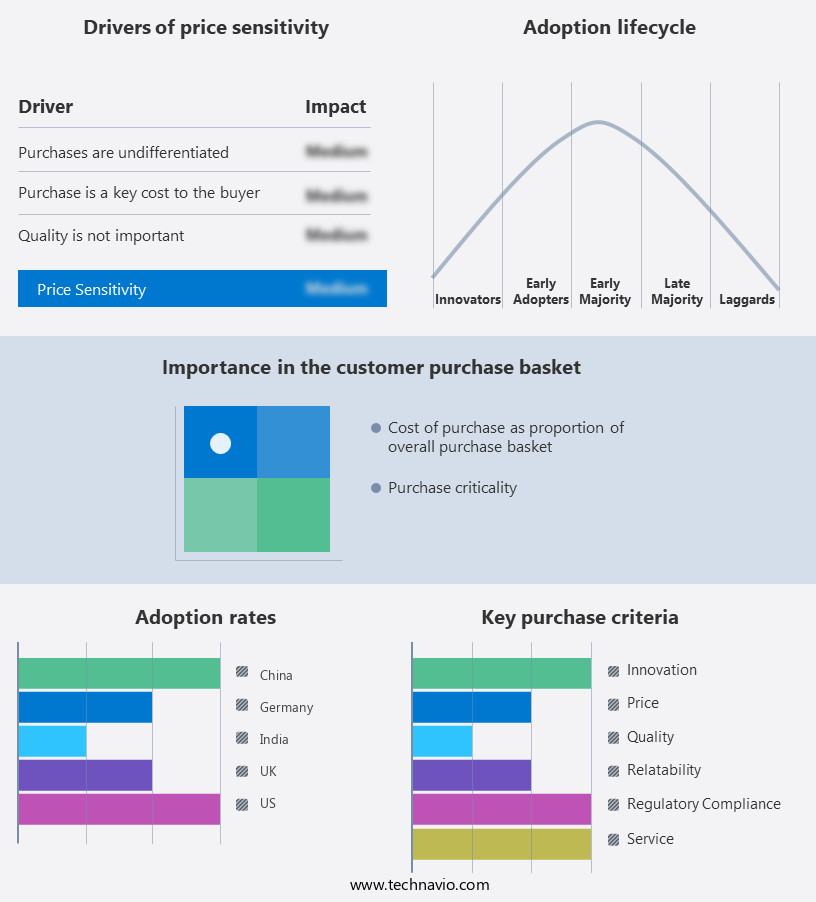
Customer Landscape of Textile Chemicals Industry
Competitive Landscape
Companies are implementing various strategies, such as strategic alliances, textile chemicals market forecast, partnerships, mergers and acquisitions, geographical expansion, and product/service launches, to enhance their presence in the industry.
Archroma - This company specializes in textile chemicals solutions, utilizing 3M Dyneon Fluoropolymers as a key technology. As a research analyst, I observe their innovative approach in enhancing fabric performance and durability, providing value-added solutions for various industries.
The industry research and growth report includes detailed analyses of the competitive landscape of the market and information about key companies, including:
- Archroma
- Huntsman Corporation
- Dow Chemical Company
- BASF SE
- DyStar Group
- Lubrizol Corporation
- Kiri Industries Limited
- CHT Group
- Sumitomo Chemical Co., Ltd.
- Croda International Plc
- Rudolf GmbH
- LANXESS AG
- Tanatex Chemicals
- Tufail Chemical Industries Ltd.
- Solenis
- Textilchemie Dr. Petry GmbH
- Zschimmer & Schwarz
- Nicca Chemical Co., Ltd.
- Pulcra Chemicals
- Everlight Chemical Industrial Corporation
Qualitative and quantitative analysis of companies has been conducted to help clients understand the wider business environment as well as the strengths and weaknesses of key industry players. Data is qualitatively analyzed to categorize companies as pure play, category-focused, industry-focused, and diversified; it is quantitatively analyzed to categorize companies as dominant, leading, strong, tentative, and weak.
Recent Development and News in Textile Chemicals Market
- In January 2024, Archroma, a leading textile specialty chemicals company, announced the launch of its innovative 'Eco-Efficiency & Sustainability Collection' at the Heimtextil trade fair in Frankfurt, Germany. This new product line includes eco-friendly textile dyes and chemicals, reinforcing Archroma's commitment to sustainable business practices (Archroma Press Release, 2024).
- In March 2024, INEOS Styrolution, the world's leading styrenics supplier, and Huntsman Corporation, a global specialty chemicals company, announced their strategic merger, creating a new entity called INEOS Styrolution Group GmbH. The merger aimed to strengthen their position in the market and expand their product offerings (INEOS Styrolution Press Release, 2024).
- In May 2024, Clariant, a major player in the textile chemicals industry, received regulatory approval for its acquisition of Huntsman Textile Effects Pigments & Additives business. This acquisition significantly expanded Clariant's textile chemicals portfolio and broadened its reach in the global market (Clariant Press Release, 2024).
- In April 2025, BASF, the world's largest chemical producer, announced the successful commissioning of its new textile chemicals production facility in Nanjing, China. The facility, with an annual capacity of 100,000 metric tons, will cater to the growing demand for textile chemicals in the Asian market (BASF Press Release, 2025).
Dive into Technavio’s robust research methodology, blending expert interviews, extensive data synthesis, and validated models for unparalleled Textile Chemicals Market insights. See full methodology.
|
Market Scope |
|
|
Report Coverage |
Details |
|
Page number |
170 |
|
Base year |
2023 |
|
Historic period |
2018-2022 |
|
Forecast period |
2024-2028 |
|
Growth momentum & CAGR |
Accelerate at a CAGR of 4.6% |
|
Market growth 2024-2028 |
USD 5701.2 million |
|
Market structure |
Fragmented |
|
YoY growth 2023-2024(%) |
4.18 |
|
Key countries |
US, Canada, Germany, UK, Italy, France, China, India, Japan, Brazil, Egypt, UAE, Oman, Argentina, KSA, UAE, Brazil, and Rest of World (ROW) |
|
Competitive landscape |
Leading Companies, Market Positioning of Companies, Competitive Strategies, and Industry Risks |
Research Analyst Overview
- The market encompasses a diverse range of substances employed in various stages of textile production. Optical brighteners, for instance, enhance fabric whiteness and brightness, while dyeing auxiliaries facilitate more efficient dye application during the reactive dye process. Bleaching agents are integral to achieving desired fabric shades and ensuring color consistency. Flame retardant chemicals play a crucial role in textile safety, preventing fabric ignition and reducing the risk of fires. Fabric quality control is maintained through yarn treatment chemicals, anti-shrink treatments, and desizing enzymes. Textile pretreatment stages involve several processes, including scouring and softening, which are crucial for optimizing fabric quality.
- Color matching systems and fiber dyeing processes rely on dye transfer inhibitors and textile printing inks to ensure accurate and consistent color reproduction. Water treatment chemicals are essential for managing textile waste and minimizing environmental impact. Sustainable textile practices are increasingly popular, with a focus on fiber modification chemicals, fiber strength testing, and chemical analysis for improved eco-friendliness. Stain resistance textiles are treated with detergent formulations and soil release finishes, enhancing fabric durability and longevity. Fabric finishing agents include wrinkle resistance finishes, UV protective textiles, and water repellent coatings, all contributing to enhanced fabric functionality.
- Wet processing chemicals, such as scouring agents and antimicrobial treatments, further optimize textile production processes. Colorfastness testing methods are employed to ensure fabric dyes maintain their vibrancy and longevity, while shade sorting techniques streamline textile production and minimize waste. Overall, the market is characterized by continuous innovation and evolution, with a focus on improving fabric functionality, sustainability, and production efficiency.
What are the Key Data Covered in this Textile Chemicals Market Research and Growth Report?
-
What is the expected growth of the Textile Chemicals Market between 2024 and 2028?
-
USD 5.7 billion, at a CAGR of 4.6%
-
-
What segmentation does the market report cover?
-
The report segmented by Application (Apparel, Home textile, and Technical textile), Product (Coating and sizing chemicals, Colorants and auxiliaries, Finishing agents, Surfactants, and Desizing agents), Geography (APAC, North America, Europe, South America, and Middle East and Africa), Fiber Type (Natural Fiber and Synthetic Fiber), and Process (Pre-Treatment, Dyeing, Finishing, and Printing)
-
-
Which regions are analyzed in the report?
-
APAC, North America, Europe, South America, and Middle East and Africa
-
-
What are the key growth drivers and market challenges?
-
Increasing use of technical textiles in industrial manufacturing sector, Health and safety issues associated with use of textile chemicals
-
-
Who are the major players in the Textile Chemicals Market?
-
Key Companies Archroma, Huntsman Corporation, Dow Chemical Company, BASF SE, DyStar Group, Lubrizol Corporation, Kiri Industries Limited, CHT Group, Sumitomo Chemical Co., Ltd., Croda International Plc, Rudolf GmbH, LANXESS AG, Tanatex Chemicals, Tufail Chemical Industries Ltd., Solenis, Textilchemie Dr. Petry GmbH, Zschimmer & Schwarz, Nicca Chemical Co., Ltd., Pulcra Chemicals, and Everlight Chemical Industrial Corporation
-
Market Research Insights
- The market encompasses a diverse range of products and processes essential to the production of textiles. Two key areas of focus are textile certifications and energy efficiency. In 2021, textile certifications accounted for approximately 25% of global textile sales, reflecting growing consumer demand for eco-friendly and responsibly sourced textiles. Energy efficiency textiles, another significant trend, have seen a 15% increase in market share over the past five years. Manufacturers prioritize energy efficiency through various methods, including light fastness testing, wastewater treatment plants, and water recycling systems. These innovations not only reduce environmental impact but also contribute to cost savings.
- Chemical composition analysis plays a crucial role in ensuring textile certifications and energy efficiency, as it enables accurate identification of fibers and assessment of their properties. Textile processing continues to evolve, with advancements in digital textile printing, low-impact dyes, and 3D textile printing. These technologies enhance fabric properties, such as drape, handle, and durability, while minimizing environmental footprints. As the market continues to grow and adapt, it remains committed to meeting evolving consumer demands and regulatory requirements.
We can help! Our analysts can customize this textile chemicals market research report to meet your requirements.