


Vitiligo Therapeutics Market Size 2024-2028
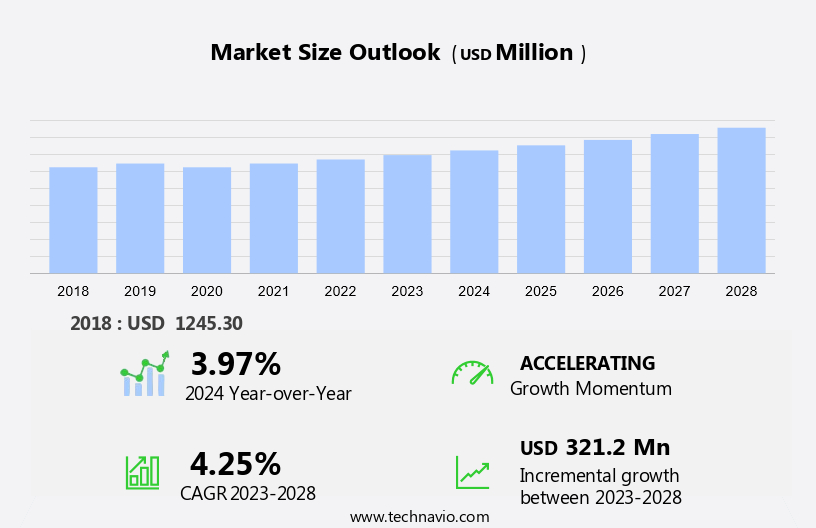
The vitiligo therapeutics market size is forecast to increase by USD 321.2 million at a CAGR of 4.25% between 2023 and 2028.
- The market is experiencing significant growth due to the increasing importance of aesthetic appeal, particularly in regions where cultural norms place a high value on even skin tone. Additionally, the rising disposable income in emerging economies is enabling more individuals to seek treatments for vitiligo. This segment, driven by the increasing popularity of over-the-counter (OTC) and off-label drugs, offers substantial volume growth opportunities. Key players in aesthetic medicine invest in research and development to introduce innovative treatments and expand their product portfolios, thereby strengthening their market position. However, poor patient adherence to treatment regimens remains a challenge, as many vitiligo therapies require long-term commitment and consistent application. These factors, among others, are shaping the dynamics of the market. The market is expected to witness steady growth In the coming years, as new treatments and delivery methods are developed to address the unique needs of vitiligo patients.
What will be the Size of the Vitiligo Therapeutics Market During the Forecast Period?
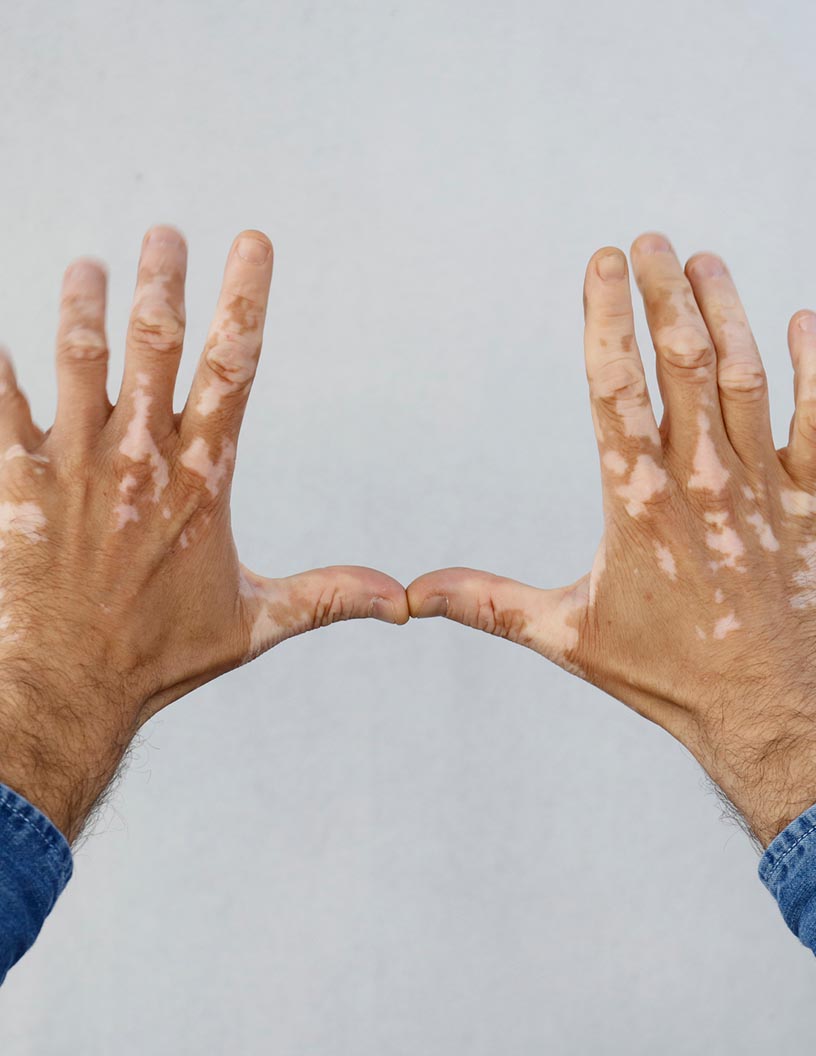
- The market represents a significant opportunity for pharmaceutical and biotech companies due to the high prevalence of this pigmentation disorder, affecting approximately 1-2% of the global population. Vitiligo is characterized by the development of patches of skin losing their melanin pigment, leading to white spots on various areas of the human body, including the mouth, hair, palms, neck, eyes, and even sensitive areas like the genitals and inner thighs. The condition can be nonsegmental, affecting large areas of the body, or segmental, affecting smaller, localized areas. The market dynamics of vitiligo therapeutics are driven by several factors, including the growing number of clinical trials for topical treatments, light therapy, and surgical procedures.
How is this Vitiligo Therapeutics Industry segmented and which is the largest segment?
The industry research report provides comprehensive data (region-wise segment analysis), with forecasts and estimates in "USD million" for the period 2024-2028, as well as historical data from 2018-2022 for the following segments.
- Route Of Administration
- Topical
- Oral
- Others
- Geography
- North America
- Canada
- US
- Europe
- Germany
- UK
- Asia
- China
- Rest of World (ROW)
- North America
By Route Of Administration Insights
- The topical segment is estimated to witness significant growth during the forecast period.
Vitiligo is a condition characterized by the loss of melanin, leading to patches of white skin on various parts of the human body, including the mouth, hair, palms, neck, eyes, and other areas. The vitiligo treatment market encompasses various therapeutic approaches, including topical treatments, light therapy, and surgical procedures. Topical treatments involve the application of medications directly onto the affected skin. Two common topical medications used for vitiligo treatment are Albaquin, a non-prescription cream developed by Puneet Laboratories, and Tacrolimus, an immunosuppressant cream. Furthermore, light therapy, also known as phototherapy, uses specific wavelengths of light to stimulate melanin production in the skin. Surgical procedures, such as skin grafting and melanocyte transplantation, are used for severe cases of vitiligo.
Clinical trials are ongoing to evaluate the safety and efficacy of novel therapies, including stem cell therapy and gene therapy. Dermatologists often prescribe these treatments based on the extent and location of the vitiligo, as well as the patient's overall health and personal preferences.
Get a glance at the Vitiligo Therapeutics Industry report of share of various segments Request Free Sample
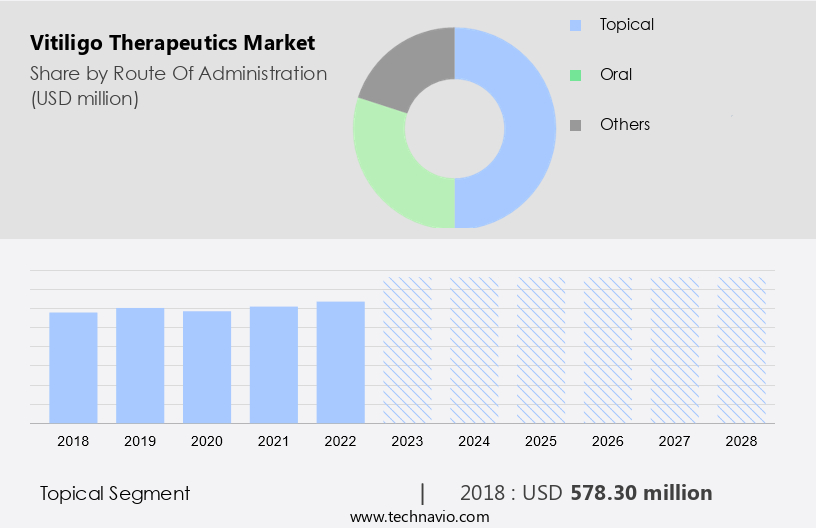
The Topical segment was valued at USD 578.30 million in 2018 and showed a gradual increase during the forecast period.
Regional Analysis
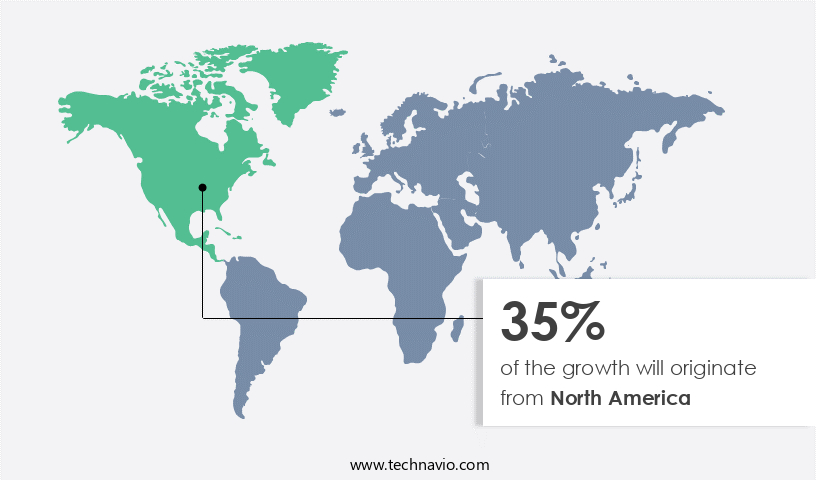
- North America is estimated to contribute 35% to the growth of the global market during the forecast period.
Technavio's analysts have elaborately explained the regional trends and drivers that shape the market during the forecast period.
For more insights on the market share of various regions, Request Free Sample
The North American market holds a modest share of the global market due to the relatively low prevalence of the disease In the region. However, the market is projected to grow moderately to high during the forecast period, driven by increasing awareness and the aesthetic appeal of vitiligo treatments. Despite the disease not being life-threatening, many patients delay or forego treatment. The market In the Americas is expected to be fueled by the growing consciousness towards skin appearance and the availability of various treatment options. These include topical treatments, light therapy, and surgical procedures in hospitals and aesthetic clinics. The market caters to both generic medications and specialized treatments, with digital platforms and hospital pharmacies providing easy access to these treatments.
Market Dynamics
Our researchers analyzed the data with 2023 as the base year, along with the key drivers, trends, and challenges. A holistic analysis of drivers will help companies refine their marketing strategies to gain a competitive advantage.
What are the key market drivers leading to the rise In the adoption of Vitiligo Therapeutics Industry?
The growing importance of aesthetic appeal is the key driver of the market.
- The market is experiencing notable growth due to the increasing awareness and importance of aesthetic appeal, particularly in emerging economies. This market expansion is driven by the rising disposable income in countries like India and China, where individuals are investing in better lifestyles and seeking treatments for vitiligo, a non-life-threatening condition that affects around 1%-2% of the global population. Vitiligo is characterized by the development of white patches on the human skin, which can occur in various areas including the mouth, hair, palms, neck, eyes, and skin color is determined by the melanin pigment produced by melanocytes. The condition can be caused by various risk factors, such as mental stress, Addison's disease, hypothyroidism, and iritis.
- Vitiligo therapeutics include topical treatments, light therapy, and surgical procedures. Topical treatments like Opzelura (repigmentation cream) and corticosteroids or calcineurin inhibitors are commonly used. Light therapy, such as narrowband ultraviolet B (UVB) and psoralen plus ultraviolet A (PUVA), can also be effective. Surgical procedures, like skin grafting and melanocyte transplantation, are used for extensive vitiligo cases. Clinical trials are ongoing for novel therapies like Ruxolitinib, which targets the Janus kinase (JAK) pathway, and generic medications to make treatments more accessible and affordable. Dermatologists and hospitals, as well as aesthetic clinics, are key providers of vitiligo therapeutics. Melanoma skin examinations are crucial for vitiligo patients due to the increased risk of skin cancer.
What are the market trends shaping the Vitiligo Therapeutics Industry?
Growing disposable income in emerging countries is the upcoming market trend.
- The market encompasses treatments for the depigmentation condition affecting human skin, primarily through topical applications, light therapy, and surgical procedures. Patients with vitiligo seek various therapeutic options to address patches of swelling and white patches on the skin, including the mouth, hair, palms, neck, eyes, and other areas. Clinical trials evaluate the efficacy of novel therapies in repigmenting affected areas. Dermatologists provide these treatments in hospitals and aesthetic clinics, while generic medications and digital platforms offer access to Opzelura and other repigmentation solutions. Melanin pigment, produced by melanocytes, plays a crucial role in skin color, and vitiligo is an autoimmune physical disorder that affects melanin pigment production, leading to white spots.
- Risk factors for vitiligo include Addison's disease, hypothyroidism, mental stress, and skin cancer, among others. The global vitiligo treatment market is driven by the growing beauty consciousness and aesthetic treatments, with the geriatric population and those with non-segmental and mucosal vitiligo being significant consumer groups.
What challenges does the Vitiligo Therapeutics Industry face during its growth?
Poor patient adherence is a key challenge affecting the industry growth.
- Vitiligo, an autoimmune physical disorder characterized by the loss of melanin pigment in patches of human skin, affects various areas including the mouth, hair, palms, neck, eyes, and skin color. The condition can lead to white patches and spots on the skin, affecting individuals of all ages and ethnicities. The Vitiligo treatment market encompasses topical treatments, light therapy, and surgical procedures. Clinical trials are ongoing to evaluate the effectiveness of novel therapies such as Ruxolitinib, Corticosteroids, and Calcineurin inhibitors. Factors influencing adherence to drug regimens include the complexity of treatment, lack of adequate information from physicians, and cost. Individuals may opt for generic or off-label drugs, or discontinue treatment after partial remission.
- Risk factors for vitiligo include mental stress, Addison's disease, hypothyroidism, and skin cancer. Vitiligo treatment market includes hospitals, aesthetic clinics, and digital platforms. Dermatologists play a crucial role in diagnosing and treating vitiligo, emphasizing the importance of melanoma skin examinations. Individuals with vitiligo may experience swelling, eye problems, and hearing loss. The geriatric population and those with non-segmental vitiligo and mucosal vitiligo are particularly affected.
Exclusive Customer Landscape
The market forecasting report includes the adoption lifecycle of the market, covering from the innovator's stage to the laggard's stage. It focuses on adoption rates in different regions based on penetration. Furthermore, the vitiligo therapeutics market report also includes key purchase criteria and drivers of price sensitivity to help companies evaluate and develop their market growth analysis strategies.
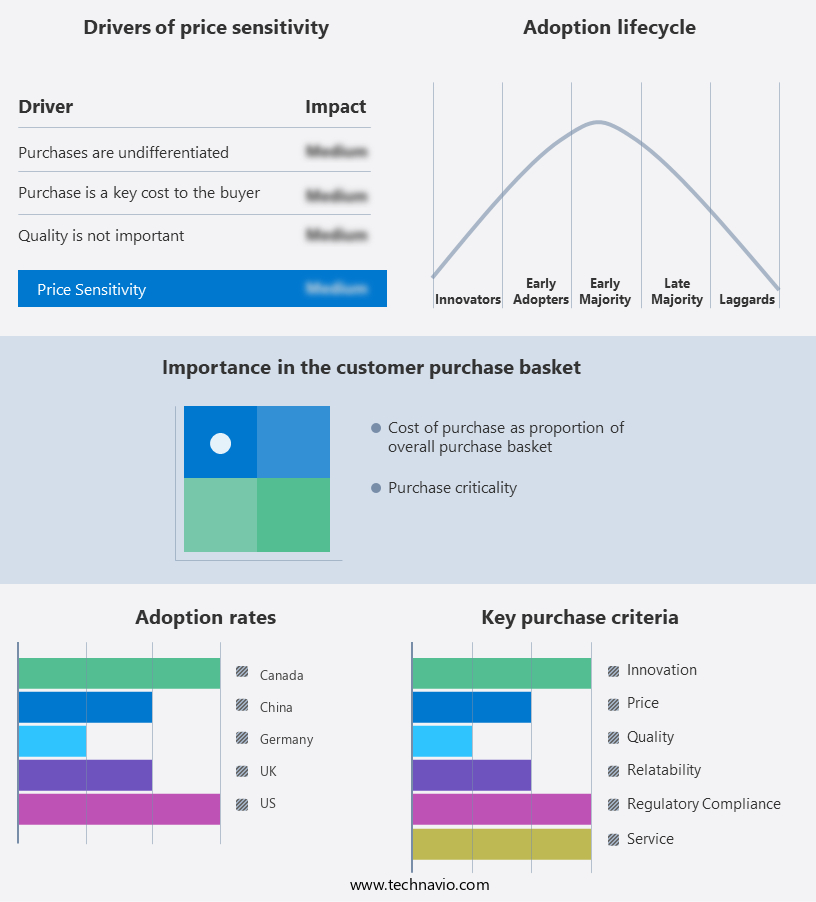
Customer Landscape
Key Companies & Market Insights
Companies are implementing various strategies, such as strategic alliances, vitiligo therapeutics market forecast, partnerships, mergers and acquisitions, geographical expansion, and product/service launches, to enhance their presence In the industry.
The industry research and growth report includes detailed analyses of the competitive landscape of the market and information about key companies, including:
- Alkem Laboratories Ltd.
- AmerisourceBergen Corp.
- Astellas Pharma Inc.
- Bausch Health Companies Inc.
- Baxter International Inc.
- Biocon Ltd.
- Canixa Life Sciences
- Concord Biotech Ltd.
- Dr Reddys Laboratories Ltd.
- Glenmark Pharmaceuticals Ltd.
- Intas Pharmaceuticals Ltd.
- La Pristine Bioceuticals Pvt. Ltd.
- LEO Pharma AS
- Mallinckrodt Plc
- Panacea Biotec Ltd.
- Pfizer Inc.
- Puneet Laboratories Pvt. Ltd.
- Sandoz Group AG
- Strides Pharma Science Ltd.
- Teva Pharmaceutical Industries Ltd.
- Veloxis Pharmaceuticals AS
- Viatris Inc.
Qualitative and quantitative analysis of companies has been conducted to help clients understand the wider business environment as well as the strengths and weaknesses of key industry players. Data is qualitatively analyzed to categorize companies as pure play, category-focused, industry-focused, and diversified; it is quantitatively analyzed to categorize companies as dominant, leading, strong, tentative, and weak.
Research Analyst Overview
Vitiligo, a pigmentation disorder characterized by the loss of melanin in patches of human skin, affects individuals worldwide. The condition results in white patches on various parts of the body, including the mouth, hair, palms, neck, eyes, and other areas. The exact cause of vitiligo remains elusive, but it is believed to be an autoimmune physical disorder. The therapeutic market for vitiligo is driven by the growing number of individuals seeking treatments for this condition. Topical treatments, such as corticosteroids and calcineurin inhibitors, are commonly used to manage the symptoms of vitiligo. These medications work by reducing inflammation and suppressing the immune system, allowing for repigmentation of the affected areas.
Moreover, light therapy, including both UVA and UVB, is another therapeutic option for vitiligo. This treatment works by stimulating the production of melanin In the skin. Clinical results have shown that light therapy can be effective in repigmenting small to medium-sized patches of vitiligo. Surgical procedures, such as skin grafting and melanocyte transplantation, are also used to treat vitiligo. These procedures involve taking healthy skin from one area of the body and transplanting it to the affected area. While effective, these procedures can be costly and come with risks, including scarring and graft rejection. Novel therapies, such as ruxolitinib, are being explored as potential treatments for vitiligo.
Furthermore, ruxolitinib is a JAK1/JAK2 inhibitor that has shown promise in clinical trials for the treatment of vitiligo. This drug works by inhibiting the activity of certain immune cells, allowing for repigmentation of the affected areas. The vitiligo treatment market is driven by several factors, including the increasing awareness of the condition and the growing beauty consciousness of individuals. Aesthetic clinics and hospitals offer various treatments for vitiligo, and digital platforms provide easy access to information and online consultations. The geriatric population is also a significant contributor to the vitiligo treatment market. As people age, they are more likely to develop vitiligo due to various risk factors, including genetics, mental stress, and certain medical conditions, such as Addison's disease and hypothyroidism.
|
Market Scope |
|
|
Report Coverage |
Details |
|
Page number |
144 |
|
Base year |
2023 |
|
Historic period |
2018-2022 |
|
Forecast period |
2024-2028 |
|
Growth momentum & CAGR |
Accelerate at a CAGR of 4.25% |
|
Market Growth 2024-2028 |
USD 321.2 million |
|
Market structure |
Fragmented |
|
YoY growth 2023-2024(%) |
3.97 |
|
Key countries |
US, China, Germany, Canada, and UK |
|
Competitive landscape |
Leading Companies, Market Positioning of Companies, Competitive Strategies, and Industry Risks |
What are the Key Data Covered in this Vitiligo Therapeutics Market Research and Growth Report?
- CAGR of the Vitiligo Therapeutics industry during the forecast period
- Detailed information on factors that will drive the market growth and forecasting between 2024 and 2028
- Precise estimation of the size of the market and its contribution of the industry in focus to the parent market
- Accurate predictions about upcoming growth and trends and changes in consumer behaviour
- Growth of the market across North America, Europe, Asia, and Rest of World (ROW)
- Thorough analysis of the market's competitive landscape and detailed information about companies
- Comprehensive analysis of factors that will challenge the vitiligo therapeutics market growth of industry companies
We can help! Our analysts can customize this vitiligo therapeutics market research report to meet your requirements.
 RIA -
RIA - 
