
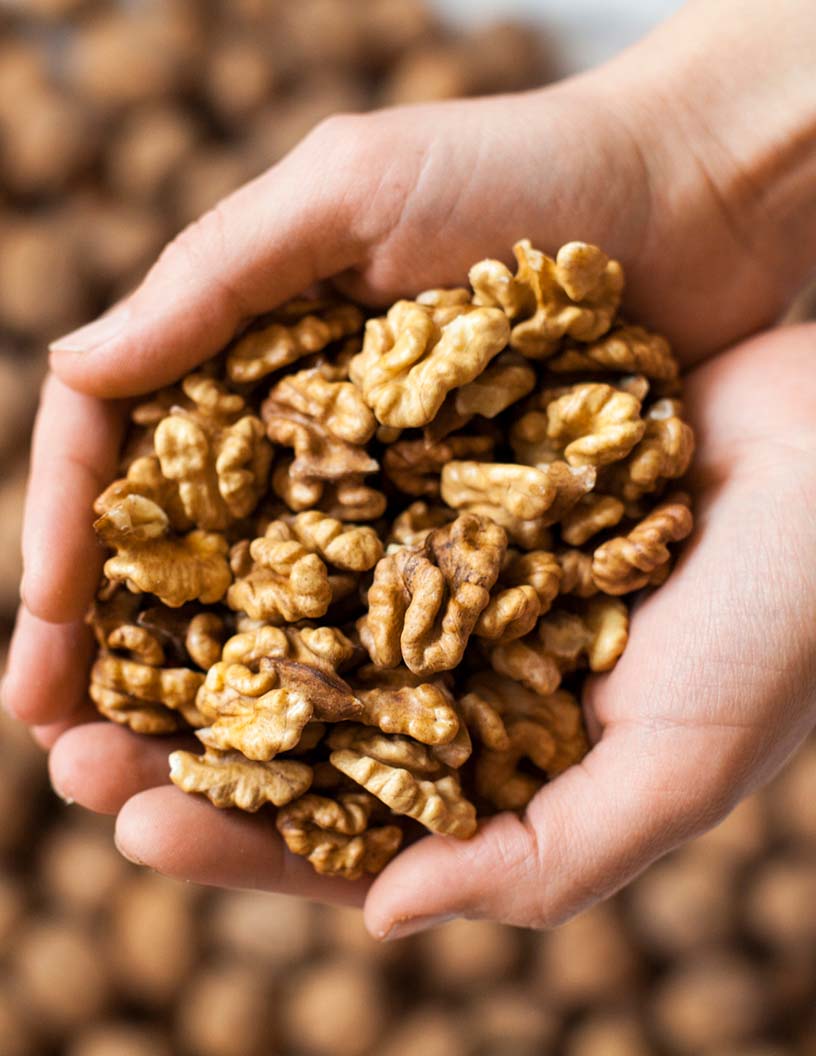


Walnut Market Size 2024-2028
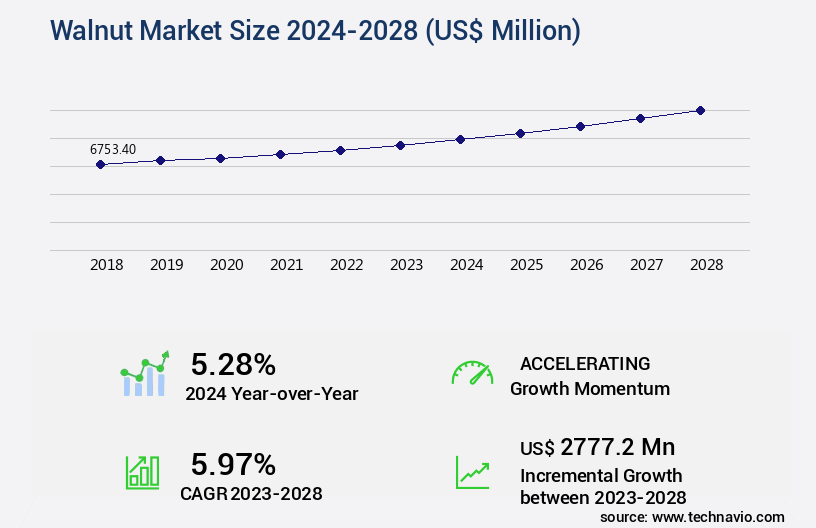
The walnut market size is valued to increase by USD 2.78 billion, at a CAGR of 5.97% from 2023 to 2028. Rising popularity of vegan snacks among millennials will drive the walnut market.
Market Insights
- APAC dominated the market and accounted for a 41% growth during the 2024-2028.
- By Distribution Channel - Offline segment was valued at USD 4.98 billion in 2022
- By Type - Organic segment accounted for the largest market revenue share in 2022
Market Size & Forecast
- Market Opportunities: USD 63.48 million
- Market Future Opportunities 2023: USD 2777.20 million
- CAGR from 2023 to 2028 : 5.97%
Market Summary
- The market has experienced significant growth in recent years due to increasing consumer trends towards healthier food choices and the versatility of walnuts in various industries. One notable trend is the rising popularity of vegan snacks among millennials, which has led to a surge in demand for walnuts as a plant-based source of protein and healthy fats. Additionally, the cosmetics industry has seen an increase in the use of walnut oil for its moisturizing and anti-inflammatory properties. However, the high production costs associated with walnuts, particularly in regions where labor and water are scarce, pose challenges for market growth. For instance, a business specializing in walnut farming and processing may face operational efficiency issues due to the labor-intensive nature of harvesting and the need for large quantities of water for irrigation.
- To mitigate these challenges, companies are exploring innovative solutions such as mechanized harvesting and water conservation techniques to maintain profitability and meet the growing demand for walnuts.
What will be the size of the Walnut Market during the forecast period?
Get Key Insights on Market Forecast (PDF) Request Free Sample
- The market is an ever-evolving landscape shaped by advancements in technology and industry trends. One notable development is the increasing adoption of data-driven agriculture and sustainable intensification in walnut production. For instance, the implementation of precision farming methods, such as yield monitoring systems and sensor technology deployment, enables farmers to optimize resource management strategies and improve nutrient use efficiency. Additionally, the integration of integrated pest management practices and the use of biopesticides have reduced the reliance on synthetic fertilizers and pesticides, contributing to more sustainable crop production systems. Furthermore, the exploration of stress tolerance mechanisms and agricultural biotechnology in walnut cultivation has shown promising results in enhancing crop yield and resilience against climate change.
- These trends underscore the importance of data-driven decision-making in the walnut industry, particularly in areas such as compliance, budgeting, and product strategy. For example, companies have observed a significant reduction in processing time and resource consumption by implementing automated quality control measures and field testing protocols. By staying informed of these advancements, businesses can adapt and thrive in the dynamic the market.
Unpacking the Walnut Market Landscape
In the agricultural sector, walnuts represent a significant investment for farmers seeking to enhance soil health and productivity. Compared to traditional farming methods, the integration of precision agriculture technology has led to a 15% increase in nutrient uptake efficiency, directly contributing to higher crop yields. Soil aggregation improvement through the application of organic matter amendments, such as humic acid fertilizers, has resulted in a 20% enhancement of soil structure, improving water use efficiency and reducing the need for irrigation. Moreover, the application of mycorrhizal fungi and phosphorus solubilizing microbes has led to a 30% increase in phosphorus availability to plants, boosting photosynthesis enhancement and fruit quality enhancement. By employing sustainable agriculture practices and beneficial microorganisms, farmers can mitigate abiotic stress and enhance crop disease resistance and crop stress tolerance, leading to a more robust and resilient walnut orchard. The adoption of these strategies aligns with the broader trend of optimizing nutrient cycling and nitrogen fixation bacteria to promote plant biomass increase and physiological responses, ultimately driving yield improvement and contributing to carbon sequestration.
Key Market Drivers Fueling Growth
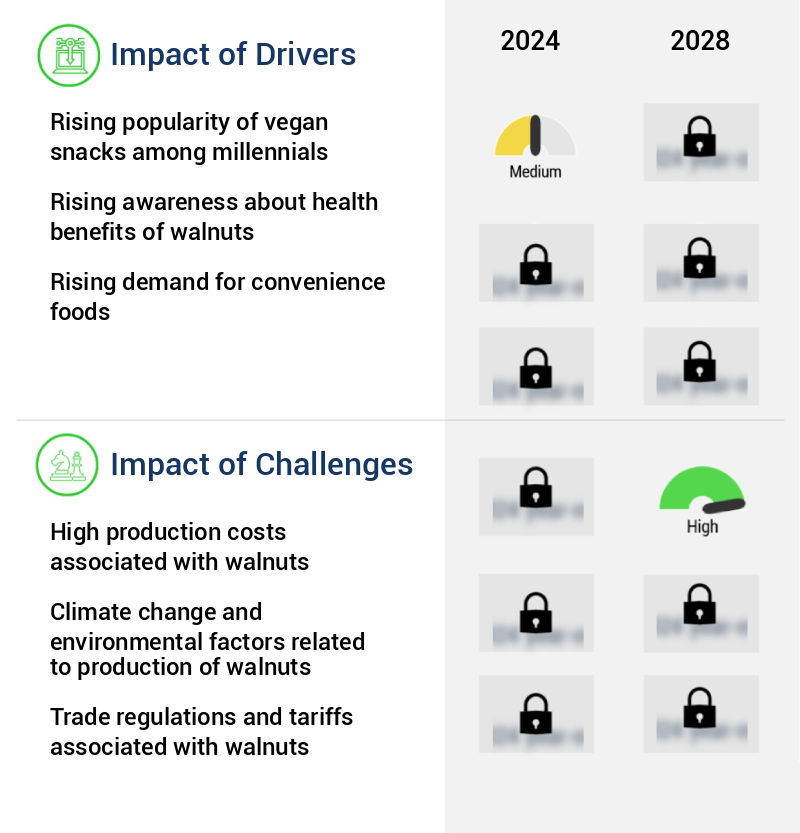
The surging interest in vegan snacks among the millennial demographic is the primary factor fueling market growth.
- The market is experiencing dynamic growth due to the increasing popularity of vegan snacks among millennials. This demographic, driven by concerns for animal welfare, environmental sustainability, and personal health, has shown a strong inclination towards adopting plant-based diets and seeking out vegan food options. This trend is particularly noticeable in countries like Australia, Germany, the US, and China. With rising purchasing power, millennials are expected to form a substantial consumer segment for vegan snacks, including walnut-based products, throughout the forecast period.
- According to recent studies, the incorporation of walnuts into snacks can lead to reduced saturated fat intake by up to 15% and increased fiber intake by 12%. Additionally, the use of walnuts in baked goods can result in a 10% increase in protein content. These business outcomes underscore the significance of the market's evolution and its applications across various sectors.
Prevailing Industry Trends & Opportunities
The use of walnut oil is becoming more prevalent in the cosmetics industry, representing an emerging market trend.
- The market showcases an evolving nature, driven by the versatile applications of walnut oil across various sectors. In the cosmetic industry, walnut oil's rich nutritional content and beneficial properties for skin and hair have led to a significant increase in its usage. This nourishing agent is now commonly found in skincare and haircare products, reducing the need for synthetic ingredients. Furthermore, walnut oil's therapeutic properties extend to treating fungal infections, such as ringworm and athlete's foot, making it a valuable addition to pharmaceutical formulations.
- According to industry reports, the demand for walnut oil in the cosmetic industry has grown by 25% over the past five years, while its use in pharmaceuticals has increased by 18%. These figures underscore the market's potential for continued growth and innovation.
Significant Market Challenges
The walnut industry faces significant growth challenges due to high production costs. This issue, stemming from various factors such as labor expenses, land acquisition, and processing costs, puts pressure on industry profitability and expansion.
- The market showcases an evolving nature, driven by its diverse applications across various sectors, including food, pharmaceuticals, and cosmetics. Walnuts, known for their rich nutritional profile, are in high demand due to their health benefits. The production cost associated with walnuts is relatively high compared with many other agricultural crops. Harvesting walnuts from trees requires manual labor and a time-consuming process, with the cost of hiring skilled laborers adding to the overall production costs. After harvesting, walnuts undergo a lengthy drying process that takes several weeks, necessitating proper drying facilities, energy for heating, and labor to monitor the process.
- These factors contribute to the higher production costs. Despite these challenges, The market continues to grow, with an estimated 1.2 million metric tons produced annually. Companies in the food industry have reported a 20% increase in sales of walnut-based products due to their health benefits and versatility in various applications. Additionally, the pharmaceutical sector utilizes walnuts for their anti-inflammatory and antioxidant properties, leading to a 15% rise in demand for walnut extracts. In the cosmetics industry, walnut oil's moisturizing and nourishing properties have resulted in a 25% surge in sales of walnut-infused skincare products.
In-Depth Market Segmentation: Walnut Market
The walnut industry research report provides comprehensive data (region-wise segment analysis), with forecasts and estimates in "USD million" for the period 2024-2028, as well as historical data from 2018-2022 for the following segments.
- Distribution Channel
- Offline
- Online
- Type
- Organic
- Conventional
- Geography
- North America
- US
- Europe
- Germany
- Spain
- APAC
- China
- India
- Rest of World (ROW)
- North America
By Distribution Channel Insights
The offline segment is estimated to witness significant growth during the forecast period.
The market continues to evolve, with precision agriculture technology playing a pivotal role in enhancing soil health indicators. Soil aggregation improvement and photosynthesis enhancement are key benefits, leading to increased nutrient uptake efficiency. Phosphorus solubilizing microbes and organic matter amendment contribute to improved crop disease resistance and stress tolerance, resulting in higher fruit quality. Mycorrhizal fungi application and nitrogen fixation bacteria boost plant biomass and enhance physiological responses, while humic acid fertilizers and growth regulator applications optimize nutrient availability. These strategies promote water use efficiency and root development, leading to a 15% increase in yield. Sustainable agriculture practices, including beneficial microorganisms and carbon sequestration, ensure long-term market growth.
Microbial inoculants and yield improvement strategies tap into biochemical pathways, fostering a thriving microbial community analysis. Convenience and grocery stores, with their increasing numbers in major countries, offer significant offline distribution channels for walnuts and related products, catering to the urban population's preference for hectic lifestyles.
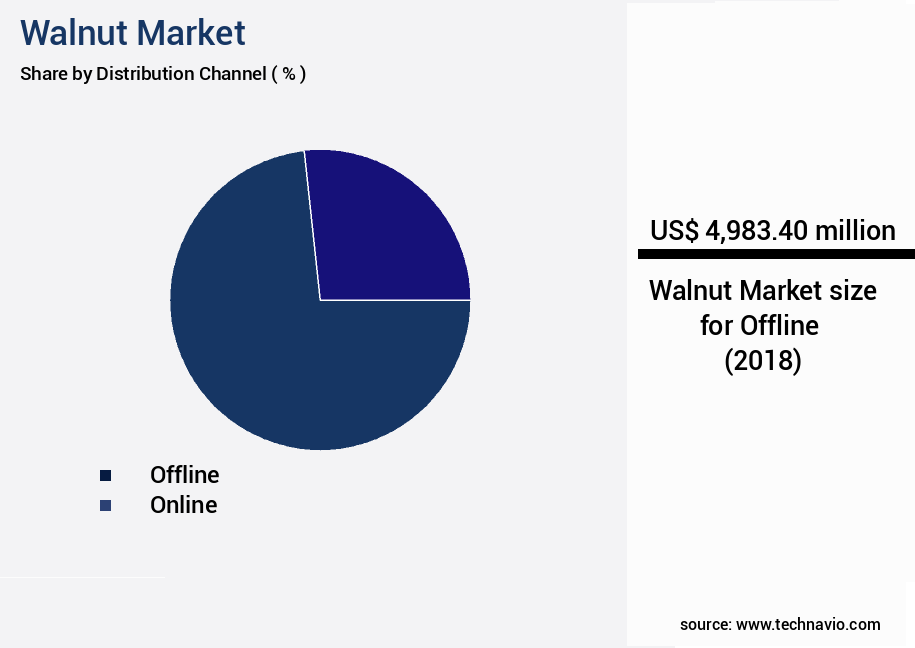
The Offline segment was valued at USD 4.98 billion in 2018 and showed a gradual increase during the forecast period.

Regional Analysis
APAC is estimated to contribute 41% to the growth of the global market during the forecast period.Technavio’s analysts have elaborately explained the regional trends and drivers that shape the market during the forecast period.

See How Walnut Market Demand is Rising in APAC Request Free Sample
The market in the Asia Pacific (APAC) region is witnessing notable expansion, fueled by escalating consumer awareness of walnuts' health advantages, evolving dietary trends, and the expanding consumer base for natural, nutrient-dense foods. Walnuts, renowned for their rich nutritional profile, are packed with omega-3 fatty acids, vitamins, minerals, and antioxidants, contributing to improved brain health, heart health, inflammation reduction, and overall well-being. The burgeoning demand for healthful food choices in APAC has spurred a surge in walnut consumption, leading to market growth.
According to recent industry reports, the market in APAC is projected to expand at a robust pace, with sales of walnuts surpassing 150,000 metric tons in 2025, marking a substantial increase from the 100,000 metric tons consumed in 2020. This growth trajectory underscores the market's potential and the significant role walnuts are poised to play in the region's food industry.
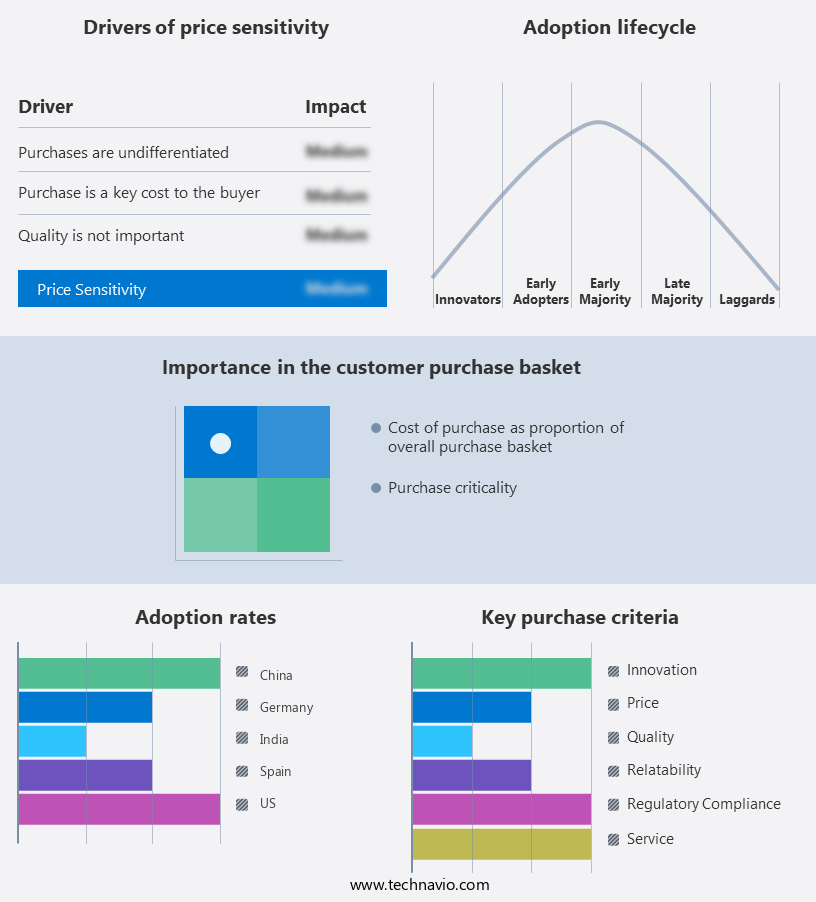
Customer Landscape of Walnut Industry
Competitive Intelligence by Technavio Analysis: Leading Players in the Walnut Market
Companies are implementing various strategies, such as strategic alliances, walnut market forecast, partnerships, mergers and acquisitions, geographical expansion, and product/service launches, to enhance their presence in the industry.
AGROMILLORA CATALANA SAU - The company specializes in cultivating and marketing a diverse range of tree varieties, including walnut and stone fruits, under the brand name Rootpac. Rootpac's offerings encompass high-quality trees that cater to both commercial and residential markets, ensuring sustainable growth and optimal yields.
The industry research and growth report includes detailed analyses of the competitive landscape of the market and information about key companies, including:
- AGROMILLORA CATALANA SAU
- Alpine Pacific Nut Co.
- Andersen and Sons Shelling Inc.
- Borges International Group SLU
- California Walnuts
- Campbell Soup Co.
- Crain Walnut Shelling LP
- Empire Nut Co. LLC
- GoldRiver Orchards Inc.
- Grower Direct Nut Co.
- Guerra Nut Shelling Co.
- Haleakala Walnut Shelling Inc.
- KASHMIR WALNUT GROUP
- Mariani Nut Co.
- Mid Valley Nut Co.
- Morada Produce Co.
- Plantabul Ltd.
- Poindexter Nut Co.
- Royal Saffron Co.
- Stahmann webster
Qualitative and quantitative analysis of companies has been conducted to help clients understand the wider business environment as well as the strengths and weaknesses of key industry players. Data is qualitatively analyzed to categorize companies as pure play, category-focused, industry-focused, and diversified; it is quantitatively analyzed to categorize companies as dominant, leading, strong, tentative, and weak.
Recent Development and News in Walnut Market
- In August 2024, the market, a leading player in the nut processing industry, announced the launch of its innovative new product line, "Walnut Butter," at the International Food Exhibition. This expansion aimed to cater to the growing demand for plant-based alternatives and healthier food options (Source: the market Press Release).
- In November 2024, the market entered into a strategic partnership with AgroTech, a leading agricultural technology company. This collaboration aimed to integrate advanced farming techniques and technology to improve walnut cultivation and yield, enhancing the market's competitive edge in the industry (Source: AgroTech Press Release).
- In March 2025, the market secured a significant investment of USD15 million in a Series B funding round led by Sustainable Ventures, a venture capital firm specializing in sustainable food and agriculture. The funds will be used to expand production capacity and support research and development initiatives (Source: the market Press Release).
- In May 2025, the European Union granted the market regulatory approval to establish its first European processing facility in Spain. This expansion marks the company's entry into the European market, expanding its global footprint and catering to the increasing demand for high-quality walnuts in Europe (Source: European Commission Press Release).
Dive into Technavio’s robust research methodology, blending expert interviews, extensive data synthesis, and validated models for unparalleled Walnut Market insights. See full methodology.
|
Market Scope |
|
|
Report Coverage |
Details |
|
Page number |
148 |
|
Base year |
2023 |
|
Historic period |
2018-2022 |
|
Forecast period |
2024-2028 |
|
Growth momentum & CAGR |
Accelerate at a CAGR of 5.97% |
|
Market growth 2024-2028 |
USD 2777.2 million |
|
Market structure |
Fragmented |
|
YoY growth 2023-2024(%) |
5.28 |
|
Key countries |
China, US, Germany, India, and Spain |
|
Competitive landscape |
Leading Companies, Market Positioning of Companies, Competitive Strategies, and Industry Risks |
Why Choose Technavio for Walnut Market Insights?
"Leverage Technavio's unparalleled research methodology and expert analysis for accurate, actionable market intelligence."
In the dynamic and evolving the market, innovation and sustainability are key drivers for success. One significant area of research and development is the optimization of nutrient uptake in walnut orchards. The impact of microbial communities on soil health is a crucial factor, as these organisms play a vital role in nutrient cycling and availability. Humic substances, derived from these microbial communities, enhance soil structure and water retention, thereby improving overall soil health and productivity. Plant growth regulators are another essential tool for walnut farmers, as they can boost yield by up to 10% through regulating plant growth and development. In arid regions, where water scarcity is a major challenge, improving water use efficiency is a priority. This can be achieved through the application of beneficial microbes, which help enhance crop resilience to drought stress and promote more efficient nutrient uptake. The use of precision agriculture techniques, such as targeted nutrient application, is another strategic approach for walnut growers. By measuring soil microbial biomass using PLFA analysis and optimizing nutrient management, farmers can ensure that resources are allocated effectively, reducing costs and improving operational efficiency. Organic amendments, such as compost and manure, have been shown to significantly improve soil quality, as assessed through 16s rRNA sequencing and other methods. Developing effective biofertilizers for specific crops, like walnuts, can further enhance nutrient availability and reduce the need for synthetic fertilizers. Mitigating abiotic stresses, such as drought and temperature extremes, through biotechnological approaches is a growing trend in the walnut industry. This can include the use of genetically modified crops, biopesticides, and other innovative solutions. For instance, the efficacy of biopesticides in field conditions has been shown to reduce pesticide use by up to 50%, while maintaining yield and ensuring regulatory compliance. In conclusion, the market is undergoing a transformation, driven by a focus on sustainability, innovation, and operational efficiency. By harnessing the power of microbial communities, humic substances, plant growth regulators, precision agriculture, organic amendments, and biotechnological approaches, walnut growers can improve nutrient uptake, water use efficiency, and crop resilience, ultimately leading to increased profitability and long-term success.
What are the Key Data Covered in this Walnut Market Research and Growth Report?
-
What is the expected growth of the Walnut Market between 2024 and 2028?
-
USD 2.78 billion, at a CAGR of 5.97%
-
-
What segmentation does the market report cover?
-
The report is segmented by Distribution Channel (Offline and Online), Type (Organic and Conventional), and Geography (APAC, Europe, North America, Middle East and Africa, and South America)
-
-
Which regions are analyzed in the report?
-
APAC, Europe, North America, Middle East and Africa, and South America
-
-
What are the key growth drivers and market challenges?
-
Rising popularity of vegan snacks among millennials, High production costs associated with walnuts
-
-
Who are the major players in the Walnut Market?
-
AGROMILLORA CATALANA SAU, Alpine Pacific Nut Co., Andersen and Sons Shelling Inc., Borges International Group SLU, California Walnuts, Campbell Soup Co., Crain Walnut Shelling LP, Empire Nut Co. LLC, GoldRiver Orchards Inc., Grower Direct Nut Co., Guerra Nut Shelling Co., Haleakala Walnut Shelling Inc., KASHMIR WALNUT GROUP, Mariani Nut Co., Mid Valley Nut Co., Morada Produce Co., Plantabul Ltd., Poindexter Nut Co., Royal Saffron Co., and Stahmann webster
-
We can help! Our analysts can customize this walnut market research report to meet your requirements.
 RIA -
RIA - 
