


Watermelon Seeds Market Size 2026-2030
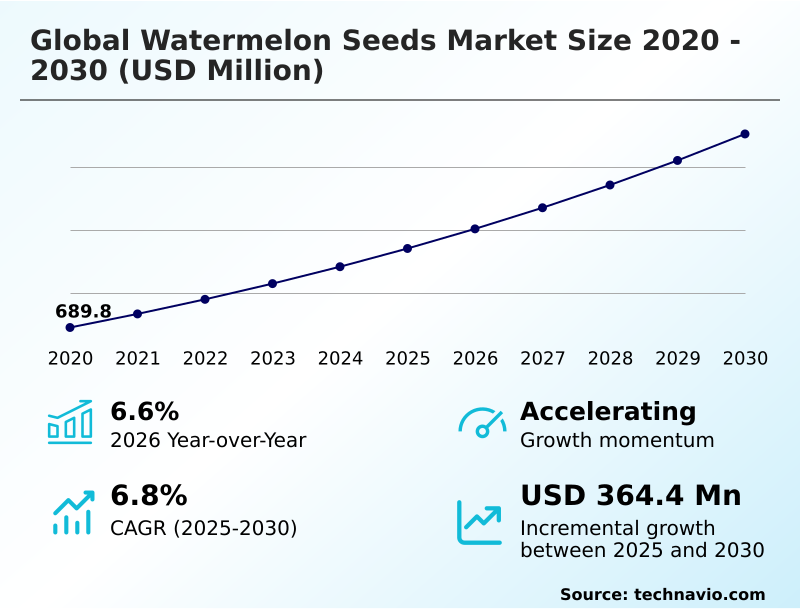
The watermelon seeds market size is valued to increase by USD 364.4 million, at a CAGR of 6.8% from 2025 to 2030. Increasing global demand for high-yield hybrid and seedless varieties will drive the watermelon seeds market.
Major Market Trends & Insights
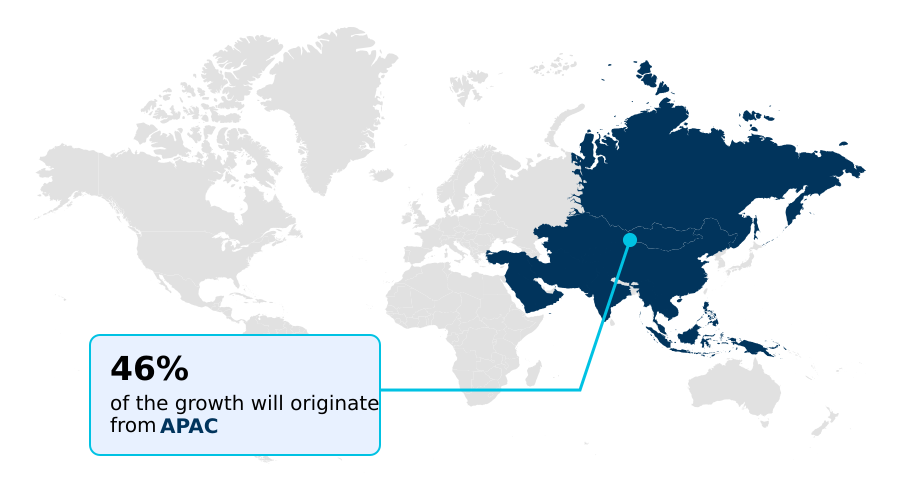
- APAC dominated the market and accounted for a 45.9% growth during the forecast period.
- By Application - Edible use segment was valued at USD 476.6 million in 2024
- By End-user - Commercial industry segment accounted for the largest market revenue share in 2024
Market Size & Forecast
- Market Opportunities: USD 615.8 million
- Market Future Opportunities: USD 364.4 million
- CAGR from 2025 to 2030 : 6.8%
Market Summary
- The watermelon seeds market is defined by a dynamic interplay between agricultural biotechnology and evolving consumer demands. The industry is rapidly moving beyond traditional open-pollinated types toward advanced hybrids engineered for specific outcomes, such as enhanced yield, uniform fruit size, and climatic resilience.
- A key business scenario involves supply chain optimization, where producers use seeds with improved rind thickness and post-harvest shelf life to reduce spoilage during long-haul transit, directly impacting profitability. Key drivers include the growing preference for seedless varieties and the application of precision breeding techniques, which involves marker-assisted selection in watermelon breeding.
- However, the industry faces challenges from emerging seed-borne pathogens and the high costs of R&D. The diversification into non-agricultural uses, such as sourcing watermelon seeds for protein flour and oil, is creating new value streams and mitigating market risks.
- Success hinges on a company's ability to innovate within citrullus lanatus genetics while navigating complex phytosanitary regulations for watermelon seeds and maintaining high germination vigor assessment standards. This focus on genetic innovation is crucial for developing drought-tolerant watermelon hybrids and meeting global food demands.
What will be the Size of the Watermelon Seeds Market during the forecast period?
Get Key Insights on Market Forecast (PDF) Get Free Sample
How is the Watermelon Seeds Market Segmented?
The watermelon seeds industry research report provides comprehensive data (region-wise segment analysis), with forecasts and estimates in "USD million" for the period 2026-2030, as well as historical data from 2020-2024 for the following segments.
- Application
- Edible use
- Agricultural use
- Others
- End-user
- Commercial industry
- Agriculture industry
- Distribution channel
- Offline
- Online
- Geography
- APAC
- China
- India
- Japan
- Europe
- Spain
- Germany
- Italy
- North America
- US
- Canada
- Mexico
- Middle East and Africa
- Turkey
- Saudi Arabia
- South Africa
- South America
- Brazil
- Argentina
- Rest of World (ROW)
- APAC
By Application Insights
The edible use segment is estimated to witness significant growth during the forecast period.
The edible use segment is evolving into a high-value market focused on nutritional applications. Innovations in plant-based protein extraction and the production of cold-pressed seed oil are driving this shift.
The demand for nutraceutical ingredient sourcing is rising, as cosmetic grade seed oil also finds use in premium personal care products. This diversification is supported by a focus on functional food development and plant-based nutritional supplements.
Techniques for food-grade seed processing ensure high quality, with one method improving the bioavailability of minerals by over 15%.
Even with a focus on modern applications like creating high-brix watermelon varieties, there is an ongoing effort in heirloom seed preservation to maintain genetic diversity, ensuring robust consumer fruit preferences for flavor are met through these value-added agricultural byproducts.
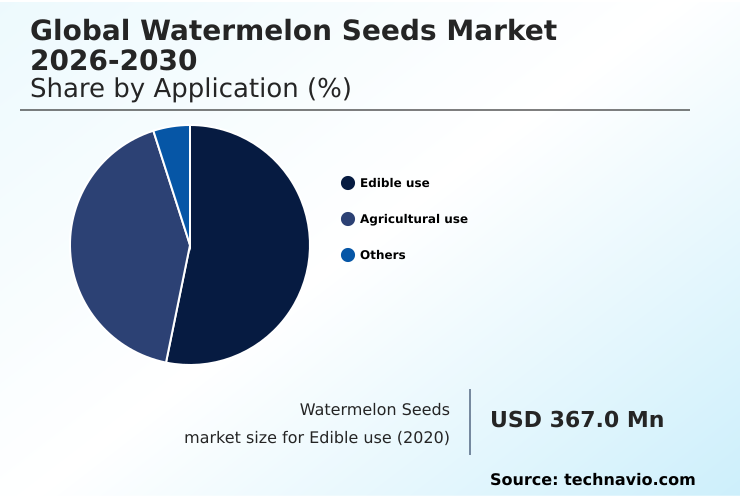
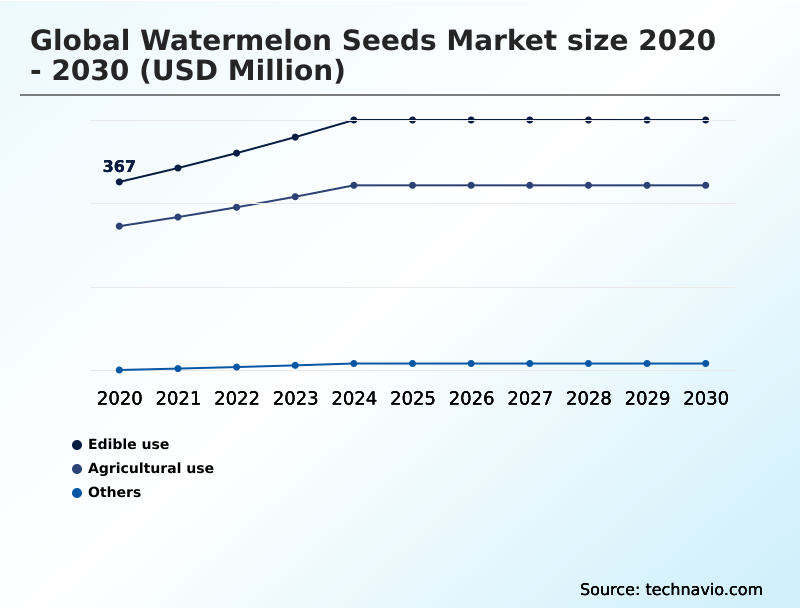
The Edible use segment was valued at USD 476.6 million in 2024 and showed a gradual increase during the forecast period.
Regional Analysis
APAC is estimated to contribute 45.9% to the growth of the global market during the forecast period.Technavio’s analysts have elaborately explained the regional trends and drivers that shape the market during the forecast period.
See How Watermelon Seeds Market Demand is Rising in APAC Get Free Sample
The geographic landscape of the market is characterized by diverse regional priorities, with APAC accounting for over 45% of incremental growth. In this region, breeding for crop resilience enhancement and soil salinity adaptation is critical for smallholder farmer empowerment.
In contrast, North American and European markets prioritize micro-watermelon development and personal-sized fruit genetics to meet retail quality standards. South America focuses on export-oriented horticulture, requiring extended post-harvest shelf life.
Across arid regions, desert farming techniques and the development of drought tolerance breeding are essential, with some adapted varieties showing a 20% improvement in water use efficiency.
Innovations in controlled-environment agriculture and tropical agriculture innovation are further enabling production in previously unsuitable climates, ensuring year-round supply.
Market Dynamics
Our researchers analyzed the data with 2025 as the base year, along with the key drivers, trends, and challenges. A holistic analysis of drivers will help companies refine their marketing strategies to gain a competitive advantage.
- The commercial focus on developing triploid seedless watermelon varieties is reshaping the industry, compelling significant investment in improving watermelon disease resistance traits. The use of marker-assisted selection in watermelon breeding has become a cornerstone of this effort, directly addressing the economic impact of fusarium wilt on crops.
- Simultaneously, new revenue streams are emerging from sourcing watermelon seeds for protein flour and capitalizing on the benefits of cold-pressed watermelon seed oil. However, navigating strict phytosanitary regulations for watermelon seeds remains a key operational challenge, particularly for exporters. The push for organic certification for hybrid watermelon seeds is gaining momentum, aligning with consumer demand for sustainable products.
- Core research continues in breeding watermelons for high brix content and optimizing watermelon cultivation in controlled environments. The application of seed coating for enhanced germination rates is proving effective, with treated seeds showing up to a 10% higher success rate in variable conditions. This is vital given the impact of climate on watermelon pollination.
- Effective strategies for managing bacterial fruit blotch in fields are also crucial for yield protection. The future lies in harnessing genomic tools for watermelon trait discovery and successfully commercializing micro-watermelon varieties. Understanding the nutritional profile of watermelon seed meal and optimizing the supply chain for export-quality watermelons are key to maximizing value.
- Overall, a commitment to sustainable practices in seed production, such as developing drought-tolerant watermelon hybrids and clarifying the role of biostimulants in seed treatment, defines the competitive landscape.
What are the key market drivers leading to the rise in the adoption of Watermelon Seeds Industry?
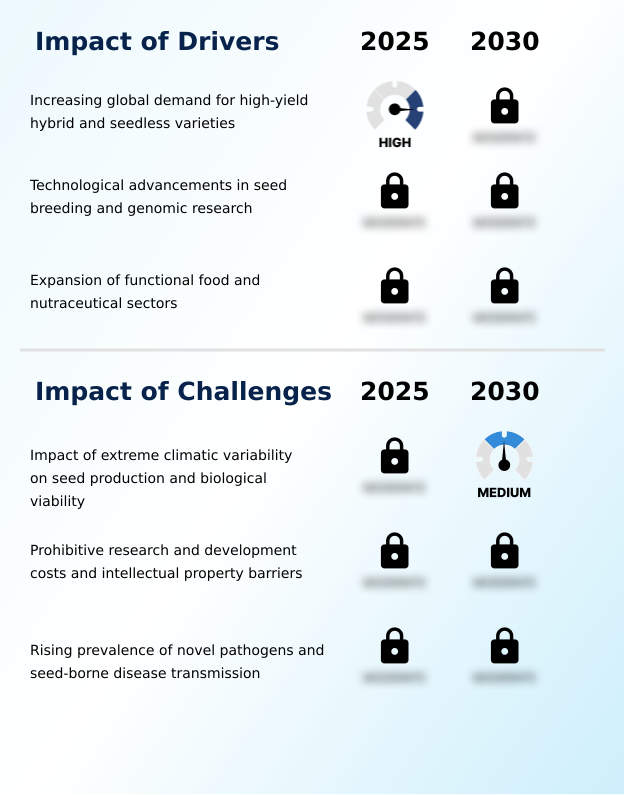
- The increasing global demand for high-yield hybrid and seedless varieties is a key driver for market growth.
- Market growth is driven by advanced horticultural biotechnology and the widespread adoption of superior hybrid seed varieties. The use of genomic mapping tools and marker-assisted selection accelerates disease resistance breeding, reducing new variety development time by over 30%.
- This precision breeding approach relies on understanding tetraploid parental lines and diploid parental lines to create high-performing offspring. Furthermore, advanced seed coating technologies enhance early-stage plant vigor.
- The integration of digital farming platforms with on-the-ground agronomic support services enables growers to maximize the potential of high-yield watermelon farming. This technological synergy optimizes the entire horticultural supply chain, ensuring consistent quality from seed to harvest.
What are the market trends shaping the Watermelon Seeds Industry?
- A rising preference for triploid and micro-watermelon varieties is an upcoming trend in the market. This shift is driven by consumer demand for convenience and portion-controlled fruit options.
- A significant trend is the adoption of sustainable seed production, driven by demand for organic seed certification and non-gmo verification. Innovations in biological seed coatings and biostimulant seed treatments are replacing synthetic chemicals, with some treatments boosting germination rates by up to 10%.
- The science behind citrullus lanatus genetics is advancing triploid seeds production, which now dominates over 70% of the market in developed regions. In parallel, greenhouse cultivation systems and vertical farming seeds are enabling urban agriculture, supporting a circular economy in agriculture.
- Breeders are also focusing on rind thickness genetics to reduce transport-related spoilage, providing a key advantage for commercial grower solutions in global logistics networks.
What challenges does the Watermelon Seeds Industry face during its growth?
- The impact of extreme climatic variability on seed production and biological viability poses a key challenge to industry growth.
- Key challenges stem from agricultural biosecurity measures and the threat of novel diseases. The need for effective seed-borne pathogen detection is critical for managing risks like bacterial fruit blotch and squash vein yellowing virus. Implementing robust anthracnose control methods and breeding for fusarium wilt resistance are ongoing priorities.
- Strict phytosanitary screening protocols can increase operational costs by up to 15%, impacting the horticultural supply chain. Moreover, climatic shifts disrupt embryo development viability, while the loss of landrace watermelon varieties reduces genetic diversity conservation. This necessitates a focus on integrated pest management and the development of climate-resilient crop development strategies to ensure long-term stability.
Exclusive Technavio Analysis on Customer Landscape
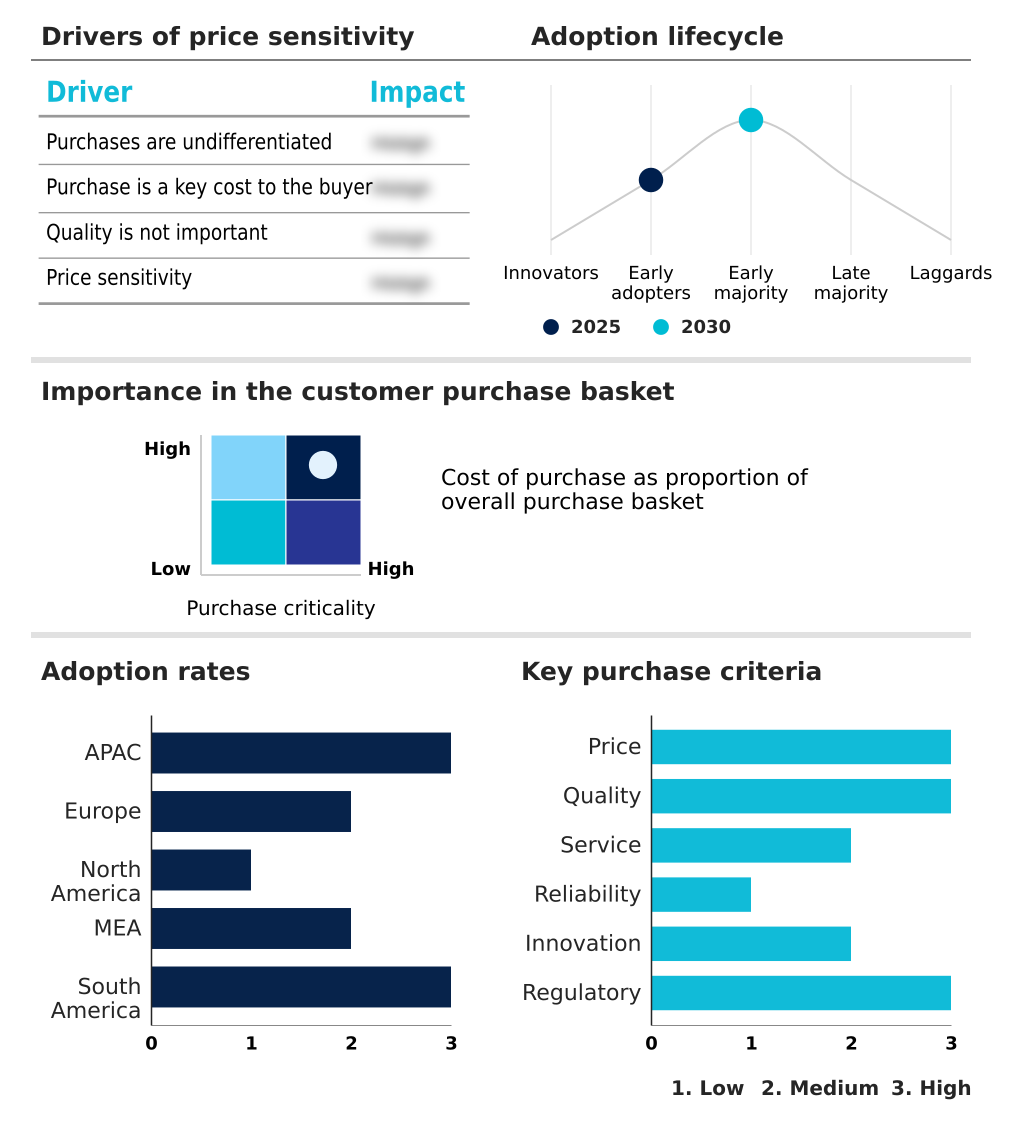
The watermelon seeds market forecasting report includes the adoption lifecycle of the market, covering from the innovator’s stage to the laggard’s stage. It focuses on adoption rates in different regions based on penetration. Furthermore, the watermelon seeds market report also includes key purchase criteria and drivers of price sensitivity to help companies evaluate and develop their market growth analysis strategies.
Customer Landscape of Watermelon Seeds Industry
Competitive Landscape
Companies are implementing various strategies, such as strategic alliances, watermelon seeds market forecast, partnerships, mergers and acquisitions, geographical expansion, and product/service launches, to enhance their presence in the industry.
Advanta Seeds - Advanced hybrid watermelon seeds engineered for specific traits, including yield, size, and disease resistance, represent a core market offering.
The industry research and growth report includes detailed analyses of the competitive landscape of the market and information about key companies, including:
- Advanta Seeds
- BASF SE
- Bayer AG
- East West Seed Group
- Enza Zaden Beheer B.V.
- Groupe Limagrain
- Hazera Seeds Ltd.
- Known You Seed Co. Ltd.
- KWS SAAT SE and Co. KGaA
- Mahyco Pvt. Ltd.
- Namdhari Seeds Pvt Ltd.
- Nuziveedu Seeds Ltd.
- Rijk Zwaan Zaadteelt Zaadhandel BV
- Sakata Seed Corp.
- Syngenta Crop Protection AG
- Taj Agro Products Ltd.
- Takii and Co. Ltd.
- Terrasoul Superfoods
- TOKITA SEED
- United Genetics Seeds Co.
Qualitative and quantitative analysis of companies has been conducted to help clients understand the wider business environment as well as the strengths and weaknesses of key industry players. Data is qualitatively analyzed to categorize companies as pure play, category-focused, industry-focused, and diversified; it is quantitatively analyzed to categorize companies as dominant, leading, strong, tentative, and weak.
Recent Development and News in Watermelon seeds market
- In August 2025, Syngenta Vegetable Seeds introduced a new series of ultra-small, seedless watermelon varieties designed specifically for high-density vertical farming and indoor agricultural setups in North America.
- In October 2025, Bayer finalized the certification of a major seeds production hub in South America as a lead facility for the production of organic-certified watermelon seeds destined for the European market.
- In November 2025, a prominent European food processing organization partnered with Limagrain to streamline the collection of watermelon seeds from industrial fruit processing plants for the production of high-protein dietary supplements.
- In March 2025, Enza Zaden expanded its research facility in Almeria, Spain, to accelerate the development of triploid watermelon seeds specifically tailored for the North American retail market.
Dive into Technavio’s robust research methodology, blending expert interviews, extensive data synthesis, and validated models for unparalleled Watermelon Seeds Market insights. See full methodology.
| Market Scope | |
|---|---|
| Page number | 293 |
| Base year | 2025 |
| Historic period | 2020-2024 |
| Forecast period | 2026-2030 |
| Growth momentum & CAGR | Accelerate at a CAGR of 6.8% |
| Market growth 2026-2030 | USD 364.4 million |
| Market structure | Fragmented |
| YoY growth 2025-2026(%) | 6.6% |
| Key countries | China, India, Japan, South Korea, Australia, Indonesia, Spain, Germany, Italy, France, UK, The Netherlands, US, Canada, Mexico, Egypt, Turkey, Nigeria, Saudi Arabia, South Africa, Brazil, Argentina and Chile |
| Competitive landscape | Leading Companies, Market Positioning of Companies, Competitive Strategies, and Industry Risks |
Research Analyst Overview
- The market's evolution is shaped by advancements in citrullus lanatus genetics for superior hybrid seed varieties. Strategic investment in disease resistance breeding, targeting fusarium wilt resistance and anthracnose control methods, is critical. The refinement of triploid seeds production, using tetraploid parental lines and diploid parental lines, ensures pollination synchronization.
- This focus mitigates risks from bacterial fruit blotch and squash vein yellowing virus through robust seed-borne pathogen detection and phytosanitary screening protocols. Firms using genomic mapping tools and marker-assisted selection for crop resilience enhancement, such as drought tolerance breeding and soil salinity adaptation, report development cycles up to 40% faster.
- Consumer-facing innovation includes high-brix watermelon varieties, personal-sized fruit genetics for micro-watermelon development, and optimizing post-harvest shelf life via rind thickness genetics. Production is enhanced by seed coating technologies, including biostimulant seed treatments and biological seed coatings, alongside organic seed certification and non-gmo verification.
- Ensuring embryo development viability and high germination vigor assessment standards remains foundational, complemented by heirloom seed preservation and byproduct utilization for plant-based protein extraction, cold-pressed seed oil, nutraceutical ingredient sourcing, and cosmetic grade seed oil.
What are the Key Data Covered in this Watermelon Seeds Market Research and Growth Report?
-
What is the expected growth of the Watermelon Seeds Market between 2026 and 2030?
-
USD 364.4 million, at a CAGR of 6.8%
-
-
What segmentation does the market report cover?
-
The report is segmented by Application (Edible use, Agricultural use, and Others), End-user (Commercial industry, and Agriculture industry), Distribution Channel (Offline, and Online) and Geography (APAC, Europe, North America, Middle East and Africa, South America)
-
-
Which regions are analyzed in the report?
-
APAC, Europe, North America, Middle East and Africa and South America
-
-
What are the key growth drivers and market challenges?
-
Increasing global demand for high-yield hybrid and seedless varieties, Impact of extreme climatic variability on seed production and biological viability
-
-
Who are the major players in the Watermelon Seeds Market?
-
Advanta Seeds, BASF SE, Bayer AG, East West Seed Group, Enza Zaden Beheer B.V., Groupe Limagrain, Hazera Seeds Ltd., Known You Seed Co. Ltd., KWS SAAT SE and Co. KGaA, Mahyco Pvt. Ltd., Namdhari Seeds Pvt Ltd., Nuziveedu Seeds Ltd., Rijk Zwaan Zaadteelt Zaadhandel BV, Sakata Seed Corp., Syngenta Crop Protection AG, Taj Agro Products Ltd., Takii and Co. Ltd., Terrasoul Superfoods, TOKITA SEED and United Genetics Seeds Co.
-
Market Research Insights
- Market dynamics are shaped by a strategic shift towards value-added offerings and operational efficiency. The adoption of precision breeding techniques has enabled producers to achieve a 15% improvement in crop uniformity, meeting stringent retail quality standards.
- Commercial grower solutions now heavily incorporate digital farming platforms and agronomic support services, which have been shown to boost yields by over 10% in certain regions. The expansion into functional food development and plant-based nutritional supplements leverages value-added agricultural byproducts, diversifying revenue.
- As export-oriented horticulture grows, so does the need for a resilient horticultural supply chain, where investments in cold storage and logistics are paramount. This push for efficiency and quality underpins the entire sector's momentum.
We can help! Our analysts can customize this watermelon seeds market research report to meet your requirements.
 RIA -
RIA - 
