


Wi-Fi Extender Market Size 2024-2028
The wi-fi extender market size is forecast to increase by USD 766.8 million, at a CAGR of 7.6% between 2023 and 2028.
- The market is experiencing significant growth, driven by the increasing development of smart cities and the rise in adoption of 3G and 4G Wi-Fi routers. These technological advancements have led to an escalating demand for reliable and uninterrupted wireless connectivity in both residential and commercial spaces. However, the market faces challenges in the form of latency issues, which can negatively impact the user experience. As smart homes and offices become more common, the need for seamless Wi-Fi coverage across larger areas will continue to fuel market expansion.
- Companies seeking to capitalize on this trend should focus on developing advanced Wi-Fi extender technologies that effectively address latency concerns and ensure consistent connectivity. Navigating these challenges and meeting the evolving demands of consumers and businesses will be crucial for market success.
What will be the Size of the Wi-Fi Extender Market during the forecast period?
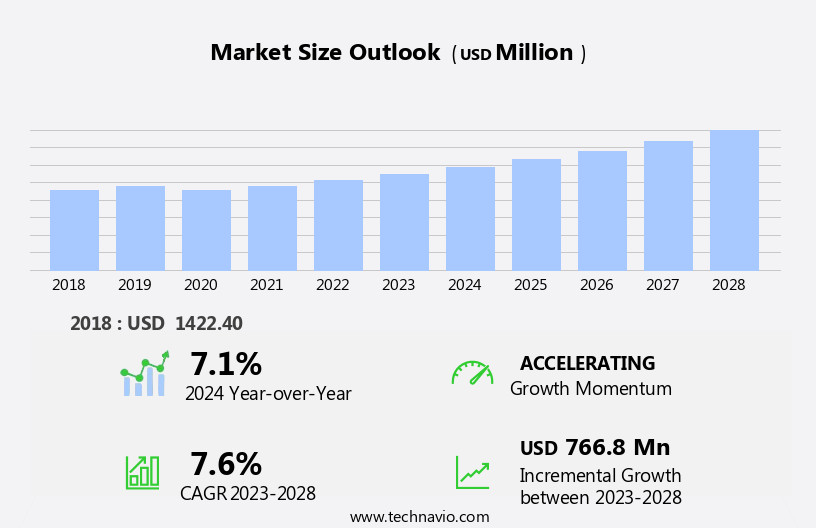
Explore in-depth regional segment analysis with market size data - historical 2018-2022 and forecasts 2024-2028 - in the full report.
Request Free Sample
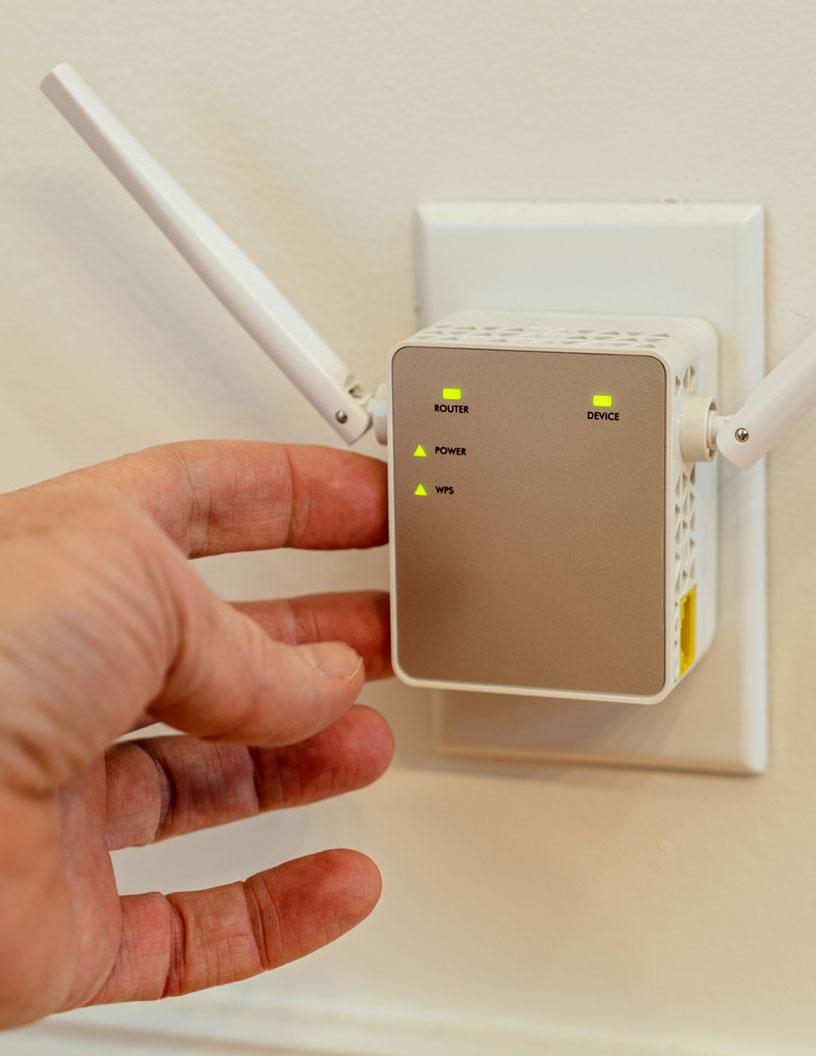
The market continues to evolve, driven by advancements in wireless technology and the expanding application landscape. Wireless repeaters extend Wi-Fi coverage, addressing connectivity issues in hard-to-reach areas. Network passwords ensure security, while mesh networking provides seamless roaming and uninterrupted connectivity. Ethernet speed and wireless standards, such as IEEE 802.11ac and IEEE 802.11ax, enable faster data transfer and improved network performance. Network diagnostics and troubleshooting tools help maintain optimal network functionality. Wireless bridges connect wired and wireless networks, expanding connectivity options. Guest networks provide secure access to visitors, and parental controls ensure online safety for families. Home automation and smart home applications integrate Wi-Fi connectivity, enhancing convenience and efficiency.
Powerline networking and gigabit Ethernet ports offer alternative wired connectivity solutions. VPN support ensures secure remote access, and network configuration tools simplify setup and management. Network security features, such as WPA2 encryption, protect against unauthorized access. Firmware updates and multi-device support ensure compatibility with the latest technology. The Wi-Fi market's continuous dynamism underscores its importance in today's interconnected world.
How is this Wi-Fi Extender Industry segmented?
The wi-fi extender industry research report provides comprehensive data (region-wise segment analysis), with forecasts and estimates in "USD million" for the period 2024-2028, as well as historical data from 2018-2022 for the following segments.
- Product Type
- Single band extenders
- Dual band extenders
- End-user
- Enterprises
- Consumers
- Geography
- North America
- US
- Canada
- Europe
- France
- Germany
- Italy
- UK
- APAC
- China
- India
- Japan
- South Korea
- Rest of World (ROW)
- North America
.
By Product Type Insights
The single band extenders segment is estimated to witness significant growth during the forecast period.
The market is experiencing notable growth, driven by the increasing demand for enhanced wireless connectivity and network coverage. Single band extenders, which operate on the 2.4 GHz frequency band, are gaining popularity due to their affordability and ability to penetrate obstacles effectively. These devices offer a cost-effective solution, with prices ranging from USD 6.3 to USD 31.48. Mesh networking technology is another trend, enabling seamless connectivity and expanding network coverage. Ethernet ports, offering speeds up to gigabit, are increasingly integrated into Wi-Fi extenders for wired connectivity. Security remains a priority, with WPA2 encryption and VPN support ensuring secure wireless connections.
Network management and diagnostics tools allow for easy configuration and troubleshooting. Guest networks provide additional security and convenience. Home automation integration and parental controls cater to the growing demand for smart homes. Dual-band Wi-Fi extenders, supporting both 2.4 GHz and 5 GHz bands, offer improved network performance and data rates. IEEE 802.11ac and IEEE 802.11ax standards ensure compatibility with the latest wireless technologies. Firmware updates maintain device functionality and performance. Multi-device support ensures seamless connectivity for multiple devices. Simultaneous dual-band technology enhances network efficiency and capacity. Wi-Fi range extenders bridge the gap between wireless dead zones and wireless access points, ensuring consistent network coverage and performance.
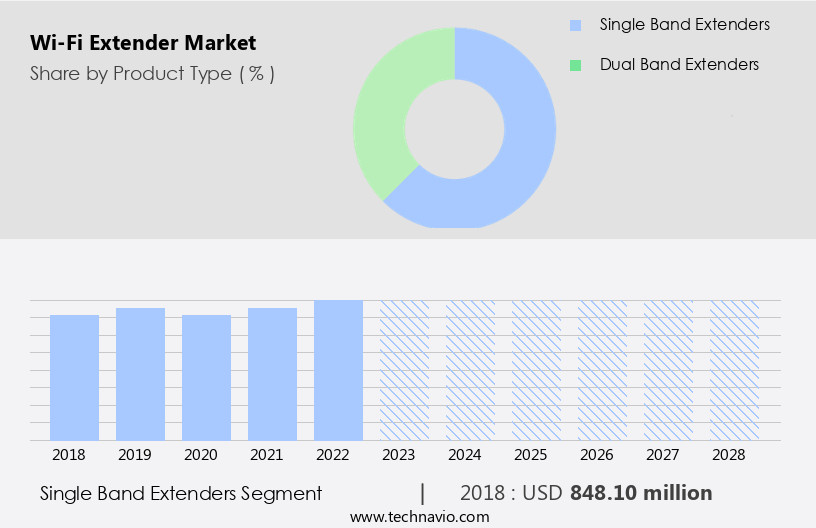
The Single band extenders segment was valued at USD 848.10 million in 2018 and showed a gradual increase during the forecast period.
Regional Analysis
North America is estimated to contribute 45% to the growth of the global market during the forecast period. Technavio's analysts have elaborately explained the regional trends and drivers that shape the market during the forecast period.
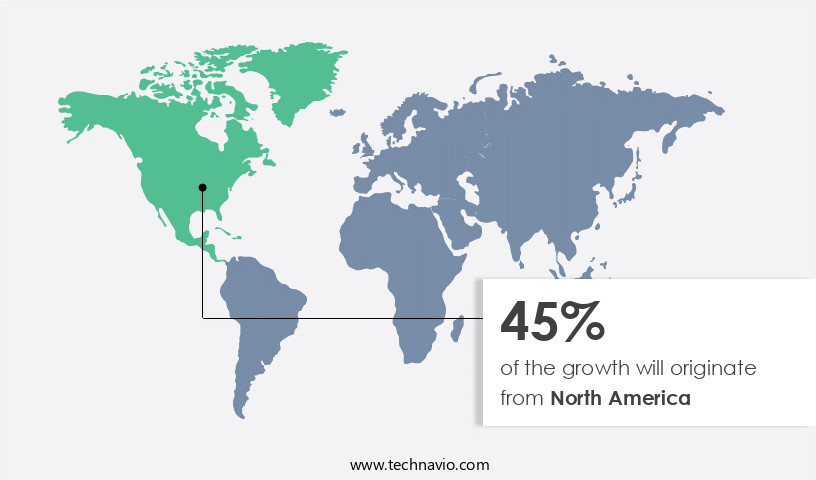
The market in North America is experiencing significant growth due to the increasing demand for uninterrupted high-speed internet connectivity. The US and Canada are the primary contributors to this market, with a large consumer base and a growing number of businesses adopting advanced technologies. The penetration of smart devices, such as smartphones, smart TVs, and digital assistants, is driving the need for robust wireless networks. Mesh networking and dual-band Wi-Fi technologies are gaining popularity for their ability to provide seamless connectivity and eliminate dead zones. Wi-Fi extenders with gigabit Ethernet ports, VPN support, and WPA2 encryption offer enhanced network security and performance.
Network management tools, diagnostics, and firmware updates enable users to optimize network performance and troubleshoot issues. Simultaneous dual-band and IEEE 802.11ac and 802.11ax standards ensure high data rates and efficient network coverage. Enterprises are adopting Wi-Fi extenders to support multi-device connectivity and improve network coverage for their employees and customers. Home automation and smart home applications are also fueling the demand for Wi-Fi extenders, as they require reliable and high-speed internet connectivity. Powerline networking and wireless bridge technologies offer alternative solutions for extending Wi-Fi coverage in larger homes and offices. Parental controls and guest network features provide additional security and convenience for home and business users.
The market in North America is expected to continue its growth trajectory due to the increasing demand for reliable and high-performance wireless connectivity.
Market Dynamics
Our researchers analyzed the data with 2023 as the base year, along with the key drivers, trends, and challenges. A holistic analysis of drivers will help companies refine their marketing strategies to gain a competitive advantage.
What are the key market drivers leading to the rise in the adoption of Wi-Fi Extender Industry?
- The significant advancement in the development of smart cities serves as the primary catalyst for market growth.
- In the contemporary business landscape, the demand for reliable and high-performing Wi-Fi networks is on the rise, particularly in public spaces. The proliferation of smart devices and the increasing need for seamless connectivity have fueled this trend. One solution to address the issue of weak signal strength in large buildings or public spaces is the use of Wi-Fi extenders. These devices enhance the coverage and data rate of wireless routers, ensuring consistent connectivity for multiple devices. Wi-Fi extenders come with various features such as dual-band Wi-Fi, firmware updates, and multi-device support. Dual-band Wi-Fi allows the device to operate on two frequency bands, increasing the available bandwidth and reducing interference.
- Firmware updates ensure that the extender remains compatible with the latest wireless standards and security protocols. Multi-device support enables multiple devices to connect simultaneously, catering to the growing number of connected devices in businesses. The next generation of Wi-Fi technology, IEEE 802.11ax, also known as Wi-Fi 6, promises higher data rates, improved signal strength, and better battery life for devices. Wi-Fi extenders compatible with Wi-Fi 6 will provide businesses with future-proof solutions to meet their connectivity needs. Wireless security is another crucial factor that businesses consider when investing in Wi-Fi extenders. Ensuring the security of the network is essential to protect sensitive business data and prevent unauthorized access.
- Wi-Fi extenders come with various security features such as WPA2 encryption, MAC filtering, and guest network access. In conclusion, the increasing demand for reliable and high-performing Wi-Fi networks in public spaces and businesses will continue to drive the growth of the market. The ability of Wi-Fi extenders to enhance signal strength, support multiple devices, and provide advanced features such as dual-band Wi-Fi and wireless security makes them an essential investment for businesses looking to provide seamless connectivity to their employees and customers.
What are the market trends shaping the Wi-Fi Extender Industry?
- The increasing preference for 3G and 4G Wi-Fi routers signifies a notable market trend. These advanced routers enable faster internet connectivity and higher data transfer rates, making them a popular choice among consumers and businesses alike.
- The market is experiencing significant growth due to the increasing demand for wireless connectivity and the need for extended coverage areas in both residential and commercial applications. Wi-Fi extenders, also known as wireless repeaters, enhance the range and strength of existing wireless networks by repeating the signal from the main router. This technology is particularly beneficial in larger homes or offices where the wireless signal may not reach every corner. One key factor driving the market is the growing preference for wireless networking over wired alternatives. With the increasing use of smartphones, tablets, and laptops, the need for seamless and uninterrupted wireless connectivity is becoming essential.
- Wi-Fi extenders offer a cost-effective solution for improving wireless coverage without the need for expensive wired solutions such as Ethernet. Another factor contributing to the growth of the market is the increasing popularity of mesh networking. Mesh networking allows multiple Wi-Fi extenders to work together to create a seamless and expansive wireless network. This technology is ideal for large homes or offices where traditional Wi-Fi extenders may not provide sufficient coverage. Wi-Fi extenders also offer other features such as network diagnostics, wireless bridge capabilities, and the ability to create guest networks. These features add to the convenience and functionality of the devices, making them an attractive option for consumers and businesses alike.
- Furthermore, the ongoing advancements in wireless standards, such as 5G, are expected to further boost the market growth. The faster wireless speeds offered by these standards will require robust and reliable wireless connectivity solutions, making Wi-Fi extenders an essential component of wireless networks. In conclusion, the market is expected to witness steady growth during the forecast period due to the increasing demand for wireless connectivity, the need for extended coverage areas, and the ongoing advancements in wireless technology. Wi-Fi extenders offer a cost-effective and convenient solution for enhancing wireless coverage and functionality, making them an essential component of modern wireless networks.
What challenges does the Wi-Fi Extender Industry face during its growth?
- Latency issues represent a significant challenge to the industry's growth, as they can hinder productivity, negatively impact user experience, and limit the potential for innovation in technology-driven fields.
- The market is witnessing significant growth due to the increasing demand for uninterrupted internet connectivity, particularly in areas with poor network quality. Home automation systems and powerline networking are driving the market, as they require seamless and high-speed internet connectivity to function optimally. Consumers are seeking solutions to extend their Wi-Fi range and improve network performance, especially in suburban areas and highways where network quality is subpar. A gigabit Ethernet port and IEEE 802.11ac technology are essential features in Wi-Fi extenders, ensuring high-speed internet connectivity and efficient data transfer. VPN support and network configuration options provide additional security and flexibility to users.
- Network security is a crucial factor in the market, as consumers prioritize protecting their devices and data. The challenge of low internet speeds and latency is impacting the consumer segment, as they require reliable and fast internet connectivity for various applications, including streaming, gaming, and video conferencing. Wi-Fi range extenders offer a cost-effective solution to improve network performance and extend coverage, making them an attractive option for both residential and commercial applications.
Exclusive Customer Landscape
The wi-fi extender market forecasting report includes the adoption lifecycle of the market, covering from the innovator's stage to the laggard's stage. It focuses on adoption rates in different regions based on penetration. Furthermore, the wi-fi extender market report also includes key purchase criteria and drivers of price sensitivity to help companies evaluate and develop their market growth analysis strategies.
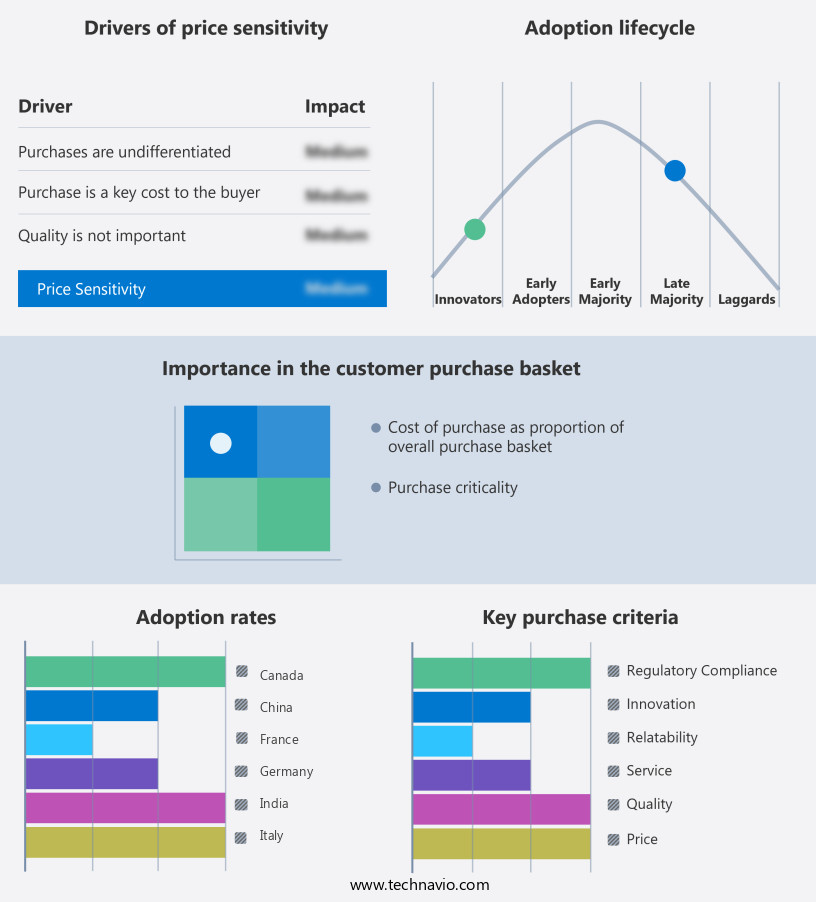
Customer Landscape
Key Companies & Market Insights
Companies are implementing various strategies, such as strategic alliances, wi-fi extender market forecast, partnerships, mergers and acquisitions, geographical expansion, and product/service launches, to enhance their presence in the industry.
Amped Wireless - This company specializes in Wi-Fi solutions, providing extenders that enhance current AiMesh networks.
The industry research and growth report includes detailed analyses of the competitive landscape of the market and information about key companies, including:
- Amped Wireless
- ASUSTeK Computer Inc.
- Belkin International Inc.
- BT Group Plc
- Cisco Systems Inc.
- D Link Corp.
- Hawking Technologies Inc.
- Hewlett Packard Enterprise Co.
- Huawei Technologies Co. Ltd.
- Motorola Mobility LLC
- NETGEAR Inc.
- Nextivity Inc.
- Shenzhen Chuanluan Technology Co. Ltd.
- Shenzhen Tenda Technology Co. Ltd.
- Shure Inc.
- Spark NZ
- TP Link Corp. Ltd.
- TRENDnet Inc.
- Xiaomi Inc.
- Zyxel Communications Corp.
Qualitative and quantitative analysis of companies has been conducted to help clients understand the wider business environment as well as the strengths and weaknesses of key industry players. Data is qualitatively analyzed to categorize companies as pure play, category-focused, industry-focused, and diversified; it is quantitatively analyzed to categorize companies as dominant, leading, strong, tentative, and weak.
Recent Development and News in Wi-Fi Extender Market
- In February 2023, TP-Link, a leading Wi-Fi extender manufacturer, introduced the RE505XG, a new Wi-Fi 6 extender that promises faster speeds and improved coverage (TP-Link Press Release). This development marks a significant advancement in Wi-Fi extender technology, aligning with the growing demand for high-speed internet solutions.
- In June 2024, Google and Amazon announced a partnership to integrate Google's Nest Wifi system with Amazon's Alexa voice assistant, allowing users to control their Wi-Fi extenders using voice commands (Google Blog). This strategic collaboration has expanded the capabilities of both companies' offerings, enhancing user experience and convenience.
- In October 2024, Plume, a leading Wi-Fi solutions provider, secured a USD100 million funding round, led by Temasek, to expand its global presence and accelerate product development (Plume Press Release). This substantial investment underscores the growing demand for advanced Wi-Fi solutions and Plume's commitment to innovation.
- In January 2025, the Federal Communications Commission (FCC) approved new regulations to make it mandatory for Wi-Fi extenders to display their coverage area and signal strength, ensuring consumers make informed purchasing decisions (FCC Press Release). This regulatory development aims to improve transparency and consumer satisfaction within the market.
Research Analyst Overview
- The market is witnessing significant growth, driven by the increasing demand for network coverage enhancement and optimization. Network scanners and wireless network monitoring tools are essential for identifying performance issues and potential network security threats. Cable modems and DSL modems serve as the foundation for broadband internet connections, while Ethernet adapters and USB ports provide wired connectivity. Fiber optic technology offers high-speed internet connectivity, necessitating the need for network optimization and range extension solutions. Multi-room audio systems and home theater setups require robust network performance for seamless streaming. Network intrusion detection and prevention systems ensure network security against malware protection and network intrusion threats.
- Wireless routers' compatibility with various wireless adapters, powerline adapters, and network analyzers is crucial for maintaining optimal network performance. Signal boosting and range extension technologies extend network coverage to hard-to-reach areas, making remote work more efficient. Network security threats continue to evolve, necessitating ongoing network optimization and security measures.
Dive into Technavio's robust research methodology, blending expert interviews, extensive data synthesis, and validated models for unparalleled Wi-Fi Extender Market insights. See full methodology.
|
Market Scope |
|
|
Report Coverage |
Details |
|
Page number |
183 |
|
Base year |
2023 |
|
Historic period |
2018-2022 |
|
Forecast period |
2024-2028 |
|
Growth momentum & CAGR |
Accelerate at a CAGR of 7.6% |
|
Market growth 2024-2028 |
USD 766.8 million |
|
Market structure |
Fragmented |
|
YoY growth 2023-2024(%) |
7.1 |
|
Key countries |
US, Canada, China, Japan, Germany, India, South Korea, UK, France, and Italy |
|
Competitive landscape |
Leading Companies, Market Positioning of Companies, Competitive Strategies, and Industry Risks |
What are the Key Data Covered in this Wi-Fi Extender Market Research and Growth Report?
- CAGR of the Wi-Fi Extender industry during the forecast period
- Detailed information on factors that will drive the growth and forecasting between 2024 and 2028
- Precise estimation of the size of the market and its contribution of the industry in focus to the parent market
- Accurate predictions about upcoming growth and trends and changes in consumer behaviour
- Growth of the market across North America, Europe, APAC, South America, and Middle East and Africa
- Thorough analysis of the market's competitive landscape and detailed information about companies
- Comprehensive analysis of factors that will challenge the wi-fi extender market growth of industry companies
We can help! Our analysts can customize this wi-fi extender market research report to meet your requirements.
 RIA -
RIA - 
