
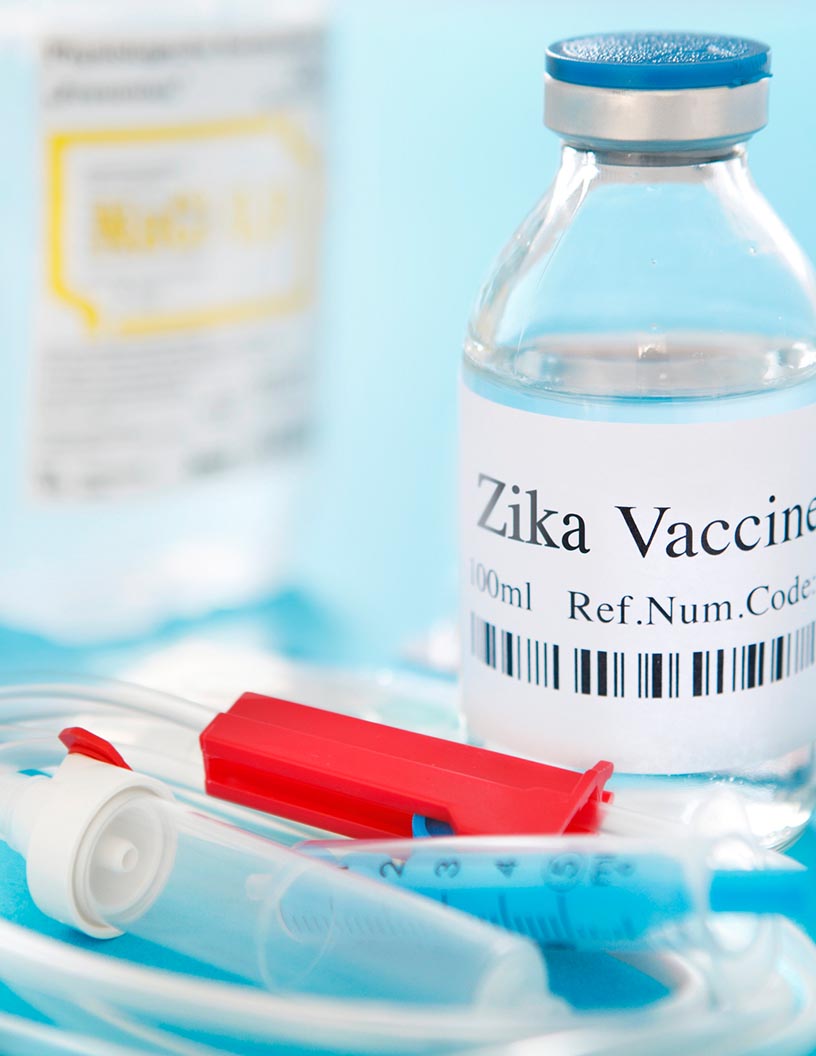


Zika Virus Therapeutics Market Size 2024-2028
The zika virus therapeutics market size is forecast to increase by USD 4.17 billion at a CAGR of 4.5% between 2023 and 2028.
- The market is experiencing significant growth due to several key factors. One of the primary drivers is the availability of serology kits for the qualitative diagnosis of Zika virus infection. This allows for early detection and treatment of the disease, which is crucial given the asymptomatic nature of the infection in many cases. Additionally, increasing efforts by both government and private organizations to facilitate vaccine development are contributing to market growth. The lack of effective treatments and vaccines for Zika virus infection presents a significant challenge, but ongoing research and development efforts are expected to lead to new therapeutic options in the near future. Overall, the market is poised for substantial growth In the coming years as the global community continues to grapple with this emerging infectious disease.
What will be the Size of the Market During the Forecast Period?

- The market represents a significant response to the global health concern posed by the Zika virus, primarily transmitted by Aedes mosquitoes. The virus is associated with severe birth defects, including microcephaly, and can also be contracted through sexual contact from an infected partner. The clinical manifestations of Zika virus infection include rash, malaise, headache, low-grade fever, and arthralgia. As of now, there are no approved vaccines or specific antiviral drugs for treating Zika virus infections.
- These efforts include the development of small molecule inhibitors and other therapeutic approaches. The Zika virus market is expected to grow substantially due to the ongoing epidemic and the high unmet medical need for effective treatments. Additionally, the potential cross-reactive applications of Zika virus therapeutics in other mosquito-borne diseases, such as dengue, malaria, typhoid, and pneumonia, further expand the market's scope.
How is this Zika Virus Therapeutics Industry segmented and which is the largest segment?
The zika virus therapeutics industry research report provides comprehensive data (region-wise segment analysis), with forecasts and estimates in "USD billion" for the period 2024-2028, as well as historical data from 2018-2022 for the following segments.
- Product
- Acetaminophen
- Other NSAIDs
- Geography
- North America
- Canada
- US
- Europe
- Denmark
- Asia
- China
- India
- Rest of World (ROW)
- North America
By Product Insights
- The acetaminophen segment is estimated to witness significant growth during the forecast period.
Zika virus, a mosquito-borne infection from the Flavivirus family, is linked to severe birth defects, primarily microcephaly and congenital disabilities. The primary mode of transmission is through the bite of Aedes mosquitoes, but sexual contact can also spread the virus to the mother and fetus. Acetaminophen, a common analgesic and antipyretic, is used for symptomatic relief of fever, rash, malaise, headache, arthralgia, and pruritic maculopapular rashes. As a first-line therapy for pain conditions, acetaminophen is the most widely used medication. Its antipyretic effect helps reduce fever associated with Zika virus infection. However, potential treatments for Zika virus infection go beyond symptomatic relief.
Researchers are exploring small molecule inhibitors, such as Emricasan, which exhibits antiviral activity against Zika virus in laboratory studies by inhibiting host protein caspase-8 and blocking viral replication. Drug development processes involve safety and efficacy clinical trials for potential treatment options, addressing viral resistance development, broader efficacy, and safety profile. Novel drug targets and therapeutic approaches are being investigated, along with repurposing existing drugs. Market segmentation includes oral, injection, antiviral medications, vaccines, and medical diagnostic testing for severe cases. Driving factors include public health concerns, neurological complications, and commercial opportunities. Reimbursement policies and advances in technology, such as computational modeling and genomic analysis, are also crucial aspects of the market.

Get a glance at the Zika Virus Therapeutics Industry report of share of various segments Request Free Sample
The acetaminophen segment was valued at USD 8.2 billion in 2018 and showed a gradual increase during the forecast period.
Regional Analysis
- Asia is estimated to contribute 35% to the growth of the global market during the forecast period.
Technavio's analysts have elaborately explained the regional trends and drivers that shape the market during the forecast period.

For more insights on the market share of various regions, Request Free Sample
The market in North America is experiencing substantial growth due to the increasing public health concerns surrounding Zika virus infections, which have been linked to severe birth defects, including microcephaly, and neurological complications. The primary mode of transmission is through the bite of Aedes mosquitoes, but sexual contact can also transmit the virus to the mother and fetus. To combat this, researchers are exploring potential treatments, such as small molecule inhibitors like Emricasan, which exhibit antiviral activity against Zika virus in laboratory studies by targeting host proteins, such as caspase-8, and inhibiting viral replication. However, the emergence of drug-resistant strains necessitates continuous clinical trials to ensure safety and efficacy, making potential treatment options a complex and evolving landscape.
Further, the drug development process involves rigorous safety profiling, optimal dosing regimens, and human trials to assess effectiveness. The market is segmented into various categories, including oral, injection, antiviral medications, vaccines, and diagnostic testing. Key players in the market include companies specializing in gastrointestinal tract, immune system, hospital, homecare, and clinic services, catering to severe cases requiring medical intervention for symptomatic relief and supportive care. Driving factors include public health concerns, advances in technology, and commercial opportunities. However, ethical considerations, patient recruitment difficulties, and endpoint selection pose challenges In the development of effective treatment strategies. Zika virus outbreaks continue to occur globally, necessitating ongoing research and innovation to address this pressing health concern.
Market Dynamics
Our researchers analyzed the data with 2023 as the base year, along with the key drivers, trends, and challenges. A holistic analysis of drivers will help companies refine their marketing strategies to gain a competitive advantage.
What are the key market drivers leading to the rise in the adoption of Zika Virus Therapeutics Industry?
The availability of serology kit for qualitative diagnosis of zika virus infection is the key driver of the market.
- The market has experienced significant developments, with InBios International Inc. Securing approval for their ZIKV Detect 2.0 IgM Capture enzyme-linked immunosorbent assay (ELISA) for diagnosing Zika virus immunoglobulin M (IgM) antibodies in human serum. This test, which is widely used for Zika diagnostic tests in various settings, is authorized for emergency use under the US Food and Drug Administration's (FDA) Emergency Use Authorization (EUA) guidelines. IgM antibodies are produced by the immune system upon exposure to the Zika virus, and their detection is crucial for diagnosing recent infections. As the market for Zika virus therapeutics continues to evolve, potential treatments under investigation include small molecule inhibitors like Emricasan, which exhibits antiviral activity against Zika virus in laboratory studies by targeting host proteins, such as caspase-8, involved in viral replication and host factors.
- However, the emergence of drug-resistant strains necessitates ongoing clinical trials to assess safety and efficacy, as well as broader efficacy and optimal dosing regimens. Novel drug targets and therapeutic approaches, such as repurposing existing drugs, are also being explored In the drug development process. Market segmentation includes various treatment modalities, such as oral, injection, antiviral medications, vaccines, and supportive care. Driving factors for the market include public health concerns related to neurological complications, such as microcephaly and congenital disabilities, as well as advances in technology, such as computational modeling and genomic analysis, which help bridge gaps in understanding Zika virus biology, transmission dynamics, and pathogenesis.
What are the market trends shaping the Zika Virus Therapeutics Industry?
Increasing efforts by government and private organizations to facilitate vaccine development is the upcoming market trend.
- The Zika virus, transmitted primarily by Aedes mosquitoes, can cause severe birth defects, including microcephaly and congenital disabilities, upon infection during pregnancy. While there is currently no approved vaccine for Zika virus infection, efforts to develop potential treatments are underway. One potential treatment option is Emricasan, a small molecule inhibitor with antiviral activity in laboratory studies. This compound inhibits the host protein caspase-8, which is essential for viral replication, and has shown effectiveness in preclinical studies against drug-resistant strains. Clinical trials for Emricasan's safety and efficacy are ongoing, with a focus on optimizing dosing regimens for both mother and fetus.
- Other therapeutic approaches include repurposing existing drugs, broadening their efficacy against Zika virus, and advancing through the drug development process. The market is segmented into various treatment modalities, such as oral, injection, antiviral medications, and vaccines. Antiviral medications target the gastrointestinal tract, while vaccines stimulate the immune system to provide protection against the virus. Hospital, homecare, clinic, and severe cases may require medical intervention for symptomatic relief and supportive care. Diagnostic testing, follow-up care, and public health concerns related to the virus outbreaks continue to drive market growth. Effective drug targets and treatment strategies, as well as advances in technology such as computational modeling and genomic analysis, are also contributing factors
What challenges does the Zika Virus Therapeutics Industry face during its growth?
The asymptomatic nature of the infection is a key challenge affecting the industry growth.
- The Zika virus infection, transmitted primarily by Aedes mosquitoes, can lead to severe birth defects, including microcephaly and congenital disabilities. However, the lack of clear symptoms in a significant portion of infected individuals, estimated to be around 80%, poses challenges in diagnosing and treating the virus. This asymptomatic nature of the infection results in underdiagnosis and decreased incidence rates, creating uncertainty in transmission dynamics and control interventions. Although there are potential treatments In the drug market, such as the small molecule inhibitor Emricasan, which exhibits antiviral activity against virus in laboratory studies, the development of drug-resistant strains and the need for broader efficacy against related viruses like Dengue, Malaria, Typhoid, and Pneumonia necessitate continuous research.
- The drug development process involves safety and efficacy evaluations in human trials, raw material sourcing, patient recruitment, and approval and commercialization. Ethical considerations and patient recruitment difficulties, such as endpoint selection and outbreaks, pose challenges In the development of novel drug targets and therapeutic approaches. Treatment modalities include antiviral medications, vaccines, and supportive care. Symptomatic relief through medications like acetaminophen is common, while medical intervention is required for severe cases. Diagnostic testing and follow-up care are essential components of treatment. Market segmentation includes Oral, Injection, antiviral medications, vaccines, and diagnostic testing. The therapeutic market is driven by public health concerns and neurological complications, creating commercial opportunities and the need for advances in technology, such as computational modeling and genomic analysis, to address gaps in understanding biology and transmission dynamics.
Exclusive Customer Landscape
The market forecasting report includes the adoption lifecycle of the market, covering from the innovator's stage to the laggard's stage. It focuses on adoption rates in different regions based on penetration. Furthermore, the market report also includes key purchase criteria and drivers of price sensitivity to help companies evaluate and develop their market growth analysis strategies.

Customer Landscape
Key Companies & Market Insights
Companies are implementing various strategies, such as strategic alliances, market forecast, partnerships, mergers and acquisitions, geographical expansion, and product/service launches, to enhance their presence In the industry.
The industry research and growth report includes detailed analyses of the competitive landscape of the market and information about key companies, including:
- Aurobindo Pharma Ltd.
- Bharat Biotech Ltd.
- BioVaxys Technology Corp.
- Emergent BioSolutions Inc.
- GeoVax Labs Inc.
- Granules India Ltd.
- Inovio Pharmaceuticals Inc.
- Johnson and Johnson Services Inc.
- Merck and Co. Inc.
- Moderna Inc.
- Perrigo Co. Plc
- Sun Pharmaceutical Industries Ltd.
- Takeda Pharmaceutical Co. Ltd.
- Valneva SE
Qualitative and quantitative analysis of companies has been conducted to help clients understand the wider business environment as well as the strengths and weaknesses of key industry players. Data is qualitatively analyzed to categorize companies as pure play, category-focused, industry-focused, and diversified; it is quantitatively analyzed to categorize companies as dominant, leading, strong, tentative, and weak.
Research Analyst Overview
The Zika virus, transmitted primarily by Aedes mosquitoes, has gained significant attention due to its association with severe birth defects, including microcephaly and other neurological complications. The potential for infection to impact the developing fetus through sexual contact or pregnancy has raised concerns for public health and spurred research into potential treatments. The therapeutic market is currently undergoing dynamic developments as researchers explore various treatment modalities. Small molecule inhibitors, such as emricasan, have shown antiviral activity in laboratory studies by targeting host proteins involved in viral replication. These compounds have demonstrated caspase-8 inhibition, which is crucial for viral replication, and have shown potential in inhibiting in vitro.
Despite these promising findings, challenges remain In the drug development process. The emergence of drug-resistant strains necessitates the exploration of broader efficacy and the repurposing of existing drugs. The safety and efficacy of potential treatment options must be thoroughly evaluated through clinical trials, with careful consideration given to safety profiles, optimal dosing regimens, and effectiveness in human trials. Raw materials and patient recruitment are essential components of the drug development process. Ensuring patient safety and adherence to regulatory guidelines are crucial for approval and commercialization. Novel drug targets and therapeutic approaches continue to be explored, with an emphasis on antiviral medications, vaccines, and supportive care for severe cases.
In addition, the market segmentation for therapeutics includes oral and injection-based medications, antiviral medications for the gastrointestinal tract, vaccines, and supportive care in hospitals, clinics, and homecare settings. Treatment options extend beyond symptomatic relief, with a focus on addressing the underlying pathogenesis and transmission dynamics of the virus. Related viruses, such as dengue, malaria, typhoid, and pneumonia, share similarities with the Zika virus and may benefit from advances in technology, including computational modeling and genomic analysis. Gaps in understanding the biology and transmission dynamics necessitate ongoing research and collaboration between scientific communities. Public health concerns and commercial opportunities continue to drive the development of therapeutics.
|
Market Scope |
|
|
Report Coverage |
Details |
|
Page number |
144 |
|
Base year |
2023 |
|
Historic period |
2018-2022 |
|
Forecast period |
2024-2028 |
|
Growth momentum & CAGR |
Accelerate at a CAGR of 4.5% |
|
Market Growth 2024-2028 |
USD 4.17 billion |
|
Market structure |
Concentrated |
|
YoY growth 2023-2024(%) |
4.23 |
|
Key countries |
US, Denmark, China, Canada, and India |
|
Competitive landscape |
Leading Companies, Market Positioning of Companies, Competitive Strategies, and Industry Risks |
What are the Key Data Covered in this Market Research and Growth Report?
- CAGR of the industry during the forecast period
- Detailed information on factors that will drive the market growth and forecasting between 2024 and 2028
- Precise estimation of the size of the market and its contribution of the industry in focus to the parent market
- Accurate predictions about upcoming growth and trends and changes in consumer behaviour
- Growth of the market across North America, Europe, Asia, and Rest of World (ROW)
- Thorough analysis of the market's competitive landscape and detailed information about companies
- Comprehensive analysis of factors that will challenge the market growth of industry companies
We can help! Our analysts can customize this market research report to meet your requirements.
 RIA -
RIA - 
