

Addisons Disease Therapeutics Market Analysis North America, Europe, Asia, Rest of World (ROW) - US, Germany, UK, Japan, Canada - Size and Forecast 2024-2028

Addisons Disease Therapeutics Market Analysis North America, Europe, Asia, Rest of World (ROW) - US, Germany, UK, Japan, Canada - Size and Forecast 2024-2028

Published: Aug 2024 166 Pages SKU: IRTNTR46656

Market Overview at a Glance

$442.4 Mn
Market Opportunity
6.59%
CAGR
6.07
YoY growth 2023-2024(%)

Addisons Disease Therapeutics Market Size 2024-2028

The addisons disease therapeutics market size is forecast to increase by USD 442.4 million at a CAGR of 6.59% between 2023 and 2028.

  • Addison's Disease, a chronic and rare endocrine disorder, necessitates continuous medical attention due to its debilitating symptoms. The Addison's Disease Therapeutics Market for this condition is witnessing significant growth, driven by several factors, including the rise of telemedicine and digital health. One such factor is the expansion of research into the development of regenerative therapies. This innovative approach aims to replace the damaged cells In the adrenal glands, thereby offering a potential cure for Addison's Disease. Another growth factor is the increasing number of special drug designations for Addison's Disease treatments. These designations facilitate expedited regulatory approval processes, enabling faster access to effective therapies for patients. However, the delayed diagnosis of Addison's Disease remains a significant challenge, as it often leads to misdiagnosis and inappropriate treatment. This, in turn, increases the disease burden and healthcare costs. Despite these challenges, the market is expected to grow steadily, driven by unmet medical needs and ongoing research efforts.

What will be the Size of the Addisons Disease Therapeutics Market During the Forecast Period?
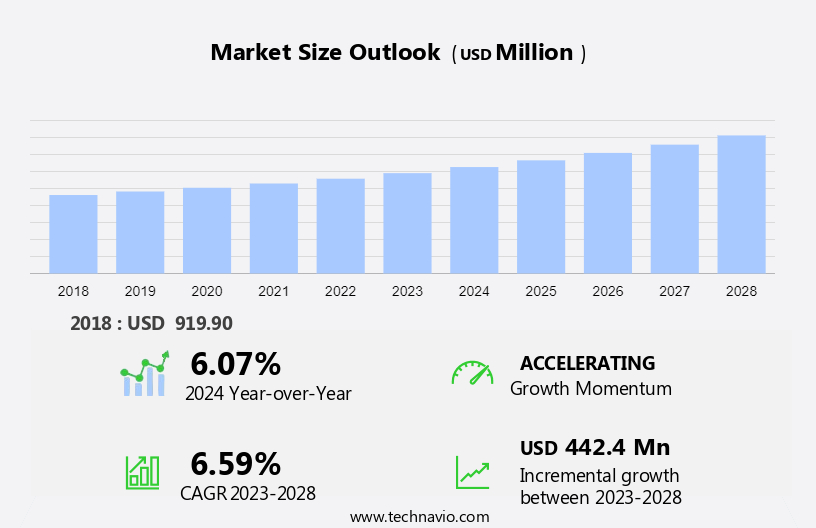
Addisons Disease Therapeutics Market Size

 Request Free Sample

  • The market caters to the unmet needs of chronic disease patients suffering from disorders of the adrenal system, specifically Addison's disease. This condition affects the functioning of the organ systems responsible for producing essential hormones, leading to symptoms such as extreme fatigue, salt cravings, abdominal pains, nausea, and lightheadedness, among others. The market is driven by the increasing prevalence of these disorders and the growing demand for effective treatments. The therapeutic landscape for Addison's disease includes various indications, with hormone replacement therapy being a primary treatment approach. Hospitals, ambulatory surgical centers, and office-based clinics are key end-users In the market.
  • Central sleep apnea and obstructive sleep apnea are common comorbidities associated with Addison's disease, further expanding the market scope. The market is witnessing significant pipeline activity, with several potential treatments in various stages of development. The need for effective treatments for acute active infections and the prevention of the Addisonian crisis is a major focus for market participants. The market is not limited to healthcare businesses but also includes non-healthcare entities that cater to the unique needs of Addison's disease patients. Despite advancements In the field, challenges persist, including the need for personalized treatment approaches and the potential for severe gastrointestinal problems and hyperpigmentation as side effects of current treatments.

How is this Addisons Disease Therapeutics Industry segmented and which is the largest segment?

The industry research report provides comprehensive data (region-wise segment analysis), with forecasts and estimates in "USD million" for the period 2024-2028, as well as historical data from 2018-2022 for the following segments.

  • Therapy
    • Oral drugs
    • Parenteral drugs
  • End-user
    • Hospitals and clinics
    • Diagnostic laboratories
  • Geography
    • North America
      • Canada
      • US
    • Europe
      • Germany
      • UK
    • Asia
      • Japan
    • Rest of World (ROW)

By Therapy Insights

  • The oral drugs segment is estimated to witness significant growth during the forecast period.

The oral segment holds a significant market share In the market due to its ease of administration and good patient compliance. Corticosteroids, including hydrocortisone, prednisone, methylprednisone, and fludrocortisone acetate, are commonly used medications for treating adrenal insufficiency. Factors such as the wide availability and ease of administration contribute to the segment's growth. Although generic drugs dominate the market, the introduction of reformulated versions of existing corticosteroid preparations is anticipated to accelerate the segment's expansion. Chronic disease patients, including those with Addisons disease, often face challenges such as canceled or postponed appointments, underdiagnosis, and acute active infections leading to hospitalization. Rising incidences of adrenal insufficiency and growing awareness of the disease are also driving market growth.

However, lack of awareness and the inability to diagnose Addisons disease in its early stages remain significant challenges. Effective treatment is crucial to prevent adrenal crises, which can be life-threatening. The pipeline analysis of innovative drugs, including Recorlev, Levoketoconazole, Tildacerfont, and others, is expected to provide new treatment options for patients. The regulatory framework and rising healthcare expenditure are also influencing market growth. Adrenal tuberculosis, a rare form of tuberculosis affecting the adrenal gland, is a significant indication for the market. Diurnal, a healthcare infrastructure company, focuses on developing hormone replacement therapies for adrenal disorders. The adrenal gland, responsible for producing hormones such as cortisol, aldosterone, and androgens, can be damaged due to autoimmune disorders, infections, or other causes.
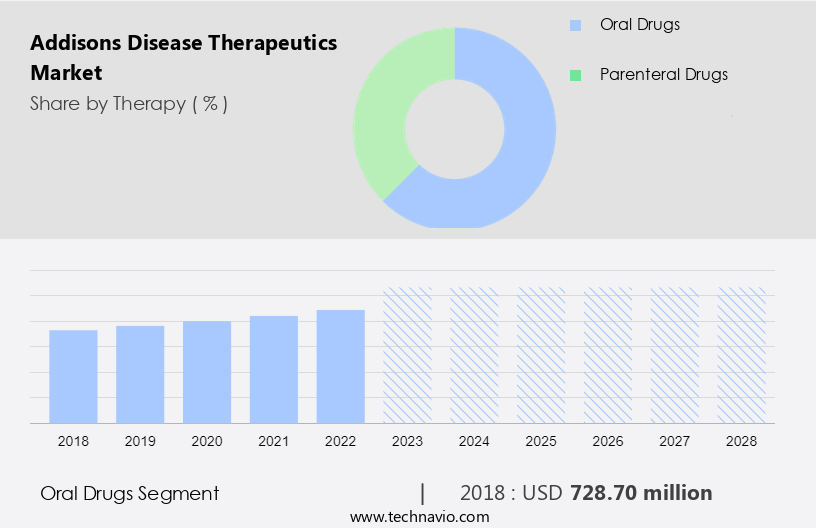
Addisons Disease Therapeutics Market Size

Get a glance at the  Addisons Disease Therapeutics Industry report of share of various segments Request Free Sample

The oral drugs segment was valued at USD 728.70 million in 2018 and showed a gradual increase during the forecast period.

Regional Analysis

  • North America is estimated to contribute 41% to the growth of the global market during the forecast period.

Technavio's analysts have elaborately explained the regional trends and drivers that shape the market during the forecast period.
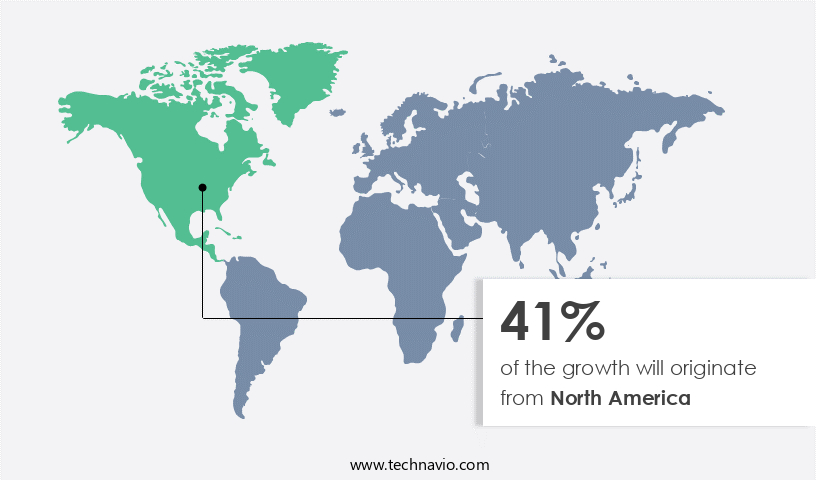
Addisons Disease Therapeutics Market Share by Geography

For more insights on the market share of various regions, Request Free Sample

Addison's disease, an endocrine disorder affecting the adrenal gland and resulting in adrenal insufficiency, is gaining significant attention due to rising incidences and growing awareness. Chronic disease patients experience various symptoms such as extreme fatigue, salt craving, abdominal pains, nausea, and Addisonian crisis. Adrenal gland damage can be caused by autoimmune disorders, infections, or tuberculosis, including adrenal tuberculosis. The adrenal system, responsible for producing hormones like cortisol, aldosterone, and androgens, can be affected by various organ systems, leading to acute active infection and hospitalization. The lack of awareness and inability to diagnose Addison disease in its early stages can result in canceled or postponed appointments, underdiagnosis, and adrenal crises.

The market is witnessing growth due to rising healthcare expenditure, innovative drugs, and pipeline analysis. Pharmaceutical companies are developing effective treatment medications, such as corticosteroids like hydrocortisone, prednisone, methylprednisone, and fludrocortisone acetate. Biotech companies are also exploring vaccine development and vaccine candidates, such as hydroxychloroquine, for Addison disease. The regulatory framework is supportive of new drug approvals, with fast-track designation for drugs like Recorlev and Levoketoconazole. Drug delivery systems, genetic testing, and biomarker identification are also being explored to improve patient compliance and outcomes.

Market Dynamics

Our researchers analyzed the data with 2023 as the base year, along with the key drivers, trends, and challenges. A holistic analysis of drivers will help companies refine their marketing strategies to gain a competitive advantage.

What are the key market drivers leading to the rise In the adoption of Addisons Disease Therapeutics Industry?

Special drug designations is the key driver of the market.

  • Addison's Disease, an endocrine disorder characterized by adrenal insufficiency, affects a small population, making it a rare disease. Chronic disease patients suffering from this condition experience symptoms such as extreme fatigue, salt cravings, abdominal pains, nausea, and Addisonian crisis. The disease can be caused by damage to the adrenal gland due to autoimmune disorders, infections, or tuberculosis. However, underdiagnosis remains a significant issue due to the lack of awareness and inability to diagnose in its early stages.
  • Effective treatment for Addison's Disease includes hormone replacement therapy with corticosteroids such as hydrocortisone, prednisone, methylprednisone, fludrocortisone acetate, and aldosterone. In some cases, adrenal cortex hypertrophy due to long-term steroid use can lead to granulomas and adrenal crises. The oral segment holds a significant market share In the market, with companies developing innovative drugs using drug delivery systems and genetic testing for better patient compliance and outcomes. The rising incidences of tuberculosis cases and latent tuberculosis infection can lead to adrenal tuberculosis, a significant cause of Addison's Disease.
  •  

What are the market trends shaping the Addisons Disease Therapeutics Industry?

Expanding research into the development of regenerative therapy is the upcoming market trend.

  • Addison's Disease, a chronic adrenal system disorder, affects the organ systems that produce hormones essential for the body's response to stress and maintaining normal blood pressure. Acute active infections or canceled/postponed appointments can lead to undiagnosed cases, resulting in adrenal insufficiency and potential adrenal crises. The disease is more prevalent in rare disease patients, with rising incidences and growing awareness leading to increased healthcare expenditure. Tuberculosis cases and latent tuberculosis infection are common causes of Addison's disease due to adrenal tuberculosis. Effective treatment involves hormone replacement therapy, including corticosteroids such as hydrocortisone, prednisone, methylprednisone, and fludrocortisone acetate. However, the long-term use of these medications can lead to side effects like muscle weakness, weight loss, and fatigue.
  • To address these challenges, researchers are focusing on regenerative therapies, such as hormonal disorder treatments like Recorlev, Levoketoconazole, Tildacerfont, and Hormone replacement therapy. These innovative drugs aim to reduce the duration of treatment and minimize side effects. The regulatory framework for these treatments is evolving, with Fast Track designation and Drug delivery systems like Antares Pharma's Vai auto-injector platform. The market for Addison's Disease therapeutics is significant, with pharmaceutical companies investing in pipeline analysis and vaccine development for various indications, including Central Sleep and Obstructive Sleep Apnea. The market is expected to grow due to rising healthcare expenditure, increasing awareness, and the need for effective treatments for chronic diseases.

What challenges does the Addisons Disease Therapeutics Industry face during its growth?

Delayed diagnosis is a key challenge affecting the industry's growth.

  • Addison's disease, a chronic condition affecting the adrenal system, can lead to significant health complications due to the deficiency of cortisol and mineralocorticoids. This endocrine disorder, which primarily affects rare disease patients, can manifest with subtle and nonspecific symptoms such as hyperpigmentation, fatigue, anorexia, orthostasis, nausea, muscle and joint pain, and salt cravings. The gradual onset of these symptoms often results in misdiagnosis, with the disease being mistaken for other conditions. Diagnostic delays can occur at various levels, including the patient, primary care, or secondary care, leading to increased morbidity and mortality due to adrenal crises. The lack of awareness about the disease and its symptoms, as well as the inability to diagnose it promptly, contribute to its underdiagnosis.
  • The rising incidences of Addison's disease and growing awareness of the condition are driving the demand for effective treatment medications. The therapeutic market for Addison's disease includes various treatment options such as hydrocortisone, prednisone, methylprednisone, fludrocortisone acetate, and cortisol and aldosterone replacement therapies. The oral segment holds a significant market share, with corticosteroids being the most commonly used medications. However, the high costs and self-reacting autoimmune cells pose challenges to patient compliance and outcomes. The pipeline analysis of Addison's disease therapeutics includes innovative drugs from various pharmaceutical companies. The regulatory framework for these drugs is evolving, with some receiving Fast Track designation and others undergoing clinical trials.

Exclusive Customer Landscape

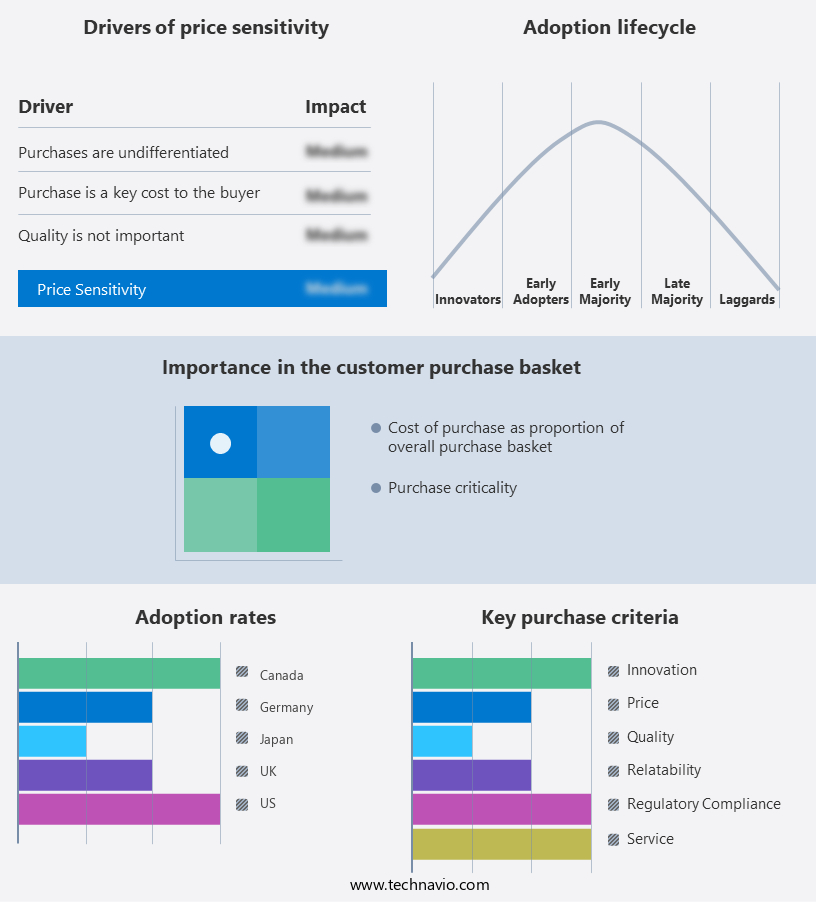
The market forecasting report includes the adoption lifecycle of the market, covering from the innovator's stage to the laggard's stage. It focuses on adoption rates in different regions based on penetration. Furthermore, the market report also includes key purchase criteria and drivers of price sensitivity to help companies evaluate and develop their market growth analysis strategies.
Addisons Disease Therapeutics Market Share by Geography

 Customer Landscape

Key Companies & Market Insights

Companies are implementing various strategies, such as strategic alliances, addisons disease therapeutics market forecast, partnerships, mergers and acquisitions, geographical expansion, and product/service launches, to enhance their presence In the industry.

The industry research and growth report includes detailed analyses of the competitive landscape of the market and information about key companies, including:

  • Abbott Laboratories
  • Actiza Pharmaceutical Pvt. Ltd.
  • Akorn Operating Co LLC
  • Amgen Inc.
  • Amneal Pharmaceuticals Inc.
  • Bayer AG
  • Bio Techne Corp.
  • Biogen Inc.
  • Boehringer Ingelheim International GmbH
  • Bristol Myers Squibb Co.
  • BTL Biotechno Labs Pvt. Ltd.
  • Eli Lilly and Co.
  • GlaxoSmithKline Plc
  • Hikma Pharmaceuticals Plc
  • Lupin Ltd.
  • Merck and Co. Inc.
  • Neurocrine Biosciences Inc.
  • Novartis AG
  • Pfizer Inc.
  • Takeda Pharmaceutical Co. Ltd.

Qualitative and quantitative analysis of companies has been conducted to help clients understand the wider business environment as well as the strengths and weaknesses of key industry players. Data is qualitatively analyzed to categorize companies as pure play, category-focused, industry-focused, and diversified; it is quantitatively analyzed to categorize companies as dominant, leading, strong, tentative, and weak.

Research Analyst Overview

Addison's disease, an endocrine disorder characterized by the malfunctioning of the adrenal glands, results in a deficiency of cortisol and aldosterone. This condition can significantly impact an individual's metabolism, immune function, and blood pressure. The disease can manifest in various symptoms, including extreme fatigue, salt cravings, abdominal pains, nausea, and weight loss. The therapeutic market for Addison's disease is driven by several factors. The growing awareness of rare diseases and chronic conditions has led to an increasing focus on effective treatment options. Moreover, the rising healthcare expenditure and the need for hormone replacement therapy have fueled the demand for innovative drugs in this space.

Moreover, the market dynamics of Addison's disease therapeutics are influenced by several factors. The lack of awareness and inability to diagnose the condition in its early stages can lead to complications, including adrenal crises. The disease's complex nature and the need for personalized treatment regimens make it a challenging therapeutic area. The therapeutic landscape for Addison's disease includes various treatment options. Corticosteroids, such as hydrocortisone, prednisone, and methylprednisone, are commonly used to replace the deficient cortisol. Mineralocorticoids, like fludrocortisone acetate, are used to replace aldosterone. Androgens and other medications may also be used to manage symptoms. The market is witnessing significant growth due to the development of innovative drugs.

Despite the progress being made In the development of new treatments, several challenges persist. The high costs of treatment and reimbursement policies can limit access to care for some patients. The self-reacting autoimmune cells that contribute to the disease can make treatment challenging, and drug misuse can further complicate matters.

Market Scope

Report Coverage

Details

Page number

166

Base year

2023

Historic period

2018-2022

Forecast period

2024-2028

Growth momentum & CAGR

Accelerate at a CAGR of 6.59%

Market Growth 2024-2028

USD 442.4 million

Market structure

Fragmented

YoY growth 2023-2024(%)

6.07

Key countries

US, Germany, UK, Japan, and Canada

Competitive landscape

Leading Companies, Market Positioning of Companies, Competitive Strategies, and Industry Risks

Request Free Sample

What are the Key Data Covered in this Market Research and Growth Report?

  • CAGR of the industry during the forecast period
  • Detailed information on factors that will drive the market growth and forecasting between 2024 and 2028
  • Precise estimation of the size of the market and its contribution of the industry in focus to the parent market
  • Accurate predictions about upcoming growth and trends and changes in consumer behaviour
  • Growth of the market across North America, Europe, Asia, and Rest of World (ROW)
  • Thorough analysis of the market's competitive landscape and detailed information about companies
  • Comprehensive analysis of factors that will challenge the market growth of industry companies

We can help! Our analysts can customize this market research report to meet your requirements.

Get in touch

1 Executive Summary

  • 1.1 Market overview
    • Executive Summary - Chart on Market Overview
    • Executive Summary - Data Table on Market Overview
    • Executive Summary - Chart on Global Market Characteristics
    • Executive Summary - Chart on Market by Geography
    • Executive Summary - Chart on Market Segmentation by Therapy
    • Executive Summary - Chart on Market Segmentation by End-user
    • Executive Summary - Chart on Incremental Growth
    • Executive Summary - Data Table on Incremental Growth
    • Executive Summary - Chart on Company Market Positioning

2 Market Landscape

  • 2.1 Market ecosystem
    • Parent Market
    • Data Table on - Parent Market
  • 2.2 Market characteristics
    • Market characteristics analysis
  • 2.3 Value chain analysis
    • Value Chain Analysis

3 Market Sizing

  • 3.1 Market definition
    • Offerings of companies included in the market definition
  • 3.2 Market segment analysis
    • Market segments
  • 3.3 Market size 2023
    • 3.4 Market outlook: Forecast for 2023-2028
      • Chart on Global - Market size and forecast 2023-2028 ($ million)
      • Data Table on Global - Market size and forecast 2023-2028 ($ million)
      • Chart on Global Market: Year-over-year growth 2023-2028 (%)
      • Data Table on Global Market: Year-over-year growth 2023-2028 (%)

    4 Historic Market Size

    • 4.1 Global Addisons Disease Therapeutics Market 2018 - 2022
      • Historic Market Size - Data Table on Global Addisons Disease Therapeutics Market 2018 - 2022 ($ million)
    • 4.2 Therapy segment analysis 2018 - 2022
      • Historic Market Size - Therapy Segment 2018 - 2022 ($ million)
    • 4.3 End-user segment analysis 2018 - 2022
      • Historic Market Size - End-user Segment 2018 - 2022 ($ million)
    • 4.4 Geography segment analysis 2018 - 2022
      • Historic Market Size - Geography Segment 2018 - 2022 ($ million)
    • 4.5 Country segment analysis 2018 - 2022
      • Historic Market Size - Country Segment 2018 - 2022 ($ million)

    5 Five Forces Analysis

    • 5.1 Five forces summary
      • Five forces analysis - Comparison between 2023 and 2028
    • 5.2 Bargaining power of buyers
      • Bargaining power of buyers - Impact of key factors 2023 and 2028
    • 5.3 Bargaining power of suppliers
      • Bargaining power of suppliers - Impact of key factors in 2023 and 2028
    • 5.4 Threat of new entrants
      • Threat of new entrants - Impact of key factors in 2023 and 2028
    • 5.5 Threat of substitutes
      • Threat of substitutes - Impact of key factors in 2023 and 2028
    • 5.6 Threat of rivalry
      • Threat of rivalry - Impact of key factors in 2023 and 2028
    • 5.7 Market condition
      • Chart on Market condition - Five forces 2023 and 2028

    6 Market Segmentation by Therapy

    • 6.1 Market segments
      • Chart on Therapy - Market share 2023-2028 (%)
      • Data Table on Therapy - Market share 2023-2028 (%)
    • 6.2 Comparison by Therapy
      • Chart on Comparison by Therapy
      • Data Table on Comparison by Therapy
    • 6.3 Oral drugs - Market size and forecast 2023-2028
      • Chart on Oral drugs - Market size and forecast 2023-2028 ($ million)
      • Data Table on Oral drugs - Market size and forecast 2023-2028 ($ million)
      • Chart on Oral drugs - Year-over-year growth 2023-2028 (%)
      • Data Table on Oral drugs - Year-over-year growth 2023-2028 (%)
    • 6.4 Parenteral drugs - Market size and forecast 2023-2028
      • Chart on Parenteral drugs - Market size and forecast 2023-2028 ($ million)
      • Data Table on Parenteral drugs - Market size and forecast 2023-2028 ($ million)
      • Chart on Parenteral drugs - Year-over-year growth 2023-2028 (%)
      • Data Table on Parenteral drugs - Year-over-year growth 2023-2028 (%)
    • 6.5 Market opportunity by Therapy
      • Market opportunity by Therapy ($ million)
      • Data Table on Market opportunity by Therapy ($ million)

    7 Market Segmentation by End-user

    • 7.1 Market segments
      • Chart on End-user - Market share 2023-2028 (%)
      • Data Table on End-user - Market share 2023-2028 (%)
    • 7.2 Comparison by End-user
      • Chart on Comparison by End-user
      • Data Table on Comparison by End-user
    • 7.3 Hospitals and clinics - Market size and forecast 2023-2028
      • Chart on Hospitals and clinics - Market size and forecast 2023-2028 ($ million)
      • Data Table on Hospitals and clinics - Market size and forecast 2023-2028 ($ million)
      • Chart on Hospitals and clinics - Year-over-year growth 2023-2028 (%)
      • Data Table on Hospitals and clinics - Year-over-year growth 2023-2028 (%)
    • 7.4 Diagnostic laboratories - Market size and forecast 2023-2028
      • Chart on Diagnostic laboratories - Market size and forecast 2023-2028 ($ million)
      • Data Table on Diagnostic laboratories - Market size and forecast 2023-2028 ($ million)
      • Chart on Diagnostic laboratories - Year-over-year growth 2023-2028 (%)
      • Data Table on Diagnostic laboratories - Year-over-year growth 2023-2028 (%)
    • 7.5 Market opportunity by End-user
      • Market opportunity by End-user ($ million)
      • Data Table on Market opportunity by End-user ($ million)

    8 Customer Landscape

    • 8.1 Customer landscape overview
      • Analysis of price sensitivity, lifecycle, customer purchase basket, adoption rates, and purchase criteria

    9 Geographic Landscape

    • 9.1 Geographic segmentation
      • Chart on Market share by geography 2023-2028 (%)
      • Data Table on Market share by geography 2023-2028 (%)
    • 9.2 Geographic comparison
      • Chart on Geographic comparison
      • Data Table on Geographic comparison
    • 9.3 North America - Market size and forecast 2023-2028
      • Chart on North America - Market size and forecast 2023-2028 ($ million)
      • Data Table on North America - Market size and forecast 2023-2028 ($ million)
      • Chart on North America - Year-over-year growth 2023-2028 (%)
      • Data Table on North America - Year-over-year growth 2023-2028 (%)
    • 9.4 Europe - Market size and forecast 2023-2028
      • Chart on Europe - Market size and forecast 2023-2028 ($ million)
      • Data Table on Europe - Market size and forecast 2023-2028 ($ million)
      • Chart on Europe - Year-over-year growth 2023-2028 (%)
      • Data Table on Europe - Year-over-year growth 2023-2028 (%)
    • 9.5 Asia - Market size and forecast 2023-2028
      • Chart on Asia - Market size and forecast 2023-2028 ($ million)
      • Data Table on Asia - Market size and forecast 2023-2028 ($ million)
      • Chart on Asia - Year-over-year growth 2023-2028 (%)
      • Data Table on Asia - Year-over-year growth 2023-2028 (%)
    • 9.6 Rest of World (ROW) - Market size and forecast 2023-2028
      • Chart on Rest of World (ROW) - Market size and forecast 2023-2028 ($ million)
      • Data Table on Rest of World (ROW) - Market size and forecast 2023-2028 ($ million)
      • Chart on Rest of World (ROW) - Year-over-year growth 2023-2028 (%)
      • Data Table on Rest of World (ROW) - Year-over-year growth 2023-2028 (%)
    • 9.7 US - Market size and forecast 2023-2028
      • Chart on US - Market size and forecast 2023-2028 ($ million)
      • Data Table on US - Market size and forecast 2023-2028 ($ million)
      • Chart on US - Year-over-year growth 2023-2028 (%)
      • Data Table on US - Year-over-year growth 2023-2028 (%)
    • 9.8 Germany - Market size and forecast 2023-2028
      • Chart on Germany - Market size and forecast 2023-2028 ($ million)
      • Data Table on Germany - Market size and forecast 2023-2028 ($ million)
      • Chart on Germany - Year-over-year growth 2023-2028 (%)
      • Data Table on Germany - Year-over-year growth 2023-2028 (%)
    • 9.9 UK - Market size and forecast 2023-2028
      • Chart on UK - Market size and forecast 2023-2028 ($ million)
      • Data Table on UK - Market size and forecast 2023-2028 ($ million)
      • Chart on UK - Year-over-year growth 2023-2028 (%)
      • Data Table on UK - Year-over-year growth 2023-2028 (%)
    • 9.10 Japan - Market size and forecast 2023-2028
      • Chart on Japan - Market size and forecast 2023-2028 ($ million)
      • Data Table on Japan - Market size and forecast 2023-2028 ($ million)
      • Chart on Japan - Year-over-year growth 2023-2028 (%)
      • Data Table on Japan - Year-over-year growth 2023-2028 (%)
    • 9.11 Canada - Market size and forecast 2023-2028
      • Chart on Canada - Market size and forecast 2023-2028 ($ million)
      • Data Table on Canada - Market size and forecast 2023-2028 ($ million)
      • Chart on Canada - Year-over-year growth 2023-2028 (%)
      • Data Table on Canada - Year-over-year growth 2023-2028 (%)
    • 9.12 Market opportunity by geography
      • Market opportunity by geography ($ million)
      • Data Tables on Market opportunity by geography ($ million)

    10 Drivers, Challenges, and Opportunity/Restraints

    • 10.1 Market drivers
      • 10.2 Market challenges
        • 10.3 Impact of drivers and challenges
          • Impact of drivers and challenges in 2023 and 2028
        • 10.4 Market opportunities/restraints

          11 Competitive Landscape

          • 11.1 Overview
            • 11.2 Competitive Landscape
              • Overview on criticality of inputs and factors of differentiation
            • 11.3 Landscape disruption
              • Overview on factors of disruption
            • 11.4 Industry risks
              • Impact of key risks on business

            12 Competitive Analysis

            • 12.1 Companies profiled
              • Companies covered
            • 12.2 Market positioning of companies
              • Matrix on companies position and classification
            • 12.3 Abbott Laboratories
              • Abbott Laboratories - Overview
              • Abbott Laboratories - Business segments
              • Abbott Laboratories - Key news
              • Abbott Laboratories - Key offerings
              • Abbott Laboratories - Segment focus
            • 12.4 Actiza Pharmaceutical Pvt. Ltd.
              • Actiza Pharmaceutical Pvt. Ltd. - Overview
              • Actiza Pharmaceutical Pvt. Ltd. - Product / Service
              • Actiza Pharmaceutical Pvt. Ltd. - Key offerings
            • 12.5 Akorn Operating Co LLC
              • Akorn Operating Co LLC - Overview
              • Akorn Operating Co LLC - Product / Service
              • Akorn Operating Co LLC - Key offerings
            • 12.6 Amgen Inc.
              • Amgen Inc. - Overview
              • Amgen Inc. - Product / Service
              • Amgen Inc. - Key news
              • Amgen Inc. - Key offerings
            • 12.7 Amneal Pharmaceuticals Inc.
              • Amneal Pharmaceuticals Inc. - Overview
              • Amneal Pharmaceuticals Inc. - Business segments
              • Amneal Pharmaceuticals Inc. - Key news
              • Amneal Pharmaceuticals Inc. - Key offerings
              • Amneal Pharmaceuticals Inc. - Segment focus
            • 12.8 Bayer AG
              • Bayer AG - Overview
              • Bayer AG - Business segments
              • Bayer AG - Key news
              • Bayer AG - Key offerings
              • Bayer AG - Segment focus
            • 12.9 Bristol Myers Squibb Co.
              • Bristol Myers Squibb Co. - Overview
              • Bristol Myers Squibb Co. - Product / Service
              • Bristol Myers Squibb Co. - Key news
              • Bristol Myers Squibb Co. - Key offerings
            • 12.10 Eli Lilly and Co.
              • Eli Lilly and Co. - Overview
              • Eli Lilly and Co. - Product / Service
              • Eli Lilly and Co. - Key news
              • Eli Lilly and Co. - Key offerings
            • 12.11 GlaxoSmithKline Plc
              • GlaxoSmithKline Plc - Overview
              • GlaxoSmithKline Plc - Business segments
              • GlaxoSmithKline Plc - Key news
              • GlaxoSmithKline Plc - Key offerings
              • GlaxoSmithKline Plc - Segment focus
            • 12.12 Hikma Pharmaceuticals Plc
              • Hikma Pharmaceuticals Plc - Overview
              • Hikma Pharmaceuticals Plc - Business segments
              • Hikma Pharmaceuticals Plc - Key news
              • Hikma Pharmaceuticals Plc - Key offerings
              • Hikma Pharmaceuticals Plc - Segment focus
            • 12.13 Merck and Co. Inc.
              • Merck and Co. Inc. - Overview
              • Merck and Co. Inc. - Business segments
              • Merck and Co. Inc. - Key news
              • Merck and Co. Inc. - Key offerings
              • Merck and Co. Inc. - Segment focus
            • 12.14 Neurocrine Biosciences Inc.
              • Neurocrine Biosciences Inc. - Overview
              • Neurocrine Biosciences Inc. - Product / Service
              • Neurocrine Biosciences Inc. - Key offerings
            • 12.15 Novartis AG
              • Novartis AG - Overview
              • Novartis AG - Business segments
              • Novartis AG - Key news
              • Novartis AG - Key offerings
              • Novartis AG - Segment focus
            • 12.16 Pfizer Inc.
              • Pfizer Inc. - Overview
              • Pfizer Inc. - Product / Service
              • Pfizer Inc. - Key news
              • Pfizer Inc. - Key offerings
            • 12.17 Takeda Pharmaceutical Co. Ltd.
              • Takeda Pharmaceutical Co. Ltd. - Overview
              • Takeda Pharmaceutical Co. Ltd. - Product / Service
              • Takeda Pharmaceutical Co. Ltd. - Key news
              • Takeda Pharmaceutical Co. Ltd. - Key offerings

            13 Appendix

            • 13.1 Scope of the report
              • 13.2 Inclusions and exclusions checklist
                • Inclusions checklist
                • Exclusions checklist
              • 13.3 Currency conversion rates for US$
                • Currency conversion rates for US$
              • 13.4 Research methodology
                • Research methodology
              • 13.5 Data procurement
                • Information sources
              • 13.6 Data validation
                • Data validation
              • 13.7 Validation techniques employed for market sizing
                • Validation techniques employed for market sizing
              • 13.8 Data synthesis
                • Data synthesis
              • 13.9 360 degree market analysis
                • 360 degree market analysis
              • 13.10 List of abbreviations
                • List of abbreviations

              Research Methodology

              Technavio presents a detailed picture of the market by way of study, synthesis, and summation of data from multiple sources. The analysts have presented the various facets of the market with a particular focus on identifying the key industry influencers. The data thus presented is comprehensive, reliable, and the result of extensive research, both primary and secondary.

              INFORMATION SOURCES

              Primary sources

              • Manufacturers and suppliers
              • Channel partners
              • Industry experts
              • Strategic decision makers

              Secondary sources

              • Industry journals and periodicals
              • Government data
              • Financial reports of key industry players
              • Historical data
              • Press releases

              DATA ANALYSIS

              Data Synthesis

              • Collation of data
              • Estimation of key figures
              • Analysis of derived insights

              Data Validation

              • Triangulation with data models
              • Reference against proprietary databases
              • Corroboration with industry experts

              REPORT WRITING

              Qualitative

              • Market drivers
              • Market challenges
              • Market trends
              • Five forces analysis

              Quantitative

              • Market size and forecast
              • Market segmentation
              • Geographical insights
              • Competitive landscape

              Interested in this report?

              Get your sample now to see our research methodology and insights!

              Download Now

              Frequently Asked Questions

              Addisons Disease Therapeutics market growth will increase by $ 442.4 mn during 2024-2028 .

              The Addisons Disease Therapeutics market is expected to grow at a CAGR of 6.59% during 2024-2028 .

              Addisons Disease Therapeutics market is segmented by Therapy( Oral drugs, Parenteral drugs) End-user( Hospitals and clinics, Diagnostic laboratories, Diagnostic laboratories, ROW)

              Abbott Laboratories, Actiza Pharmaceutical Pvt. Ltd., Akorn Operating Co LLC, Amgen Inc., Amneal Pharmaceuticals Inc., Bayer AG, Bio Techne Corp., Biogen Inc., Boehringer Ingelheim International GmbH, Bristol Myers Squibb Co., BTL Biotechno Labs Pvt. Ltd., Eli Lilly and Co., GlaxoSmithKline Plc, Hikma Pharmaceuticals Plc, Lupin Ltd., Merck and Co. Inc., Neurocrine Biosciences Inc., Novartis AG, Pfizer Inc., Takeda Pharmaceutical Co. Ltd. are a few of the key vendors in the Addisons Disease Therapeutics market.

              North America will register the highest growth rate of 41% among the other regions. Therefore, the Addisons Disease Therapeutics market in North America is expected to garner significant business opportunities for the vendors during the forecast period.

              US, Germany, UK, Japan, Canada

              • Special drug designationsUnder the Orphan Drug Act (ODA) the drugs indicated for the treatment of rare diseases are referred to as orphan drugs. In the US is the driving factor this market.
              • a rare disease is defined as a condition that affects less than 200 is the driving factor this market.
              • 000 people. Similarly is the driving factor this market.
              • in the EU is the driving factor this market.
              • a disease is defined as rare if it affects less than five in 10 is the driving factor this market.
              • 000 people. Rare diseases are not as prevalent as mainstream conditions such as diabetes is the driving factor this market.
              • asthma is the driving factor this market.
              • and hypertension. Hence is the driving factor this market.
              • manufacturers often hesitate to invest large amounts in the research and development of drugs for the treatment of rare diseases such as neuroblastoma. Federal regulatory bodies such as the US FDA support manufacturers through public programs is the driving factor this market.
              • acts is the driving factor this market.
              • policies is the driving factor this market.
              • and other incentives to encourage the development of drugs for the treatment of rare diseases. For instance is the driving factor this market.
              • the US FDA provides incentives such as research design support is the driving factor this market.
              • fee waivers is the driving factor this market.
              • tax incentives is the driving factor this market.
              • grants is the driving factor this market.
              • and orphan drug market exclusivity. Similarly is the driving factor this market.
              • in the European Union is the driving factor this market.
              • the EMA supports the development of orphan drugs by granting orphan medicinal product designation.The orphan drug designation (ODD) granted by the US FDA provides several benefits is the driving factor this market.
              • including seven years of exclusive marketing rights is the driving factor this market.
              • tax credits (up to 50% of clinical development costs) is the driving factor this market.
              • exemption or waiver of application fees is the driving factor this market.
              • and assistance from the Office of Orphan Products Development (OOPD) during the developmental stages. These special designations help vendors compensate for the limited patient pool. The US FDA granted orphan drug designation to Infacort is the driving factor this market.
              • an oral hydrocortisone formulation for the treatment of pediatric adrenal insufficiency. The designation has provided seven years market exclusivity for the drug in the US. Similarly is the driving factor this market.
              • the EMA granted orphan drug designations to PLENADREN and Prasterone is the driving factor this market.
              • which are indicated for the treatment of primary adrenal insufficiency. These special drug designations promote vendors to come up with better drugs in the market is the driving factor this market.
              • which extends the product offerings to patients and their adherence to therapeutic alternatives. This is the driving factor this market.
              • in turn is the driving factor this market.
              • drives market growth during forecast period. is the driving factor this market.

              The Addisons Disease Therapeutics market vendors should focus on grabbing business opportunities from the Oral drugs segment as it accounted for the largest market share in the base year.
