
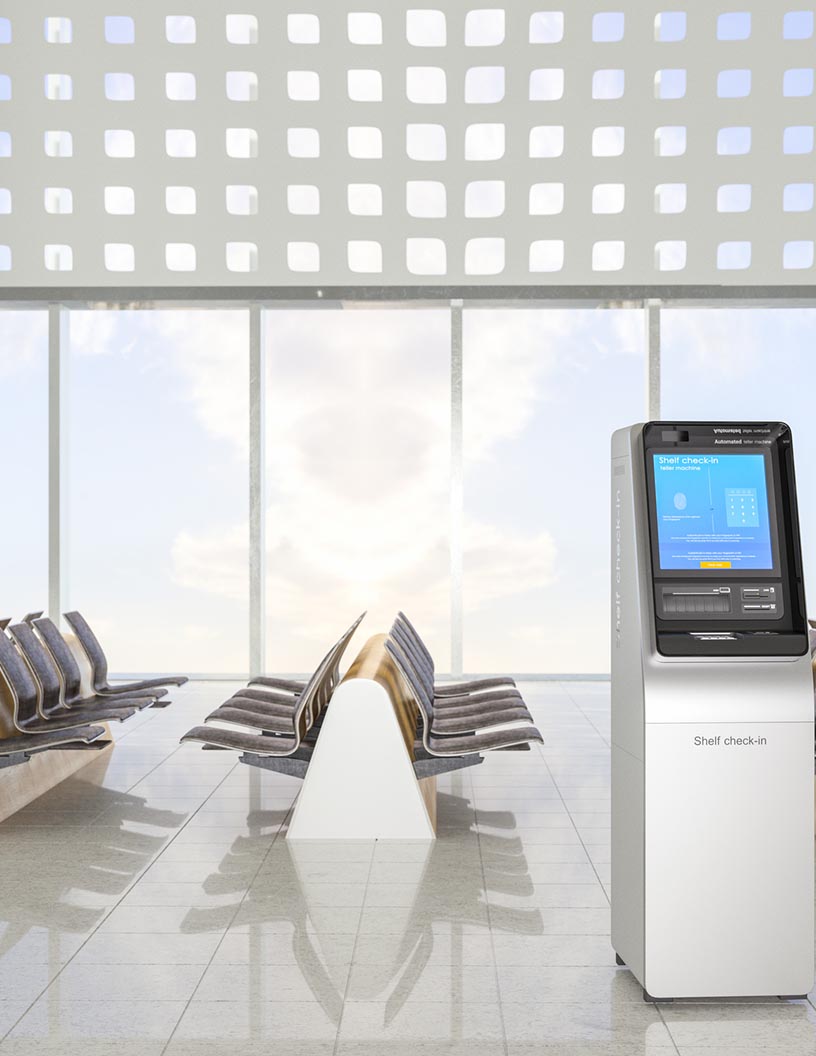


Airport Kiosk Market Size 2024-2028
The airport kiosk market size is forecast to increase by USD 1.63 billion, at a CAGR of 10.87% between 2023 and 2028.
- The market is experiencing significant growth, driven by the increasing passenger travel numbers worldwide. This trend is fueled by the convenience and efficiency offered by self-service kiosks, which cater to various airport operations such as check-in, baggage drop, and boarding pass issuance. Furthermore, the digitization of airport operations is a key trend shaping the market, as airports seek to enhance the passenger experience and streamline processes. However, challenges persist in the form of insufficient infrastructure and connectivity issues, which hinder the widespread adoption of airport kiosks, particularly in developing regions. To capitalize on market opportunities, companies must focus on addressing these challenges by investing in advanced technologies and collaborating with airport authorities to improve infrastructure.
- Additionally, offering customizable and user-friendly solutions tailored to specific airport needs can help differentiate offerings and secure market share. Overall, the market presents a promising landscape for innovation and growth, with potential for significant impact on airport operations and passenger experience.
What will be the Size of the Airport Kiosk Market during the forecast period?
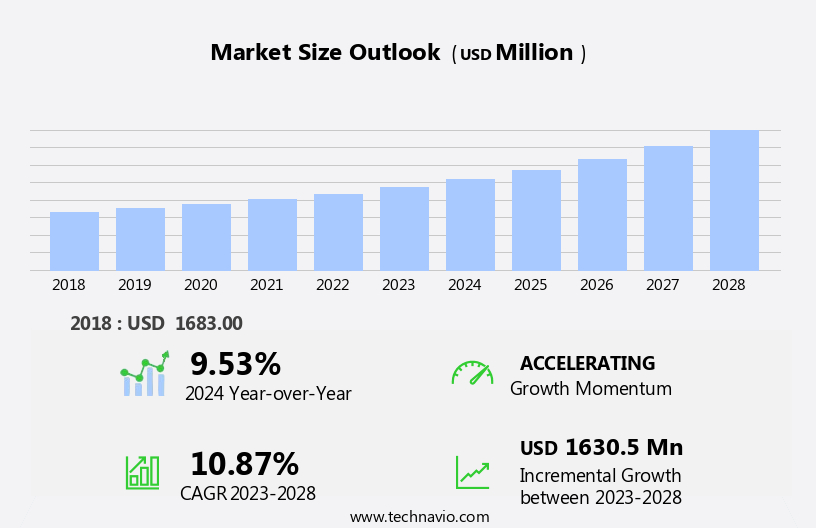
Explore in-depth regional segment analysis with market size data - historical 2018-2022 and forecasts 2024-2028 - in the full report.
Request Free Sample
The market continues to evolve, with dynamic market dynamics shaping its applications across various sectors. Real-time data and historical transaction volume are crucial performance metrics for these systems, which are integrated into passenger information systems. Modular design and software updates ensure compliance with evolving industry standards, while cloud-based solutions offer flexibility and scalability. Kiosks are equipped with predictive analytics, enabling proactive maintenance scheduling and network connectivity for remote monitoring. Self-service kiosks streamline check-in processes, offering customization options and user-friendly interfaces. RFID readers and thermal printers facilitate baggage tagging and boarding pass printing. Integration of loyalty programs, digital signage, and third-party APIs enhances the user experience.
Flight information displays and queue management systems provide real-time updates, while data visualization tools offer valuable insights. Data Security measures, such as data encryption and camera systems, ensure customer trust. Airport kiosk hardware and software are subject to ongoing upgrades and licensing agreements, with warranty support and user experience being key considerations. Compliance with regulatory standards and accessibility features are essential for inclusive design. Biometric authentication and mobile ticketing integration offer added convenience, while reporting tools and customer support ensure operational efficiency.
How is this Airport Kiosk Industry segmented?
The airport kiosk industry research report provides comprehensive data (region-wise segment analysis), with forecasts and estimates in "USD million" for the period 2024-2028, as well as historical data from 2018-2022 for the following segments.
- Technology
- Hardware
- Software
- Services
- Type
- Check-in Kiosk
- Automated passport control
- Common-use self service
- Bag drop
- Others
- Geography
- North America
- US
- Europe
- Germany
- UK
- APAC
- China
- Rest of World (ROW)
- North America
By Technology Insights
The hardware segment is estimated to witness significant growth during the forecast period.
The self-service market is experiencing growth due to the increasing preference for contactless solutions and the surge in passenger traffic. These kiosks, comprised of both hardware and software components, facilitate various functions such as check-in, baggage tagging, and boarding pass printing. The hardware, including the kiosk unit, touchscreen display, and external devices, is designed to be visually appealing, durable, scalable, and low maintenance. Software features encompass real-time data processing, predictive analytics, and passenger information systems, ensuring a seamless user experience. Compliance with regulatory standards, data security, and accessibility are essential considerations. The market also offers cloud-based solutions, enabling remote monitoring, software updates, and network connectivity.
Other features include loyalty program integration, customization options, and queue management systems. The industry's evolution is driven by the integration of advanced technologies like biometric authentication, RFID readers, and thermal printers. Additionally, the adoption of modular designs, performance metrics, and reporting tools supports efficient maintenance scheduling and hardware upgrades.
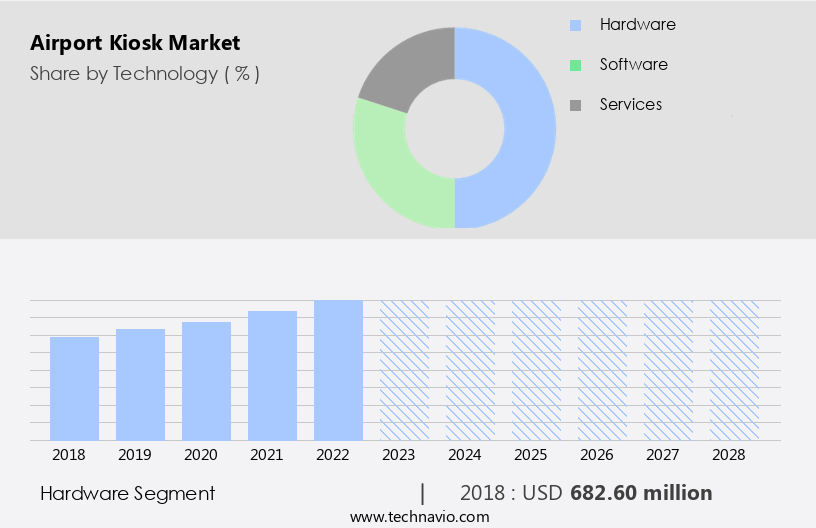
The Hardware segment was valued at USD 682.60 billion in 2018 and showed a gradual increase during the forecast period.
Regional Analysis
North America is estimated to contribute 48% to the growth of the global market during the forecast period. Technavio's analysts have elaborately explained the regional trends and drivers that shape the market during the forecast period.
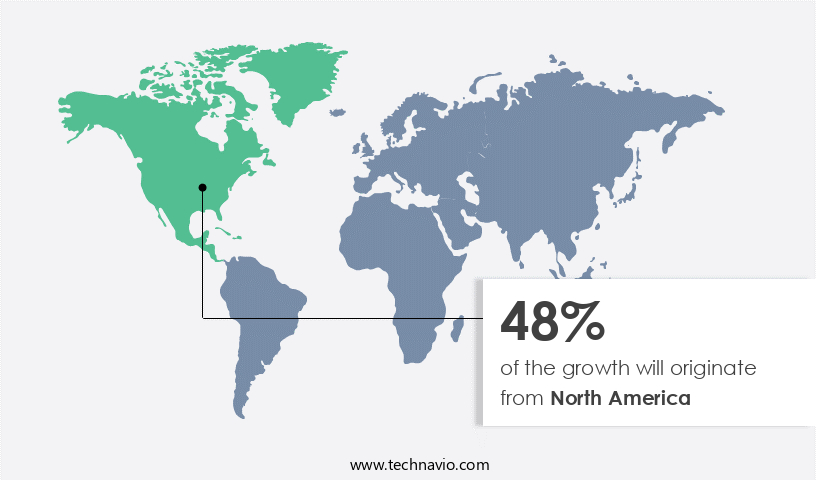
In North America, the market holds a substantial share due to early technology adoption and a strong preference for personalized services. Airports in the region utilize kiosks for marketing campaigns, enhancing consumer engagement, and branding initiatives. However, the market faced challenges in 2020 and H1 2021 as various sectors, including travel and tourism, financial services, healthcare, and others, partially suspended their operations due to the COVID-19 pandemic. Remote monitoring and historical data analysis enable airport kiosks to optimize performance and maintenance scheduling. On-premise solutions and cloud-based alternatives cater to diverse client needs. Passenger information systems and real-time data facilitate seamless travel experiences.
Barcode scanners, RFID readers, and biometric authentication ensure efficiency and security. Software licensing and hardware upgrades keep the kiosks updated with the latest features. Network connectivity and system integration ensure seamless data exchange between different airport systems. Customization options and user interface designs cater to passenger preferences. Loyalty program integration, reporting tools, and customer support enhance the user experience. Compliance standards ensure data security and privacy. Predictive analytics and queue management systems optimize operations and reduce wait times. Airport kiosks offer various functionalities, such as baggage tagging, flight information display, mobile ticketing integration, boarding pass printing, and self-service check-in.
Interactive maps, digital signage, and advertising integration provide wayfinding assistance and revenue opportunities. Power supply and user experience considerations ensure reliable and efficient kiosk performance. Kiosk hardware and software solutions work together to offer a comprehensive airport experience. Help desks and touchscreen displays facilitate user assistance. Thermal printers and reporting tools provide essential information to passengers. Data encryption and camera systems ensure data security and safety. Service level agreements and warranty support ensure reliable kiosk performance and maintenance. Performance metrics and regulatory compliance enable continuous improvement and adherence to industry standards. Accessibility features cater to diverse passenger needs.
Market Dynamics
Our researchers analyzed the data with 2023 as the base year, along with the key drivers, trends, and challenges. A holistic analysis of drivers will help companies refine their marketing strategies to gain a competitive advantage.
What are the key market drivers leading to the rise in the adoption of Airport Kiosk Industry?
- The significant growth in passenger travel is the primary factor fueling market expansion.
- Airport kiosks have become an essential component of modern air travel, enabling faster and more efficient passenger processing at immigration checkpoints. Over 40 airports in the US, including Hartsfield-Jackson Atlanta International Airport, Los Angeles International Airport (LAX), Chicago O'Hare International Airport (ORD), and Dallas/Fort Worth International Airport (DFW), have already implemented these systems. The market for airport kiosks is expanding due to the integration of advanced biometric technology, which significantly reduces passenger wait times and enhances customs and border control procedures. Airport kiosks offer real-time data processing, remote monitoring, and maintenance scheduling capabilities, ensuring seamless operations. These systems utilize on-premise solutions and passenger information systems, which can be integrated with loyalty programs to enhance the customer experience.
- Barcode scanners and data visualization tools enable quick and accurate data collection and analysis, while software licensing and hardware upgrades ensure the systems remain up-to-date. Network connectivity and kiosk design are crucial factors in the success of airport kiosks. These systems must be designed to be immersive, harmonious, and user-friendly, emphasizing ease of use and customer satisfaction. With the increasing demand for automated immigration procedures, airport kiosks are poised for strong growth in the future.
What are the market trends shaping the Airport Kiosk Industry?
- The digitization of operations is an essential trend in today's market. Professionals are increasingly embracing digital solutions to streamline and optimize their business processes.
- Airport kiosks have become an integral part of modern air travel, streamlining various operations and enhancing the passenger experience. These self-service units offer performance metrics that ensure efficiency and accuracy in tasks such as check-in, boarding pass printing, baggage tagging, and flight information display. Their modular design allows for software updates and compliance with industry standards, ensuring the technology remains current and secure. Cloud-based solutions enable real-time data access and predictive analytics, providing valuable insights for airport management. System integration with digital signage and RFID readers further enhances functionality, creating a seamless and immersive user experience.
- Customization options cater to individual traveler needs, while user-friendly interfaces simplify complex processes. Warranty support ensures uninterrupted service, making airport kiosks a valuable investment for airports aiming to optimize operations and improve safety.
What challenges does the Airport Kiosk Industry face during its growth?
- The absence of adequate infrastructure and connectivity poses a significant challenge to the industry's growth trajectory.
- Airport kiosks have become an essential component of modern travel experiences, offering convenience and efficiency to passengers. These self-service information terminals require thermal printers, reporting tools, and customer support to ensure seamless operation. Payment processing is also a crucial feature, enabling contactless transactions and enhancing the user experience. Airport kiosk hardware integrates third-party APIs for enhanced functionality, such as data security, queue management systems, data analytics, and interactive maps. Advertising integration is another essential aspect, providing opportunities for revenue generation. Kiosk software and help desks facilitate troubleshooting and maintenance, ensuring optimal performance. A touchscreen display offers an immersive and harmonious user experience, emphasizing ease of use and intuitive design.
- However, the deployment of airport kiosks is contingent upon a reliable and high-speed internet connection. Developed countries with advanced communication network infrastructure, such as the US, the UK, and Germany, are suitable locations for these devices. In contrast, several developing and underdeveloped countries, including India, Malaysia, and Brazil, face challenges in providing basic internet connectivity. The absence of a well-developed communication network infrastructure may hinder the feasibility of deploying airport kiosks in these locations until further notice.
Exclusive Customer Landscape
The airport kiosk market forecasting report includes the adoption lifecycle of the market, covering from the innovator's stage to the laggard's stage. It focuses on adoption rates in different regions based on penetration. Furthermore, the airport kiosk market report also includes key purchase criteria and drivers of price sensitivity to help companies evaluate and develop their market growth analysis strategies.
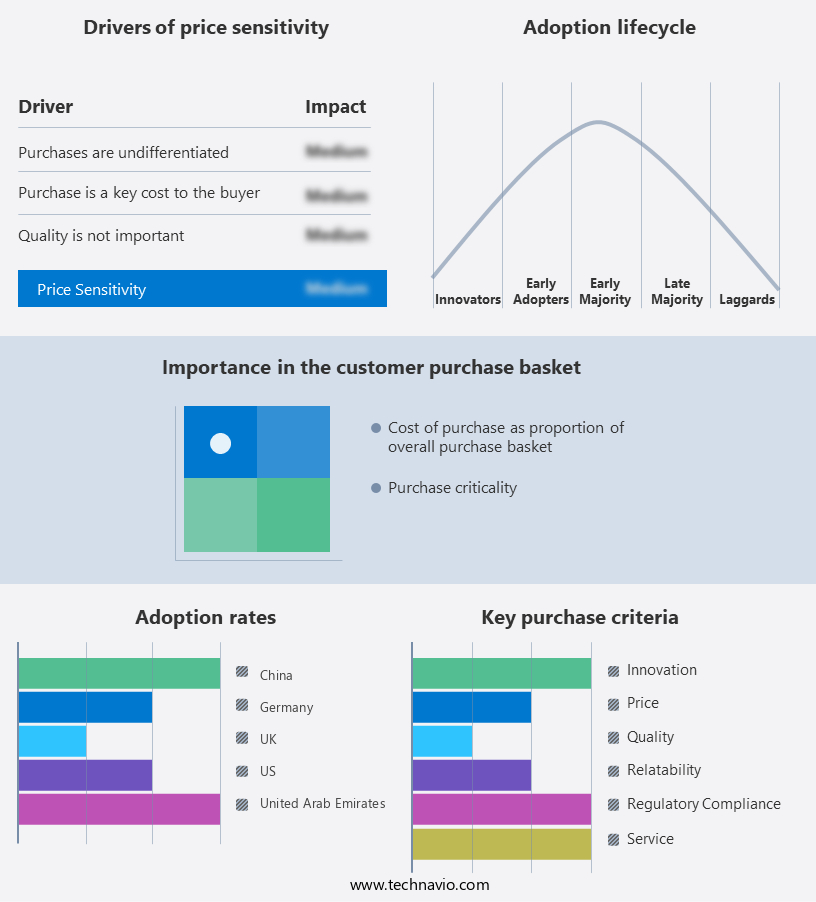
Customer Landscape
Key Companies & Market Insights
Companies are implementing various strategies, such as strategic alliances, airport kiosk market forecast, partnerships, mergers and acquisitions, geographical expansion, and product/service launches, to enhance their presence in the industry.
Advantech Co. Ltd. - The company provides a range of self-service kiosks for airports, including the UTC 100 series, an all-in-one solution, and the UTK6000 and UTK7000 series, which are multipurpose and self-service kiosks, respectively.
The industry research and growth report includes detailed analyses of the competitive landscape of the market and information about key companies, including:
- Advantech Co. Ltd.
- Amadeus IT Group SA
- Bollore SE
- Cognizant Technology Solutions Corp.
- DERMALOG Identification Systems GmbH
- Elenium Automation Pty Ltd.
- Embross
- ICTS Europe S.A
- Marcus Pedersen ApS
- Materna Information and Communications SE
- NCR Voyix Corp.
- Parabit Systems Inc.
- Phoenix Microsystems
- Posiflex Technology Inc.
- Quavis
- RTX Corp.
- secunet Security Networks AG
- SITA
- Vancouver Airport Authority
- Zamar AG
Qualitative and quantitative analysis of companies has been conducted to help clients understand the wider business environment as well as the strengths and weaknesses of key industry players. Data is qualitatively analyzed to categorize companies as pure play, category-focused, industry-focused, and diversified; it is quantitatively analyzed to categorize companies as dominant, leading, strong, tentative, and weak.
Recent Development and News in Airport Kiosk Market
- In January 2024, SITA, a leading technology provider for the air transport industry, launched its new self-service bag drop solution at Helsinki Airport in Finland. This innovation enables passengers to drop off their bags autonomously using a kiosk, reducing queue times and enhancing the passenger experience (SITA Press Release, 2024).
- In March 2024, Collins Aerospace, a Raytheon Technologies business, announced a strategic partnership with Swissport to integrate Collins' self-service kiosks into Swissport's airport ground handling operations. This collaboration aims to streamline check-in processes and improve operational efficiency (Collins Aerospace Press Release, 2024).
- In May 2024, Rockwell Collins, now part of Collins Aerospace, secured a USD 10 million contract from the U.S. Customs and Border Protection (CBP) to provide self-service kiosks for international travelers at various U.S. Airports. These kiosks will facilitate faster border processing and improve the overall travel experience (U.S. Customs and Border Protection Press Release, 2024).
- In April 2025, IDEMIA, a global leader in identity and security, completed the acquisition of MorphoTrak, a biometric technology provider. This strategic move allows IDEMIA to expand its biometric kiosk offerings and strengthen its position in the airport security market (IDEMIA Press Release, 2025).
Research Analyst Overview
- In the dynamic market, effective risk management and project management are crucial for successful deployments. Security protocols and operating systems require rigorous testing methodologies and system architecture planning. Lifecycle management, including deployment methodology and database management, ensures smooth transitions and minimal disruptions. Contract negotiation and company selection involve careful consideration of supply chain management, quality assurance, and inventory management. Remote diagnostics and training materials enable efficient troubleshooting and staff preparation. Input methods and output devices require firmware updates and API documentation for optimal performance. Preventive and corrective maintenance strategies necessitate software patches and network protocol adherence. Cost analysis and hardware diagnostics are essential for maintaining asset management and effective deployment strategies.
- Maintenance contracts and technical support offer ongoing assistance, while preventive measures like change management and failure analysis minimize potential issues. Programming languages and peripheral devices must be compatible with the chosen airport kiosk system. Firmware updates and API documentation facilitate seamless integration. Company selection and contract negotiation play a significant role in ensuring reliable customer support portals and effective programming language support. In summary, the market demands a comprehensive approach to project management, risk mitigation, and ongoing support. Operating systems, testing methodologies, and security protocols are essential components, while company selection, cost analysis, and training materials are crucial for successful implementation and maintenance.
Dive into Technavio's robust research methodology, blending expert interviews, extensive data synthesis, and validated models for unparalleled Airport Kiosk Market insights. See full methodology.
|
Market Scope |
|
|
Report Coverage |
Details |
|
Page number |
180 |
|
Base year |
2023 |
|
Historic period |
2018-2022 |
|
Forecast period |
2024-2028 |
|
Growth momentum & CAGR |
Accelerate at a CAGR of 10.87% |
|
Market growth 2024-2028 |
USD 1630.5 million |
|
Market structure |
Fragmented |
|
YoY growth 2023-2024(%) |
9.53 |
|
Key countries |
US, China, UK, Germany, and United Arab Emirates |
|
Competitive landscape |
Leading Companies, Market Positioning of Companies, Competitive Strategies, and Industry Risks |
What are the Key Data Covered in this Airport Kiosk Market Research and Growth Report?
- CAGR of the Airport Kiosk industry during the forecast period
- Detailed information on factors that will drive the growth and forecasting between 2024 and 2028
- Precise estimation of the size of the market and its contribution of the industry in focus to the parent market
- Accurate predictions about upcoming growth and trends and changes in consumer behaviour
- Growth of the market across North America, Europe, APAC, Middle East and Africa, and South America
- Thorough analysis of the market's competitive landscape and detailed information about companies
- Comprehensive analysis of factors that will challenge the airport kiosk market growth of industry companies
We can help! Our analysts can customize this airport kiosk market research report to meet your requirements.
 RIA -
RIA - 
