


Aluminum Sulfide Market Size 2024-2028
The aluminum sulfide market size is forecast to increase by USD 2.01 billion at a CAGR of 4.5% between 2023 and 2028.
- The market is experiencing significant growth due to several key trends. The increasing demand for clean water and wastewater treatment is a major driving factor, as it is extensively used as a coagulant and flocculant in water treatment processes. Another trend is the expansion of the paper and pulp industry, which relies heavily on the chemical as a chemical additive. However, the market is not without challenges. These materials are essential in lithium batteries and photovoltaic cells, contributing to the energy storage and renewable energy sectors' growth. Macroeconomic factors, such as fluctuations in raw material prices and exchange rates, can significantly impact the market's growth. Additionally, stringent regulations regarding the use and disposal may pose challenges for market participants. Despite these challenges, the market is expected to continue its growth trajectory due to its wide range of applications and increasing demand in various end-use industries.
What will be the Size of the Aluminum Sulfide Market During the Forecast Period?
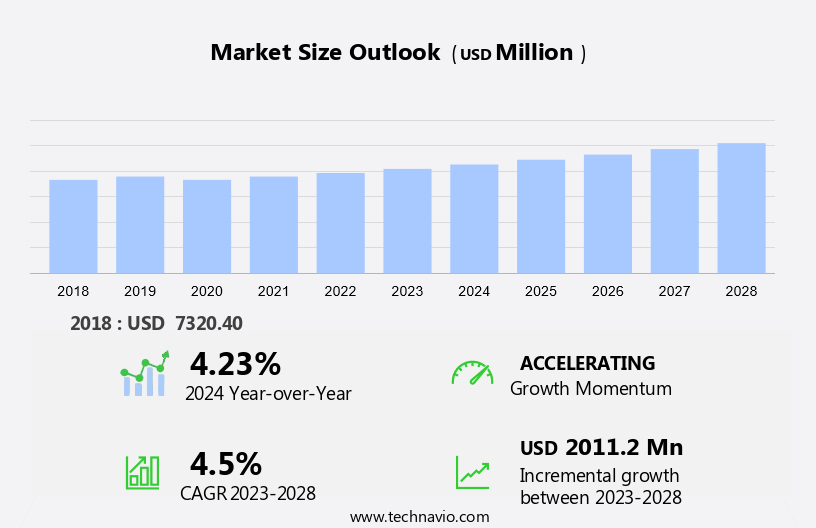
- The market encompasses the global trade, a crucial chemical compound with the formula Al2S3. This inorganic sulfide is widely used as a flocculating agent in various industries, including water treatment and paper manufacturing, due to its ability to agglomerate suspended particles. In the purification process, it plays a significant role in removing hydrogen sulfide and other impurities. Beyond water treatment, it finds applications In the electrical and electronics sector as a precursor In the production of hydrated aluminum hydroxides and oxides.
- Furthermore, it is used as a catalyst in chemical reactions and as a conductive material in batteries and electronic devices. Additionally, it is employed In the oil and gas industry as a desulfurization agent, reducing sulfur content in fuels. In the metals and mining sector, it is used as a precursor In the production of elemental sulfur. Lastly, it has applications in pyrotechnics due to its electrical conductivity and unique properties. Overall, the market is driven by the growing demand for clean water, energy storage solutions, and advancements In the electrical and electronics industries.
How is this Aluminum Sulfide Industry segmented and which is the largest segment?
The industry research report provides comprehensive data (region-wise segment analysis), with forecasts and estimates in "USD billion" for the period 2024-2028, as well as historical data from 2018-2022 for the following segments.
- End-user
- Oil and gas
- Water and wastewater treatment
- Others
- Geography
- North America
- US
- APAC
- China
- Japan
- Europe
- Germany
- UK
- Middle East and Africa
- South America
- North America
By End-user Insights
- The oil and gas segment is estimated to witness significant growth during the forecast period.
Aluminum sulfide, with the chemical formula Al2S3, plays a significant role in various industries, including oil and gas, water treatment, paper manufacturing, and tanning. In oil and gas, it is used to generate hydrogen sulfide during drilling and extraction processes. Hydrogen sulfide aids In the microbial breakdown of organic materials, reducing the need for extensive impurity removal steps. Aluminum sulfide's reactivity with water forms hydrogen sulfide, which is essential for impurity removal in crude oil. Beyond oil and gas, it functions as a flocculating agent in water treatment, improving water quality by removing impurities and pollutants. In paper manufacturing, it serves as a raw material for producing high-quality paper. This also finds applications in sanitation, tanning, food additives, and as a water treatment chemical for municipal drinking water. The environmental regulations governing water treatment industries necessitate the use of effective and efficient water treatment chemicals, making it a valuable asset. Available in powder and granular forms, it is used in various applications, including lithium batteries, photovoltaic cells, electrical and electronics, and conductive materials. It also functions as a catalyst in chemical reactions, a precursor in pyrotechnics, and a component in flares and fireworks.
In water treatment, it is used for pH adjustment, turbidity reduction, and total organic carbon removal from wastewater. It plays a crucial role in solid-liquid separation processes, making it an essential feedstock in manufacturing plants. Aluminum sulfide's applications extend to environmental purposes, such as aquatic ecosystems, where it helps maintain water quality by adsorbing impurities and pollutants. Its versatility and effectiveness make it a valuable resource for various industries and applications.
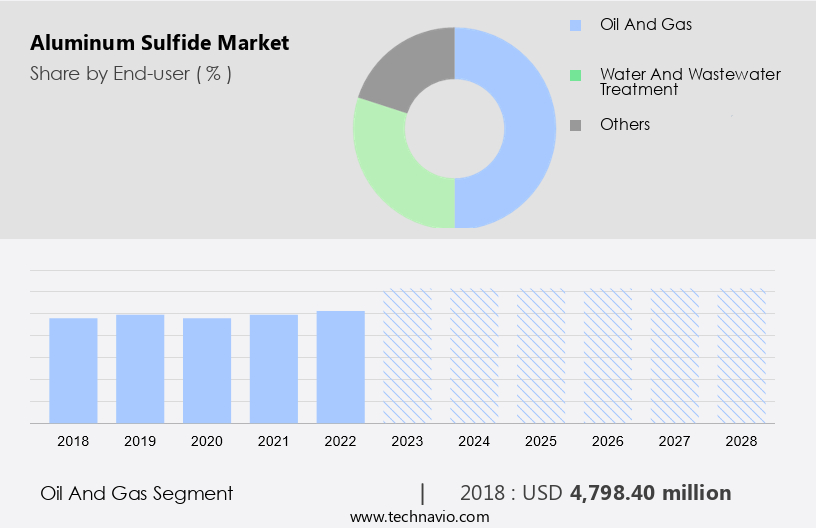
Get a glance at the Aluminum Sulfide Industry report of share of various segments Request Free Sample
The oil and gas segment was valued at USD 4.8 billion in 2018 and showed a gradual increase during the forecast period.
Regional Analysis
- North America is estimated to contribute 40% to the growth of the global market during the forecast period.
Technavio's analysts have elaborately explained the regional trends and drivers that shape the market during the forecast period.

For more insights on the market share of various regions, Request Free Sample
The market in North America is experiencing growth due to the expanding natural gas and petrochemical industries In the US, Canada, and Mexico. The demand is increasing in wastewater treatment, paper and pulp, chemical, and food and beverages industries In the region. The abundance of natural gas In the US, which is an inexpensive feedstock for petrochemical production, is driving this growth. Aluminum sulfide is used as a flocculating agent, aids in pH adjustment, and is a precursor in various chemical reactions.
Downstream users In the water treatment industry, electrical and electronics, lithium batteries, and photovoltaic cells also utilize aluminum sulfide. Environmental regulations continue to influence market growth, as it is used in water treatment to remove impurities and pollutants, ensuring clean water for municipal drinking water and aquatic ecosystems. The market offers products in both powder and granular forms, catering to various applications and industries.
Market Dynamics
Our researchers analyzed the data with 2023 as the base year, along with the key drivers, trends, and challenges. A holistic analysis of drivers will help companies refine their marketing strategies to gain a competitive advantage.
What are the key market drivers leading to the rise In the adoption of Aluminum Sulfide Industry?
Increasing demand for clean water and wastewater treatment is the key driver of the market.
- The market is driven by the increasing industrialization and resulting water pollution. With the expansion of industries, there is a rise in wastewater discharge into water sources, leading to a need for effective water treatment solutions. Aluminum sulfide, with the chemical formula Al2S3, is a crucial component in various industries, including paper manufacturing, sanitation, tanning, and water treatment. It functions as a flocculating agent, facilitating the removal of impurities and pollutants from water. In the water treatment industry, aluminum sulfide is used to address issues such as turbidity, total organic carbon, and pH adjustment in municipal drinking water. In the electrical and electronics sector, it is used as a precursor In the production of batteries and photovoltaic cells.
- Additionally, it is employed as a coagulant In the oil and gas industry for water treatment, and In the metals and mining sector for solid-liquid separation. Environmental regulations mandate the implementation of stringent water treatment measures, further fueling the demand. Downstream users in aquatic ecosystems also benefit from aluminum sulfide's ability to improve water quality. The market is in various forms, including powder and granular, catering to the diverse needs of industries. Moreover, the growing demand for clean water in various applications, such as lithium batteries, photovoltaic cells, and conductive materials, is expected to drive the market's growth.
- Thus, the market is also witnessing significant advancements in catalyst applications, chemical reactions, and pyrotechnics, including flares and fireworks. Manufacturing plants are subjected to rigorous technical tests and certifications to ensure the highest quality standards. The market's growth is influenced by the increasing demand for wastewater treatment chemicals, feedstocks, and the need for efficient and cost-effective solutions. Despite these opportunities, challenges such as changing regulatory requirements and competition from alternative technologies persist. Nevertheless, the market is expected to grow steadily during the forecast period, driven by its versatile applications and benefits.
What are the market trends shaping the Aluminum Sulfide Industry?
Increase in growth of paper and pulp industry is the upcoming market trend.
- The market, with the chemical formula Al2S3, is experiencing significant growth due to its extensive applications in various industries. In the water treatment sector, Aluminum Sulfide functions as a coagulant, effectively removing impurities and pollutants from water, making it suitable for municipal drinking water and wastewater treatment. It is also used as a flocculating agent In the paper manufacturing industry, where it enhances the purification process by reducing turbidity and improving the overall quality of paper. Moreover, it is a valuable raw material In the tanning industry, where it aids In the production of leather by acting as a mordant.
- In the food industry, it serves as a food additive and a water treatment chemical, ensuring clean water for various food processing applications. In the environmental regulations arena, it is used to adjust pH levels and remove total organic carbon from water, ensuring compliance with stringent environmental standards. Beyond water treatment and paper manufacturing, Aluminum Sulfide has applications In the electrical and electronics industry as a conductive material in lithium batteries and photovoltaic cells. It is also used as a precursor In the production of catalysts for chemical reactions, making it a valuable feedstock in manufacturing plants undergoing technical tests and certifications.
- In the oil and gas industry, it is used in pyrotechnics, flares, and fireworks, showcasing its versatility as a chemical compound. The downstream users include aquatic ecosystems, where it is used to improve water quality, and OEMs in various industries, where it is used to enhance the performance of their products. Hence, the market is poised for growth due to its diverse applications in various industries, including paper and pulp, oil and gas, electrical and electronics, and water treatment. Its unique properties, such as its ability to act as a coagulant, catalyst, and precursor, make it an indispensable raw material in manufacturing processes and environmental regulations. With the increasing demand for clean water and sustainable manufacturing practices, the market for Aluminum Sulfide is expected to continue its upward trajectory In the coming years.
What challenges does the Aluminum Sulfide Industry face during its growth?
Increased exposure to macroeconomic factors is a key challenge affecting the industry growth.
- The market, comprised of the chemical compound Al2S3, plays a significant role in various industries, including water treatment, paper manufacturing, sanitation, tanning, food additives, and lithium batteries. As a flocculating agent, Aluminum Sulfide aids in purification processes by coagulating impurities and pollutants in water. In water treatment, it reduces turbidity and total organic carbon, improving water quality for municipal drinking water and industrial applications. In the paper industry, Aluminum Sulfide is used as a raw material for paper manufacturing, contributing to the production of high-quality paper products. In tanning, it acts as a pH adjustment agent, improving the quality and efficiency of the leather-making process. In the food industry, Aluminum Sulfide functions as a food additive, enhancing the taste and texture of certain food products. In the electrical and electronics sector, Aluminum Sulfide is used In the production of batteries, photovoltaic cells, conductive materials, catalysts, and precursors for chemical reactions. In pyrotechnics, it is used in flares and fireworks as an oxidizer.
- Moreover, environmental regulations have driven the demand for Aluminum Sulfide In the water treatment industry, as it is an effective and eco-friendly alternative to traditional water treatment chemicals. Its use in lithium batteries and photovoltaic cells also contributes to the growth of the renewable energy sector. Aluminum Sulfide is available in various forms, including powder and granular, catering to the diverse requirements of downstream users. Its applications extend to aquatic ecosystems, where it is used to improve water quality and maintain a healthy ecosystem. Despite the challenges posed by economic instability and regulatory hurdles, the market is expected to grow steadily due to its versatile applications and the increasing demand for clean water and sustainable manufacturing practices. The market dynamics are influenced by factors such as increasing environmental regulations, growing demand for clean water, and the expanding applications in various industries. Aluminum Sulfide is a crucial raw material In the manufacturing of various products, including hydroxides, oxides, and other chemicals used as feedstocks in different industries.
- The market's growth is driven by the increasing demand for these products and the expanding applications in various industries, including oil and gas, metals and mining, OEMs, and more. Technical tests and certifications play a crucial role in ensuring the quality and safety of Aluminum Sulfide products. Manufacturing plants adhere to stringent quality control measures and undergo regular inspections to maintaIn their certifications and meet the evolving demands of their customers. Hence, the market is a dynamic and growing industry, driven by the increasing demand for clean water, sustainable manufacturing practices, and the expanding applications in various industries. Despite the challenges posed by economic instability and regulatory hurdles, the market is expected to grow steadily, driven by the versatility of Aluminum Sulfide and its role as a crucial raw material in various industries.
Exclusive Customer Landscape
The aluminum sulfide market forecasting report includes the adoption lifecycle of the market, market growth and forecasting, covering from the innovator's stage to the laggard's stage. It focuses on adoption rates in different regions based on penetration. Furthermore, the aluminum sulfide market report also includes key purchase criteria and drivers of price sensitivity to help companies evaluate and develop their market growth analysis strategies.
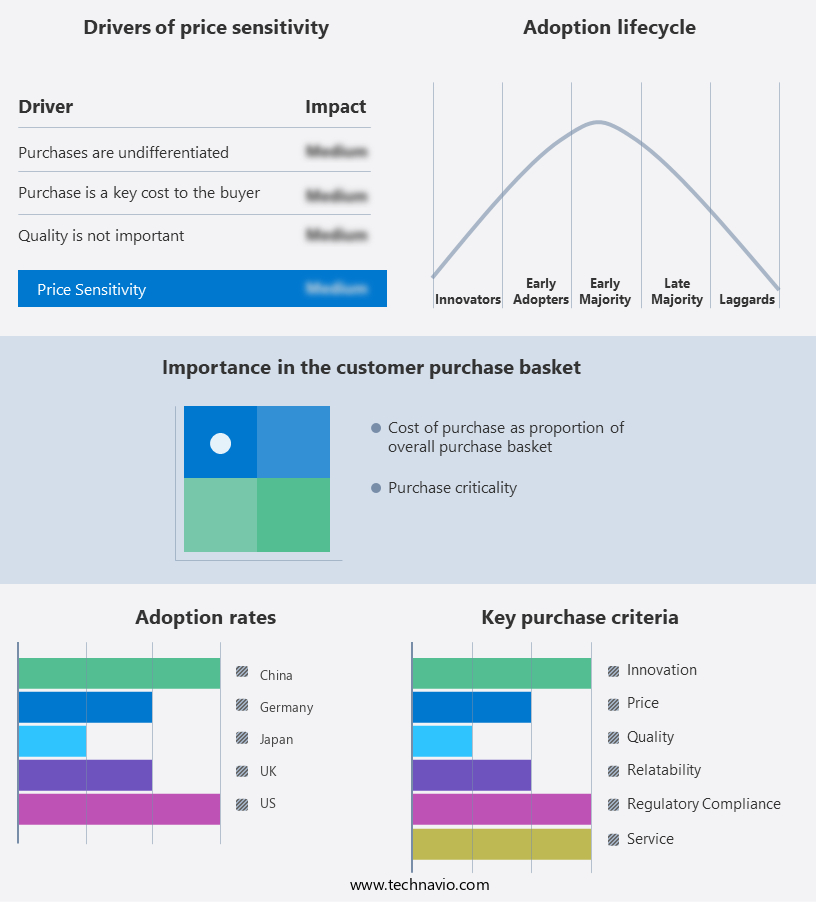
Customer Landscape
Key Companies & Market Insights
Companies are implementing various strategies, such as strategic alliances, aluminum sulfide market forecast, partnerships, mergers and acquisitions, geographical expansion, and product/service launches, to enhance their presence In the industry.
The industry research and growth report includes detailed analyses of the competitive landscape of the market and information about key companies, including:
- Absco Ltd.
- American Elements
- Materion Corp.
- Merck and Co. Inc.
- Otto Chemie Pvt. Ltd.
- Thermo Fisher Scientific Inc.
- Ultra Pure Lab Chem Industries LLP
Qualitative and quantitative analysis of companies has been conducted to help clients understand the wider business environment as well as the strengths and weaknesses of key industry players. Data is qualitatively analyzed to categorize companies as pure play, category-focused, industry-focused, and diversified; it is quantitatively analyzed to categorize companies as dominant, leading, strong, tentative, and weak.
Research Analyst Overview
Aluminum sulfide, a chemical compound with the formula Al2S3, is a significant player in various industries due to its unique properties. This inorganic sulfide forms when hydrogen sulfide reacts with aluminum oxides or hydrated aluminum hydroxides. The resulting material exhibits excellent flocculating capabilities, making it a valuable component in water treatment processes. The versatility of aluminum sulfide extends beyond water treatment. It is used as a purification agent in paper manufacturing, contributing to the production of high-quality paper products. In the sanitation sector, it aids In the removal of impurities and pollutants from wastewater, ensuring clean water for various applications. Aluminum sulfide also finds its place In the tanning industry, where it is used to improve the quality and color stability of leather. As a food additive, it is employed to enhance the texture and appearance of certain food products. In the realm of electronics, aluminum sulfide is used In the manufacturing of lithium batteries and photovoltaic cells, contributing to the advancement of electrical and electronics industries. The water treatment industry relies heavily on aluminum sulfide as a coagulant, helping to remove turbidity and total organic carbon from water.
In the context of environmental regulations, aluminum sulfide plays a crucial role in ph adjustment, ensuring compliance with water quality standards. Downstream users of aluminum sulfide include municipal drinking water treatment facilities, power generation, and various industries such as oil and gas, metals and mining, and OEMs. The material's ability to act as a solid flocculant makes it an essential component in wastewater treatment processes. Aluminum sulfide's applications extend beyond water treatment and industrial processes. It is used as a catalyst in chemical reactions, serving as a precursor In the production of various chemicals and feedstocks. In pyrotechnics, it is used as a component in flares and fireworks, contributing to their impressive displays.
Thus, the production of aluminum sulfide involves careful manufacturing processes to ensure the highest quality standards. Technical tests and certifications are essential to validate the material's performance and safety. In summary, aluminum sulfide, a chemical compound formed from aluminum and sulfur, plays a vital role in various industries due to its unique properties. Its applications range from water treatment and paper manufacturing to electronics and pyrotechnics. The material's versatility and effectiveness make it an indispensable component in numerous processes, contributing to the advancement of various sectors.
|
Market Scope |
|
|
Report Coverage |
Details |
|
Page number |
135 |
|
Base year |
2023 |
|
Historic period |
2018-2022 |
|
Forecast period |
2024-2028 |
|
Growth momentum & CAGR |
Accelerate at a CAGR of 4.5% |
|
Market growth 2024-2028 |
USD 2.01 billion |
|
Market structure |
Concentrated |
|
YoY growth 2023-2024(%) |
4.23 |
|
Key countries |
US, China, Germany, Japan, and UK |
|
Competitive landscape |
Leading Companies, Market Positioning of Companies, Competitive Strategies, and Industry Risks |
What are the Key Data Covered in this Aluminum Sulfide Market Research and Growth Report?
- CAGR of the Aluminum Sulfide industry during the forecast period
- Detailed information on factors that will drive the growth and forecasting between 2024 and 2028
- Precise estimation of the size of the market and its contribution of the industry in focus to the parent market
- Accurate predictions about upcoming growth and trends and changes in consumer behaviour
- Growth of the market across North America, APAC, Europe, Middle East and Africa, and South America
- Thorough analysis of the market's competitive landscape and detailed information about companies
- Comprehensive analysis of factors that will challenge the aluminum sulfide market growth of industry companies
We can help! Our analysts can customize this aluminum sulfide market research report to meet your requirements.
 RIA -
RIA - 
