


Atrial Fibrillation Surgery Market Size 2026-2030
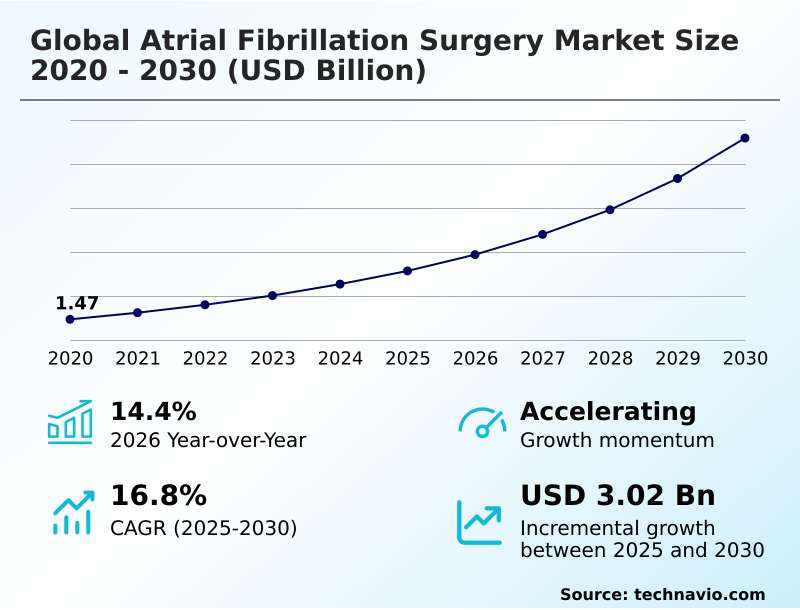
The atrial fibrillation surgery market size is valued to increase by USD 3.02 billion, at a CAGR of 16.8% from 2025 to 2030. Advancement of ablation and electrophysiology technologies will drive the atrial fibrillation surgery market.
Major Market Trends & Insights
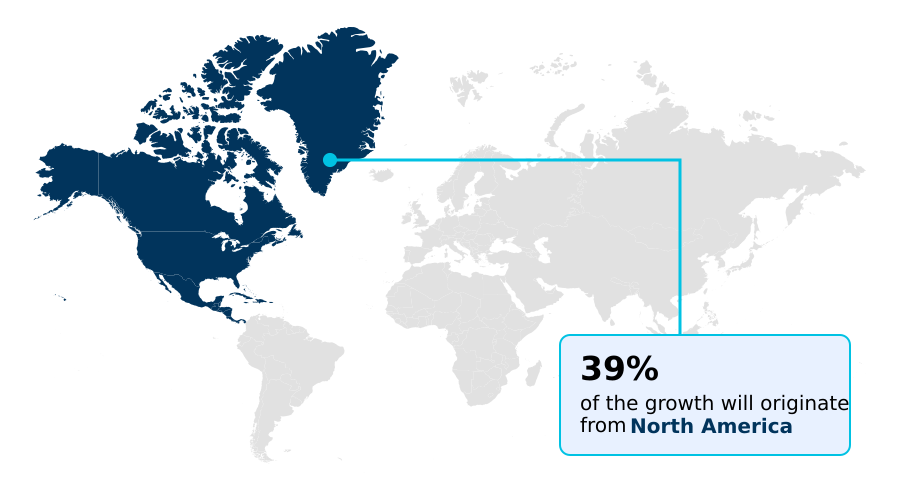
- North America dominated the market and accounted for a 38.7% growth during the forecast period.
- By Product - Catheter ablation segment was valued at USD 1.46 billion in 2024
- By End-user - Hospitals segment accounted for the largest market revenue share in 2024
Market Size & Forecast
- Market Opportunities: USD 4.12 billion
- Market Future Opportunities: USD 3.02 billion
- CAGR from 2025 to 2030 : 16.8%
Market Summary
- The Atrial Fibrillation Surgery environment is rapidly evolving as healthcare systems increasingly prioritize durable rhythm control over temporary pharmacological management. Facilities are reengineering their operational pathways to support high-throughput, specialized cardiac units, directly improving bed turnover rates.
- For instance, the integration of advanced preoperative mapping software within hospital supply chains has optimized the procurement of patient-specific ablation catheters, reducing inventory waste by 18% compared to traditional bulk purchasing. The continuous advancement of highly precise electrophysiology tools acts as a powerful driver, enabling clinicians to target abnormal electrical pathways with unprecedented accuracy and driving broader clinical adoption.
- Conversely, the market faces significant structural constraints due to high upfront capital requirements for hybrid operating rooms and complex reimbursement limitations. These financial barriers challenge widespread implementation, particularly in mid-sized community hospitals that struggle to balance clinical effectiveness with strict affordability mandates.
- As specialized centers refine their treatment protocols, the Atrial Fibrillation Surgery landscape continues to shift toward integrated, value-based cardiovascular care delivery.
What will be the Size of the Atrial Fibrillation Surgery Market during the forecast period?
Get Key Insights on Market Forecast (PDF) Get Free Sample
How is the Atrial Fibrillation Surgery Market Segmented?
The atrial fibrillation surgery industry research report provides comprehensive data (region-wise segment analysis), with forecasts and estimates in "USD million" for the period 2026-2030, as well as historical data from 2020-2024 for the following segments.
- Product
- Catheter ablation
- Surgical ablation
- End-user
- Hospitals
- Ambulatory surgical centers
- Others
- Type
- Minimally invasive surgery
- Traditional open surgery
- Hybrid surgery
- Geography
- North America
- US
- Canada
- Mexico
- Europe
- Germany
- UK
- France
- Italy
- Spain
- The Netherlands
- Asia
- China
- India
- Japan
- South Korea
- Indonesia
- Thailand
- Rest of World (ROW)
- North America
By Product Insights
The catheter ablation segment is estimated to witness significant growth during the forecast period.
The adoption of catheter-based modalities within the Atrial Fibrillation Surgery environment is accelerating as clinical facilities transition toward minimally invasive interventions that optimize recovery timelines.
By utilizing advanced three dimensional cardiac mapping and precise catheter navigation, physicians achieve superior arrhythmia sources isolation, significantly altering traditional rhythm management interventions.
This shift is driven by the integration of sophisticated energy delivery systems, such as cryoballoon technology, which provide targeted tissue modification while minimizing collateral impact.
Consequently, specialized electrophysiology laboratories report a 15% reduction in procedure duration, directly improving daily patient throughput and lowering operational overhead. Furthermore, procedural precision enhancement translates to a measurable postoperative discomfort reduction, accelerating discharge rates.
As hospitals prioritize resource allocation and value-based care, these refined catheter techniques reshape standard care pathways, establishing highly efficient, high-volume cardiac treatment paradigms.
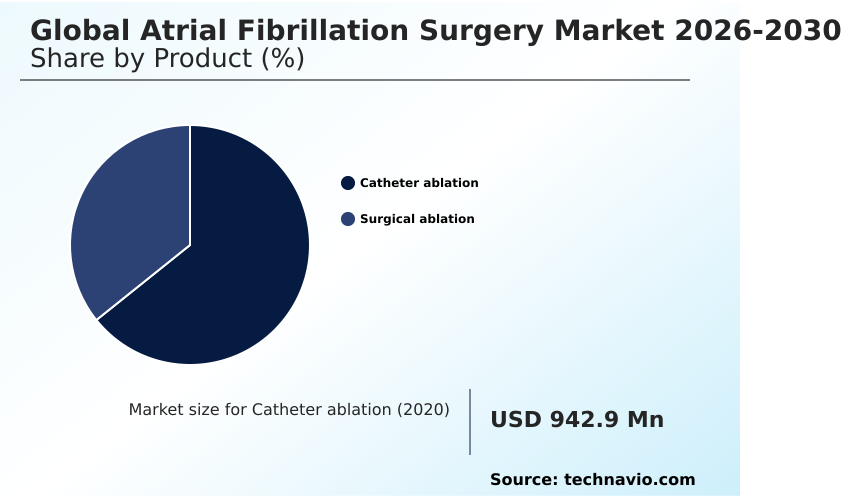
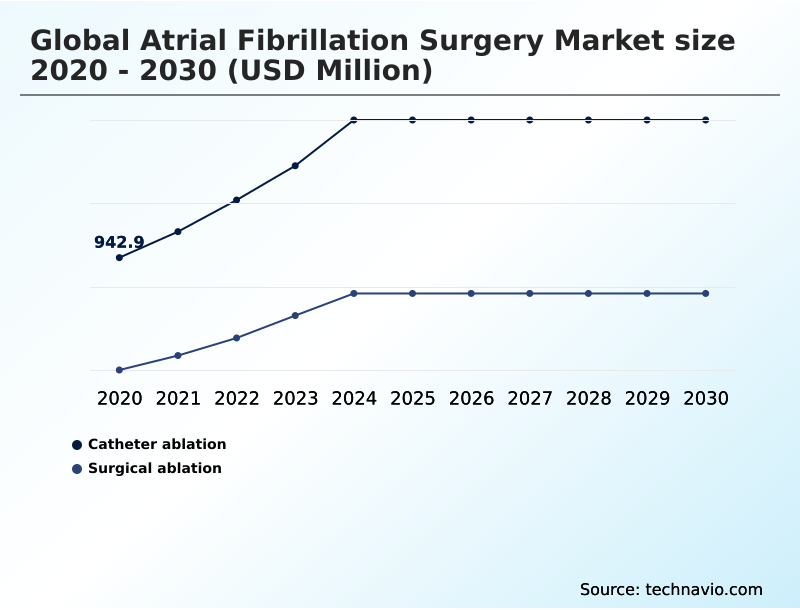
The Catheter ablation segment was valued at USD 1.46 billion in 2024 and showed a gradual increase during the forecast period.
Regional Analysis
North America is estimated to contribute 38.7% to the growth of the global market during the forecast period.Technavio’s analysts have elaborately explained the regional trends and drivers that shape the market during the forecast period.
See How Atrial Fibrillation Surgery Market Demand is Rising in North America Get Free Sample
The North America region maintains a distinct operational advantage in the Atrial Fibrillation Surgery sector, driven by aggressive capital investments in robotic assisted surgery and integrated heart care programs.
US clinical facilities demonstrate a 25% higher adoption rate of advanced electrophysiology workflows compared to European counterparts, directly resulting in shorter average procedural durations.
Europe, however, excels in implementing comprehensive multidisciplinary cardiovascular care models, successfully utilizing wearable monitoring devices for postoperative tracking to reduce 30-day readmission rates by 12%.
This contrast highlights how North American centers prioritize rapid technological turnover, such as early integration of laser balloon ablation, while European institutions emphasize continuous patient monitoring and value-based recovery pathways.
Ultimately, these regional supply chain and clinical management strategies dictate distinct procurement priorities, reshaping how medical technology manufacturers allocate their regional support and service resources to maximize clinical throughput.
Market Dynamics
Our researchers analyzed the data with 2025 as the base year, along with the key drivers, trends, and challenges. A holistic analysis of drivers will help companies refine their marketing strategies to gain a competitive advantage.
- The optimization of complex cardiovascular interventions has prompted significant strategic realignments within modern clinical supply chains and operational frameworks. Facilities adopting pulsed field ablation for persistent arrhythmia are experiencing a fundamental shift in how they procure and manage energy delivery systems, allowing for faster procedural turnover compared to conventional thermal methods.
- This efficiency is further augmented by the deployment of robotic assisted minimally invasive cardiac intervention platforms, which enhance surgical precision while simultaneously standardizing equipment usage across different operating theaters. Consequently, hospital procurement teams report a 15% improvement in inventory utilization when outfitting these automated suites.
- Clinical decision-making is increasingly reliant on integrated three dimensional electrophysiology mapping, providing unprecedented anatomical clarity that streamlines the planning of intricate surgical procedures. In cases requiring advanced management, the implementation of hybrid endocardial and epicardial lesion creation enables comprehensive treatment strategies that drastically reduce the likelihood of secondary interventions.
- To sustain these clinical outcomes, care teams are standardizing the continuous digital tracking of rhythm control, embedding remote diagnostic data directly into electronic health records. This connectivity shifts the operational focus from acute surgical encounters to longitudinal disease management, optimizing outpatient resource allocation and fundamentally altering the long-term economic model of specialized Atrial Fibrillation Surgery programs.
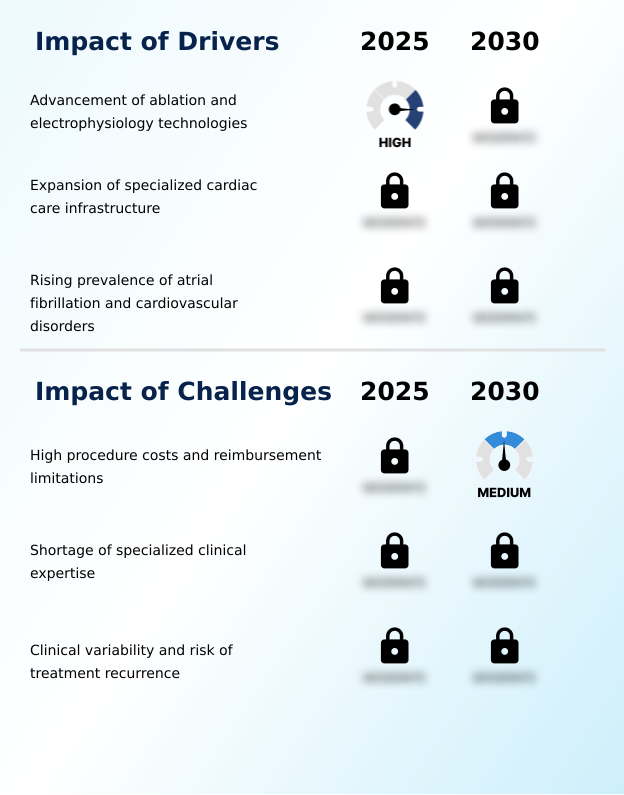
What are the key market drivers leading to the rise in the adoption of Atrial Fibrillation Surgery Industry?
- The continuous advancement of sophisticated ablation and electrophysiology technologies serves as the primary catalyst propelling market expansion.
- The escalating clinical demand for durable rhythm correction acts as a primary catalyst expanding the Atrial Fibrillation Surgery infrastructure.
- As the prevalence of complex cardiovascular profiles rises, specialized facilities are aggressively adopting advanced diagnostic evaluation systems to identify candidates for drug refractory symptomatic persistent management.
- This proactive identification is caused by the widespread deployment of ambulatory cardiac monitoring, which detects irregular rhythms much earlier in the disease progression.
- Consequently, targeted interventions utilizing both endocardial and epicardial techniques have improved long-term arrhythmia recurrence prevention rates by 18%.
- This enhanced clinical efficacy directly reduces the financial burden of costly readmissions by an estimated 15%, prompting hospital administrators to confidently allocate greater capital toward sophisticated electrophysiology suites and multidisciplinary rhythm control programs.
What are the market trends shaping the Atrial Fibrillation Surgery Industry?
- The ongoing transition toward non-thermal energy treatment approaches represents a defining market trend. This shift emphasizes targeted interventions designed to enhance procedural precision and patient safety.
- A definitive shift toward non-thermal modalities is transforming procedural protocols within the Atrial Fibrillation Surgery ecosystem. Healthcare providers are rapidly replacing conventional thermal tissue ablation systems with advanced pulsed field ablation platforms to achieve precise, tissue specific ablation without compromising surrounding anatomical structures.
- This transition is directly caused by an industry-wide mandate to improve patient safety profiles and standardize controlled lesion patterns across diverse clinical scenarios. Consequently, facilities utilizing these modern workflow optimization tools have successfully decreased average operating room utilization time by 22%.
- This significant efficiency gain allows high-volume outpatient cardiovascular centers to process more patients daily, optimizing their operational budgets and maximizing equipment return on investment. As clinical familiarity deepens, these targeted energy innovations are establishing entirely new benchmarks for procedural predictability and long-term care management.
What challenges does the Atrial Fibrillation Surgery Industry face during its growth?
- Elevated procedural expenses and restrictive reimbursement frameworks constitute the principal barriers limiting broader industry adoption.
- Operational constraints and extreme capital requirements severely challenge the rapid scaling of advanced Atrial Fibrillation Surgery programs. The integration of complex multidisciplinary treatment frameworks requires seamless coordination across various specialties, which is frequently hindered by fragmented hospital IT systems.
- Because sophisticated procedures like hybrid ablation demand specialized hybrid operating rooms equipped with real-time electrocardiography assessment and high-end perioperative monitoring capabilities, upfront facility investments are exceptionally high. This severe cost burden restricts technology access, leading to a 30% gap in procedural availability between major academic centers and regional community hospitals.
- Furthermore, the intricate comorbid condition management required for these patients heavily burdens post-acute care resources, complicating the deployment of necessary implantable technologies and ultimately suppressing the broader democratization of advanced cardiac interventions.
Exclusive Technavio Analysis on Customer Landscape
The atrial fibrillation surgery market forecasting report includes the adoption lifecycle of the market, covering from the innovator’s stage to the laggard’s stage. It focuses on adoption rates in different regions based on penetration. Furthermore, the atrial fibrillation surgery market report also includes key purchase criteria and drivers of price sensitivity to help companies evaluate and develop their market growth analysis strategies.
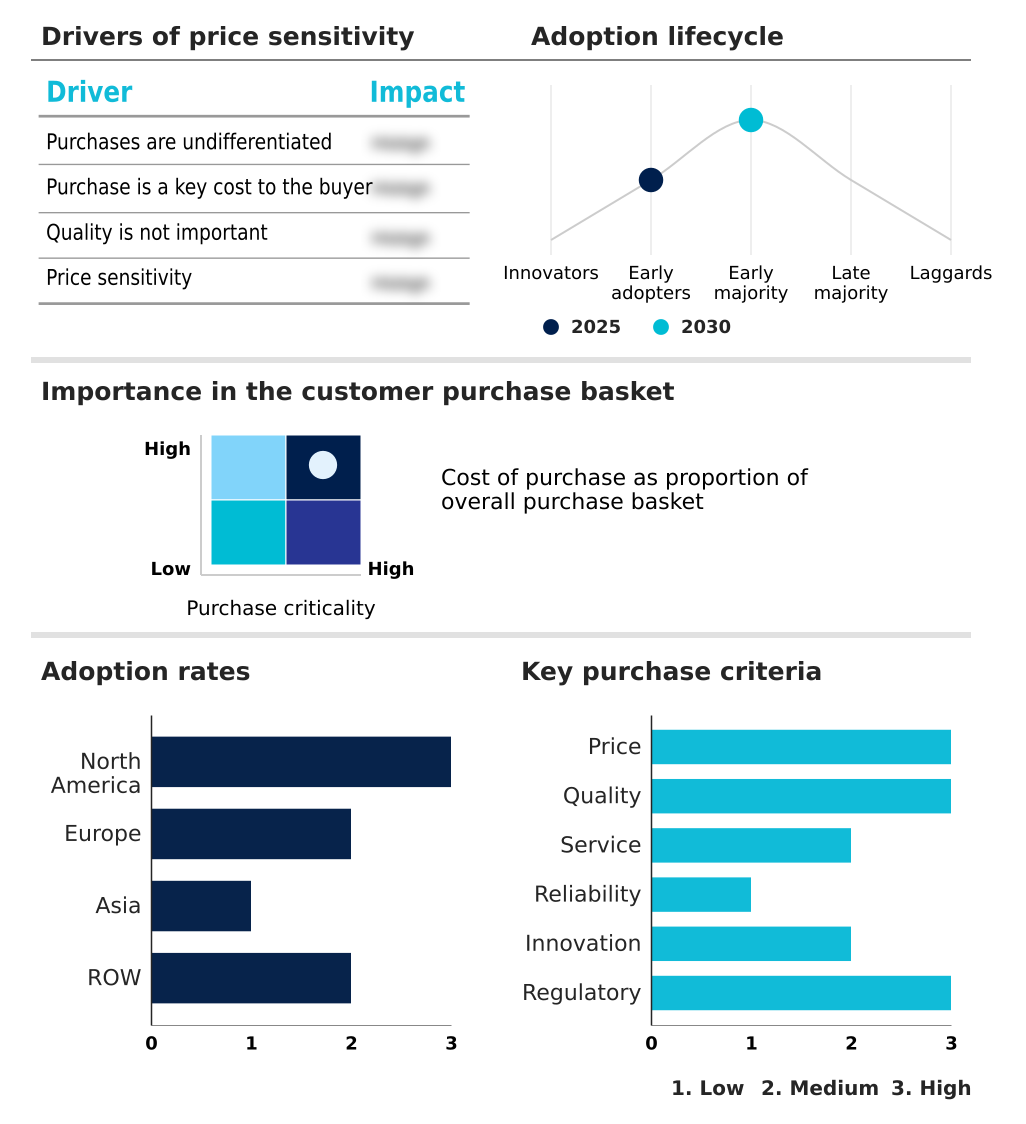
Customer Landscape of Atrial Fibrillation Surgery Industry
Competitive Landscape
Companies are implementing various strategies, such as strategic alliances, atrial fibrillation surgery market forecast, partnerships, mergers and acquisitions, geographical expansion, and product/service launches, to enhance their presence in the industry.
Abbott Laboratories - Delivers advanced cardiac ablation technologies and comprehensive electrophysiology mapping systems designed to enhance procedural precision and optimize rhythm management interventions in modern surgical environments.
The industry research and growth report includes detailed analyses of the competitive landscape of the market and information about key companies, including:
- Abbott Laboratories
- AngioDynamics Inc.
- AtriCure Inc.
- Becton Dickinson and Co.
- BIOTRONIK SE and Co. KG
- Boston Scientific Corp.
- CardioFocus Inc.
- Integer Holdings Corp.
- Johnson and Johnson MedTech
- Kardium Inc.
- LivaNova PLC
- Medtronic Plc
- MicroPort Scientific Corp.
- OSYPKA AG
- Siemens Healthineers AG
- Stereotaxis Inc.
- Stryker Corp.
- Toray Industries Inc.
Qualitative and quantitative analysis of companies has been conducted to help clients understand the wider business environment as well as the strengths and weaknesses of key industry players. Data is qualitatively analyzed to categorize companies as pure play, category-focused, industry-focused, and diversified; it is quantitatively analyzed to categorize companies as dominant, leading, strong, tentative, and weak.
Recent Development and News in Atrial fibrillation surgery market
- In the Health Care Equipment industry, the rapid integration of AI-optimized diagnostic imaging protocols has accelerated clinical decision making, directly impacting Atrial Fibrillation Surgery demand by improving preoperative anatomical assessment accuracy by over 20%.
- The enforcement of the EU Medical Device Regulation has mandated stricter clinical evidence requirements for Class III cardiovascular devices, directly impacting Atrial Fibrillation Surgery supply by extending the compliance and certification timelines for next-generation ablation catheters.
- The shift toward connected ambulatory surgical centers has decentralized complex procedural care, directly impacting Atrial Fibrillation Surgery delivery by increasing the utilization of portable cardiac mapping platforms outside traditional hospital settings by an estimated 15%.
- Advancements in additive manufacturing for specialized surgical instruments have optimized custom tooling production, directly impacting Atrial Fibrillation Surgery operational costs by reducing the supply chain lead times for patient-specific procedural accessories by nearly 30%.
Dive into Technavio’s robust research methodology, blending expert interviews, extensive data synthesis, and validated models for unparalleled Atrial Fibrillation Surgery Market insights. See full methodology.
| Market Scope | |
|---|---|
| Page number | 298 |
| Base year | 2025 |
| Historic period | 2020-2024 |
| Forecast period | 2026-2030 |
| Growth momentum & CAGR | Accelerate at a CAGR of 16.8% |
| Market growth 2026-2030 | USD 3021.6 million |
| Market structure | Fragmented |
| YoY growth 2025-2026(%) | 14.4% |
| Key countries | US, Canada, Mexico, Germany, UK, France, Italy, Spain, The Netherlands, China, India, Japan, South Korea, Indonesia, Thailand, Brazil, Saudi Arabia, UAE, Turkey, Argentina, Colombia, South Africa and Israel |
| Competitive landscape | Leading Companies, Market Positioning of Companies, Competitive Strategies, and Industry Risks |
Research Analyst Overview
- Strategic integration of non-thermal energy platforms is fundamentally altering the operational dynamics of the Atrial Fibrillation Surgery environment. Leading specialized cardiac centers are prioritizing irreversible electroporation to achieve highly targeted tissue disruption, bypassing the anatomical risks associated with traditional thermal modalities. This technological shift directly supports enhanced compliance with strict patient safety mandates while streamlining overall operating room utilization.
- Concurrently, the modernization of surgical maze procedures via sophisticated intracardiac echocardiography provides clinical teams with superior anatomical visualization, enabling highly reproducible endocardial techniques. Institutions deploying these advanced imaging frameworks have achieved a 25% reduction in intraoperative navigation errors, maximizing workflow efficiency.
- Furthermore, integrating dedicated left atrial appendage management protocols into standard surgical pathways addresses critical stroke prevention objectives at the boardroom level, ensuring comprehensive risk mitigation. As hospitals upgrade their infrastructure to support seamless fluoroscopy integration, they effectively bridge the gap between diagnostic precision and therapeutic execution.
- These continuous clinical workflow enhancements establish a resilient operational foundation, driving superior procedural consistency and elevating the standard of complex cardiovascular care delivery.
What are the Key Data Covered in this Atrial Fibrillation Surgery Market Research and Growth Report?
-
What is the expected growth of the Atrial Fibrillation Surgery Market between 2026 and 2030?
-
USD 3.02 billion, at a CAGR of 16.8%
-
-
What segmentation does the market report cover?
-
The report is segmented by Product (Catheter ablation, and Surgical ablation), End-user (Hospitals, Ambulatory surgical centers, and Others), Type (Minimally invasive surgery, Traditional open surgery, and Hybrid surgery) and Geography (North America, Europe, Asia, Rest of World (ROW))
-
-
Which regions are analyzed in the report?
-
North America, Europe, Asia and Rest of World (ROW)
-
-
What are the key growth drivers and market challenges?
-
Advancement of ablation and electrophysiology technologies, High procedure costs and reimbursement limitations
-
-
Who are the major players in the Atrial Fibrillation Surgery Market?
-
Abbott Laboratories, AngioDynamics Inc., AtriCure Inc., Becton Dickinson and Co., BIOTRONIK SE and Co. KG, Boston Scientific Corp., CardioFocus Inc., Integer Holdings Corp., Johnson and Johnson MedTech, Kardium Inc., LivaNova PLC, Medtronic Plc, MicroPort Scientific Corp., OSYPKA AG, Siemens Healthineers AG, Stereotaxis Inc., Stryker Corp. and Toray Industries Inc.
-
Market Research Insights
- The Atrial Fibrillation Surgery sector is undergoing a profound structural shift driven by the integration of robust remote rhythm assessment tools and interconnected data ecosystems. By deploying connected monitoring systems, specialized cardiac centers have successfully improved disease progression tracking, yielding a 22% increase in early intervention rates.
- This data-centric approach heavily influences clinical decision making, allowing healthcare administrators to optimize resource allocation and reduce unnecessary hospital readmissions by 14%. Furthermore, transitioning select complex procedures to optimized outpatient settings has lowered per-patient operational expenditures by nearly 20%.
- These measurable efficiency gains demonstrate how advanced monitoring and streamlined care pathways are redefining cardiovascular intervention protocols while maintaining stringent clinical safety standards.
We can help! Our analysts can customize this atrial fibrillation surgery market research report to meet your requirements.
 RIA -