
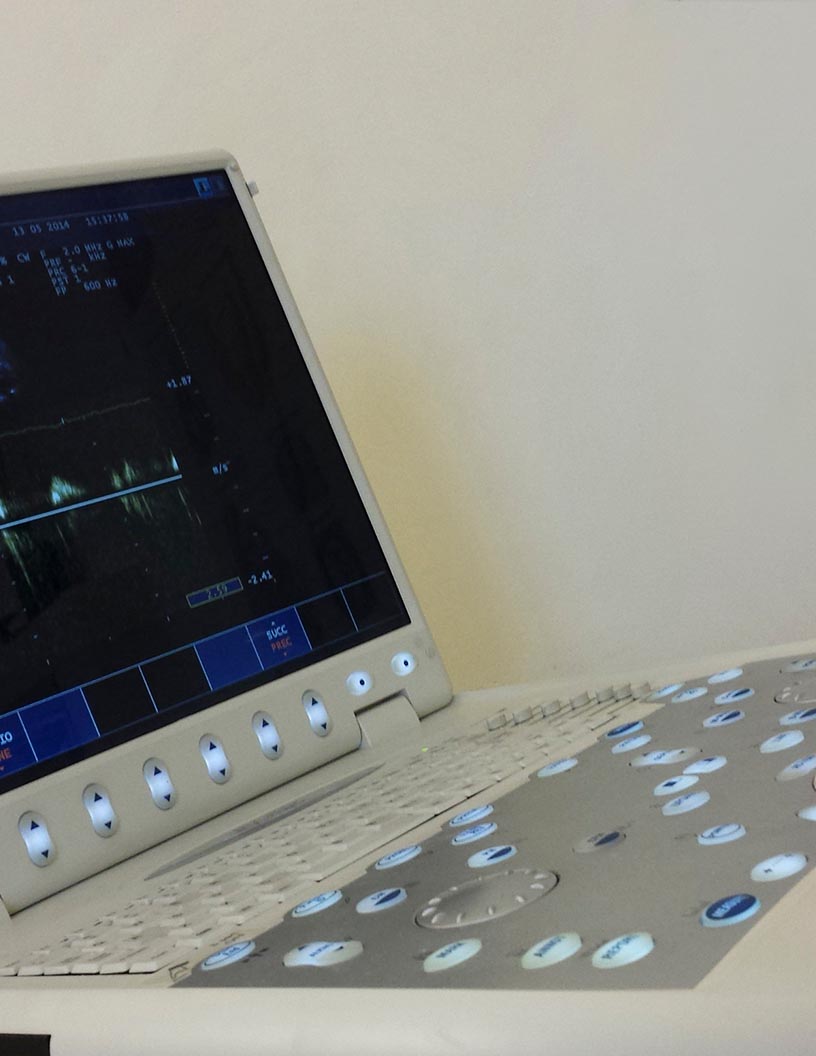


Echocardiography Devices Market Size 2024-2028
The echocardiography (ECG) devices market size is forecast to increase by USD 5.27 billion at a CAGR of 6.78% between 2023 and 2028.
- The ECG devices market is experiencing significant growth due to the increasing prevalence of cardiac disorders. The integration of advanced technologies, such as artificial intelligence and machine learning, is driving the development of more accurate and efficient ECG devices. However, the high cost of ECG products and procedures remains a challenge for both patients and healthcare providers. Despite this, the market is expected to continue growing due to the increasing demand for early and accurate diagnosis of cardiac conditions. Additionally, the integration of telemedicine and remote monitoring technologies is expanding access to ECG testing and improving patient outcomes.
What will be the Size of the Echocardiography (ECG) Devices Market During the Forecast Period?
_Devices_Market_size_abstract_2024_v1.jpg)
- The global echocardiography market is experiencing significant growth due to the increasing prevalence of cardiovascular diseases, such as blood clots, heart valve disorders, and atrial fibrillation. These noninvasive diagnostic procedures play a crucial role in assessing heart function, including the heart's chambers and valves. Both transthoracic and transesophageal methods are commonly used for echocardiography examinations. Stress cardiac ultrasound is another variant that provides valuable information on heart function under various conditions. Moreover, advancements in Heart Attack Diagnostics are complementing the growth of echocardiography, enabling quicker detection and more accurate assessment of heart-related issues.
- Technological developments, including ultrasound systems with improved efficiency and workflow optimization, are driving market growth. Notable institutions, such as the Heart Center Leipzig and Saarland University Hospital, are at the forefront of advancing cardiovascular imaging through innovative echocardiography devices like the Ultrasound 3300. The British Heart Foundation estimates that over 92 million adults globally live with cardiovascular diseases, further emphasizing the importance of this market in addressing uncontrolled hypertension and other related conditions.
How is this Echocardiography (ECG) Devices Industry segmented and which is the largest segment?
The echocardiography (ECG) devices industry research report provides comprehensive data (region-wise segment analysis), with forecasts and estimates in "USD billion" for the period 2024-2028, as well as historical data from 2018-2022 for the following segments.
- End-user
- Hospitals
- Diagnostic centers
- Product
- Resting
- Ambulatory
- Stress
- Geography
- North America
- US
- Europe
- Germany
- Asia
- China
- Japan
- Rest of World (ROW)
- North America
By End-user Insights
- The hospitals segment is estimated to witness significant growth during the forecast period.
Echocardiography, a non-invasive diagnostic procedure utilizing transducer technology to emit and receive ultrasonic sound waves, is experiencing increased demand due to its ability to identify cardiomyopathies, such as dilated and hypertrophic forms, with high accuracy. This technique is particularly valuable in diagnosing chest pain or related symptoms, which may indicate heart disease. The benefits of echocardiography include its non-invasive nature and lack of known risks or adverse effects. As not all hospitals offer this service, diagnostic centers are seizing the opportunity to acquire echocardiography devices and provide specialized services to patients. Technological advancements continue to drive product innovation in this field, ensuring measurement uniformity and improving diagnostic accuracy.
_Devices_Market_segments_abstract_2024_v2.jpg)
Get a glance at the Echocardiography (ECG) Devices Industry report of share of various segments Request Free Sample
The Hospitals segment was valued at USD 7.34 billion in 2018 and showed a gradual increase during the forecast period.
Regional Analysis
- North America is estimated to contribute 45% to the growth of the global market during the forecast period.
Technavio's analysts have elaborately explained the regional trends and drivers that shape the market during the forecast period.
_Devices_Market_regions_abstract_2023_geo_v2.jpg)
For more insights on the market share of various regions, Request Free Sample
The ECG devices market in North America is driven by the high prevalence of cardiovascular diseases (CVD), increasing geriatric population, and advanced technology adoption. The US and Canada are significant contributors to the market's revenue due to substantial healthcare expenditure on CVD treatment. According to the US Census Bureau, the population aged 65 and above was 17.3% in 2022, with this demographic more susceptible to CVD and undergoing frequent ECG procedures. Government and non-profit initiatives aiming for early diagnosis and prevention of CVD further fuel market growth. Technologically advanced ECG devices, such as transthoracic and transesophageal echocardiography, enable precise diagnosis of heart conditions, including blood clots, heart chambers, and valve issues.
These factors collectively contribute to the market's growth in North America.
Market Dynamics
Our echocardiography (ECG) devices market researchers analyzed the data with 2023 as the base year, along with the key drivers, trends, and challenges. A holistic analysis of drivers will help companies refine their marketing strategies to gain a competitive advantage.
What are the key market drivers leading to the rise In the adoption of Echocardiography (ECG) Devices Industry?
Increased incidence of cardiac disorders is the key driver of the market.
- Echocardiography, a non-invasive diagnostic procedure, plays a crucial role in assessing heart function and identifying various heart-related disorders, including heart valve disease, heart failure, atrial fibrillation, pericardial disease, and coronary heart disease. These conditions are often linked to uncontrolled hypertension, which affects over half a billion people worldwide and accounts for approximately 20.5 million deaths in 2021. Echocardiography devices utilize ultrasonic sound waves to visualize the heart's chambers, blood clots, and heart valves. Technological advancements have led to innovations such as AI-driven auto-measure applications, neural network-based algorithms, and 2D echo imaging, enhancing diagnostic efficiency and workflow optimization. Transthoracic and transesophageal echocardiography are the most common methods used for diagnosing heart conditions.
- Stress echocardiography and Doppler imaging provide additional information on heart function during rest and stress. Major players In the echocardiography market include Clarius Mobile Health, Ultrasound Workspace, and GE Healthcare. These companies focus on product innovation and measurement uniformity to cater to the increasing demand for rapid diagnosis and diagnostic test time. The integration of AI-driven technologies in echocardiography devices is expected to further revolutionize the cardiovascular imaging landscape. Hypertension, a major risk factor for heart disease, can lead to complications such as blood clots, heart arrhythmias, and heart failure. Echocardiography plays a vital role in diagnosing and managing these conditions, ensuring optimal patient care, and improving overall health outcomes.
What are the market trends shaping the Echocardiography (ECG) Devices Industry?
Integration of technologies to develop advanced ECG devices is the upcoming market trend.
- The Echocardiography market has experienced significant growth due to the increasing prevalence of cardiovascular diseases, such as heart failure, heart valve disease, atrial fibrillation, and coronary heart disease. These conditions often require noninvasive diagnostic procedures, including echocardiography, to assess heart function and detect blood clots, heart arrhythmias, and other heart-related disorders. Technological developments in echocardiography devices have led to innovations like AI-driven auto-measure applications, neural network-based algorithms, and 2D echo imaging, enabling rapid diagnosis and workflow optimization. Companies are also focusing on product innovation, such as the development of portable and wireless systems.
- The Heart Center Leipzig is one example of a research institution that highlights measurement uniformity and accuracy in echocardiography. Additionally, the integration of Doppler imaging and stress echocardiography has expanded the diagnostic capabilities of these devices. Despite the challenges posed by uncontrolled hypertension, the market is expected to continue growing due to the increasing demand for noninvasive diagnostic procedures and the ongoing technological advancements In the field.
What challenges does the Echocardiography (ECG) Devices Industry face during its growth?
The high cost of ECG products and procedures is a key challenge affecting the industry's growth.
- The Echocardiography market is witnessing significant growth due to the rising prevalence of cardiovascular diseases, including heart diseases, heart valve disease, heart failure, pericardial disease, and coronary heart disease. These disorders often require diagnostic procedures such as echocardiography to assess heart function, detect blood clots, and monitor heart arrhythmias. Two common types of echocardiography are Transthoracic and Transesophageal, each with its advantages in imaging the heart's chambers, valves, and blood flow using ultrasonic sound waves. Technological developments, such as AI-driven auto-measure applications, neural network-based algorithms, and 2D echo imaging, are enhancing the efficiency and diagnostic accuracy of these procedures.
- Additionally, stress echocardiography and Doppler imaging are essential for assessing heart function under different conditions. Despite the benefits of advanced echocardiography devices, cost pressure on hospitals, ASCs, and diagnostic centers due to government regulations and increasing healthcare costs has led to a preference for traditional, less expensive ECG devices. However, the demand for noninvasive diagnostic procedures and product innovation continues to drive market growth. Companies offer portable, handheld echocardiography devices that cater to this demand.
Exclusive Customer Landscape
The echocardiography (ECG) devices market forecasting report includes the adoption lifecycle of the market, covering from the innovator's stage to the laggard's stage. It focuses on adoption rates in different regions based on penetration. Furthermore, the echocardiography (ECG) devices market report also includes key purchase criteria and drivers of price sensitivity to help companies evaluate and develop their market growth analysis strategies.
_Devices_Market_customer_landscape_abstract_2023_geo_v1.jpg)
Customer Landscape
Key Companies & Market Insights
Companies are implementing various strategies, such as strategic alliances, echocardiography (ECG) devices market forecast, partnerships, mergers and acquisitions, geographical expansion, and product/service launches, to enhance their presence In the industry.
The industry research and growth report includes detailed analyses of the competitive landscape of the market and information about key companies, including:
- AliveCor Inc.
- Allengers Medical Systems Ltd.
- Baxter International Inc.
- Bionet Co. Ltd.
- Biotricity Inc.
- Bittium Corp.
- Cardinal Health Inc.
- DMS Service LLC
- Fukuda Denshi Co. Ltd
- General Electric Co.
- Halma Plc
- iRhythm Technologies Inc.
- Johnson and Johnson Services Inc.
- Koninklijke Philips N.V.
- Medtronic Plc
- Nasiff Associates Inc.
- NEXUS LIFECARE PVT. LTD.
- Nihon Kohden Corp.
- Norav Medical
- OSI Systems Inc.
- SCHILLER AG
- QT Medical
Qualitative and quantitative analysis of companies has been conducted to help clients understand the wider business environment as well as the strengths and weaknesses of key industry players. Data is qualitatively analyzed to categorize companies as pure play, category-focused, industry-focused, and diversified; it is quantitatively analyzed to categorize companies as dominant, leading, strong, tentative, and weak.
Research Analyst Overview
Echocardiography, a non-invasive diagnostic procedure, utilizes ultrasonic sound waves to assess heart function and structure. This technique plays a significant role In the detection and management of various heart-related disorders, including cardiovascular disease, heart valve disease, heart failure, pericardial disease, coronary heart disease, and heart arrhythmias. Cardiovascular diseases, such as blood clots and atrial fibrillation, are among the leading causes of morbidity and mortality worldwide. Echocardiography is an essential tool in diagnosing and managing these conditions. The procedure provides valuable information about the heart's chambers, heart valves, and blood flow, enabling healthcare professionals to make informed treatment decisions.
Moreover, the market for echocardiography devices continues to grow, driven by technological developments and the increasing demand for non-invasive diagnostic procedures. Two common types of echocardiography are transthoracic and transesophageal. Transthoracic echocardiography is the most frequently used method, while transesophageal echocardiography offers more detailed images, particularly for structures near the aortic valve. Stress echocardiography, another type of echocardiography, is used to assess heart function under stress conditions, providing valuable information for diagnosing coronary heart disease and heart failure. Doppler imaging, a crucial component of echocardiography, enables the measurement of blood flow velocity and pressure, contributing to the overall assessment of heart function.
Furthermore, product innovation continues to shape the echocardiography market. For instance, AI-driven auto-measure applications are increasingly being integrated into echocardiography systems, improving measurement uniformity and efficiency. Workflow optimization and rapid diagnosis are essential aspects of these advancements, reducing diagnostic test time and enhancing overall patient care. Neural network-based algorithms are also being employed in echocardiography systems, allowing for more accurate and consistent analysis of heart function. These advancements contribute to improved diagnostic accuracy and more effective management of heart diseases. The Heart Center Leipzig, a renowned institution for cardiovascular imaging, highlights the importance of echocardiography In the diagnosis and management of various heart conditions.
|
Echocardiography (ECG) Devices Market Scope |
|
|
Report Coverage |
Details |
|
Page number |
172 |
|
Base year |
2023 |
|
Historic period |
2018-2022 |
|
Forecast period |
2024-2028 |
|
Growth momentum & CAGR |
Accelerate at a CAGR of 6.78% |
|
Market Growth 2024-2028 |
USD 5.27 billion |
|
Market structure |
Fragmented |
|
YoY growth 2023-2024(%) |
6.23 |
|
Key countries |
US, China, Germany, Russia, and Japan |
|
Competitive landscape |
Leading Companies, Market Positioning of Companies, Competitive Strategies, and Industry Risks |
What are the Key Data Covered in this Echocardiography (ECG) Devices Market Research and Growth Report?
- CAGR of the Echocardiography (ECG) Devices industry during the forecast period
- Detailed information on factors that will drive the Echocardiography (ECG) Devices growth and forecasting between 2024 and 2028
- Precise estimation of the size of the market and its contribution of the industry in focus to the parent market
- Accurate predictions about upcoming growth and trends and changes in consumer behaviour
- Growth of the market across North America, Europe, Asia, and Rest of World (ROW)
- Thorough analysis of the market's competitive landscape and detailed information about companies
- Comprehensive analysis of factors that will challenge the echocardiography (ecg) devices market growth of industry companies
We can help! Our analysts can customize this echocardiography (ecg) devices market research report to meet your requirements.
 RIA -
RIA - 
