


Baby Shampoo And Conditioner Market Analysis, Size, and Forecast 2026-2030: APAC (China, India, and Japan), North America (US, Canada, and Mexico), Europe (Germany, UK, and France), South America (Brazil and Argentina), Middle East and Africa (UAE, Saudi Arabia, and South Africa), and Rest of World (ROW)

Baby Shampoo And Conditioner Market Analysis, Size, and Forecast 2026-2030:
APAC (China, India, and Japan), North America (US, Canada, and Mexico), Europe (Germany, UK, and France), South America (Brazil and Argentina), Middle East and Africa (UAE, Saudi Arabia, and South Africa), and Rest of World (ROW)

Published: Dec 2025 284 Pages SKU: IRTNTR76385

Market Overview at a Glance

$874.3 Mn
Market Opportunity
5.9%
CAGR 2025 - 2030
45%
APAC Growth
$1.98 B
Non-medicated segment 2024

Baby Shampoo And Conditioner Market Size 2026-2030

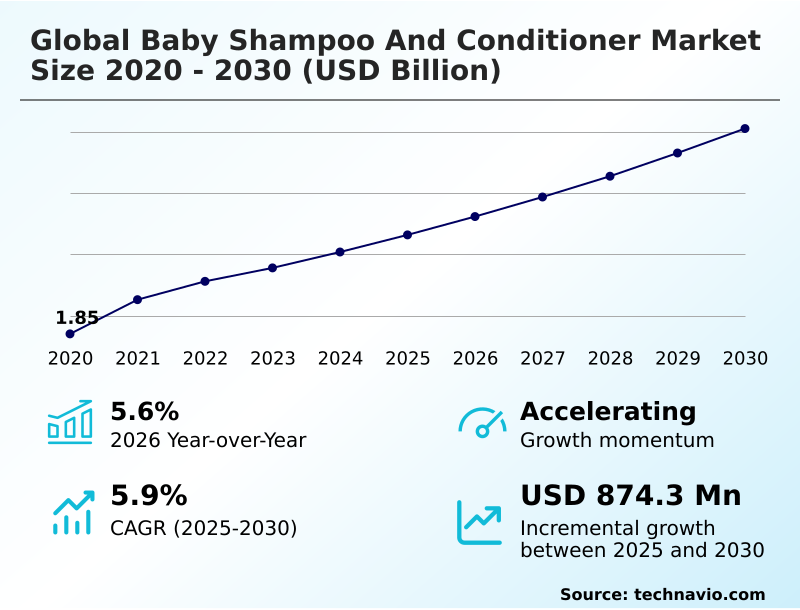
The baby shampoo and conditioner market size is valued to increase by USD 874.3 million, at a CAGR of 5.9% from 2025 to 2030. Influence of parenting communities, social media and celebrity endorsements will drive the baby shampoo and conditioner market.

Major Market Trends & Insights

  • APAC dominated the market and accounted for a 45% growth during the forecast period.
  • By Product - Non-medicated segment was valued at USD 1.98 billion in 2024
  • By Distribution Channel - Offline segment accounted for the largest market revenue share in 2024

Market Size & Forecast

  • Market Opportunities: USD 1.68 billion
  • Market Future Opportunities: USD 874.3 million
  • CAGR from 2025 to 2030 : 5.9%

Market Summary

  • The baby shampoo and conditioner market is evolving from basic hygiene to specialized care, driven by heightened parental awareness of ingredient safety and dermatological health. Demand is shifting toward hypoallergenic formulations featuring plant-based surfactants and natural preservatives to maintain the natural pH balance and delicate acid mantle of the scalp.
  • This has spurred innovation in multifunctional bath products and solutions for specific needs, such as baby hair care for curly hair and sensitive skin baby wash. A key business scenario involves supply chain reconfiguration, where manufacturers must secure verified sources for clean-label, plant-derived formulations to meet stringent regulatory standards without compromising product efficacy.
  • This complex operational pivot is essential for maintaining consumer trust. Concurrently, the industry is addressing challenges like cradle cap treatment shampoo and the need for sustainable packaging baby care, reflecting a move toward holistic, eco-conscious product life cycles. The focus remains on gentle, effective solutions that provide peace of mind for modern caregivers.

What will be the Size of the Baby Shampoo And Conditioner Market during the forecast period?
Get Key Insights on Market Forecast (PDF) Request Free Sample

How is the Baby Shampoo And Conditioner Market Segmented?

The baby shampoo and conditioner industry research report provides comprehensive data (region-wise segment analysis), with forecasts and estimates in "USD million" for the period 2026-2030, as well as historical data from 2020-2024 for the following segments.

  • Product
    • Non-medicated
    • Medicated
  • Distribution channel
    • Offline
    • Online
  • Type
    • Non-organic
    • Organic
  • Geography
    • APAC
      • China
      • India
      • Japan
    • North America
      • US
      • Canada
      • Mexico
    • Europe
      • Germany
      • UK
      • France
    • South America
      • Brazil
      • Argentina
    • Middle East and Africa
      • UAE
      • Saudi Arabia
      • South Africa
    • Rest of World (ROW)

By Product Insights

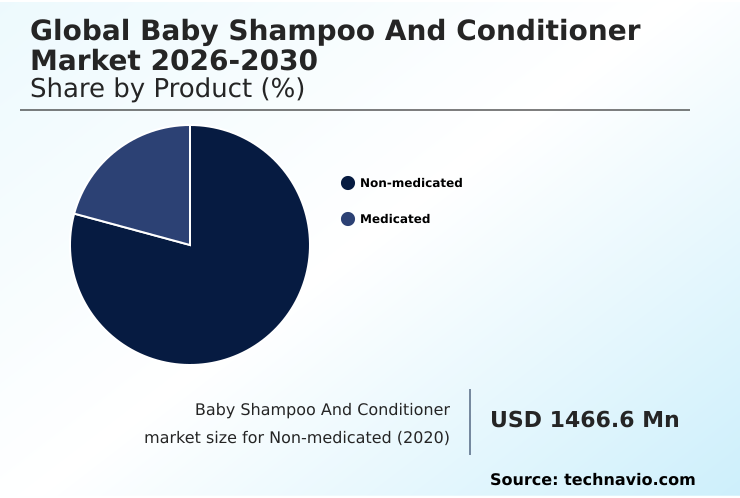
The non-medicated segment is estimated to witness significant growth during the forecast period.

The non-medicated segment is expanding beyond basic hygiene, driven by demand for premium, clean-label products. Parents increasingly seek hypoallergenic formulations and tear-free formulas that support the natural pH balance of the scalp.

This shift compels manufacturers to innovate with plant-based surfactants and natural preservatives, moving away from conventional chemicals.

Sustainability is also a key differentiator, with leading firms achieving a 23% reduction in virgin plastic use by adopting post-consumer recycled plastics and promoting refillable systems.

The focus is on gentle, effective care, incorporating dermatologically tested baby products that cater to sensitive skin, while ensuring products are toxin-free.

This evolution reflects a broader trend toward holistic wellness and environmental responsibility in the baby care sector, influencing purchasing decisions and brand loyalty.
Request Free Sample

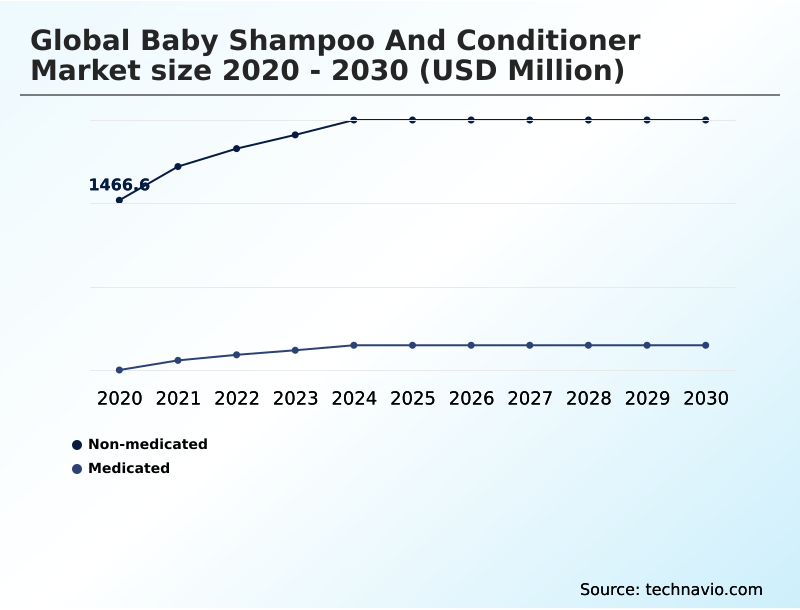
The Non-medicated segment was valued at USD 1.98 billion in 2024 and showed a gradual increase during the forecast period.
Request Free Sample

Regional Analysis

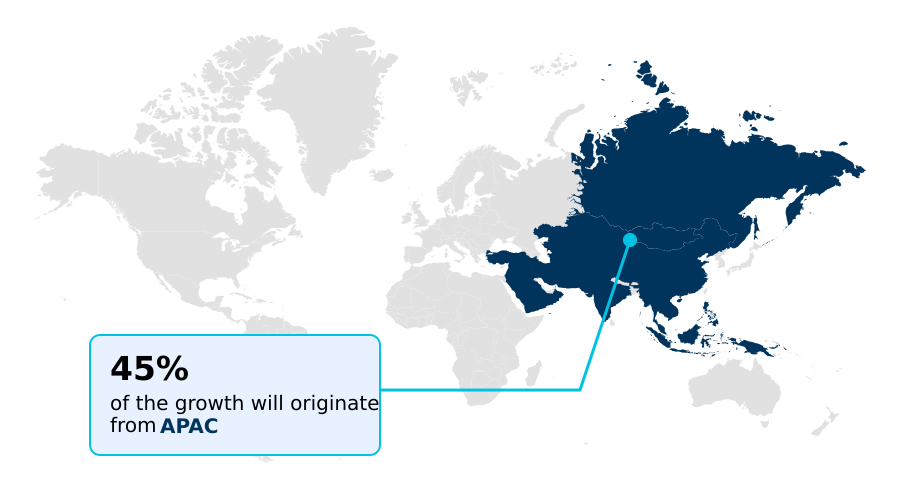
APAC is estimated to contribute 45% to the growth of the global market during the forecast period.Technavio’s analysts have elaborately explained the regional trends and drivers that shape the market during the forecast period.
See How Baby Shampoo And Conditioner Market Demand is Rising in APAC Request Free Sample

The geographic landscape of the market is characterized by diverse regional dynamics.

APAC is the primary growth engine, contributing 45% of the market's incremental growth, fueled by rising incomes and a strong demand for Ayurvedic baby hair care and herbal formulations.

This expansion is supported by robust manufacturing, with exports from key Asian countries rising by 30%. In contrast, mature markets like North America and Europe prioritize premiumization and regulatory adherence, focusing on acid-balanced shampoos and products with clean label certifications.

The stringent regulations in these regions, particularly concerning Carcinogenic, Mutagenic, or Reprotoxic (CMR) substances, drive global standards for product safety and compel innovation in ingredient sourcing and formulation science for all market participants, influencing everything from newborn skin care routine products to specialized treatments.

Market Dynamics

Our researchers analyzed the data with 2025 as the base year, along with the key drivers, trends, and challenges. A holistic analysis of drivers will help companies refine their marketing strategies to gain a competitive advantage.

  • Modern parents are increasingly focused on choosing a safe baby conditioner, which extends to finding the best baby shampoo for sensitive skin. This search often leads to a demand for an organic baby shampoo without sulfates and a better understanding of the difference between medicated and non-medicated shampoo.
  • For specific concerns, caregivers research how to treat cradle cap safely or select a dedicated baby wash for eczema prone skin. The need for a tear-free shampoo for newborn bath remains a baseline requirement, while interest grows in specialized solutions like a natural conditioner for baby curly hair.
  • Innovations in formulation are meeting these demands, highlighting the benefits of calendula in baby shampoo and the rise of baby hair care with prebiotic oat. The importance of a pH balanced shampoo for infant scalp is now widely recognized, especially considering the impact of hard water on baby hair.
  • This consumer-driven shift has a tangible business impact; brands that have transitioned to sustainable baby care product packaging have seen consumer trust scores increase by over 10 percentage points compared to competitors focused solely on formulation.
  • This trend is complemented by the popularity of multifunctional baby wash and shampoo and the integration of Ayurvedic ingredients in baby shampoo, reflecting a holistic approach to infant wellness.
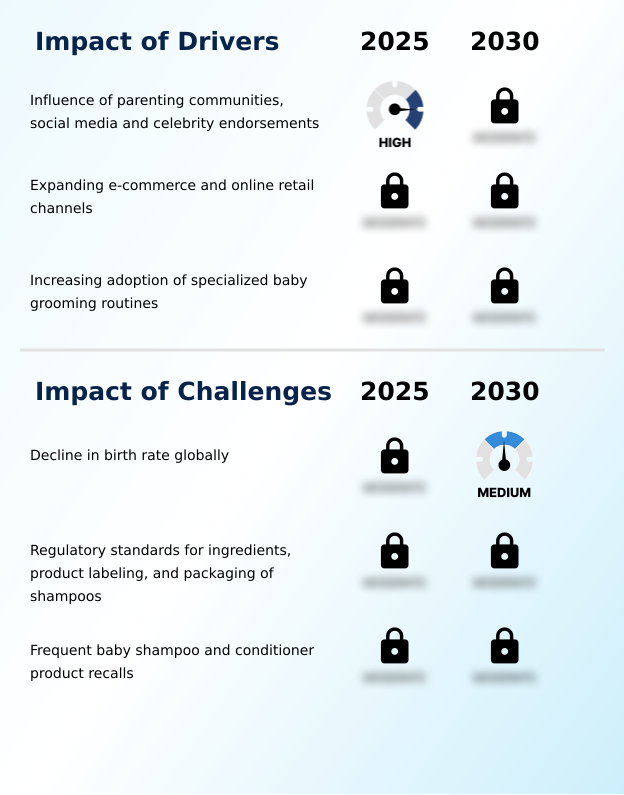
What are the key market drivers leading to the rise in the adoption of Baby Shampoo And Conditioner Industry?

  • The market's growth is significantly driven by the influence of parenting communities, social media engagement, and celebrity endorsements.

  • Market growth is significantly propelled by the rising adoption of specialized grooming routines and the powerful influence of digital platforms.
  • Parents are increasingly seeking out dermatologically tested baby products and creating comprehensive newborn skin care routines that require high-quality, gentle formulations.
  • The widespread availability of information online has made consumers more discerning, favoring products with mild amphoteric surfactants and prebiotic oat formula.
  • This digital shift is impactful; e-commerce platforms report that products marketed for a specific hair texture, such as baby hair care for curly hair, have a 30% higher conversion rate.
  • The emphasis on safety and efficacy is driving demand for scientifically validated solutions that go beyond basic cleansing, establishing a new standard for infant care.

What are the market trends shaping the Baby Shampoo And Conditioner Industry?

  • An upcoming market trend is the increasing availability of multifunctional products. These offerings combine shampoo and conditioner functionalities for bathing.

  • Key market trends are centered on formulation innovation and ethical consumerism, with a notable increase in multifunctional bath products. The demand for natural and organic lines is accelerating, pushing brands to secure vegan and cruelty-free certifications and adopt sustainable packaging for baby care products.
  • This has led to the emergence of novel formats like solid shampoo bars for babies, which address eco-conscious preferences by minimizing waste. For instance, brands focusing on eco-friendly baby products have seen a 25% higher repeat purchase rate. Formulations are also becoming more specialized, with a focus on acid-balanced shampoos to support scalp health.
  • This move toward cleaner, more effective solutions is reshaping product portfolios and brand positioning in a competitive landscape.

What challenges does the Baby Shampoo And Conditioner Industry face during its growth?

  • A declining global birth rate presents a key challenge to the industry's growth by shrinking the core consumer base.

  • The market faces significant challenges from stringent regulatory oversight and logistical complexities, which temper growth potential. Navigating compliance with rules governing Carcinogenic, Mutagenic, or Reprotoxic (CMR) substances and ensuring formulations prevent stratum corneum penetration add considerable cost and time to development, with regulatory compliance management increasing go-to-market timelines by up to 20%.
  • The risk of product recalls due to contamination or mislabeling can erode consumer trust overnight, impacting sales of even established products like cradle cap treatment shampoo. These pressures compel manufacturers to invest heavily in quality control and transparent sourcing to deliver the toxin-free baby hair care solutions that discerning parents demand, making operational excellence a critical factor for survival.

Exclusive Technavio Analysis on Customer Landscape

The baby shampoo and conditioner market forecasting report includes the adoption lifecycle of the market, covering from the innovator’s stage to the laggard’s stage. It focuses on adoption rates in different regions based on penetration. Furthermore, the baby shampoo and conditioner market report also includes key purchase criteria and drivers of price sensitivity to help companies evaluate and develop their market growth analysis strategies.
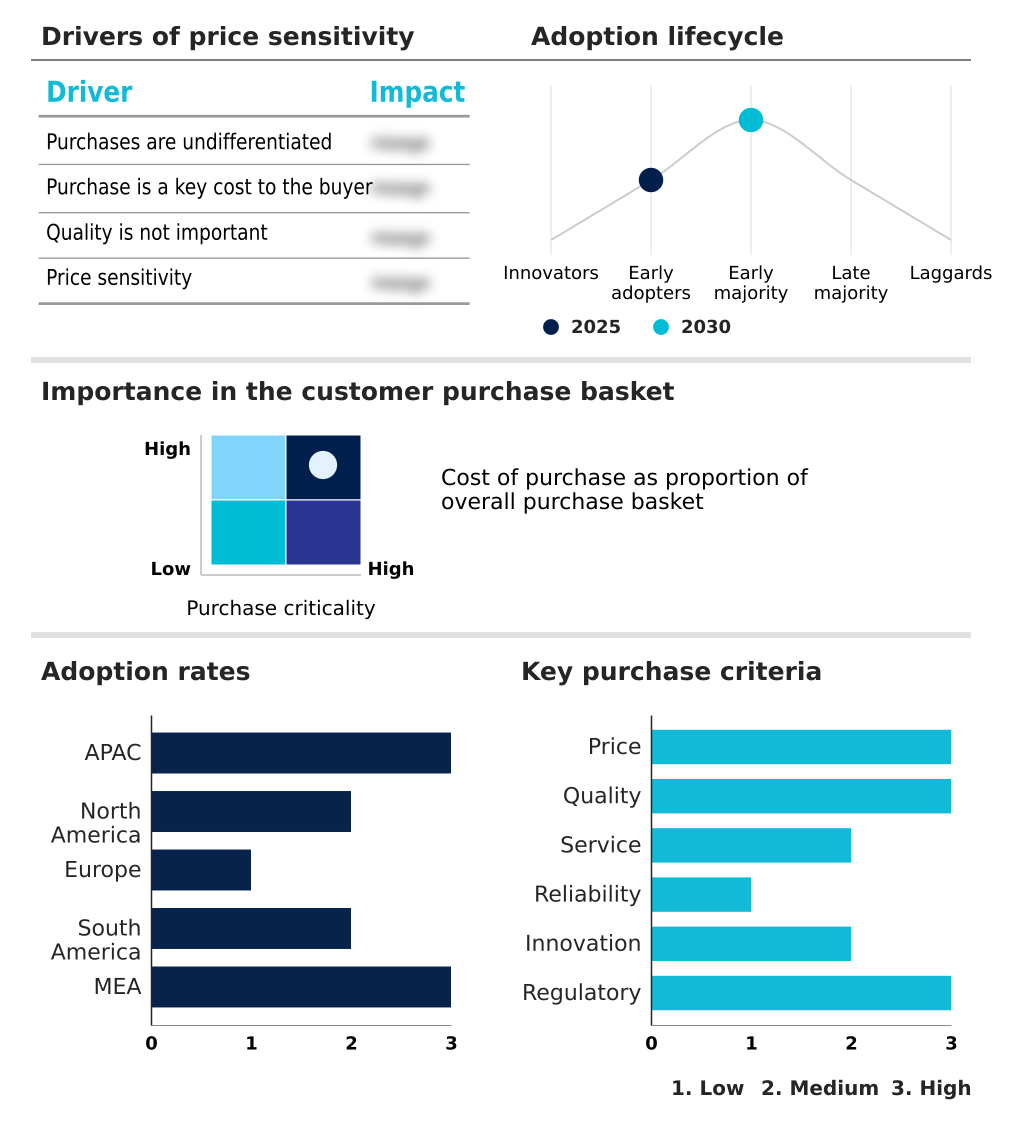
Customer Landscape of Baby Shampoo And Conditioner Industry

Competitive Landscape

Companies are implementing various strategies, such as strategic alliances, baby shampoo and conditioner market forecast, partnerships, mergers and acquisitions, geographical expansion, and product/service launches, to enhance their presence in the industry.

Beiersdorf AG - Offerings focus on specialized infant hair care, emphasizing hypoallergenic, dermatologically-tested, and clean-label formulations to meet rigorous parental safety standards.

The industry research and growth report includes detailed analyses of the competitive landscape of the market and information about key companies, including:

  • Beiersdorf AG
  • Biocrown Biotechnology Ltd.
  • Burts Bees Baby
  • California Baby
  • Dabur India Ltd.
  • Farlin Corp.
  • Galderma SA
  • Kenvue Brands LLC
  • LOreal SA
  • Made By Nature Labs
  • Me n Moms Pvt ltd.
  • Mothercare Plc
  • Pigeon Corp.
  • S.C. Johnson and Son Inc.
  • Sovereign Chemicals
  • Unilever PLC
  • Vasa Cosmetics Pvt. Ltd.
  • Weleda

Qualitative and quantitative analysis of companies has been conducted to help clients understand the wider business environment as well as the strengths and weaknesses of key industry players. Data is qualitatively analyzed to categorize companies as pure play, category-focused, industry-focused, and diversified; it is quantitatively analyzed to categorize companies as dominant, leading, strong, tentative, and weak.

Recent Development and News in Baby shampoo and conditioner market

  • In August 2024, Nala Baby secured a major retail listing with the Sainsbury supermarket chain, expanding the availability of its natural baby care products in the UK.
  • In November 2024, Pigeon Corp. showcased a new lactoferrin-enriched skin care series at the China International Import Expo, highlighting innovation in ingredient science for infant products.
  • In February 2025, The Honest Co. reported that its digital revenue mix reached 50% of its total business, signaling a strong consumer shift toward online purchasing channels for baby care.
  • In March 2025, The Himalaya Drug Co. launched a new Ayurvedic baby hair care series in India, featuring hibiscus and fenugreek extracts to cater to growing demand for natural and traditional formulations.

Dive into Technavio’s robust research methodology, blending expert interviews, extensive data synthesis, and validated models for unparalleled Baby Shampoo And Conditioner Market insights. See full methodology.

Market Scope
Page number 284
Base year 2025
Historic period 2020-2024
Forecast period 2026-2030
Growth momentum & CAGR Accelerate at a CAGR of 5.9%
Market growth 2026-2030 USD 874.3 million
Market structure Fragmented
YoY growth 2025-2026(%) 5.6%
Key countries China, India, Japan, South Korea, Australia, Indonesia, US, Canada, Mexico, Germany, UK, France, Italy, Spain, The Netherlands, Brazil, Argentina, Chile, UAE, Saudi Arabia, South Africa, Egypt and Turkey
Competitive landscape Leading Companies, Market Positioning of Companies, Competitive Strategies, and Industry Risks

Request Free Sample

Research Analyst Overview

  • The baby shampoo and conditioner market is defined by sophisticated formulation science, centered on the use of mild amphoteric surfactants and non-ionic cleansing agents to prevent stratum corneum penetration and protect the ocular mucous membranes. A critical focus is maintaining the natural pH balance and the acid mantle of the scalp, alongside providing effective seborrheic dermatitis management.
  • Boardroom-level strategy is increasingly dictated by the need to balance innovation in plant-based surfactants and natural preservatives with the high costs of sourcing pharmaceutical-grade ingredients like colloidal oatmeal. Firms must navigate complex regulations on substances like pyrithione zinc while pursuing valued claims such as vegan and cruelty-free certifications and developing microplastic-free formulations.
  • Proactive adoption of standards for biodegradable packaging and refillable systems is becoming essential, as brands offering these features have reported up to a 15% improvement in brand perception scores. The market push toward premium, prebiotic oat formula products and those with clean label certifications continues to intensify competition.

What are the Key Data Covered in this Baby Shampoo And Conditioner Market Research and Growth Report?

  • What is the expected growth of the Baby Shampoo And Conditioner Market between 2026 and 2030?

    • USD 874.3 million, at a CAGR of 5.9%

  • What segmentation does the market report cover?

    • The report is segmented by Product (Non-medicated, and Medicated), Distribution Channel (Offline, and Online), Type (Non-organic, and Organic) and Geography (APAC, North America, Europe, South America, Middle East and Africa)

  • Which regions are analyzed in the report?

    • APAC, North America, Europe, South America and Middle East and Africa

  • What are the key growth drivers and market challenges?

    • Influence of parenting communities, social media and celebrity endorsements, Decline in birth rate globally

  • Who are the major players in the Baby Shampoo And Conditioner Market?

    • Beiersdorf AG, Biocrown Biotechnology Ltd., Burts Bees Baby, California Baby, Dabur India Ltd., Farlin Corp., Galderma SA, Kenvue Brands LLC, LOreal SA, Made By Nature Labs, Me n Moms Pvt ltd., Mothercare Plc, Pigeon Corp., S.C. Johnson and Son Inc., Sovereign Chemicals, Unilever PLC, Vasa Cosmetics Pvt. Ltd. and Weleda

Market Research Insights

  • The market's dynamism is driven by a pronounced shift in consumer priorities toward safety and sustainability, reshaping product development and retail strategies. E-commerce has become a pivotal channel, with brands reporting that their digital revenue mix has reached 50% of total business, underscoring the importance of a robust online presence.
  • This digital migration facilitates greater transparency, allowing parents to scrutinize ingredients and demand toxin-free baby hair care. In response to environmental concerns, leading companies have achieved a 23% reduction in virgin plastic use, championing eco-friendly baby products.
  • This focus on specialized grooming routines and sustainable practices compels continuous innovation, from developing superior products for sensitive skin to optimizing packaging, ensuring that brand values align with modern parental expectations.

We can help! Our analysts can customize this baby shampoo and conditioner market research report to meet your requirements.

Get in touch

1. Executive Summary

1.1 Market overview

Executive Summary - Chart on Market Overview
Executive Summary - Data Table on Market Overview
Executive Summary - Chart on Global Market Characteristics
Executive Summary - Chart on Market by Geography
Executive Summary - Chart on Market Segmentation by Product
Executive Summary - Chart on Market Segmentation by Distribution Channel
Executive Summary - Chart on Market Segmentation by Type
Executive Summary - Chart on Incremental Growth
Executive Summary - Data Table on Incremental Growth
Executive Summary - Chart on Company Market Positioning

2. Technavio Analysis

2.1 Analysis of price sensitivity, lifecycle, customer purchase basket, adoption rates, and purchase criteria

2.2 Criticality of inputs and Factors of differentiation

Chart on Overview on criticality of inputs and factors of differentiation

2.3 Factors of disruption

Chart on Overview on factors of disruption

2.4 Impact of drivers and challenges

Chart on Impact of drivers and challenges in 2025 and 2030

3. Market Landscape

3.1 Market ecosystem

Chart on Parent Market
Data Table on - Parent Market

3.2 Market characteristics

Chart on Market characteristics analysis

3.3 Value chain analysis

Chart on Value chain analysis

4. Market Sizing

4.1 Market definition

Data Table on Offerings of companies included in the market definition

4.2 Market segment analysis

Market segments

4.3 Market size 2025

4.4 Market outlook: Forecast for 2025-2030

Chart on Global - Market size and forecast 2025-2030 ($ million)
Data Table on Global - Market size and forecast 2025-2030 ($ million)
Chart on Global Market: Year-over-year growth 2025-2030 (%)
Data Table on Global Market: Year-over-year growth 2025-2030 (%)

5. Historic Market Size

5.1 Global Baby Shampoo And Conditioner Market 2020 - 2024

Historic Market Size - Data Table on Global Baby Shampoo And Conditioner Market 2020 - 2024 ($ million)

5.2 Product segment analysis 2020 - 2024

Historic Market Size - Product Segment 2020 - 2024 ($ million)

5.3 Distribution Channel segment analysis 2020 - 2024

Historic Market Size - Distribution Channel Segment 2020 - 2024 ($ million)

5.4 Type segment analysis 2020 - 2024

Historic Market Size - Type Segment 2020 - 2024 ($ million)

5.5 Geography segment analysis 2020 - 2024

Historic Market Size - Geography Segment 2020 - 2024 ($ million)

5.6 Country segment analysis 2020 - 2024

Historic Market Size - Country Segment 2020 - 2024 ($ million)

6. Qualitative Analysis

6.1 Impact of AI in Global Baby Shampoo and Conditioner Market

7. Five Forces Analysis

7.1 Five forces summary

Five forces analysis - Comparison between 2025 and 2030

7.2 Bargaining power of buyers

Bargaining power of buyers - Impact of key factors 2025 and 2030

7.3 Bargaining power of suppliers

Bargaining power of suppliers - Impact of key factors in 2025 and 2030

7.4 Threat of new entrants

Threat of new entrants - Impact of key factors in 2025 and 2030

7.5 Threat of substitutes

Threat of substitutes - Impact of key factors in 2025 and 2030

7.6 Threat of rivalry

Threat of rivalry - Impact of key factors in 2025 and 2030

7.7 Market condition

Chart on Market condition - Five forces 2025 and 2030

8. Market Segmentation by Product

8.1 Market segments

Chart on Product - Market share 2025-2030 (%)
Data Table on Product - Market share 2025-2030 (%)

8.2 Comparison by Product

Chart on Comparison by Product
Data Table on Comparison by Product

8.3 Non-medicated - Market size and forecast 2025-2030

Chart on Non-medicated - Market size and forecast 2025-2030 ($ million)
Data Table on Non-medicated - Market size and forecast 2025-2030 ($ million)
Chart on Non-medicated - Year-over-year growth 2025-2030 (%)
Data Table on Non-medicated - Year-over-year growth 2025-2030 (%)

8.4 Medicated - Market size and forecast 2025-2030

Chart on Medicated - Market size and forecast 2025-2030 ($ million)
Data Table on Medicated - Market size and forecast 2025-2030 ($ million)
Chart on Medicated - Year-over-year growth 2025-2030 (%)
Data Table on Medicated - Year-over-year growth 2025-2030 (%)

8.5 Market opportunity by Product

Market opportunity by Product ($ million)
Data Table on Market opportunity by Product ($ million)

9. Market Segmentation by Distribution Channel

9.1 Market segments

Chart on Distribution Channel - Market share 2025-2030 (%)
Data Table on Distribution Channel - Market share 2025-2030 (%)

9.2 Comparison by Distribution Channel

Chart on Comparison by Distribution Channel
Data Table on Comparison by Distribution Channel

9.3 Offline - Market size and forecast 2025-2030

Chart on Offline - Market size and forecast 2025-2030 ($ million)
Data Table on Offline - Market size and forecast 2025-2030 ($ million)
Chart on Offline - Year-over-year growth 2025-2030 (%)
Data Table on Offline - Year-over-year growth 2025-2030 (%)

9.4 Online - Market size and forecast 2025-2030

Chart on Online - Market size and forecast 2025-2030 ($ million)
Data Table on Online - Market size and forecast 2025-2030 ($ million)
Chart on Online - Year-over-year growth 2025-2030 (%)
Data Table on Online - Year-over-year growth 2025-2030 (%)

9.5 Market opportunity by Distribution Channel

Market opportunity by Distribution Channel ($ million)
Data Table on Market opportunity by Distribution Channel ($ million)

10. Market Segmentation by Type

10.1 Market segments

Chart on Type - Market share 2025-2030 (%)
Data Table on Type - Market share 2025-2030 (%)

10.2 Comparison by Type

Chart on Comparison by Type
Data Table on Comparison by Type

10.3 Non-organic - Market size and forecast 2025-2030

Chart on Non-organic - Market size and forecast 2025-2030 ($ million)
Data Table on Non-organic - Market size and forecast 2025-2030 ($ million)
Chart on Non-organic - Year-over-year growth 2025-2030 (%)
Data Table on Non-organic - Year-over-year growth 2025-2030 (%)

10.4 Organic - Market size and forecast 2025-2030

Chart on Organic - Market size and forecast 2025-2030 ($ million)
Data Table on Organic - Market size and forecast 2025-2030 ($ million)
Chart on Organic - Year-over-year growth 2025-2030 (%)
Data Table on Organic - Year-over-year growth 2025-2030 (%)

10.5 Market opportunity by Type

Market opportunity by Type ($ million)
Data Table on Market opportunity by Type ($ million)

11. Customer Landscape

11.1 Customer landscape overview

Analysis of price sensitivity, lifecycle, customer purchase basket, adoption rates, and purchase criteria

12. Geographic Landscape

12.1 Geographic segmentation

Chart on Market share by geography 2025-2030 (%)
Data Table on Market share by geography 2025-2030 (%)

12.2 Geographic comparison

Chart on Geographic comparison
Data Table on Geographic comparison

12.3 APAC - Market size and forecast 2025-2030

Chart on APAC - Market size and forecast 2025-2030 ($ million)
Data Table on APAC - Market size and forecast 2025-2030 ($ million)
Chart on APAC - Year-over-year growth 2025-2030 (%)
Data Table on APAC - Year-over-year growth 2025-2030 (%)
Chart on Regional Comparison - APAC
Data Table on Regional Comparison - APAC

12.3.1 China - Market size and forecast 2025-2030

Chart on China - Market size and forecast 2025-2030 ($ million)
Data Table on China - Market size and forecast 2025-2030 ($ million)
Chart on China - Year-over-year growth 2025-2030 (%)
Data Table on China - Year-over-year growth 2025-2030 (%)

12.3.2 India - Market size and forecast 2025-2030

Chart on India - Market size and forecast 2025-2030 ($ million)
Data Table on India - Market size and forecast 2025-2030 ($ million)
Chart on India - Year-over-year growth 2025-2030 (%)
Data Table on India - Year-over-year growth 2025-2030 (%)

12.3.3 Japan - Market size and forecast 2025-2030

Chart on Japan - Market size and forecast 2025-2030 ($ million)
Data Table on Japan - Market size and forecast 2025-2030 ($ million)
Chart on Japan - Year-over-year growth 2025-2030 (%)
Data Table on Japan - Year-over-year growth 2025-2030 (%)

12.3.4 South Korea - Market size and forecast 2025-2030

Chart on South Korea - Market size and forecast 2025-2030 ($ million)
Data Table on South Korea - Market size and forecast 2025-2030 ($ million)
Chart on South Korea - Year-over-year growth 2025-2030 (%)
Data Table on South Korea - Year-over-year growth 2025-2030 (%)

12.3.5 Australia - Market size and forecast 2025-2030

Chart on Australia - Market size and forecast 2025-2030 ($ million)
Data Table on Australia - Market size and forecast 2025-2030 ($ million)
Chart on Australia - Year-over-year growth 2025-2030 (%)
Data Table on Australia - Year-over-year growth 2025-2030 (%)

12.3.6 Indonesia - Market size and forecast 2025-2030

Chart on Indonesia - Market size and forecast 2025-2030 ($ million)
Data Table on Indonesia - Market size and forecast 2025-2030 ($ million)
Chart on Indonesia - Year-over-year growth 2025-2030 (%)
Data Table on Indonesia - Year-over-year growth 2025-2030 (%)

12.4 North America - Market size and forecast 2025-2030

Chart on North America - Market size and forecast 2025-2030 ($ million)
Data Table on North America - Market size and forecast 2025-2030 ($ million)
Chart on North America - Year-over-year growth 2025-2030 (%)
Data Table on North America - Year-over-year growth 2025-2030 (%)
Chart on Regional Comparison - North America
Data Table on Regional Comparison - North America

12.4.1 US - Market size and forecast 2025-2030

Chart on US - Market size and forecast 2025-2030 ($ million)
Data Table on US - Market size and forecast 2025-2030 ($ million)
Chart on US - Year-over-year growth 2025-2030 (%)
Data Table on US - Year-over-year growth 2025-2030 (%)

12.4.2 Canada - Market size and forecast 2025-2030

Chart on Canada - Market size and forecast 2025-2030 ($ million)
Data Table on Canada - Market size and forecast 2025-2030 ($ million)
Chart on Canada - Year-over-year growth 2025-2030 (%)
Data Table on Canada - Year-over-year growth 2025-2030 (%)

12.4.3 Mexico - Market size and forecast 2025-2030

Chart on Mexico - Market size and forecast 2025-2030 ($ million)
Data Table on Mexico - Market size and forecast 2025-2030 ($ million)
Chart on Mexico - Year-over-year growth 2025-2030 (%)
Data Table on Mexico - Year-over-year growth 2025-2030 (%)

12.5 Europe - Market size and forecast 2025-2030

Chart on Europe - Market size and forecast 2025-2030 ($ million)
Data Table on Europe - Market size and forecast 2025-2030 ($ million)
Chart on Europe - Year-over-year growth 2025-2030 (%)
Data Table on Europe - Year-over-year growth 2025-2030 (%)
Chart on Regional Comparison - Europe
Data Table on Regional Comparison - Europe

12.5.1 Germany - Market size and forecast 2025-2030

Chart on Germany - Market size and forecast 2025-2030 ($ million)
Data Table on Germany - Market size and forecast 2025-2030 ($ million)
Chart on Germany - Year-over-year growth 2025-2030 (%)
Data Table on Germany - Year-over-year growth 2025-2030 (%)

12.5.2 UK - Market size and forecast 2025-2030

Chart on UK - Market size and forecast 2025-2030 ($ million)
Data Table on UK - Market size and forecast 2025-2030 ($ million)
Chart on UK - Year-over-year growth 2025-2030 (%)
Data Table on UK - Year-over-year growth 2025-2030 (%)

12.5.3 France - Market size and forecast 2025-2030

Chart on France - Market size and forecast 2025-2030 ($ million)
Data Table on France - Market size and forecast 2025-2030 ($ million)
Chart on France - Year-over-year growth 2025-2030 (%)
Data Table on France - Year-over-year growth 2025-2030 (%)

12.5.4 Italy - Market size and forecast 2025-2030

Chart on Italy - Market size and forecast 2025-2030 ($ million)
Data Table on Italy - Market size and forecast 2025-2030 ($ million)
Chart on Italy - Year-over-year growth 2025-2030 (%)
Data Table on Italy - Year-over-year growth 2025-2030 (%)

12.5.5 Spain - Market size and forecast 2025-2030

Chart on Spain - Market size and forecast 2025-2030 ($ million)
Data Table on Spain - Market size and forecast 2025-2030 ($ million)
Chart on Spain - Year-over-year growth 2025-2030 (%)
Data Table on Spain - Year-over-year growth 2025-2030 (%)

12.5.6 The Netherlands - Market size and forecast 2025-2030

Chart on The Netherlands - Market size and forecast 2025-2030 ($ million)
Data Table on The Netherlands - Market size and forecast 2025-2030 ($ million)
Chart on The Netherlands - Year-over-year growth 2025-2030 (%)
Data Table on The Netherlands - Year-over-year growth 2025-2030 (%)

12.6 South America - Market size and forecast 2025-2030

Chart on South America - Market size and forecast 2025-2030 ($ million)
Data Table on South America - Market size and forecast 2025-2030 ($ million)
Chart on South America - Year-over-year growth 2025-2030 (%)
Data Table on South America - Year-over-year growth 2025-2030 (%)
Chart on Regional Comparison - South America
Data Table on Regional Comparison - South America

12.6.1 Brazil - Market size and forecast 2025-2030

Chart on Brazil - Market size and forecast 2025-2030 ($ million)
Data Table on Brazil - Market size and forecast 2025-2030 ($ million)
Chart on Brazil - Year-over-year growth 2025-2030 (%)
Data Table on Brazil - Year-over-year growth 2025-2030 (%)

12.6.2 Argentina - Market size and forecast 2025-2030

Chart on Argentina - Market size and forecast 2025-2030 ($ million)
Data Table on Argentina - Market size and forecast 2025-2030 ($ million)
Chart on Argentina - Year-over-year growth 2025-2030 (%)
Data Table on Argentina - Year-over-year growth 2025-2030 (%)

12.6.3 Chile - Market size and forecast 2025-2030

Chart on Chile - Market size and forecast 2025-2030 ($ million)
Data Table on Chile - Market size and forecast 2025-2030 ($ million)
Chart on Chile - Year-over-year growth 2025-2030 (%)
Data Table on Chile - Year-over-year growth 2025-2030 (%)

12.7 Middle East and Africa - Market size and forecast 2025-2030

Chart on Middle East and Africa - Market size and forecast 2025-2030 ($ million)
Data Table on Middle East and Africa - Market size and forecast 2025-2030 ($ million)
Chart on Middle East and Africa - Year-over-year growth 2025-2030 (%)
Data Table on Middle East and Africa - Year-over-year growth 2025-2030 (%)
Chart on Regional Comparison - Middle East and Africa
Data Table on Regional Comparison - Middle East and Africa

12.7.1 UAE - Market size and forecast 2025-2030

Chart on UAE - Market size and forecast 2025-2030 ($ million)
Data Table on UAE - Market size and forecast 2025-2030 ($ million)
Chart on UAE - Year-over-year growth 2025-2030 (%)
Data Table on UAE - Year-over-year growth 2025-2030 (%)

12.7.2 Saudi Arabia - Market size and forecast 2025-2030

Chart on Saudi Arabia - Market size and forecast 2025-2030 ($ million)
Data Table on Saudi Arabia - Market size and forecast 2025-2030 ($ million)
Chart on Saudi Arabia - Year-over-year growth 2025-2030 (%)
Data Table on Saudi Arabia - Year-over-year growth 2025-2030 (%)

12.7.3 South Africa - Market size and forecast 2025-2030

Chart on South Africa - Market size and forecast 2025-2030 ($ million)
Data Table on South Africa - Market size and forecast 2025-2030 ($ million)
Chart on South Africa - Year-over-year growth 2025-2030 (%)
Data Table on South Africa - Year-over-year growth 2025-2030 (%)

12.7.4 Egypt - Market size and forecast 2025-2030

Chart on Egypt - Market size and forecast 2025-2030 ($ million)
Data Table on Egypt - Market size and forecast 2025-2030 ($ million)
Chart on Egypt - Year-over-year growth 2025-2030 (%)
Data Table on Egypt - Year-over-year growth 2025-2030 (%)

12.7.5 Turkey - Market size and forecast 2025-2030

Chart on Turkey - Market size and forecast 2025-2030 ($ million)
Data Table on Turkey - Market size and forecast 2025-2030 ($ million)
Chart on Turkey - Year-over-year growth 2025-2030 (%)
Data Table on Turkey - Year-over-year growth 2025-2030 (%)

12.8 Market opportunity by geography

Market opportunity by geography ($ million)
Data Tables on Market opportunity by geography ($ million)

13. Drivers, Challenges, and Opportunity

13.1 Market drivers

Influence of parenting communities, social media and celebrity endorsements
Expanding e-commerce and online retail channels
Increasing adoption of specialized baby grooming routines

13.2 Market challenges

Decline in birth rate globally
Regulatory standards for ingredients, product labeling, and packaging of shampoos
Frequent baby shampoo and conditioner product recalls

13.3 Impact of drivers and challenges

Impact of drivers and challenges in 2025 and 2030

13.4 Market opportunities

Increase in offerings of multifunctional bath shampoo and conditioner products
Growing influence of healthcare professionals in raising awareness of baby shampoo and conditioner products
Growing demand for natural and organic lines of baby shampoo and conditioner products

14. Competitive Landscape

14.1 Overview

14.2

Overview on criticality of inputs and factors of differentiation

14.3 Landscape disruption

Overview on factors of disruption

14.4 Industry risks

Impact of key risks on business

15. Competitive Analysis

15.1 Companies profiled

Companies covered

15.2 Company ranking index

15.3 Market positioning of companies

Matrix on companies position and classification

15.4 Beiersdorf AG

Beiersdorf AG - Overview
Beiersdorf AG - Business segments
Beiersdorf AG - Key news
Beiersdorf AG - Key offerings
Beiersdorf AG - Segment focus
SWOT

15.5 Biocrown Biotechnology Ltd.

Biocrown Biotechnology Ltd. - Overview
Biocrown Biotechnology Ltd. - Product / Service
Biocrown Biotechnology Ltd. - Key offerings
SWOT

15.6 Burts Bees Baby

Burts Bees Baby - Overview
Burts Bees Baby - Product / Service
Burts Bees Baby - Key offerings
SWOT

15.7 California Baby

California Baby - Overview
California Baby - Product / Service
California Baby - Key offerings
SWOT

15.8 Dabur India Ltd.

Dabur India Ltd. - Overview
Dabur India Ltd. - Business segments
Dabur India Ltd. - Key news
Dabur India Ltd. - Key offerings
Dabur India Ltd. - Segment focus
SWOT

15.9 Farlin Corp.

Farlin Corp. - Overview
Farlin Corp. - Product / Service
Farlin Corp. - Key offerings
SWOT

15.10 Galderma SA

Galderma SA - Overview
Galderma SA - Product / Service
Galderma SA - Key offerings
SWOT

15.11 Kenvue Brands LLC

Kenvue Brands LLC - Overview
Kenvue Brands LLC - Product / Service
Kenvue Brands LLC - Key offerings
SWOT

15.12 LOreal SA

LOreal SA - Overview
LOreal SA - Business segments
LOreal SA - Key news
LOreal SA - Key offerings
LOreal SA - Segment focus
SWOT

15.13 Me n Moms Pvt ltd.

Me n Moms Pvt ltd. - Overview
Me n Moms Pvt ltd. - Product / Service
Me n Moms Pvt ltd. - Key offerings
SWOT

15.14 Mothercare Plc

Mothercare Plc - Overview
Mothercare Plc - Product / Service
Mothercare Plc - Key offerings
SWOT

15.15 Pigeon Corp.

Pigeon Corp. - Overview
Pigeon Corp. - Business segments
Pigeon Corp. - Key offerings
Pigeon Corp. - Segment focus
SWOT

15.16 S.C. Johnson and Son Inc.

S.C. Johnson and Son Inc. - Overview
S.C. Johnson and Son Inc. - Product / Service
S.C. Johnson and Son Inc. - Key offerings
SWOT

15.17 Unilever PLC

Unilever PLC - Overview
Unilever PLC - Business segments
Unilever PLC - Key offerings
Unilever PLC - Segment focus
SWOT

15.18 Weleda

Weleda - Overview
Weleda - Product / Service
Weleda - Key offerings
SWOT

16. Appendix

16.1 Scope of the report

Market definition
Objectives
Notes and caveats

16.2 Inclusions and exclusions checklist

Inclusions checklist
Exclusions checklist

16.3 Currency conversion rates for US$

16.4 Research methodology

16.5 Data procurement

Information sources

16.6 Data validation

16.7 Validation techniques employed for market sizing

16.8 Data synthesis

16.9 360 degree market analysis

16.10 List of abbreviations

Research Methodology

Technavio presents a detailed picture of the market by way of study, synthesis, and summation of data from multiple sources. The analysts have presented the various facets of the market with a particular focus on identifying the key industry influencers. The data thus presented is comprehensive, reliable, and the result of extensive research, both primary and secondary.

INFORMATION SOURCES

Primary sources

  • Manufacturers and suppliers
  • Channel partners
  • Industry experts
  • Strategic decision makers

Secondary sources

  • Industry journals and periodicals
  • Government data
  • Financial reports of key industry players
  • Historical data
  • Press releases

DATA ANALYSIS

Data Synthesis

  • Collation of data
  • Estimation of key figures
  • Analysis of derived insights

Data Validation

  • Triangulation with data models
  • Reference against proprietary databases
  • Corroboration with industry experts

REPORT WRITING

Qualitative

  • Market drivers
  • Market challenges
  • Market trends
  • Five forces analysis

Quantitative

  • Market size and forecast
  • Market segmentation
  • Geographical insights
  • Competitive landscape

Interested in this report?

Get your sample now to see our research methodology and insights!

Download Now

Frequently Asked Questions

Baby Shampoo And Conditioner market growth will increase by USD 874.3 million during 2026-2030.

The Baby Shampoo And Conditioner market is expected to grow at a CAGR of 5.9% during 2026-2030.

Baby Shampoo And Conditioner market is segmented by Product (Non-medicated, Medicated) Distribution channel (Offline, Online) Type (Non-organic, Organic)

Beiersdorf AG, Biocrown Biotechnology Ltd., Burts Bees Baby, California Baby, Dabur India Ltd., Farlin Corp., Galderma SA, Kenvue Brands LLC, LOreal SA, Made By Nature Labs, Me n Moms Pvt ltd., Mothercare Plc, Pigeon Corp., S.C. Johnson and Son Inc., Sovereign Chemicals, Unilever PLC, Vasa Cosmetics Pvt. Ltd., Weleda are a few of the key vendors in the Baby Shampoo And Conditioner market.

APAC will register the highest growth rate of 45% among the other regions. Therefore, the Baby Shampoo And Conditioner market in APAC is expected to garner significant business opportunities for the vendors during the forecast period.

China, India, Japan, South Korea, Australia, Indonesia, US, Canada, Mexico, Germany, UK, France, Italy, Spain, The Netherlands, Brazil, Argentina, Chile, UAE, Saudi Arabia, South Africa, Egypt, Turkey

  • Influence of parenting communities, social media and celebrity endorsements is the driving factor this market.

The Baby Shampoo And Conditioner market vendors should focus on grabbing business opportunities from the Product segment as it accounted for the largest market share in the base year.
