



Biodiesel Market Size 2024-2028
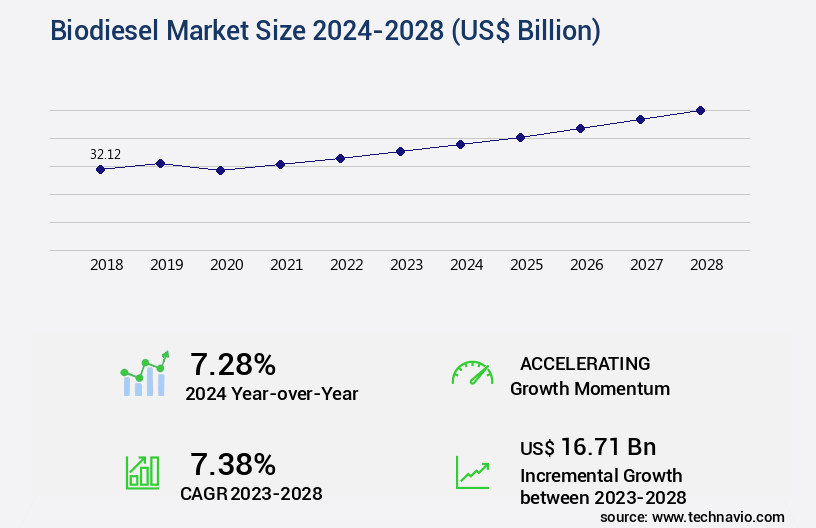
The biodiesel market size is valued to increase USD 16.71 billion, at a CAGR of 7.38% from 2023 to 2028. Growing demand for algae for production of biodiesel will drive the biodiesel market.
Major Market Trends & Insights
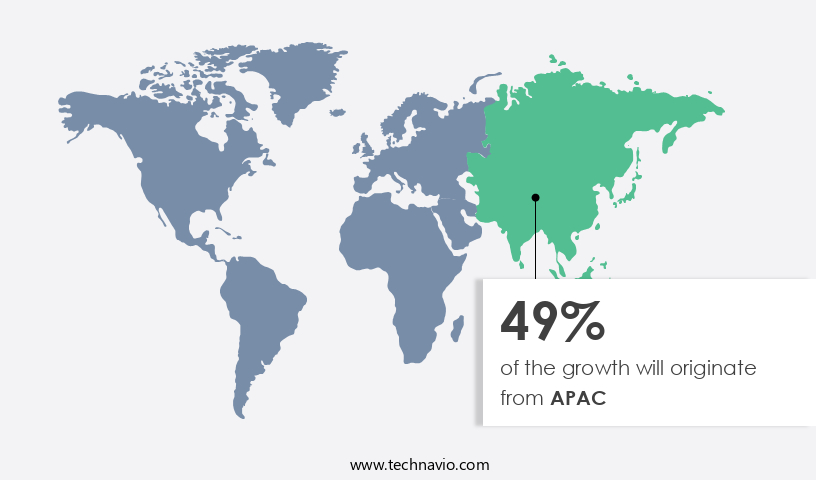
- APAC dominated the market and accounted for a 49% growth during the forecast period.
- By Application - Transport fuel segment was valued at USD 25.90 billion in 2022
- By Type - Vegetable oil segment accounted for the largest market revenue share in 2022
Market Size & Forecast
- Market Opportunities: USD 73.69 billion
- Market Future Opportunities: USD 16.71 billion
- CAGR from 2023 to 2028 : 7.38%
Market Summary
- The market encompasses the production, consumption, and regulatory landscape of this renewable fuel derived from vegetable oils or animal fats. Core technologies, such as transesterification and supercritical methanol processes, facilitate biodiesel production. Applications span sectors like transportation and power generation, with the transportation segment holding a significant market share due to increasing demand for sustainable fuel alternatives. However, high operating costs remain a major challenge. Notably, the biodiesel industry is evolving, with biofuel from algae and the use of spent bleaching earth gaining traction.
- Regulations, such as the Renewable Fuel Standard in the US, continue to shape market dynamics. According to a study, the global algae the market is projected to reach 5.3 billion liters by 2026, reflecting the growing potential of this sector.
What will be the Size of the Biodiesel Market during the forecast period?
Get Key Insights on Market Forecast (PDF) Request Free Sample
How is the Biodiesel Market Segmented ?
The biodiesel industry research report provides comprehensive data (region-wise segment analysis), with forecasts and estimates in "USD billion" for the period 2024-2028, as well as historical data from 2018-2022 for the following segments.
- Application
- Transport fuel
- Power generation
- Others
- Type
- Vegetable oil
- Animal fats
- Others
- Geography
- North America
- US
- APAC
- India
- Indonesia
- Thailand
- South America
- Brazil
- Rest of World (ROW)
- North America
By Application Insights
The transport fuel segment is estimated to witness significant growth during the forecast period.
Biodiesel, an eco-friendly alternative to traditional diesel, is gaining significant traction in various industries due to its sustainability and carbon footprint reduction benefits. The market is currently witnessing a notable increase in adoption, with feedstocks derived from renewable sources accounting for over 82% of the market share. In Europe, biodiesel dominates the biofuel sector, constituting more than 80% of the market, driven by the increasing use of this cleaner fuel in automobiles. Meanwhile, in India, the biodiesel industry is poised for growth, with the country investing heavily in its production. Karnataka state, for instance, has already integrated biodiesel into its public transportation sector, contributing to the reduction of greenhouse gas emissions.
The market is projected to expand further, with industry experts anticipating a rise in demand, driven by the ongoing transition towards sustainable fuel production. The production process of biodiesel involves esterification reactions and transesterification, which improve cetane number and reduce sulfur content. Adherence to ASTM biodiesel standards ensures consistent fuel quality, while production cost reductions are achieved through efficient supply chain optimization and waste management strategies. Biodiesel's environmental impact assessment is a critical consideration, with exhaust gas recirculation and oxidative stability testing essential for ensuring optimal combustion efficiency. The reduction of particle matter and nitrogen oxide emissions, along with improved fuel injector performance, further bolsters the appeal of biodiesel as a cleaner, more efficient fuel option.
Glycerol, a byproduct of the biodiesel production process, can be utilized in various industries, further increasing the economic viability of this renewable energy source. The ongoing research and development in catalyst optimization studies and greenhouse gas emissions analysis contribute to the continuous evolution of the market. In conclusion, the market is experiencing substantial growth, driven by its environmental benefits and increasing adoption in various industries. With a focus on sustainability, efficiency, and cost reduction, the market is poised for continued expansion, making it an attractive investment opportunity for businesses seeking to reduce their carbon footprint and contribute to energy independence.
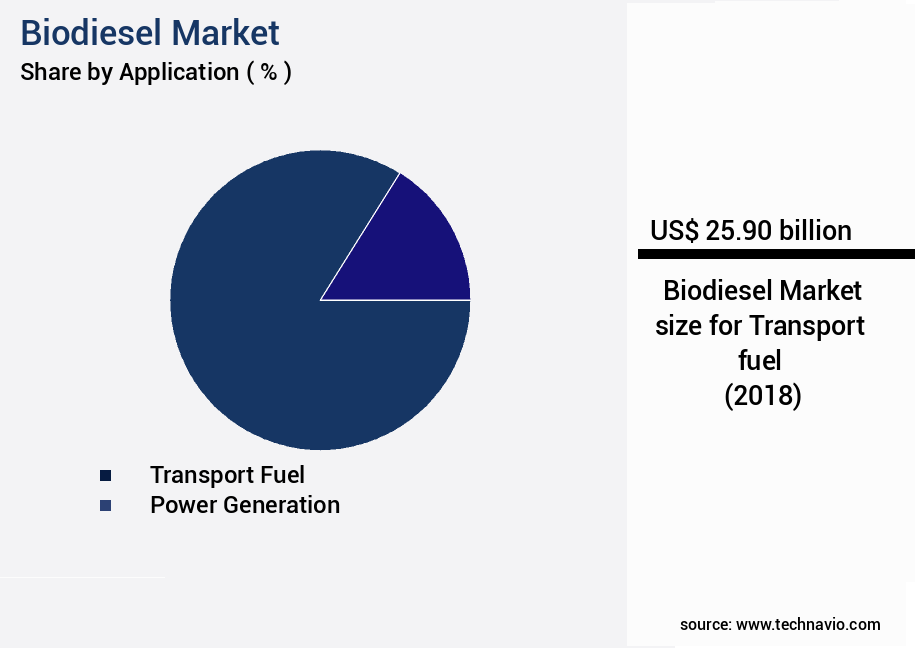
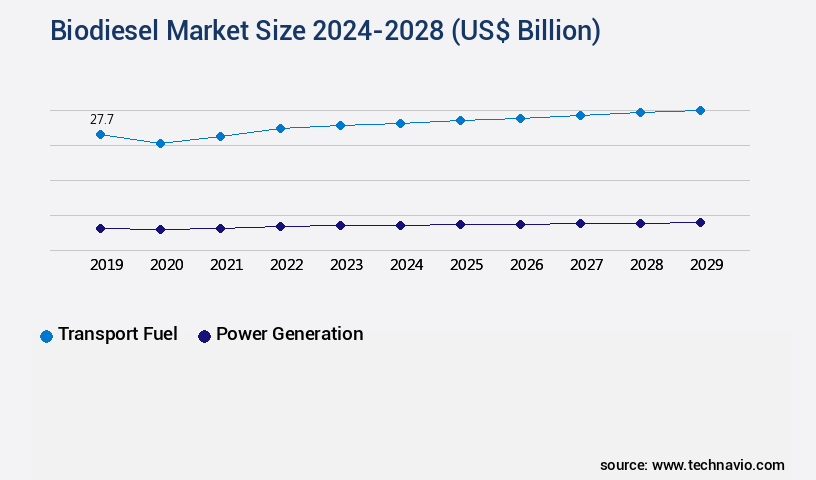
The Transport fuel segment was valued at USD 25.90 billion in 2018 and showed a gradual increase during the forecast period.
Regional Analysis
APAC is estimated to contribute 49% to the growth of the global market during the forecast period.Technavio’s analysts have elaborately explained the regional trends and drivers that shape the market during the forecast period.
See How Biodiesel Market Demand is Rising in APAC Request Free Sample
Biodiesel production in Indonesia has seen significant growth since 2016, fueled by the new reference price for subsidy calculation. Domestic blending requirements are driving production increases, although exports will remain limited. In contrast, developing countries like India are poised for increased biodiesel adoption during the forecast period. This trend is attributed to the expansion of biofuel plants, with a substantial portion of biodiesel production anticipated to originate from these facilities during the forecast period.
The Indian government's incentives for oil manufacturing companies to invest in biofuel industries are expected to further bolster the growth of the market in the Asia Pacific region.
Market Dynamics
Our researchers analyzed the data with 2023 as the base year, along with the key drivers, trends, and challenges. A holistic analysis of drivers will help companies refine their marketing strategies to gain a competitive advantage.
The market is a dynamic and evolving industry that focuses on converting vegetable oils into fuel through the process of transesterification. The quality parameters of vegetable oil feedstocks significantly influence the reaction kinetics of this process, necessitating stringent control. In the realm of biodiesel production, glycerol purification and valorization pathways assume growing importance as valuable by-products. Biodiesel engine performance optimization strategies are crucial to maximizing fuel efficiency and reducing greenhouse gas emissions. The life cycle assessment of biodiesel production systems reveals a substantial reduction in carbon footprint compared to conventional fossil fuels. A comparative analysis of various biodiesel production technologies, such as methanol recycling in processes and catalyst deactivation mechanisms, underlines the economic viability of advanced methods.
Sustainability assessment of biodiesel supply chains is essential for ensuring environmental impact reduction. Engine durability and performance with biodiesel fuels have been extensively studied, with biodiesel cold flow improver additives playing a vital role in maintaining optimal engine functionality. The impact of biodiesel blends on engine emissions is a critical consideration for regulatory bodies, with ASTM and EN standards for biodiesel quality control setting stringent guidelines. Advanced oxidation methods for biodiesel purification and strategies for reducing biodiesel production costs are ongoing areas of research and development. The environmental impact assessment of biodiesel use and the effects of biodiesel blends on combustion efficiency are essential considerations for industry stakeholders.
Waste cooking oil pretreatment for biodiesel production is a promising avenue for circular economy initiatives. Adoption rates of advanced biodiesel production methods vary significantly among regions, with some regions focusing more on sustainability and others on cost-effectiveness. Despite the economic viability of these methods, a minority of players dominate the high-end the market, leaving room for new entrants to capitalize on emerging opportunities.
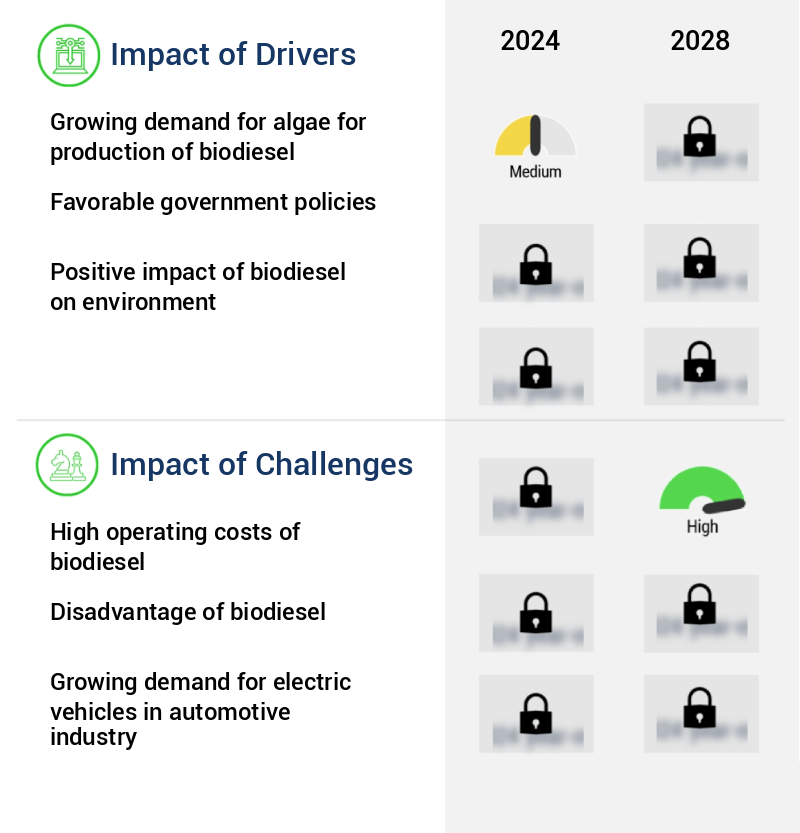
What are the key market drivers leading to the rise in the adoption of Biodiesel Industry?
- The increasing demand for algae as a primary feedstock in the production of biodiesel is the primary market driver. This trend is attributed to the growing awareness of renewable energy sources and the need to reduce greenhouse gas emissions, making algae-derived biodiesel an attractive alternative to traditional fossil fuels. Additionally, the ability of algae to produce high yields in relatively small areas and its carbon neutral production process further bolsters its market potential.
- Algae biodiesel, derived from the oil within algal cells, is a promising alternative to traditional fossil fuels and conventional biofuels from sources like rapeseed, soy, and canola. The production process is advantageous due to algae's growth in aqueous suspension, providing efficient access to essential resources like carbon dioxide, water, and nutrients. Microalgae can generate substantial oil yields, whether in high-rate algal ponds or photobioreactors.
- This oil serves as the foundation for producing automotive biodiesel, contributing to the ongoing evolution of the energy market. Algae biofuel's potential is significant, as it offers a scalable and efficient solution to meet the growing demand for sustainable fuel alternatives.
What are the market trends shaping the Biodiesel Industry?
- The use of biofuel derived from spent bleaching earth is gaining popularity in the market. This emerging trend represents an innovative approach to waste management and sustainable energy production.
- The market has witnessed significant growth in recent times, driven by its cost-effective nature, renewability, and lower pollution levels. However, the market expansion is constrained by the high production costs. To mitigate this challenge, manufacturers are exploring strategies such as employing efficient catalysts, utilizing affordable raw materials, and implementing advanced technologies. In the oil industry, spent bleaching clay, which contains 25-40% oil, is disposed of through various methods. This clay has recently been recycled using the base-catalyzed transesterification technique to produce biofuel at a reduced raw material cost. This innovative approach not only benefits the environment by reducing waste but also enhances the market's competitiveness.
- Moreover, the use of waste cooking oil as a raw material for biodiesel production has gained popularity due to its abundance and low cost. This trend has led to a shift in the industry's focus towards sustainable and cost-effective production methods. The integration of these strategies is expected to drive the market's growth and expand its applications across various sectors.
What challenges does the Biodiesel Industry face during its growth?
- The escalating operating costs represent a significant challenge to the expansion and growth of the biodiesel industry.
- Biodiesel, an alternative fuel derived from vegetable oil and animal fat through the transesterification process, has gained significance in the global energy market. This renewable fuel's production involves various costs, with the total cost ranging between USD110 and USD120 per barrel. Despite the high operating costs, biodiesel's environmental benefits have led to its adoption in various sectors, particularly in transportation. However, the decreasing prices of crude oil pose a challenge to the market, especially in developing countries where petrochemical products dominate as the primary fuel source. The high operating cost of biodiesel compared to crude oil is a significant factor limiting its demand.
- The biodiesel industry's continuous evolution and adaptability to market dynamics are crucial to its growth and sustainability.
Exclusive Technavio Analysis on Customer Landscape
The biodiesel market forecasting report includes the adoption lifecycle of the market, covering from the innovator’s stage to the laggard’s stage. It focuses on adoption rates in different regions based on penetration. Furthermore, the biodiesel market report also includes key purchase criteria and drivers of price sensitivity to help companies evaluate and develop their market growth analysis strategies.
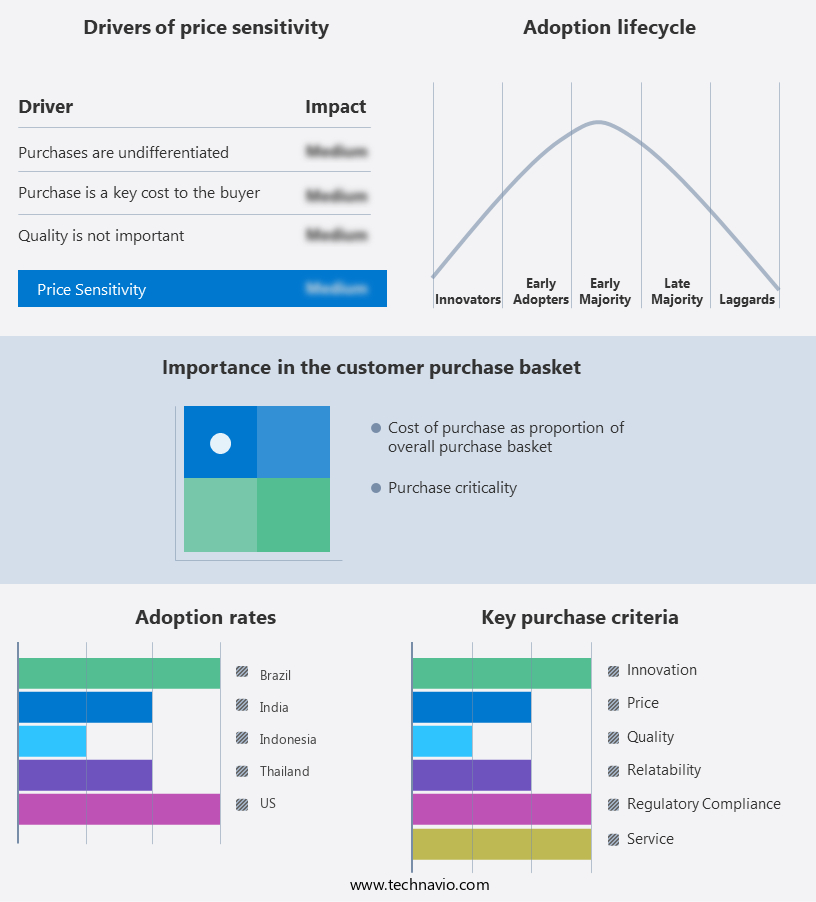
Customer Landscape of Biodiesel Industry
Competitive Landscape
Companies are implementing various strategies, such as strategic alliances, biodiesel market forecast, partnerships, mergers and acquisitions, geographical expansion, and product/service launches, to enhance their presence in the industry.
Aemetis Inc. - The company specializes in producing and supplying biodiesel variants, including B100, B20, and B5, catering to diverse applications such as injection pump diesel engines, high-pressure common rail systems, and power generators. These renewable fuel options deliver sustainable energy solutions for various industries.
The industry research and growth report includes detailed analyses of the competitive landscape of the market and information about key companies, including:
- Aemetis Inc.
- Ag Processing Inc.
- Altenesol LLC
- Archer Daniels Midland Co.
- Argent Energy UK Ltd.
- AVRIL SCA
- Bunge Ltd.
- Cargill Inc.
- Chevron Corp.
- Crimson Renewable Energy LLC
- FutureFuel Corp.
- KFS Biodiesel GmbH and Co. KG
- Kotyark Industries Ltd.
- Louis Dreyfus Co. BV
- Munzer Bioindustrie GmbH
- Neste Corp.
- PTT Global Chemical Public Co. Ltd.
- RB FUELS
- Vance Group Ltd.
- Wilmar International Ltd.
Qualitative and quantitative analysis of companies has been conducted to help clients understand the wider business environment as well as the strengths and weaknesses of key industry players. Data is qualitatively analyzed to categorize companies as pure play, category-focused, industry-focused, and diversified; it is quantitatively analyzed to categorize companies as dominant, leading, strong, tentative, and weak.
Recent Development and News in Biodiesel Market
- In January 2024, Archer Daniels Midland Company (ADM) announced the expansion of its biodiesel production capacity at its Decatur, Illinois, facility. The USD150 million investment aimed to increase production by 50 million gallons annually, making ADM the largest biodiesel producer in North America (ADM press release).
- In March 2024, Renewable Energy Group, Inc. (REG) and Royal Dutch Shell plc entered into a strategic collaboration to produce and sell advanced biodiesel and renewable diesel. This partnership combined REG's production expertise and Shell's marketing capabilities, aiming to expand their market reach and enhance their product offerings (REG press release).
- In May 2024, the European Union (EU) approved the Renewable Energy Directive II, increasing the minimum biofuel share in transport fuel from 10% to 14% by 2030. This policy change is expected to boost the demand for biodiesel in Europe, making it a significant growth opportunity for market players (European Commission press release).
- In April 2025, Velocys plc and Dong Energy A/S announced the completion of their commercial-scale biodiesel facility in the United Kingdom. The plant, with a capacity of 30 million liters (8.46 million gallons) per year, marked the first commercial-scale production of biodiesel from biomass using Velocys' Fischer-Tropsch technology (Velocys press release).
Dive into Technavio’s robust research methodology, blending expert interviews, extensive data synthesis, and validated models for unparalleled Biodiesel Market insights. See full methodology.
|
Market Scope |
|
|
Report Coverage |
Details |
|
Page number |
167 |
|
Base year |
2023 |
|
Historic period |
2018-2022 |
|
Forecast period |
2024-2028 |
|
Growth momentum & CAGR |
Accelerate at a CAGR of 7.38% |
|
Market growth 2024-2028 |
USD 16.71 billion |
|
Market structure |
Fragmented |
|
YoY growth 2023-2024(%) |
7.28 |
|
Key countries |
US, Indonesia, Thailand, India, and Brazil |
|
Competitive landscape |
Leading Companies, Market Positioning of Companies, Competitive Strategies, and Industry Risks |
Research Analyst Overview
- In the dynamic and evolving the market, the focus on sustainability and carbon footprint reduction drives continuous innovation. Biodiesel blending ratios have gained traction, with higher ratios offering enhanced environmental benefits. The transesterification process, a key component in biodiesel production, undergoes catalyst optimization studies to improve efficiency and reduce production costs. Feedstock sustainability is a critical concern, with vegetable oil feedstocks and waste cooking oil emerging as preferred options. The esterification reactions, which convert vegetable oils into biodiesel, are subject to stringent ASTM biodiesel standards for quality assurance. Sulfur content regulation is another significant factor, as low sulfur biodiesel is increasingly preferred due to its reduced environmental impact.
- Waste management strategies play a crucial role in ensuring the economic viability of biodiesel production. Biodiesel fuel properties, such as cetane number improvement and combustion efficiency, are under constant scrutiny to optimize fuel injector performance and reduce particle matter. Engine emissions analysis is essential for assessing the environmental impact of biodiesel and ensuring compliance with regulations. Glycerol byproduct utilization is a growing area of research, as it offers potential for further reducing the carbon footprint of biodiesel production. Nitrogen oxide and greenhouse gas emissions are also subject to rigorous assessment as part of life cycle analysis. Supply chain optimization and energy independence benefits are significant drivers in the market.
- The adoption of renewable energy sources, such as methanol production methods, further enhances the sustainability of biodiesel production. Exhaust gas recirculation and oxidative stability testing are essential aspects of biodiesel combustion efficiency analysis. Economic viability analysis and ASTM EN biodiesel standards ensure the competitiveness of biodiesel in the market. In conclusion, the market is characterized by ongoing innovation, stringent regulations, and a commitment to sustainability. The focus on feedstock sustainability, carbon footprint reduction, and production cost optimization is shaping the future of this renewable fuel source.
What are the Key Data Covered in this Biodiesel Market Research and Growth Report?
-
What is the expected growth of the Biodiesel Market between 2024 and 2028?
-
USD 16.71 billion, at a CAGR of 7.38%
-
-
What segmentation does the market report cover?
-
The report is segmented by Application (Transport fuel, Power generation, and Others), Type (Vegetable oil, Animal fats, and Others), and Geography (APAC, North America, Europe, South America, and Middle East and Africa)
-
-
Which regions are analyzed in the report?
-
APAC, North America, Europe, South America, and Middle East and Africa
-
-
What are the key growth drivers and market challenges?
-
Growing demand for algae for production of biodiesel, High operating costs of biodiesel
-
-
Who are the major players in the Biodiesel Market?
-
Aemetis Inc., Ag Processing Inc., Altenesol LLC, Archer Daniels Midland Co., Argent Energy UK Ltd., AVRIL SCA, Bunge Ltd., Cargill Inc., Chevron Corp., Crimson Renewable Energy LLC, FutureFuel Corp., KFS Biodiesel GmbH and Co. KG, Kotyark Industries Ltd., Louis Dreyfus Co. BV, Munzer Bioindustrie GmbH, Neste Corp., PTT Global Chemical Public Co. Ltd., RB FUELS, Vance Group Ltd., and Wilmar International Ltd.
-
Market Research Insights
- The market encompasses the production, distribution, and consumption of this renewable fuel derived from various feedstocks, including vegetable oils and animal fats. According to industry estimates, global biodiesel production reached approximately 37 billion liters in 2020, representing a significant increase from 25 billion liters in 2015. This growth can be attributed to the increasing demand for cleaner, renewable energy sources and stricter emission standards compliance. Hydrotreated vegetable oil (HVO) and second-generation biodiesel derived from advanced biofeedstocks, such as microalgae, have gained popularity due to their improved cold flow properties and fuel storage stability. For instance, the pour point of HVO is typically lower than that of conventional biodiesel, ensuring better performance in cold weather conditions.
- In contrast, the cloud point of algal biodiesel is higher, making it more suitable for warmer climates. Despite the market's growth, challenges persist, including market price volatility, economic feasibility studies, and regulatory compliance procedures. Factors such as density determination, viscosity measurement, emission standards compliance, and engine durability testing are crucial in ensuring the quality and reliability of biodiesel. Additionally, the development and implementation of advanced technologies, such as gasification technologies, pyrolysis methods, and pollution control devices, are essential for improving biodiesel production efficiency and reducing its environmental impact.
We can help! Our analysts can customize this biodiesel market research report to meet your requirements.
 RIA -
RIA - 
