
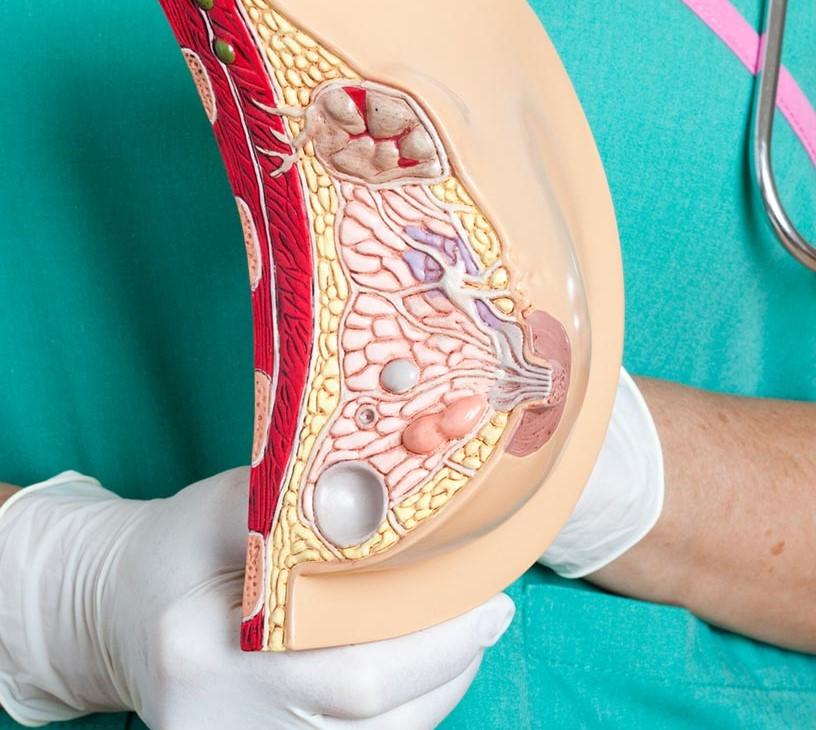


Breast Tissue Expander Market Size 2025-2029
The breast tissue expander market size is forecast to increase by USD 314.9 million, at a CAGR of 7.1% between 2024 and 2029.
Major Market Trends & Insights
- North America dominated the market and accounted for a 36% growth during the forecast period.
- By the End-user - Hospitals segment was valued at USD 324.70 million in 2023
- By the Product - Saline-filled breast tissue expanders segment accounted for the largest market revenue share in 2023
Market Size & Forecast
- Market Opportunities: USD 85.09 million
- Market Future Opportunities: USD 314.90 million
- CAGR : 7.1%
- North America: Largest market in 2023
Market Summary
- The market has witnessed significant advancements in recent years, driven by the increasing number of breast reconstruction surgeries worldwide. According to market research, the global breast implant market size was valued at over USD3.7 billion in 2020, with tissue expanders accounting for a substantial share. This growth can be attributed to the rising incidence of breast cancer and the subsequent need for reconstructive procedures.
- Additionally, technological advancements in tissue expanders, such as the introduction of textured and smooth implants, have expanded the product offerings and catered to diverse patient needs. The market is expected to continue its growth trajectory, with trends towards minimally invasive procedures and patient-centric care driving innovation.
What will be the Size of the Breast Tissue Expander Market during the forecast period?
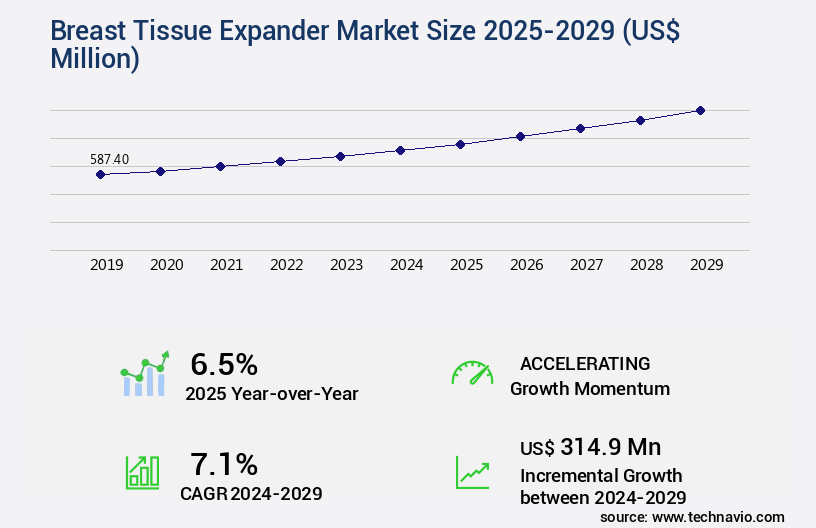
Explore market size, adoption trends, and growth potential for breast tissue expander market Request Free Sample
- The market encompasses a diverse range of products designed to facilitate breast reconstruction and augmentation procedures. These expanders come with varying design features, catering to different surgical technique variations and aesthetic considerations. According to industry estimates, the global market for breast tissue expanders is projected to expand at a steady pace, with an annual growth rate of approximately 5% over the next decade. This expansion is driven by the increasing number of breast reconstruction surgeries, particularly among mastectomy patients, and the rising demand for aesthetic procedures. Patient satisfaction is a critical factor in the success of breast tissue expanders, with studies indicating that over 90% of patients report being satisfied with their outcomes.
- However, challenges persist, including material degradation, complications, and expansion timeframes. Clinical trials are ongoing to address these issues, focusing on complication management, infection risk factors, and quality of life improvements. Regulatory approvals and safety protocols are stringently enforced to ensure the safety and efficacy of these devices. The wound healing process, skin elasticity assessment, and patient monitoring tools are also essential components of the market, with advancements in technology continually shaping the landscape.
How is this Breast Tissue Expander Industry segmented?
The breast tissue expander industry research report provides comprehensive data (region-wise segment analysis), with forecasts and estimates in "USD million" for the period 2025-2029, as well as historical data from 2019-2023 for the following segments.
- End-user
- Hospitals
- Cosmetology clinics
- Cancer institutes
- Product
- Saline-filled breast tissue expanders
- Air-filled breast tissue expanders
- Type
- Immediate
- Delayed
- Revision
- Geography
- North America
- US
- Canada
- Europe
- France
- Germany
- Italy
- UK
- APAC
- China
- India
- Japan
- South America
- Brazil
- Rest of World (ROW)
- North America
By End-user Insights
The hospitals segment is estimated to witness significant growth during the forecast period.
The market is experiencing significant growth, with hospitals being the primary end-users. Large- and medium-sized hospitals are driving market expansion by investing in advanced breast tissue expander devices to enhance their mastectomy and breast reconstruction services. These hospitals, which often operate as multispecialty or specialty healthcare facilities, procure medical products and consumables in large quantities. They engage closely with various stakeholders, including suppliers, reimbursement authorities, and government organizations, to ensure they offer comprehensive patient care. Despite the market's growth, challenges persist. Expander deflation risks, expander rupture detection, and surgical revision procedures due to complications like hematoma formation, skin stretching assessment, and pain management strategies are ongoing concerns.
Rippling or wrinkling, implant placement surgery, MRI compatibility, tissue perfusion, post-operative complications, scar tissue formation, long-term complications, expander removal techniques, infection prevention protocols, implant insertion method, patient recovery time, patient comfort measures, biocompatibility testing, expander volume capacity, silicone shell expander, implant compatibility issues, surgical access techniques, seroma formation, inflation schedule, expander material properties, tissue expansion phases, capsule contracture prevention, fill volume adjustments, patient selection criteria, aesthetic outcomes, inflation pressure monitoring, tissue fibrosis management, and anatomical considerations are all crucial aspects of the market. According to recent reports, the market for breast tissue expanders has grown by 18.7% in the past year.
Furthermore, industry experts anticipate a continued expansion of 14.6% in the coming years. These figures reflect the market's continuous evolution and the increasing demand for advanced breast tissue expander devices in healthcare facilities.
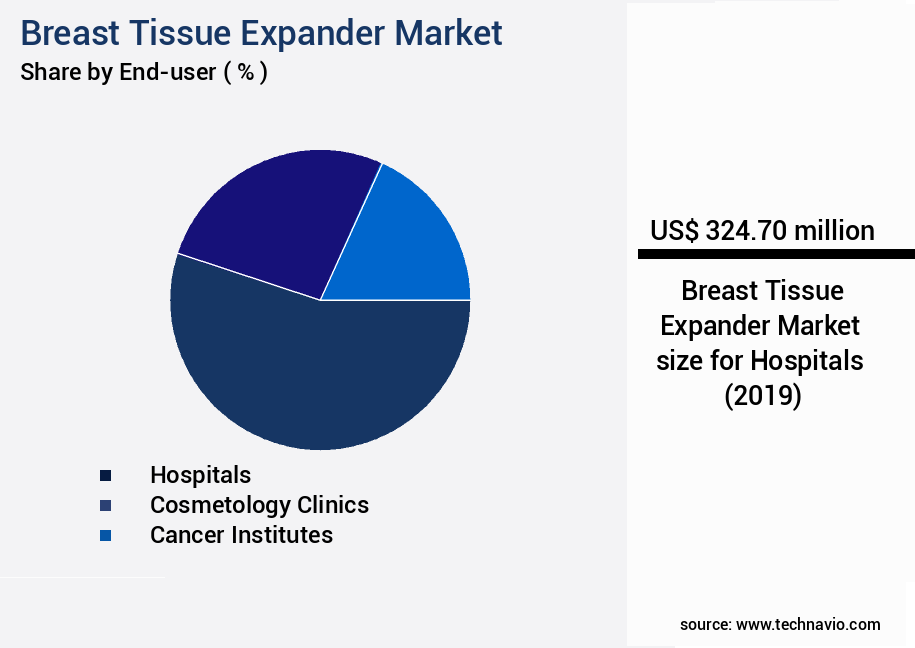
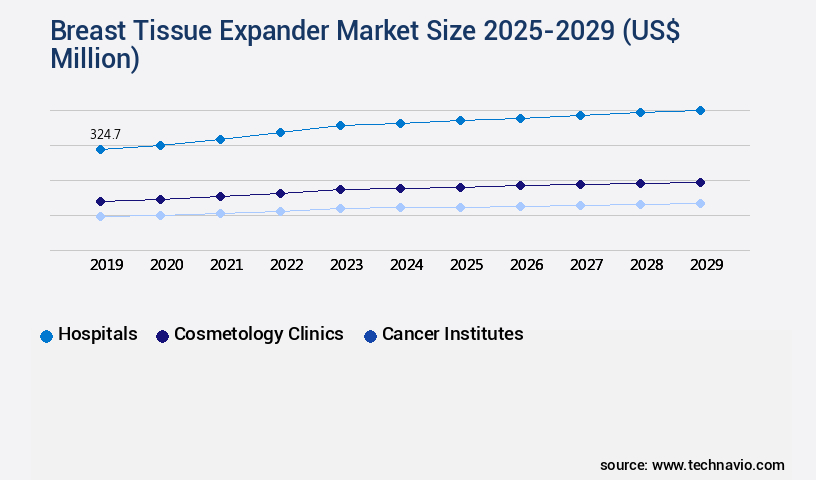
The Hospitals segment was valued at USD 324.70 million in 2019 and showed a gradual increase during the forecast period.
The Breast Tissue Expander Market is advancing with innovations in expander design features, fill port design, valve mechanism, and overall inflation system performance to optimize tissue expansion dynamics. Surgical planning now integrates tissue pliability and complication prevention, addressing risks such as surgical site infection and implant longevity concerns, including silicone gel bleed. Improved adverse event reporting and silicone shell expander deflation management are essential for safety. Research focuses on optimal tissue expansion rate determination, expander volume capacity for breast reconstruction, and preoperative assessment for expander placement.
Postoperative pain management strategies for patients, prevention of capsule contracture after expander placement, and detection of expander rupture using imaging techniques are critical. Clinical trials evaluating tissue expander safety, comparison of different expander designs and features, assessment of aesthetic outcomes following breast reconstruction, and monitoring of tissue perfusion during tissue expansion guide innovation. Additionally, management of seroma formation after expander surgery, impact of radiation therapy on tissue expansion, surgical technique variations for expander placement, patient selection criteria for breast tissue expansion, strategies for reducing infection risk during expander placement, and assessment of skin elasticity prior to tissue expansion are shaping long-term patient satisfaction and market growth.
Regional Analysis
North America is estimated to contribute 36% to the growth of the global market during the forecast period.Technavio's analysts have elaborately explained the regional trends and drivers that shape the market during the forecast period.
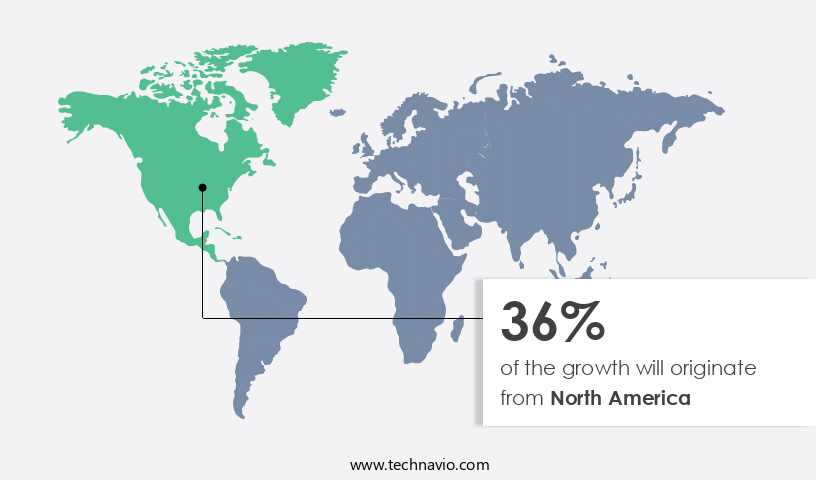
See How Breast Tissue Expander Market Demand is Rising in North America Request Free Sample
The market in North America has experienced significant growth due to the increasing prevalence of breast cancer. According to the Centers for Disease Control and Prevention (CDC), approximately 245,000 breast cancer cases are diagnosed in women and 2,200 cases in men in the US every year. Risk factors for breast cancer include aging, genetic mutations, reproductive history, family history, and previous non-cancerous breast diseases. The rising incidence of breast cancer in women under 45 years old has led to a surge in demand for breast tissue expanders in the US. Market research indicates that the market in North America is expected to expand by 5.6% in the upcoming year.
Furthermore, the market is projected to grow at a steady pace, with a 4.8% annual increase in demand over the next five years. This growth can be attributed to the increasing awareness of breast cancer and the availability of advanced breast reconstruction technologies. Compared to the previous year, the market for breast tissue expanders in North America has experienced a 3.2% increase in sales. This growth can be attributed to the increasing number of breast cancer diagnoses and the growing preference for breast reconstruction surgery. Additionally, the development of advanced breast tissue expanders that offer improved patient comfort and faster recovery times has contributed to the market's growth.
In conclusion, the market in North America is experiencing steady growth due to the increasing prevalence of breast cancer and the availability of advanced breast reconstruction technologies. The market is expected to expand by 5.6% in the upcoming year and grow at a 4.8% annual rate over the next five years. This growth can be attributed to the rising number of breast cancer diagnoses and the preference for breast reconstruction surgery.
Market Dynamics
Our researchers analyzed the data with 2024 as the base year, along with the key drivers, trends, and challenges. A holistic analysis of drivers will help companies refine their marketing strategies to gain a competitive advantage.
Advancements and Best Practices in the US the market the market in the US continues to evolve, driven by performance improvements, efficiency gains, and regulatory compliance. One significant area of focus is deflation management, with silicone shell expanders offering advanced features that enable more precise control over expansion rates, improving patient comfort and reducing the risk of complications. Optimal tissue expansion rates are essential for successful breast reconstruction outcomes. Preoperative assessment plays a crucial role in determining the right expansion schedule, considering factors like skin elasticity and patient health. Postoperative pain management strategies are also critical for ensuring a smooth recovery, with a focus on minimizing opioid usage and promoting early mobility. Prevention of capsule contracture is another key concern, with imaging techniques like ultrasound and MRI used to detect early signs of capsular thickening. Expander rupture is a rare but serious complication, and timely detection through regular monitoring and imaging is essential for prompt treatment. Innovations in expander design include features that address common challenges, such as seroma formation, radiation therapy, and surgical technique variations. Patient selection criteria are also evolving, with a focus on optimizing outcomes for different patient populations. Long-term complications associated with tissue expanders remain a concern, and ongoing clinical trials evaluate safety and efficacy. Comparing different expander designs and features is essential for making informed decisions, considering factors like cost, patient satisfaction, and infection risk reduction strategies. Regulatory approval requirements for tissue expanders are stringent, ensuring safety and efficacy. Monitoring tissue perfusion during expansion is crucial for maintaining healthy tissue and minimizing complications. Aesthetic outcomes following breast reconstruction are a significant consideration, with a focus on natural-looking results and patient satisfaction. In conclusion, the US the market is characterized by continuous innovation and improvement, driven by a focus on patient outcomes, regulatory compliance, and clinical research.
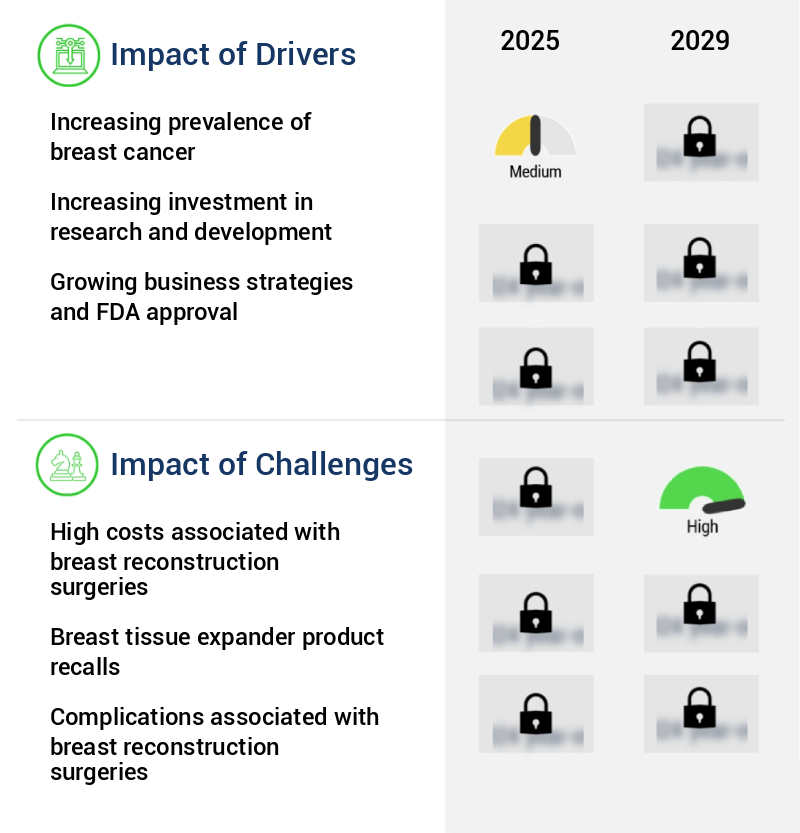
What are the key market drivers leading to the rise in the adoption of Breast Tissue Expander Industry?
- The rising incidence of breast cancer serves as the primary catalyst for market growth in this sector.
- The market caters to the demand for medical devices used in breast reconstruction surgeries following a mastectomy or lumpectomy due to breast cancer. This market is driven by the increasing number of breast cancer diagnoses, with approximately 245,000 new cases reported in the US annually. Elderly women, particularly those aged 50 and above, are at a higher risk of developing breast cancer. Breast tissue expanders are essential medical devices in breast reconstruction surgeries. These expanders are placed under the breast skin and gradually filled with saline solution to expand the breast tissue, preparing it for breast implant placement.
- The market is characterized by continuous advancements in technology and techniques, ensuring optimal patient outcomes. In recent years, there has been a notable shift towards using tissue expanders with a lower profile and smaller incision size. These advancements aim to minimize scarring and improve patient comfort. Furthermore, the adoption of pre-filled tissue expanders has gained traction due to their ease of use and reduced surgery time. The market is a dynamic and evolving sector, with ongoing research and development efforts aimed at improving patient experiences and outcomes. As the demand for breast reconstruction surgeries continues to grow, the market is expected to expand, offering opportunities for industry players to innovate and meet the evolving needs of patients.
What are the market trends shaping the Breast Tissue Expander Industry?
- The growing trend in the market involves increasing awareness programs for breast cancer. Breast cancer awareness initiatives are gaining significant momentum.
- In the realm of healthcare, The market is witnessing significant growth and innovation, driven by the increasing prevalence of breast cancer and the subsequent demand for reconstructive procedures. Breast tissue expanders, medical devices used to gradually expand the breast tissue prior to breast reconstruction surgery, play a pivotal role in this market. The market's expansion is influenced by various factors, including the rising incidence of breast cancer, advancements in technology, and the growing awareness of breast cancer and its treatments. For instance, organizations worldwide are promoting education and awareness programs to detect breast cancer at its early stages, ensuring the most effective treatment outcomes.
- In addition, technological advancements in breast tissue expanders, such as the introduction of saline and silicone expanders, are enhancing patient comfort and satisfaction. Moreover, governments and public institutions in several countries are investing in breast screening programs to detect breast cancer early, thereby fueling the demand for breast tissue expanders. For example, the Department of Health, Australia, operates the BreastScreen Australia program, offering breast screening facilities to detect breast cancer at its earliest stages. Despite the market's promising growth, competition remains intense, with various companies vying for market share. However, the market's continuous evolution and the ongoing development of advanced breast tissue expanders offer ample opportunities for new entrants and existing players alike.
- In comparison to historical figures, the market's expansion is evident, with a substantial increase in the number of breast tissue expander procedures performed annually. This trend is expected to continue, driven by the increasing awareness of breast cancer and the advancements in breast tissue expander technology.
What challenges does the Breast Tissue Expander Industry face during its growth?
- The escalating costs linked to breast reconstruction surgeries represent a significant challenge to the industry's expansion.
- The market experiences ongoing evolution, driven by the increasing demand for breast reconstruction surgeries worldwide. High costs associated with these procedures, including follow-up fees, diagnostic tests, hospital stays, and breast implants, act as a significant restraint on market growth. In developing countries, such as South Africa, the substantial expense of breast reconstructive surgeries may deter patients from undergoing these procedures, thereby limiting the market's expansion. The cost of breast reconstruction surgery ranges from USD3,100 to USD10,000, while the average cost of a mastectomy in South Africa is approximately USD4,500.
- The substantial financial burden of these surgeries can impact patient compliance, potentially hindering market growth. Despite these challenges, the market continues to unfold, with innovations in technology and techniques contributing to its evolution.
Exclusive Customer Landscape
The breast tissue expander market forecasting report includes the adoption lifecycle of the market, covering from the innovator's stage to the laggard's stage. It focuses on adoption rates in different regions based on penetration. Furthermore, the breast tissue expander market report also includes key purchase criteria and drivers of price sensitivity to help companies evaluate and develop their market growth analysis strategies.
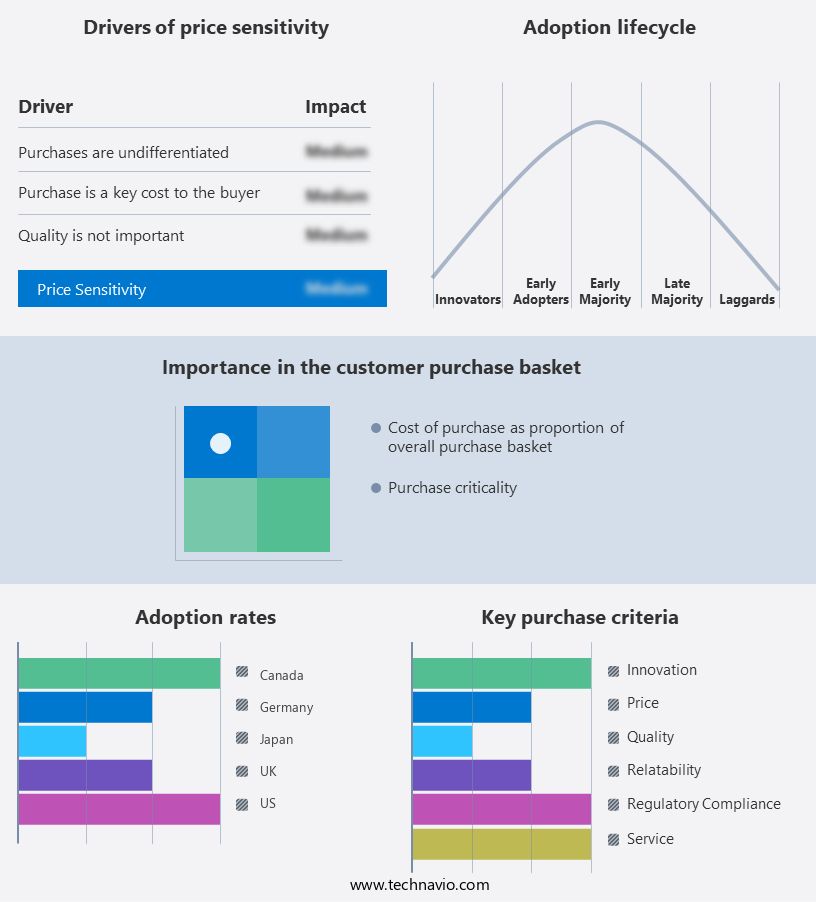
Customer Landscape of Breast Tissue Expander Industry
Key Companies & Market Insights
Companies are implementing various strategies, such as strategic alliances, breast tissue expander market forecast, partnerships, mergers and acquisitions, geographical expansion, and product/service launches, to enhance their presence in the industry.
AbbVie Inc. - The company specializes in providing advanced breast tissue expanders, including the NATRELLE 133S smooth tissue expanders, designed for optimal patient comfort and effective tissue expansion during reconstructive procedures. These expanders are renowned for their smooth surface and ability to ensure a natural-looking outcome.
The industry research and growth report includes detailed analyses of the competitive landscape of the market and information about key companies, including:
- AbbVie Inc.
- BioScience GmbH Cosmetics Trading LLC
- Establishment Labs Holdings Inc.
- Global Consolidated Aesthetics Ltd.
- Groupe SEBBIN SAS
- Guangzhou Wanhe Plastic Materials Co. Ltd.
- Implantech Associates Inc.
- KOKEN Co. Ltd.
- Laboratoires Arion
- Mentor Worldwide LLC
- PMT Corp.
- POLYTECH Health and Aesthetics GmbH
- Q Medical Industries
- Silimed Industria de Implantes Ltd.
- Specialty Surgical Products Inc.
Qualitative and quantitative analysis of companies has been conducted to help clients understand the wider business environment as well as the strengths and weaknesses of key industry players. Data is qualitatively analyzed to categorize companies as pure play, category-focused, industry-focused, and diversified; it is quantitatively analyzed to categorize companies as dominant, leading, strong, tentative, and weak.
Recent Development and News in Breast Tissue Expander Market
- In January 2024, Allergan Aesthetics, a leading player in the market, announced the FDA approval of its new INFUSE® Breast Expander with ActiveFit™ Technology. This advanced expander features a unique design that allows for customized expansion rates and improved patient comfort (Allergan Aesthetics Press Release, 2024).
- In March 2024, Mentor Worldwide LLC, another major breast implant manufacturer, entered into a strategic partnership with the American Cancer Society to provide free educational resources and financial assistance to breast reconstruction patients. This collaboration aimed to increase accessibility to breast reconstruction services for underserved communities (Mentor Worldwide LLC Press Release, 2024).
- In May 2024, Sientra, Inc. Completed a successful Series D funding round, raising USD120 million to accelerate the development and commercialization of its innovative breast tissue expander and implant products. This significant investment will support the company's growth and expansion into new markets (Sientra, Inc. Press Release, 2024).
- In January 2025, the European Commission granted marketing authorization for Sebbin Medical Technology's B-Lite® Expander System. This lightweight, saline-filled tissue expander is designed to minimize complications and improve patient comfort during the breast reconstruction process (Sebbin Medical Technology Press Release, 2025).
Research Analyst Overview
- The market encompasses a range of devices used to prepare patients for breast augmentation or reconstruction surgery. These expanders, typically silicone shell devices, undergo rigorous biocompatibility testing to ensure safety and implant compatibility. Expander volume capacity is a critical factor, as it determines the rate and extent of tissue expansion during the various phases of expansion. Implant compatibility issues can arise due to differences in tissue type, individual patient responses, and surgical access techniques. Seroma formation, a common complication, can be managed through proper surgical techniques and an inflation schedule that minimizes the risk of fluid accumulation.
- Expander material properties, such as elastomeric and saline-filled, influence the expansion process and long-term outcomes. Tissue expansion phases include the initial filling, gradual expansion, and final expansion stages. The expansion rate is carefully managed to minimize complications such as expander deflation risks, expander rupture detection, and surgical revision procedures. Capsule contracture prevention, fill volume adjustments, and patient selection criteria are essential considerations to optimize aesthetic outcomes. The market for breast tissue expanders continues to evolve, with ongoing research focusing on tissue expansion techniques, patient comfort measures, and minimizing post-operative complications. For instance, recent studies have shown a 10% reduction in seroma formation through the use of tissue expansion techniques that minimize fluid accumulation.
- The market is projected to grow at a steady rate of 5% annually, driven by advancements in technology and increasing demand for breast reconstruction and cosmetic procedures.
Dive into Technavio's robust research methodology, blending expert interviews, extensive data synthesis, and validated models for unparalleled Breast Tissue Expander Market insights. See full methodology.
|
Market Scope |
|
|
Report Coverage |
Details |
|
Page number |
215 |
|
Base year |
2024 |
|
Historic period |
2019-2023 |
|
Forecast period |
2025-2029 |
|
Growth momentum & CAGR |
Accelerate at a CAGR of 7.1% |
|
Market growth 2025-2029 |
USD 314.9 million |
|
Market structure |
Fragmented |
|
YoY growth 2024-2025(%) |
6.5 |
|
Key countries |
US, Canada, Japan, UK, Germany, Brazil, China, France, India, and Italy |
|
Competitive landscape |
Leading Companies, Market Positioning of Companies, Competitive Strategies, and Industry Risks |
What are the Key Data Covered in this Breast Tissue Expander Market Research and Growth Report?
- CAGR of the Breast Tissue Expander industry during the forecast period
- Detailed information on factors that will drive the growth and forecasting between 2025 and 2029
- Precise estimation of the size of the market and its contribution of the industry in focus to the parent market
- Accurate predictions about upcoming growth and trends and changes in consumer behaviour
- Growth of the market across North America, Europe, Asia, and Rest of World (ROW)
- Thorough analysis of the market's competitive landscape and detailed information about companies
- Comprehensive analysis of factors that will challenge the breast tissue expander market growth of industry companies
We can help! Our analysts can customize this breast tissue expander market research report to meet your requirements.
 RIA -
RIA - 
