

Silicone Gel Market Analysis APAC, North America, Europe, Middle East and Africa, South America - US, China, Japan, Germany, UK - Size and Forecast 2024-2028

Silicone Gel Market Analysis APAC, North America, Europe, Middle East and Africa, South America - US, China, Japan, Germany, UK - Size and Forecast 2024-2028

Published: Jul 2024 148 Pages SKU: IRTNTR74088

Market Overview at a Glance

$403.6 Mn
Market Opportunity
4.5%
CAGR
4.23
YoY growth 2023-2024(%)

Silicone Gel Market Size 2024-2028 

The silicone gel market size is forecast to increase by USD 403.6 million at a CAGR of 4.5% between 2023 and 2028.

  • The market is experiencing significant growth due to increasing demand from the personal care industry and the increasing adoption of silicone gel In the electrical and electronics sector. The personal care industry's growing preference for silicone gel as an essential ingredient in cosmetics products and skincare products is driving the market growth. Furthermore, the electrical and electronics industry's expanding use of silicone gel as an insulator and sealant is boosting market demand. However, stringent regulations and policies regarding the use of silicone gel in various applications pose a challenge to market growth. Compliance with these regulations requires manufacturers to invest heavily in research and development to ensure the production of high-quality, safe silicone gel products.
  • Overall, the market is expected to witness steady growth In the coming years, driven by these key trends and challenges.

What will be the Size of the Silicone Gel Market During the Forecast Period?
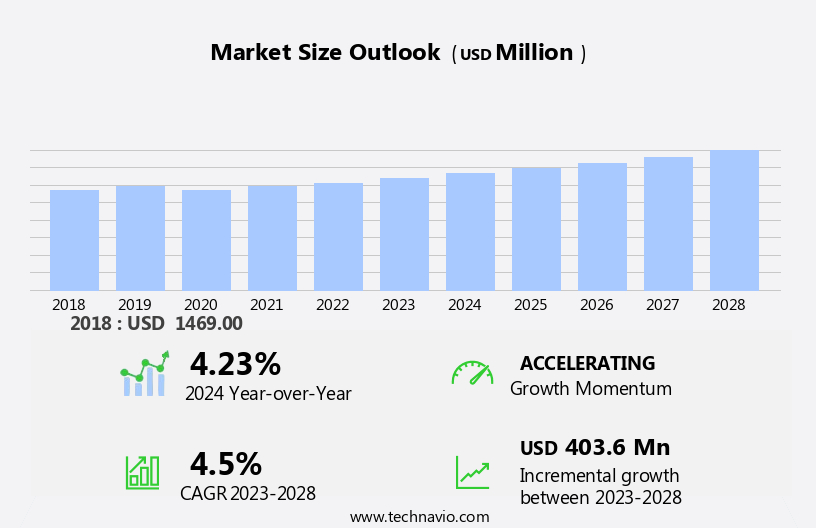
Silicone Gel Market Size

 Request Free Sample

  • The market encompasses a wide range of applications, including the electrical & electronics industry, automotive electronics, LED lighting, medical applications, prosthetic and implant applications, and various industries such as footwear, agriculture, and cosmetics & personal care. Reactive silicone polymers and reactive silicone cross-linkers are key components of silicone gels, which offer superior properties like flexibility, durability, and resistance to heat and electricity. Silicone gels are extensively used In the medical industry for various applications, including scar treatment, implants, and medical devices. In the electrical & electronics sector, they serve as insulators and sealants. In the automotive industry, silicone gels are used In the production of LED lighting and other automotive electronics.
  • Silicone polymers, composed of silicon atoms, oxygen atoms, carbon, and hydrogen, form the backbone of silicone gels. The versatility of these polymers allows for their use in diverse industries and applications. The medical & pharmaceuticals and cosmetics & personal care industries utilize silicone gels for their ability to mimic the feel and appearance of human skin, while OEMs in various industries rely on their excellent insulating and sealing properties. Siloxane, a type of silicone polymer, is also widely used In the production of silicone gels.

How is this Silicone Gel Industry segmented and which is the largest segment?

The silicone gel industry research report provides comprehensive data (region-wise segment analysis), with forecasts and estimates in "USD million" for the period 2024-2028, as well as historical data from 2018-2022 for the following segments.

  • End-user
    • Electrical and electronics
    • Medical and pharmaceuticals
    • Cosmetics and personal care
    • Others
  • Geography
    • APAC
      • China
      • Japan
    • North America
      • US
    • Europe
      • Germany
      • UK
    • Middle East and Africa
    • South America

By End-user Insights

  • The electrical and electronics segment is estimated to witness significant growth during the forecast period.

The market is experiencing substantial growth In the electrical and electronics industry due to the material's versatility and stability in various applications. Silicone gels, including reactive silicone polymers and cross-linkers, are utilized extensively in semiconductors, sensitive circuits, and other electronic components and assemblies. Their ability to maintain stability in both low and high temperatures makes them indispensable In the industry. Additionally, silicone gel is employed in high-voltage applications, sound wave absorption, and vibration damping. In the power sector, it effectively insulates underground and above-ground power and cable lines. The medical and pharmaceutical industry also relies on silicone gel for various applications, such as implants, prosthetics, and dressings, while the cosmetics and personal care sector uses it in breast implants, contact lenses, and antacid formulations.

The solar energy sector and agriculture industry also benefit from silicone gel In the form of membranes for RO, UF, and MF applications. The market for silicone gel is expected to expand significantly in various end-use industries due to miniaturization, the increasing demand from electronics component manufacturers, and the importance of biocompatibility in various applications, including pacemakers and implants. Silicone gel is a complex mixture of siloxane, which consists of silicon atoms bonded with oxygen atoms and hydrogen, carbon, and other elements. The global market is expected to grow steadily in various industries due to its unique properties and wide range of applications.
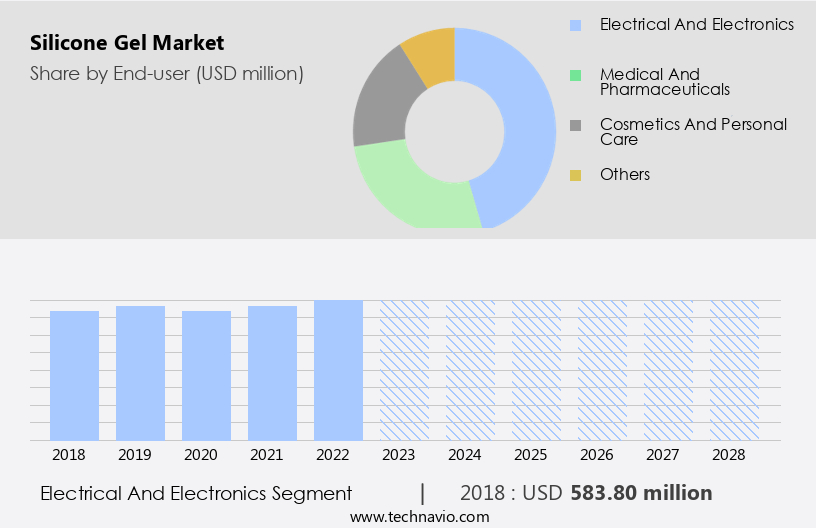
Silicone Gel Market Size

Get a glance at the  Silicone Gel Industry report of share of various segments Request Free Sample

The electrical and electronics segment was valued at USD 583.80 million in 2018 and showed a gradual increase during the forecast period.

Regional Analysis

  • APAC is estimated to contribute 46% to the growth of the global market during the forecast period.

Technavio's analysts have elaborately explained the regional trends and drivers that shape the market during the forecast period.
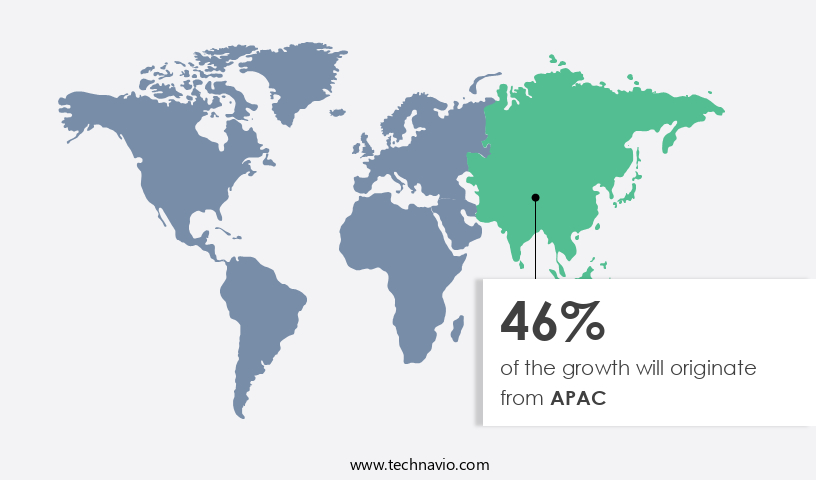
Silicone Gel Market Share by Geography

For more insights on the market share of various regions, Request Free Sample

The market is witnessing significant growth due to its extensive applications in various industries. In the APAC region, the market is experiencing a rapid expansion, driven by the increasing demand from sectors such as cosmetics and personal care, pharmaceuticals, agriculture, and the photovoltaic industry. The electronics sector, including electrical and electronics, automotive electronics, LED lighting, and electronics component manufacturers, also contributes to the market's growth. In the medical industry, silicone gel is used in prosthetic, implant, and medical applications, including pacemakers, antacid formulations, breast implants, contact lenses, dressings, and bandages. The solar energy sector and water filtration industries, including RO membranes, UF membranes, and MF membranes, are other significant end-use industries for silicone gel.

The market's growth is attributed to the increasing demand for miniaturization and biocompatibility in various applications. Inorganic and organic silicone gels are used based on their specific properties. The APAC region is expected to register the fastest growth rate during the forecast period due to the increasing demand for silicone gel in various industries and economies.

Market Dynamics

Our silicone gel market researchers analyzed the data with 2023 as the base year, along with the key drivers, trends, and challenges. A holistic analysis of drivers will help companies refine their marketing strategies to gain a competitive advantage.

What are the key market drivers leading to the rise In the adoption of Silicone Gel Industry?

Growing demand from the personal care industry is the key driver of the market.

  • Silicone gels, derived from reactive silicone polymers and cross-linkers, have gained significant traction in various end-use industries due to their unique properties. In the electrical & electronics industry, silicone gels are utilized in automotive electronics, LED lighting, and solar energy sector applications for their insulating and protective capabilities. The medical industry, particularly in prosthetic and implant applications, benefits from the biocompatibility of silicone gels, which are used in pacemakers, antacid formulations, breast implants, contact lenses, dressings, bandages, and scar treatment. Silicone gels are also prevalent In the cosmetics & personal care sector due to their excellent spreading, glossiness, and improved texture.
  • Their low viscosity changes over a wide temperature range make them suitable for use in various personal care products, including shampoos, deodorants, cleansing creams, antiperspirants, lotions, and bath oils. Inorganic and organic silicone gels have different applications. Inorganic silicone gels are used in membranes, such as reverse osmosis (RO), ultrafiltration (UF), and microfiltration (MF) membranes, while organic silicone gels are utilized in various industrial applications. The market is expected to grow substantially due to the increasing demand from various end-use industries, miniaturization, and electronics component manufacturers. The silicone polymers' versatility, combined with their biocompatibility and resistance to extreme temperatures, make them an essential component in numerous applications.

What are the market trends shaping the Silicone Gel Industry?

Increasing adoption in the electrical and electronics industry is the upcoming market trend.

  • Silicone gels, derived from reactive silicone polymers and cross-linkers, play a significant role In the electrical and electronics industry. Their ability to absorb thermomechanical stress makes them ideal for protecting adjoining components, particularly in printed circuit boards, semiconductors, and electronic control units. In the automotive sector, silicone gels are utilized extensively in encapsulating automotive electronic controllers, contributing to market growth. Additionally, these gels are employed in power transmission and distribution systems to encapsulate cable accessories due to their superior electrical properties and heat stability. Beyond electronics, silicone gels find applications in various end-use industries. In the medical field, they are used in implant applications, prosthetics, pacemakers, and antacid formulations.
  • In the cosmetics and personal care industry, silicone gels are used in breast implants, contact lenses, dressings, and bandages. In the agriculture sector, they are used in water membranes, such as reverse osmosis (RO), ultrafiltration (UF), and microfiltration (MF) membranes. The solar energy sector also utilizes silicone gels in photovoltaic applications due to their excellent thermal stability and resistance to UV radiation. The market is driven by the miniaturization trend in electronics, with electronics component manufacturers requiring high-performance materials for their components. Biocompatibility is another crucial factor, as silicone gels are widely used in medical applications. Silicone gels are available in two main types: inorganic and organic.

What challenges does the Silicone Gel Industry face during its growth?

Stringent regulations and policies is a key challenge affecting the industry growth.

  • The market encompasses the production, sales, and distribution of silicone gels, reactive silicone polymers, and reactive silicone cross-linkers. This market caters to various end-use industries, including electrical & electronics, automotive electronics, LED lighting, medical applications, prosthetic applications, implant applications, solar energy sector, water treatment, and footwear industry. Inorganic and organic silicone gels are the primary types, with organic silicone gels being more commonly used due to their biocompatibility. The electrical & electronics industry is a significant consumer of silicone gels, with applications in miniaturization and electronics component manufacturing. The medical industry is another major end-user, with silicone gels used in pacemakers, antacid formulations, breast implants, contact lenses, dressings, bandages, and scars.
  • The solar energy sector utilizes silicone gels in photovoltaic applications. However, the market growth is subject to regulatory challenges. Strict regulations by the Environmental Protection Agency (EPA) and Registration, Evaluation, Authorization, and Restriction of Chemicals (REACH) on the materials to be used in food and beverages can pose significant hurdles. The Food and Drug Administration (FDA) implements guidelines on the use of materials for food applications, including silicone gels as release agents, lubricants, and defoaming agents. Adherence to these regulations can be time-consuming and costly, potentially impeding market growth. Despite these challenges, the market is expected to witness steady growth due to the increasing demand for silicone gels in various industries.

Exclusive Customer Landscape

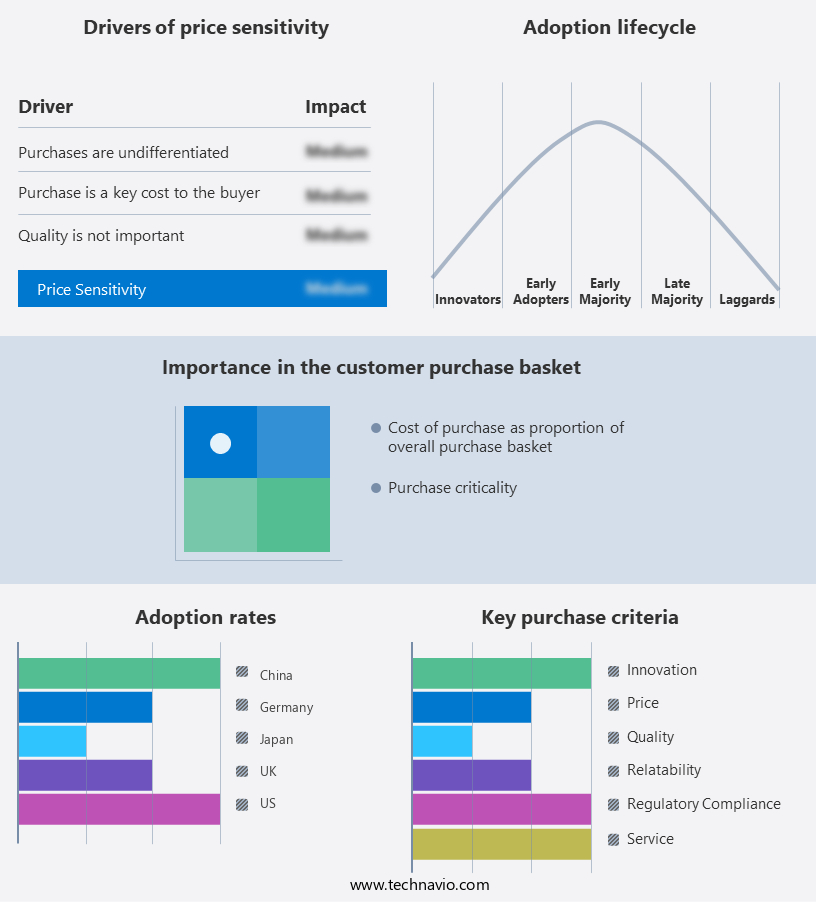
The silicone gel market forecasting report includes the adoption lifecycle of the market, covering from the innovator's stage to the laggard's stage. It focuses on adoption rates in different regions based on penetration. Furthermore, the silicone gel market report also includes key purchase criteria and drivers of price sensitivity to help companies evaluate and develop their market growth analysis strategies.
Silicone Gel Market Share by Geography

 Customer Landscape

Key Companies & Market Insights

Companies are implementing various strategies, such as strategic alliances, silicone gel market forecast, partnerships, mergers and acquisitions, geographical expansion, and product/service launches, to enhance their presence In the industry.

The industry research and growth report includes detailed analyses of the competitive landscape of the market and information about key companies, including:

  • CRI SIL Silicone Technologies LLC
  • Dow Inc.
  • DuPont de Nemours Inc.
  • Elkem ASA
  • Evonik Industries AG
  • Fuji Silysia Chemical Ltd.
  • Henkel AG and Co. KGaA
  • KCC Co. Ltd.
  • Merck KGaA
  • Mitsubishi Corp.
  • Momentive Performance Materials Inc.
  • Nissan Chemical Corp.
  • North Coast Medical Inc.
  • Novagard Solutions Inc.
  • Shin Etsu Chemical Co. Ltd.
  • Siltech Corp.
  • Solvay SA
  • Specialty Silicone Products Inc.
  • Thermo Fisher Scientific Inc.
  • Wacker Chemie AG

Qualitative and quantitative analysis of companies has been conducted to help clients understand the wider business environment as well as the strengths and weaknesses of key industry players. Data is qualitatively analyzed to categorize companies as pure play, category-focused, industry-focused, and diversified; it is quantitatively analyzed to categorize companies as dominant, leading, strong, tentative, and weak.

Research Analyst Overview

The market encompasses a broad range of applications, primarily in industries where the desirable properties of silicone gels, such as their ability to provide insulation, sealant, and lubrication functions, are essential. Reactive silicone polymers and cross-linkers play a crucial role In the production of silicone gels, enabling their unique properties to be tailored to specific end-use industries. One significant sector for silicone gels is the electrical & electronics industry. In this field, silicone gels are utilized in various applications, including automotive electronics and LED lighting. Their insulating properties make them ideal for protecting sensitive electronic components from moisture and other environmental hazards.

Another major area of application for silicone gels is In the medical industry. These gels are used in a variety of medical applications, such as prosthetic applications, implant applications, and In the production of pacemakers. Biocompatibility is a critical factor In these applications, and silicone gels are often preferred due to their ability to mimic the properties of human tissue. In the automotive sector, silicone gels are used in various applications, including In the production of OEM components. Their resistance to extreme temperatures and their ability to provide insulation makes them an ideal choice for automotive applications. The solar energy sector is another growing area for the utilization of silicone gels.

Furthermore, in this sector, silicone gels are used In the production of membranes, including RO membranes, UF membranes, and MF membranes. These membranes are essential In the production of solar cells, where they help to separate water from other impurities. The cosmetics & personal care industry is another significant end-use sector for silicone gels. These gels are used in various applications, including In the production of antacid formulations, breast implants, contact lenses, dressings, and bandages. Their ability to provide a smooth, consistent texture makes them an ideal choice for these applications. The agriculture sector also utilizes silicone gels, particularly In the production of silicone gel-based fertilizers.

Silicone Gel Market Scope

Report Coverage

Details

Page number

148

Base year

2023

Historic period

2018-2022

Forecast period

2024-2028

Growth momentum & CAGR

Accelerate at a CAGR of 4.5%

Market Growth 2024-2028

USD 403.6 million

Market structure

Fragmented

YoY growth 2023-2024(%)

4.23

Key countries

US, China, Japan, Germany, and UK

Competitive landscape

Leading Companies, Market Positioning of Companies, Competitive Strategies, and Industry Risks

Request Free Sample

What are the Key Data Covered in this Silicone Gel Market Research and Growth Report?

  • CAGR of the Silicone Gel industry during the forecast period
  • Detailed information on factors that will drive the Silicone Gel market growth and forecasting between 2024 and 2028
  • Precise estimation of the size of the market and its contribution to the industry in focus on the parent market
  • Accurate predictions about upcoming growth and trends and changes in consumer behaviour
  • Growth of the market across APAC, North America, Europe, Middle East and Africa, and South America
  • Thorough analysis of the market's competitive landscape and detailed information about companies
  • Comprehensive analysis of factors that will challenge the silicone gel market growth of industry companies

We can help! Our analysts can customize this silicone gel market research report to meet your requirements.

Get in touch

1 Executive Summary

  • 1.1 Market overview
    • Executive Summary - Chart on Market Overview
    • Executive Summary - Data Table on Market Overview
    • Executive Summary - Chart on Global Market Characteristics
    • Executive Summary - Chart on Market by Geography
    • Executive Summary - Chart on Market Segmentation by End-user
    • Executive Summary - Chart on Incremental Growth
    • Executive Summary - Data Table on Incremental Growth
    • Executive Summary - Chart on Company Market Positioning

2 Market Landscape

  • 2.1 Market ecosystem
    • Parent Market
    • Data Table on - Parent Market
  • 2.2 Market characteristics
    • Market characteristics analysis
  • 2.3 Value chain analysis
    • Value Chain Analysis

3 Market Sizing

  • 3.1 Market definition
    • Offerings of companies included in the market definition
  • 3.2 Market segment analysis
    • Market segments
  • 3.3 Market size 2023
    • 3.4 Market outlook: Forecast for 2023-2028
      • Chart on Global - Market size and forecast 2023-2028 ($ million)
      • Data Table on Global - Market size and forecast 2023-2028 ($ million)
      • Chart on Global Market: Year-over-year growth 2023-2028 (%)
      • Data Table on Global Market: Year-over-year growth 2023-2028 (%)

    4 Historic Market Size

    • 4.1 Global Silicone Gel Market 2018 - 2022
      • Historic Market Size - Data Table on Global Silicone Gel Market 2018 - 2022 ($ million)
    • 4.2 End-user segment analysis 2018 - 2022
      • Historic Market Size - End-user Segment 2018 - 2022 ($ million)
    • 4.3 Geography segment analysis 2018 - 2022
      • Historic Market Size - Geography Segment 2018 - 2022 ($ million)
    • 4.4 Country segment analysis 2018 - 2022
      • Historic Market Size - Country Segment 2018 - 2022 ($ million)

    5 Five Forces Analysis

    • 5.1 Five forces summary
      • Five forces analysis - Comparison between 2023 and 2028
    • 5.2 Bargaining power of buyers
      • Bargaining power of buyers - Impact of key factors 2023 and 2028
    • 5.3 Bargaining power of suppliers
      • Bargaining power of suppliers - Impact of key factors in 2023 and 2028
    • 5.4 Threat of new entrants
      • Threat of new entrants - Impact of key factors in 2023 and 2028
    • 5.5 Threat of substitutes
      • Threat of substitutes - Impact of key factors in 2023 and 2028
    • 5.6 Threat of rivalry
      • Threat of rivalry - Impact of key factors in 2023 and 2028
    • 5.7 Market condition
      • Chart on Market condition - Five forces 2023 and 2028

    6 Market Segmentation by End-user

    • 6.1 Market segments
      • Chart on End-user - Market share 2023-2028 (%)
      • Data Table on End-user - Market share 2023-2028 (%)
    • 6.2 Comparison by End-user
      • Chart on Comparison by End-user
      • Data Table on Comparison by End-user
    • 6.3 Electrical and electronics - Market size and forecast 2023-2028
      • Chart on Electrical and electronics - Market size and forecast 2023-2028 ($ million)
      • Data Table on Electrical and electronics - Market size and forecast 2023-2028 ($ million)
      • Chart on Electrical and electronics - Year-over-year growth 2023-2028 (%)
      • Data Table on Electrical and electronics - Year-over-year growth 2023-2028 (%)
    • 6.4 Medical and pharmaceuticals - Market size and forecast 2023-2028
      • Chart on Medical and pharmaceuticals - Market size and forecast 2023-2028 ($ million)
      • Data Table on Medical and pharmaceuticals - Market size and forecast 2023-2028 ($ million)
      • Chart on Medical and pharmaceuticals - Year-over-year growth 2023-2028 (%)
      • Data Table on Medical and pharmaceuticals - Year-over-year growth 2023-2028 (%)
    • 6.5 Cosmetics and personal care - Market size and forecast 2023-2028
      • Chart on Cosmetics and personal care - Market size and forecast 2023-2028 ($ million)
      • Data Table on Cosmetics and personal care - Market size and forecast 2023-2028 ($ million)
      • Chart on Cosmetics and personal care - Year-over-year growth 2023-2028 (%)
      • Data Table on Cosmetics and personal care - Year-over-year growth 2023-2028 (%)
    • 6.6 Others - Market size and forecast 2023-2028
      • Chart on Others - Market size and forecast 2023-2028 ($ million)
      • Data Table on Others - Market size and forecast 2023-2028 ($ million)
      • Chart on Others - Year-over-year growth 2023-2028 (%)
      • Data Table on Others - Year-over-year growth 2023-2028 (%)
    • 6.7 Market opportunity by End-user
      • Market opportunity by End-user ($ million)
      • Data Table on Market opportunity by End-user ($ million)

    7 Customer Landscape

    • 7.1 Customer landscape overview
      • Analysis of price sensitivity, lifecycle, customer purchase basket, adoption rates, and purchase criteria

    8 Geographic Landscape

    • 8.1 Geographic segmentation
      • Chart on Market share by geography 2023-2028 (%)
      • Data Table on Market share by geography 2023-2028 (%)
    • 8.2 Geographic comparison
      • Chart on Geographic comparison
      • Data Table on Geographic comparison
    • 8.3 APAC - Market size and forecast 2023-2028
      • Chart on APAC - Market size and forecast 2023-2028 ($ million)
      • Data Table on APAC - Market size and forecast 2023-2028 ($ million)
      • Chart on APAC - Year-over-year growth 2023-2028 (%)
      • Data Table on APAC - Year-over-year growth 2023-2028 (%)
    • 8.4 North America - Market size and forecast 2023-2028
      • Chart on North America - Market size and forecast 2023-2028 ($ million)
      • Data Table on North America - Market size and forecast 2023-2028 ($ million)
      • Chart on North America - Year-over-year growth 2023-2028 (%)
      • Data Table on North America - Year-over-year growth 2023-2028 (%)
    • 8.5 Europe - Market size and forecast 2023-2028
      • Chart on Europe - Market size and forecast 2023-2028 ($ million)
      • Data Table on Europe - Market size and forecast 2023-2028 ($ million)
      • Chart on Europe - Year-over-year growth 2023-2028 (%)
      • Data Table on Europe - Year-over-year growth 2023-2028 (%)
    • 8.6 Middle East and Africa - Market size and forecast 2023-2028
      • Chart on Middle East and Africa - Market size and forecast 2023-2028 ($ million)
      • Data Table on Middle East and Africa - Market size and forecast 2023-2028 ($ million)
      • Chart on Middle East and Africa - Year-over-year growth 2023-2028 (%)
      • Data Table on Middle East and Africa - Year-over-year growth 2023-2028 (%)
    • 8.7 South America - Market size and forecast 2023-2028
      • Chart on South America - Market size and forecast 2023-2028 ($ million)
      • Data Table on South America - Market size and forecast 2023-2028 ($ million)
      • Chart on South America - Year-over-year growth 2023-2028 (%)
      • Data Table on South America - Year-over-year growth 2023-2028 (%)
    • 8.8 US - Market size and forecast 2023-2028
      • Chart on US - Market size and forecast 2023-2028 ($ million)
      • Data Table on US - Market size and forecast 2023-2028 ($ million)
      • Chart on US - Year-over-year growth 2023-2028 (%)
      • Data Table on US - Year-over-year growth 2023-2028 (%)
    • 8.9 China - Market size and forecast 2023-2028
      • Chart on China - Market size and forecast 2023-2028 ($ million)
      • Data Table on China - Market size and forecast 2023-2028 ($ million)
      • Chart on China - Year-over-year growth 2023-2028 (%)
      • Data Table on China - Year-over-year growth 2023-2028 (%)
    • 8.10 Japan - Market size and forecast 2023-2028
      • Chart on Japan - Market size and forecast 2023-2028 ($ million)
      • Data Table on Japan - Market size and forecast 2023-2028 ($ million)
      • Chart on Japan - Year-over-year growth 2023-2028 (%)
      • Data Table on Japan - Year-over-year growth 2023-2028 (%)
    • 8.11 Germany - Market size and forecast 2023-2028
      • Chart on Germany - Market size and forecast 2023-2028 ($ million)
      • Data Table on Germany - Market size and forecast 2023-2028 ($ million)
      • Chart on Germany - Year-over-year growth 2023-2028 (%)
      • Data Table on Germany - Year-over-year growth 2023-2028 (%)
    • 8.12 UK - Market size and forecast 2023-2028
      • Chart on UK - Market size and forecast 2023-2028 ($ million)
      • Data Table on UK - Market size and forecast 2023-2028 ($ million)
      • Chart on UK - Year-over-year growth 2023-2028 (%)
      • Data Table on UK - Year-over-year growth 2023-2028 (%)
    • 8.13 Market opportunity by geography
      • Market opportunity by geography ($ million)
      • Data Tables on Market opportunity by geography ($ million)

    9 Drivers, Challenges, and Opportunity/Restraints

    • 9.1 Market drivers
      • 9.2 Market challenges
        • 9.3 Impact of drivers and challenges
          • Impact of drivers and challenges in 2023 and 2028
        • 9.4 Market opportunities/restraints

          10 Competitive Landscape

          • 10.1 Overview
            • 10.2 Competitive Landscape
              • Overview on criticality of inputs and factors of differentiation
            • 10.3 Landscape disruption
              • Overview on factors of disruption
            • 10.4 Industry risks
              • Impact of key risks on business

            11 Competitive Analysis

            • 11.1 Companies profiled
              • Companies covered
            • 11.2 Market positioning of companies
              • Matrix on companies position and classification
            • 11.3 Dow Inc.
              • Dow Inc. - Overview
              • Dow Inc. - Business segments
              • Dow Inc. - Key news
              • Dow Inc. - Key offerings
              • Dow Inc. - Segment focus
            • 11.4 DuPont de Nemours Inc.
              • DuPont de Nemours Inc. - Overview
              • DuPont de Nemours Inc. - Business segments
              • DuPont de Nemours Inc. - Key news
              • DuPont de Nemours Inc. - Key offerings
              • DuPont de Nemours Inc. - Segment focus
            • 11.5 Elkem ASA
              • Elkem ASA - Overview
              • Elkem ASA - Business segments
              • Elkem ASA - Key news
              • Elkem ASA - Key offerings
              • Elkem ASA - Segment focus
            • 11.6 Evonik Industries AG
              • Evonik Industries AG - Overview
              • Evonik Industries AG - Business segments
              • Evonik Industries AG - Key news
              • Evonik Industries AG - Key offerings
              • Evonik Industries AG - Segment focus
            • 11.7 Fuji Silysia Chemical Ltd.
              • Fuji Silysia Chemical Ltd. - Overview
              • Fuji Silysia Chemical Ltd. - Product / Service
              • Fuji Silysia Chemical Ltd. - Key offerings
            • 11.8 Merck KGaA
              • Merck KGaA - Overview
              • Merck KGaA - Business segments
              • Merck KGaA - Key news
              • Merck KGaA - Key offerings
              • Merck KGaA - Segment focus
            • 11.9 Nissan Chemical Corp.
              • Nissan Chemical Corp. - Overview
              • Nissan Chemical Corp. - Business segments
              • Nissan Chemical Corp. - Key offerings
              • Nissan Chemical Corp. - Segment focus
            • 11.10 Shin Etsu Chemical Co. Ltd.
              • Shin Etsu Chemical Co. Ltd. - Overview
              • Shin Etsu Chemical Co. Ltd. - Business segments
              • Shin Etsu Chemical Co. Ltd. - Key news
              • Shin Etsu Chemical Co. Ltd. - Key offerings
              • Shin Etsu Chemical Co. Ltd. - Segment focus
            • 11.11 Solvay SA
              • Solvay SA - Overview
              • Solvay SA - Business segments
              • Solvay SA - Key news
              • Solvay SA - Key offerings
              • Solvay SA - Segment focus
            • 11.12 Wacker Chemie AG
              • Wacker Chemie AG - Overview
              • Wacker Chemie AG - Business segments
              • Wacker Chemie AG - Key news
              • Wacker Chemie AG - Key offerings
              • Wacker Chemie AG - Segment focus

            12 Appendix

            • 12.1 Scope of the report
              • 12.2 Inclusions and exclusions checklist
                • Inclusions checklist
                • Exclusions checklist
              • 12.3 Currency conversion rates for US$
                • Currency conversion rates for US$
              • 12.4 Research methodology
                • Research methodology
              • 12.5 Data procurement
                • Information sources
              • 12.6 Data validation
                • Data validation
              • 12.7 Validation techniques employed for market sizing
                • Validation techniques employed for market sizing
              • 12.8 Data synthesis
                • Data synthesis
              • 12.9 360 degree market analysis
                • 360 degree market analysis
              • 12.10 List of abbreviations
                • List of abbreviations

              Research Methodology

              Technavio presents a detailed picture of the market by way of study, synthesis, and summation of data from multiple sources. The analysts have presented the various facets of the market with a particular focus on identifying the key industry influencers. The data thus presented is comprehensive, reliable, and the result of extensive research, both primary and secondary.

              INFORMATION SOURCES

              Primary sources

              • Manufacturers and suppliers
              • Channel partners
              • Industry experts
              • Strategic decision makers

              Secondary sources

              • Industry journals and periodicals
              • Government data
              • Financial reports of key industry players
              • Historical data
              • Press releases

              DATA ANALYSIS

              Data Synthesis

              • Collation of data
              • Estimation of key figures
              • Analysis of derived insights

              Data Validation

              • Triangulation with data models
              • Reference against proprietary databases
              • Corroboration with industry experts

              REPORT WRITING

              Qualitative

              • Market drivers
              • Market challenges
              • Market trends
              • Five forces analysis

              Quantitative

              • Market size and forecast
              • Market segmentation
              • Geographical insights
              • Competitive landscape

              Interested in this report?

              Get your sample now to see our research methodology and insights!

              Download Now

              Frequently Asked Questions

              Silicone Gel market growth will increase by $ 403.6 mn during 2024-2028 .

              The Silicone Gel market is expected to grow at a CAGR of 4.5% during 2024-2028 .

              Silicone Gel market is segmented by End-user( Electrical and electronics, Medical and pharmaceuticals, Cosmetics and personal care, Others)

              CRI SIL Silicone Technologies LLC, Dow Inc., DuPont de Nemours Inc., Elkem ASA, Evonik Industries AG, Fuji Silysia Chemical Ltd., Henkel AG and Co. KGaA, KCC Co. Ltd., Merck KGaA, Mitsubishi Corp., Momentive Performance Materials Inc., Nissan Chemical Corp., North Coast Medical Inc., Novagard Solutions Inc., Shin Etsu Chemical Co. Ltd., Siltech Corp., Solvay SA, Specialty Silicone Products Inc., Thermo Fisher Scientific Inc., Wacker Chemie AG are a few of the key vendors in the Silicone Gel market.

              APAC will register the highest growth rate of 46% among the other regions. Therefore, the Silicone Gel market in APAC is expected to garner significant business opportunities for the vendors during the forecast period.

              US, China, Japan, Germany, UK

              • Growing demand from personal care industryThere is an increase in the demand for silicone gels for use in personal care products due to their excellent spreading is the driving factor this market.
              • glossiness is the driving factor this market.
              • and improved texture. The low viscosity changes of silicone gels for a wide temperature range make them suitable for use in personal care products. The solubility of silicone gels in most of the anhydrous alcohols and solvents used in personal care products will augment the growth of the global silicone gel market during the forecast period. Silicone gel is commonly used in the formulation of skincare and hair care products is the driving factor this market.
              • such as shampoos is the driving factor this market.
              • deodorants is the driving factor this market.
              • cleansing creams is the driving factor this market.
              • antiperspirants is the driving factor this market.
              • lotions is the driving factor this market.
              • and bath oils. The demographic factors and growing beauty consciousness among individuals will contribute to the growth of the market for personal care products. An increase in the demand for skin care products in the personal care industry as well is driving the use of silicone gel. The skin softening and non-greasy properties of silicone gel will augment the demand for silicone gel is the driving factor this market.
              • which will fuel the growth of the global silicone gel market during the forecast period. In 2021 is the driving factor this market.
              • the skin care segment accounted for more than a quarter of the sales in the global silicone gel market. Such developments are expected to drive the growth of the global silicone gel market during the forecast period. is the driving factor this market.

              The Silicone Gel market vendors should focus on grabbing business opportunities from the Electrical and electronics segment as it accounted for the largest market share in the base year.
