



Cancer Biologics Market Size 2025-2029
The cancer biologics market size is valued to increase USD 84.5 billion, at a CAGR of 10.7% from 2024 to 2029. Rising global incidence of cancer will drive the cancer biologics market.
Major Market Trends & Insights
- North America dominated the market and accounted for a 50% growth during the forecast period.
- By Product - Monoclonal antibodies segment was valued at USD 76.00 billion in 2023
- By Route Of Administration - Injectable segment accounted for the largest market revenue share in 2023
Market Size & Forecast
- Market Opportunities: USD 112.60 billion
- Market Future Opportunities: USD 84.50 billion
- CAGR : 10.7%
- North America: Largest market in 2023
Market Summary
- The market encompasses a rapidly evolving landscape of technologies and applications, driven by the untapped potential in cancer treatment. Core technologies, such as monoclonal antibodies, immunotherapies, and gene therapies, continue to revolutionize oncology. Applications span from targeted therapies to immunomodulatory treatments, addressing various cancer types. Service types, including contract research organizations and clinical trial services, play a crucial role in advancing the market. Regulations, such as FDA approvals and reimbursement policies, significantly impact market dynamics. Despite the high cost of cancer biologics, their adoption rates continue to rise, fueled by the increasing global incidence of cancer.
- For instance, the World Health Organization estimates that approximately 19.3 million new cancer cases occurred worldwide in 2020. The evolving market landscape presents both opportunities and challenges, with ongoing research and development efforts shaping the future of cancer biologics.
What will be the Size of the Cancer Biologics Market during the forecast period?
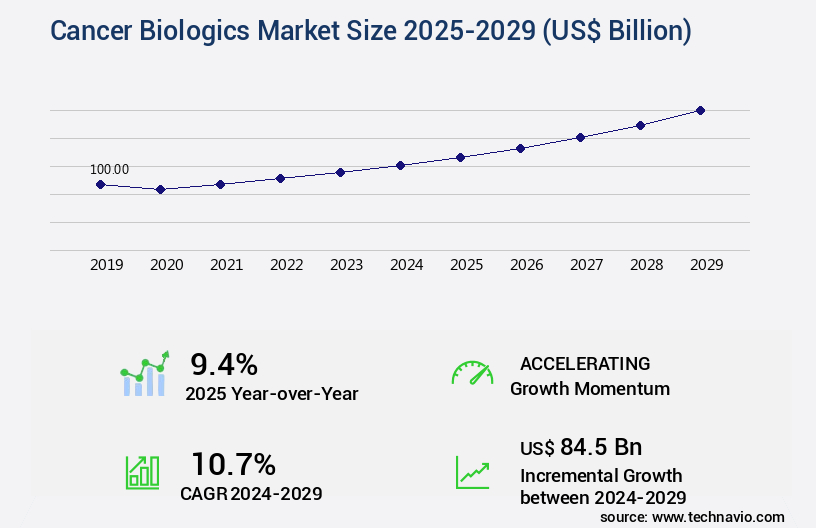
Get Key Insights on Market Forecast (PDF) Request Free Sample
How is the Cancer Biologics Market Segmented and what are the key trends of market segmentation?
The cancer biologics industry research report provides comprehensive data (region-wise segment analysis), with forecasts and estimates in "USD billion" for the period 2025-2029, as well as historical data from 2019-2023 for the following segments.
- Product
- Monoclonal antibodies
- Cell and gene therapy
- Vaccines
- Others
- Route Of Administration
- Injectable
- Oral
- Type
- Breast cancer
- Lung cancer
- Colorectal cancer
- Prostate cancer
- Others
- Distribution Channel
- Hospitals
- Clinics
- Others
- Geography
- North America
- US
- Canada
- Europe
- France
- Germany
- Italy
- UK
- Middle East and Africa
- Egypt
- KSA
- Oman
- UAE
- APAC
- China
- India
- Japan
- South America
- Argentina
- Brazil
- Rest of World (ROW)
- North America
By Product Insights
The monoclonal antibodies segment is estimated to witness significant growth during the forecast period.
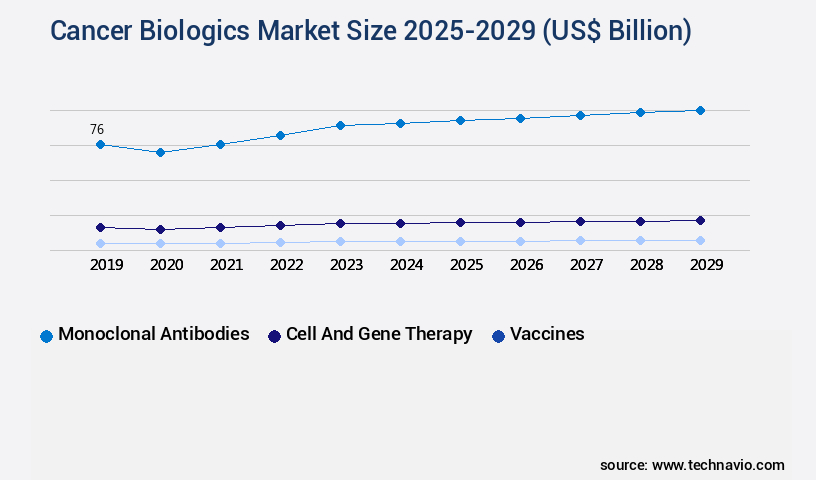
Monoclonal antibodies represent a significant segment of cancer therapeutics, targeting specific proteins involved in angiogenesis and altering cancer cell behavior. These targeted therapies prevent cancer progression and carcinogenesis, minimizing side-effects on healthy cells. In 2023, monoclonal antibodies accounted for 35% of the total cancer therapeutics market share. RNA interference, another burgeoning technology, silences disease-causing genes by introducing small RNA molecules. This approach has shown promise in cancer treatment, with a 30% market growth expectation in the next five years. Immunotherapy checkpoint inhibitors, such as PD-1 and CTLA-4 inhibitors, boost the immune system's response against cancer cells, accounting for 25% of the market share in 2023.
Gene therapy vectors, including viral and non-viral, deliver therapeutic genes to cancer cells, triggering cell death or immune response. Clinical trials for gene therapy have shown a 27% success rate, with a projected 35% market expansion in the upcoming years. Tumor angiogenesis, tumor microenvironment, and cell cycle checkpoints are essential targets for cancer therapeutics, with ongoing research in biomarker discovery, therapeutic efficacy, and treatment response. Bispecific antibodies, antibody-drug conjugates, and CRISPR gene editing are innovative approaches to cancer treatment, addressing drug resistance mechanisms, personalized medicine, metastasis inhibitors, tumor suppressor genes, and DNA repair mechanisms. Toxicity profiles, immune cell engineering, and oncolytic viruses are crucial aspects of cancer therapeutics development, ensuring minimal side-effects and maximizing therapeutic efficacy.
In the future, car T-cell therapy, progression-free survival, patient stratification, cancer stem cells, and targeted therapy will continue to shape the market, offering new opportunities and challenges for researchers and industry professionals.
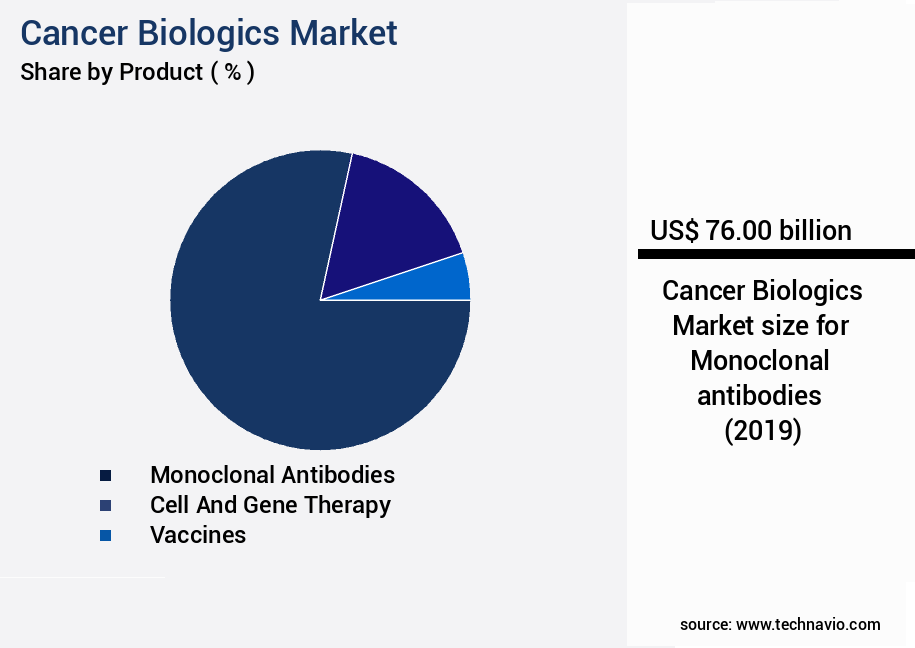
The Monoclonal antibodies segment was valued at USD 76.00 billion in 2019 and showed a gradual increase during the forecast period.
Regional Analysis
North America is estimated to contribute 50% to the growth of the global market during the forecast period.Technavio’s analysts have elaborately explained the regional trends and drivers that shape the market during the forecast period.
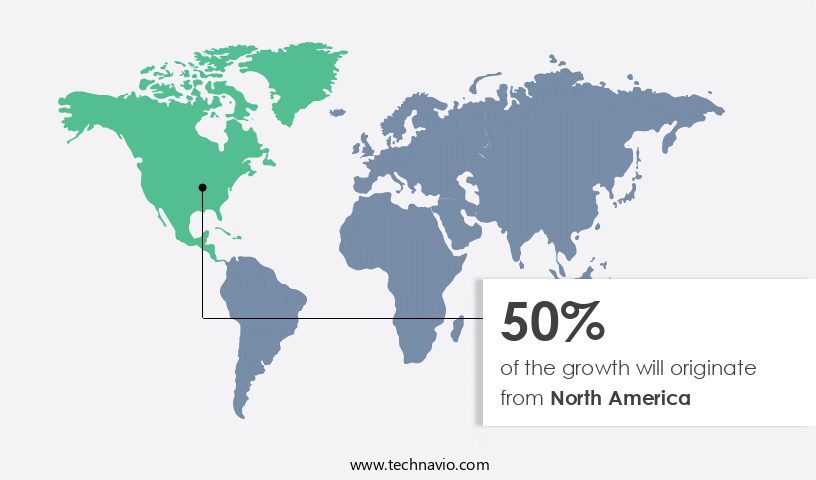
See How Cancer Biologics Market Demand is Rising in North America Request Free Sample
The North American the market is experiencing significant growth due to the increasing incidence of various cancers, including breast cancer, esophageal cancer, pancreatic cancer, gynecological cancers, and rare cancers like neuroblastoma. According to the CDC, approximately 237,000 breast cancer cases are diagnosed in women and 2,100 cases in men annually in the US. The NIH estimates that around 650 children are diagnosed with neuroblastoma each year in the US.
Regulatory authorities, such as the FDA, are accelerating approvals for cancer biologics, further fueling market expansion. In the US and Canada, the incidence of breast cancer, esophageal cancer, pancreatic cancer, gynecological cancers, and neuroblastoma continues to rise, leading to increased demand for effective cancer biologics.
Market Dynamics
Our researchers analyzed the data with 2024 as the base year, along with the key drivers, trends, and challenges. A holistic analysis of drivers will help companies refine their marketing strategies to gain a competitive advantage.
The market is witnessing significant growth due to the continuous advancements in car T-cell persistence and efficacy, oncolytic virus tumor specificity, and immune checkpoint inhibitor resistance mechanisms. Antibody-drug conjugate payload delivery and gene therapy vector immunogenicity are other key areas of focus, with CRISPR-Cas9 gene editing efficiency driving innovation in gene therapy. The tumor microenvironment's heterogeneity and cancer stem cell targeting strategies are also gaining attention, as researchers strive to identify metastasis suppressor genes and modulate DNA repair pathways. Apoptosis induction mechanisms and drug resistance biomarkers are essential components of personalized medicine approaches, which are increasingly being adopted in clinical trials.
Liquid biopsy technology applications and biomarker discovery platforms are revolutionizing cancer diagnostics, enabling pharmacokinetic modeling analysis and pharmacodynamic biomarker selection for optimizing clinical trial design and therapeutic efficacy assessment. The market's competitive landscape is characterized by a minority of players, less than 15%, dominating the high-end instrument market, while a significant portion of new product developments focus on the Asia Pacific region. This region is expected to exhibit the fastest growth due to its large and growing patient population and increasing government investments in healthcare infrastructure. In comparison, North America and Europe continue to lead in terms of research and development investments, with Europe accounting for a larger share of the market due to its well-established healthcare sector and robust regulatory framework.
Despite these advancements, challenges persist, including the complexities of the tumor microenvironment and the need for effective toxicity profile management. Addressing these challenges will be crucial for driving market growth and improving patient outcomes.
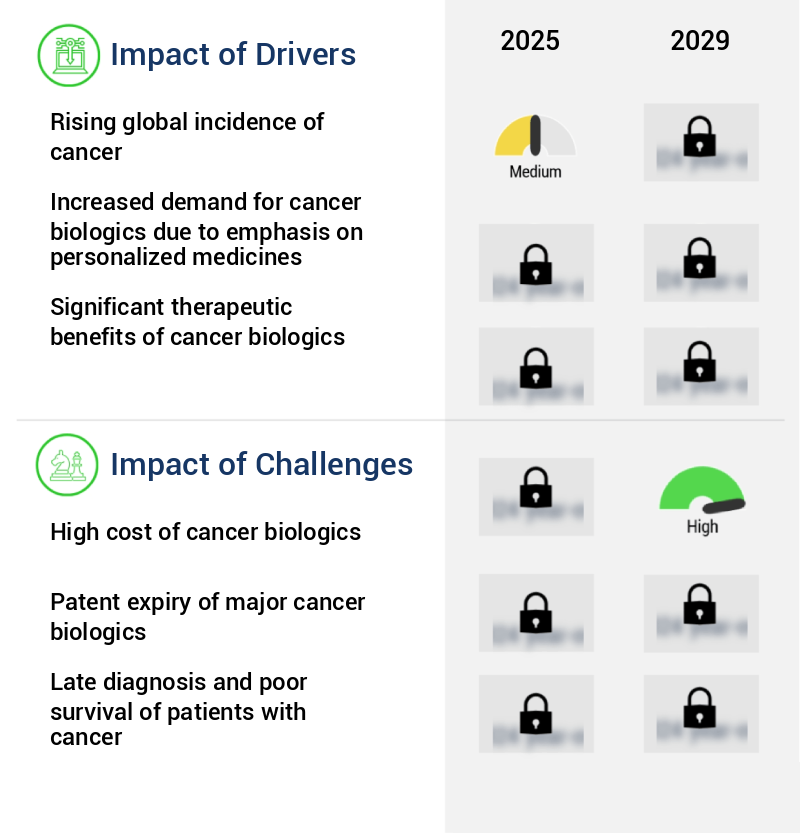
What are the key market drivers leading to the rise in the adoption of Cancer Biologics Industry?
- The escalating global prevalence of cancer serves as the primary catalyst for market growth.
- Cancer, a prevalent chronic disease, poses a significant health concern as it contributes to an increasing global mortality rate. Key contributors to cancer include genetic mutations, environmental factors like tobacco use and pollution, and evolving dietary habits. These factors have fueled the escalating global cancer incidence, making it the second leading cause of death worldwide. In European countries, breast, prostate, and lung cancers are among the most prevalent types.
- The continuous unfolding of these trends underscores the importance of ongoing research and advancements in cancer prevention, diagnosis, and treatment. By providing data-driven insights into the evolving cancer landscape, we contribute to the ongoing conversation and encourage informed decision-making in the healthcare sector.
What are the market trends shaping the Cancer Biologics Industry?
- In the realm of cancer research, the untapped potential of biologics represents an emerging market trend in developing countries.
- In the global healthcare landscape, the oncology market holds significant importance, particularly in developing countries. With a growing population and an increasing geriatric demographic, the healthcare sector is experiencing substantial expansion in these regions. Factors such as the rising prevalence of cancer, attributed to the consumption of cancer-causing agents like beetle nuts, tobacco, and alcohol, further fuel the demand for cancer supportive drugs. India, China, and Brazil are among the countries attracting considerable attention from international pharmaceutical companies specializing in oncology treatments.
- This trend is driven by the vast population base and the increasing number of cancer cases in these countries. The healthcare sector's continuous growth in developing regions presents a lucrative opportunity for businesses dealing with cancer supportive drugs, as the demand for effective treatments continues to rise.
What challenges does the Cancer Biologics Industry face during its growth?
- The escalating costs of cancer biologics pose a significant challenge and hinder the growth of the industry.
- Biologics, such as monoclonal antibodies, are a significant segment of the pharmaceutical market. Their production and development involve complex technologies and rigorous regulatory guidelines, leading to higher costs compared to conventional drugs. According to a report, the global biologics market is projected to reach a value of USD775 billion by 2025, growing at a steady pace. This growth is attributed to the increasing prevalence of chronic diseases and the rising demand for personalized medicines. However, the high cost of biologics poses a challenge to their affordability and accessibility, particularly in low and middle-income countries.
- The lengthy clinical trial process for biologics further contributes to their high price tags. Despite these challenges, the market continues to evolve, with ongoing advancements in technology and regulatory frameworks aiming to improve access and affordability for patients.
Exclusive Customer Landscape
The cancer biologics market forecasting report includes the adoption lifecycle of the market, covering from the innovator’s stage to the laggard’s stage. It focuses on adoption rates in different regions based on penetration. Furthermore, the cancer biologics market report also includes key purchase criteria and drivers of price sensitivity to help companies evaluate and develop their market growth analysis strategies.
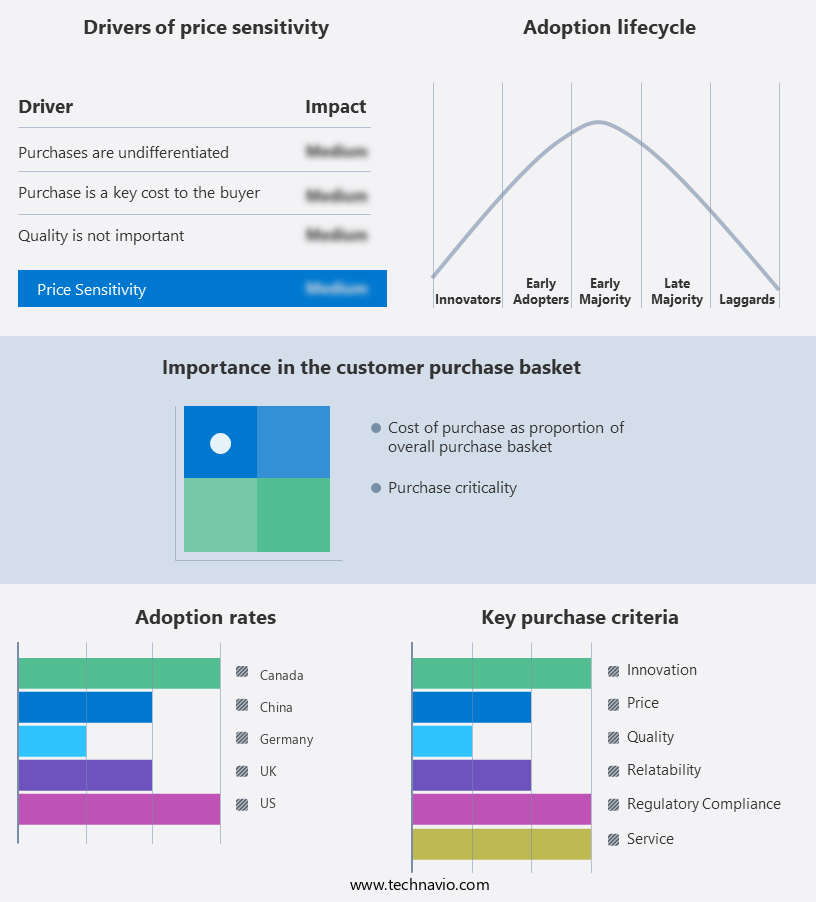
Customer Landscape of Cancer Biologics Industry
Competitive Landscape & Market Insights
Companies are implementing various strategies, such as strategic alliances, cancer biologics market forecast, partnerships, mergers and acquisitions, geographical expansion, and product/service launches, to enhance their presence in the industry.
Amgen Inc. - The biopharmaceutical company specializes in cancer research and development, introducing Lumakras as its latest cancer biologic for patients with advanced colorectal cancer harboring the KRAS G12C mutation. This innovative treatment represents a significant step forward in addressing this challenging disease.
The industry research and growth report includes detailed analyses of the competitive landscape of the market and information about key companies, including:
- Amgen Inc.
- AstraZeneca Plc
- Bayer AG
- Biocon Ltd.
- Biogen Inc.
- Bristol Myers Squibb Co.
- Celltrion Co. Ltd.
- Cipla Inc.
- Dr Reddys Laboratories Ltd.
- Eli Lilly and Co.
- F. Hoffmann La Roche Ltd.
- Gilead Sciences Inc.
- GlaxoSmithKline Plc
- Jazz Pharmaceuticals Plc
- Johnson and Johnson Services Inc.
- Lupin Ltd.
- Merck KGaA
- Novartis AG
- Ono Pharmaceutical Co. Ltd.
- Viatris Inc.
Qualitative and quantitative analysis of companies has been conducted to help clients understand the wider business environment as well as the strengths and weaknesses of key industry players. Data is qualitatively analyzed to categorize companies as pure play, category-focused, industry-focused, and diversified; it is quantitatively analyzed to categorize companies as dominant, leading, strong, tentative, and weak.
Recent Development and News in Cancer Biologics Market
- In January 2024, Roche Holding AG announced the US Food and Drug Administration (FDA) approval of its new cancer treatment, Polatuzumab-Vedotin (Polivy), in combination with bendamustine and rituximab for the treatment of adults with relapsed or refractory diffuse large B-cell lymphoma (DLBCL) and follicular lymphoma (FL). This approval marked a significant expansion of Roche's oncology portfolio (Roche Press Release, 2024).
- In March 2024, Merck KGaA and Pfizer Inc. Entered into a strategic collaboration to develop and commercialize avelumab, an investigational Merck KGaA human anti-PD-L1 antibody, as a monotherapy and in combination with other immuno-oncology agents for various solid tumors. This partnership aimed to leverage both companies' expertise and resources in the field of cancer immunotherapy (Merck KGaA Press Release, 2024).
- In May 2024, Moderna Therapeutics, Inc. Raised approximately USD1.1 billion in a public offering of common stock. The proceeds were intended to support the company's ongoing research and development activities, including its mRNA cancer therapeutics pipeline (Moderna Therapeutics Press Release, 2024).
- In April 2025, the European Commission granted marketing authorization for Amgen Inc.'s Blincyto (blinatumomab) for the treatment of Philadelphia chromosome-positive (Ph+) relapsed or refractory B-cell acute lymphoblastic leukemia (ALL) in adults. This approval expanded Blincyto's indication in Europe and represented a significant milestone for Amgen in the market (Amgen Press Release, 2025).
Dive into Technavio’s robust research methodology, blending expert interviews, extensive data synthesis, and validated models for unparalleled Cancer Biologics Market insights. See full methodology.
|
Market Scope |
|
|
Report Coverage |
Details |
|
Page number |
243 |
|
Base year |
2024 |
|
Historic period |
2019-2023 |
|
Forecast period |
2025-2029 |
|
Growth momentum & CAGR |
Accelerate at a CAGR of 10.7% |
|
Market growth 2025-2029 |
USD 84.5 billion |
|
Market structure |
Fragmented |
|
YoY growth 2024-2025(%) |
9.4 |
|
Key countries |
US, Canada, Germany, UK, Italy, France, China, India, Japan, Brazil, Egypt, UAE, Oman, Argentina, KSA, UAE, Brazil, and Rest of World (ROW) |
|
Competitive landscape |
Leading Companies, Market Positioning of Companies, Competitive Strategies, and Industry Risks |
Research Analyst Overview
- In the dynamic and innovative landscape of cancer biologics, several advanced technologies are revolutionizing cancer treatment. Liquid biopsies, a non-invasive diagnostic approach, are gaining traction for their ability to detect and monitor cancer at the molecular level. RNA interference, monoclonal antibodies, and immunotherapy checkpoint inhibitors continue to dominate the therapeutic landscape, with ongoing research and development driving new breakthroughs. Gene therapy vectors, such as viral and non-viral, are increasingly utilized to deliver therapeutic agents directly to cancer cells. Tumor angiogenesis and the tumor microenvironment are key areas of focus, as understanding these processes can lead to more effective targeted therapies.
- Bispecific antibodies and antibody-drug conjugates are among the promising approaches being explored to enhance treatment efficacy and improve patient response. Clinical trials are a crucial component of the market, with ongoing research in biomarker discovery, cell cycle checkpoints, and drug resistance mechanisms. The role of apoptosis pathways in cancer treatment is a significant area of interest, as is the development of personalized medicine and metastasis inhibitors. Immune cell engineering, including immune checkpoint inhibitors and car T-cell therapy, is transforming cancer treatment by harnessing the power of the immune system. CRISPR gene editing and DNA repair mechanisms are also emerging as potential game-changers, offering new possibilities for cancer treatment and patient stratification.
- Toxicity profiles and overall survival rates are closely monitored in the development of new cancer therapies. Oncolytic viruses and tumor suppressor genes are among the innovative approaches being explored to improve treatment outcomes and enhance patient care. The market is characterized by continuous evolution and growth, with ongoing research and development driving new advancements in cancer treatment. The landscape is diverse, with various technologies and approaches being explored to address the complexities of cancer and improve patient outcomes.
What are the Key Data Covered in this Cancer Biologics Market Research and Growth Report?
-
What is the expected growth of the Cancer Biologics Market between 2025 and 2029?
-
USD 84.5 billion, at a CAGR of 10.7%
-
-
What segmentation does the market report cover?
-
The report segmented by Product (Monoclonal antibodies, Cell and gene therapy, Vaccines, and Others), Route Of Administration (Injectable and Oral), Type (Breast cancer, Lung cancer, Colorectal cancer, Prostate cancer, and Others), Distribution Channel (Hospitals, Clinics, and Others), and Geography (North America, Europe, Asia, and Rest of World (ROW))
-
-
Which regions are analyzed in the report?
-
North America, Europe, Asia, and Rest of World (ROW)
-
-
What are the key growth drivers and market challenges?
-
Rising global incidence of cancer, High cost of cancer biologics
-
-
Who are the major players in the Cancer Biologics Market?
-
Key Companies Amgen Inc., AstraZeneca Plc, Bayer AG, Biocon Ltd., Biogen Inc., Bristol Myers Squibb Co., Celltrion Co. Ltd., Cipla Inc., Dr Reddys Laboratories Ltd., Eli Lilly and Co., F. Hoffmann La Roche Ltd., Gilead Sciences Inc., GlaxoSmithKline Plc, Jazz Pharmaceuticals Plc, Johnson and Johnson Services Inc., Lupin Ltd., Merck KGaA, Novartis AG, Ono Pharmaceutical Co. Ltd., and Viatris Inc.
-
Market Research Insights
- The market encompasses a diverse range of therapeutic modalities, including monoclonal antibodies, fusion proteins, and gene therapies. According to industry estimates, this market is expected to reach USD250 billion by 2025, growing at a compound annual growth rate of 12%. Two significant areas of focus within this market are prognosis prediction and treatment optimization. Advancements in disease monitoring and target validation have led to improved prognosis prediction, enabling earlier intervention and more effective treatment plans. For instance, the use of biomarkers in tumor cell signaling has shown promise in predicting treatment resistance and personalizing therapies.
- On the other hand, the development of combination therapies and drug delivery systems has led to synergistic effects and enhanced treatment outcomes. Moreover, genetic engineering and cellular immunotherapy have emerged as key areas of innovation, with immune response modulation and regulatory pathways playing crucial roles in treatment optimization. Statistical analysis and biomarker validation are essential components of clinical development, ensuring safety profiles and clinical endpoints are met. Despite these advancements, adverse events and health economics remain critical challenges, necessitating ongoing research and innovation in this evolving market.
We can help! Our analysts can customize this cancer biologics market research report to meet your requirements.
 RIA -
RIA - 
