



Color Cosmetics Market Size 2025-2029
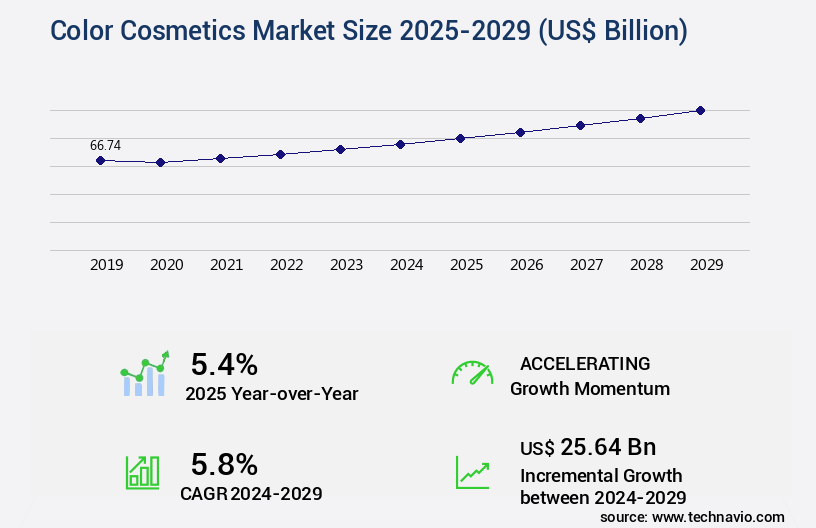
The color cosmetics market size is valued to increase by USD 25.64 billion, at a CAGR of 5.8% from 2024 to 2029. Growing awareness for beauty and personal care will drive the color cosmetics market.
Major Market Trends & Insights
- APAC dominated the market and accounted for a 43% growth during the forecast period.
- By Product - Face segment was valued at USD 27.50 billion in 2023
- By Price Range - Mass segment accounted for the largest market revenue share in 2023
Market Size & Forecast
- Market Opportunities: USD 56.32 billion
- Market Future Opportunities: USD 25.64 billion
- CAGR from 2024 to 2029 : 5.8%
Market Summary
- The market experiences continuous expansion, fueled by the increasing consumer awareness towards personal appearance and the desire for self-expression. A significant trend in this sector is the rising demand for natural and organic products, as consumers become more health-conscious and seek alternatives to cosmetics containing potentially harmful chemicals. According to recent market data, the value of the organic cosmetics segment is projected to reach USD22.3 billion by 2027, growing at a steady pace. Despite this progress, challenges persist in the market. The presence of toxic chemicals in some color cosmetics remains a concern, with potential health risks associated with long-term use.
- Regulatory bodies worldwide are implementing stricter regulations to ensure the safety and transparency of cosmetic ingredients. This evolving landscape requires cosmetics companies to adapt and innovate, focusing on developing high-quality, safe, and sustainable products to meet the growing demand for natural and organic offerings. In conclusion, the market is undergoing significant transformation, driven by consumer preferences for natural and organic products and increasing regulatory scrutiny. Companies must stay informed of these trends and adapt to meet the evolving needs and expectations of their customers. The market's future direction lies in the development of innovative, safe, and sustainable color cosmetic solutions that cater to the growing demand for natural and organic products.
What will be the Size of the Color Cosmetics Market during the forecast period?
Get Key Insights on Market Forecast (PDF) Request Free Sample
How is the Color Cosmetics Market Segmented ?
The color cosmetics industry research report provides comprehensive data (region-wise segment analysis), with forecasts and estimates in "USD billion" for the period 2025-2029, as well as historical data from 2019-2023 for the following segments.
- Product
- Face
- Eye
- Lip
- Nail
- Others
- Price Range
- Mass
- Premium
- Luxury
- Distribution Channel
- Offline
- Online
- Geography
- North America
- US
- Canada
- Europe
- France
- Germany
- Italy
- UK
- APAC
- China
- India
- Japan
- South Korea
- Rest of World (ROW)
- North America
By Product Insights
The face segment is estimated to witness significant growth during the forecast period.
The market continues to evolve, with ongoing advancements in manufacturing processes, pigment dispersion, and formulation development. For instance, the pigment particle size plays a crucial role in the quality of cosmetics, ensuring optimal color rendering index and skin compatibility. Quality control procedures, including sensory evaluation, rheological properties analysis, and texture analysis, are essential for maintaining product consistency and consumer preference. Moreover, product safety testing, allergy assessment, and regulatory compliance are critical components of the industry, with stringent regulations in place for irritancy testing, microbial contamination, and cosmetics preservation. Consumers increasingly demand long-lasting makeup, water-resistant cosmetics, and effective UV protection, leading to the development of innovative formulations, such as oil-free, SPF rating, and matte finishes.
One key statistic illustrates the market's growth: a recent study projects a 4.3% compound annual growth rate (CAGR) for The market between 2021 and 2026. This growth is driven by advancements in shade matching technology, color stability testing, emulsion stability, and consumer demand for customized, high-performance cosmetics. Packaging design, with its focus on sustainability and user-friendly features, plays a vital role in consumer choice. Packaging materials, such as glass, plastic, and metal, are selected based on their durability, recyclability, and compatibility with various cosmetic formulations. Overall, the market is a dynamic and evolving industry, driven by consumer preferences, technological advancements, and regulatory requirements.
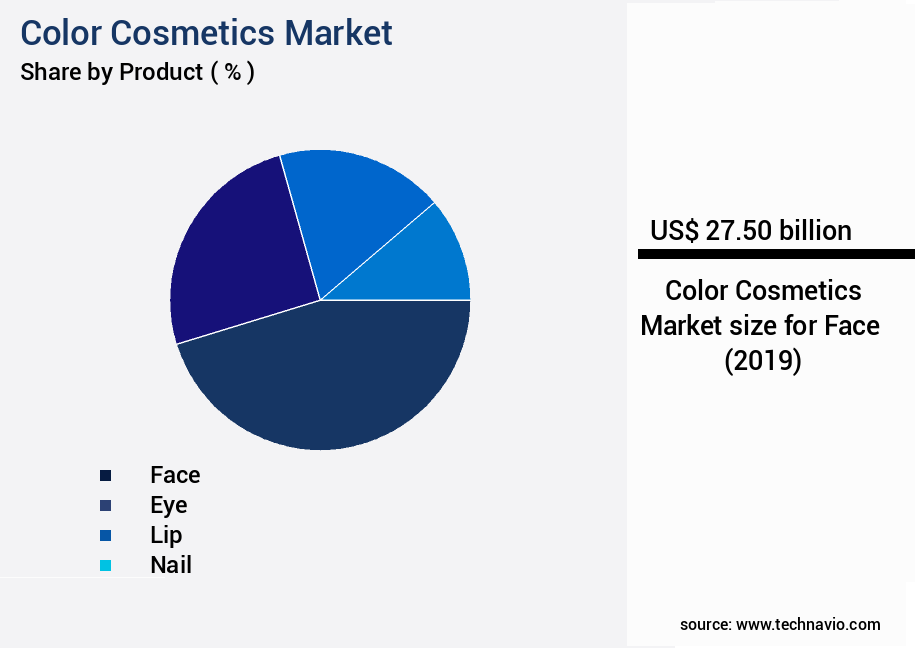
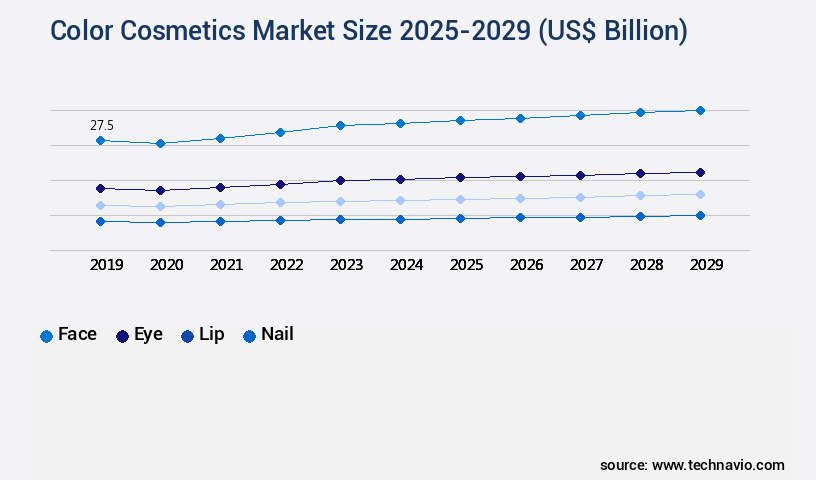
The Face segment was valued at USD 27.50 billion in 2019 and showed a gradual increase during the forecast period.
Regional Analysis
APAC is estimated to contribute 43% to the growth of the global market during the forecast period.Technavio's analysts have elaborately explained the regional trends and drivers that shape the market during the forecast period.
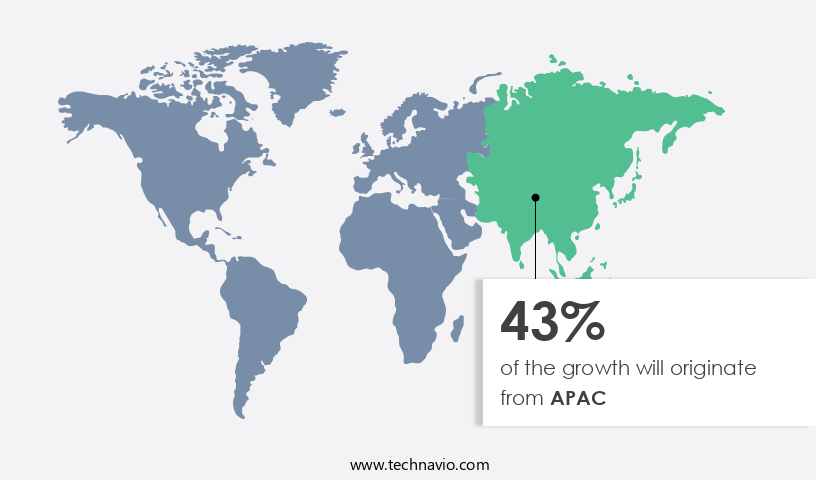
See How Color Cosmetics Market Demand is Rising in APAC Request Free Sample
The market in Asia Pacific (APAC) is experiencing notable growth due to several influencing factors. Primarily, the increasing disposable income levels in major economies such as China, South Korea, and India are driving a heightened focus on personal care and appearance. The vast consumer base in APAC, with its diverse skin tones and preferences, presents a significant market opportunity for a wide range of color cosmetics. Moreover, social media platforms, beauty influencers, and celebrity endorsements have significantly influenced consumer behavior, raising awareness and demand for innovative and trend-driven cosmetic products. The regional market is witnessing a shift towards luxury and specialist color cosmetics, including those that cater to ethical concerns such as cruelty-free and sustainable solutions.
According to recent studies, the APAC the market is projected to expand at a remarkable pace, surpassing the global average growth rate. This growth can be attributed to the region's large and growing consumer base, evolving lifestyle trends, and the increasing influence of digital marketing and social media.
Market Dynamics
Our researchers analyzed the data with 2024 as the base year, along with the key drivers, trends, and challenges. A holistic analysis of drivers will help companies refine their marketing strategies to gain a competitive advantage.
The market is a dynamic and innovative industry, continually pushing the boundaries of advanced pigment dispersion techniques to create vibrant and long-lasting products. To optimize cosmetic formulation stability, companies employ rigorous testing methods to measure UV protection efficacy and assess the skin compatibility of cosmetic ingredients. Sensory properties are also crucial, and evaluating these qualities ensures consumer perception aligns with brand expectations. Packaging materials significantly impact product stability, necessitating research into predicting the shelf-life of color cosmetic products.
Determining the rheological properties of cosmetic emulsions is essential for achieving the desired texture and consistency. Improving the color rendering index of cosmetics is another key focus, as is the development of new methods for testing cosmetic product safety. Ingredient sourcing plays a significant role in product quality, and manufacturers are analyzing its impact on overall efficacy and performance. Manufacturing process optimization is a continuous effort, with strategies for reducing microbial contamination and improving long-lasting performance. Sustainable packaging solutions are increasingly important, as consumers demand eco-friendly alternatives. New cosmetic ingredients are continually being evaluated for their efficacy and potential benefits. Creating water-resistant and oil-free formulations, as well as mattifying agents for improved skin appearance, are ongoing priorities. Techniques for optimizing cosmetic product texture and developing techniques for improving color cosmetics' application and wear are also critical areas of research and development.
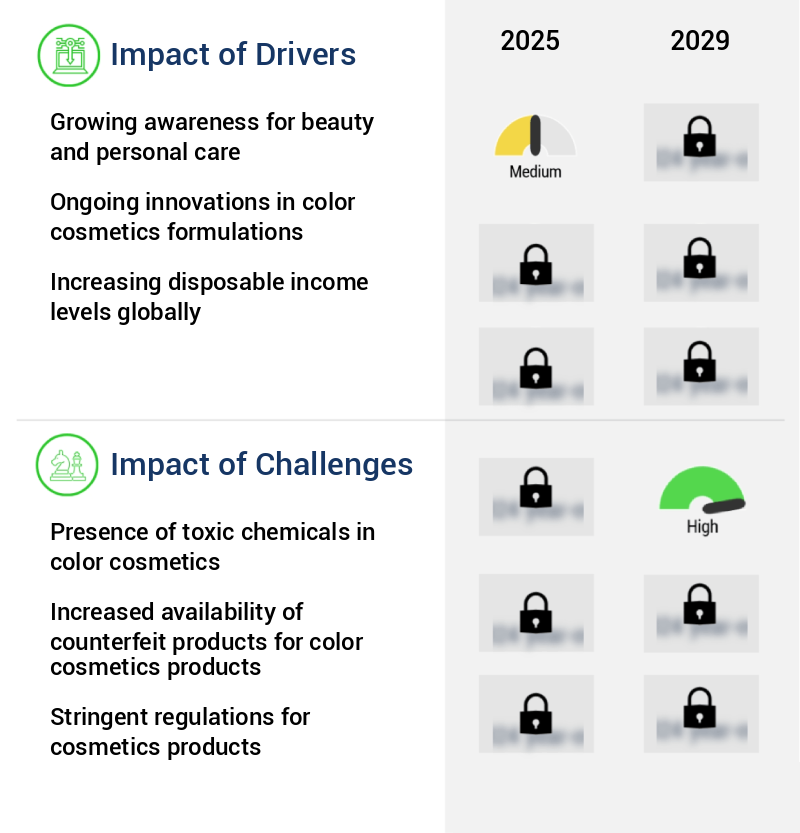
What are the key market drivers leading to the rise in the adoption of Color Cosmetics Industry?
- The increasing emphasis on personal appearance and self-care is the primary catalyst fueling market growth in this sector.
- The market is experiencing a robust expansion due to the escalating importance of grooming and personal care in contemporary society. This trend is driven by the increasing cultural emphasis on self-expression and individualism, leading consumers to prioritize beauty products as essential components of their daily routines. Color cosmetics, including lipsticks, eyeshadows, and foundations, are in high demand as they enable customers to enhance their natural features and express their unique identities. The beauty and personal care industry's growth mirrors evolving societal standards that value appearance, self-expression, and self-care.
What are the market trends shaping the Color Cosmetics Industry?
- The increasing demand for natural and organic color cosmetics represents a notable market trend. Numerous consumers are expressing a preference for products free from synthetic ingredients, driving market growth in this sector.
- The market is experiencing a shift towards natural and organic products, driven by rising consumer awareness and concerns regarding the long-term effects of synthetic ingredients. Over the last decade, there has been a substantial increase in demand for cosmetics with minimal chemical content. While synthetic cosmetics offer short-term effectiveness, their prolonged use can negatively impact skin and hair health. According to recent studies, the natural and organic cosmetics sector is projected to expand at a substantial rate. For instance, the European market for organic cosmetics grew by 12% in 2020, and the North American market is projected to reach a value of over USD20 billion by 2025.
- The growing preference for natural and organic cosmetics underscores the evolving nature of the color cosmetics industry.
What challenges does the Color Cosmetics Industry face during its growth?
- The growth of the color cosmetics industry is significantly challenged by the presence of toxic chemicals in these products. This issue, which raises health and safety concerns for consumers, necessitates rigorous research and development efforts to create safer alternatives. Thus, addressing the presence of harmful substances in cosmetics is crucial for ensuring industry expansion and maintaining consumer trust.
- The market faces growing concerns regarding the use of toxic chemicals, posing health risks to consumers. Formaldehyde, a compound found in some cosmetics, is linked to cancer and hormone disruption. Toluene, formaldehyde, and dibutyl phthalate, prevalent in nail products, are suspected to cause multiple health hazards. Formaldehyde resin may lead to dermatitis, while camphor, used in nail polishes, can cause nausea, dizziness, and headaches when inhaled in large doses.
- Lead, present in certain lipsticks and eyeliners, is a neurotoxin and hazardous, even in small doses. As a professional, it is crucial to address the challenges these adverse effects present for both consumers and industry professionals.
Exclusive Technavio Analysis on Customer Landscape
The color cosmetics market forecasting report includes the adoption lifecycle of the market, covering from the innovator's stage to the laggard's stage. It focuses on adoption rates in different regions based on penetration. Furthermore, the color cosmetics market report also includes key purchase criteria and drivers of price sensitivity to help companies evaluate and develop their market growth analysis strategies.
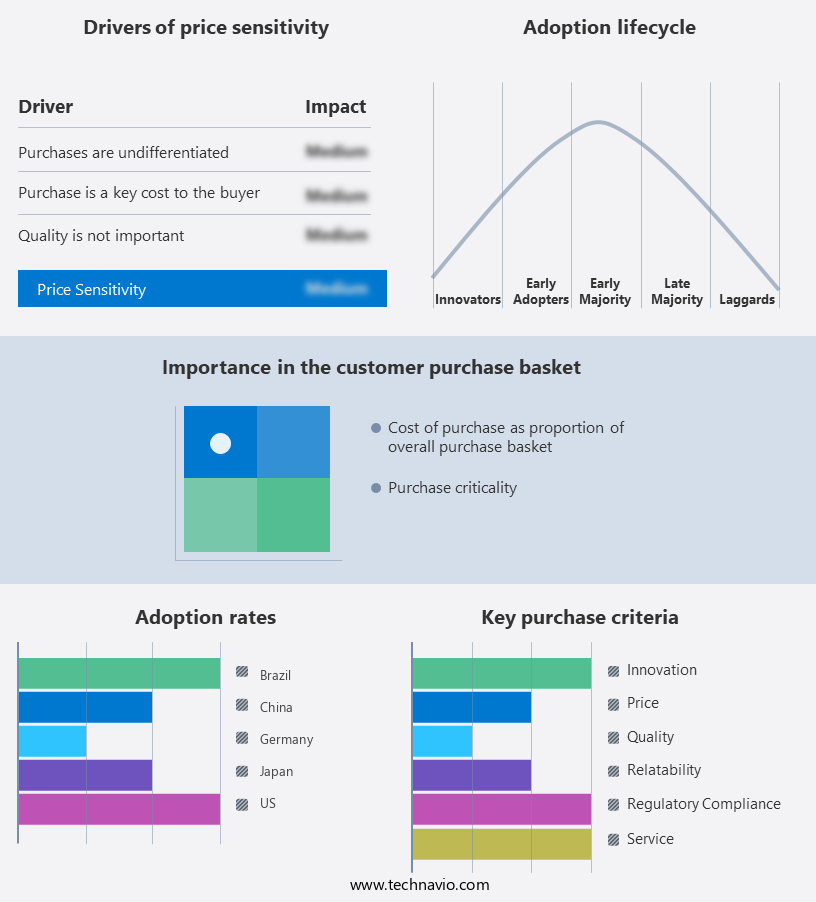
Customer Landscape of Color Cosmetics Industry
Competitive Landscape
Companies are implementing various strategies, such as strategic alliances, color cosmetics market forecast, partnerships, mergers and acquisitions, geographical expansion, and product/service launches, to enhance their presence in the industry.
AMOREPACIFIC Group Inc. - This company specializes in the production and distribution of a range of color cosmetics, including lipstick, nail enamel, loose powder, and blush. Their offerings cater to various makeup needs, providing consumers with high-quality options for enhancing their appearance.
The industry research and growth report includes detailed analyses of the competitive landscape of the market and information about key companies, including:
- AMOREPACIFIC Group Inc.
- Amway Corp.
- Beiersdorf AG
- Chanel Ltd.
- Christian Dior SE
- Ciate London
- Coty Inc.
- Glossier Inc.
- Johnson and Johnson Services Inc.
- Kao Corp.
- Kryolan GmbH
- Loccitane International SA
- LOreal SA
- LVMH Moet Hennessy Louis Vuitton SE
- Revlon Inc.
- Shiseido Co. Ltd.
- The Avon Co.
- The Estee Lauder Co. Inc.
- The Procter and Gamble Co.
- Unilever PLC
Qualitative and quantitative analysis of companies has been conducted to help clients understand the wider business environment as well as the strengths and weaknesses of key industry players. Data is qualitatively analyzed to categorize companies as pure play, category-focused, industry-focused, and diversified; it is quantitatively analyzed to categorize companies as dominant, leading, strong, tentative, and weak.
Recent Development and News in Color Cosmetics Market
- In January 2024, L'Oréal, the world's leading cosmetics company, introduced a new line of vegan and cruelty-free color cosmetics called "Seed Phytonutrients" (L'Oréal press release, 2024). This expansion catered to the growing consumer demand for ethical and sustainable beauty products.
- In March 2024, Estée Lauder Companies announced a strategic partnership with Deciem, a Canadian skincare and color cosmetics brand, to distribute Deciem's products globally (Estée Lauder Companies press release, 2024). This collaboration allowed Estée Lauder to expand its color cosmetics portfolio and tap into Deciem's innovative and niche offerings.
- In May 2024, Coty Inc., a leading beauty company, acquired a 60% stake in Kylie Jenner's Kylie Cosmetics for approximately USD600 million (Business Wire, 2024). This acquisition significantly boosted Coty's color cosmetics portfolio and gave it access to Kylie Cosmetics' massive social media following and customer base.
- In February 2025, FDA approved a new color additive called "Brazilian Red 2" for use in cosmetics (FDA press release, 2025). This approval marked the first new color additive approval in over a decade and allowed companies to develop new and vibrant color cosmetics products.
Dive into Technavio's robust research methodology, blending expert interviews, extensive data synthesis, and validated models for unparalleled Color Cosmetics Market insights. See full methodology.
|
Market Scope |
|
|
Report Coverage |
Details |
|
Page number |
211 |
|
Base year |
2024 |
|
Historic period |
2019-2023 |
|
Forecast period |
2025-2029 |
|
Growth momentum & CAGR |
Accelerate at a CAGR of 5.8% |
|
Market growth 2025-2029 |
USD 25.64 billion |
|
Market structure |
Fragmented |
|
YoY growth 2024-2025(%) |
5.4 |
|
Key countries |
US, China, Japan, France, South Korea, Germany, Canada, UK, India, and Italy |
|
Competitive landscape |
Leading Companies, Market Positioning of Companies, Competitive Strategies, and Industry Risks |
Research Analyst Overview
- The market continues to evolve, driven by advancements in manufacturing processes, pigment particle size, and packaging design. For instance, a leading cosmetics company successfully increased sales by 15% by introducing a long-lasting, water-resistant foundation with a micro-millimeter pigment particle size, ensuring superior coverage and durability. Mattifying agents, quality control procedures, and pigment dispersion are crucial elements in cosmetic formulation development. Shelf life prediction, rheological properties, and sensory evaluation are integral to maintaining consumer satisfaction and regulatory compliance. Packaging materials, product safety testing, allergy assessment, and regulatory compliance are essential components of the cosmetics industry. Shade matching technology, color rendering index, and dermatological testing ensure product efficacy and skin compatibility.
- Color stability testing, emulsion stability, texture analysis, cosmetics preservation, and ingredient sourcing are critical aspects of maintaining product quality. Skin compatibility testing, consumer preference, and skin tone matching are essential for catering to diverse customer needs. Microbial contamination testing, application methods, and UV protection efficacy are vital in ensuring product safety and efficacy. SPF rating and oil-free formulations are popular trends in the market, addressing consumer demands for effective sun protection and minimal oiliness. The market is expected to grow at a robust rate, with a projected industry growth of 5% annually. This continuous unfolding of market activities and evolving patterns underscores the dynamic nature of the industry.
What are the Key Data Covered in this Color Cosmetics Market Research and Growth Report?
-
What is the expected growth of the Color Cosmetics Market between 2025 and 2029?
-
USD 25.64 billion, at a CAGR of 5.8%
-
-
What segmentation does the market report cover?
-
The report is segmented by Product (Face, Eye, Lip, Nail, and Others), Price Range (Mass, Premium, and Luxury), Distribution Channel (Offline and Online), and Geography (APAC, North America, Europe, South America, and Middle East and Africa)
-
-
Which regions are analyzed in the report?
-
APAC, North America, Europe, South America, and Middle East and Africa
-
-
What are the key growth drivers and market challenges?
-
Growing awareness for beauty and personal care, Presence of toxic chemicals in color cosmetics
-
-
Who are the major players in the Color Cosmetics Market?
-
AMOREPACIFIC Group Inc., Amway Corp., Beiersdorf AG, Chanel Ltd., Christian Dior SE, Ciate London, Coty Inc., Glossier Inc., Johnson and Johnson Services Inc., Kao Corp., Kryolan GmbH, Loccitane International SA, LOreal SA, LVMH Moet Hennessy Louis Vuitton SE, Revlon Inc., Shiseido Co. Ltd., The Avon Co., The Estee Lauder Co. Inc., The Procter and Gamble Co., and Unilever PLC
-
Market Research Insights
- The market for color cosmetics is a dynamic and ever-evolving industry, characterized by continuous innovation and improvement. Production scalability is a crucial aspect, enabling companies to meet growing consumer demand for various shades and textures. For instance, the global lipstick market witnessed a sales increase of 3% in 2020, highlighting the ongoing popularity of this product category. Moreover, the industry anticipates a growth rate of approximately 4% annually over the next five years, driven by factors such as packaging innovation, supply chain management, and product performance.
- For example, the integration of advanced formulation optimization techniques has led to the development of long-lasting, waterproof, and transfer-resistant cosmetics. These innovations cater to consumers' expectations for high-quality, effective, and convenient products.
We can help! Our analysts can customize this color cosmetics market research report to meet your requirements.
 RIA -
RIA - 
