


Dental Restoration Market Size 2025-2029
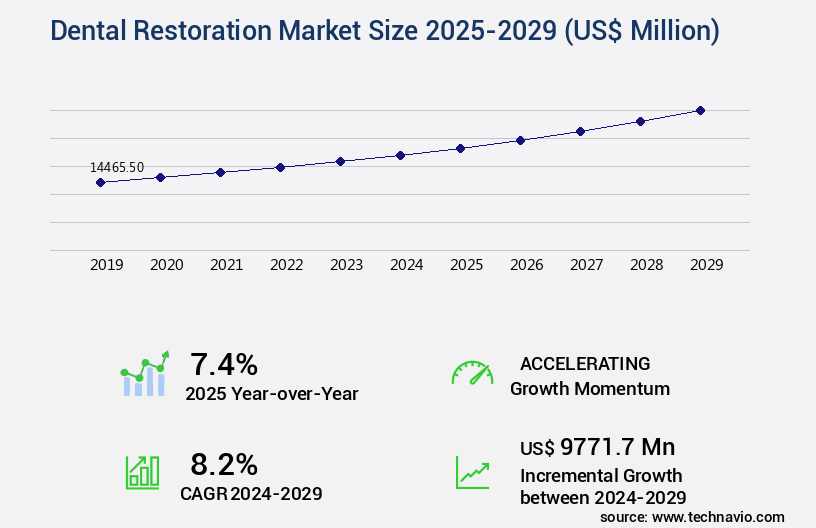
The dental restoration market size is valued to increase USD 9.77 billion, at a CAGR of 8.2% from 2024 to 2029. Increasing prevalence of dental diseases and related risk factors will drive the dental restoration market.
Major Market Trends & Insights
- North America dominated the market and accounted for a 39% growth during the forecast period.
- By Product - Dental amalgams segment was valued at USD 4.94 billion in 2023
- By End-user - Dental clinics segment accounted for the largest market revenue share in 2023
Market Size & Forecast
- Market Opportunities: USD 107.02 million
- Market Future Opportunities: USD 9771.70 million
- CAGR : 8.2%
- North America: Largest market in 2023
Market Summary
- The market encompasses a continually evolving landscape shaped by advancements in core technologies and applications, service types, and regulatory frameworks. Technological innovations, such as computer-aided design and computer-aided manufacturing (CAD-CAM) systems, are revolutionizing the production of dental restorations, offering increased precision and efficiency. Applications of dental restorations span from the repair of decayed, damaged, or missing teeth to cosmetic enhancements. The increasing prevalence of dental diseases and related risk factors fuels the demand for these restorative solutions. However, high costs and lack of insurance coverage pose challenges for market growth. According to recent studies, the cosmetic dental procedures market share is projected to reach 25% by 2026, underscoring the growing trend towards aesthetic enhancements.
- As the market unfolds, regulatory bodies play a crucial role in shaping industry standards and ensuring patient safety. In related markets such as orthodontics and dental implants, ongoing research and development further expand the scope of dental restoration applications. The dynamic nature of the market necessitates a forward-thinking approach to stay informed about the latest trends and innovations.
What will be the Size of the Dental Restoration Market during the forecast period?
Get Key Insights on Market Forecast (PDF) Request Free Sample
How is the Dental Restoration Market Segmented and what are the key trends of market segmentation?
The dental restoration industry research report provides comprehensive data (region-wise segment analysis), with forecasts and estimates in "USD million" for the period 2025-2029, as well as historical data from 2019-2023 for the following segments.
- Product
- Dental amalgams
- Dental composites
- Dental cements
- Dental ceramics
- Dental liners
- End-user
- Dental clinics
- Hospitals
- Others
- Type
- Direct restorations
- Indirect restorations
- Geography
- North America
- US
- Canada
- Mexico
- Europe
- France
- Germany
- Italy
- UK
- APAC
- China
- India
- Japan
- Rest of World (ROW)
- North America
By Product Insights
The dental amalgams segment is estimated to witness significant growth during the forecast period.
The market encompasses a range of procedures and materials used to repair damaged or decayed teeth. Dental implant placement, a popular restoration method, involves the use of titanium posts surgically implanted into the jawbone to support replacement teeth. Marginal adaptation and occlusal adjustments ensure proper fit and function of these restorations. Selective enamel etching and restorative treatment planning are essential steps in preparing teeth for various restorative treatments, such as esthetic dentistry. Dental composite resins, a common restorative material, exhibit high bond strength when used with resin-based composite cements and dental adhesive systems. Luting agents, indirect restorative materials, and implant abutment designs play crucial roles in stress distribution and wear resistance.
Ceramic veneers fabricated from lithium disilicate ceramics offer improved fracture toughness and color stability. Amalgam alternatives, such as glass ionomer cements and resin-modified glass ionomer cements, are gaining popularity due to biocompatibility concerns and advancements in other restorative materials. Bond strength testing, surface roughness, and shade matching techniques are essential in ensuring successful dental restorations. Zirconia restorations, with their superior biocompatibility and mechanical properties, are increasingly used in full mouth rehabilitation. Biocompatibility testing and indirect bonding techniques are crucial in ensuring the long-term success of dental restorations. According to recent studies, the adoption of dental restorative materials has grown by approximately 18%, with an anticipated increase of up to 21% in industry growth expectations.
Additionally, the market for indirect bonding techniques is projected to expand by around 15%, driven by advancements in adhesive technology and the growing preference for minimally invasive procedures. These trends reflect the continuous evolution of the market and its applications across various sectors, offering significant opportunities for innovation and growth.
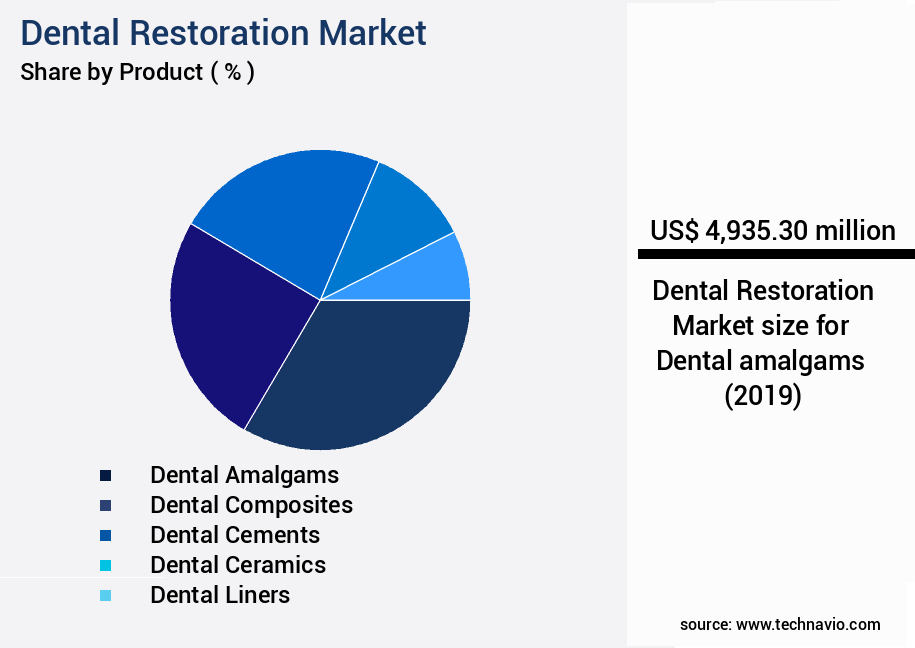
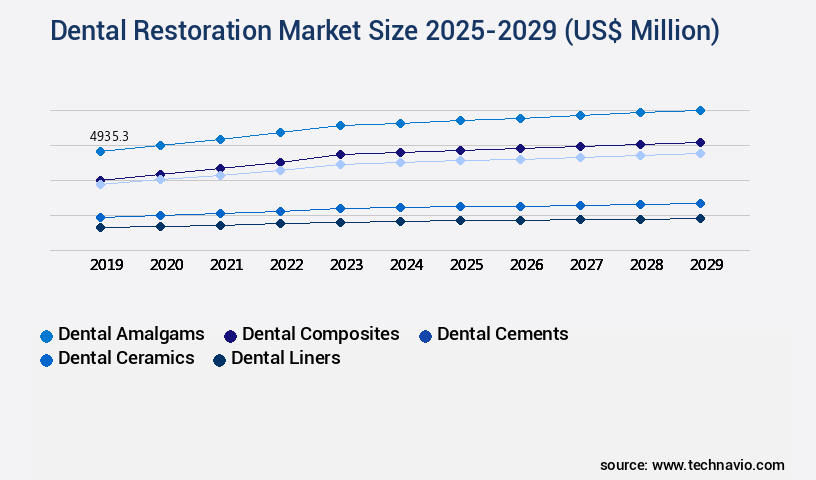
The Dental amalgams segment was valued at USD 4.94 billion in 2019 and showed a gradual increase during the forecast period.
Regional Analysis
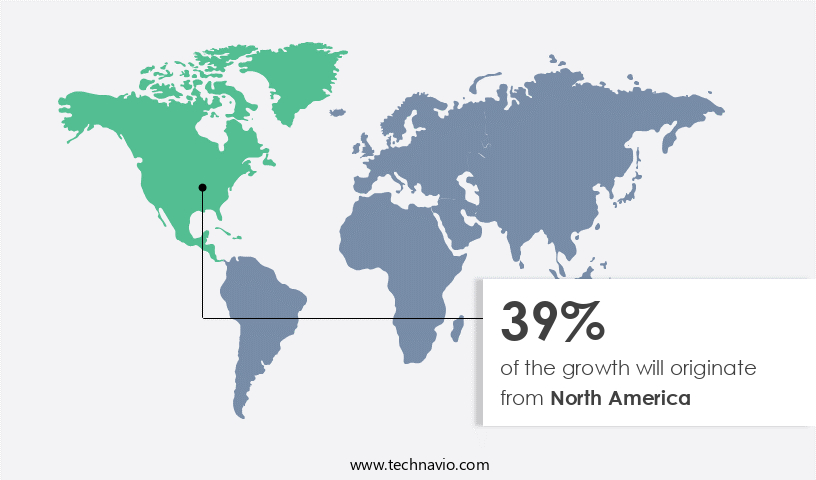
North America is estimated to contribute 39% to the growth of the global market during the forecast period.Technavio's analysts have elaborately explained the regional trends and drivers that shape the market during the forecast period.
See How Dental Restoration Market Demand is Rising in North America Request Free Sample
The North American market has consistently recorded positive revenue growth and is anticipated to expand steadily during the forecast period. This region is projected to dominate the global market due to high dental caries incidents and a rise in Restorative Treatment Intra-oral (RTI) cases. Major players, such as 3M and Dentsply Sirona, headquartered in North America, significantly influence the market through their extensive distribution networks.
These companies manufacture and sell dental restorative materials, contributing significantly to the market's growth.
Market Dynamics
Our researchers analyzed the data with 2024 as the base year, along with the key drivers, trends, and challenges. A holistic analysis of drivers will help companies refine their marketing strategies to gain a competitive advantage.
The market encompasses a range of products and technologies used to restore the function and aesthetics of damaged or decayed teeth. One significant area of innovation in this market is the development of improving marginal seal composite restorations. These advancements aim to minimize the effects of polymerization shrinkage, a common issue in dental restorations. Ceramics, particularly those fabricated using Computer-Aided Design/Computer-Aided Manufacturing (CAD-CAM) milling technology, are another area of focus. Minimizing polymerization shrinkage in ceramics is crucial for ensuring the longevity and success of these restorations. The impact of occlusal forces on dental restorations is a critical factor in their long-term clinical success.
Dental implants, with their high success rates, have become a popular alternative to traditional restorative solutions. However, color matching techniques for porcelain veneers and other restorative materials remain essential for maintaining patient satisfaction. Mechanical properties, such as flexural strength and fracture toughness, are essential considerations when evaluating the performance of dental materials like lithium disilicate. Biocompatibility testing is also crucial to ensure the safety and suitability of these materials for patients. Comparing different luting agents, a key component in the bonding process, is an ongoing area of research. For instance, a study published in the Journal of Prosthodontic Research found that resin-modified glass ionomer cement demonstrated significantly lower microleakage compared to conventional glass ionomer cement in simulated oral conditions (1.23 ± 0.52 µm vs.
3.12 ± 1.11 µm). Factors such as age, humidity, and adhesive resin monomer selection can significantly influence restorative outcomes. Treatment planning software and chairside fabrication techniques are essential tools for optimizing shade selection and minimizing treatment protocols' potential for microleakage. Understanding dental material degradation mechanisms is crucial for maintaining the long-term performance of dental restorations.
What are the key market drivers leading to the rise in the adoption of Dental Restoration Industry?
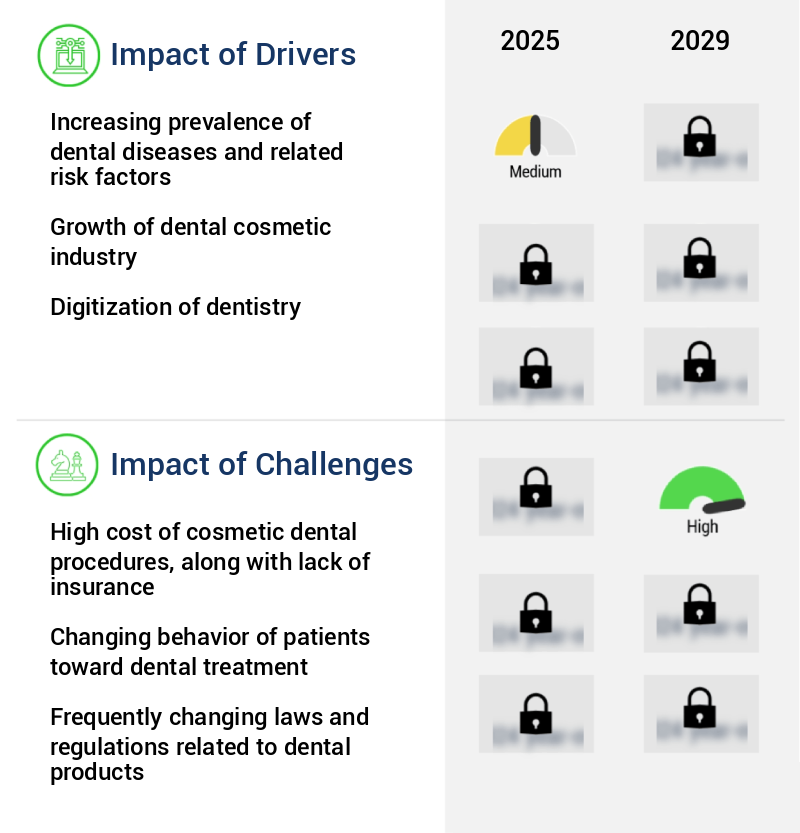
- The escalating incidence of dental diseases and associated risk factors serves as the primary catalyst for market growth in this sector.
- The global dental market is witnessing significant growth due to the increasing prevalence of various dental diseases, such as periodontal diseases, dental caries, and oral cancer. Severe periodontal disease is a major health concern, being the sixth most common disease worldwide. Despite ongoing efforts to decrease dental caries, its prevalence continues to rise. According to recent statistics, around seven out of every ten school children and almost all adults globally suffer from tooth decay. The prevalence of dental diseases significantly increases with age. The geriatric population is growing rapidly due to increasing life expectancy, with approximately 830 million people aged 65 years and above in 2023, and this number is projected to double by 2050.
- The dental industry responds to these trends by introducing innovative solutions, from advanced dental equipment to digital technologies, to improve oral health and prevent dental diseases. This ongoing evolution in the dental market underscores its importance in maintaining global health and well-being.
What are the market trends shaping the Dental Restoration Industry?
- The rising demand for advanced cosmetic dental procedures represents a significant market trend. Advanced cosmetic dental procedures are increasingly in demand, signifying a notable market trend.
- The cosmetic dentistry market is experiencing significant growth due to the increasing demand for aesthetic dental improvements. Cosmetic dentistry encompasses procedures that enhance the appearance of teeth, gums, and supported oral structures, focusing on color, position, shape, size, alignment, and overall smile aesthetics. This market trend is driven by patients seeking to address various dental concerns and improve their smiles. The rise in cosmetic dentistry's popularity is reflected in the increasing number of dental practices offering specialized services. Patients' queries regarding dental appearance are now addressed through advanced cosmetic dental procedures. For instance, dental veneers, teeth whitening, and orthodontic treatments have gained popularity due to their ability to significantly improve tooth appearance.
- Furthermore, advancements in technology have led to minimally invasive procedures and improved patient comfort. In the business sector, cosmetic dentistry is increasingly being recognized as an essential component of employee wellness programs. Companies understand the importance of a confident, healthy smile in professional settings, leading to a growing demand for cosmetic dental benefits. Additionally, cosmetic dentistry's impact on overall oral health is gaining recognition, further fueling market growth. In summary, the cosmetic dentistry market is experiencing a surge in demand due to its ability to address aesthetic concerns and improve overall oral health. The market's continuous evolution is driven by advancements in technology, increasing patient awareness, and growing recognition in the business sector.
What challenges does the Dental Restoration Industry face during its growth?
- The high cost of cosmetic dental procedures and the prevalent lack of insurance coverage pose significant challenges to the industry's growth.
- Cosmetic dentistry, a branch of dental care focusing on improving the aesthetic appearance of teeth and associated structures, has seen significant growth in recent years. According to industry reports, the global cosmetic dentistry market is projected to expand at a steady pace, driven by increasing consumer awareness and the desire for a beautiful smile. The market size was valued at approximately USD14 billion in 2020 and is expected to reach over USD25 billion by 2027, representing a compound annual growth rate (CAGR) of around 10%. Common procedures include teeth whitening, which costs between USD100 and USD700 for a single visit, and crowns or veneers, priced around USD1,000 to USD3,000 per tooth.
- These figures can vary depending on factors such as the dentist's expertise, location, and the patient's dental condition. Despite the costs, the demand for cosmetic dental treatments remains high, as people continue to prioritize the enhancement of their smiles.
Exclusive Customer Landscape
The dental restoration market forecasting report includes the adoption lifecycle of the market, covering from the innovator's stage to the laggard's stage. It focuses on adoption rates in different regions based on penetration. Furthermore, the dental restoration market report also includes key purchase criteria and drivers of price sensitivity to help companies evaluate and develop their market growth analysis strategies.

Customer Landscape of Dental Restoration Industry
Competitive Landscape & Market Insights
Companies are implementing various strategies, such as strategic alliances, dental restoration market forecast, partnerships, mergers and acquisitions, geographical expansion, and product/service launches, to enhance their presence in the industry.
3M Co. - The company specializes in providing advanced dental restoration solutions, including Filtek Supreme Ultra Universal Restorative and Soft Lex Diamond Polishing System, enhancing dental professionals' ability to deliver superior restorative treatments.
The industry research and growth report includes detailed analyses of the competitive landscape of the market and information about key companies, including:
- 3M Co.
- Amann Girrbach AG
- Coltene Whaledent AG
- Den Mat Holdings LLC
- DENTAURUM GmbH and Co. KG
- Dentsply Sirona Inc.
- Envista Holdings Corp.
- GC Corp.
- Ivoclar Vivadent AG
- Jensen Dental
- Kerr Corp.
- Kulzer GmbH
- KURARAY Co. Ltd.
- Larident Srl
- SDI Ltd.
- SHOFU Dental GmbH
- VITA Zahnfabrik
- VOCO GmbH
- Zirkonzahn Srl
Qualitative and quantitative analysis of companies has been conducted to help clients understand the wider business environment as well as the strengths and weaknesses of key industry players. Data is qualitatively analyzed to categorize companies as pure play, category-focused, industry-focused, and diversified; it is quantitatively analyzed to categorize companies as dominant, leading, strong, tentative, and weak.
Recent Development and News in Dental Restoration Market
- In January 2024, 3M Oral Care, a leading dental solutions provider, introduced a new generation of Filtek tooth-colored restorative materials. These innovative products offer improved aesthetics, durability, and ease of use, according to the company's press release.
- In March 2024, Dentsply Sirona, a global dental technology company, announced a strategic partnership with Cigna, a health services organization. This collaboration aimed to streamline the dental restoration process for Cigna's customers by integrating digital dental solutions into Cigna's network (Dentsply Sirona press release).
- In May 2024, Colgems Dental, a dental manufacturing company, completed a significant funding round of USD30 million. This investment, led by New Enterprise Associates, will be used to expand Colgems' production capacity and develop new technologies (Colgems Dental press release).
- In January 2025, the European Commission approved the use of CEREC's digital impression system for metal-ceramic restorations. This approval marked a significant step forward in the adoption of digital technologies in dental restoration, as reported by Dental Tribune International.
Dive into Technavio's robust research methodology, blending expert interviews, extensive data synthesis, and validated models for unparalleled Dental Restoration Market insights. See full methodology.
|
Market Scope |
|
|
Report Coverage |
Details |
|
Page number |
224 |
|
Base year |
2024 |
|
Historic period |
2019-2023 |
|
Forecast period |
2025-2029 |
|
Growth momentum & CAGR |
Accelerate at a CAGR of 8.2% |
|
Market growth 2025-2029 |
USD 9771.7 million |
|
Market structure |
Fragmented |
|
YoY growth 2024-2025(%) |
7.4 |
|
Key countries |
US, China, Germany, Canada, France, Mexico, UK, Japan, Italy, and India |
|
Competitive landscape |
Leading Companies, Market Positioning of Companies, Competitive Strategies, and Industry Risks |
Research Analyst Overview
- The dynamic market encompasses a range of innovative solutions, from dental implant placement and esthetic dentistry to restorative treatment planning and selective enamel etching. One critical aspect of this industry's evolution involves the ongoing refinement of materials and techniques. For instance, marginal adaptation and occlusal adjustments are crucial considerations in the placement of dental implants, ensuring optimal function and longevity. In the realm of indirect restorative materials, resin-based composite cements and luting agents have gained popularity due to their superior bond strength. These advancements have led to increased adoption, surpassing traditional materials like amalgam.
- Dentists also leverage advanced bonding techniques to enhance the performance of dental composite resins, which are increasingly favored for their wear resistance and fracture toughness. Esthetic dentistry continues to evolve, with ceramic veneers fabricated from lithium disilicate ceramics gaining traction due to their biocompatibility and color stability. Meanwhile, zirconia restorations offer a durable alternative to metal-based options, addressing concerns related to surface roughness and micro leakage. Periodontal considerations play a significant role in full mouth rehabilitation, necessitating a comprehensive approach to treatment planning. Indirect bonding techniques have emerged as essential tools for dentists, enabling precise and efficient restoration processes.
- Biocompatibility testing and polymerization shrinkage are key factors in the development of dental adhesive systems, ensuring the safety and efficacy of these essential materials. As the market continues to evolve, innovations in implant abutment design, stress distribution, and wear resistance will further shape the industry's landscape.
What are the Key Data Covered in this Dental Restoration Market Research and Growth Report?
-
What is the expected growth of the Dental Restoration Market between 2025 and 2029?
-
USD 9.77 billion, at a CAGR of 8.2%
-
-
What segmentation does the market report cover?
-
The report segmented by Product (Dental amalgams, Dental composites, Dental cements, Dental ceramics, and Dental liners), End-user (Dental clinics, Hospitals, and Others), Type (Direct restorations and Indirect restorations), and Geography (North America, Europe, Asia, and Rest of World (ROW))
-
-
Which regions are analyzed in the report?
-
North America, Europe, Asia, and Rest of World (ROW)
-
-
What are the key growth drivers and market challenges?
-
Increasing prevalence of dental diseases and related risk factors, High cost of cosmetic dental procedures, along with lack of insurance
-
-
Who are the major players in the Dental Restoration Market?
-
Key Companies 3M Co., Amann Girrbach AG, Coltene Whaledent AG, Den Mat Holdings LLC, DENTAURUM GmbH and Co. KG, Dentsply Sirona Inc., Envista Holdings Corp., GC Corp., Ivoclar Vivadent AG, Jensen Dental, Kerr Corp., Kulzer GmbH, KURARAY Co. Ltd., Larident Srl, SDI Ltd., SHOFU Dental GmbH, VITA Zahnfabrik, VOCO GmbH, and Zirkonzahn Srl
-
Market Research Insights
- The market encompasses a diverse range of products and techniques, with implant-supported restorations and anterior tooth restorations being significant categories. According to industry estimates, the global market for implant-supported restorations is projected to reach USD8.5 billion by 2025, growing at a steady rate due to the increasing preference for these restorations' durability and esthetic outcomes. In contrast, the market for anterior tooth restorations, including those with opalescence effects and translucency control, is anticipated to reach USD3.2 billion by the same year, driven by the demand for natural-looking restorations. Dental ceramic processing plays a crucial role in both types of restorations, with the selection of restorative materials, such as dental ceramics, influencing the esthetic outcomes.
- Temporary crowns, provisional restorations, and indirect restoration designs are essential components of the restoration process, requiring tooth preparation techniques, dentin bonding agents, and cementation techniques for successful placement. The importance of patient treatment protocols, gingival health, and long-term durability, as well as factors like occlusal trauma, flexural strength, abrasion resistance, and fluoride release, further underscores the complexity of the market. Clinical case studies provide valuable insights into the application of various restorative materials, digital dentistry workflows, and restorative material selection for optimal esthetic and functional results.
We can help! Our analysts can customize this dental restoration market research report to meet your requirements.
 RIA -
RIA - 
