



Digital Identity And Security Market Size 2026-2030
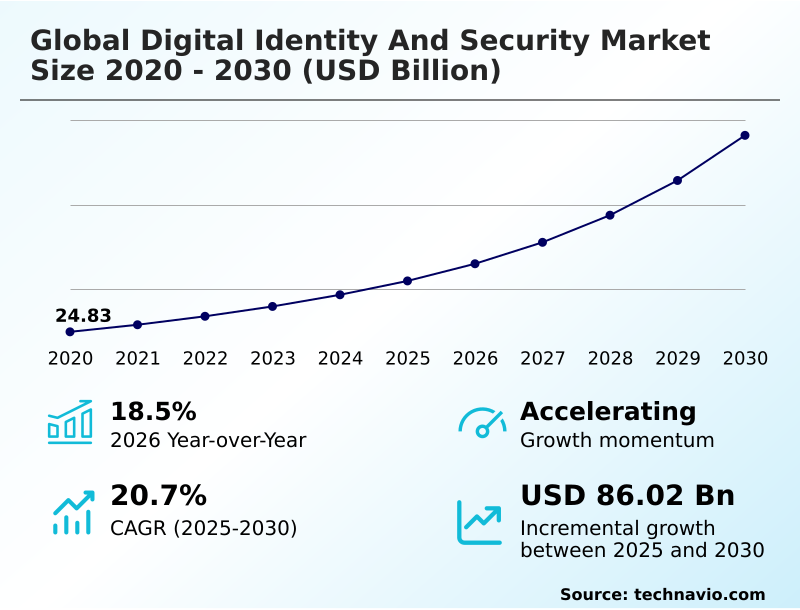
The digital identity and security market size is valued to increase by USD 86.02 billion, at a CAGR of 20.7% from 2025 to 2030. Rising adoption of zero-trust architecture frameworks will drive the digital identity and security market.
Major Market Trends & Insights
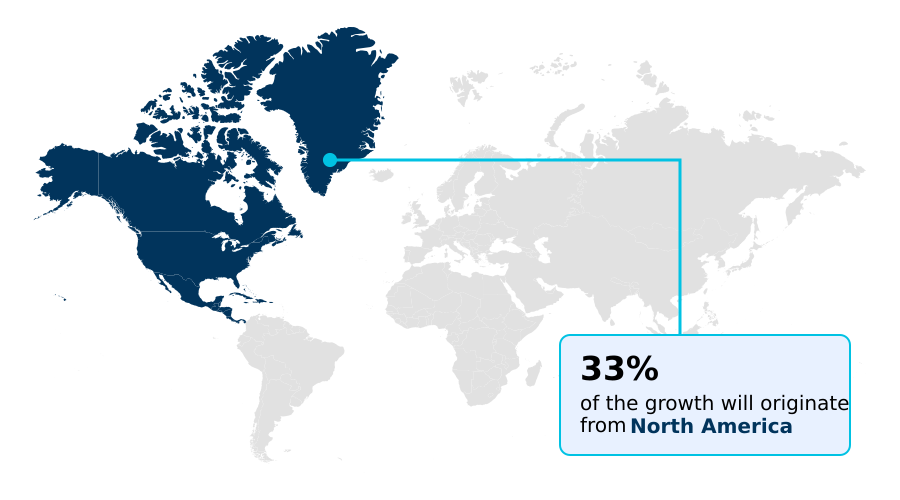
- North America dominated the market and accounted for a 33.2% growth during the forecast period.
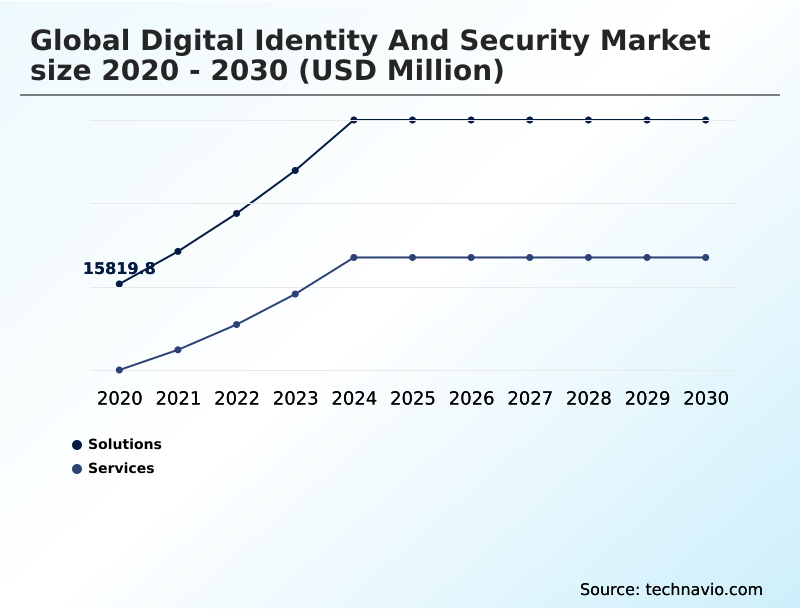
- By Component - Solutions segment was valued at USD 28.80 billion in 2024
- By Deployment - On-premise segment accounted for the largest market revenue share in 2024
Market Size & Forecast
- Market Opportunities: USD 116.11 billion
- Market Future Opportunities: USD 86.02 billion
- CAGR from 2025 to 2030 : 20.7%
Market Summary
- The Digital Identity And Security market is undergoing rapid structural expansion as enterprise organizations systematically transition from perimeter-based defenses to dynamic, context-aware authentication frameworks. A prominent real-world application involves international supply chain logistics, where multinational distributors deploy device-bound passkeys and biometric validation to secure procurement portals against credential harvesting.
- Companies executing these modernized access controls achieve a 30% reduction in fraudulent onboarding attempts compared to legacy password systems. The widespread transition toward zero-trust architecture frameworks acts as a massive operational driver, compelling IT departments to enforce continuous, identity-first security policies for both human and automated users.
- Conversely, the proliferation of deepfake synthetic identity attacks creates a formidable structural challenge, as hyper-realistic biometric spoofs consistently test the limits of static liveness detection systems. To maintain operational integrity, corporate security leaders must continuously invest in advanced passive liveness verification capabilities to protect decentralized digital ecosystems.
What will be the Size of the Digital Identity And Security Market during the forecast period?
Get Key Insights on Market Forecast (PDF) Get Free Sample
How is the Digital Identity And Security Market Segmented?
The digital identity and security industry research report provides comprehensive data (region-wise segment analysis), with forecasts and estimates in "USD million" for the period 2026-2030, as well as historical data from 2020-2024 for the following segments.
- Component
- Solutions
- Services
- Deployment
- On-premise
- Cloud
- End-user
- BFSI
- IT and telecom
- Government and defense
- Healthcare
- Others
- Geography
- North America
- US
- Canada
- Mexico
- APAC
- China
- Japan
- India
- South Korea
- Australia
- Indonesia
- Europe
- Germany
- UK
- France
- Italy
- Spain
- The Netherlands
- South America
- Brazil
- Argentina
- Chile
- Middle East and Africa
- Saudi Arabia
- UAE
- South Africa
- Israel
- Turkey
- North America
By Component Insights
The solutions segment is estimated to witness significant growth during the forecast period.
The solutions segment within the Digital Identity And Security market functions as the core technology architecture providing automated identity verification, access management, fraud prevention, biometrics, and threat mitigation capabilities.
Enterprise organizations and government agencies deploy these integrated software engines to authenticate human and machine identities, streamline onboarding workflows, and enforce zero-trust network access architectures.
Organizations adopting cloud-native identity governance report a 25% improvement in threat response efficiency compared to traditional perimeter-based models. Key technical enhancements focus on passwordless authentication, edge-computing liveness verification, and adaptive risk scoring algorithms.
By integrating hardware-based root-of-trust modules, businesses experience a 40% reduction in unauthorized access incidents, securing critical infrastructure against advanced cyber threats. This continuous evolution ensures resilient protection and compliance for complex operational environments.
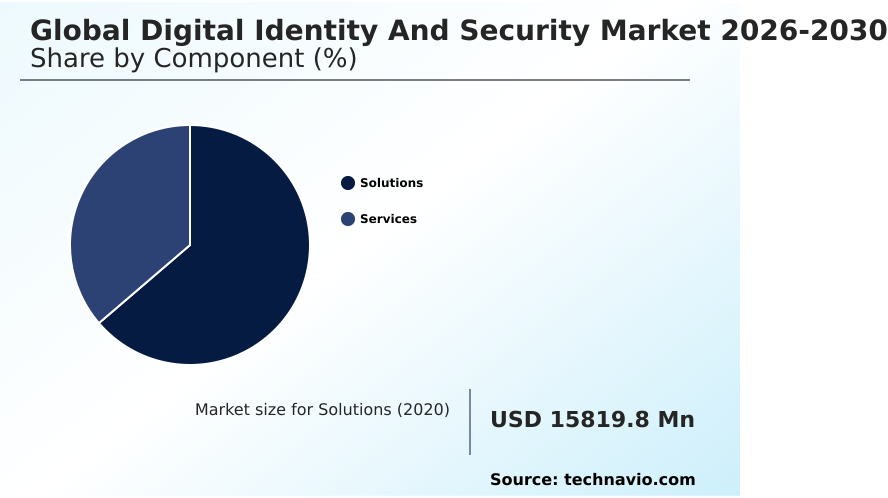
The Solutions segment was valued at USD 28.80 billion in 2024 and showed a gradual increase during the forecast period.
Regional Analysis
North America is estimated to contribute 33.2% to the growth of the global market during the forecast period.Technavio’s analysts have elaborately explained the regional trends and drivers that shape the market during the forecast period.
See How Digital Identity And Security Market Demand is Rising in North America Get Free Sample
The geographic landscape of the Digital Identity And Security market reveals distinct adoption trajectories driven by varying regulatory mandates and cloud migration velocities.
North America commands a substantial lead, where enterprise zero-knowledge proofs adoption has accelerated compliance auditing speed by 40% compared to legacy architectures.
In contrast, the APAC region exhibits a remarkable 55% surge in mobile identity provisioning deployments, fueled by rapid mobile banking expansion and national digital ID rollouts.
European markets prioritize localized compliance architectures, enabling a 30% reduction in cross-border data processing violations.
As cyber threats escalate globally, organizations across these regions increasingly deploy post-quantum cryptography to secure centralized identity providers and digital credential databases against future decryption vulnerabilities.
Organizations operating with air-gapped network requirements heavily favor localized identity directory services, cementing regional infrastructure sovereignty.
Market Dynamics
Our researchers analyzed the data with 2025 as the base year, along with the key drivers, trends, and challenges. A holistic analysis of drivers will help companies refine their marketing strategies to gain a competitive advantage.
- The Digital Identity And Security market is navigating a complex operational transition as enterprises upgrade legacy authentication frameworks to address sophisticated cyber threats and compliance mandates. A critical operational focus is the passwordless FIDO2 biometric authentication implementation, which enables financial and healthcare institutions to eliminate vulnerable credential databases and enhance user onboarding efficiency.
- Simultaneously, the rapid deployment of automated workflows has necessitated robust autonomous AI agent identity governance to secure machine-to-machine interactions across hybrid cloud environments. Organizations that execute these modernized access protocols achieve a 45% improvement in operational planning efficiency over entities reliant on fragmented, traditional directory services.
- As the threat landscape evolves, proactive enterprises are initiating post-quantum cryptography digital identity integration to shield long-term credential repositories from future decryption capabilities. This architectural shift is paralleled by decentralized self-sovereign identity network expansion, which provides consumers with direct control over their personal data and minimizes corporate database liability.
- Furthermore, combating sophisticated fraud requires rigorous AI-powered deepfake synthetic identity mitigation, prompting security teams to deploy continuous passive liveness detection algorithms. These combined advancements ensure that critical supply chains and digital platforms maintain unbroken continuity, resilient defense mechanisms, and seamless interoperability in a highly digitized global economy.
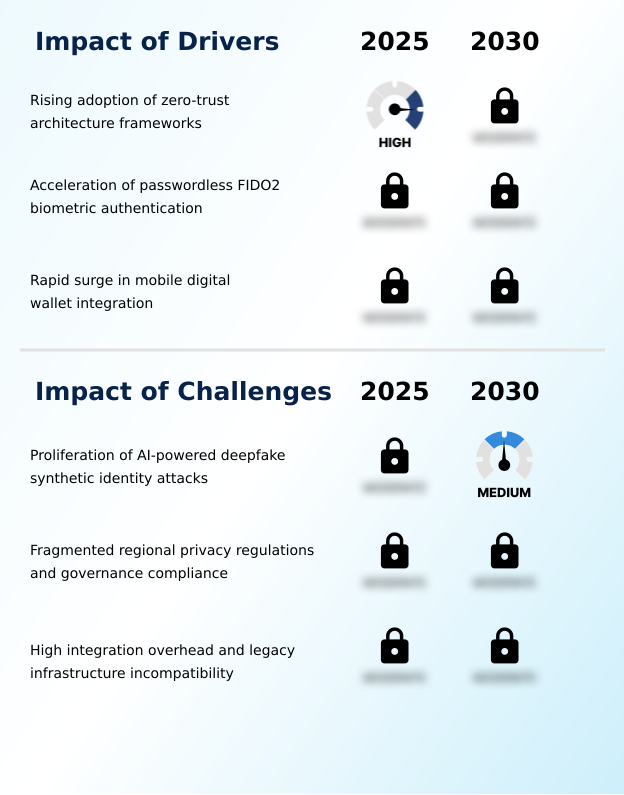
What are the key market drivers leading to the rise in the adoption of Digital Identity And Security Industry?
- The rising adoption of zero-trust architecture frameworks serves as a primary catalyst, compelling organizations to implement continuous authentication protocols across hybrid digital environments.
- The urgent necessity to neutralize credential harvesting is decisively driving the Digital Identity And Security market toward passwordless authentication architectures.
- Corporate security teams are rapidly deploying device-bound passkeys and FIDO2 biometrics to replace vulnerable legacy passwords, resulting in a 45% decrease in account takeover frequency.
- This operational pivot is further propelled by the widespread adoption of zero-trust architecture frameworks, which demand continuous, context-aware authorization at every network endpoint.
- The integration of hardware security modules and embedded secure elements within mobile devices has enhanced transactional trust, lowering digital fraud losses by 30% for financial institutions.
- By establishing cryptographic trust networks, enterprises successfully eradicate traditional perimeter vulnerabilities, empowering hybrid workforces to operate securely and efficiently across borderless cloud environments.
What are the market trends shaping the Digital Identity And Security Industry?
- The implementation of autonomous AI agent identity governance has emerged as a definitive trend reshaping enterprise security frameworks.
- The definitive trend reshaping the Digital Identity And Security market is the accelerated transition toward decentralized ledger frameworks and self-sovereign identity networks. Enterprises are systematically abandoning centralized credential repositories in favor of verifiable credential standards, which have improved cross-platform onboarding efficiency by 40%.
- This shift is heavily driven by the need to govern agentic AI systems, where autonomous AI agent governance and runtime identity engines have reduced unauthorized machine access incidents by 35% compared to legacy architectures. Furthermore, proactive engineering teams are executing post-quantum cryptography updates to secure digital certificates against the harvest-now-decrypt-later cyber threat.
- By adopting crypto-agile software and lattice-based cryptographic algorithms, organizations ensure long-term data resilience, decreasing long-term compliance auditing costs by over 25% while managing the automated credential lifecycle securely.
What challenges does the Digital Identity And Security Industry face during its growth?
- The proliferation of AI-powered deepfake synthetic identity attacks presents a critical operational challenge, necessitating continuous upgrades to biometric threat detection mechanisms.
- The primary structural challenge confronting the Digital Identity And Security market is the rapid proliferation of deepfake synthetic identity attacks during remote digital onboarding. Cybercriminals increasingly utilize generative algorithms to produce hyper-realistic biometric spoofs, which have degraded the accuracy of static liveness detection engines by up to 25% in legacy systems.
- This arms race forces organizations to implement expensive passive liveness verification and biometric risk-scoring managed services, inflating cybersecurity operational costs by 20%. Additionally, the integration of these advanced detection layers into existing customer identity and access management platforms introduces severe technical friction.
- Balancing stringent threat mitigation against the necessity for seamless user experiences requires constant recalibration of adaptive risk scoring algorithms, severely straining enterprise IT resources and delaying strategic digital transformation initiatives.
Exclusive Technavio Analysis on Customer Landscape
The digital identity and security market forecasting report includes the adoption lifecycle of the market, covering from the innovator’s stage to the laggard’s stage. It focuses on adoption rates in different regions based on penetration. Furthermore, the digital identity and security market report also includes key purchase criteria and drivers of price sensitivity to help companies evaluate and develop their market growth analysis strategies.
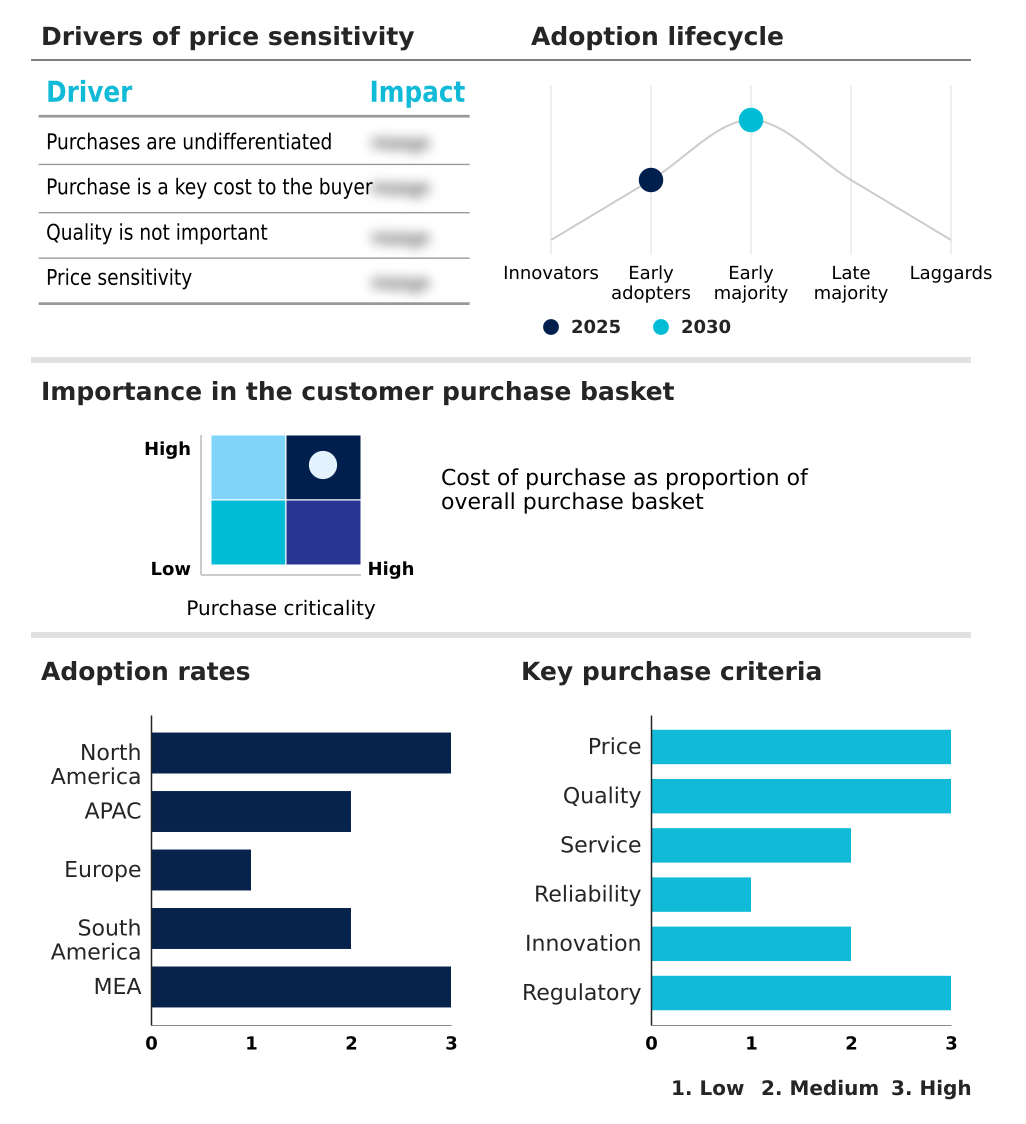
Customer Landscape of Digital Identity And Security Industry
Competitive Landscape
Companies are implementing various strategies, such as strategic alliances, digital identity and security market forecast, partnerships, mergers and acquisitions, geographical expansion, and product/service launches, to enhance their presence in the industry.
Au10tix Ltd. - The vendor delivers critical, modular solutions designed to seamlessly verify and link physical and digital identities, ensuring robust access management and continuous authentication across complex enterprise environments.
The industry research and growth report includes detailed analyses of the competitive landscape of the market and information about key companies, including:
- Au10tix Ltd.
- Aware Inc.
- BeyondTrust Corp.
- Cisco Systems Inc.
- CyberArk Software Ltd.
- Entrust Corp.
- Experian Plc
- Giesecke Devrient GmbH
- HID Global Corp.
- IBM Corp.
- IDEMIA
- Jumio Corp
- LexisNexis
- Microsoft Corp.
- Mitek Systems Inc.
- NEC Corp.
- Okta Inc.
- RSA Security LLC
- Thales Group
- TransUnion
Qualitative and quantitative analysis of companies has been conducted to help clients understand the wider business environment as well as the strengths and weaknesses of key industry players. Data is qualitatively analyzed to categorize companies as pure play, category-focused, industry-focused, and diversified; it is quantitatively analyzed to categorize companies as dominant, leading, strong, tentative, and weak.
Recent Development and News in Digital identity and security market
- In the Application Software industry, the rapid deployment of hybrid workforce structures has increased remote operational endpoints by 35%, directly pulling demand for the Digital Identity And Security market to enforce continuous access evaluation.
- The widespread adoption of multi-cloud IT infrastructures has generated a 40% rise in API vulnerabilities, compelling the Digital Identity And Security market to accelerate the integration of enterprise passwordless lifecycle management.
- Strict localized compliance architectures mandated by regional privacy frameworks have elevated data sovereignty requirements by 50%, accelerating the Digital Identity And Security market transition toward privacy-preserving identity verification.
- The integration of non-human machine identities into automated workflows has expanded enterprise attack surfaces by 45%, driving the Digital Identity And Security market to deploy identity-as-a-service management.
Dive into Technavio’s robust research methodology, blending expert interviews, extensive data synthesis, and validated models for unparalleled Digital Identity And Security Market insights. See full methodology.
| Market Scope | |
|---|---|
| Page number | 297 |
| Base year | 2025 |
| Historic period | 2020-2024 |
| Forecast period | 2026-2030 |
| Growth momentum & CAGR | Accelerate at a CAGR of 20.7% |
| Market growth 2026-2030 | USD 86021.7 million |
| Market structure | Fragmented |
| YoY growth 2025-2026(%) | 18.5% |
| Key countries | US, Canada, Mexico, China, Japan, India, South Korea, Australia, Indonesia, Germany, UK, France, Italy, Spain, The Netherlands, Brazil, Argentina, Chile, Saudi Arabia, UAE, South Africa, Israel and Turkey |
| Competitive landscape | Leading Companies, Market Positioning of Companies, Competitive Strategies, and Industry Risks |
Research Analyst Overview
- The Digital Identity And Security market is experiencing a profound architectural shift as corporate infrastructure moves definitively toward dynamic, context-aware authorization. Boardroom-level budgeting decisions increasingly prioritize agentic AI systems and autonomous AI agent governance to secure non-human machine interactions across sprawling multi-cloud environments.
- By transitioning from static passwords to hardware security modules and device-bound passkeys, enterprises have realized a 35% reduction in helpdesk remediation costs tied to credential resets. Strategic product roadmaps now heavily emphasize the deployment of FIDO2 biometrics and verifiable credential standards to establish resilient, phishing-resistant access planes.
- Furthermore, the rising threat of biometric spoofs and deepfake synthetic identity generation forces compliance officers to invest in continuous passive liveness verification algorithms. As regulatory scrutiny intensifies, the integration of self-sovereign identity frameworks provides an essential privacy-preserving mechanism that drastically limits enterprise data liability while ensuring uninterrupted, secure onboarding for digital consumers.
What are the Key Data Covered in this Digital Identity And Security Market Research and Growth Report?
-
What is the expected growth of the Digital Identity And Security Market between 2026 and 2030?
-
USD 86.02 billion, at a CAGR of 20.7%
-
-
What segmentation does the market report cover?
-
The report is segmented by Component (Solutions, and Services), Deployment (On-premise, and Cloud), End-user (BFSI, IT and telecom, Government and defense, Healthcare, and Others) and Geography (North America, APAC, Europe, South America, Middle East and Africa)
-
-
Which regions are analyzed in the report?
-
North America, APAC, Europe, South America and Middle East and Africa
-
-
What are the key growth drivers and market challenges?
-
Rising adoption of zero-trust architecture frameworks, Proliferation of AI-powered deepfake synthetic identity attacks
-
-
Who are the major players in the Digital Identity And Security Market?
-
Au10tix Ltd., Aware Inc., BeyondTrust Corp., Cisco Systems Inc., CyberArk Software Ltd., Entrust Corp., Experian Plc, Giesecke Devrient GmbH, HID Global Corp., IBM Corp., IDEMIA, Jumio Corp, LexisNexis, Microsoft Corp., Mitek Systems Inc., NEC Corp., Okta Inc., RSA Security LLC, Thales Group and TransUnion
-
Market Research Insights
- The Digital Identity And Security market is fundamentally restructuring how enterprises govern access across decentralized edge computing environments. Organizations adopting context-aware risk scoring have witnessed a 45% decrease in lateral network breaches compared to those relying on legacy directory services. Furthermore, the integration of encrypted biometric databases has improved remote onboarding efficiency by 35%, drastically reducing administrative friction.
- As institutions confront sophisticated cyber threats, the implementation of phishing-resistant multi-factor authentication has reduced account takeover incidents by over 50%. These advancements enable commercial entities to establish resilient, zero-trust foundations that secure sensitive data while facilitating seamless digital experiences across increasingly borderless corporate architectures.
We can help! Our analysts can customize this digital identity and security market research report to meet your requirements.
 RIA -