


Dragline Excavator Market Size 2024-2028
The dragline excavator market size is forecast to increase by USD 755.8 million, at a CAGR of 3.27% between 2023 and 2028.
- The market is experiencing significant growth, driven primarily by the expanding construction industry worldwide. This sector's surge is fueling the demand for heavy-duty excavators, including dragline models, which are essential for large-scale mining and infrastructure projects. Another key trend in the market is the increasing adoption of remote monitoring systems in excavators. These advanced technologies enable operators to optimize machine performance, reduce downtime, and improve safety. However, the market faces challenges, most notably the volatility of raw material prices.
- This instability can impact the cost-effectiveness of excavator production and usage, requiring manufacturers and operators to adapt and innovate to mitigate the risks. Companies seeking to capitalize on market opportunities must stay informed about these trends and challenges, focusing on operational efficiency, technological advancements, and cost management strategies.
What will be the Size of the Dragline Excavator Market during the forecast period?
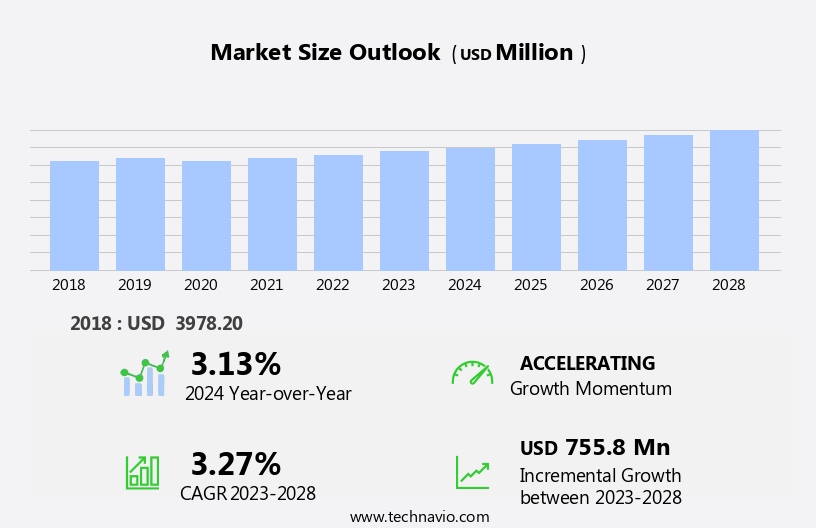
Explore in-depth regional segment analysis with market size data - historical 2018-2022 and forecasts 2024-2028 - in the full report.
Request Free Sample
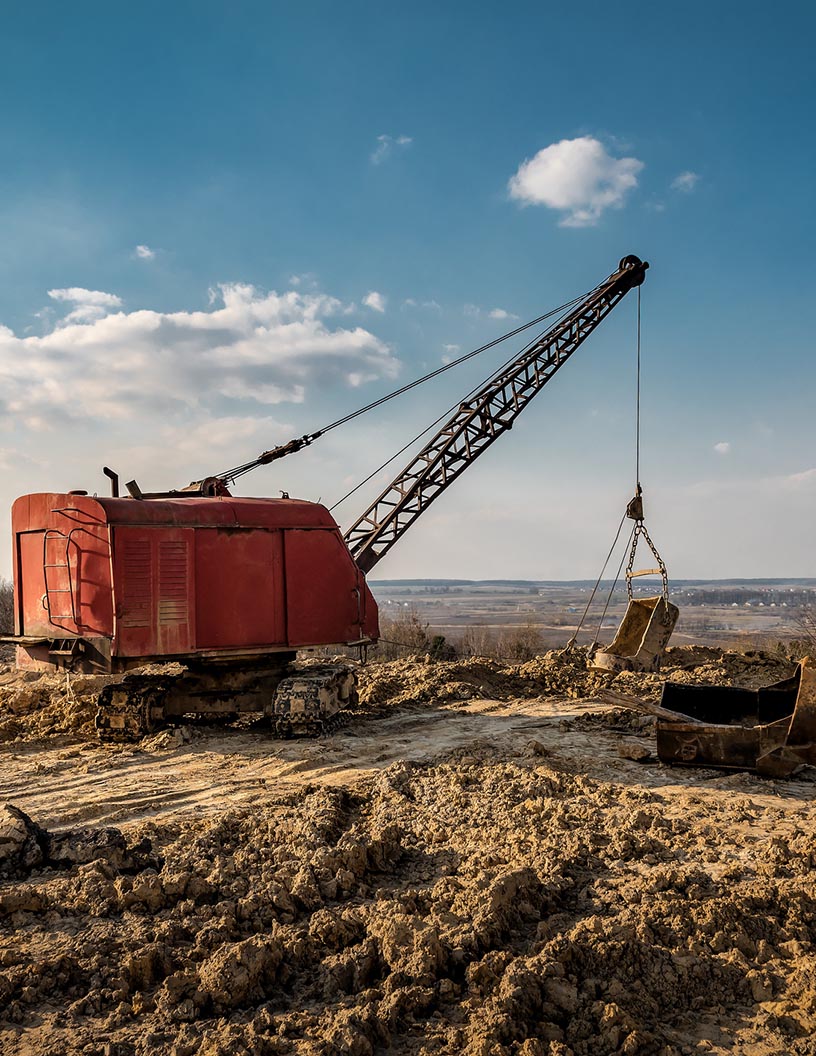
The market continues to evolve, driven by the dynamic needs of various sectors, including earthmoving applications in construction sites and infrastructure development. These machines, renowned for their digging depth and swing radius, are essential for heavy lifting and material handling in diverse projects. Manufacturers focus on enhancing service life, fuel efficiency, and safety certifications to meet the evolving demands of customers. Cab comfort and hydraulic pressure are critical factors, ensuring operator productivity and efficiency. Automated control systems, track pads, and advanced hydraulic systems are integral components, enabling seamless excavation projects. Infrastructure development and mining operations require high digging force, engine power, and excavation depth.
The control system and hydraulic system play a crucial role in optimizing production rate, while safety features and emission standards ensure environmental compliance. Boom length, wear resistance, and corrosion resistance are essential considerations for the durability and longevity of these machines. Operator interface, telematics systems, payload capacity, and operating weight are essential for efficient material handling and maintenance scheduling. Excavation cycle, operating cost, operator training, and remote monitoring are integral aspects of the excavator's performance and overall productivity. The market's continuous evolution reflects the ongoing demands for innovation, efficiency, and safety in the earthmoving industry.
How is this Dragline Excavator Industry segmented?
The dragline excavator industry research report provides comprehensive data (region-wise segment analysis), with forecasts and estimates in "USD million" for the period 2024-2028, as well as historical data from 2018-2022 for the following segments.
- Type
- Diesel-mechanical
- Diesel-electric hybrid
- Geography
- North America
- US
- Europe
- Germany
- APAC
- Australia
- China
- India
- Rest of World (ROW)
- North America
.
By Type Insights
The diesel-mechanical segment is estimated to witness significant growth during the forecast period.
In the dynamic construction industry landscape of 2023, the global market for dragline excavators experienced significant growth, with diesel-mechanical models leading the charge. This segment's expansion was driven by the increasing demand for cost-effective solutions in surface mining, sand manufacturing, and specialized excavation projects, such as bridge, dam, port, and road construction. These applications have gained traction due to the ongoing urbanization trend worldwide. A dragline excavator is a robust, versatile machine that utilizes a large diesel engine to power its hydraulic system. Its unique capabilities enable it to dig trenches using a bucket and drag the bucket against the material, offering unparalleled flexibility in three dimensions and all directions.
The machine's extensive reach and digging depth, coupled with its heavy lifting capacity, make it an indispensable tool for infrastructure development. Safety certifications and emission standards are essential considerations in the market. Manufacturers prioritize safety features, including cab comfort, automated control systems, and remote monitoring capabilities, to ensure operator safety and productivity. Additionally, the hydraulic system's wear resistance and corrosion resistance contribute to the machine's longevity and overall service life. Environmental regulations have also influenced the market, with a focus on fuel efficiency and reduced emissions. Telematics systems and operator training programs have become essential components of the market, allowing for efficient maintenance scheduling, material handling, and excavation cycle optimization.
These advancements have contributed to the market's continued growth and evolution.
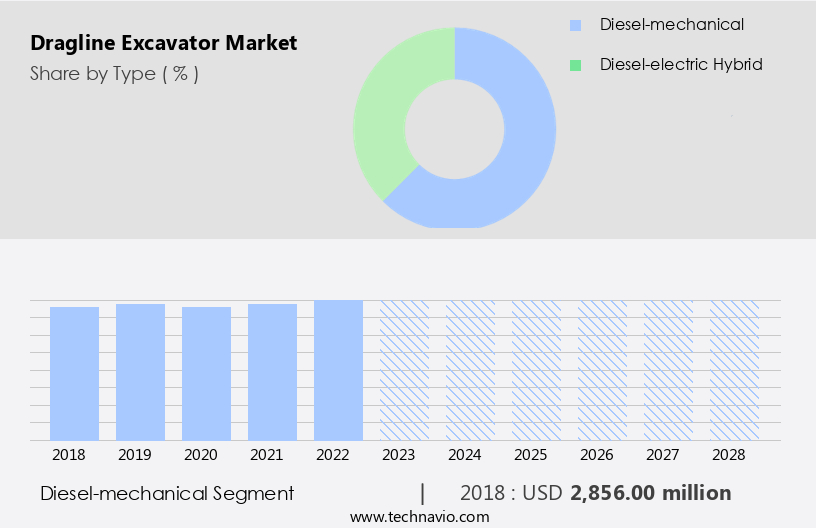
The Diesel-mechanical segment was valued at USD 2856.00 million in 2018 and showed a gradual increase during the forecast period.
Regional Analysis
APAC is estimated to contribute 63% to the growth of the global market during the forecast period.Technavio's analysts have elaborately explained the regional trends and drivers that shape the market during the forecast period.
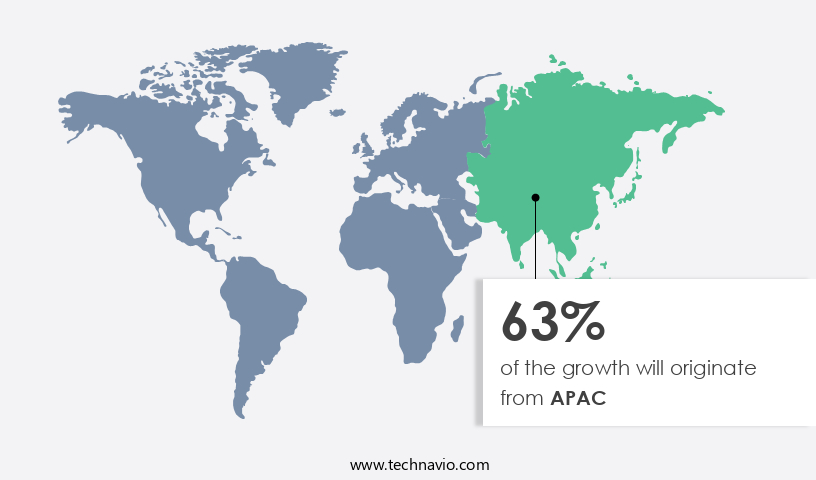
The market is experiencing significant growth, particularly in the Asia Pacific (APAC) region. This expansion is attributed to the region's burgeoning construction, industrial manufacturing, and agriculture sectors. The surge in investments for infrastructure development projects, such as roads, railways, and other constructions, is driving the demand for dragline excavators in APAC. Furthermore, the rise of private-public partnerships (PPPs) to support infrastructure development is another significant factor contributing to market growth. In APAC, countries like South Korea, India, and others have implemented PPPs to finance and execute infrastructure projects. The region's the market is also characterized by a focus on fuel efficiency, safety certifications, and automated control systems.
These features are essential for enhancing productivity and minimizing operational costs. Additionally, the market prioritizes safety features, such as hydraulic pressure sensors, safety interlocks, and operator interface alerts, to ensure optimal performance and minimize risks. The hydraulic system, boom structure, and wear resistance are critical factors in the market, ensuring the excavators' longevity and ability to handle heavy lifting and excavation depths. Environmental regulations and emission standards are also essential considerations, with many manufacturers focusing on developing eco-friendly solutions. The market's evolution includes the integration of telematics systems for remote monitoring and maintenance scheduling, enhancing operational efficiency and reducing downtime.
The market's future looks promising, with a focus on innovation, productivity, and sustainability.
Market Dynamics
Our researchers analyzed the data with 2023 as the base year, along with the key drivers, trends, and challenges. A holistic analysis of drivers will help companies refine their marketing strategies to gain a competitive advantage.
What are the key market drivers leading to the rise in the adoption of Dragline Excavator Industry?
- The expansion of the global construction industry serves as the primary catalyst for market growth.
- The global construction market is experiencing significant growth due to various factors, including aging infrastructure in developed economies like the US and the UK, increased government spending, population growth, and economic progress in developing countries. This expansion presents substantial opportunities for heavy construction machinery, particularly dragline excavators, which are essential for material handling and excavation tasks. Dragline excavators are crucial in construction projects, offering impressive payload capacities and operating weights to efficiently move and lift heavy materials. Their long reach and digging capabilities make them indispensable in various applications, including mining operations, site preparation, and material handling. To ensure optimal performance and minimize downtime, regular maintenance schedules are essential.
- Advanced technologies like remote monitoring systems can help identify potential issues before they escalate, reducing operating costs and ensuring a harmonious excavation cycle. Operator training is also vital to maximize productivity and minimize errors. The construction industry's shift towards sustainable and green building practices has led to increased investments in technological innovations. Dragline excavators are no exception, with manufacturers focusing on fuel efficiency, reduced emissions, and improved safety features. In conclusion, the construction industry's growth and the resulting demand for heavy machinery, such as dragline excavators, offer significant opportunities for businesses. With a focus on maintenance, operator training, and technological advancements, companies can capitalize on the market's potential while contributing to sustainable and efficient construction practices.
What are the market trends shaping the Dragline Excavator Industry?
- The trend in the construction industry is shifting towards high demand for remote monitoring systems in excavators. These advanced technologies enable efficient and effective operations, making them a must-have in the upcoming market.
- Excavator manufacturers are integrating Global Positioning Systems (GPS) and satellite remote monitoring technologies into their equipment to enhance performance and efficiency off-site. Operators can track multiple machines from any location, guiding them to execute tasks such as accelerating, steering, braking, and obstacle avoidance. This system enables excavator owners, including construction companies and contractors, to monitor the machine's location via GPS, machine history, current hours, idle time, maintenance information, and alarm fault history.
- Leading Japanese manufacturers like Hitachi Construction Machinery, Komatsu, and Kobelco Construction Machinery offer remote monitoring systems in their excavators, providing valuable insights to optimize operations and maintenance.
What challenges does the Dragline Excavator Industry face during its growth?
- The volatility of raw material prices poses a significant challenge to the growth of the industry. In order to maintain profitability and competitiveness, companies must effectively manage this risk and adapt to price fluctuations. This can involve implementing strategic sourcing initiatives, exploring alternative suppliers, and utilizing hedging techniques to mitigate price volatility. By addressing this challenge, organizations can stabilize their operations and focus on driving growth and innovation within their respective industries.
- Dragline excavators are essential machinery in various excavation projects, known for their digging depth, swing radius, and heavy lifting capabilities. The manufacturing of these machines primarily relies on alloy steel for components such as cabs and buckets, while aluminum, rubber, and plastic are also utilized due to their strength-to-weight ratio. However, the price volatility of raw materials like steel and aluminum, influenced by taxes, duties, tariffs, and production disruptions, poses challenges to the industry. To mitigate these risks, manufacturers procure raw materials in advance to maintain a stable price and product mix.
- Furthermore, cab comfort, hydraulic pressure, fuel efficiency, safety certifications, and production rate are crucial factors influencing the demand for dragline excavators. Manufacturers prioritize these aspects to ensure optimal machine performance and customer satisfaction.
Exclusive Customer Landscape
The dragline excavator market forecasting report includes the adoption lifecycle of the market, covering from the innovator's stage to the laggard's stage. It focuses on adoption rates in different regions based on penetration. Furthermore, the dragline excavator market report also includes key purchase criteria and drivers of price sensitivity to help companies evaluate and develop their market growth analysis strategies.
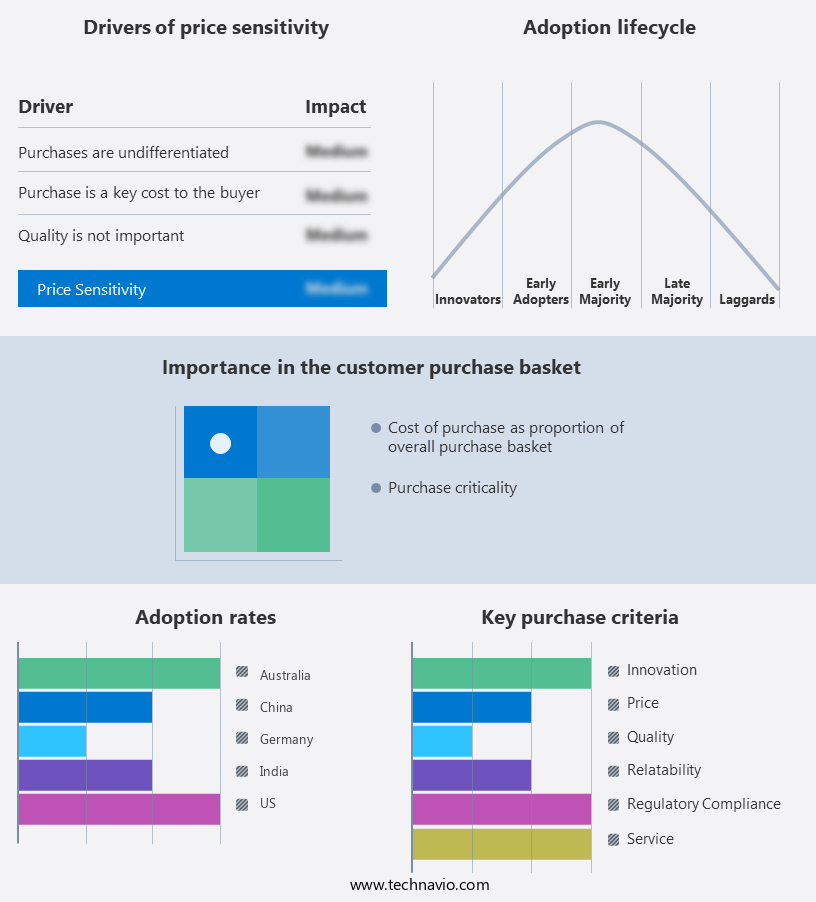
Customer Landscape
Key Companies & Market Insights
Companies are implementing various strategies, such as strategic alliances, dragline excavator market forecast, partnerships, mergers and acquisitions, geographical expansion, and product/service launches, to enhance their presence in the industry.
AB Volvo - The company specializes in providing advanced dragline excavators, including models such as the EC950E, EC750D, and EC300D.
The industry research and growth report includes detailed analyses of the competitive landscape of the market and information about key companies, including:
- AB Volvo
- Action Construction Equipment Ltd.
- American Mine Services
- BAUER AG
- BEML Ltd.
- Broadwind Energy Inc.
- Caterpillar Inc.
- Deere and Co.
- Doosan Bobcat Inc.
- Heavy Engineering Corp. Ltd.
- Hitachi Construction Machinery Co. Ltd.
- Hyundai Motor Co.
- Kobe Steel Ltd.
- Komatsu Ltd.
- Liebherr International AG
- SENNEBOGEN Maschinenfabrik GmbH
- Siemens AG
- Sumitomo Heavy Industries Ltd.
- The Manitowoc Co. Inc.
- Xuzhou Construction Machinery Group Co. Ltd.
Qualitative and quantitative analysis of companies has been conducted to help clients understand the wider business environment as well as the strengths and weaknesses of key industry players. Data is qualitatively analyzed to categorize companies as pure play, category-focused, industry-focused, and diversified; it is quantitatively analyzed to categorize companies as dominant, leading, strong, tentative, and weak.
Recent Development and News in Dragline Excavator Market
- In February 2023, Caterpillar Inc., a leading manufacturer of construction and mining equipment, introduced its new large dragline excavator model, the Cat D11T LG, boasting a digging depth of 39.4 meters and a maximum reach of 30.5 meters. This new addition to their product line is designed to enhance productivity and efficiency in large-scale mining operations (Caterpillar Press Release, 2023).
- In July 2024, Liebherr-Mining Equipment Co. announced a strategic partnership with Sandvik Group to jointly develop and manufacture large dragline excavators. This collaboration aims to combine Liebherr's expertise in hydraulic excavators and Sandvik's knowledge in mining technology to create innovative and efficient dragline solutions (Liebherr Press Release, 2024).
- In November 2024, Komatsu Ltd. completed the acquisition of Terex Mining, a leading manufacturer of mining equipment, including dragline excavators. This strategic move strengthened Komatsu's position in the mining industry and expanded its product portfolio (Komatsu Press Release, 2024).
- In March 2025, the European Union approved new regulations on emissions standards for heavy machinery, including dragline excavators. These regulations will significantly reduce the allowed emissions levels, pushing manufacturers to invest in advanced technologies to meet these new standards (European Commission Press Release, 2025).
Research Analyst Overview
- The hydraulic excavator market encompasses various types, including demolition and recycling applications. Efficiency is a key factor in this industry, with boom actuators and swing mechanisms playing crucial roles. Hydraulic pumps and electric motors power these components, influencing fuel consumption and lubrication requirements. Site topography and material density significantly impact excavation efficiency, with electric excavators offering an alternative to diesel engines. Parts availability and maintenance intervals are essential considerations, as is the cab design for operator comfort. Undercarriage components, such as track chains and track shoes, ensure stability and mobility.
- Soil conditions and swing mechanism design affect performance, while hydraulic cylinders and backhoe excavators cater to specific tasks. The track drive system and fuel consumption are additional factors shaping market trends. A robust dealer network ensures seamless access to equipment and services.
Dive into Technavio's robust research methodology, blending expert interviews, extensive data synthesis, and validated models for unparalleled Dragline Excavator Market insights. See full methodology.
|
Market Scope |
|
|
Report Coverage |
Details |
|
Page number |
142 |
|
Base year |
2023 |
|
Historic period |
2018-2022 |
|
Forecast period |
2024-2028 |
|
Growth momentum & CAGR |
Accelerate at a CAGR of 3.27% |
|
Market growth 2024-2028 |
USD 755.8 million |
|
Market structure |
Fragmented |
|
YoY growth 2023-2024(%) |
3.13 |
|
Key countries |
US, China, Germany, Australia, and India |
|
Competitive landscape |
Leading Companies, Market Positioning of Companies, Competitive Strategies, and Industry Risks |
What are the Key Data Covered in this Dragline Excavator Market Research and Growth Report?
- CAGR of the Dragline Excavator industry during the forecast period
- Detailed information on factors that will drive the growth and forecasting between 2024 and 2028
- Precise estimation of the size of the market and its contribution of the industry in focus to the parent market
- Accurate predictions about upcoming growth and trends and changes in consumer behaviour
- Growth of the market across APAC, North America, Europe, Middle East and Africa, and South America
- Thorough analysis of the market's competitive landscape and detailed information about companies
- Comprehensive analysis of factors that will challenge the dragline excavator market growth of industry companies
We can help! Our analysts can customize this dragline excavator market research report to meet your requirements.
 RIA -
RIA - 
